
Introduction
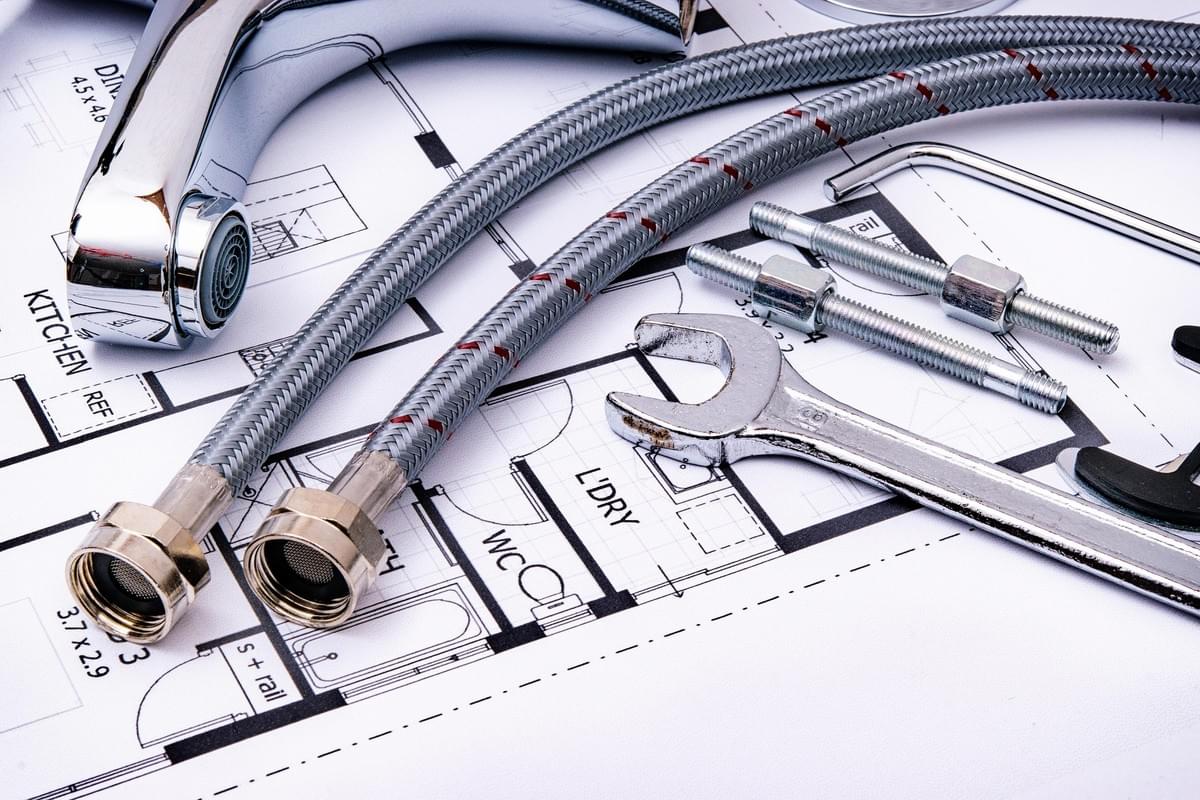
Ensuring top-quality pipe inspection in China has become a critical priority for manufacturers aiming to meet both domestic and international demands. As the country’s pipeline industry expands, so does the need for rigorous quality control measures that adhere to global standards like AWWA C950-01, BS 5480, DIN 16961-1, ASTM D 2412, and BS 1387. Implementing comprehensive pipe inspection protocols not only enhances product reliability but also helps Chinese companies stay competitive on the world stage.
Ensuring Top-Quality Pipe Inspection in China
Achieving excellence in pipe inspection is essential for Chinese manufacturers who want their products to pass stringent quality assessments worldwide. By deploying advanced inspection techniques aligned with standards such as ASTM D 2412 and BS 1387, companies can detect flaws early and prevent costly failures down the line. The focus on rigorous pipe inspection ensures durability, safety, and compliance—cornerstones of top-tier Chinese pipe production.
The Role of Quality Control in Chinese Pipe Manufacturing
Quality control plays a pivotal role in elevating China’s reputation as a leading supplier of pipes that meet international standards like DIN 16961-1 and BS 5480. Regular inspections rooted in these standards help identify manufacturing inconsistencies before they reach the end-user. This proactive approach to quality assurance fosters trust among clients while reducing warranty claims and rework costs.
Navigating International Standards and Regulatory Compliance
Navigating a maze of international standards such as AWWA C950-01 alongside local regulations can be daunting for Chinese pipe manufacturers. Incorporating these standards into daily operations involves meticulous adherence to protocols like ultrasonic testing under ASTM D 2412 or radiography methods aligned with BS 5480 guidelines. Successfully aligning with these diverse requirements ensures seamless export processes and bolsters China's position as a global leader in high-quality pipe manufacturing.
The Significance of Pipe Inspection in China
In the bustling landscape of Chinese industries, pipe inspection plays a pivotal role in ensuring safety, durability, and compliance. With a rapidly growing infrastructure sector and expanding manufacturing base, rigorous pipe inspection standards are vital to prevent failures that could lead to costly downtime or environmental hazards. Whether adhering to international standards like AWWA C950-01 or local regulations, Chinese manufacturers understand that consistent pipe inspection is the backbone of quality assurance.
The adoption of globally recognized standards such as BS 5480 and BS 1387 has significantly influenced how pipes are inspected across China. These standards set clear benchmarks for material integrity and manufacturing precision, making pipe inspection an indispensable part of quality control processes. Moreover, newer protocols like DIN 16961-1 and ASTM D 2412 have been integrated into Chinese practices to enhance the robustness of inspections, ensuring pipes meet international expectations while maintaining local compliance.
Many successful case studies highlight how effective pipe inspection can elevate product reliability in China’s competitive market. Companies employing comprehensive pipe inspection methods—covering ultrasonic testing aligned with ASTM D 2412 or radiography under DIN 16961-1—have consistently delivered high-quality products that surpass industry standards like BS 5480. These examples demonstrate that integrating advanced pipe inspection techniques not only improves product lifespan but also boosts customer confidence across sectors reliant on durable piping solutions.
Regulatory Frameworks and Industry Standards
Navigating the landscape of pipe inspection in China requires a solid understanding of the key industry standards that govern quality and safety. These standards, such as AWWA C950-01, BS 5480, BS 1387, DIN 16961-1, and ASTM D 2412, form the backbone of regulatory compliance for Chinese pipe manufacturers. Implementing these protocols ensures that pipe inspection processes meet international benchmarks while catering to local market demands.
Overview of AWWA C950-01 in China
The AWWA C950-01 standard is a globally recognized guideline for polyvinyl chloride (PVC) pipes used in water supply systems. In China, adopting this standard has become crucial for enhancing pipe inspection practices to ensure durability and leak-proof performance. Pipe inspection under AWWA C950-01 emphasizes rigorous testing procedures, making it a vital component for Chinese manufacturers aiming for export markets or high-quality domestic projects.
BS 5480 and BS 1387 Standards in Chinese Pipe Production
British Standards like BS 5480 and BS 1387 have long influenced Chinese pipe production lines, particularly in steel pipes and welded tubes. These standards specify detailed requirements for material properties, manufacturing processes, and pipe inspection techniques to guarantee consistent quality. Incorporating these standards into routine pipe inspection enhances reliability while aligning with international expectations—especially when considering the importance of strict adherence to BS 1387 during steel pipe manufacturing.
Implementing DIN 16961-1 and ASTM D 2412 Protocols
For plastic pipes such as PE or PVC conduits, protocols like DIN 16961-1 and ASTM D 2412 serve as essential references during pipe inspection procedures in China. DIN standards emphasize precise testing methods to evaluate flexibility and strength under various conditions, while ASTM D 2412 focuses on determining the tensile properties critical to pipeline longevity. By integrating these protocols into their quality control systems, Chinese manufacturers can achieve superior pipe inspection results that stand up to global scrutiny.
Advanced Inspection Technologies Employed
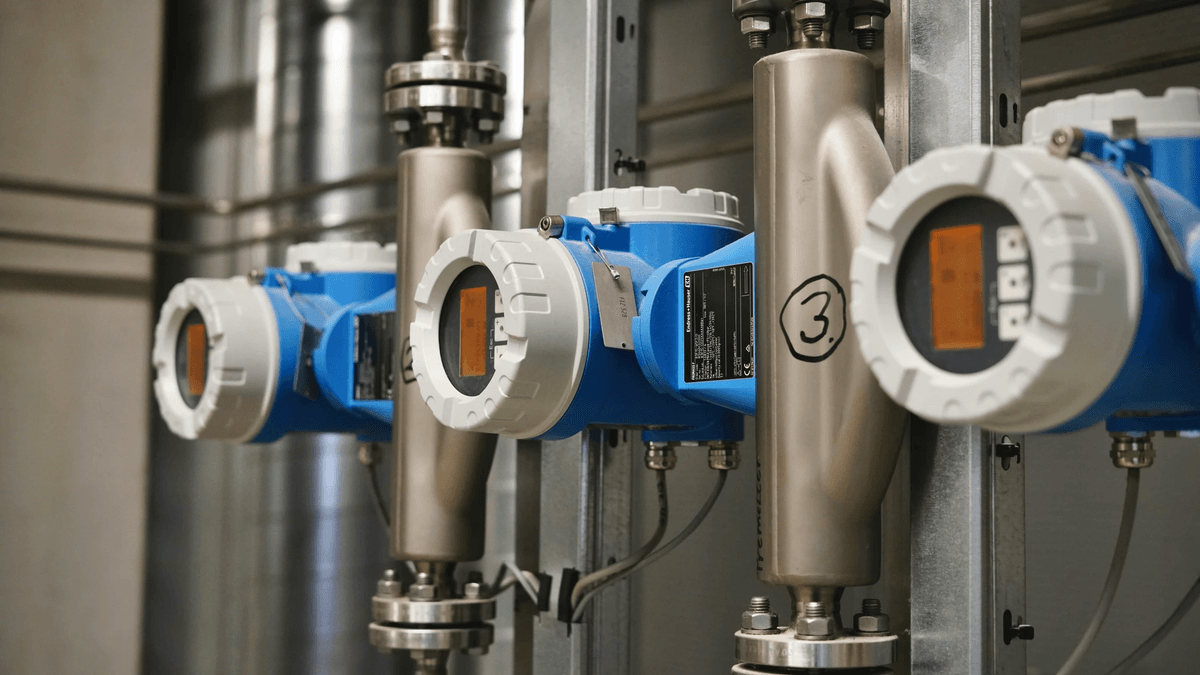
Modern pipe inspection in China relies heavily on cutting-edge technologies to ensure the highest standards of quality and safety. From ultrasonic testing to digital data management, these tools help manufacturers meet international standards such as AWWA C950-01, BS 5480, DIN 16961-1, ASTM D 2412, and BS 1387. By integrating these advanced methods, Chinese pipe producers can detect flaws early and maintain compliance across diverse regulatory frameworks.
Ultrasonic Testing and Radiography Techniques
Ultrasonic testing remains a cornerstone of pipe inspection in China, especially when verifying compliance with standards like ASTM D 2412 and BS 1387. These techniques utilize high-frequency sound waves to identify internal imperfections or inconsistencies that may compromise pipe integrity. When inspecting pipes according to AWWA C950-01 or DIN 16961-1 protocols, ultrasonic methods provide precise measurements of wall thickness and detect subsurface flaws with remarkable accuracy. Radiography complements ultrasonic testing by offering visual confirmation of internal conditions through X-ray images, ensuring that every pipe meets the rigorous criteria set forth by global standards.
Use of CCTV and Robotic Inspection Solutions
CCTV cameras and robotic inspection units have revolutionized the way Chinese manufacturers approach pipe inspection for complex infrastructure projects. These solutions are particularly effective for inspecting long stretches of pipelines under challenging conditions—whether underground or underwater—while adhering to BS 5480 or BS 1387 requirements. The integration of robotic systems allows inspectors to navigate tight bends and confined spaces seamlessly, providing real-time video footage that helps identify corrosion, blockages, or manufacturing defects aligned with international standards like ASTM D 2412. This technology not only enhances accuracy but also reduces downtime during routine inspections.
Data Analysis and Digital Record Keeping
Data analysis plays a pivotal role in transforming raw inspection results into actionable insights for Chinese pipe producers striving for excellence under AWWA C950-01 guidelines or BS standards such as BS 5480 and BS 1387. Modern digital record-keeping systems enable seamless documentation of ultrasonic readings, radiographic images, CCTV footage, and robotic inspection reports—all stored securely for future reference or regulatory audits compliant with DIN 16961-1 protocols. Implementing comprehensive data analysis ensures consistent quality control across manufacturing batches while facilitating continuous improvement based on detailed trend analysis aligned with ASTM D 2412 requirements.
This blend of innovative technologies underscores China's commitment to elevating its pipe inspection processes by harmonizing local practices with international standards such as AWWA C950-01, BS 5480, DIN 16961-1, ASTM D 2412, and BS 1387—ensuring safer infrastructure for years to come.
The Role of China Inspection Pro in Quality Assurance
China Inspection Pro has established itself as a pivotal player in elevating the standards of pipe inspection across China’s manufacturing landscape. By integrating international standards such as AWWA C950-01, BS 5480, DIN 16961-1, ASTM D 2412, and BS 1387 into their inspection protocols, they ensure Chinese pipe manufacturers meet rigorous quality benchmarks. Their expertise transforms traditional inspection methods into comprehensive quality assurance processes that boost product reliability and customer confidence.
How China Inspection Pro Enhances Product Reliability
Leveraging advanced Pipe Inspection techniques aligned with global standards like ASTM D 2412 and DIN 16961-1, China Inspection Pro ensures each pipe undergoes meticulous scrutiny before hitting the market. They utilize state-of-the-art ultrasonic testing and radiography to detect even the tiniest flaws that could compromise pipe integrity, especially when adhering to standards like BS 1387 for steel pipes or AWWA C950-01 for water transmission pipes. This diligent approach guarantees that every product leaving Chinese factories is robust, durable, and compliant with international expectations.
Tailored Inspection Solutions for Chinese Pipe Manufacturers
Recognizing that no two manufacturers are alike, China Inspection Pro offers customized solutions rooted in specific standards such as BS 5480 for steel pipes or BS 1387 for galvanized steel piping systems. Whether a client needs compliance verification against ASTM D 2412 or adherence to DIN 16961-1 protocols for plastic pipes, they craft inspection plans tailored to each manufacturer’s unique production processes. This bespoke approach ensures seamless integration of quality control measures that uphold both local regulations and international standards.
Turning Inspection Results into Actionable Improvements
Inspection results are only valuable if they lead to meaningful improvements; this is where China Inspection Pro truly shines. By analyzing data from Pipe Inspection activities aligned with BS 5480 or ASTM D 2412 procedures, they identify root causes of defects and recommend targeted corrective actions. Their expertise helps Chinese pipe manufacturers refine manufacturing processes to consistently meet or exceed standards like AWWA C950-01 and BS 1387—transforming inspection insights into continuous quality enhancements.
Challenges and Opportunities in China’s Pipe Quality Control
Navigating the complex landscape of Pipe Inspection in China presents both hurdles and golden opportunities. Manufacturers often grapple with inconsistent adherence to international standards like AWWA C950-01, BS 5480, and DIN 16961-1, which can hamper quality assurance efforts. Embracing these standards during Pipe Inspection processes is crucial for elevating product reliability and meeting global market demands.
Overcoming Common Inspection Obstacles
One of the main obstacles in Chinese Pipe Inspection is the variability in inspection techniques across different factories, leading to inconsistent quality outcomes. Many facilities struggle with integrating advanced inspection methods aligned with ASTM D 2412 or BS 1387 standards, which are vital for detecting hidden flaws and ensuring pipe integrity. To overcome these issues, companies must standardize their inspection procedures, invest in training personnel on international protocols like DIN 16961-1, and adopt reliable testing technologies that meet or exceed industry benchmarks.
Embracing Innovation for Better Quality Assurance
Innovation plays a pivotal role in transforming Pipe Inspection practices within China's manufacturing sector. Incorporating cutting-edge tools such as ultrasonic testing and radiography—aligned with ASTM D 2412 or BS 1387—enables more precise defect detection and reduces false positives. Additionally, digital record-keeping systems that analyze inspection data help manufacturers adhere to standards like AWWA C950-01 while streamlining quality control workflows; this technological leap fosters continuous improvement and aligns Chinese pipe products with international expectations.
Future Trends in Pipe Inspection and Standards Adoption
Looking ahead, China's pipe industry is poised to embrace future trends such as automation-driven inspections based on BS 5480 protocols or DIN 16961-1 guidelines that promise faster turnaround times without sacrificing accuracy. The adoption of IoT-enabled sensors for real-time monitoring during pipe production will revolutionize how standards like ASTM D 2412 are implemented on the factory floor. As global standards evolve, Chinese manufacturers have an opportunity to lead by integrating comprehensive Pipe Inspection systems that incorporate both traditional methods and innovative solutions—setting new benchmarks for quality control excellence.
Conclusion
Achieving excellence in pipe manufacturing hinges on robust Pipe Inspection processes that adhere to international standards and local regulations. When Chinese manufacturers integrate comprehensive inspection protocols aligned with standards like AWWA C950-01, BS 5480, DIN 16961-1, and ASTM D 2412, they significantly elevate product quality and reliability. These standards serve as the backbone for consistent Pipe Inspection practices, ensuring every pipe leaving the factory meets stringent quality benchmarks.
The impact of standards such as BS 1387 and AWWA C950-01 on Chinese Pipe Quality cannot be overstated. They provide clear guidelines for material selection, manufacturing processes, and inspection procedures that help identify defects early in the production cycle. By rigorously applying these standards during Pipe Inspection, manufacturers can reduce rework costs while boosting customer confidence in their products' durability and safety.
Partnering with industry experts is essential for elevating quality control standards across China’s pipeline sector. Experts familiar with BS 5480, DIN 16961-1, ASTM D 2412, and other key standards can tailor inspection solutions to specific manufacturing needs. This collaboration transforms inspection results into actionable insights that drive continuous improvement—ultimately leading to pipes that stand the test of time and environmental stressors.