
Introduction
In an age where indoor air quality is paramount, the significance of Air Purifier Inspection cannot be overstated. Regular inspections ensure that air purifiers function effectively, safeguarding our health from pollutants and allergens. With a myriad of options available—from HEPA Air Purifiers to Ionic/Ion Air Purifiers—understanding the inspection process is essential for consumers seeking clean air.
Importance of Air Purifier Inspection
Air Purifier Inspection plays a crucial role in maintaining the efficiency and safety of these devices. By identifying potential issues before they escalate, inspections help prevent costly repairs and ensure optimal performance. Moreover, regular checks bolster consumer confidence by verifying that air purifiers meet established safety and efficiency standards.
Understanding Quality Control Standards
Quality control standards serve as the backbone for ensuring that air purifiers deliver on their promises. These protocols not only dictate how products are tested but also establish benchmarks for performance and safety across various types, including Activated Carbon Air Purifiers and Ultraviolet Light Air Purifiers. Compliance with these standards fosters consumer trust, reassuring buyers that their chosen devices have undergone rigorous scrutiny.
Types of Air Purifiers Explained
The market offers a diverse range of air purifiers tailored to different needs, each with unique mechanisms for cleaning the air we breathe. HEPA Air Purifiers are renowned for trapping microscopic particles, while Activated Carbon Air Purifiers excel at absorbing odors and gases. Meanwhile, Electrostatic Air Purifiers utilize charged plates to capture pollutants, alongside Ionic/Ion Air Purifiers that release charged ions to neutralize airborne contaminants—all requiring diligent inspection to ensure effectiveness.
What is Air Purifier Inspection?

Air Purifier Inspection is a crucial process that ensures the effectiveness and safety of various air purification technologies. Whether it's HEPA Air Purifiers, Activated Carbon Air Purifiers, or Ionic/Ion Air Purifiers, regular inspections help maintain optimal performance. This process not only checks for compliance with established standards but also guarantees that consumers receive products capable of delivering clean air.
Defining the Inspection Process
The inspection process for air purifiers generally involves a systematic evaluation of the device's components and functionality. Inspectors assess filters like HEPA and Activated Carbon to ensure they meet specific performance criteria, including airflow rates and contaminant removal efficiency. Additionally, Electrostatic Air Purifiers and Ultraviolet Light Air Purifiers undergo thorough testing to verify their operational integrity and safety features.
Regular inspections typically include visual assessments, functional tests, and even laboratory analysis to determine how well each purifier performs under various conditions. For instance, an Ionic/Ion Air Purifier may be evaluated for ion output levels while an Incineration Air Purifier is scrutinized for combustion efficiency. This comprehensive approach ensures that all types of air purifiers deliver on their promise of cleaner indoor air.
Key Benefits of Regular Inspections
Regular inspections provide numerous benefits that extend beyond mere compliance with regulations; they enhance consumer confidence as well. By ensuring that HEPA Air Purifiers effectively capture allergens or that Activated Carbon models efficiently absorb odors, these evaluations help consumers make informed decisions about their health. Moreover, consistent inspection can lead to longer product lifespans by identifying potential issues before they escalate into costly repairs.
Another key advantage is the ability to stay current with evolving industry standards; this helps manufacturers adapt their products accordingly while maintaining quality assurance in an ever-changing market landscape. For example, advancements in Ionic/Ion Air Purifiers may require updated testing methods to assess new technologies effectively. Ultimately, regular inspections foster trust between manufacturers and consumers by demonstrating a commitment to quality.
Role of Certification in Quality Assurance
Certification plays a pivotal role in the realm of air purifier quality assurance by providing an official endorsement that products meet specific industry standards. Organizations like the Association of Home Appliance Manufacturers (AHAM) set rigorous criteria for devices such as HEPA and Activated Carbon Air Purifiers; certification signals adherence to these benchmarks. Consequently, consumers can choose certified models with confidence knowing they've passed stringent tests designed to ensure optimal performance.
Moreover, certification often requires ongoing monitoring through periodic inspections; this continuous oversight helps maintain high-quality standards over time rather than just during initial production phases. For instance, Electrostatic Air Purifiers must consistently demonstrate efficacy through re-evaluations against established benchmarks to retain their certification status. Thus, certification not only enhances consumer trust but also encourages manufacturers to uphold excellence throughout their product lifecycle.
Quality Control Standards for Air Purifiers

Quality control standards are the backbone of ensuring that air purifiers perform as promised, safeguarding both health and investment. With various types of air purifiers available, from HEPA Air Purifiers to Ionic/Ion Air Purifiers, it's crucial that manufacturers adhere to stringent protocols. This section will illuminate the importance of these standards and how they affect consumer trust.
Overview of Quality Assurance Protocols
Quality assurance protocols serve as a set of guidelines that manufacturers must follow during the production and testing phases of air purifier development. These protocols often include rigorous testing for filtration efficiency, noise levels, energy consumption, and safety features across different types like Activated Carbon Air Purifiers or Ultraviolet Light Air Purifiers. By adhering to these established protocols, companies can ensure their products meet or exceed industry benchmarks.
In addition to performance metrics, quality assurance also encompasses the durability and reliability of air purifiers over time. For instance, Electrostatic Air Purifiers may require specific tests to verify their longevity under continuous use conditions. Overall, these protocols not only enhance product quality but also protect consumers from subpar devices that could compromise indoor air quality.
Importance of Compliance with Industry Standards
Compliance with industry standards is not just a regulatory checkbox; it’s essential for ensuring consumer safety and satisfaction. When manufacturers comply with recognized standards—such as those set by organizations like AHAM (Association of Home Appliance Manufacturers) or ANSI (American National Standards Institute)—they demonstrate a commitment to quality that consumers can trust. This is particularly important for products like HEPA Air Purifiers which claim high filtration efficiency.
Failure to comply can lead to serious repercussions including recalls or legal issues, which further erodes consumer confidence in brands that don’t take compliance seriously. Moreover, when brands showcase their adherence to industry standards on packaging and marketing materials, they build credibility among consumers who are increasingly savvy about what they purchase—especially in categories like Ionic/Ion Air Purifiers where technology may be less understood.
Ultimately, compliance isn’t just about meeting regulations; it’s about fostering an environment where consumers feel secure in their choices for cleaner air solutions.
How Standards Impact Consumer Trust
Consumer trust hinges significantly on the perceived reliability and effectiveness of products such as Activated Carbon Air Purifiers or Incineration Air Purifiers. When companies openly share their compliance with rigorous quality control standards during marketing efforts, it reassures customers that they’re investing in something worthwhile rather than taking a gamble on untested technology.
Furthermore, positive reviews stemming from reliable inspections elevate brand reputation over time—especially in competitive markets filled with options ranging from Ultraviolet Light Air Purifiers to traditional models. Consumers are more likely to recommend brands they trust based on transparent practices surrounding product quality.
In conclusion, maintaining high-quality control standards directly correlates with enhanced consumer confidence and satisfaction in purchasing decisions related to air purifying technologies.
HEPA Air Purifiers: The Gold Standard
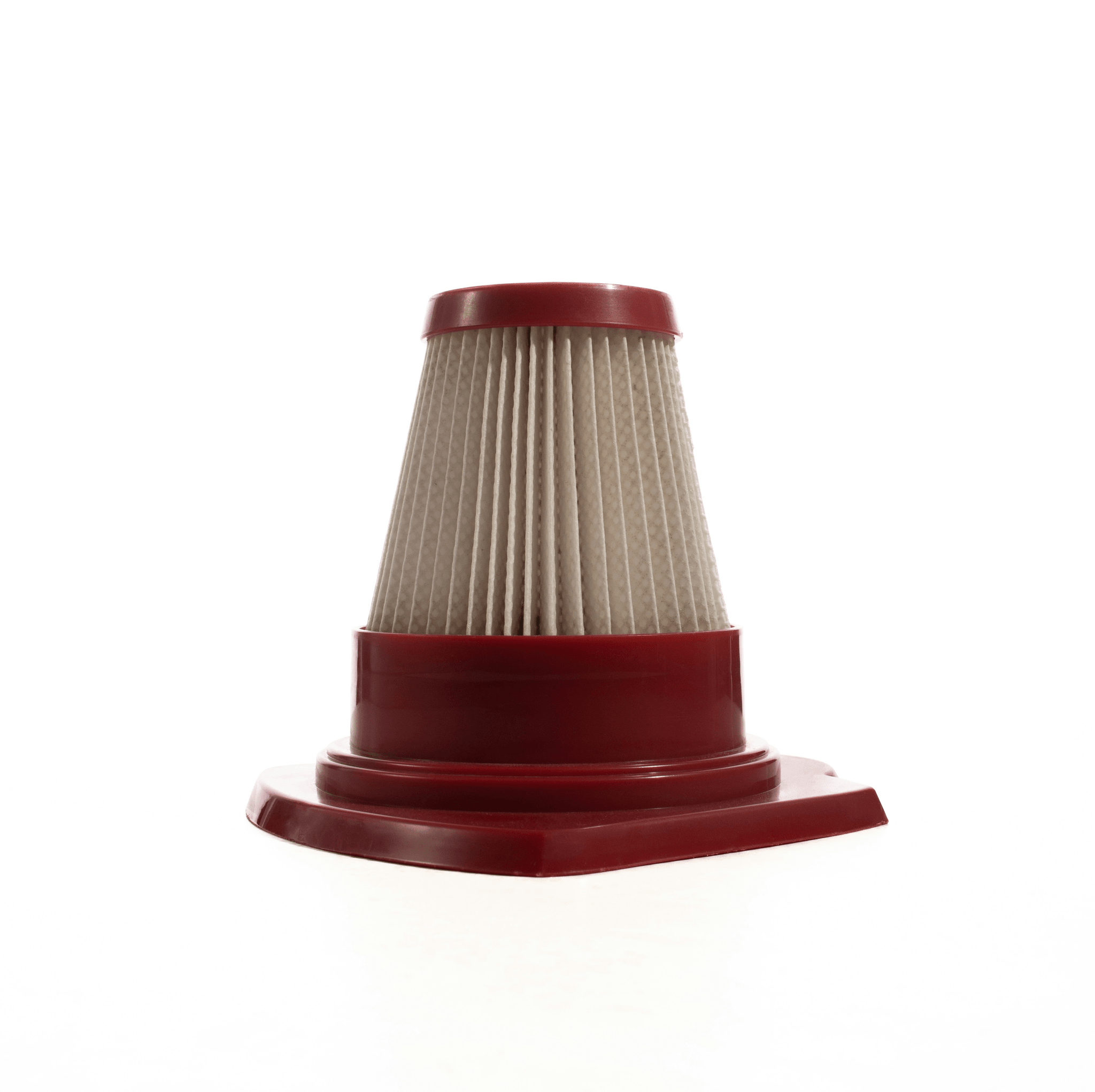
HEPA air purifiers have long been hailed as the gold standard in air purification technology. Their ability to capture tiny particles, including dust, pollen, and even some bacteria, makes them a popular choice for those concerned about indoor air quality. Moreover, regular Air Purifier Inspection ensures that these devices maintain their efficiency and effectiveness over time.
What Makes HEPA Filters Effective
HEPA filters are designed to trap at least 99.97% of particles that are 0.3 microns in diameter, which is a significant feat when you consider the size of common allergens and pollutants. This high level of filtration is achieved through a dense mat of fibers that create a labyrinth for airborne contaminants to navigate. When combined with other technologies like Activated Carbon Air Purifiers or Ultraviolet Light Air Purifiers, HEPA filters can provide comprehensive protection against various pollutants.
The effectiveness of HEPA filters stems from their mechanical filtration process rather than chemical means; this ensures that they don't release harmful byproducts back into the air. Additionally, many consumers prefer HEPA air purifiers because they require minimal maintenance compared to other types like Ionic/Ion Air Purifiers or Electrostatic Air Purifiers. Regular inspections help verify that these filters are functioning optimally and not allowing particulates to slip through the cracks.
Inspection Criteria for HEPA Filters
When it comes to inspecting HEPA filters, several criteria must be considered to ensure optimal performance during an Air Purifier Inspection. First and foremost is the integrity of the filter itself; any tears or damage can drastically reduce its efficiency. Inspectors also evaluate airflow resistance since clogged filters can lead to decreased purification capabilities.
Another crucial aspect involves checking the filter's actual particle capture rate against industry standards; this helps confirm that it meets compliance requirements for effective air purification. Additionally, inspectors often assess how well the unit integrates with other technologies such as Activated Carbon Air Purifiers or Incineration Air Purifiers to enhance overall performance. Ultimately, thorough inspections ensure consumers receive reliable products that deliver on their promises.
Common Misconceptions About HEPA Standards
Despite their popularity, there are several misconceptions regarding HEPA standards that could mislead consumers during an Air Purifier Inspection process. One common myth is that all filters labeled as HEPA offer identical levels of filtration; however, true HEPA filters must meet strict guidelines set by organizations like the U.S. Department of Energy (DOE). This means not all so-called HEPA-type filters live up to those high expectations.
Another misconception revolves around maintenance; some users believe they can go years without replacing their HEPA filter simply because it appears clean on the surface—this couldn't be further from reality! In fact, regular inspections reveal hidden buildup that may compromise performance over time if left unchecked—especially when compared with other models like Ionic/Ion Air Purifiers or Electrostatic Air Purifiers which may require different maintenance routines altogether. Understanding these nuances helps consumers make informed choices about their air purification needs.
Exploring Activated Carbon Air Purifiers
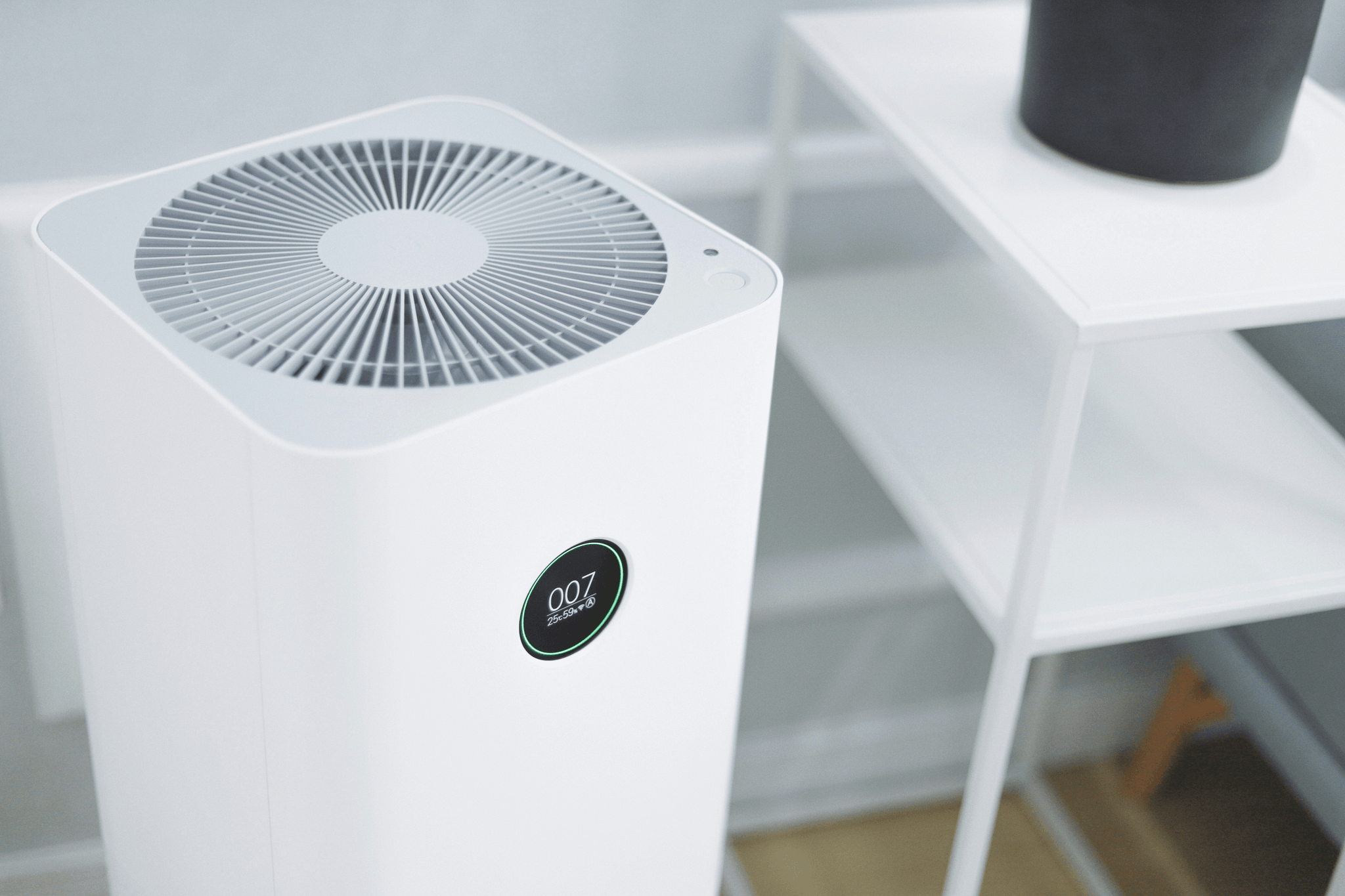
Activated carbon air purifiers are a popular choice for those seeking to improve indoor air quality. These devices use activated carbon filters to adsorb pollutants, odors, and volatile organic compounds (VOCs), making them particularly effective in environments with strong smells or chemical emissions. Understanding how these purifiers work is essential for ensuring effective Air Purifier Inspection and maintenance.
How Activated Carbon Works
Activated carbon is a highly porous material that has been treated to create an extensive surface area, maximizing its ability to trap contaminants. When air passes through the activated carbon filter, pollutants cling to the surface of the carbon particles due to a process called adsorption, effectively removing them from the air. This mechanism makes activated carbon air purifiers particularly adept at eliminating odors from cooking, pets, smoke, and other sources of indoor pollution.
Inspection Focus for Carbon-Based Models
When conducting an Air Purifier Inspection on activated carbon models, several key factors warrant attention. First and foremost is the condition of the activated carbon itself; inspectors should check for signs of saturation or degradation that could impair its ability to adsorb pollutants effectively. Additionally, evaluating airflow through the purifier is vital since restricted airflow can diminish overall performance.
Another focus during inspections should be on potential leaks in the housing of the purifier that might allow unfiltered air to bypass the activated carbon filter altogether. Ensuring proper seals and connections will enhance overall efficiency during operation. By prioritizing these inspection areas specifically tailored for Activated Carbon Air Purifiers, consumers can ensure their units deliver maximum purification benefits.
Comparing Efficacy with Other Purifier Types
When comparing Activated Carbon Air Purifiers with other types like HEPA Air Purifiers or Ionic/Ion Air Purifiers, it's essential to consider their strengths and weaknesses in various contexts. While HEPA filters excel at trapping particulate matter such as dust mites and pollen due to their dense filtration capabilities, they may not be as effective at removing gases or odors—areas where activated carbon shines brightly.
In summary, while each type of air purifier has unique advantages depending on specific needs—whether it’s tackling allergens or eliminating odors—understanding these differences ensures informed choices during both purchase decisions and ongoing maintenance through diligent inspection practices.
The Science Behind Ionic/Ion Air Purifiers
Ionic or ion air purifiers utilize a unique approach to cleaning the air, setting them apart from traditional models like HEPA air purifiers and activated carbon air purifiers. Instead of relying solely on filters, these devices emit charged ions that attach to airborne particles, causing them to clump together and fall out of the air. This method can be particularly effective in reducing dust, pollen, and other allergens but comes with its own set of considerations during air purifier inspection.
How Ionic Purification Differs
Ionic purification differs fundamentally from other methods such as HEPA filters or activated carbon systems. While HEPA air purifiers physically trap particles using dense filter media, ionic models create ions that neutralize pollutants without needing a filter replacement. This not only reduces maintenance costs but also raises questions about the effectiveness of ionic technology compared to more established methods like ultraviolet light air purifiers or incineration air purifiers.
Additionally, ionic air purifiers can sometimes generate ozone as a byproduct, which poses health risks if not managed properly. Therefore, understanding how ionic purification works is crucial for consumers looking for effective solutions without compromising their safety. Regular inspections are vital in assessing whether these devices operate within safe ozone emission levels.
Key Inspection Parameters for Ionic Models
First and foremost is the measurement of ozone output; inspectors must verify that emissions do not exceed recommended levels set by regulatory bodies. Additionally, an assessment of ion generation efficiency is essential; this determines how effectively the device can reduce airborne contaminants compared to traditional electrostatic air purifiers.
Another important inspection focus is durability and build quality since many ionic models rely on electronic components that may degrade over time. Inspectors should also evaluate user-friendly features such as indicator lights for operational status or maintenance alerts—these contribute significantly to consumer satisfaction and trust in the product's efficacy over time.
Regulatory Compliance for Ionic Technology
Regulatory compliance plays a crucial role in ensuring that ionic technology meets safety standards while delivering effective performance comparable to HEPA or activated carbon air purifiers. Agencies such as the Environmental Protection Agency (EPA) provide guidelines on acceptable ozone levels emitted by these devices; compliance with these regulations is non-negotiable for manufacturers aiming for market credibility.
Moreover, certifications from recognized organizations enhance consumer confidence in ionic models by confirming adherence to industry standards regarding efficiency and safety measures during operation and usage scenarios similar to those faced by ultraviolet light or incineration technologies. Regular inspections conducted by professional services like China Inspection Pro ensure that manufacturers maintain compliance throughout their production processes.
In conclusion, understanding the intricacies behind ionic/ion purification helps consumers make informed choices about their indoor air quality solutions while emphasizing the importance of rigorous Air Purifier Inspection protocols.
Roles of China Inspection Pro in Quality Assurance
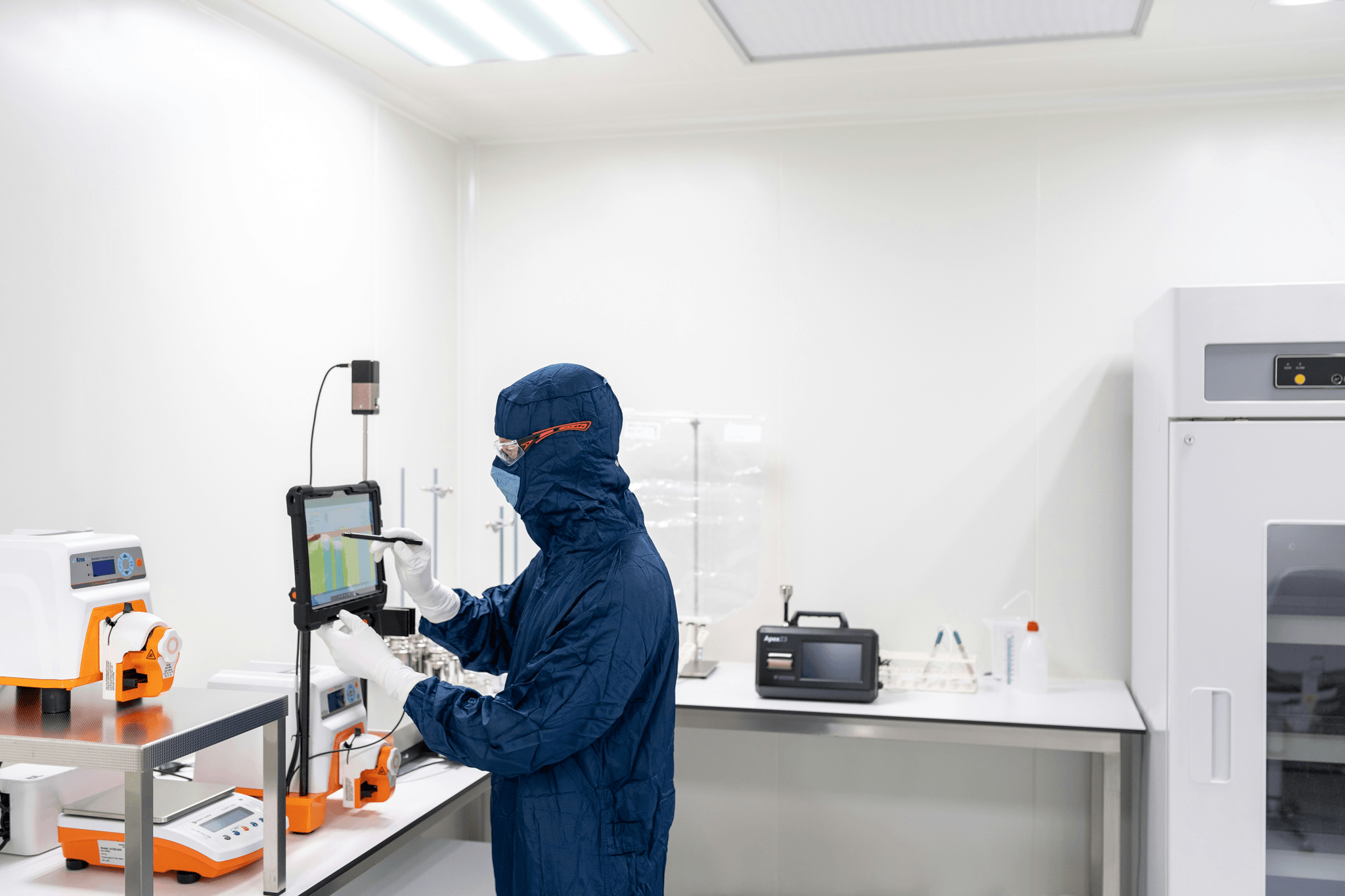
When it comes to ensuring the quality of air purifiers, China Inspection Pro stands out as a leader in the field. Their professional services encompass a wide range of air purifier types, from HEPA Air Purifiers to Activated Carbon Air Purifiers and beyond. By focusing on rigorous Air Purifier Inspection processes, they help manufacturers meet the highest standards and provide consumers with peace of mind.
Professional Services for Air Purifier Quality
China Inspection Pro offers comprehensive inspection services tailored specifically for various types of air purifiers, including Ionic/Ion Air Purifiers and Ultraviolet Light Air Purifiers. Their team conducts thorough evaluations to assess performance metrics, safety compliance, and overall product integrity. This ensures that all models—from Electrostatic Air Purifiers to Incineration Air Purifiers—meet stringent quality standards before reaching the market.
How China Inspection Pro Ensures Excellence
To uphold excellence in air purifier quality, China Inspection Pro employs a multi-faceted approach that includes both laboratory testing and on-site inspections. They utilize advanced technology to evaluate critical aspects such as filtration efficiency and energy consumption across different air purifier models. By adhering to international quality control standards, they ensure that products like HEPA Air Purifiers not only meet but exceed consumer expectations.
Turning Findings into Actionable Recommendations
After conducting detailed inspections, China Inspection Pro doesn’t just hand over a report; they provide actionable recommendations based on their findings. This guidance is invaluable for manufacturers looking to enhance their offerings or address potential issues with Activated Carbon Air Purifiers or Ionic/Ion Air Purifiers. By translating inspection results into practical steps for improvement, they help elevate product quality while fostering consumer trust in the marketplace.
Conclusion
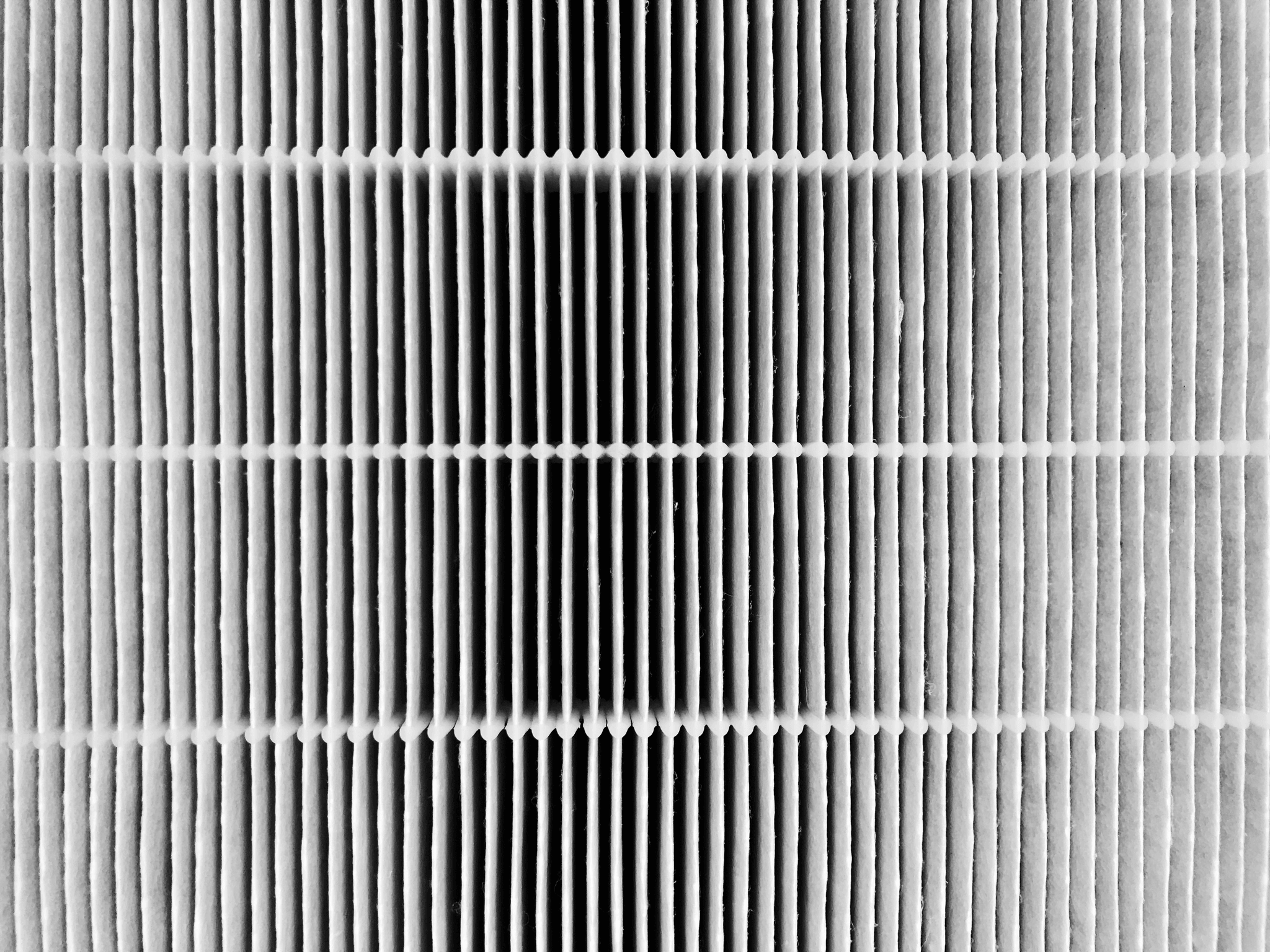
In conclusion, the significance of Air Purifier Inspection cannot be overstated. Regular inspections not only ensure that devices like HEPA Air Purifiers and Activated Carbon Air Purifiers function at their best but also help consumers make informed choices. By understanding the nuances of various air purifier types, including Electrostatic and Ionic/Ion Air Purifiers, individuals can safeguard their health while enjoying cleaner air.
Reviewing Key Inspection Takeaways
Throughout this discussion, we've highlighted the critical role of Air Purifier Inspection in maintaining quality and efficiency. It is essential to recognize that HEPA Air Purifiers are often regarded as the gold standard due to their rigorous filtration capabilities, while Activated Carbon Air Purifiers excel at removing odors and harmful gases. Additionally, understanding inspection criteria for different models—such as Ultraviolet Light and Incineration Air Purifiers—can empower consumers to choose wisely based on their specific needs.
Importance of Compliance for Consumer Safety
Compliance with industry standards during the inspection process is crucial for consumer safety. When air purifiers adhere to established protocols, such as those for Ionic/Ion Air Purifiers or Electrostatic models, it not only enhances performance but also builds consumer trust in these products. Ultimately, a commitment to rigorous Air Purifier Inspection processes ensures that users can breathe easier knowing they have chosen safe and effective solutions for their indoor air quality.
Future Trends in Air Purifier Technology
Looking ahead, we can expect exciting advancements in air purification technology that will further enhance our living environments. Innovations may include smarter HEPA Air Purifiers equipped with IoT capabilities or more efficient Activated Carbon models designed for specific pollutants. As awareness around indoor air quality continues to grow, it is likely that regulatory bodies will tighten compliance measures across all types of purifiers—including Ultraviolet Light and Incineration models—to ensure maximum safety for consumers.