
Introduction
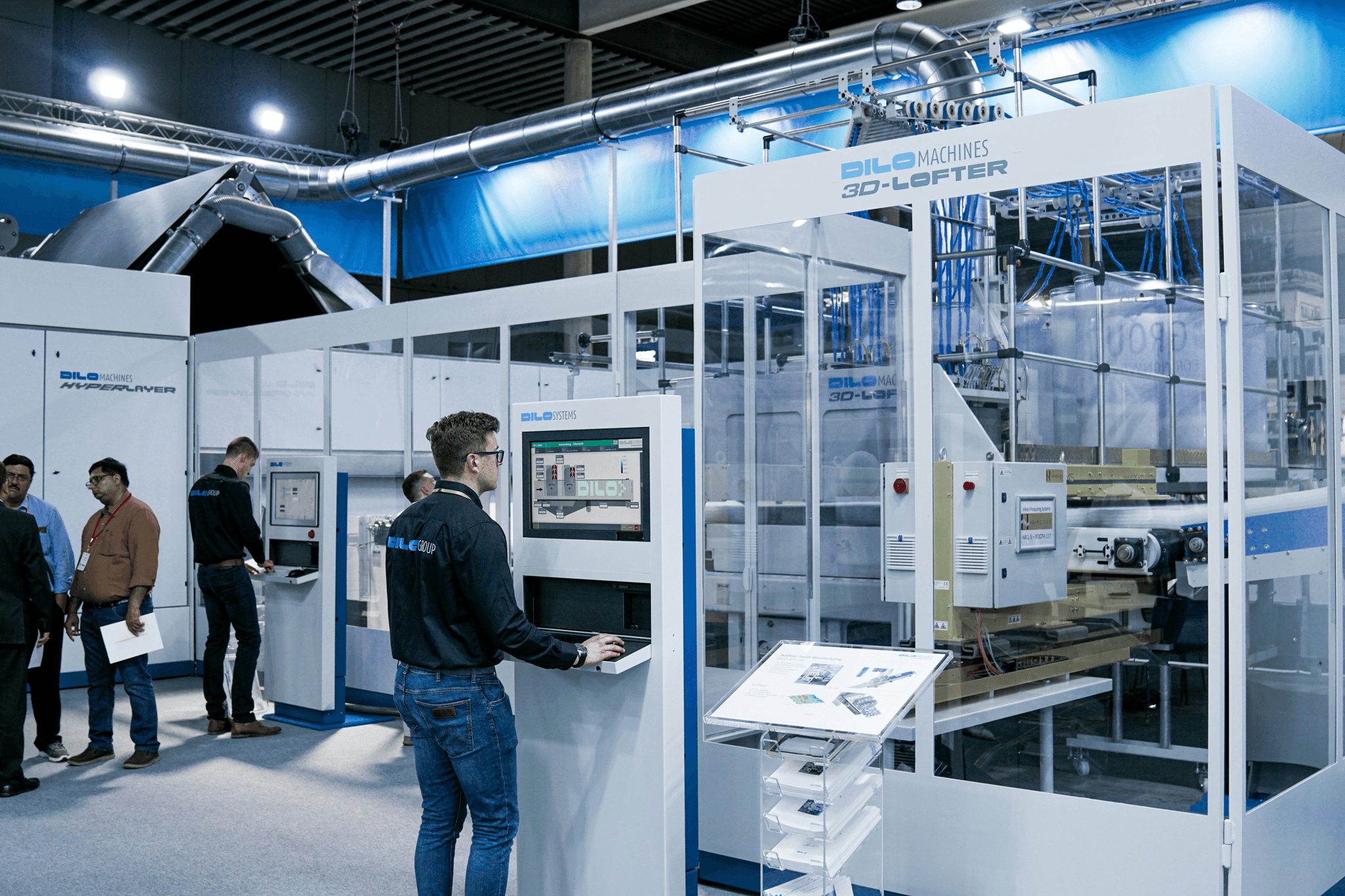
In today’s fast-paced manufacturing landscape, the stakes for product quality have never been higher. Companies are increasingly turning to proactive quality control to stay ahead of potential issues and ensure that their products meet stringent standards. This approach not only enhances overall efficiency but also builds trust with consumers who expect nothing less than excellence.
Understanding Proactive Quality Control
Proactive quality control is a strategy that emphasizes prevention over correction, allowing manufacturers to identify and address potential problems before they escalate. By implementing proactive measures, businesses can limit the risks associated with production, ultimately saving time and resources while improving product outcomes. This forward-thinking mindset sets the stage for a robust quality assurance framework that integrates seamlessly into the production process.
Importance of Quality Assurance in Manufacturing
Quality assurance is crucial in manufacturing as it establishes a systematic approach to ensure that products consistently meet specific requirements and standards. Without effective quality assurance practices, companies risk producing defective items, which can lead to costly recalls and damage to their reputation. Embracing proactive quality control within this framework empowers organizations to maintain high standards while minimizing disruptions throughout the production cycle.
The Essential Role of Inspections
Inspections play a pivotal role in maintaining product integrity at various stages of the manufacturing process, including pre-production inspection, first article inspection, and during production inspection. These checks serve as critical checkpoints where potential issues can be identified early on, thereby limiting risks associated with poor-quality output. By prioritizing inspections within their proactive quality control strategies, manufacturers can ensure consistent adherence to quality standards from start to finish.
What is Proactive Quality Control?
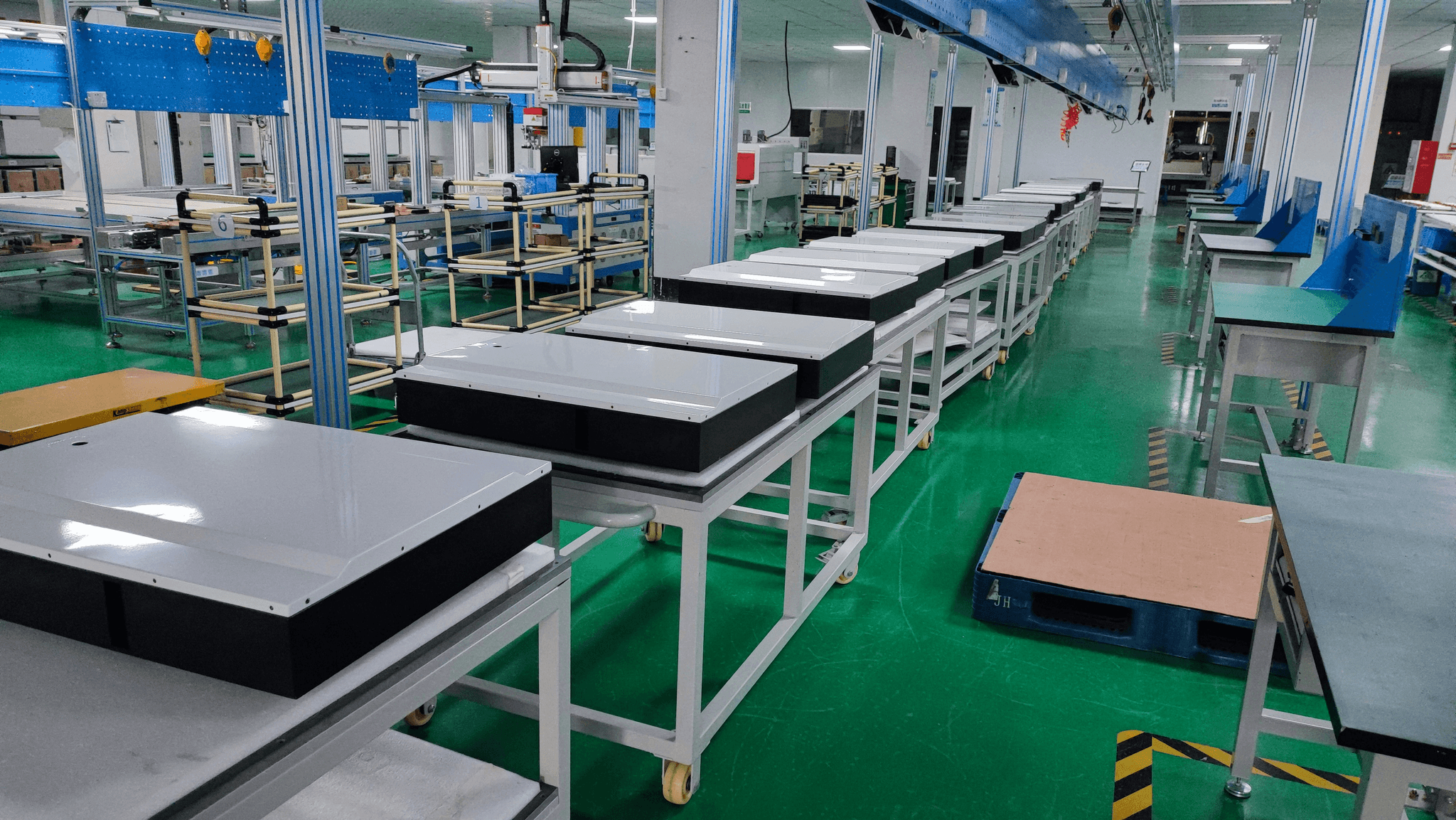
Proactive quality control is a forward-thinking approach that emphasizes preventing defects before they occur rather than merely detecting them after production. This method relies on thorough planning, continuous monitoring, and the implementation of best practices throughout the manufacturing process. By integrating proactive quality control, businesses can enhance overall product quality and customer satisfaction while minimizing costly rework and waste.
Defining Proactive Quality Control
At its core, proactive quality control focuses on anticipating potential issues and addressing them proactively rather than reactively. This involves a systematic approach to identify risks at every stage of production—from pre-production inspections to during production inspections—ensuring that standards are met consistently. By understanding the difference between quality control and quality assurance, organizations can better implement proactive measures that lead to superior outcomes.
Benefits of a Proactive Approach
Adopting a proactive approach significantly reduces risks associated with manufacturing processes. For instance, by conducting pre-production inspections, companies can identify potential problems before they escalate into costly mistakes later in the process. Moreover, implementing first article inspections allows teams to verify specifications early on, ensuring that products meet quality standards from the start and maintaining consistency through during production inspections.
Real-World Applications in Industry
Many industries have successfully implemented proactive quality control strategies to improve their operations. For example, automotive manufacturers conduct extensive pre-production inspections to ensure parts meet stringent safety regulations before assembly begins. Similarly, electronics companies utilize first article inspections to confirm that initial product samples adhere to design specifications, thereby limiting risks with a proactive quality control strategy throughout their supply chain.
Difference Between Quality Control and Quality Assurance
In the world of manufacturing, understanding the difference between quality control and quality assurance is crucial for implementing proactive quality control measures. While both concepts aim to ensure product excellence, they operate on different principles and methodologies. Grasping these distinctions can help organizations limit risks with a proactive quality control approach, ultimately enhancing their overall production processes.
Key Distinctions Explained
Quality control (QC) primarily focuses on identifying defects in finished products through inspections and testing, whereas quality assurance (QA) emphasizes preventing defects by establishing systematic processes throughout production. This distinction is vital because QC is reactive—it comes into play after problems arise—while QA is proactive, aiming to establish standards before issues occur. By integrating both QC and QA strategies into a comprehensive framework, manufacturers can create a robust system that ensures high-quality output.
How Each Affects Production
The impact of each approach on production efficiency cannot be overstated. Quality control often leads to increased downtime as products are pulled from the line for inspection or rework when defects are discovered late in the process. In contrast, quality assurance methods such as pre-production inspection and first article inspection help set clear standards from the outset, ensuring that potential issues are addressed early—thus streamlining production workflows.
Impact on Product Quality
Ultimately, the difference between quality control and quality assurance significantly affects product quality. When organizations adopt a proactive quality control mindset by prioritizing QA measures like during production inspections, they tend to produce more consistent and reliable products over time. This not only enhances customer satisfaction but also builds brand reputation—an invaluable asset in today’s competitive market.
Limit the Risks with Proactive Quality Control
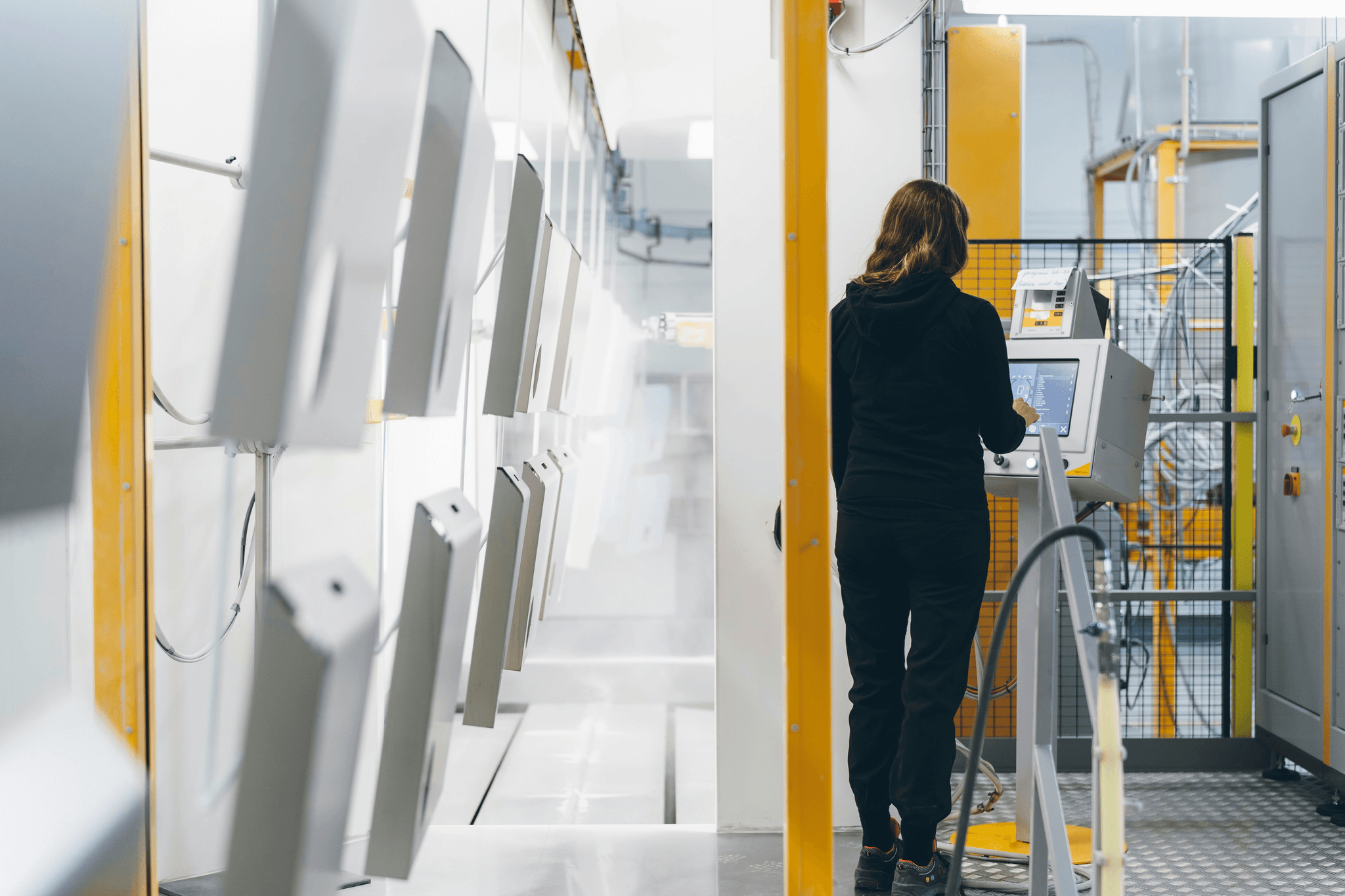
In the fast-paced world of manufacturing, limiting risks is essential for maintaining product integrity and ensuring customer satisfaction. Proactive quality control plays a pivotal role in identifying potential pitfalls before they escalate into costly issues. By understanding common risks, manufacturers can implement effective strategies to mitigate them and uphold high standards throughout the production process.
Identifying Common Risks in Production
Common risks in production often stem from inadequate planning, poor communication, or insufficient quality checks. Issues like material defects, equipment malfunctions, and human error can lead to significant setbacks if not addressed early on. Recognizing these risks allows manufacturers to apply proactive quality control measures that enhance overall efficiency and product reliability.
Strategies to Mitigate Risks
To limit the risks with a proactive quality control approach, manufacturers should adopt strategies such as thorough pre-production inspection and continuous monitoring during production inspection stages. Implementing robust first article inspections can help verify that initial samples meet required specifications before mass production begins. Additionally, fostering collaboration among teams ensures that everyone is aligned on quality goals and practices throughout the manufacturing process.
Case Studies of Effective Risk Management
Numerous companies have successfully implemented proactive quality control measures to mitigate risks effectively. For instance, a leading electronics manufacturer adopted a comprehensive pre-production inspection protocol that reduced defects by over 30%. Another case involved an automotive supplier utilizing during production inspections to catch potential issues early, resulting in a 25% decrease in warranty claims related to faulty components.
Pre-Production Inspection: Setting Standards
In the realm of proactive quality control, pre-production inspection serves as a crucial first step in establishing quality benchmarks before manufacturing begins. By implementing thorough checks before production starts, businesses can significantly limit the risks associated with defects and inconsistencies down the line. This proactive approach not only enhances product quality but also positions companies to meet customer expectations right from the get-go.
Importance of Pre-Production Checks
Pre-production checks are essential because they set the foundation for quality assurance throughout the manufacturing process. They help identify potential issues related to materials, design specifications, and supplier capabilities before they escalate into costly problems during production. Moreover, understanding the difference between quality control and quality assurance becomes evident here; pre-production inspections focus on preventing defects rather than merely identifying them after they occur.
By investing time and resources into pre-production inspections, organizations can ensure that their products align with industry standards and customer requirements from day one. This not only boosts confidence among stakeholders but also fosters a culture of continuous improvement within teams. Ultimately, prioritizing these checks can lead to enhanced operational efficiency and reduced waste in the long run.
Steps Involved in Pre-Production Inspection
The steps involved in pre-production inspection are systematic yet flexible enough to adapt to varying industry needs. First, it typically begins with reviewing product specifications and design documents to ensure clarity on what is expected from suppliers or manufacturers. Next comes an evaluation of raw materials or components—this is where proactive quality control shines by ensuring that everything meets predetermined standards before any assembly begins.
After assessing materials, inspectors will often engage in supplier audits which involve visiting manufacturing sites or conducting virtual assessments to verify compliance with regulations and safety standards. Once these initial evaluations are complete, a detailed report is generated outlining findings along with recommendations for improvements if necessary. Following this structured approach helps limit risks associated with a lack of preparation while setting clear expectations for all parties involved.
Collaborating with Experts like China Inspection Pro
When it comes to executing effective pre-production inspections, collaborating with experts like China Inspection Pro can elevate your efforts significantly. Their specialized knowledge in proactive quality control ensures that every aspect of your supply chain is scrutinized meticulously—allowing you to focus on other critical areas of your business without compromising on product integrity. With their expertise at hand, you can confidently navigate through complexities such as regulatory requirements or cultural differences that might impact production.
Working alongside seasoned professionals allows companies not only to streamline their inspection processes but also gain valuable insights into best practices tailored specifically for their industry needs. This partnership enables businesses to maintain high standards while effectively managing costs associated with delays or defects later in production cycles—thus reinforcing the importance of limiting risks through proactive measures like pre-production inspections.
In conclusion, embracing thorough pre-production checks sets a solid groundwork for achieving excellence throughout manufacturing stages—from first article inspection through during production inspection phases—ensuring that every product meets both market demands and internal benchmarks alike.
First Article Inspection: Get it Right from the Start
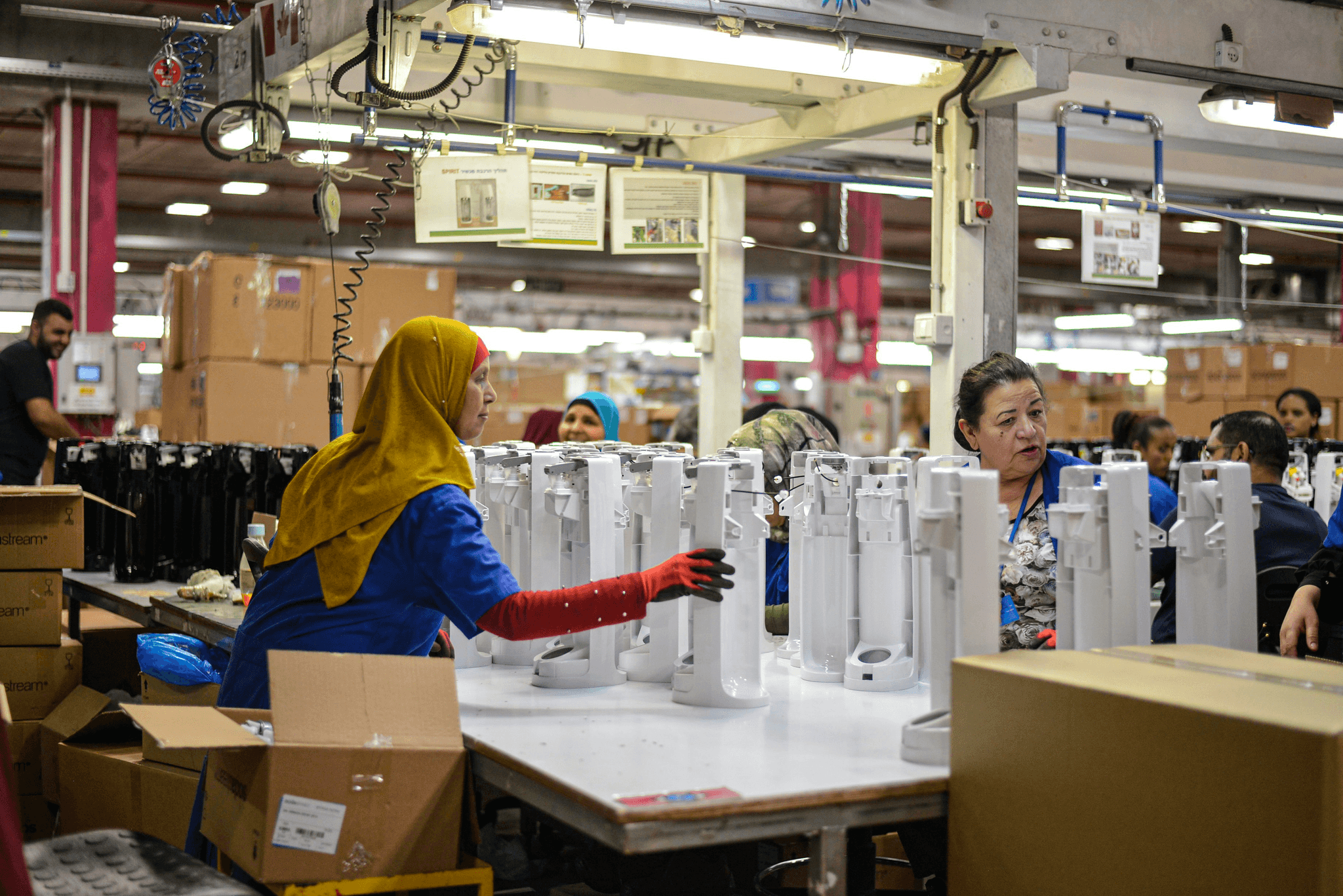
In the realm of proactive quality control, First Article Inspection (FAI) plays a pivotal role in ensuring that products meet specified requirements right from the outset. This inspection process involves a thorough examination of the first item produced in a manufacturing run to verify that it aligns with design specifications and quality standards. By implementing FAI, manufacturers can address potential discrepancies early on, thereby limiting risks associated with production errors.
What is First Article Inspection?
First Article Inspection is essentially a quality assurance process conducted on the initial product produced after a new design or significant change in production methods. It serves as an essential checkpoint where engineers and quality control personnel assess whether the first article meets all necessary specifications before mass production begins. This proactive quality control measure not only helps identify issues but also ensures that subsequent items maintain high standards throughout the manufacturing process.
Benefits of Conducting a First Article Inspection
Conducting a First Article Inspection offers numerous benefits that extend beyond just catching mistakes early on. One significant advantage is that it fosters confidence among stakeholders, as they can be assured that the product meets established criteria before full-scale production commences. Additionally, FAI contributes to reducing waste and rework costs—by identifying problems at this stage, companies can limit risks associated with poor-quality outputs during later stages of production.
How It Enhances Quality Assurance
First Article Inspection significantly enhances overall quality assurance by establishing clear benchmarks for future inspections and processes, including pre-production inspection and during production inspection activities. By setting these standards early on, manufacturers create a framework for ongoing assessments throughout the entire production cycle—ensuring consistency and reliability in product output. Ultimately, this proactive approach not only elevates product quality but also strengthens customer trust and satisfaction.
During Production Inspection: Ensuring Consistency
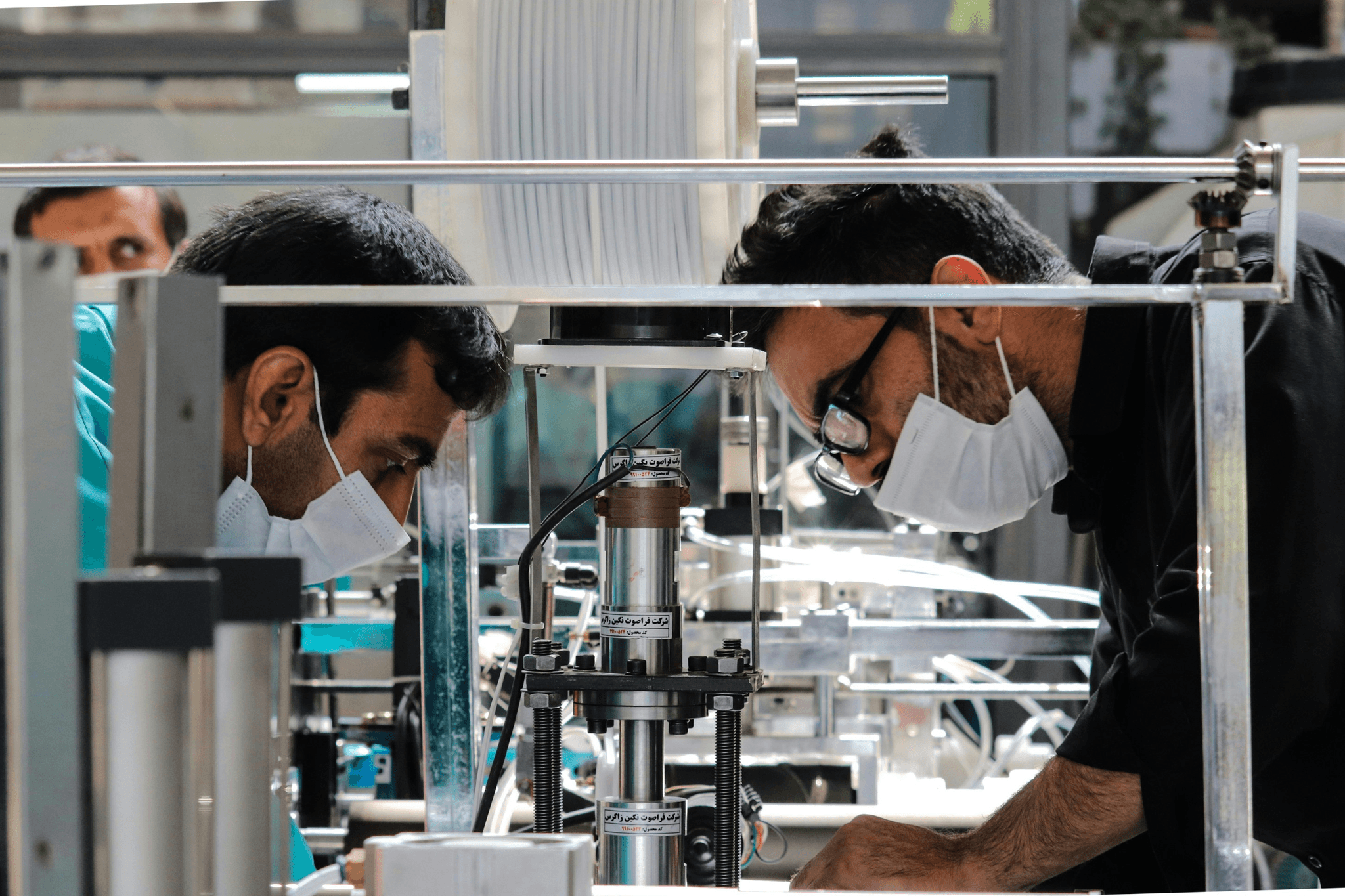
In the manufacturing realm, maintaining consistency during production is crucial for achieving high-quality outcomes. This is where proactive quality control comes into play, acting as a safety net to catch issues before they escalate. By implementing robust during production inspection protocols, manufacturers can ensure that every product meets the established standards and specifications.
Role in Maintaining Quality Throughout Production
During production inspection serves a vital role in upholding quality throughout the manufacturing process. It allows for real-time monitoring and immediate feedback, which helps in identifying deviations from quality standards early on. This proactive approach not only limits the risks associated with a reactive quality control strategy but also fosters a culture of continuous improvement.
The difference between quality control and quality assurance becomes evident here; while quality control focuses on detecting defects after they occur, proactive quality control aims to prevent them from happening in the first place. By integrating inspections at various stages of production, businesses can maintain tighter controls over their processes and products alike. Ultimately, this leads to enhanced customer satisfaction and reduced costs associated with rework or returns.
Techniques for Effective During Production Inspection
Implementing effective techniques for during production inspection can significantly elevate product reliability and performance. One popular method involves using statistical process control (SPC) tools to monitor key variables continuously; this helps identify trends that may indicate potential issues before they arise. Additionally, employing checklists during inspections ensures that all critical aspects are covered consistently.
Another technique is to engage workers directly in the inspection process; this not only empowers employees but also fosters accountability within teams. Training staff on how to recognize defects or inconsistencies enhances their ability to contribute positively to proactive quality control efforts. Using technology such as automated inspection systems can further streamline these processes, ensuring timely interventions when necessary.
Monitoring Progress with China Inspection Pro
China Inspection Pro offers comprehensive solutions for monitoring progress throughout production phases effectively. With their expertise in pre-production inspection and first article inspection services, they help manufacturers establish baseline standards before mass production begins. Their ongoing support during production ensures that any deviations are quickly addressed, keeping projects on track.
By leveraging partnerships with specialized firms like China Inspection Pro, companies can limit risks associated with poor product quality through consistent oversight and expert guidance. This collaboration enhances overall operational efficiency while reinforcing a commitment to excellence at every stage of manufacturing—from initial checks through final inspections—ensuring that products meet market expectations consistently.
Conclusion
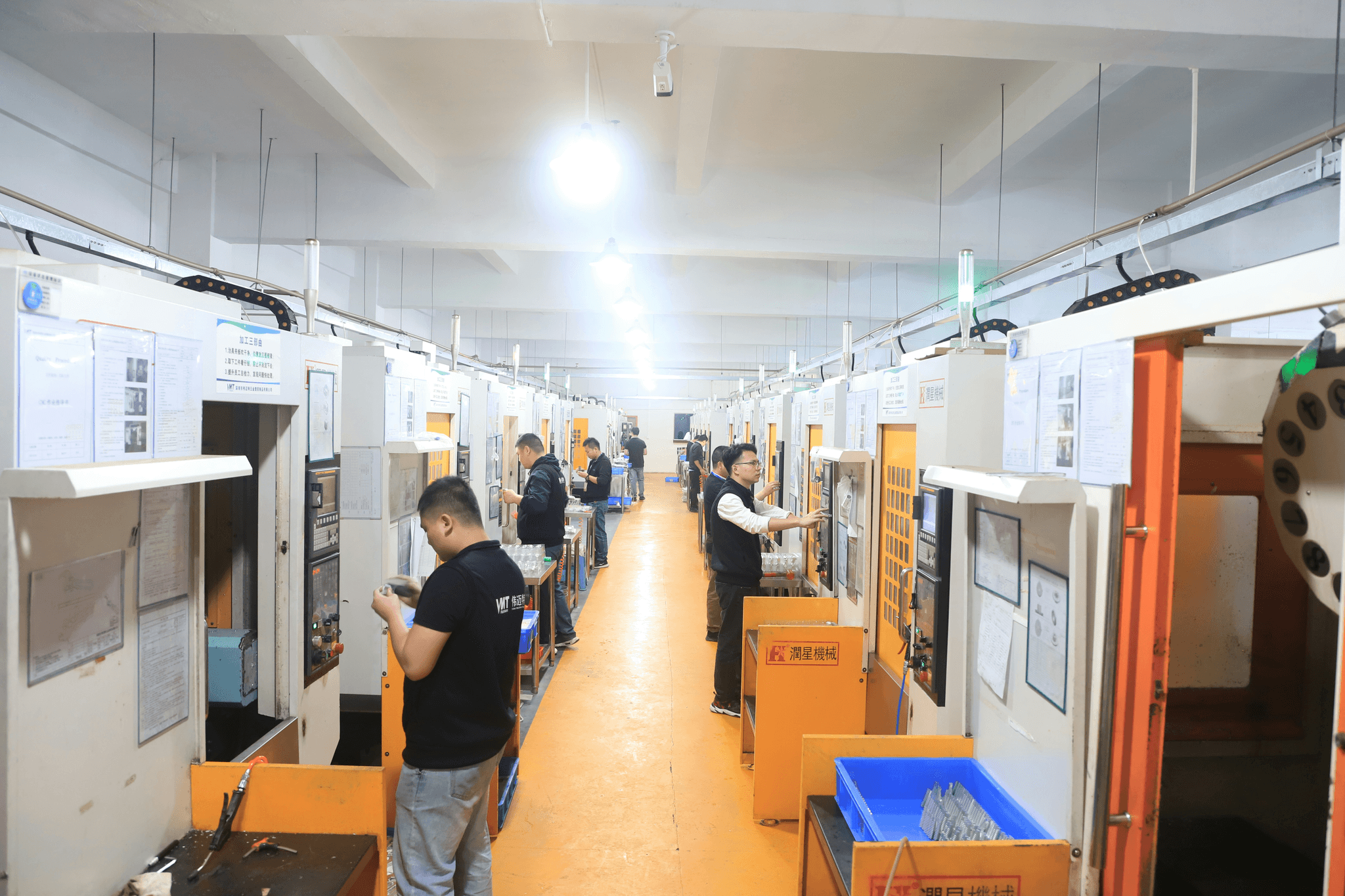
In the fast-paced world of manufacturing, proactive quality control is not just a beneficial strategy; it’s essential for maintaining product integrity and customer satisfaction. By focusing on prevention rather than correction, companies can significantly reduce defects and enhance efficiency. Embracing this approach ensures that businesses remain competitive while delivering high-quality products consistently.
Why Proactive Quality Control Matters
Proactive quality control serves as a safeguard against potential failures in the manufacturing process, allowing companies to identify and rectify issues before they escalate. This preemptive mindset not only minimizes waste but also fosters a culture of continuous improvement within organizations. Ultimately, understanding the difference between quality control and quality assurance helps businesses establish robust systems that prioritize proactive measures over reactive fixes.
Elevating Standards with Quality Assurance
Quality assurance is crucial for elevating manufacturing standards, ensuring that every product meets or exceeds customer expectations. By implementing rigorous processes like pre-production inspection and first article inspection, manufacturers can create a solid foundation for success. These inspections are vital components of proactive quality control that help maintain high standards throughout production.
Taking Action for Quality Leadership
To achieve true quality leadership, companies must commit to limiting risks with proactive quality control strategies at every stage of production—from initial design to final output. Regular during production inspections keep teams informed about progress while addressing any emerging issues in real-time. By taking decisive action now, organizations can position themselves as leaders in their industry, setting benchmarks for others to follow.