
Introduction

In today’s fiercely competitive manufacturing landscape, simply catching defects after the fact isn’t enough. That’s where Process Auditing steps in—shifting the focus from reactive to proactive quality control. By understanding the materials involved and mapping out the entire manufacturing process, companies can identify potential issues early and implement factory self-checking for processes, transforming how quality assurance is approached.
How Process Auditing Transforms Quality Control
Process Auditing revolutionizes traditional quality control by emphasizing continuous monitoring and improvement rather than just end-product inspections. It encourages teams to understand the materials thoroughly, recognizing how each component impacts overall quality. This proactive approach ensures that every step in the manufacturing process is scrutinized, leading to fewer defects and higher efficiency.
Redefining the Future of Quality Assurance
The future belongs to those who embrace comprehensive process audits that prioritize understanding both materials and manufacturing processes. When organizations implement factory self-checking for processes, they empower their teams to catch issues at their source, reducing waste and rework costs. This shift not only enhances product quality but also sets a new standard for innovation in quality assurance practices.
Why Now Is the Time to Embrace Process Auditing
With rapid technological advancements and global supply chains becoming more complex, now is the perfect moment to adopt process auditing strategies. Companies that understand the importance of understanding materials and mapping their manufacturing process gain a competitive edge by quickly adapting to changes and preventing problems before they escalate. Implementing factory self-checking now ensures long-term success in maintaining consistent product excellence amidst evolving market demands.
Understanding Process Auditing in Modern QC
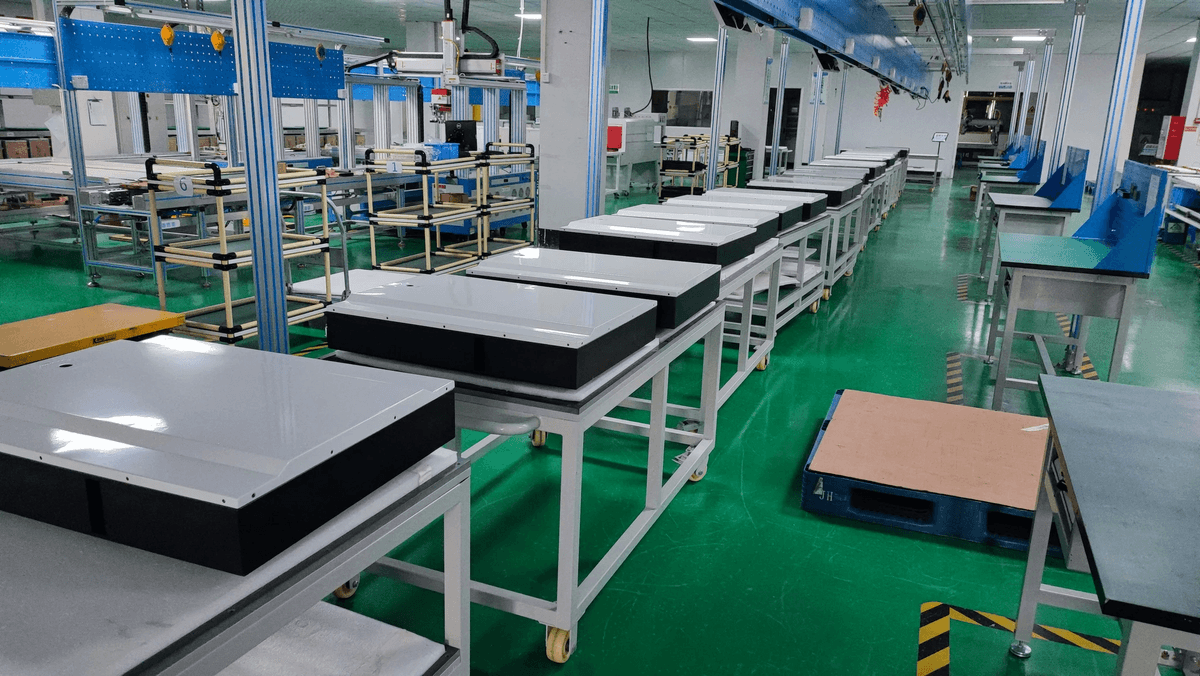
In today’s fast-paced manufacturing world, understanding the nuances of process auditing is essential for maintaining top-tier quality standards. Process auditing isn’t just about catching mistakes; it’s about proactively understanding the materials involved and how they flow through the manufacturing process. By doing so, companies can implement factory self-checking mechanisms that elevate overall efficiency and product integrity.
When you truly understand the materials used in production, you gain insight into potential weaknesses or variability sources that could compromise quality. Process auditing helps identify these material-related issues early, allowing teams to implement corrective actions before defects reach the customer. This approach shifts focus from reactive quality control to a more strategic understanding of how materials impact every step of manufacturing.
Furthermore, understanding the manufacturing process is fundamental to effective process auditing. Mapping out each stage enables auditors to pinpoint critical control points where errors are most likely to occur. Implementing factory self-checking for processes at these points ensures continuous oversight and fosters a culture of accountability—making quality an integral part of daily operations rather than an afterthought.
By integrating process auditing with a deep understanding of both materials and manufacturing workflows, organizations can establish a resilient quality assurance system. This proactive stance reduces waste, minimizes rework, and enhances product consistency—all vital for staying competitive in modern markets. Ultimately, embracing process auditing means embracing smarter, more reliable production practices that keep your brand ahead of the curve.
The Importance of Understanding the Materials

Knowing your materials inside and out is the foundation of effective process auditing. Without a solid grasp of what goes into your products, even the most meticulous process audits can miss critical issues. When you understand the materials, you can identify potential flaws early, ensuring that your process maintains high quality standards and reduces costly rework or recalls.
Process Auditing becomes significantly more powerful when combined with a deep understanding of materials. This knowledge allows auditors to pinpoint where material inconsistencies might impact product quality, making audits more targeted and effective. By integrating material insights into your process auditing routines, you can elevate overall manufacturing excellence and build a culture that values precision from raw materials to finished goods.
Understanding the manufacturing process hinges on knowing the materials involved at every stage. When teams implement factory self-checking for processes, they need to recognize how different materials behave under various conditions. This comprehensive approach ensures that process audits aren't just surface-level checks but are rooted in real-world material performance, leading to smarter adjustments and continuous improvement.
Why Materials Knowledge Is Crucial for Accurate Auditing
Having thorough knowledge of your materials is essential for accurate process auditing because it helps identify subtle deviations that could compromise quality. If auditors understand how specific raw components should behave or look during production, they can catch inconsistencies much earlier in the cycle. This proactive approach minimizes defects and streamlines quality control efforts across the board.
When you understand the materials used in manufacturing, it becomes easier to develop precise audit criteria tailored to those substances' unique properties. In turn, this makes your process auditing more reliable and meaningful—because you're not just checking boxes; you're verifying material integrity at every step. Ultimately, a strong grasp of material science empowers teams to implement factory self-checking methods effectively and sustain long-term product excellence.
Case Study: Apple and Material Quality Assurance
Apple’s relentless pursuit of perfection offers an excellent example of why understanding the materials is vital for successful process auditing. By meticulously analyzing their raw components—from aluminum casings to advanced microchips—they ensure each element meets strict quality standards before assembly begins. This deep understanding allows Apple’s teams to implement rigorous factory self-checking protocols that catch issues early in production.
In Apple’s case, their commitment to understanding the materials involved has been instrumental in maintaining their brand reputation for premium quality products. Their process auditing incorporates detailed material inspections combined with innovative self-checking techniques at various stages—leading to fewer defects and higher customer satisfaction worldwide. It exemplifies how mastering material knowledge enhances overall manufacturing excellence through targeted audits.
Strategies for Deep Material Understanding in Your Process
To truly understand your materials—and thus enhance your process auditing—you need a multi-layered approach that combines education with technology-driven insights. Start by investing in training programs focused on material science fundamentals so teams can recognize key properties affecting production outcomes regularly; this supports implementing factory self-checking practices effectively.
Next, leverage advanced tools like spectroscopy or X-ray fluorescence (XRF) analysis during routine audits—these technologies provide real-time data about raw materials’ composition—making it easier to detect anomalies early on before they affect final products. Finally, foster collaboration between procurement specialists and production teams so everyone stays informed about supplier quality variations; this collective effort ensures continuous improvement aligned with understanding what goes into each batch—a cornerstone for successful Process Auditing.
Understanding the Manufacturing Process Better
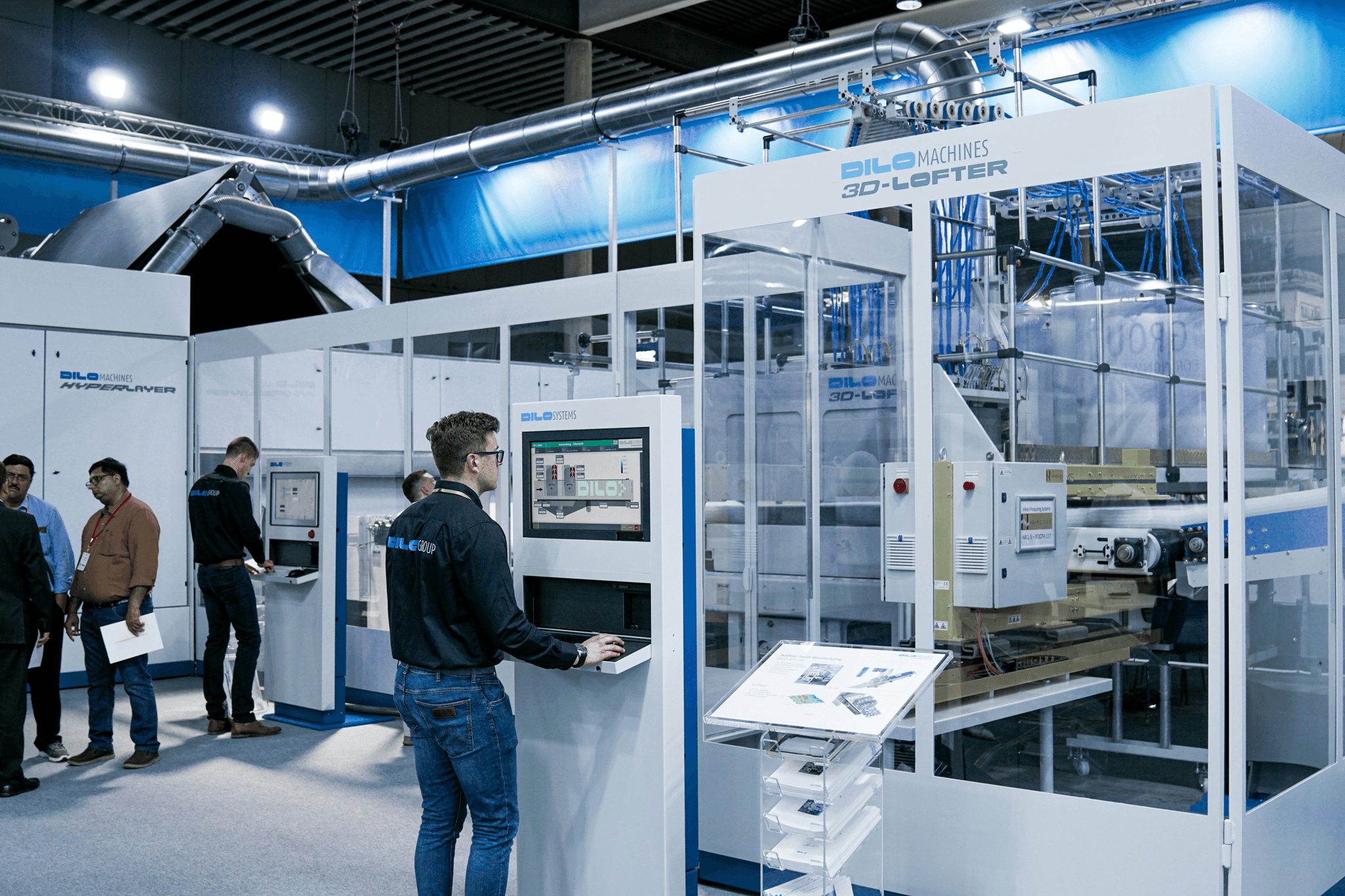
Getting a grip on your manufacturing process is the backbone of effective process auditing. When you understand the manufacturing flow from start to finish, you can identify bottlenecks, redundancies, and areas ripe for improvement. This comprehensive view allows teams to implement factory self-checking measures that elevate quality and reduce errors before they reach the customer.
By mapping out each step in the production line, companies can see where materials are most vulnerable or where process deviations tend to occur. This deeper understanding of the manufacturing process helps in pinpointing critical control points, which are essential for maintaining consistent quality. Incorporating process auditing into this mapping ensures that every phase is scrutinized for efficiency and compliance, making continuous improvement part of your DNA.
Utilizing advanced tools and technologies for process mapping and analysis transforms raw data into actionable insights. These tools help visualize complex workflows, highlight potential failure points, and support ongoing training efforts—ultimately enabling organizations to implement factory self-checking mechanisms effectively. When combined with a thorough understanding of materials and processes, these strategies drive sustainable quality improvements through smarter process auditing practices.
Implementing Factory Self-Checking for Processes
To truly elevate quality, factories need to embrace the concept of implementing factory self-checking for processes. This approach encourages teams to take ownership of their work, making process auditing an integral part of daily operations. When workers understand the manufacturing process deeply, they can identify potential issues early, reducing errors and waste before they escalate.
Self-checking isn’t just about catching mistakes; it’s a proactive strategy rooted in understanding the materials and how they flow through each step of production. By integrating process auditing into routine tasks, teams develop a sharper eye for inconsistencies that could compromise product quality. This continuous feedback loop helps foster a culture where everyone is committed to improving the overall manufacturing process.
Implementing factory self-checking for processes also means equipping your staff with the right tools and training to perform effective audits. When teams understand materials thoroughly and grasp every nuance of the manufacturing process, their ability to spot deviations improves exponentially. Over time, this leads to more reliable outputs and smoother operations—making process auditing second nature rather than an afterthought.
How Factory Self-Checking Elevates Quality—Examples from Samsung
Samsung has long been a pioneer in adopting factory self-checking practices that hinge on thorough process auditing. They empower their workers with detailed knowledge about materials and manufacturing processes, enabling immediate self-assessment at each stage. As a result, Samsung’s factories maintain high standards by catching issues early through diligent self-checks rooted in understanding every step of production.
The secret behind Samsung’s success lies in fostering a culture where employees are trained continuously on process auditing techniques and material properties. This approach ensures that everyone—from assembly line workers to supervisors—knows how to implement effective factory self-checking for processes effectively. Their example proves that when teams understand the manufacturing process deeply, quality levels soar because problems are addressed before reaching customers.
Samsung’s experience shows that integrating understanding of materials with robust self-checking routines creates a resilient quality assurance system driven by empowered staff. Their commitment underscores how crucial it is to make process auditing part of your operational DNA. Ultimately, this proactive stance results in fewer defects, higher customer satisfaction, and significant cost savings—a win-win made possible through dedicated factory self-checking.
Building a Self-Checking Culture in Your Factory
Creating a culture centered around implementing factory self-checking begins with leadership emphasizing the importance of understanding the materials involved and mastering process auditing techniques. When everyone recognizes that quality is everyone's responsibility—and not just QA department’s—it becomes easier to embed these practices into daily routines. Promoting open communication about errors discovered through self-checks encourages continuous learning across teams.
Training plays a pivotal role in building this culture; employees must be equipped with skills related to understanding the manufacturing process thoroughly so they can perform effective audits themselves. Reinforcing that process auditing is not punitive but aimed at improvement helps foster trust and engagement among staff members eager to contribute proactively toward quality enhancement goals.
Furthermore, integrating visual management tools like checklists or digital dashboards enhances awareness around factory self-checks aligned with understanding key aspects of materials and processes. Recognizing team efforts when they succeed at catching issues reinforces positive behavior rooted in thorough understanding and diligent process auditing practices. Over time, this cultural shift results in more consistent product quality driven by empowered employees practicing continuous improvement through effective factory self-checking.
Training Teams for Effective Self-Checking and Continuous Improvement
To maximize the benefits of implementing factory self-checking for processes, comprehensive training programs must focus on developing skills related to understanding both materials and manufacturing workflows deeply enough for accurate audits. These programs should include hands-on exercises emphasizing real-world scenarios where team members learn how proper inspection techniques tie directly back into core principles like process auditing.
Empowering staff with knowledge about material properties enables them to recognize subtle deviations during their own checks—preventing larger issues down the line—and reinforces their role within an overarching system centered on continuous improvement via effective process auditing strategies. Regular refresher courses keep teams sharp while introducing new insights about evolving manufacturing technologies or updated standards related to material safety or compliance requirements.
Finally, fostering an environment where feedback from team members regarding challenges faced during self-checks informs ongoing training efforts ensures sustained growth over time—making sure everyone understands that successful implementation hinges on ongoing education about materials as well as refining their ability to perform precise audits within the broader context of understanding the entire manufacturing process.
Partnering with China Inspection Pro for Process Excellence
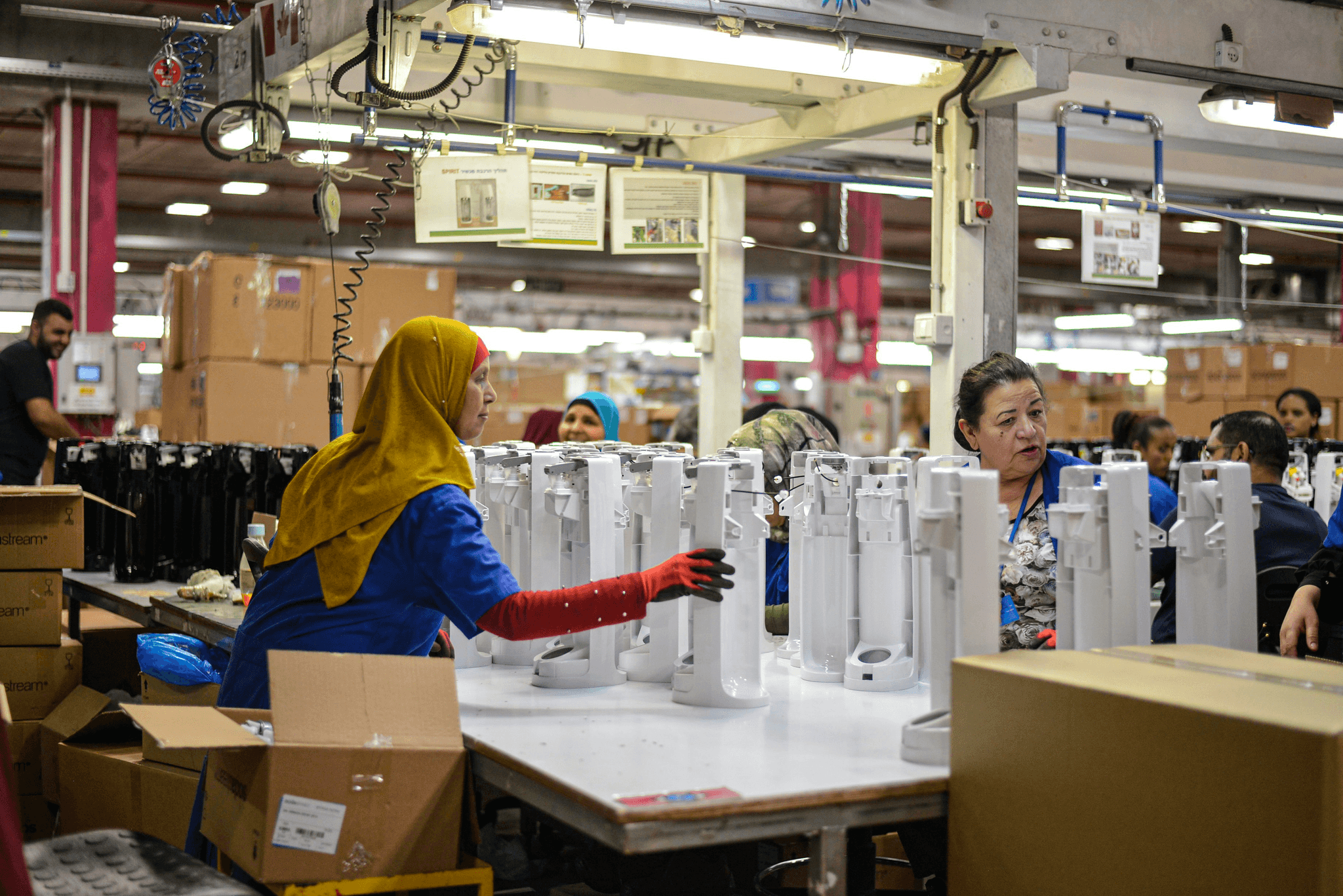
Partnering with China Inspection Pro offers a strategic advantage in elevating your process auditing standards. Their team of experts understands the nuances of manufacturing, helping you identify gaps in your current approach and implement effective solutions. With their support, companies can deepen their understanding of the materials used and refine their manufacturing process for optimal quality.
By leveraging China Inspection Pro’s comprehensive inspection services, you can ensure compliance across all stages of production. Their expertise helps you understand the materials more thoroughly, reducing risks associated with subpar raw inputs that could compromise the entire process. This partnership enables manufacturers to implement factory self-checking for processes, fostering a culture of continuous improvement grounded in accurate data and real-time insights.
Turning inspection insights into actionable improvements is where China Inspection Pro truly shines. Their detailed reports help you understand the manufacturing process better, pinpointing areas where process auditing can be enhanced. Ultimately, this collaborative approach ensures that your quality control is proactive rather than reactive—saving costs and elevating product excellence.
Conclusion
Elevating your quality control game isn’t just a lofty goal—it’s a strategic necessity in today’s competitive landscape. By embracing process auditing, you gain a clearer understanding of the materials involved and how they interact within your manufacturing process. When you truly understand the materials and the manufacturing process, you can identify inefficiencies early, reduce waste, and improve product consistency—making process auditing your secret weapon for quality excellence.
Implementing factory self-checking for processes is the cornerstone of long-term success. It fosters a culture of continuous improvement where teams are empowered to spot issues before they escalate. When you incorporate self-checking into your daily operations, you not only enhance product quality but also build resilience against supply chain disruptions and compliance risks—all while sharpening your understanding of the entire production cycle.
Remember, process auditing isn’t just about finding faults; it’s about transforming how you view quality management. The more you understand the materials and manufacturing intricacies, the better equipped you'll be to implement effective solutions. So don’t wait—embrace process auditing now to unlock sustainable growth, operational excellence, and unmatched product reliability.