
Introduction
In the great outdoors, where adventures await at every turn, product quality is paramount. Outdoor enthusiasts depend on gear that can withstand the elements, ensuring safety and performance when it matters most. Yet, maintaining high product quality in this competitive market poses significant challenges for brands.
The Importance of Product Quality in the Outdoors
Product quality is not just a buzzword; it’s a vital aspect of outdoor gear that can make or break an experience. From hiking boots to camping tents, the reliability of these products directly influences consumer trust and brand loyalty. When adventurers gear up with confidence, they are more likely to share their experiences and recommend brands that prioritize quality.
Why Sustaining Quality is Tough for Brands
Why is maintaining product quality challenging for outdoor brands? The pressures of market competition often lead to compromises in materials and manufacturing processes as companies strive to keep prices low. Additionally, balancing cost with quality while adhering to sustainability trends adds another layer of complexity that many brands struggle to navigate effectively.
Solutions to Elevate Product Standards
So how can brands overcome these challenges? It’s time to raise the bar by investing in advanced testing technologies and fostering collaborations with industry experts who understand the nuances of outdoor gear demands. By prioritizing research and development alongside streamlined supply chains, outdoor brands can not only meet but exceed consumer expectations for product quality.
Understanding Product Quality Challenges
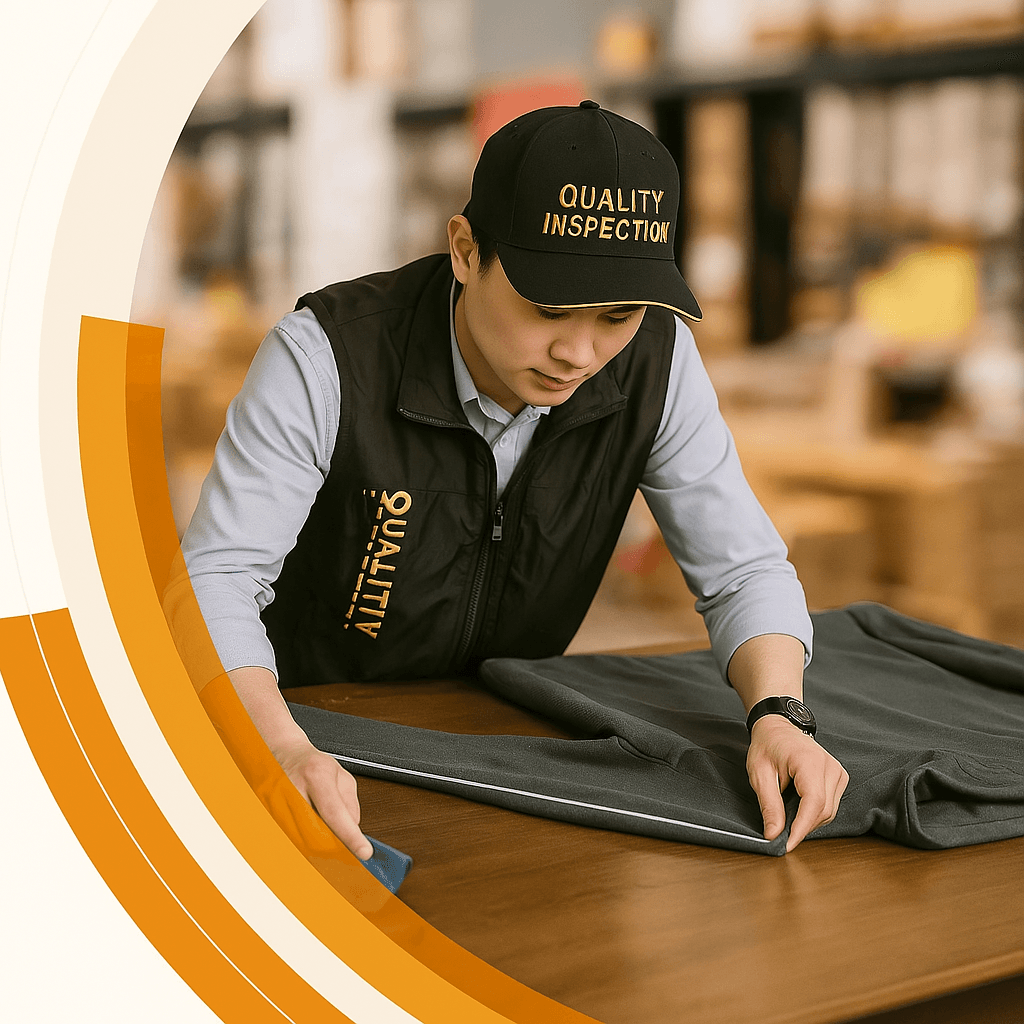
In the dynamic world of outdoor gear, maintaining product quality presents a unique set of challenges for brands. With increasing competition and consumer expectations, outdoor brands face immense market pressures that can compromise their commitment to quality. To navigate these turbulent waters, brands must remain vigilant and proactive in addressing these issues.
Market Pressures on Outdoor Brands
Outdoor brands are constantly bombarded by market pressures that can make sustaining product quality a daunting task. The need to stay competitive often leads to compromises in materials and manufacturing processes, which can directly impact product quality. Furthermore, the rapid pace of trends in the outdoor industry means that brands must innovate quickly while still adhering to high-quality standards—an uphill battle for many.
Balancing Cost and Quality
One of the most significant challenges outdoor brands face is balancing cost with product quality. While consumers are increasingly demanding high-quality products, they also expect them at accessible price points. This tension forces companies to make tough decisions about where to allocate resources; investing more in materials or production may enhance product quality but could also lead to higher retail prices that deter potential buyers.
The Impact of Sustainability Trends
Sustainability trends have reshaped consumer expectations around product quality, adding another layer of complexity for outdoor brands. As shoppers become more environmentally conscious, they seek out products made from sustainable materials without sacrificing performance or durability—this is no small feat! Brands must rethink their sourcing strategies and production methods if they want to meet these new demands while maintaining high standards in product quality.
Innovations in Outdoor Product Testing

In the ever-evolving landscape of outdoor gear, innovations in product testing are crucial for maintaining high product quality. As brands strive to meet consumer expectations and sustainability standards, they must adopt cutting-edge technologies that enhance their quality control processes. This section explores how advancements in testing methods can help outdoor brands overcome the challenges of sustaining product quality.
Advances in Quality Control Technologies
Quality control technologies have come a long way, enabling outdoor brands to ensure their products meet rigorous standards before hitting the market. Automated testing equipment and data analytics software allow for real-time monitoring of materials and performance metrics, making it easier to pinpoint any weaknesses or inconsistencies. With these innovations, brands can not only maintain product quality but also respond swiftly to any issues that arise during production.
Moreover, incorporating artificial intelligence into quality testing can predict potential failures by analyzing historical data from previous products. This proactive approach helps brands tackle the question: why is maintaining product quality challenging for outdoor brands? By leveraging these advanced technologies, companies can streamline their processes and focus on delivering top-notch gear that meets both consumer demands and environmental considerations.
Role of China Inspection Pro in Quality Assurance
When it comes to ensuring product quality at scale, partnerships with specialized firms like China Inspection Pro play a pivotal role in helping outdoor brands navigate complex supply chains. With expertise in various inspection methodologies, they provide comprehensive assessments that cover everything from material sourcing to final production checks. By collaborating with such organizations, brands can effectively address the challenges associated with maintaining consistent product quality across diverse manufacturing environments.
China Inspection Pro's rigorous standards help identify potential pitfalls early on—allowing companies to make necessary adjustments before products reach consumers. This not only enhances brand reputation but also fosters trust among consumers who are increasingly informed about what constitutes high-quality gear. As outdoor enthusiasts become more discerning about their purchases, it's clear that leveraging third-party inspections is essential for overcoming hurdles related to product quality.
Real-World Testing: Learning from the Field
While lab tests are vital for assessing durability and performance under controlled conditions, real-world testing offers invaluable insights that no simulation can replicate. Engaging athletes and adventurers as testers allows brands to gather feedback based on actual usage scenarios—helping them understand how products perform under various conditions and stresses encountered outdoors. This method directly addresses the question: how can brands overcome these challenges?
By embracing real-world testing practices, companies not only improve their understanding of what makes a great outdoor product but also foster community engagement with their customers. Feedback loops established through this process provide opportunities for continuous improvement while reinforcing a culture centered around high-quality standards within organizations themselves. Indeed, it's time to raise the bar on what consumers expect from outdoor gear by integrating these innovative approaches into every stage of development.
Consumer Expectations and Product Quality
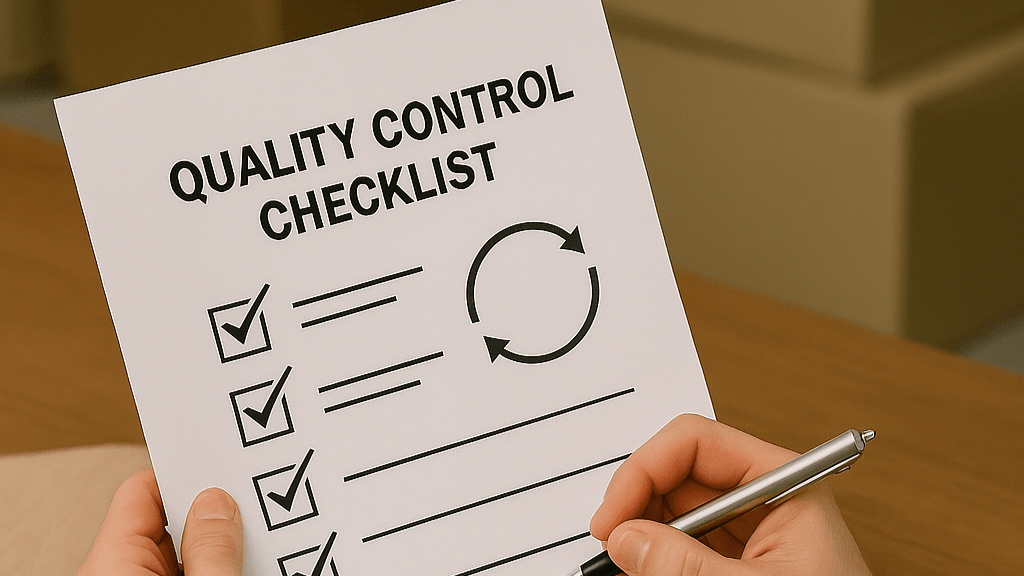
In today’s outdoor market, consumers are more informed than ever, raising the bar for product quality. With the rise of social media and online resources, outdoor enthusiasts have access to a wealth of information that shapes their purchasing decisions. This shift in consumer behavior presents both challenges and opportunities for brands striving to maintain high standards in product quality.
The Rise of Informed Outdoor Enthusiasts
Outdoor enthusiasts are no longer just casual users; they have become knowledgeable advocates for quality gear. They research products extensively, comparing features, durability, and performance before making a purchase. This heightened awareness means that brands must not only meet but exceed expectations regarding product quality to earn customer loyalty.
How Reviews Shape Perceptions of Quality
Online reviews play a critical role in shaping perceptions of product quality among consumers. A single negative review can tarnish a brand's reputation, while positive testimonials can elevate it to new heights. Brands must recognize that maintaining product quality is not just about the physical attributes of their offerings; it’s also about managing consumer sentiment and responding proactively to feedback.
Engaging with Customers for Better Products
To overcome the challenges of maintaining product quality, brands should prioritize engaging with their customers directly. By fostering open communication channels—such as social media platforms or customer surveys—companies can gather valuable insights into consumer preferences and pain points. This engagement not only helps improve products but also builds trust within the community, reinforcing the idea that it’s time to raise the bar on what consumers expect from outdoor gear.
Strategies for Overcoming Quality Hurdles

When it comes to outdoor brands, maintaining product quality can feel like trying to climb a mountain with a boulder strapped to your back. The good news is that there are effective strategies available to help these brands tackle the challenges head-on. By collaborating with experts, investing in research and development, and streamlining supply chains, outdoor brands can rise above the hurdles and elevate their product quality.
Collaborations with Experts in the Field
One of the most effective ways for outdoor brands to enhance product quality is through collaborations with industry experts. These partnerships can provide invaluable insights into best practices, cutting-edge materials, and innovative design techniques that can significantly improve product performance and durability. By tapping into specialized knowledge, brands can better understand why maintaining product quality is challenging and how they can overcome these challenges.
Moreover, working alongside experts allows for real-world testing scenarios that provide feedback on products before they hit the shelves. This proactive approach not only boosts consumer confidence but also helps in setting new benchmarks for what high-quality outdoor gear should look like. In essence, collaboration fosters a culture of continuous improvement—it's time to raise the bar on quality!
Investing in Research and Development
Investing in research and development (R&D) is another critical strategy for overcoming quality hurdles faced by outdoor brands. R&D enables companies to explore new technologies and materials that enhance product quality while also addressing sustainability concerns—a key issue among today’s conscious consumers. By prioritizing R&D efforts, brands can innovate their offerings while ensuring they meet or exceed customer expectations.
Additionally, this investment allows companies to stay ahead of market trends rather than merely reacting to them—an essential factor given how quickly consumer preferences shift in the outdoor space. With dedicated resources focused on improving product quality through innovative solutions, brands not only stand out but also build long-lasting relationships with their customers who appreciate high standards.
Streamlining Supply Chains for Better Consistency
Another vital strategy involves streamlining supply chains to ensure better consistency across all products offered by outdoor brands. A disjointed supply chain often leads to variations in material sourcing or manufacturing processes that compromise overall product quality. By optimizing these systems—whether through technology adoption or better vendor relationships—brands can create a more reliable output that aligns with their commitment to excellence.
Furthermore, an efficient supply chain enables quicker responses to market demands without sacrificing quality standards; this agility is crucial as consumers increasingly seek products that meet both performance needs and ethical considerations. Ultimately, addressing supply chain inefficiencies directly contributes to raising the bar on product quality across the board.
It's Time to Raise the Bar on Quality
In an industry where the great outdoors beckons, it’s crucial for brands to raise the bar on product quality. With consumers increasingly demanding high-performance gear that withstands nature's challenges, outdoor brands must step up their game. This commitment not only enhances customer satisfaction but also solidifies brand loyalty in a competitive market.
Setting New Standards in Outdoor Gear
Setting new standards in outdoor gear is essential for brands looking to thrive amidst evolving consumer expectations. Why is maintaining product quality challenging for outdoor brands? Often, it stems from balancing innovation with cost-effectiveness while keeping sustainability in mind. Brands can overcome these challenges by investing in cutting-edge materials and technologies that enhance both performance and durability.
By establishing rigorous testing protocols and embracing feedback from real-world users, companies can ensure their products meet high-quality benchmarks. These new standards should not just be about surviving the elements; they should also reflect a commitment to ethical production practices and environmental stewardship. Ultimately, it's time to raise the bar, pushing for gear that not only performs well but also aligns with modern values.
The Role of Certifications and Accreditations
Certifications and accreditations play a pivotal role in affirming product quality within the outdoor industry. They serve as badges of honor that reassure consumers about a brand's commitment to excellence—making it easier for them to choose wisely among countless options available today. Brands that prioritize obtaining these certifications position themselves as leaders who value transparency and accountability.
Moreover, certifications often require adherence to stringent guidelines regarding materials, manufacturing processes, and overall sustainability practices. This fosters an environment where maintaining product quality becomes less of a challenge and more of a standard operating procedure within organizations. By actively pursuing recognized certifications, brands send a clear message: they are serious about raising the bar on quality.
Building a Quality-First Culture within Brands
Building a quality-first culture within brands is crucial for long-term success in the outdoor market landscape. When every team member—from designers to marketers—embraces this ethos, maintaining product quality becomes second nature rather than an afterthought. How can brands overcome these challenges? By fostering open communication channels where feedback is welcomed and valued at all levels.
Training employees on best practices related to product development not only enhances skills but also instills pride in producing high-quality goods that customers love using outdoors. Additionally, celebrating successes related to product quality reinforces its importance across all departments—making it clear that it's time to raise the bar collectively as an organization rather than leaving it solely up to one team or individual effort.
Conclusion
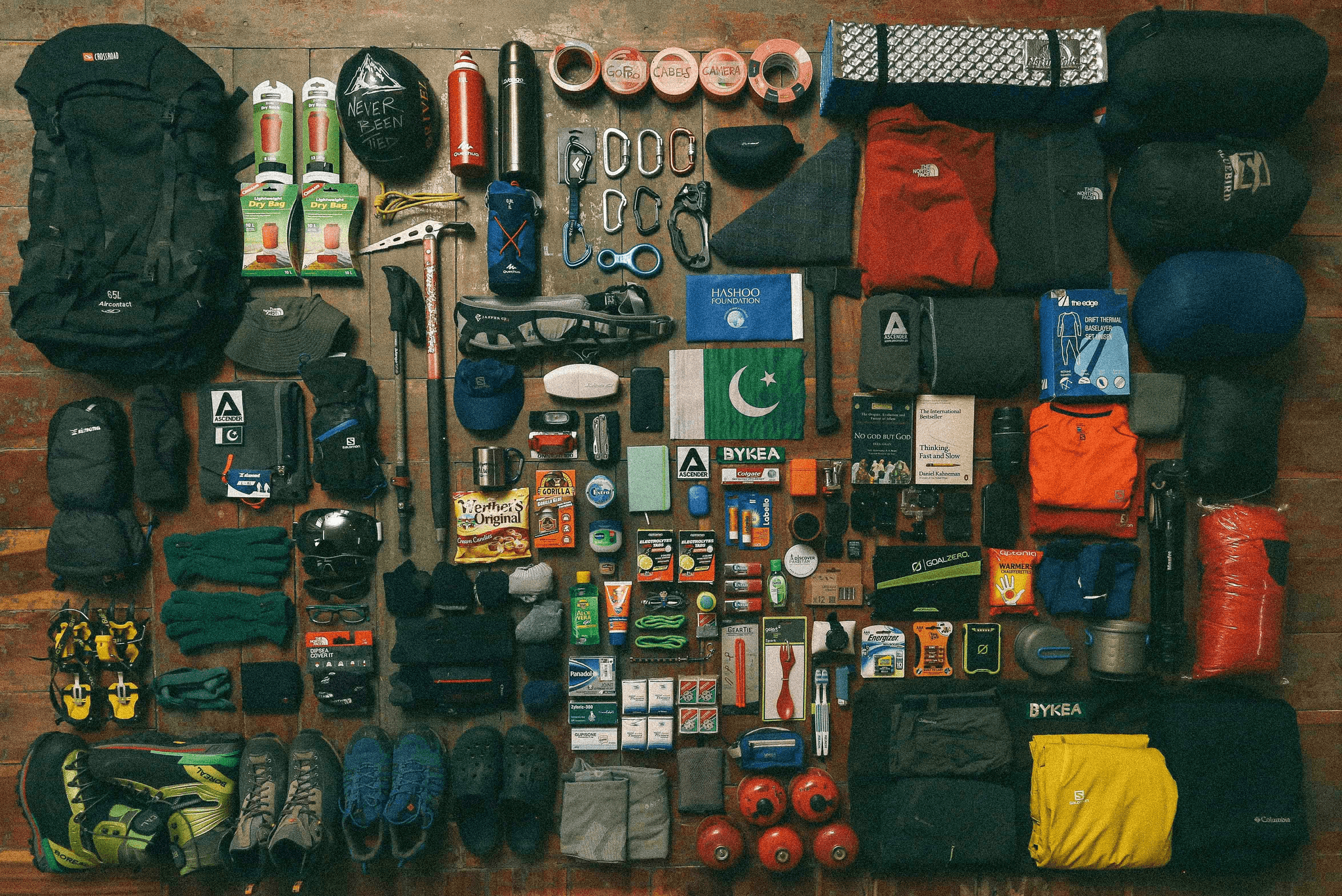
In the fast-paced world of outdoor gear, the significance of product quality cannot be overstated. It serves as the backbone of brand reputation and customer loyalty, yet maintaining product quality presents a myriad of challenges for outdoor brands. From market pressures to sustainability trends, brands must navigate a complex landscape to ensure that their products meet and exceed consumer expectations.
Key Takeaways on Product Quality
First and foremost, understanding why maintaining product quality is challenging for outdoor brands is essential. The constant tug-of-war between cost management and high-quality standards often leads to compromises that can tarnish a brand's image. Additionally, the evolving demands of environmentally conscious consumers add another layer of complexity that brands must address to stay relevant in an increasingly competitive market.
Emphasizing Innovation for Better Products
To overcome these challenges, innovation in product development and testing is key. Outdoor brands must invest in advanced technologies that enhance both quality control processes and real-world testing methodologies. By doing so, they not only elevate their product quality but also foster trust with customers who are eager for reliable gear that can withstand the rigors of nature.
A Call to Action for Outdoor Brands
It's time to raise the bar on product quality in the outdoor industry! Brands need to take bold steps by collaborating with experts, streamlining supply chains, and prioritizing research and development efforts. Ultimately, this commitment will not only improve their offerings but also create a culture where quality becomes synonymous with their identity—ensuring they thrive amid ever-changing consumer expectations.