
Introduction
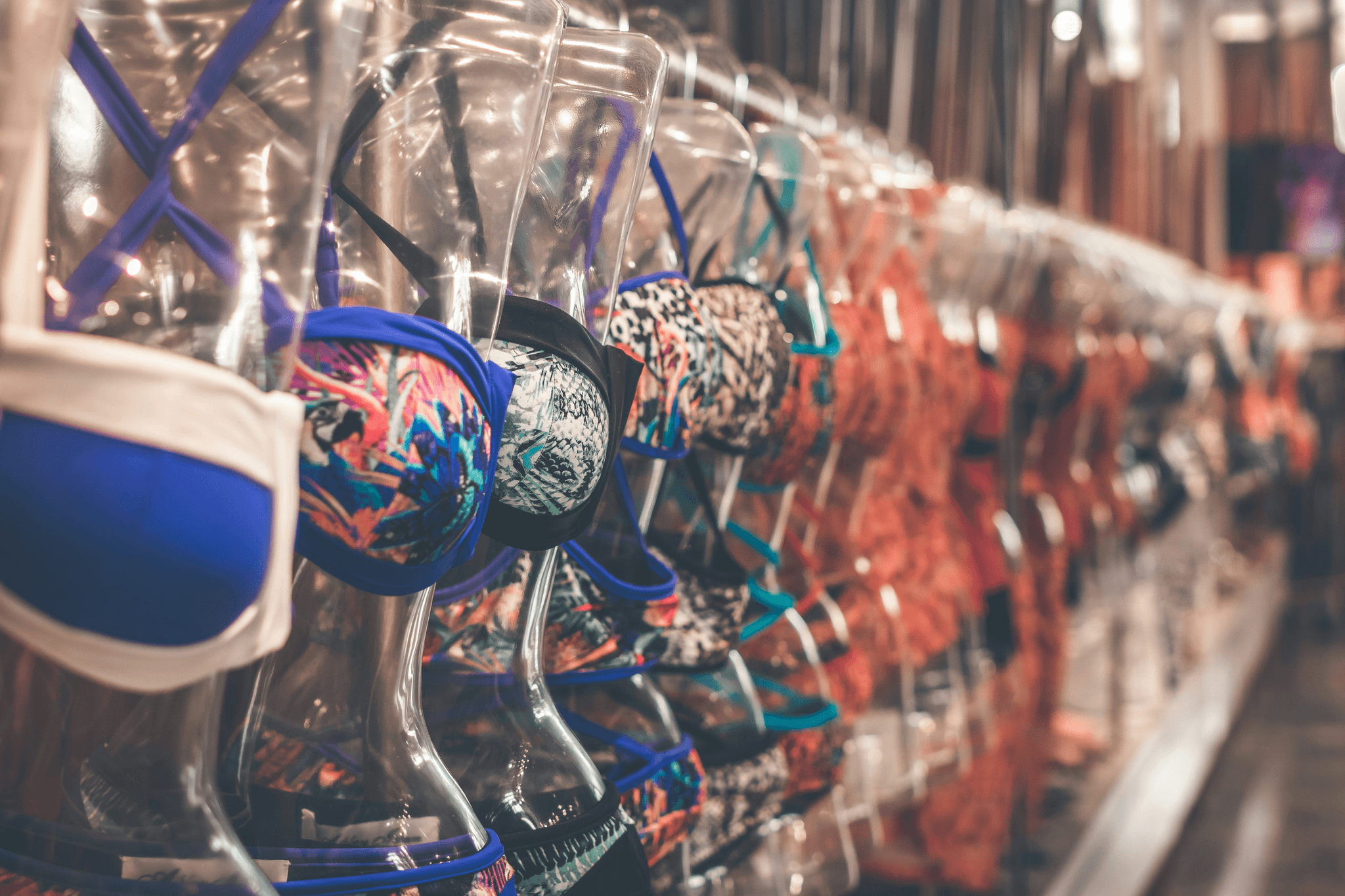
In the world of fashion, lingerie holds a unique place, combining both functionality and allure. However, the delicate nature of these garments necessitates a rigorous **Lingerie Inspection** process to ensure they meet high standards of quality and safety. With consumers increasingly demanding excellence, understanding the nuances of lingerie inspection becomes paramount for manufacturers and retailers alike.
Importance of Lingerie Inspection
**Lingerie Inspection** is not merely a formality; it is an essential step in maintaining brand integrity and consumer trust. Given that lingerie often involves intricate designs and materials, any oversight can lead to significant customer dissatisfaction or even safety concerns. By prioritizing inspections at every stage—from **Pre-Production Inspection for Lingerie** to final checks—companies can safeguard their reputation while delivering products that customers love.
Benefits of Quality Control in Lingerie
Implementing robust quality control measures in lingerie production offers multiple benefits, including reduced returns and enhanced customer loyalty. Effective **Raw Materials Inspection for Lingerie**, along with meticulous checks during crafting and assembly, ensures that only the best materials are used in production. This not only improves product durability but also elevates the overall aesthetic appeal, making quality control a win-win for everyone involved.
Understanding the Inspection Processes
Navigating through various inspection processes is crucial for achieving optimal results in lingerie manufacturing. From **Craft and Assembly Inspection for Lingerie** to **Sewing Inspection for Lingerie**, each step plays a vital role in identifying potential flaws before they reach the consumer market. By familiarizing themselves with these procedures—such as **Measurement Inspection for Lingerie** and specialized checks like **Brasserie Hook Inspection**—manufacturers can significantly enhance their quality assurance practices.
Pre-Production Inspection for Lingerie

Pre-production inspection for lingerie is a crucial step that sets the tone for the entire production process. It involves evaluating various factors to ensure that the final product meets quality standards and customer expectations. By conducting thorough inspections before production begins, brands can avoid costly mistakes and enhance their reputation in the competitive lingerie market.
Assessing Supplier Credibility
When embarking on lingerie inspection, assessing supplier credibility is paramount. This means looking into a supplier's history, reputation, and adherence to industry standards. A reliable supplier not only provides high-quality materials but also fosters a smoother production process, which is essential for successful raw materials inspection for lingerie.
Furthermore, checking references and past client experiences can provide insight into a supplier's reliability. Engaging with suppliers who have proven track records helps mitigate risks associated with poor quality or delayed deliveries. Ultimately, strong supplier relationships contribute significantly to effective pre-production inspection for lingerie.
Reviewing Sample Materials
Reviewing sample materials is an essential part of pre-production inspection for lingerie that cannot be overlooked. This process involves examining fabric swatches, lace samples, and elastic types to ensure they meet desired specifications and quality standards. High-quality materials are critical as they directly affect the overall durability and aesthetic appeal of the finished product.
Setting Quality Standards
Setting quality standards during pre-production inspections establishes clear expectations throughout the manufacturing process. These standards should encompass everything from fabric quality to stitching techniques employed during sewing inspections for lingerie assembly. By defining these benchmarks upfront, manufacturers can maintain consistency across all products while minimizing defects.
Additionally, clear quality guidelines help streamline communication between designers and manufacturers, ensuring everyone is aligned on objectives from day one. Regular audits against these established standards will also facilitate ongoing improvements in future collections through lessons learned during craft and assembly inspections for lingerie products already produced. In short, setting robust quality standards is vital in achieving excellence throughout every stage of production.
Raw Materials Inspection for Lingerie
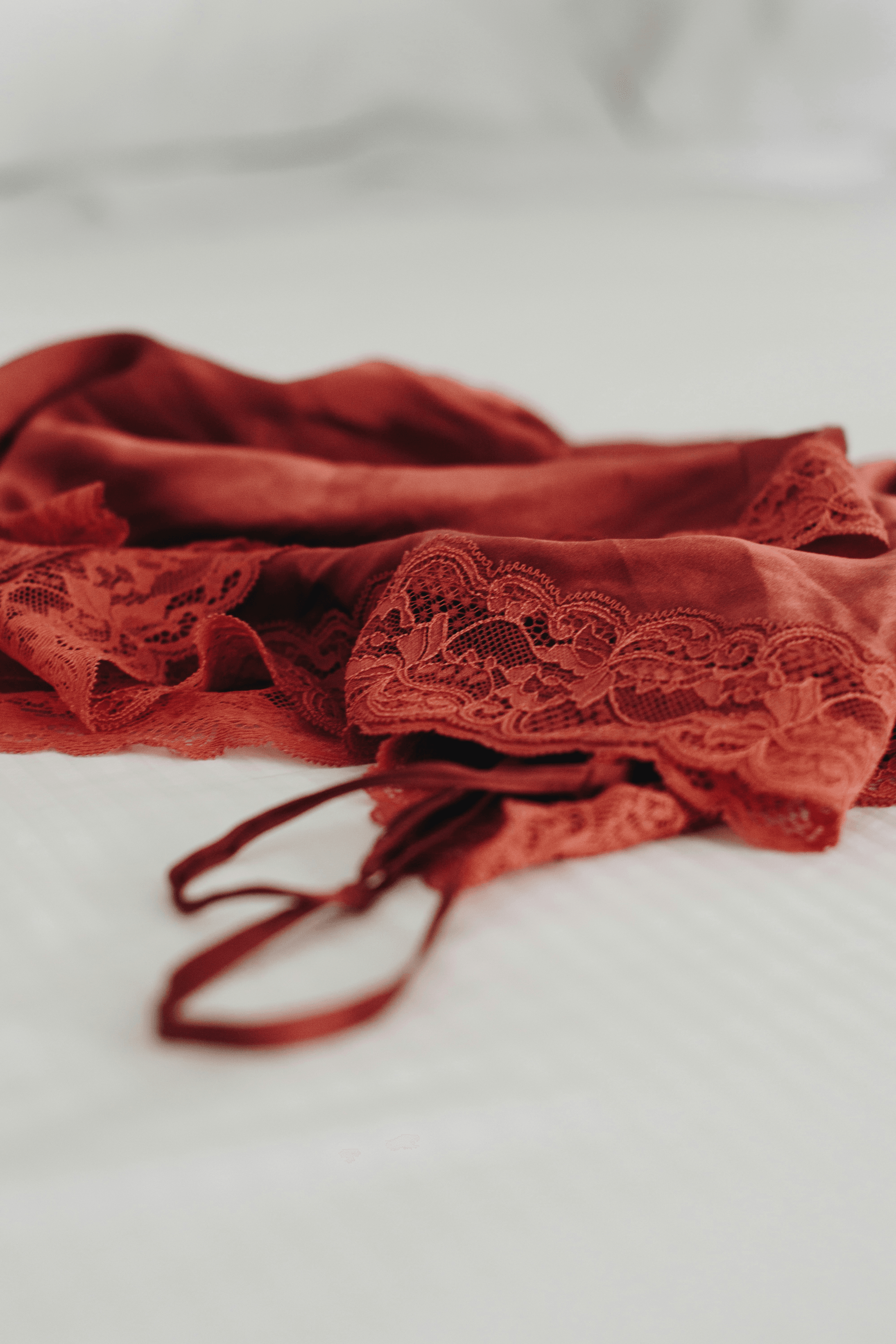
When it comes to lingerie, the quality of raw materials can make or break the final product. Raw Materials Inspection for Lingerie is crucial in ensuring that every piece not only looks good but feels good against the skin. This phase sets the foundation for all subsequent inspections, including Pre-Production Inspection for Lingerie and Craft and Assembly Inspection for Lingerie.
Evaluating Fabric Quality
The first step in Raw Materials Inspection for Lingerie is evaluating fabric quality. Fabrics must be soft, breathable, and durable enough to withstand wear while maintaining their shape and comfort over time. This involves checking for any inconsistencies in texture or color that could indicate underlying issues—after all, no one wants a scratchy lace lining ruining their day!
Checking Elastic and Lace Durability
Next up is checking elastic and lace durability, two components that are often overlooked until it's too late. Elastic needs to have the right amount of stretch without losing its ability to bounce back; otherwise, your favorite bra might turn into a droopy disaster after just a few wears. Lace should also undergo rigorous testing to ensure it won't fray or tear during everyday use—because nothing says lingerie fail quite like a wardrobe malfunction.
Ensuring Compliance with Safety Standards
Finally, ensuring compliance with safety standards is non-negotiable in Raw Materials Inspection for Lingerie. With various regulations governing textile safety, it's essential that all materials used meet these guidelines to protect consumers from potential harm. This includes checking for harmful chemicals or allergens that could irritate sensitive skin—because nobody wants their beautiful lingerie to come with an unwanted side effect!
Craft and Assembly Inspection for Lingerie

Craft and assembly inspection is a crucial phase in the lingerie production process, ensuring that garments are not only beautiful but also constructed to withstand everyday wear. This stage evaluates the craftsmanship behind each piece, focusing on how well the lingerie is made and whether it meets the established quality standards set during pre-production inspection for lingerie. By paying close attention to construction techniques, consistency of design, and potential production flaws, manufacturers can deliver products that truly satisfy customer expectations.
Analyzing Construction Techniques
Analyzing construction techniques during craft and assembly inspection for lingerie involves a meticulous review of sewing methods, stitching patterns, and finishing touches used in garment creation. Quality inspectors look for industry-standard practices that guarantee durability while maintaining comfort—two vital elements in any successful lingerie line. By identifying best practices in construction techniques, brands can enhance their reputation for quality through rigorous lingerie inspection processes.
Ensuring Consistency of Design
Ensuring consistency of design is essential to maintain brand identity throughout a collection of lingerie pieces. During craft and assembly inspections, inspectors verify that each item adheres to predetermined design specifications—from color palettes to embellishments—ensuring a cohesive look across all products. This level of attention not only reinforces brand integrity but also elevates customer trust in the quality control measures implemented during pre-production inspection for lingerie.
Identifying Potential Production Flaws
Identifying potential production flaws is a key aspect of craft and assembly inspections that prevents costly recalls or dissatisfied customers down the line. Inspectors meticulously examine each piece for issues such as misaligned seams or improper fabric usage—common pitfalls that could compromise both aesthetics and functionality. By catching these flaws early on through thorough inspections—including raw materials inspection for lingerie—manufacturers can save time and resources while ensuring their final products meet high-quality standards.
Visual Inspection for Lingerie

Visual inspection is a crucial step in the lingerie inspection process, ensuring that every piece meets aesthetic and quality standards. This phase involves scrutinizing the product's appearance to identify any defects that could compromise its appeal. By implementing thorough visual inspection techniques, manufacturers can uphold their commitment to delivering high-quality lingerie.
Spotting Defects in Appearance
During visual inspection for lingerie, spotting defects in appearance is paramount. Inspectors look for issues such as uneven stitching, loose threads, or fabric flaws that could detract from the overall look of the garment. Identifying these imperfections early on not only enhances customer satisfaction but also reduces returns and boosts brand reputation.
Checking Color Consistency
Color consistency is another vital aspect of visual inspection for lingerie. Inspectors must ensure that each piece matches the intended color palette and that there are no discolorations or fading spots present. Consistent coloring across a collection not only reflects quality but also helps maintain brand identity in a competitive market.
Assessing Overall Aesthetic Quality
The overall aesthetic quality of lingerie plays a significant role in consumer appeal and marketability. During visual inspections, inspectors evaluate how well the design elements come together, including patterns, textures, and finishes. A well-executed aesthetic not only attracts buyers but also reinforces trust in the brand's commitment to quality control throughout all stages of production—be it pre-production inspection for lingerie or sewing inspection for lingerie.
Sewing Inspection for Lingerie
When it comes to lingerie inspection, the sewing phase is crucial in ensuring that every piece meets high-quality standards. This stage focuses on the craftsmanship of the garment, where even minor flaws can lead to discomfort or dissatisfaction for the wearer. By implementing thorough sewing inspection for lingerie, manufacturers can guarantee that their products not only look good but also feel good.
Evaluating Stitch Quality
The first step in sewing inspection for lingerie is evaluating stitch quality. Each stitch must be consistent in length and tension; otherwise, it could lead to unraveling or gaps that compromise both durability and aesthetics. Inspectors should look out for loose threads or skipped stitches, as these issues can significantly affect the overall quality of the lingerie.
Moreover, different types of stitches are used depending on the fabric and design—so knowing which stitch works best is part of a successful pre-production inspection for lingerie. Inspectors must ensure that stitches are not only functional but also blend seamlessly into the design, enhancing rather than detracting from its appeal. Ultimately, top-notch stitch quality contributes to a product's longevity and customer satisfaction.
Checking Seam Integrity
Next on our list is checking seam integrity during sewing inspection for lingerie. Seams are where two pieces of fabric come together, making them critical points that require meticulous attention during inspections. Poorly constructed seams can lead to separation under stress or wear, making this aspect vital in maintaining high-quality standards.
Inspectors should pay close attention to seam allowances and alignment; any discrepancies here may indicate potential weaknesses in construction. A reliable raw materials inspection for lingerie will also ensure that fabrics chosen can withstand these stresses without compromising seam strength over time. By ensuring robust seams through careful evaluation, manufacturers significantly reduce returns due to defects.
Ensuring Proper Finishing Techniques
Finally, ensuring proper finishing techniques rounds out our focus on sewing inspection for lingerie. Finishing touches such as trimming excess threads and applying appropriate treatments can make all the difference between an average piece and a standout item in a collection. These steps not only enhance appearance but also contribute to comfort—something every wearer values.
During this phase of craft and assembly inspection for lingerie, it's essential to confirm that all finishing techniques comply with established quality standards set earlier in production planning stages. Moreover, implementing consistent finishing practices helps create brand reliability; customers will know they can trust your products consistently meet high expectations across every purchase they make!
In conclusion, effective sewing inspection plays an integral role in maintaining high-quality standards throughout the production process—from raw materials through final assembly—ensuring each piece delivers comfort while adhering strictly to safety guidelines like those found during brasserie hook inspections.
Measurement Inspection for Lingerie
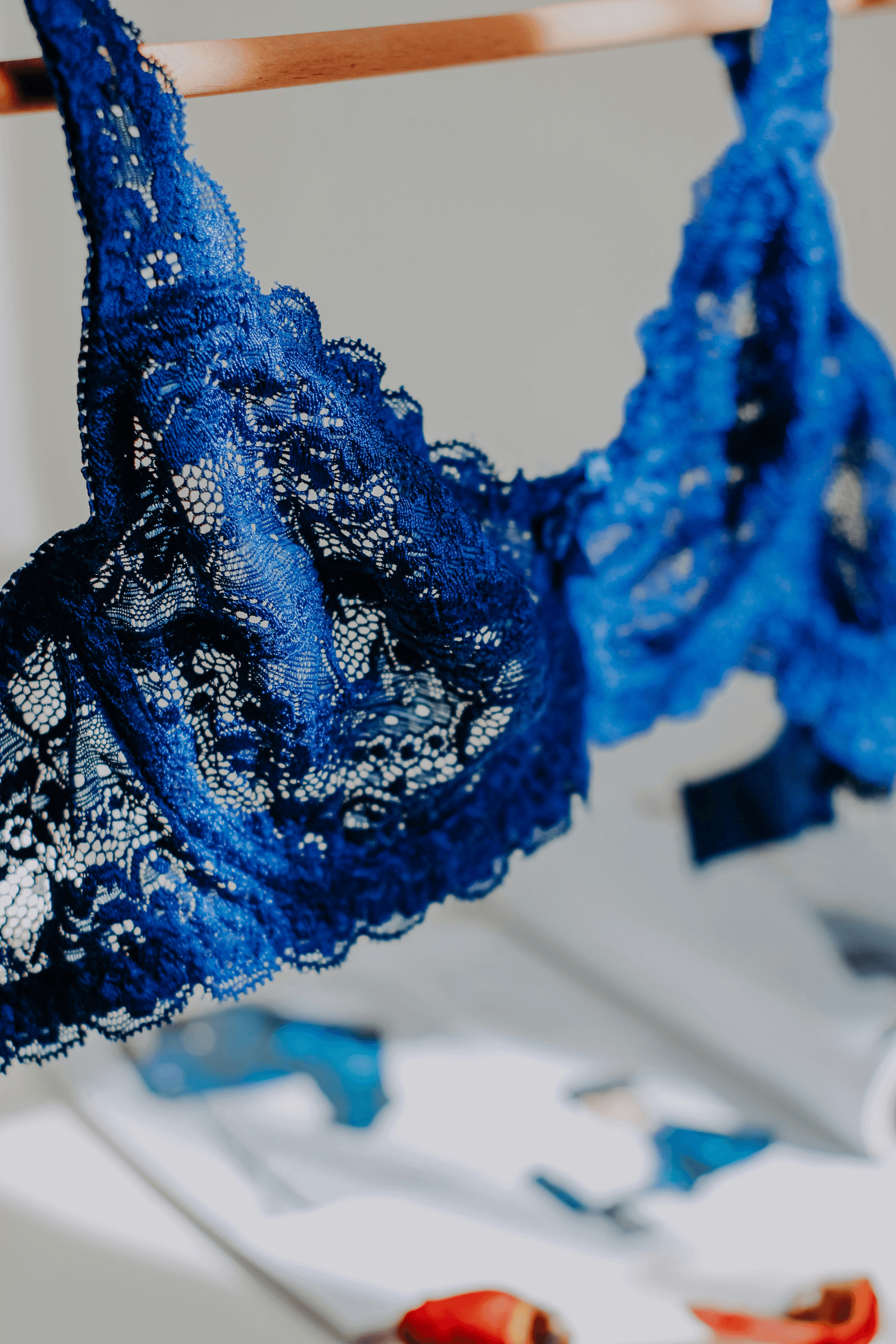
When it comes to ensuring that lingerie fits like a glove, measurement inspection is not just important; it's essential. A well-fitted piece can make all the difference in comfort and confidence, which is why lingerie inspection processes must include meticulous measurement checks. By focusing on verifying size accuracy, ensuring fit consistency, and testing stretch and recovery, manufacturers can uphold high standards in quality control.
Verifying Size Accuracy
Verifying size accuracy is the cornerstone of effective measurement inspection for lingerie. This involves comparing actual garment measurements against standard sizing charts to ensure that each piece aligns with consumer expectations. In the world of lingerie inspection, even a slight deviation can lead to discomfort or dissatisfaction, making this step critical during pre-production inspections for lingerie.
To achieve precise size accuracy, manufacturers often rely on specialized measuring tools and techniques that consider various factors such as fabric stretch and intended fit style. Consistency in this process ensures that every item produced meets the established quality standards set during raw materials inspection for lingerie. Ultimately, accurate measurements contribute to customer satisfaction and brand loyalty.
Ensuring Fit Consistency
Ensuring fit consistency is another vital aspect of measurement inspection for lingerie that cannot be overlooked. This process involves evaluating how well each garment conforms to body shapes across different sizes, ensuring a uniform experience regardless of where the product lands on the rack. By maintaining fit consistency through careful craft and assembly inspections for lingerie, brands can build trust with their customers.
Fit consistency goes beyond mere numbers; it requires an understanding of how fabrics behave when worn over time. This means considering elements like body movement and fabric elasticity during sewing inspections for lingerie as well. When customers know they can rely on consistent sizing across multiple purchases, they are more likely to return to their favorite brands again and again.
Testing Stretch and Recovery
Testing stretch and recovery might sound like a gym routine but is crucial in the world of lingerie inspection! In this context, it refers to assessing how well fabrics return to their original shape after being stretched—an essential factor in comfort and longevity. During measurement inspections for lingerie, testing these properties ensures that garments maintain their intended fit even after repeated wear.
Conducting these tests helps identify any potential issues early on in production stages such as raw materials inspection for lingerie or sewing inspections for lingerie before they become costly problems later down the line. Brands must be diligent about this aspect since consumers expect their favorite bras or panties not only to look good but also perform well under pressure—literally! By prioritizing stretch and recovery testing within quality control protocols, manufacturers can create products that stand up against daily wear while keeping customers happy.
Brasserie Hook Inspection
A thorough Brasserie Hook Inspection is essential to guarantee that these small but mighty components meet quality standards. This inspection process not only enhances the overall quality of lingerie but also contributes significantly to user satisfaction.
Evaluating Hook Durability
Durability is key when assessing brasserie hooks during Lingerie Inspection. Hooks must withstand daily wear and tear without losing their grip or integrity, which can lead to embarrassing wardrobe malfunctions. By conducting a detailed evaluation of hook materials and construction methods, manufacturers can ensure that their products will endure the test of time while maintaining customer trust.
Checking Fastening Mechanisms
The fastening mechanisms of brasserie hooks are another crucial aspect of Lingerie Inspection that should not be neglected. These mechanisms must operate smoothly and securely, providing reliable support without pinching or discomforting the wearer. By systematically checking each fastening mechanism during inspections, manufacturers can identify any potential issues early on, ensuring a high-quality product reaches consumers.
Ensuring User Safety
User safety is paramount in lingerie design and manufacturing, making it an essential focus during Brasserie Hook Inspection. Hooks should be designed in such a way as to minimize injury risk while still providing effective support; sharp edges or poorly designed clasps can lead to unfortunate accidents for unsuspecting wearers. By prioritizing user safety throughout the inspection processes—including Pre-Production Inspection for Lingerie and Raw Materials Inspection for Lingerie—brands can build a reputation for quality that resonates with customers.
Conclusion
In the world of lingerie, meticulous attention to detail during inspection is paramount. From Pre-Production Inspection for Lingerie to Brasserie Hook Inspection, each stage plays a critical role in ensuring that the final product meets the highest standards of quality and safety. By investing time and resources into thorough inspections, brands can enhance their reputation and customer satisfaction.
Key Takeaways from Lingerie Inspection
The comprehensive process of Lingerie Inspection encompasses various stages, including Raw Materials Inspection for Lingerie and Craft and Assembly Inspection for Lingerie. Each phase is designed to identify potential issues early on, preventing costly mistakes later in production. Remember, consistent Visual Inspection for Lingerie can make all the difference in delivering a flawless product.
Enhancing Quality with China Inspection Pro
For those seeking to elevate their lingerie quality control processes, partnering with experts like China Inspection Pro can be invaluable. Their specialized services cover everything from Sewing Inspection for Lingerie to Measurement Inspection for Lingerie, ensuring that every piece meets stringent quality benchmarks. By leveraging their expertise, brands can streamline their inspection processes and focus on what they do best—creating beautiful lingerie.
Final Thoughts on Lingerie Quality Control
Quality control in lingerie isn't just about avoiding defects; it's about building trust with customers who deserve nothing less than perfection. Regular inspections at every stage—from Craft and Assembly to Brasserie Hook Inspections—help maintain high standards throughout production. Ultimately, a commitment to thorough Lingerie Inspections will lead to satisfied customers who appreciate the care put into each piece they wear.