
Introduction

Embarking on a successful product journey starts with mastering your Product Inspection Process. Whether you're preparing for inspection or checking production status, a well-structured approach can make all the difference. From developing a QC checklist to selecting the perfect golden sample, every step counts in ensuring quality and consistency.
Elevate Your Product Inspection Process for Success
Elevating your Product Inspection Process means moving beyond basic checks and integrating strategic methods like random sampling and thorough preparation for inspection. When you develop a robust QC checklist tailored to your product, you set clear standards that guide your team and suppliers alike. This proactive approach helps you catch issues early, making the entire process smoother and more predictable.
Why a Strong Inspection Process Matters for Your Business
A strong inspection process directly impacts your bottom line by reducing defects and rework costs while boosting customer satisfaction. Checking production status regularly ensures you're not caught off guard by delays or quality dips, especially when using techniques like random sampling to get honest snapshots of quality levels. Investing in an effective Product Inspection Process builds trust with clients and suppliers because everyone knows standards are consistently met.
How Quality Inspection Boosts Customer Satisfaction
Customers crave reliability, which is why implementing rigorous quality inspections—like verifying against the golden sample—can turn first-time buyers into loyal advocates. When your team is prepared for inspection with detailed checklists and real-time monitoring tools, product quality becomes predictable rather than accidental. Ultimately, a seamless Product Inspection Process means happier customers who come back for more because they trust what they receive.
Establish Clear Inspection Goals

Setting clear inspection goals is the cornerstone of a successful product inspection process. Without well-defined objectives, your team might end up checking everything and missing the critical details that truly matter. Whether you're preparing for inspection or developing a QC checklist, knowing what success looks like helps streamline the entire process and keeps everyone on the same page.
Defining Success in Your Product Inspection Process
Success in your product inspection process hinges on establishing measurable outcomes that align with your business goals. It’s about knowing exactly what quality levels or defect tolerances are acceptable before you even start checking production status or selecting a golden sample. When you clearly define success, you can focus your efforts during random sampling and ensure that each check contributes to overall product quality improvement.
Setting Realistic Quality Standards
Developing a QC checklist begins with setting realistic quality standards rooted in industry benchmarks and customer expectations. Overly ambitious standards can lead to unnecessary rejections, while too lenient ones risk passing subpar products—both scenarios damaging your brand’s reputation. By aligning these standards with market expectations, you ensure that every product inspected meets customer satisfaction without overburdening your team during preparing for inspection.
Aligning Inspection Goals with Market Expectations
Your inspection goals must reflect what your target market values most—be it durability, appearance, or safety features—making checking production status more targeted and effective. Random sampling plays a crucial role here; selecting representative samples ensures that inspections accurately mirror overall production quality aligned with market demands. When inspection goals are aligned with actual customer needs, the entire product inspection process becomes more efficient and impactful.
Developing a QC Checklist That Works
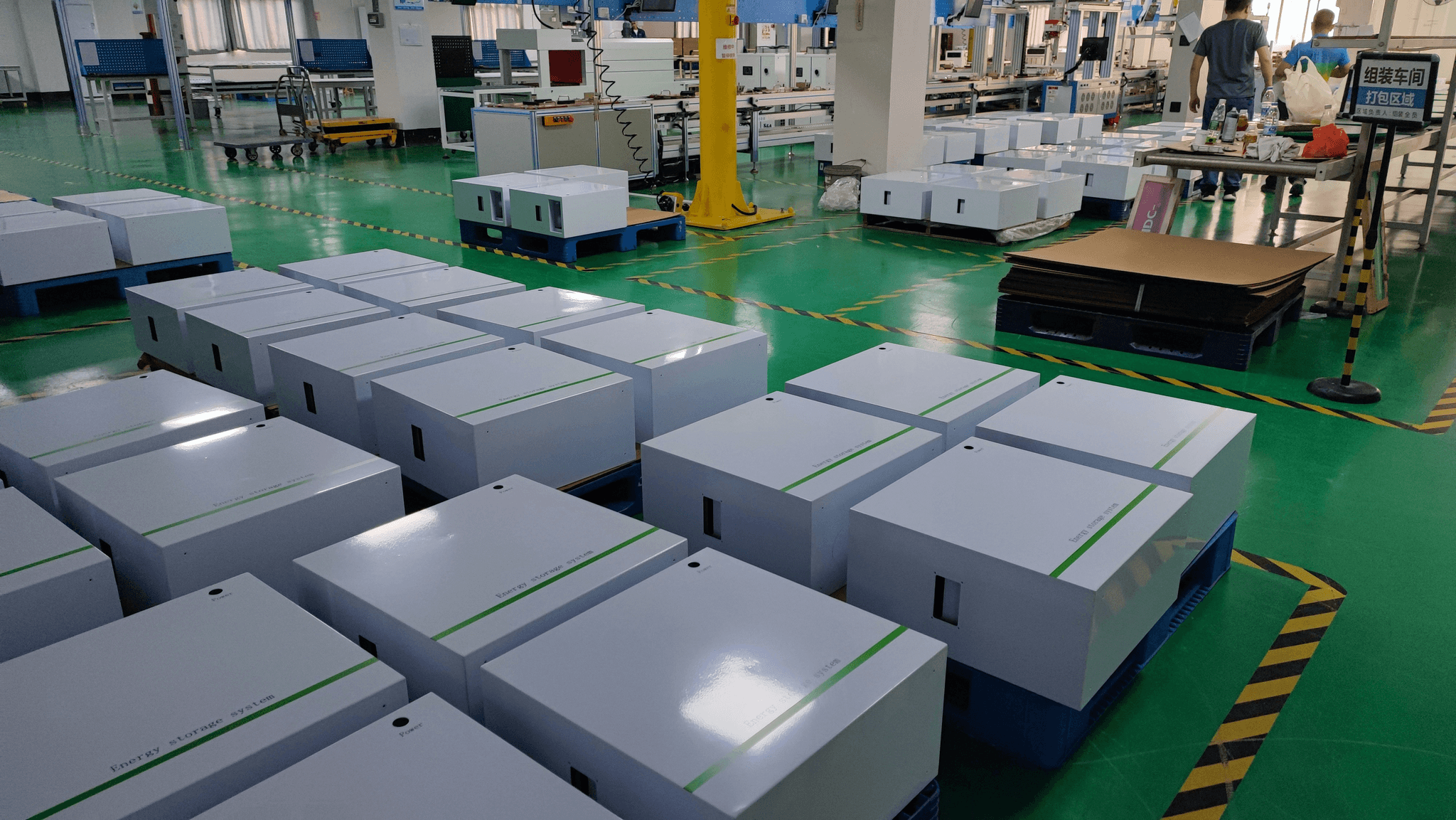
Creating an effective QC checklist is the backbone of a successful Product Inspection Process. It’s not just about ticking boxes; it’s about designing a tool that captures every critical detail to prevent surprises during inspection. When you develop a QC checklist, you’re essentially setting the standards for checking production status, ensuring consistency, and maintaining quality throughout your supply chain.
A well-crafted checklist should incorporate clear inspection criteria, specific defect categories, and acceptable tolerance levels. These elements help streamline the product inspection process by providing inspectors with concrete guidance on what to look for. Remember, preparing for inspection becomes much smoother when your checklist acts as a comprehensive roadmap—think of it as your golden sample blueprint that guarantees quality standards are met every time.
Key Elements for an Effective QC Checklist
An effective QC checklist must include key elements such as detailed product specifications, visual defect criteria, and measurement tolerances. Incorporating these elements ensures that inspectors can quickly identify issues during checking production status without second-guessing standards. Additionally, including space for comments allows inspectors to note specific observations or anomalies that may need further investigation or follow-up.
To maintain consistency in your product inspection process, your checklist should also be adaptable to different product types and production stages. Using industry standards as a guide helps ensure your checks align with global best practices, making the process more reliable and less prone to oversight. Remember, preparing for inspection involves having these key elements clearly outlined so everyone understands what constitutes quality versus defect.
Customizing Checklists for Different Products
No two products are exactly alike—so why should their checklists be? Customizing checklists based on product complexity and unique features is essential in developing a QC process that truly works. For example, inspecting electronics requires different parameters than checking textiles; each needs tailored criteria aligned with their specific material properties and intended use.
When customizing checklists, consider factors like material composition, functionality requirements, and safety standards—all of which influence what you need to verify during checking production status. This personalization makes the product inspection process more precise and efficient because it focuses on relevant issues rather than generic checks. Preparing for inspection becomes less daunting when you have tailored checklists that reflect the nuances of each product type.
Using Industry Standards to Guide Checklist Development
Industry standards serve as invaluable benchmarks when developing a QC checklist because they encapsulate proven best practices across various sectors. Leveraging these standards helps ensure your product inspection process aligns with global quality expectations while reducing errors caused by subjective judgment or oversight during random sampling procedures.
Incorporating industry guidelines into your development process also facilitates easier communication with suppliers and third-party inspectors like China Inspection Pro—who rely heavily on standardized protocols to deliver consistent results. By aligning your checklists with recognized standards, you create a solid foundation for checking production status effectively while minimizing rework or returns due to overlooked defects or non-compliance issue
Implementing Random Sampling Effectively

Implementing random sampling is a pivotal step in refining your Product Inspection Process. It allows you to catch issues without the chaos of inspecting every single item, saving time and resources. When preparing for inspection, integrating effective random sampling methods ensures that your checks are unbiased and representative, giving you confidence that your product quality is consistent across batches.
Why Random Sampling Is a Game Changer
Random sampling transforms the way you approach quality control by introducing an element of unpredictability that actually enhances accuracy. Instead of manually selecting products, random sampling techniques eliminate human bias, making your inspections more reliable. This method is especially critical when developing a QC checklist because it helps identify hidden flaws that might slip through routine checks, ultimately elevating your entire Product Inspection Process.
Choosing the Right Sampling Method for Your Products
Not all products are created equal—nor should they be sampled the same way. Whether you're checking fragile electronics or sturdy textiles, selecting the appropriate sampling method is key to ensuring representative checks with random sampling. For instance, simple random sampling may work well for small batches, while stratified or systematic sampling could be better suited for larger production runs where checking production status becomes crucial before final inspection.
Ensuring Representative Checks with Random Sampling
To maximize the effectiveness of your product inspection process, always aim for representative checks using well-planned random sampling strategies. This involves understanding your production flow and developing a QC checklist tailored to each product type—ensuring every sample accurately reflects the entire batch’s quality status. By doing so, you're not just catching defects—you’re proactively preventing them by addressing potential issues during checking production status and preparing for inspection with confidence.
Preparing for Inspection to Avoid Surprises
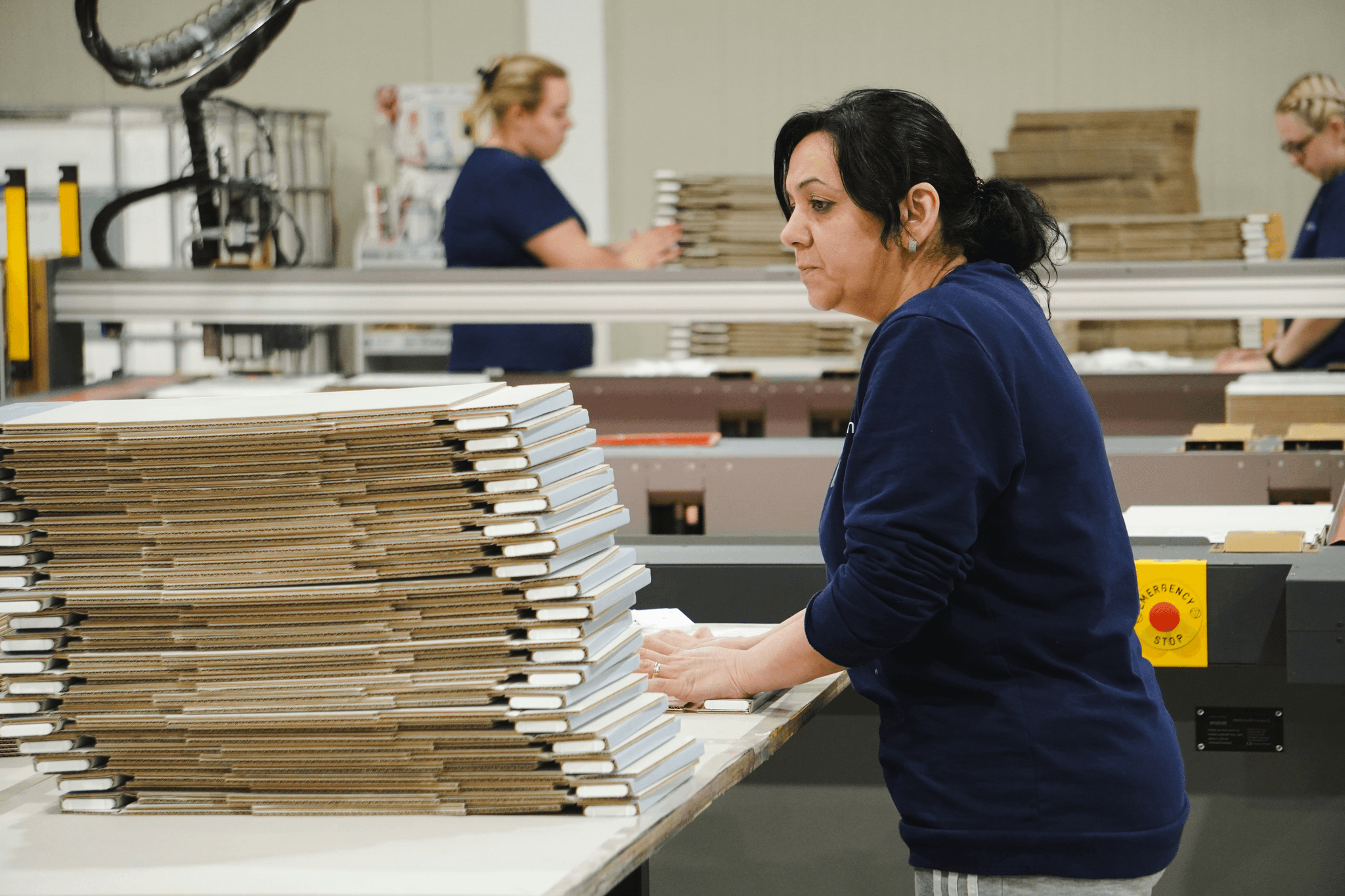
Getting ready for a product inspection isn’t just about ticking boxes; it’s about ensuring your entire Product Inspection Process runs smoothly and efficiently. Proper preparation helps you identify potential issues before they become costly surprises, saving time and reputation. Developing a solid plan, including checking production status and establishing a golden sample, is key to avoiding last-minute chaos.
The Importance of Pre-Inspection Readiness
Pre-inspection readiness is the backbone of an effective Product Inspection Process. When you are prepared, you can focus on identifying quality issues rather than scrambling to gather documentation or locate samples. Checking production status regularly allows you to catch deviations early, ensuring your team is aligned and ready to proceed with confidence on inspection day.
Tips for Organizing Inspection Documentation
A well-organized set of inspection documents can make or break your inspection success. Develop a comprehensive QC checklist tailored to your products—this acts as your roadmap during the process—and keep it updated with any new standards or specifications. Keep records of previous inspections, test reports, and communication logs handy; these serve as your evidence trail and help quickly address any discrepancies that may arise during the actual check.
Communicating with Your Suppliers Before Inspection
Clear communication with suppliers before the Product Inspection Process is crucial for setting expectations and avoiding surprises. Share your developed QC checklist in advance so they understand what criteria will be assessed—this includes discussing the importance of providing a golden sample that exemplifies quality standards. Regular updates on checking production status ensure everyone is on the same page, reducing misunderstandings that could delay or complicate the inspection.
Checking Production Status for Seamless Quality Control
Keeping tabs on your production status is the backbone of a smooth product inspection process. When you know exactly where your products stand, you can avoid surprises that might derail your quality assurance efforts. Developing a solid plan for checking production status ensures that every step aligns with your overall inspection goals and keeps the process running like clockwork.
Monitoring Production Progress in Real Time
Monitoring production progress in real time is essential to stay ahead of potential issues and maintain control over the product inspection process. By tracking each stage as it unfolds, you can quickly identify deviations from quality standards or delays that could impact your final inspection. This proactive approach allows you to prepare for inspection with confidence, knowing exactly when products are ready and meeting expectations.
Tools and Techniques for Tracking Production
Using the right tools and techniques makes checking production status more efficient and accurate. Digital dashboards, manufacturing execution systems (MES), and real-time data analytics help visualize progress at a glance, making it easier to develop a QC checklist tailored to current conditions. Incorporating these tools into your product inspection process also facilitates selecting a golden sample—those perfect units that set the standard—and ensures random sampling is representative of overall quality.
Addressing Bottlenecks Before Inspection Starts
Identifying bottlenecks early in the production cycle is crucial for avoiding last-minute surprises during your product inspection process. When bottlenecks are addressed before preparing for inspection, you reduce risks of delays or compromised quality checks. Regularly checking production status allows you to adjust schedules proactively, ensuring that all units—including those designated as golden samples—are ready for thorough inspection without rushing or overlooking critical details.
Partnering with China Inspection Pro for Excellence

Partnering with China Inspection Pro elevates your Product Inspection Process from a routine task to a strategic advantage. Their team brings years of expertise in preparing for inspection, ensuring every detail aligns with your quality standards. By integrating their services, you can develop a comprehensive QC checklist that covers every critical aspect, making random sampling and checking production status seamless and efficient.
How China Inspection Pro Ensures Product Quality
China Inspection Pro specializes in meticulously executing the Product Inspection Process, ensuring each product meets your specified standards before shipment. They excel at preparing for inspection by analyzing your supply chain and identifying potential pitfalls early on. Their approach often involves establishing a golden sample—an exemplar of quality—to serve as the benchmark during inspections, reducing surprises and rework later.
Leveraging Professional Inspection Services to Streamline Processes
Utilizing professional inspection services like China Inspection Pro simplifies the complexities of developing a QC checklist tailored to your products. They employ advanced techniques such as random sampling to ensure representative checks without disrupting production flow. Their expertise in checking production status helps identify bottlenecks early, allowing you to address issues proactively rather than reactively.
Turning Inspection Findings into Actionable Improvements
Inspection findings from China Inspection Pro are more than just reports; they’re opportunities for continuous improvement within your Product Inspection Process. Their insights help you refine your QC checklist further and optimize processes for future batches. By leveraging these actionable insights, you build a culture of quality that permeates throughout your supply chain, ultimately boosting customer satisfaction.
Conclusion
Mastering the product inspection process is an ongoing journey that benefits greatly from continuous improvement and strategic partnerships. By leveraging data-driven insights, you can identify trends and pinpoint areas for enhancement, making your product inspection process more efficient and reliable over time. Remember, developing a QC checklist tailored to your specific products and preparing for inspection with a golden sample can set the stage for success and minimize surprises during the actual check.
Building a culture of quality throughout your supply chain isn't just a lofty goal—it's a practical necessity. Regularly checking production status helps catch issues early, ensuring that quality standards are maintained from start to finish. Incorporating random sampling into your process adds an extra layer of confidence, as it provides unbiased insights into overall product quality without inspecting every single item.
Partnering with seasoned professionals like China Inspection Pro can turn your product inspection process from good to great. Their expertise in checking production status, developing effective QC checklists, and implementing strategic random sampling ensures that your products meet market expectations consistently. Collaborating with trusted inspectors also means turning inspection findings into actionable improvements—keeping your supply chain lean, compliant, and customer-ready.