
Introduction
Ensuring top-notch Steel Tank Quality Control is essential for safeguarding infrastructure and optimizing performance over time. When it comes to steel tanks, adhering to industry standards like AWWA D100 and D103 not only guarantees safety but also enhances durability. Implementing rigorous quality measures ensures tanks withstand harsh conditions, reducing costly repairs and downtime.
Ensuring Top-Notch Steel Tank Quality Control
Achieving excellence in Steel Tank Quality Control involves meticulous inspection processes and strict adherence to established standards such as UL 80 and API 650. These standards serve as benchmarks for manufacturing practices, helping manufacturers identify potential flaws early on. Incorporating comprehensive quality control measures, including the use of SWRI 93-01 for seismic resilience, boosts confidence in a tank’s longevity and structural integrity.
Why Industry Standards Matter for Steel Tanks
Industry standards like AWWA D100, AWWA D103, STI SP001, UL 80, API 650, and SWRI 93-01 are vital because they create a common language of safety and quality within the steel tank manufacturing sector. Compliance with these standards ensures that every component meets rigorous criteria for material strength, corrosion resistance, and seismic performance. When manufacturers prioritize Steel Tank Quality Control aligned with these standards, they deliver products that are safer, more reliable, and built to last.
How Quality Measures Boost Tank Longevity
Implementing robust quality measures directly correlates with increased tank lifespan by preventing common issues such as corrosion or weld failures through strict material certification and non-destructive testing protocols. Standards like STI SP001 emphasize surface treatments and coating verifications that protect against environmental damage over decades of use. Ultimately, a focus on Steel Tank Quality Control fortified by compliance with key standards extends the operational life of tanks while minimizing maintenance costs.
Understanding Steel Tank Quality Control
Steel Tank Quality Control is the backbone of ensuring that tanks meet rigorous safety and durability standards before they hit the field. It involves a series of systematic checks, testing, and inspections designed to verify that every component complies with industry benchmarks like AWWA D100, AWWA D103, and other key standards. When done right, Steel Tank Quality Control guarantees longevity and performance, giving clients peace of mind that their investment is built on a solid foundation.
In today's competitive landscape, China Inspection Pro plays a pivotal role in upholding Steel Tank Quality Control by providing comprehensive inspection services aligned with global standards such as STI SP001 and UL 80. Their expertise ensures that each tank adheres strictly to quality measures required by API 650 for welded steel tanks. With their support, manufacturers can confidently navigate complex compliance landscapes while integrating SWRI 93-01 seismic resilience criteria into their quality assurance processes.
Effective Steel Tank Quality Control offers numerous benefits—reducing costly repairs down the line and enhancing safety for users. Rigorous adherence to standards like AWWA D100 and D103 minimizes risks associated with corrosion or structural failure. Furthermore, incorporating UL 80 and API 650 specifications into quality measures ensures tanks are built to withstand environmental stresses while meeting industry expectations for durability.
Leading Industry Standards for Steel Tanks
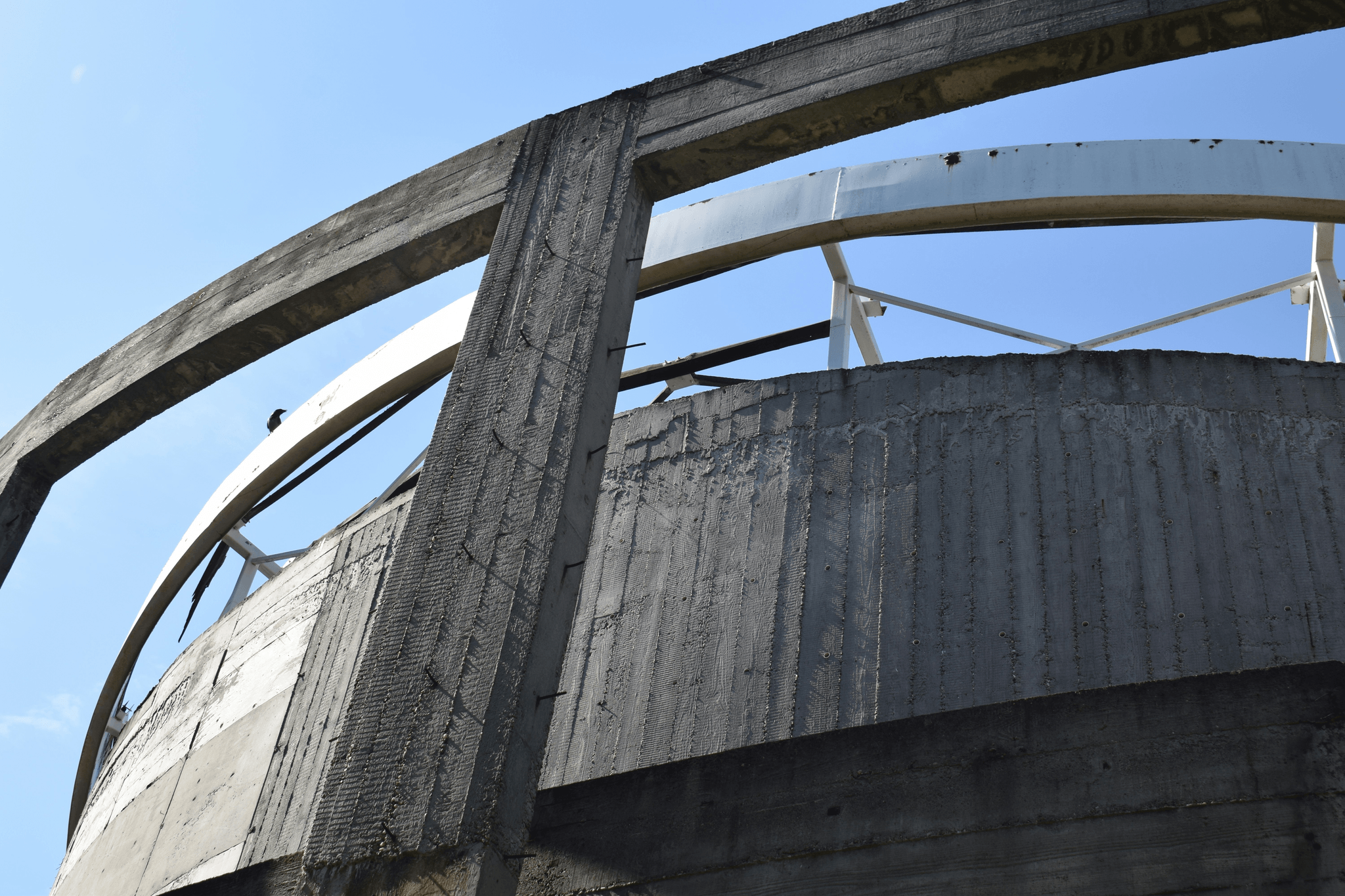
When it comes to Steel Tank Quality Control, industry standards serve as the backbone of ensuring safety, durability, and compliance. These standards provide a comprehensive blueprint for manufacturers to follow, minimizing risks and extending tank lifespan. By adhering to recognized protocols like AWWA D100 and D103, companies demonstrate their commitment to top-tier quality control in every step of steel tank production.
Overview of AWWA D100 and D103
The American Water Works Association’s standards—AWWA D100 and D103—are the gold standard for designing and constructing large welded steel water tanks. AWWA D100 sets the foundational requirements for tank design, fabrication, and inspection, emphasizing Steel Tank Quality Control throughout the process. Meanwhile, AWWA D103 focuses on materials used in steel tanks, ensuring corrosion resistance and structural integrity are maintained at every stage.
Compliance with STI SP001 Standards
In the realm of Steel Tank Quality Control, compliance with STI SP001 is non-negotiable for many industry leaders. This standard provides detailed guidelines on shop fabrication practices that promote consistent quality across all manufacturing processes. Incorporating STI SP001 into your quality measures ensures that welding procedures, material traceability, and surface treatments meet rigorous industry benchmarks.
UL 80 and API 650 Specifications Explained
UL 80 certification is essential when selecting materials that require fire-resistant properties within Steel Tank Quality Control protocols. It defines safety criteria for steel tanks used in fire protection systems or hazardous environments. On the other hand, API 650 offers comprehensive specifications for welded storage tanks used in oil storage; adherence guarantees structural integrity while aligning with global safety expectations—both standards reinforcing robust Steel Tank Quality Control measures.
Incorporating SWRI 93-01 for Seismic Resilience
Seismic resilience is a critical component of modern Steel Tank Quality Control programs—and SWRI 93-01 leads the charge here by providing guidelines tailored to seismic zones. Integrating SWRI 93-01 into your design and construction processes ensures your tanks can withstand earthquakes without compromising safety or functionality. For those committed to long-term durability, incorporating this standard alongside others like AWWA or API demonstrates a proactive approach to seismic challenges.
Critical Inspection Processes
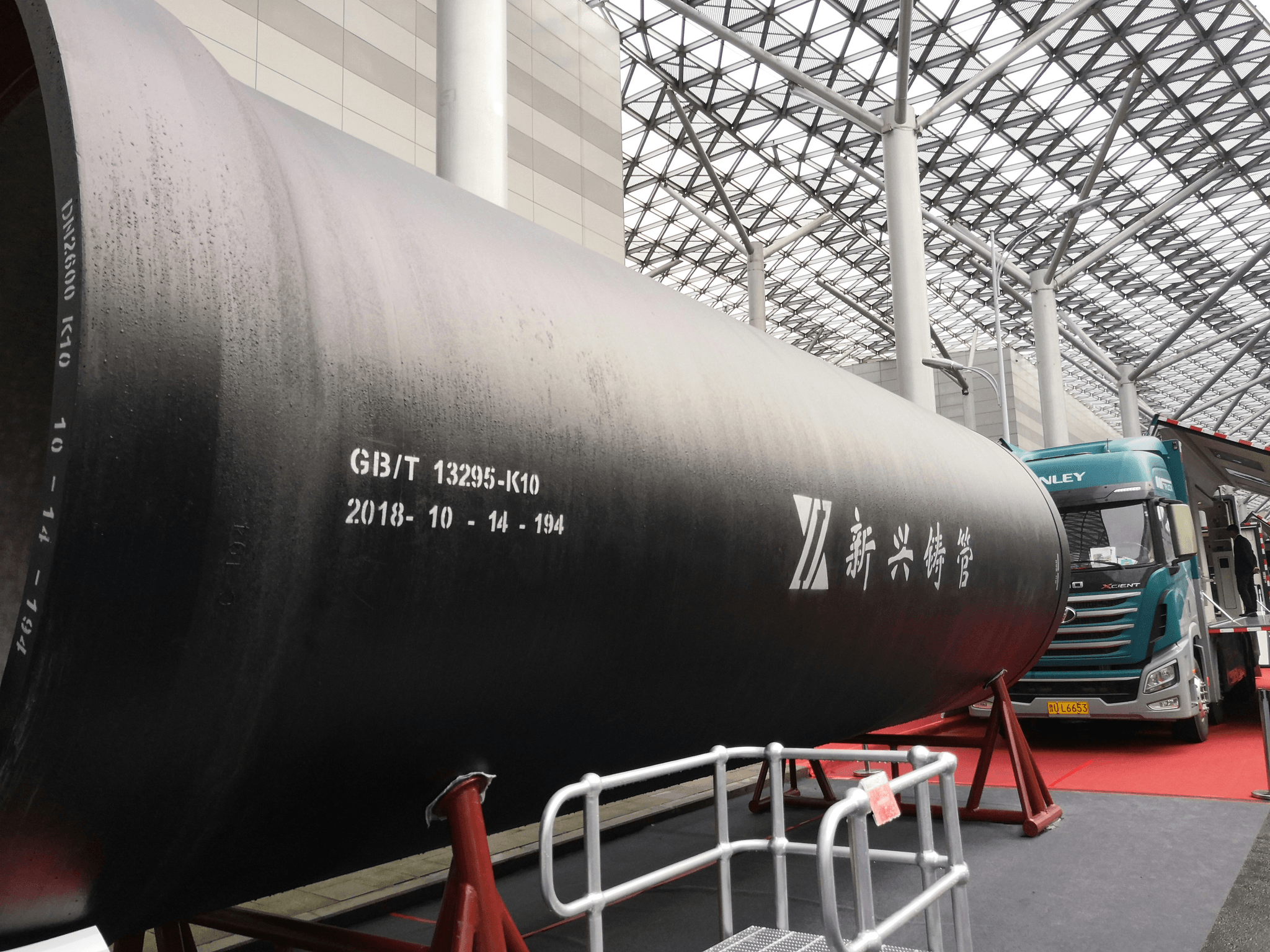
Ensuring top-tier Steel Tank Quality Control involves rigorous inspection processes that adhere to industry standards like AWWA D100, AWWA D103, and STI SP001. These standards set the benchmark for safety, durability, and performance, making them essential checkpoints in every stage of tank manufacturing. Incorporating comprehensive inspection protocols helps manufacturers meet UL 80, API 650, and SWRI 93-01 requirements, ensuring tanks withstand environmental stresses and operational demands.
Material Certification and Traceability
Material certification is the foundation of effective Steel Tank Quality Control. Every batch must be accompanied by detailed documentation verifying compliance with standards such as AWWA D100 and API 650. Traceability ensures that each component can be tracked back to its origin, which is critical when certifying adherence to industry benchmarks like STI SP001 or UL 80. This meticulous record-keeping not only guarantees quality but also simplifies future inspections or retrofitting efforts.
Welding Quality and Non-Destructive Testing
Welding integrity is a cornerstone of Steel Tank Quality Control, especially when following guidelines from AWWA D103 and STI SP001 standards. Non-destructive testing (NDT) methods such as ultrasonic or radiographic inspections are employed to detect hidden flaws without damaging the tank structure. These techniques ensure welds meet rigorous criteria—preventing leaks or failures—and align with the specifications outlined in UL 80 and API 650 for structural safety.
Pressure Testing and Leak Detection
Pressure testing validates the tank's ability to withstand operational loads while maintaining integrity—an essential aspect of Steel Tank Quality Control aligned with industry standards like AWWA D100 and SWRI 93-01 for seismic resilience. During these tests, tanks are subjected to controlled internal pressures to identify potential leaks or weaknesses early on. Advanced leak detection methods further enhance this process by pinpointing even minor vulnerabilities before they escalate into costly repairs.
Surface Treatments and Coating Verifications
Surface treatments play a vital role in prolonging a steel tank’s lifespan by preventing corrosion—a key focus within Steel Tank Quality Control programs aligned with industry standards such as STI SP001 and API 650. Coating verification involves inspecting surface preparations, application thicknesses, and curing processes to ensure optimal protection against environmental factors. Adhering to these protocols guarantees long-term durability while meeting strict compliance requirements like UL 80 for coating performance.
Ensuring comprehensive Steel Tank Quality Control through these critical inspection processes not only aligns with key standards but also safeguards your investment against future risks—making your tanks reliable for decades ahead.
Quality Control Challenges and Solutions
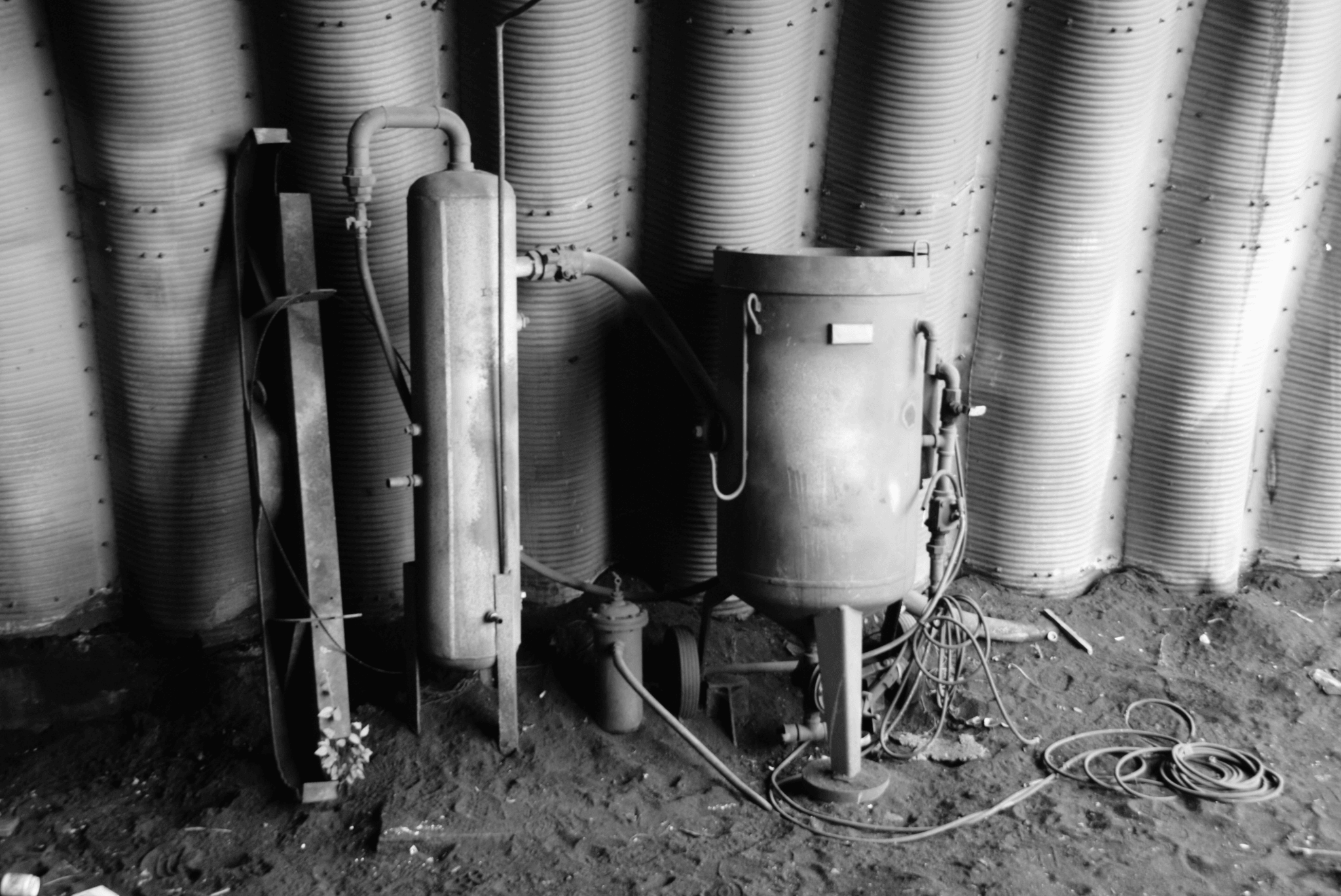
Navigating the world of Steel Tank Quality Control can feel like walking a tightrope—one misstep and you risk compromising safety, longevity, or compliance. Common pitfalls include neglecting proper material certification or skipping critical inspections, which can lead to costly failures down the line. Industry leaders know that adhering to standards like AWWA D100 and D103, along with rigorous adherence to STI SP001 and UL 80 protocols, is essential for avoiding these pitfalls.
One of the biggest hurdles in steel tank manufacturing is inconsistent welding quality. Poor welds not only threaten structural integrity but also violate standards such as API 650 and SWRI 93-01 for seismic resilience. Implementing comprehensive non-destructive testing (NDT) methods ensures weld quality aligns with industry benchmarks, reinforcing Steel Tank Quality Control at every stage.
Another challenge involves surface treatments and coatings that are often overlooked during production. Failing to verify coating integrity or neglecting corrosion protection measures can drastically reduce tank lifespan. To combat this, industry leaders incorporate strict coating verification procedures aligned with AWWA D100 standards, ensuring long-term durability and compliance with UL 80 requirements.
Innovative technologies are transforming how Steel Tank Quality Control is achieved today. Advanced ultrasonic testing tools streamline inspection processes in line with API 650 specifications, while digital traceability systems enhance material certification tracking per STI SP001 guidelines. Incorporating SWRI 93-01 for seismic assessments also offers a cutting-edge approach to future-proof tanks against natural disasters—making quality control smarter and more resilient than ever.
Maintaining Long-Term Tank Integrity
Ensuring your steel tanks stand the test of time requires more than just initial quality control; it demands ongoing vigilance rooted in robust standards like AWWA D100, AWWA D103, and UL 80. Regular inspections help catch early signs of wear or corrosion, preventing costly failures down the line. Incorporating industry standards such as STI SP001 and API 650 into maintenance routines ensures your tanks remain compliant and resilient against environmental challenges.
Routine Inspection and Maintenance Tips
Routine inspection is the cornerstone of effective Steel Tank Quality Control, especially when adhering to standards like AWWA D100 and D103. Regular visual checks for surface damage, coating integrity, and structural deformation are vital steps in early detection of issues. Incorporating non-destructive testing methods aligned with SWRI 93-01 can reveal hidden flaws in welds or material composition, helping maintain compliance with UL 80 safety standards.
Monitoring for Corrosion and Wear
Corrosion remains the silent enemy threatening long-term tank integrity, making monitoring an essential part of Steel Tank Quality Control programs. Utilizing corrosion-resistant coatings verified through surface treatments ensures adherence to industry standards like STI SP001 while prolonging tank lifespan. Sensors integrated into the tank structure can provide real-time data on corrosion levels, enabling proactive maintenance before issues escalate beyond what API 650 guidelines recommend for retrofitting or upgrades.
Upgrading Standards and Retrofitting Approaches
As technology advances or regulations evolve, upgrading your tanks becomes necessary to uphold Steel Tank Quality Control excellence—especially when considering seismic resilience mandated by SWRI 93-01 or other standards such as AWWA D100. Retrofitting older tanks with modern coatings or reinforced structures not only extends their service life but also ensures ongoing compliance with current safety norms like UL 80 and API 650. Partnering with specialists familiar with these standards guarantees that upgrades meet all regulatory requirements while optimizing performance.
Conclusion
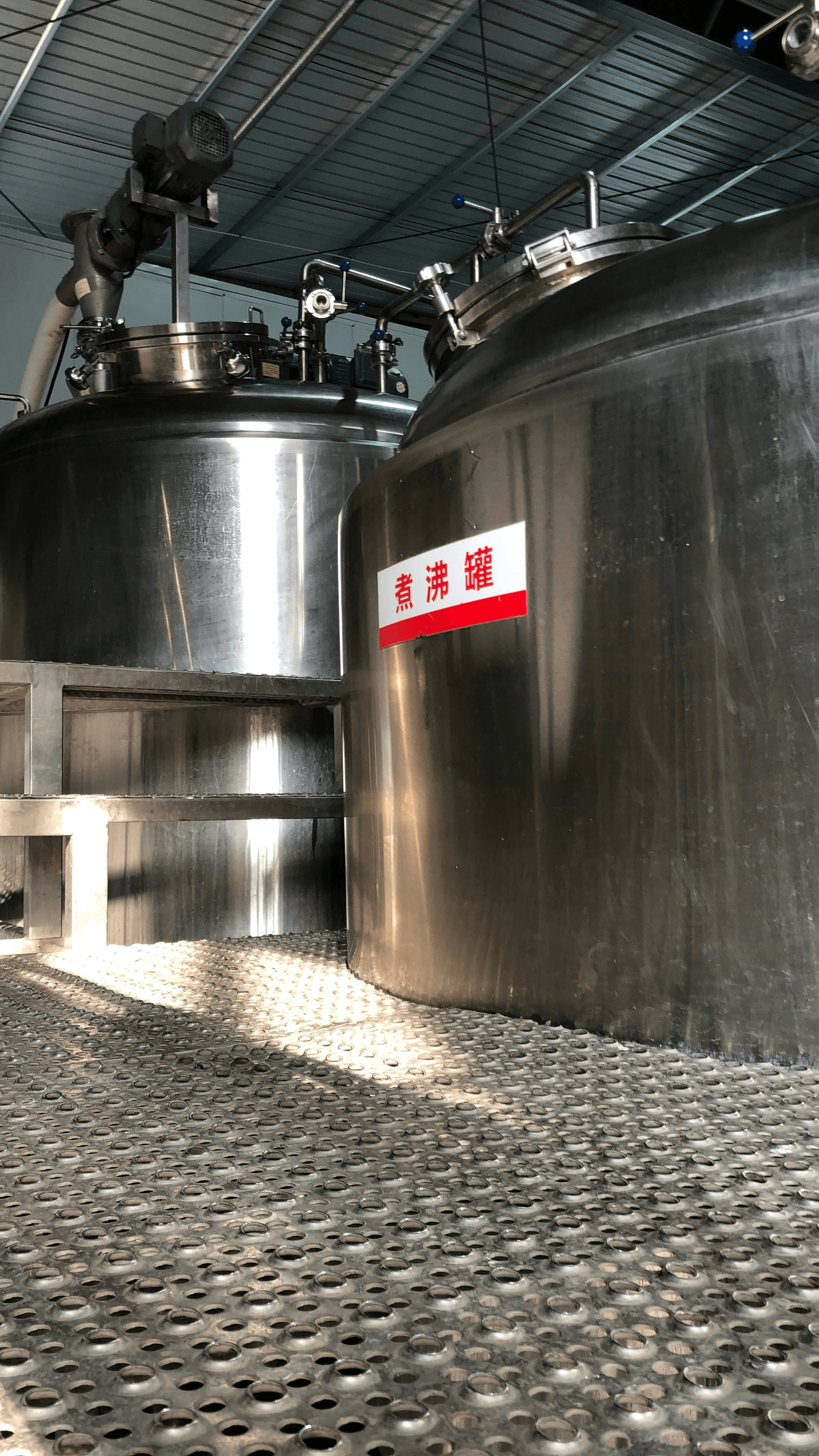
Achieving excellence in Steel Tank Quality Control isn’t just a lofty goal; it’s a necessity for ensuring safety, durability, and long-term performance. By adhering to industry standards like AWWA D100 and D103, manufacturers can set a high bar for quality that minimizes risks and maximizes tank lifespan. When companies prioritize rigorous quality measures, they demonstrate their commitment to excellence and customer satisfaction, making Steel Tank Quality Control the backbone of reliable storage solutions.
The impact of industry standards such as STI SP001, UL 80, API 650, and SWRI 93-01 cannot be overstated in shaping safer, more resilient steel tanks. These standards serve as guiding principles that help detect potential issues early—whether it’s weld integrity or seismic resilience—and ensure compliance across the board. Incorporating these standards into your Steel Tank Quality Control processes guarantees not only regulatory adherence but also peace of mind knowing your tanks are built to withstand environmental challenges.
Partnering with seasoned experts who understand the nuances of Steel Tank Quality Control is crucial for achieving top-tier results. Professionals well-versed in AWWA D100, UL 80, API 650, and SWRI 93-01 can navigate complex inspection protocols with ease, ensuring every weld passes muster and every coating adheres flawlessly. Such collaboration elevates your manufacturing process from good to great while safeguarding against common pitfalls—making expert guidance indispensable for superior quality assurance.