
Introduction
In today's fast-paced industrial landscape, the significance of technical audits cannot be overstated. These assessments provide a systematic review of processes, systems, and projects to ensure they meet regulatory standards and industry best practices. By understanding the technical audit meaning and its implications, organizations can better navigate their operational challenges.
Understanding Technical Audits
A technical audit is a comprehensive evaluation that examines various aspects of a project or system to identify strengths and weaknesses. It involves scrutinizing everything from engineering practices to compliance with safety regulations. This process not only highlights areas needing improvement but also serves as a roadmap for future enhancements.
Importance of Regular Technical Audits
Regular technical audits are essential for maintaining high standards in quality assurance across industries. They help organizations uncover inefficiencies, mitigate risks, and enhance overall performance by ensuring compliance with established guidelines. Without these routine evaluations, businesses may face significant setbacks due to overlooked issues or outdated practices.
Key Components of a Technical Audit
A well-structured technical audit checklist is vital for conducting thorough evaluations. Key components often include documentation review, system performance analysis, and stakeholder interviews to gather diverse insights. Additionally, integrating real-world technical audit examples into your checklist can provide valuable context and guidance for auditors navigating complex scenarios.
What is a Technical Audit?

When we talk about technical audits, we’re diving into an essential process that evaluates the effectiveness and efficiency of a project’s technical aspects. This involves scrutinizing various components, processes, and systems to ensure they meet industry standards and regulations. The ultimate goal? To identify gaps and opportunities for improvement that can enhance overall performance.
Defining Technical Audit Meaning
At its core, the technical audit meaning revolves around a systematic examination of the technical infrastructure within an organization or project. It encompasses everything from software systems to hardware configurations, ensuring that all elements align with best practices and compliance requirements. By understanding this definition, we can appreciate how technical audits serve as a crucial tool for risk management and quality assurance.
Importance in Various Industries
Technical audits play a pivotal role across multiple industries, including construction, IT, manufacturing, and healthcare. In construction, for instance, they ensure that building projects adhere to safety standards and regulatory compliance while optimizing resource use. Meanwhile, in IT sectors, these audits help identify vulnerabilities in systems that could lead to data breaches—making them indispensable for safeguarding sensitive information.
Technical Audit Examples in Practice
Let’s take a closer look at some practical examples of technical audits in action. In one case study involving software development firms, regular technical audits led to significant improvements in code quality—resulting in reduced bugs and faster deployment times. Similarly, a construction company utilized a detailed technical audit checklist to assess compliance with safety regulations during project execution; this proactive approach not only minimized risks but also enhanced stakeholder confidence.
The Role of a Technical Audit Engineer
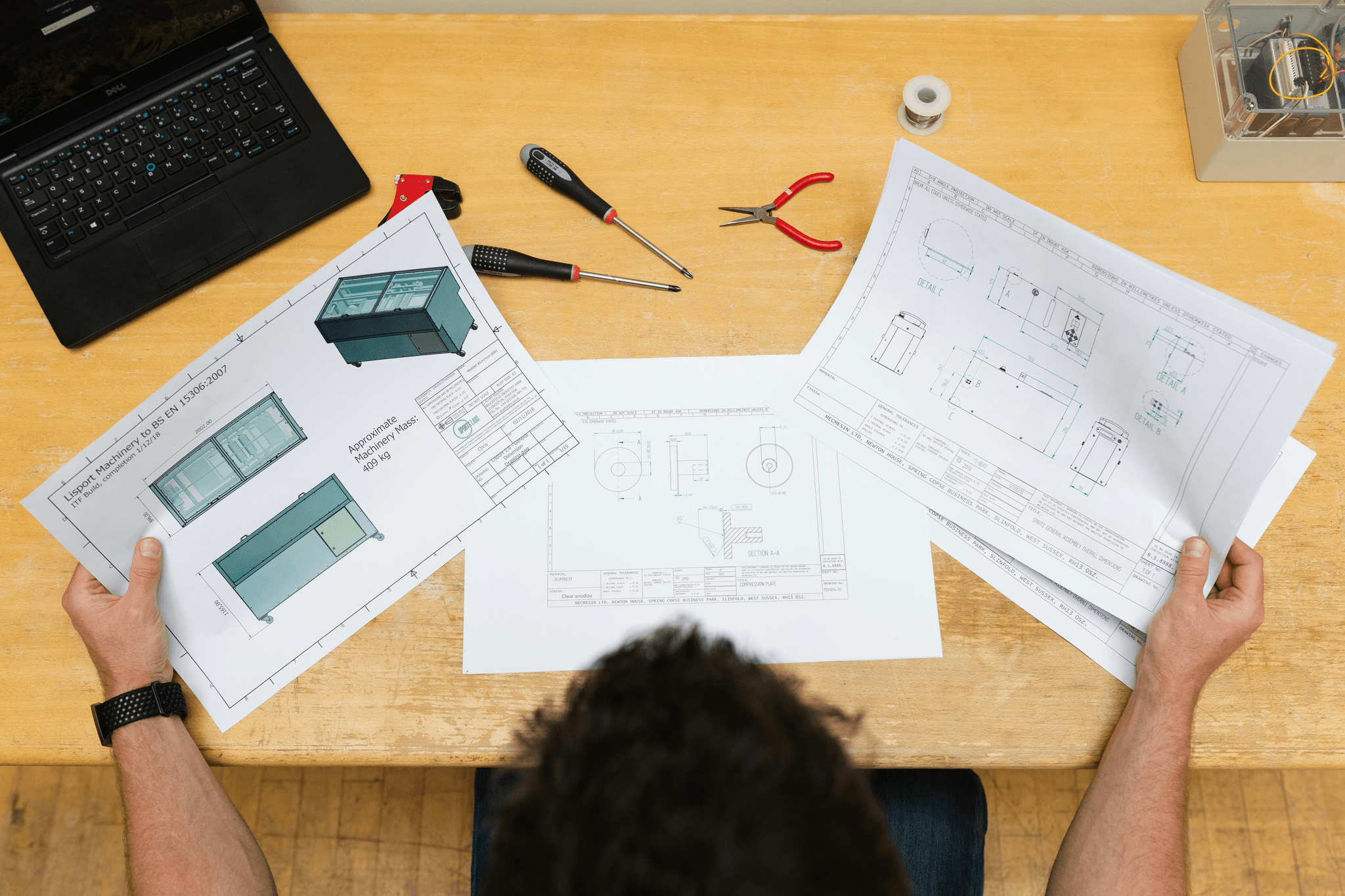
In the realm of technical audits, the role of a technical audit engineer is pivotal. These professionals ensure that auditing processes are thorough and effective, significantly contributing to project success. From analyzing compliance with standards to identifying areas for improvement, their expertise shapes the quality and reliability of outcomes.
Skills and Qualifications Needed
To excel as a technical audit engineer, certain skills and qualifications are essential. A strong foundation in engineering principles, coupled with experience in technical auditing, is crucial for understanding complex systems and processes. Additionally, familiarity with industry-specific regulations and standards enhances their ability to conduct comprehensive audits using an effective technical audit checklist.
Moreover, critical thinking and problem-solving skills are vital for identifying discrepancies during audits. Communication skills play a key role as well; engineers must convey findings clearly to stakeholders who may not have a technical background. Lastly, proficiency in utilizing tools such as technical audits PDFs can streamline documentation processes, making it easier to share insights across teams.
Responsibilities in Conducting Audits
The responsibilities of a technical audit engineer extend beyond mere compliance checks; they encompass a wide range of tasks aimed at ensuring project integrity. Conducting thorough evaluations based on the established technical audit checklist is fundamental to spotting potential issues before they escalate into costly problems. This involves reviewing documentation, interviewing team members, and inspecting physical work against established standards.
Additionally, these engineers must compile detailed reports that summarize findings and provide actionable recommendations for improvements or corrective actions. Engaging with various stakeholders throughout the auditing process ensures that everyone is aligned on quality expectations and project goals. By maintaining open lines of communication, they foster collaboration that enhances overall project performance.
Impact on Project Outcomes
The impact of a skilled technical audit engineer on project outcomes cannot be overstated; their work directly influences efficiency and quality assurance across projects. By systematically applying their knowledge during audits—especially in challenging environments like construction—they help teams mitigate risks associated with non-compliance or operational failures. This proactive approach not only saves time but also reduces costs associated with rework or delays caused by oversight.
Moreover, successful implementation of recommendations derived from audits often leads to improved processes and enhanced product quality over time. For instance, when applying lessons learned from previous technical audit examples within the industry—such as those found in construction projects—engineers can guide future endeavors towards greater success rates while maintaining high standards across all phases of development.
Ultimately, regular involvement in conducting technical audits ensures continuous improvement within organizations while fostering a culture centered around excellence—a principle that resonates throughout every facet of operations.
The Essential Technical Audit Checklist

In the realm of technical audits, having a solid checklist is akin to a treasure map—guiding you through the complex landscape of project evaluations. A well-structured technical audit checklist not only ensures comprehensive coverage but also streamlines the auditing process, making it more efficient and effective. Whether you're a seasoned technical audit engineer or just getting started, this checklist will become your trusty companion on the road to quality assurance.
Items to Include for Comprehensive Coverage
When creating your technical audit checklist, it's crucial to include various items that cover all aspects of the project. Start with documentation review, which should encompass project plans, specifications, and compliance records; these are foundational elements that set the stage for any successful audit. Next, ensure that you evaluate equipment and materials used in construction or production processes—think about safety standards and performance metrics as essential components of your technical audit meaning.
Don't forget about stakeholder interviews; gathering insights from team members can provide invaluable context and help identify potential issues early on. Additionally, consider including sections dedicated to risk assessment and mitigation strategies—after all, identifying risks is half the battle in any technical auditing in construction scenario. Finally, make sure to incorporate follow-up actions or recommendations based on your findings; this closes the loop and ensures continuous improvement.
How to Customize Your Checklist
Customizing your technical audit checklist is vital for addressing specific industry needs or project requirements effectively. Start by identifying key areas unique to your field—if you're focused on construction projects, for instance, you might want to emphasize structural integrity checks or regulatory compliance more than other industries would require. This tailored approach enhances the relevance of your audits and aligns them with best practices in technical auditing in construction.
Moreover, consider including industry-specific benchmarks or performance indicators within your checklist; these can serve as reference points during evaluations and help gauge success against established standards. Don't hesitate to solicit input from team members when customizing; their experiences can shed light on common pitfalls encountered in past audits that should be addressed moving forward.
Lastly, remember that flexibility is key: regularly update your checklist based on feedback from completed audits or changes in regulations within your industry—this ensures that it remains a living document rather than a static tool.
Common Pitfalls to Avoid
While conducting technical audits using checklists can streamline processes significantly, there are several common pitfalls you'll want to avoid along the way. One major mistake is failing to involve all relevant stakeholders during the audit process; neglecting this step may lead to incomplete data collection and missed insights that could impact outcomes negatively. Engaging everyone involved—from project managers to field workers—ensures a holistic understanding of operations.
Another trap is becoming overly reliant on checklists without applying critical thinking during evaluations; while checklists are invaluable tools for ensuring comprehensive coverage of items like safety protocols or compliance measures within the technical audit example framework, they shouldn't replace informed judgment based on situational context. Always be prepared to adapt if something unexpected arises during an audit.
Lastly, don’t overlook documentation after completing an audit; maintaining clear records not only aids future assessments but also serves as valuable evidence when sharing findings with stakeholders through effective formats like Technical Audits PDF resources—a well-documented process fosters transparency and accountability throughout every level of operation.
Technical Auditing in Construction

In the construction industry, technical audits play a pivotal role in ensuring projects are executed efficiently and safely. However, these audits come with their unique set of challenges, requiring the expertise of a skilled technical audit engineer. Understanding these challenges is crucial for implementing effective solutions that enhance project outcomes.
Unique Challenges Faced in the Industry
Construction projects often involve numerous stakeholders, complex regulations, and variable site conditions, making technical audits particularly challenging. One significant hurdle is maintaining compliance with safety standards and building codes while managing tight deadlines and budget constraints. Additionally, communication gaps among team members can lead to discrepancies in documentation and execution, complicating the auditing process.
Another challenge arises from the dynamic nature of construction sites where changes occur frequently; this necessitates constant updates to the technical audit checklist used by auditors. Furthermore, inadequate training or experience among personnel can result in oversight during audits, leading to costly errors down the line. Addressing these challenges requires a proactive approach that emphasizes thorough preparation and continuous education for all involved.
Best Practices for Building Projects
To navigate the complexities of technical auditing in construction effectively, adopting best practices is essential. First and foremost is creating a detailed technical audit checklist tailored specifically to the project's needs; this ensures comprehensive coverage of all critical elements throughout each phase of construction. Regularly updating this checklist based on lessons learned from previous projects can also help mitigate risks.
Engaging all stakeholders early on fosters collaboration and transparency, which are vital for successful audits. Establishing clear lines of communication helps ensure everyone understands their responsibilities regarding compliance with safety regulations and quality standards. Lastly, leveraging technology—like utilizing technical audits PDF resources—can streamline documentation processes and facilitate easier sharing of findings among team members.
Case Studies of Successful Audits
Several case studies highlight how effective technical auditing can significantly impact project success in construction settings. For instance, a large-scale infrastructure project faced delays due to unforeseen structural issues; however, implementing regular technical audits allowed for early detection of these problems through diligent inspections using a customized audit checklist tailored to site-specific conditions. The result was not only timely resolution but also improved overall quality assurance.
Another notable example involved an energy efficiency upgrade project where thorough technical audits identified areas where contractors were not adhering to specifications outlined in initial plans; by addressing these discrepancies promptly through rigorous auditing practices led by an experienced technical audit engineer, substantial cost savings were achieved without compromising safety or performance standards.
These case studies underscore how embracing robust auditing practices can transform challenges into opportunities for improvement within the construction industry.
Utilizing Technical Audits PDF Resources
In the digital age, leveraging technology for technical audits can significantly enhance efficiency and clarity. One of the most effective methods is using PDFs to document findings, making it easier to share and archive critical information. This section will explore how to create effective PDFs, the benefits of documenting audits, and strategies for sharing findings with stakeholders.
How to Create and Use Effective PDFs
Creating an effective PDF for your technical audit starts with a well-structured layout that includes all essential elements from your technical audit checklist. Begin by incorporating clear headings, bullet points, and visuals where applicable; this not only aids readability but also ensures that key findings stand out. Additionally, include sections that define technical audit meaning and provide relevant technical audit examples to give context to your findings.
Once you have created your PDF, ensure it is accessible by optimizing file size without compromising quality—nobody wants a document that takes ages to load! Utilize tools that allow for easy editing and collaboration so that team members can contribute their insights before finalizing the document. This collaborative approach not only enhances the depth of your audit report but also fosters a culture of transparency within your team.
Benefits of Documenting Audits
Documenting technical audits in a PDF format comes with numerous benefits that extend beyond mere record-keeping. Firstly, having a well-documented audit provides a historical reference point; this can be invaluable when conducting future audits or addressing discrepancies in project outcomes. It helps in establishing benchmarks over time which can improve overall quality assurance processes across various industries.
Moreover, documented audits serve as proof of compliance with industry standards—a crucial factor in sectors like construction where regulatory scrutiny is high. By maintaining thorough records using PDFs, organizations can demonstrate due diligence during inspections or reviews by external stakeholders or auditors. This level of preparedness not only boosts credibility but also mitigates potential risks associated with oversight failures.
Sharing Findings with Stakeholders
Once you’ve compiled your technical audits into an easily digestible PDF format, sharing these findings with stakeholders becomes seamless and efficient. Distributing these documents allows everyone involved—from project managers to clients—to stay informed about critical insights derived from the auditing process. Consider utilizing cloud-based platforms for easy access; this enables real-time updates and feedback from all parties involved.
When sharing these documents, tailor communication based on the audience’s familiarity with technical auditing in construction or other relevant fields—this ensures everyone grasps key points without getting lost in jargon or overly complex details. Highlight significant findings from your technical audit checklist so stakeholders can quickly understand implications for project outcomes or necessary adjustments moving forward.
Additionally, encourage open dialogue around the content shared; fostering discussions around these documents not only clarifies misunderstandings but also invites valuable input that may enhance future audits or projects alike.
Conclusion
In wrapping up our exploration of technical audits, it’s clear that these assessments play a vital role across various industries. They serve not only as a means to ensure compliance and efficiency but also enhance the overall quality of projects. By understanding the technical audit meaning and its implications, organizations can better navigate their operational landscapes.
Key Takeaways from the Technical Audit Process
One of the most significant takeaways from the technical audit process is the importance of having a comprehensive technical audit checklist. This checklist helps ensure that no critical elements are overlooked during an audit, thereby maximizing its effectiveness. Furthermore, real-world technical audit examples illustrate how diligent auditing can lead to improved project outcomes and risk mitigation.
Another key point is recognizing the role of the technical audit engineer in this process. Their expertise not only aids in conducting thorough audits but also enhances communication with stakeholders regarding findings and recommendations. Ultimately, effective audits empower teams to make informed decisions that drive success.
Why Regular Audits Boost Quality Assurance
Regular technical audits are essential for maintaining high standards of quality assurance within any organization or project framework. They provide ongoing insights into processes, allowing for timely adjustments before minor issues escalate into major problems. The practice of conducting regular audits reinforces a culture of continuous improvement and accountability.
Moreover, consistent auditing cultivates trust among stakeholders by demonstrating an organization's commitment to transparency and operational excellence. In sectors like construction, where precision is paramount, regular technical audits can prevent costly errors and delays while ensuring compliance with industry standards. Thus, integrating routine audits into business practices becomes a strategic advantage.
Leveraging China Inspection Pro for Excellence
China Inspection Pro stands out as an invaluable resource for organizations looking to enhance their approach to technical auditing—especially in construction-related projects where unique challenges abound. Utilizing their expertise can streamline your auditing processes while ensuring adherence to best practices outlined in your customized technical audit checklist.
Additionally, China Inspection Pro offers robust tools for documenting findings through well-structured technical audits PDF resources that facilitate easy sharing with stakeholders. Leveraging such resources not only simplifies reporting but also supports informed decision-making based on solid data analysis—ultimately leading to greater project success.