
Introduction
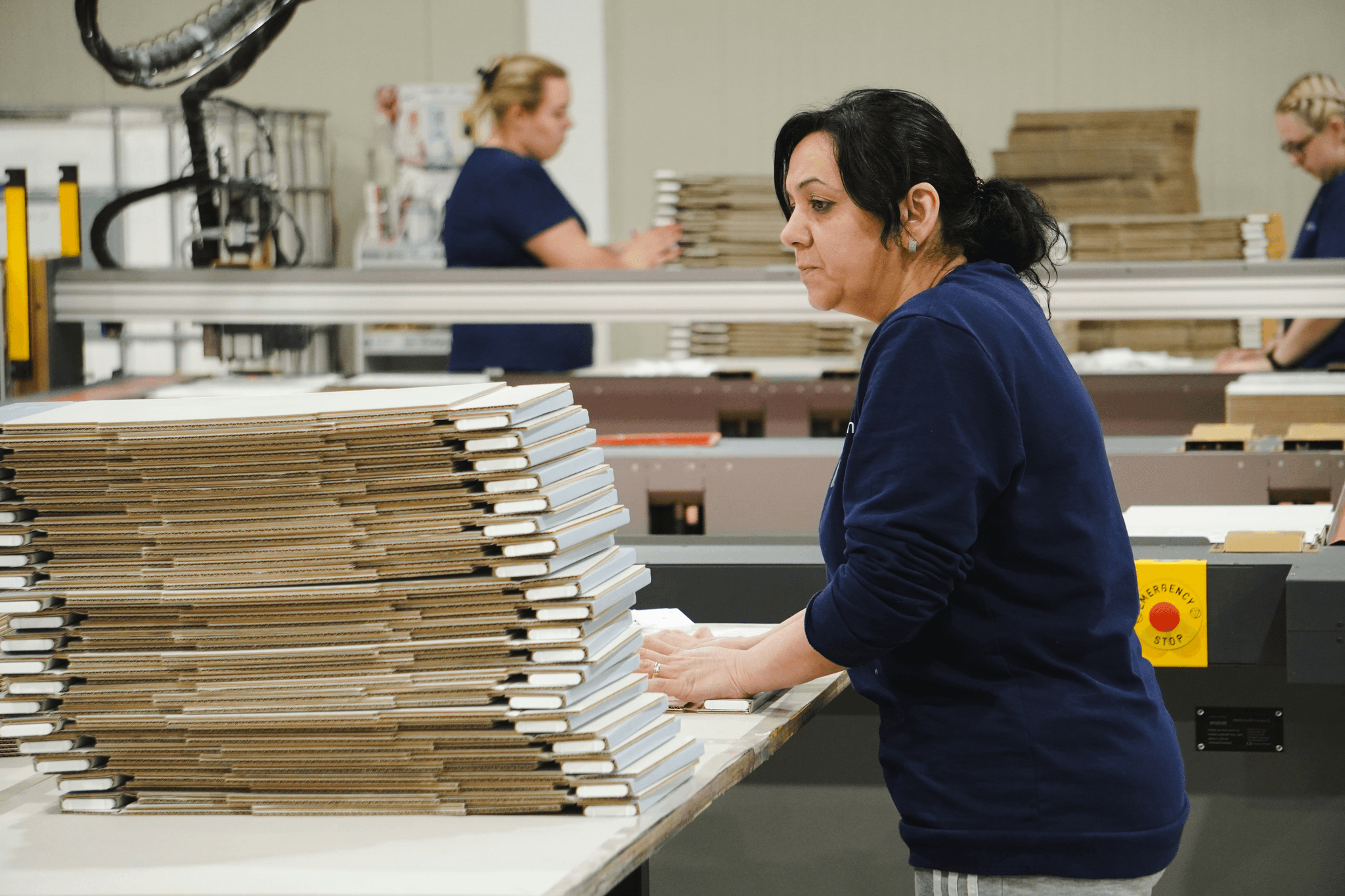
In the bustling landscape of manufacturing, particularly in China, understanding source inspection is paramount for ensuring product quality and compliance with standards. As global markets demand higher quality products, the role of effective inspections becomes increasingly critical. This introduction will explore the significance of source inspection in China, delve into the importance of robust quality control measures, and provide an overview of effective inspection strategies to enhance manufacturing processes.
Understanding Source Inspection in China
Source inspection in China refers to the process of evaluating products at their origin before they are shipped out. This proactive approach allows companies to identify defects early on, minimizing potential losses and ensuring that only high-quality goods reach consumers. By engaging in thorough inspections right at the source, businesses can avoid costly recalls and maintain a positive brand reputation.
Importance of Quality Control in Manufacturing
Quality control is not just a buzzword; it’s a fundamental aspect that can make or break a manufacturer’s success. In an era where consumers are more discerning than ever, maintaining high standards through rigorous quality control processes is essential for competitiveness. Effective quality control measures ensure that products not only meet customer expectations but also comply with regulatory requirements across various markets.
Overview of Effective Inspection Strategies
To navigate the complexities of manufacturing in China successfully, implementing effective inspection strategies is crucial. These strategies encompass various aspects such as third party inspection services, comprehensive packaging inspections, and meticulous shipment inspections to safeguard product integrity throughout the supply chain. By adopting these practices, companies can enhance their overall quality assurance efforts while fostering trust with customers and partners alike.
Choose the Right Third Party Inspection Service

Benefits of Third Party Inspection China
Engaging a third party inspection service in China offers several advantages that can significantly impact your manufacturing process. First and foremost, these services provide an unbiased perspective on quality control, which helps identify issues that might go unnoticed during internal checks. Additionally, third party inspection services are well-versed in local regulations and standards—ensuring compliance with both Chinese laws and international benchmarks.
Moreover, utilizing third party inspection in China can lead to substantial cost savings over time. By catching defects early through comprehensive packaging inspection or thorough quality control processes, businesses can avoid expensive recalls or rework down the line. This proactive approach not only safeguards your brand’s reputation but also enhances customer satisfaction by delivering higher-quality products consistently.
Evaluating Credentials and Experience
Once you recognize the benefits of hiring a third party inspection service, it's essential to evaluate their credentials and experience carefully. Start by checking if they are accredited by recognized industry bodies—this often indicates a commitment to maintaining high standards within their operations. Moreover, look for companies with extensive experience conducting China quality control inspections across various industries; seasoned inspectors will have encountered diverse challenges and developed effective solutions.
Additionally, don’t shy away from asking for references or case studies from previous clients; this information can provide valuable insight into their capabilities and reliability. It’s also wise to inquire about their inspectors’ qualifications—ensure they possess relevant training and certifications specific to your industry needs. The right partner should not only meet your technical requirements but also align with your company values regarding communication and collaboration.
How to Select a Suitable Partner
Selecting a suitable partner for your third-party inspection needs requires careful consideration beyond just credentials; compatibility is key! Start by establishing clear communication channels; ensure that potential partners are responsive and transparent about their processes related to shipment inspections or packaging inspections. A good working relationship fosters trust—an essential component when dealing with sensitive matters like quality control.
Next, consider whether they offer tailored solutions that suit your specific needs; cookie-cutter approaches may not address unique challenges presented by different products or markets effectively. Look for flexibility in terms of scheduling inspections at various stages of production as well as adaptability when unexpected issues arise during the process. Ultimately, choosing a partner who understands your business model ensures that you receive not only thorough inspections but also strategic insights into enhancing overall product quality.
Implement Comprehensive Packaging Inspection
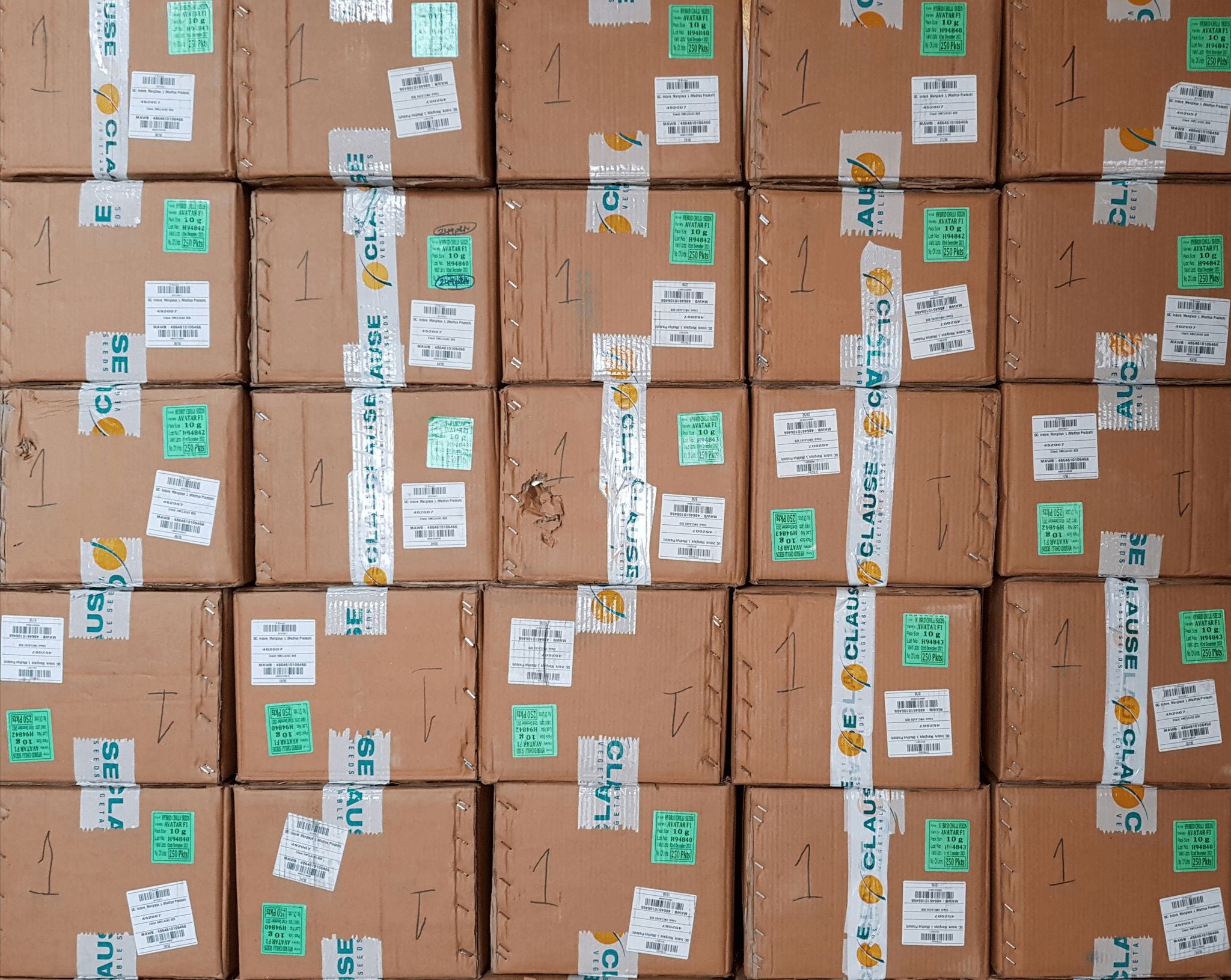
When it comes to quality control, packaging often gets overlooked, yet it plays a crucial role in ensuring product integrity during transit. Effective packaging inspection is essential for maintaining standards and preventing costly damages or returns. By prioritizing comprehensive packaging inspections, businesses can enhance their overall quality control processes and ensure customer satisfaction.
Ensuring Packaging Meets Standards
To guarantee that packaging meets industry standards, a thorough assessment process must be established as part of the source inspection in China. This means evaluating materials, dimensions, labeling, and compliance with regulatory requirements specific to the market you're targeting. By working closely with third party inspection China services that specialize in packaging inspection, companies can identify any discrepancies early on and rectify them before shipment.
Common Packaging Issues in China
Despite the advancements in manufacturing practices, common packaging issues still plague many businesses sourcing from China. Problems such as inadequate cushioning for fragile items or improper sealing can lead to significant losses during shipping—issues that are often caught too late without effective china quality control inspection measures in place. Recognizing these potential pitfalls allows companies to proactively address them through rigorous inspections that focus on both the aesthetics and functionality of the packaging.
Role of Packaging in Quality Control
Packaging serves not only as a protective barrier but also as an essential element of quality control throughout the supply chain. Properly inspected packages reduce the risk of damage during shipment and ensure that products arrive at their destination intact and ready for sale. Involving third party inspection China services for regular shipment inspections reinforces this aspect by providing an extra layer of scrutiny that enhances overall product quality while instilling confidence among consumers.
Conduct Thorough China Quality Control Inspection

When it comes to ensuring the quality of products manufactured in China, conducting a thorough quality control inspection is non-negotiable. This process not only safeguards your investment but also builds trust with your customers by delivering products that meet their expectations. A robust quality control strategy can be the difference between a successful shipment and a costly return.
Key Elements of a Quality Control Process
A comprehensive quality control process in China involves several key elements that work together to ensure product integrity. First, establishing clear quality standards is essential; these standards should align with both industry regulations and customer expectations. Next, implementing systematic inspections at various stages—from source inspection in China to final shipment inspection—ensures consistent monitoring and reduces the risk of defects slipping through the cracks.
Another vital aspect is documentation; maintaining detailed records of inspections helps track compliance over time and provides valuable insights for future improvements. It's also crucial to train staff adequately, as knowledgeable inspectors are more likely to identify potential issues during packaging inspection or production stages. Ultimately, these elements create a cohesive framework that enhances the overall effectiveness of your china quality control inspection efforts.
Techniques to Enhance Inspection Accuracy
Enhancing accuracy during inspections requires adopting various techniques tailored to specific needs within the manufacturing process. Utilizing checklists during both source inspection in China and packaging inspection can significantly improve consistency and thoroughness, ensuring no critical aspects are overlooked. Additionally, employing statistical sampling methods allows inspectors to evaluate large batches efficiently while still maintaining high levels of accuracy.
Incorporating technology into inspections is another way to bolster precision; tools such as digital measuring devices or automated inspection systems can reduce human error and provide real-time data analysis. Moreover, fostering open communication channels between manufacturers and third party inspection services in China enables quick resolution of any discrepancies identified during inspections, promoting a culture of continuous improvement.
Collaborating with Inspectors for Best Results
Collaboration with inspectors plays a pivotal role in achieving optimal results from your china quality control inspection efforts. Building strong relationships with third party inspection services in China ensures that they understand your specific requirements and expectations regarding product quality and delivery timelines. Regular meetings or updates can help maintain alignment on goals while allowing you to address any emerging concerns promptly.
Moreover, involving inspectors early in the process—during source inspections or even before production begins—can lead to better outcomes by catching potential issues early on rather than waiting until final shipment inspections occur. Providing feedback based on previous inspections fosters an environment where inspectors feel valued and motivated to deliver their best work consistently. Ultimately, collaboration leads not just to improved product quality but also strengthens partnerships across all stakeholders involved.
Streamline Your Shipment Inspection Process
When it comes to ensuring product quality, streamlining your shipment inspection process is crucial. A well-organized inspection can save time and money while enhancing the overall reliability of your products. By prioritizing timely inspections, you can address potential issues before they escalate into costly delays.
Importance of Timely Inspections
Timely inspections are the backbone of effective quality control, particularly in the realm of source inspection in China. Delays in identifying defects or inconsistencies can lead to significant financial losses and damage to your brand's reputation. Moreover, a proactive approach enables you to resolve issues quickly, ensuring that your products meet industry standards and customer expectations.
Checklist for Shipment Inspections
Creating a comprehensive checklist for shipment inspections is essential for maintaining quality control throughout the process. This checklist should cover critical areas such as product specifications, packaging inspection requirements, and compliance with safety regulations. By adhering to a structured checklist during each china quality control inspection, you ensure that no detail is overlooked and that every aspect meets your standards.
Reducing Delays in Shipping
Reducing delays in shipping requires a strategic approach to both logistics and quality assurance processes like third party inspection China services. Effective communication with suppliers about timelines and expectations can help mitigate potential hiccups before they occur. Additionally, incorporating real-time tracking systems allows for immediate updates on shipment status, helping you stay ahead of any issues that may arise during transit.
Leverage Technology for Inspection Efficiency

In today's fast-paced manufacturing landscape, leveraging technology for inspection efficiency is not just a luxury; it's a necessity. The integration of advanced tools and digital solutions can significantly enhance the effectiveness of source inspection in China, ensuring that quality control measures are both thorough and efficient. By embracing these innovations, businesses can streamline their processes and reduce the risks associated with poor quality products.
Tools for Effective Source Inspection in China
When it comes to effective source inspection in China, the right tools can make all the difference. Mobile applications allow inspectors to conduct real-time assessments while on-site, capturing data instantly and reducing human error in reporting. Additionally, using automated measurement devices ensures that every aspect of manufacturing—from production to packaging inspection—is accurately evaluated against predefined standards.
Another vital tool is cloud-based software that facilitates seamless communication between manufacturers and third party inspection services in China. This technology enables instant sharing of reports and findings, allowing for quicker decision-making processes. Moreover, integrating AI-driven analytics can help identify patterns or recurring issues during inspections, ultimately leading to improved quality control measures.
Benefits of Digital Inspection Reports
Digital inspection reports have revolutionized how businesses approach china quality control inspection by making data collection more efficient and transparent. Unlike traditional paper reports that can easily be lost or damaged, digital formats ensure that all information is securely stored and readily accessible whenever needed. This transparency fosters trust between manufacturers and clients as both parties can review detailed insights into the inspection process.
Furthermore, digital reports often include visual documentation such as photos or videos taken during inspections—particularly useful during shipment inspections to capture any discrepancies before products leave the factory floor. This visual evidence serves not only as a reference point but also as a powerful tool for accountability among stakeholders involved in the supply chain. Ultimately, these benefits lead to enhanced product quality and reduced costs associated with rework or returns.
Innovations Transforming Quality Control
Innovations are continuously shaping the landscape of quality control within manufacturing environments—especially concerning source inspection in China. For instance, drone technology is being explored for large-scale inspections where accessibility might be an issue; this allows inspectors to gather aerial views of facilities without disrupting operations on the ground.
Moreover, machine learning algorithms are being developed to predict potential quality failures based on historical data from previous inspections—this proactive approach enables companies to address issues before they escalate into costly problems during shipment inspections or at retail locations later on. As these innovations continue to evolve, they promise not only greater efficiency but also enhanced accuracy in maintaining high standards across all facets of production.
Conclusion
In wrapping up our exploration of source inspection in China, it's crucial to recognize the multifaceted strategies that contribute to successful quality control. From selecting the right third-party inspection service to implementing comprehensive packaging inspections, each step plays a vital role in ensuring product excellence. By understanding and applying these essential strategies, businesses can significantly reduce risks and enhance their manufacturing processes.
Recap of Essential Source Inspection Strategies
To summarize, effective source inspection in China encompasses several key elements: choosing a reliable third-party inspection service, conducting thorough packaging inspections, and executing diligent shipment inspections. Each of these components is designed to identify potential issues before they escalate into costly problems. By integrating these strategies into your quality control framework, you can ensure that your products meet the highest standards.
Enhancing Product Quality with Inspections
Quality control is not just about meeting basic requirements; it’s about elevating product quality through meticulous checks at every stage of production. Engaging in regular china quality control inspections helps catch defects early on while also fostering a culture of accountability among manufacturers. Furthermore, effective packaging inspection ensures that products are not only functional but also appealing and safe for consumers.
Final Thoughts on Successful Quality Control
In conclusion, navigating the complexities of manufacturing in China requires a robust approach to quality control that includes diligent shipment inspections and proactive measures throughout the production process. The combination of technology and skilled personnel enhances efficiency and accuracy in inspections, ultimately leading to superior product outcomes. Embracing these practices will empower businesses to thrive in competitive markets while maintaining consumer trust through consistent quality assurance.