
Introduction

In a world increasingly reliant on efficient lighting, the importance of regular LED Light Inspection cannot be overstated. These inspections not only ensure that your lighting systems are functioning optimally, but they also help in identifying potential issues before they escalate into bigger problems. Understanding how to test if a LED light is bad can save you both time and money, making it an essential skill for anyone involved with lighting maintenance.
Importance of Regular LED Light Inspections
Regular LED Light Inspections are crucial for maintaining the longevity and efficiency of your lighting systems. By routinely assessing the performance of your LEDs, you can catch early signs of failure and prevent unexpected outages that could disrupt operations or affect safety. Moreover, implementing a systematic approach to inspections ensures compliance with safety standards and enhances overall energy efficiency.
Common Problems with LED Lights
Despite their many advantages, LED lights are not immune to issues that can compromise their performance. Common problems include flickering, dimming, or complete failure of the lights, which often signal underlying electrical issues or degradation over time. Knowing what to look for during an inspection can help you identify these common problems early on and take corrective action before they lead to more significant complications.
Benefits of Efficient Lighting Inspections
Efficient lighting inspections offer numerous benefits that extend beyond just identifying faulty bulbs. With the right tools and techniques in place, you can enhance your operational efficiency by reducing downtime and minimizing energy waste associated with malfunctioning lights. Additionally, understanding what is lighting inspection allows organizations to implement proactive maintenance strategies that ultimately contribute to cost savings and improved sustainability efforts.
Understanding LED Light Inspection

When it comes to ensuring the longevity and efficiency of your lighting systems, understanding LED light inspection is crucial. This process involves a thorough examination of LED lights to identify any potential issues that may affect their performance. So, what is lighting inspection? It’s essentially a systematic review aimed at detecting faults or inefficiencies in your LED fixtures.
What is Lighting Inspection?
Lighting inspection refers to the process of evaluating the functionality and condition of lighting installations, with a particular focus on LEDs. This includes checking for issues like flickering, dimness, or complete failure, which can indicate that it’s time to ask yourself how to test if a LED light is bad? By conducting regular inspections, you can catch problems early on before they escalate into costly repairs or replacements.
A comprehensive lighting inspection not only identifies defective lights but also assesses overall energy efficiency. This can lead to insights on optimizing your lighting setup for better performance and lower energy costs. Consequently, regular LED light inspections are an essential practice for both residential and commercial properties seeking reliable illumination.
Importance of LED Light Inspections
The importance of LED light inspections cannot be overstated; they're vital for maintaining optimal lighting conditions in any environment. Regular inspections help ensure that your LEDs operate at peak efficiency while minimizing energy waste and extending their lifespan. With the rise in popularity of LEDs due to their energy-saving benefits, understanding how these inspections work becomes increasingly relevant.
Moreover, timely detection of issues during an inspection can prevent more significant problems down the line—think reduced maintenance costs and increased safety! When you know how to test if a LED light is bad during these inspections, you're better equipped to make informed decisions about repairs or replacements. Ultimately, consistent monitoring through effective inspections leads to enhanced reliability in your lighting systems.
Common LED Issues Identified
During an LED light inspection, several common issues often come up that can hinder performance and efficiency. Flickering lights are among the most frequent complaints; this could signify loose connections or failing components within the fixture itself. Another common issue is color inconsistency—when some lights appear warmer or cooler than others—this can be particularly troublesome in settings where uniformity is key.
Additionally, overheating can be a significant concern; if you notice excessive heat from your LEDs during an inspection, it might indicate poor airflow or inadequate heat dissipation mechanisms in place. Regularly identifying these common problems not only helps maintain your lighting but also enhances overall safety by reducing fire risks associated with faulty fixtures. By leveraging insights from each inspection session effectively, you'll ensure that you're maximizing the benefits of a LED inspection light while keeping everything running smoothly.
Steps to Prepare for Inspection
Preparing for an LED Light Inspection is crucial to ensure that everything runs smoothly and efficiently. A little foresight can save time and money, making the inspection process more effective. This section will guide you through the essential steps needed to get ready for your inspection.
Gather Necessary Tools and Equipment
Before diving into the world of LED Light Inspection, it's vital to gather all necessary tools and equipment. You’ll need a multimeter, which will help you determine if a light is functioning properly or if it’s time to ask yourself, How to test if a LED light is bad? Additionally, have a flashlight handy—yes, even LED lights need some good old-fashioned illumination now and then! Don't forget safety gear such as gloves and goggles; while LEDs are generally safe, it’s better to be prepared for any surprises.
Safety Protocols During Inspection
Safety should always be your top priority during an LED Light Inspection. Make sure you turn off power sources before inspecting any lights; this simple step can prevent accidents from occurring. Remember to follow proper safety protocols by wearing protective gear and ensuring that your workspace is free of clutter—after all, tripping over wires won’t help anyone when trying to evaluate lighting quality!
Creating an Inspection Checklist
An inspection checklist is your best friend when preparing for an LED Light Inspection. This checklist should include all the steps involved in the inspection process—from checking each light fixture's functionality to assessing wiring conditions—and ensure that nothing gets overlooked. By having a clear plan laid out in front of you, you can streamline the process while also ensuring that you're addressing common issues associated with LEDs effectively.
How to Test if a LED Light is Bad
Regular LED Light Inspections can help identify issues before they become significant problems, saving you time and money in the long run. In this section, we will delve into the symptoms of failing LEDs, the tools needed for testing, and the steps to conduct a functional test.
Identifying Symptoms of Failing LEDs
Recognizing the symptoms of failing LEDs is your first line of defense in effective lighting inspection. Common signs include flickering lights, dim illumination, or complete failure to turn on—each indicating that something might be off with your fixtures. Additionally, unusual heat generation or discoloration around the bulb can be warning signals that should not be ignored during your LED Light Inspection.
Being proactive about identifying these symptoms can save you headaches later on; after all, nobody wants to deal with unexpected outages or costly replacements! If you notice any of these signs during routine checks or inspections, it's time to take action and evaluate whether replacement or repair is necessary. Understanding these indicators ensures that you maintain optimal lighting conditions for safety and efficiency.
Tools for Testing LED Lights
To effectively test if a LED light is bad, having the right tools at your disposal makes all the difference during an inspection process. Basic tools include a multimeter for checking voltage levels and continuity testers specifically designed for LEDs; both are essential in pinpointing issues accurately. Additionally, an infrared thermometer can help assess temperature variations that could indicate overheating components within the fixture.
Investing in quality testing equipment not only streamlines your inspections but also enhances accuracy when diagnosing problems during your LED Light Inspection routine. Some advanced testers even provide real-time data on performance metrics like color temperature and lumen output—valuable insights when determining whether an LED light needs replacing or servicing. With these tools in hand, you'll be well-equipped to tackle any lighting challenges that come your way!
Steps to Conduct a Functional Test
Conducting a functional test on suspected faulty LEDs involves several straightforward steps that ensure thoroughness during your inspection process. First off, make sure you've turned off power to the circuit before removing any bulbs; safety should always come first! Next, visually inspect each bulb for physical damage such as cracks or burnt-out filaments before using testing equipment like multimeters.
Once you've completed visual checks and have gathered data from your tools—like measuring voltage—you'll want to compare this information against standard specifications for proper functioning bulbs during your lighting inspection process. If readings fall outside acceptable ranges or if there are no readings at all from multimeters while testing individual bulbs under power conditions again confirms suspicions about their viability! By following these steps diligently every time you perform an inspection on LED lights ensures longevity while maximizing their performance potential.
Benefits of Using a LED Inspection Light
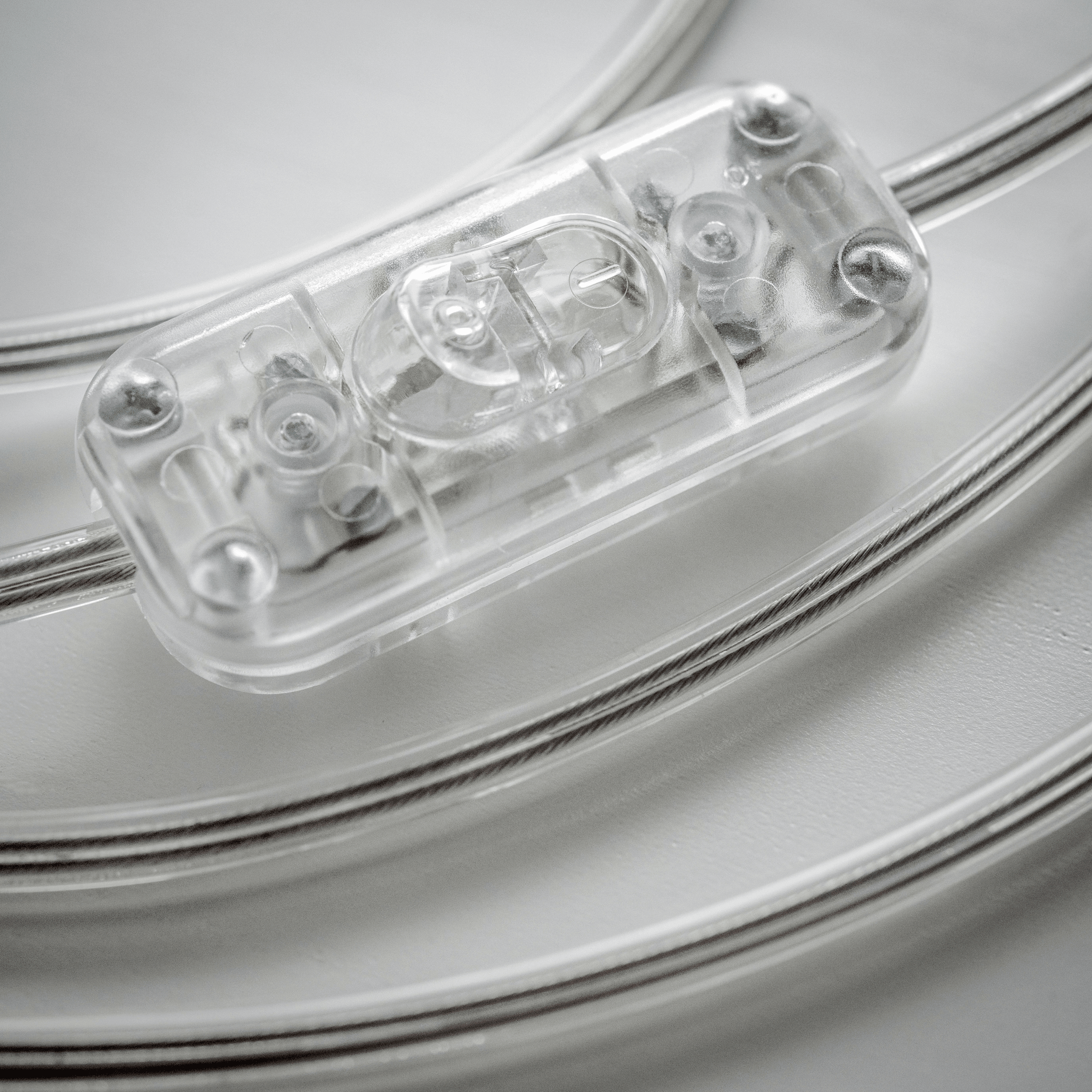
These specialized lights are designed to enhance visibility and provide the clarity needed for thorough inspections. In this section, we’ll explore how these lights improve your inspection process, save time, and offer cost-effective solutions compared to traditional lighting methods.
Enhanced Visibility for Inspections
One of the standout features of LED inspection lights is their ability to provide enhanced visibility during inspections. Unlike standard lighting options that may cast shadows or create glare, LED lights offer bright, focused illumination that reveals even the smallest details. This clarity is crucial when learning how to test if a LED light is bad; you need to see every flicker or color shift clearly.
Moreover, many LED inspection lights come with adjustable brightness settings and various beam angles, allowing you to tailor the light output according to your needs. This flexibility ensures that you can inspect hard-to-reach areas without straining your eyes or missing critical signs of wear and tear on your LEDs. Ultimately, enhanced visibility leads to more accurate assessments during your LED Light Inspection process.
Time-Saving Features of LED Inspection Lights
Time efficiency is another significant advantage offered by LED inspection lights. Traditional lighting solutions often require multiple setups and adjustments before achieving optimal illumination for an inspection task. In contrast, modern LED lights are typically lightweight and portable, making them easy to position wherever needed without wasting precious time.
Additionally, many models include features such as built-in rechargeable batteries or magnetic bases that allow for hands-free operation while inspecting fixtures or wiring systems. This means you can focus on identifying issues instead of fiddling with cumbersome equipment—an essential factor when considering how to test if a LED light is bad efficiently. With these time-saving features in place, you'll find that conducting an effective lighting inspection becomes a breeze.
Cost-Effectiveness Over Traditional Lighting
When evaluating what are the benefits of a LED inspection light compared to traditional options, cost-effectiveness stands out prominently. While the initial investment in high-quality LEDs might seem higher upfront than conventional bulbs, their longevity and energy efficiency often lead to significant savings over time. With lower energy consumption rates and longer lifespans—often exceeding 25,000 hours—LEDs minimize replacement costs and reduce maintenance frequency.
Moreover, because they produce less heat than traditional incandescent bulbs, there’s less risk of damage or burnout during inspections—a common concern in lighting inspections involving older technologies. By choosing an efficient LED solution for your inspections now, you're not just saving money; you're investing in sustainable practices that benefit both your budget and the environment long-term.
Partnering with Quality Experts
Quality experts like China Inspection Pro bring a wealth of experience and specialized knowledge to the table, ensuring that inspections are thorough and effective. Their expertise not only streamlines the inspection process but also helps in identifying potential issues before they escalate.
Role of China Inspection Pro
China Inspection Pro plays a pivotal role in enhancing the quality of LED Light Inspections by providing professional services that adhere to industry standards. They utilize advanced technology and methodologies to assess LED lights accurately, helping clients understand how to test if a LED light is bad effectively. With their comprehensive reports, clients gain insights into performance metrics and potential improvements for their lighting systems.
Advantages of Professional LED Light Inspection
Engaging professionals for your LED Light Inspection offers numerous advantages that can save time and money in the long run. First off, trained inspectors are adept at spotting issues that may go unnoticed by untrained eyes; they know exactly what signs indicate that an LED light isn’t functioning properly. Additionally, professional inspections often include recommendations on how to enhance lighting efficiency, which directly answers what are the benefits of a LED inspection light? The result is not just peace of mind but also optimized lighting solutions tailored for specific environments.
Success Stories from Quality Inspections
Many businesses have reported significant reductions in energy costs after implementing recommendations from their detailed inspection reports. One client even shared how they transformed their entire facility's lighting after learning how to test if a LED light is bad, leading to improved employee productivity and satisfaction—all thanks to quality inspections paving the way for better decisions.
Conclusion
In wrapping up our discussion on LED Light Inspection, it’s essential to highlight the importance of regular checks and maintenance. By understanding what is lighting inspection and how to test if a LED light is bad, you can prevent minor issues from escalating into costly problems. Remember, an efficient inspection process not only saves time but also enhances safety and performance.
Key Takeaways for LED Light Inspections
The key takeaways for effective LED Light Inspection include recognizing common problems and knowing the right tools to use during inspections. Understanding how to test if a LED light is bad will empower you to identify issues early on, ensuring that your lighting systems remain functional and efficient. Additionally, leveraging the benefits of a LED inspection light can significantly improve your inspection outcomes by providing enhanced visibility and accuracy.
Final Thoughts on Testing LEDs
When it comes to testing LEDs, being proactive is crucial. Knowing what is lighting inspection allows you to maintain optimal performance while reducing downtime in your operations. The ability to quickly identify failing lights through effective testing methods not only saves money but also promotes safety in any environment where proper illumination is vital.
Next Steps for Quality Assurance
To ensure quality assurance in your lighting systems, consider implementing a routine schedule for LED Light Inspection that incorporates all necessary steps discussed earlier. This includes gathering tools, adhering to safety protocols, and utilizing an inspection checklist tailored specifically for LEDs. Partnering with professionals who understand the nuances of what are the benefits of a LED inspection light can further enhance your efforts toward maintaining high-quality lighting standards.