
Introduction
Ensuring the integrity and safety of steel structures is no small feat, which is why Steel Structure Inspection has become an essential part of any construction project. Third party inspection services bring an unbiased eye to your project, verifying that everything from raw materials to final assembly meets industry standards. This process not only safeguards your investment but also helps you navigate complex regulatory requirements with confidence.
Understanding the Importance of Third Party Inspection for Steel Structures
Third party inspection plays a pivotal role in confirming that your steel structure complies with all safety and quality standards. It involves meticulous review of Material Test Reports and adherence to a comprehensive Manufacture Quality Control Plan, ensuring every component is up to par. By integrating an independent perspective, Steel Structure Inspection minimizes risks associated with defective materials or subpar fabrication processes, ultimately protecting lives and assets.
How China Inspection Pro Adds Value to Your Projects
China Inspection Pro specializes in delivering top-tier Steel Structure Inspection services tailored to your project's unique needs. Our team meticulously develops an Inspection and Test Plan aligned with your specifications, making sure all aspects—from raw material verification through final checks—are thoroughly covered. We excel at verifying Conformity Certificates for fastenings and conducting detailed Material Inspections at both supplier facilities and on-site, adding layers of assurance that your project meets international standards.
Key Benefits of Conducting Proper Steel Structure Inspection
Performing a proper Steel Structure Inspection offers numerous advantages—chief among them being enhanced safety, reduced rework costs, and smoother regulatory approval processes. Regular inspections ensure that Material Test Reports are accurate and complete, bolstering confidence in the quality of every element used in construction. Ultimately, a rigorous inspection process guarantees that your project benefits from durable, compliant structures backed by comprehensive documentation like Conformity Certificates for fastenings.
Planning the Inspection Process
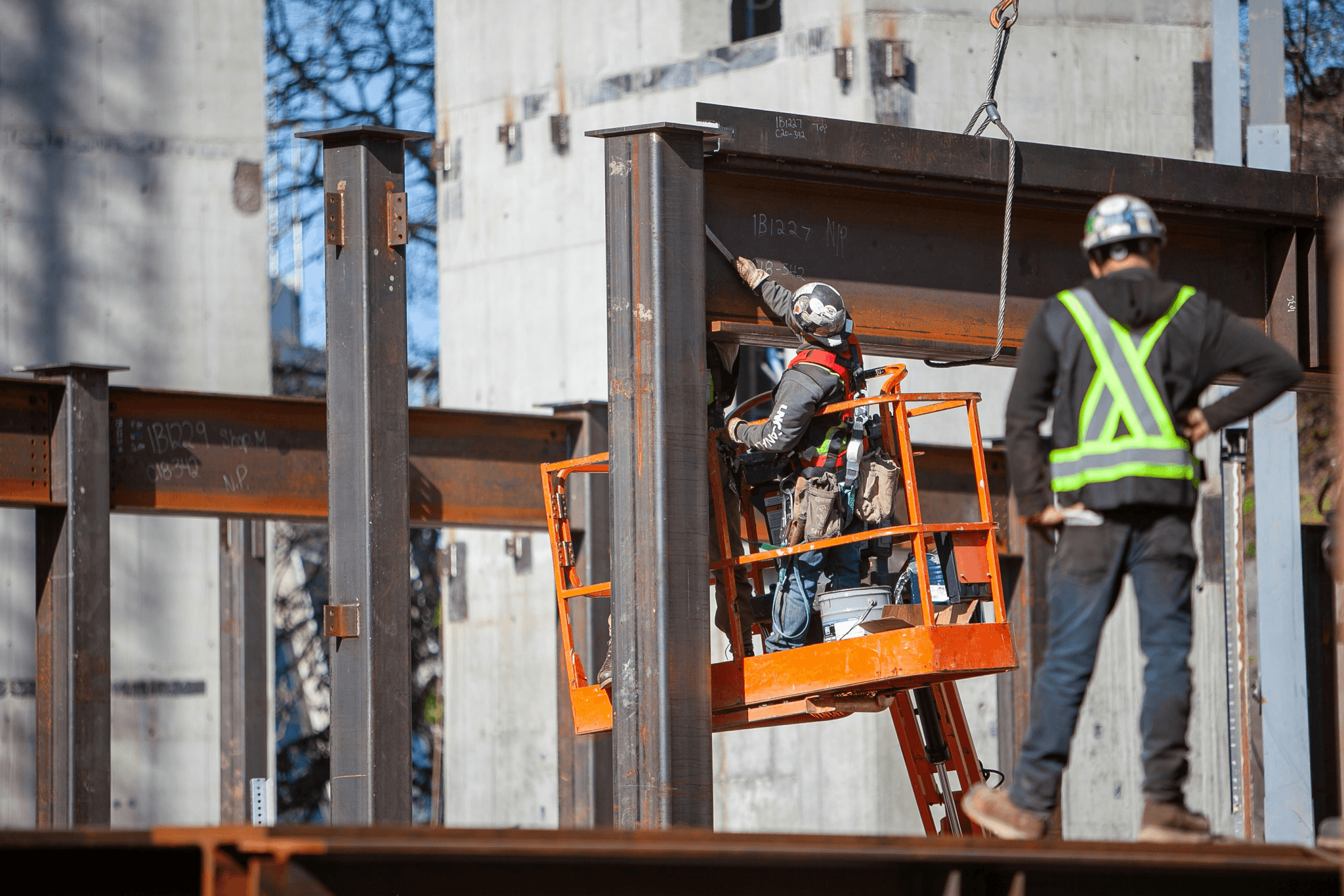
Getting your steel structure project off the ground with a solid plan is crucial for a successful Steel Structure Inspection. This phase involves laying out a clear roadmap that ensures every step aligns with industry standards and project specifications. A well-crafted plan not only streamlines the process but also minimizes surprises down the line, saving time and money.
Developing a Manufacture Quality Control Plan
Starting with a comprehensive Manufacture Quality Control Plan is like setting the foundation for quality assurance in your steel structure project. This plan outlines all critical control points during manufacturing, from raw material procurement to final assembly, ensuring each phase meets rigorous standards. Incorporating detailed procedures for Material Inspection and verification of Material Test Reports guarantees that only compliant materials are used, reducing risks of structural failure or delays.
Creating an Inspection and Test Plan Tailored to Your Project
An Inspection and Test Plan tailored specifically to your project acts as your project's blueprint for quality checks at every stage. It specifies when, where, and how inspections should be performed—covering everything from welding procedures to bolting integrity—making sure no detail slips through the cracks. Embedding requirements for reviewing Conformity Certificates for fastenings and other critical documentation ensures compliance with industry standards while maintaining transparency throughout the process.
Collecting and Verifying Material Test Reports
The backbone of any robust Steel Structure Inspection program is diligent collection and verification of Material Test Reports. These reports confirm that raw materials meet necessary standards before they are integrated into your structure, preventing costly rework or structural issues later on. Cross-checking these reports against industry benchmarks guarantees that each component aligns perfectly with your project's quality expectations, reinforcing confidence in your final product.
Material Inspection and Verification
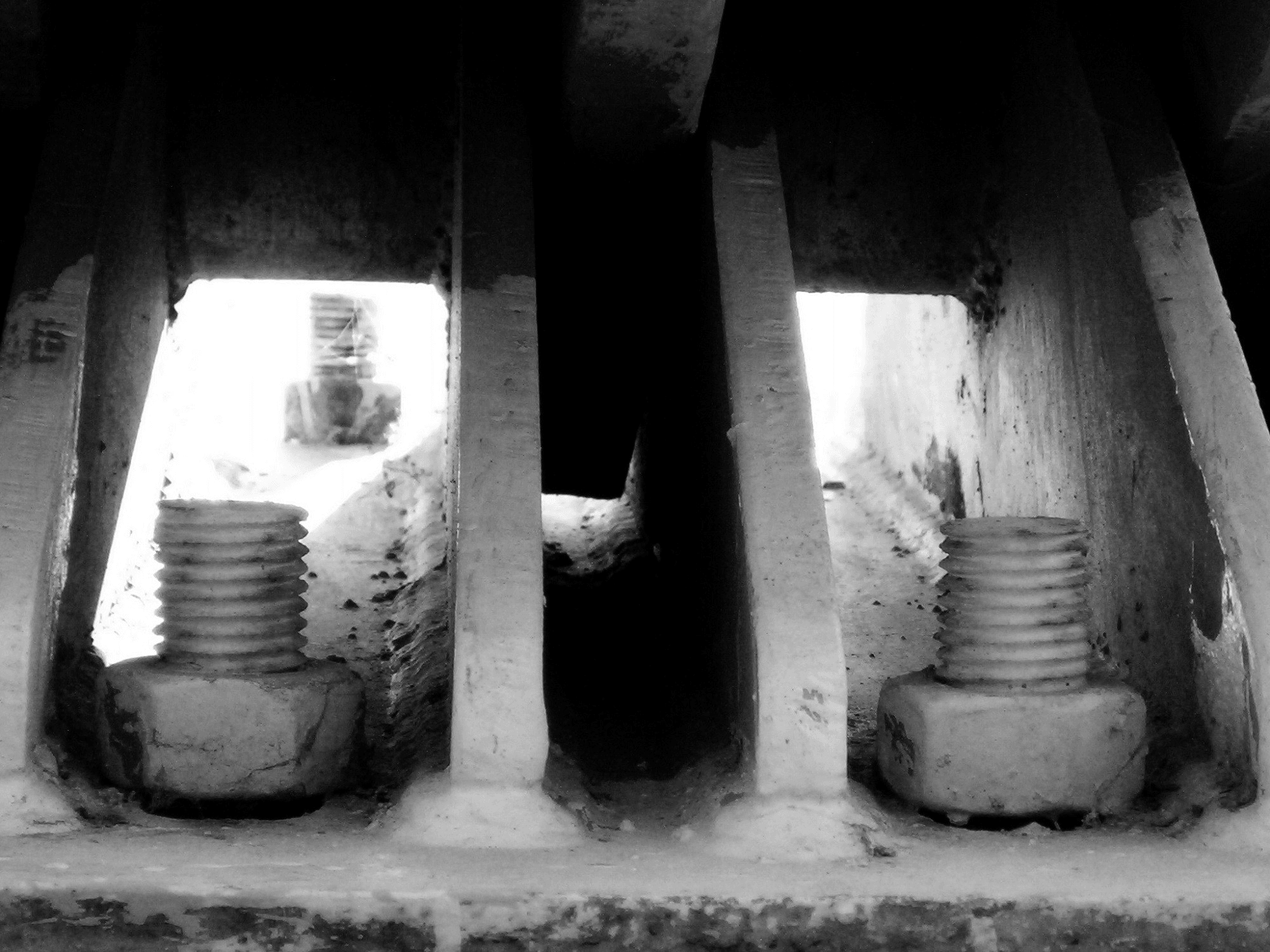
When it comes to Steel Structure Inspection, verifying the compliance of materials is a crucial step that can’t be overlooked. A well-crafted Manufacture Quality Control Plan sets the foundation for a smooth inspection process, ensuring all materials meet industry standards from the get-go. During the inspection and test plan development, clear procedures are outlined for checking Material Test Reports and conformity certificates for fastenings, which serve as proof that suppliers adhere to quality specifications.
Conducting thorough Material Inspection both on-site and at the supplier's facility guarantees that every component aligns with project requirements. This dual approach minimizes risks associated with substandard raw materials and helps catch discrepancies early. Regularly reviewing Material Test Reports during these inspections ensures consistency and confirms that all raw materials meet industry standards, preventing costly rework down the line.
Ensuring raw materials meet industry standards through diligent inspection is vital for long-term structural integrity. Incorporating detailed checks into your inspection and test plan allows teams to verify conformity certificates for fastenings quickly and accurately. Remember, a comprehensive Steel Structure Inspection process backed by solid material verification safeguards your project’s success while maintaining high-quality benchmarks.
Structural Fabrication and Assembly Checks
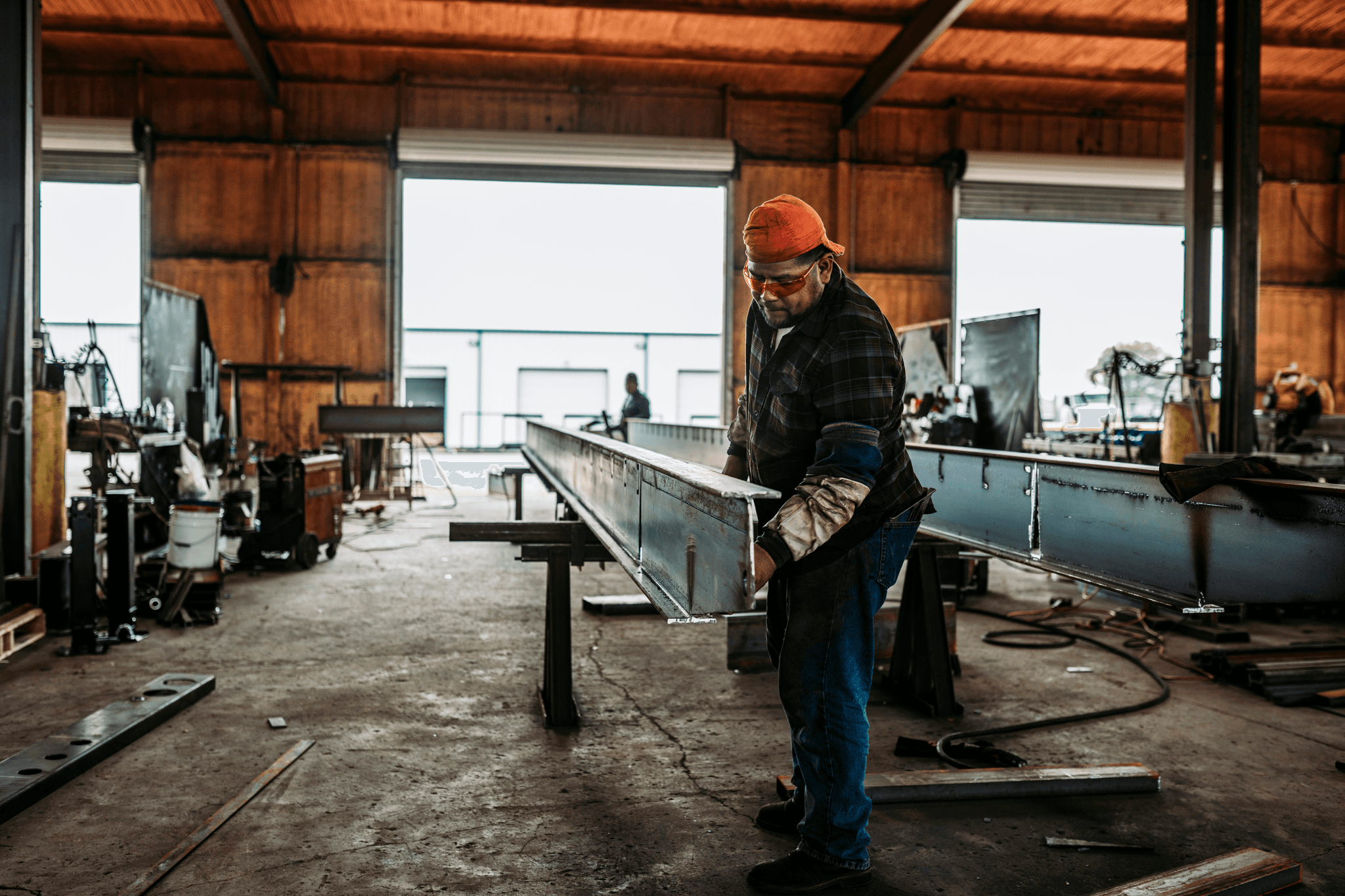
Ensuring the integrity of your steel structure starts with meticulous monitoring during fabrication and assembly. A comprehensive Steel Structure Inspection process involves verifying that every weld, bolt, and joint adheres to the Manufacture Quality Control Plan. This step is crucial because it guarantees that all materials and workmanship meet industry standards, reducing potential risks down the line.
A well-crafted Inspection and Test Plan tailored to your project helps streamline quality assurance efforts. It guides inspectors through critical points such as welding procedures, dimensional checks, and fastening methods. Regularly referencing Material Test Reports ensures that raw materials used in fabrication conform to specifications, laying a solid foundation for structural safety.
During fabrication, verifying structural dimensions and tolerances is vital to prevent misalignments or weaknesses in the final assembly. The inspection process must include thorough Material Inspection at both the supplier’s facility and on-site, confirming that all components match approved drawings and standards. Proper documentation of these inspections supports compliance certificates for fastenings and other critical elements.
Monitoring Welding Procedures and Quality
Welding is often the backbone of steel structures; therefore, monitoring welding procedures closely is non-negotiable in Steel Structure Inspection. Inspectors verify that welders follow approved procedures outlined in your Inspection and Test Plan, ensuring each weld meets strength and durability requirements. Reviewing Material Test Reports related to weld consumables further guarantees consistency across all joints.
Proper oversight during welding also involves real-time observation of technique adherence, heat input control, and proper electrode use—all critical factors influencing overall quality. Any deviations detected should be documented immediately to maintain transparency with conformity certificates for fastenings or other components involved.
Verifying Structural Dimensions and Tolerances
Precision matters when assembling large steel frameworks—small errors can cascade into costly rework or safety issues later on. During inspection rounds, measuring structural dimensions against project specifications ensures every beam fits perfectly within tolerances outlined in your manufacture quality control plan. These checks are essential for confirming compliance with industry standards before proceeding further.
Material Inspection plays a key role here by validating raw material certifications before fabrication begins; this prevents surprises down the line when verifying dimensions post-assembly. Consistent documentation of these measurements reinforces confidence that your project adheres strictly to regulatory requirements while maintaining high-quality standards throughout.
Inspecting Bolting and Fastening Integrity
Bolting isn’t just about tightening nuts; it’s about ensuring lasting strength through proper installation aligned with your inspection plan guidelines. Verifying conformity certificates for fastenings confirms they meet specified load capacities—crucial for structural stability under stress conditions encountered in service life scenarios.
During final assembly checks related to Material Inspection, inspectors examine bolt tensioning methods—whether torque-controlled or tension-controlled—to guarantee fastening integrity aligns with design expectations. Addressing any defects or deviations promptly helps uphold overall quality assurance while safeguarding structural safety standards.
Non-Destructive Testing and Quality Assurance
Non-destructive testing (NDT) is a crucial step in ensuring the integrity of steel structures without causing damage. Applying ultrasonic and radiographic testing techniques allows inspectors to detect internal flaws, cracks, or inconsistencies that could compromise structural safety. Incorporating these advanced NDT methods into your Steel Structure Inspection process ensures that every weld and material meets the strict standards outlined in your Manufacture Quality Control Plan.
Using a well-crafted inspection and test plan, inspectors can systematically evaluate materials and fabrication quality. Documenting findings from ultrasonic and radiographic tests becomes essential for creating comprehensive Material Test Reports, which serve as proof of compliance. These reports are vital when verifying that all materials, including fastenings with Conformity Certificates, adhere to industry standards during the Material Inspection phase.
Addressing any defects or deviations uncovered through NDT is where meticulous attention to detail makes all the difference. When flaws are identified during steel structure inspection, immediate corrective actions must be taken to uphold the integrity of your project’s quality assurance plan. Properly documented non-destructive test reports help facilitate transparent communication with stakeholders and ensure that every aspect of your steel structure aligns with regulatory requirement
Final Inspection and Certification
The final stage of Steel Structure Inspection is where everything comes together, like the grand finale of a fireworks show. Conducting a comprehensive final review involves meticulously cross-checking all aspects outlined in the Manufacture Quality Control Plan and the Inspection and Test Plan to ensure no detail is overlooked. This step guarantees that every element—from raw materials to completed assembly—meets the highest standards before issuing any formal certifications.
Ensuring all documentation meets regulatory requirements is crucial for a smooth certification process. This includes verifying Material Test Reports for compliance with industry standards and confirming that Conformity Certificates for fastenings are properly issued and documented. When these documents align perfectly with project specifications, it streamlines approval processes and solidifies trust in your Steel Structure Inspection results.
Issuing Conformity Certificates and Quality Reports marks the culmination of diligent inspection efforts. These certificates serve as official proof that your steel structures have passed rigorous Material Inspection and meet all necessary safety standards. By thoroughly reviewing inspection records, test reports, and quality documentation, you can confidently present certified evidence of compliance—making project handovers seamless and stress-free.
Conclusion
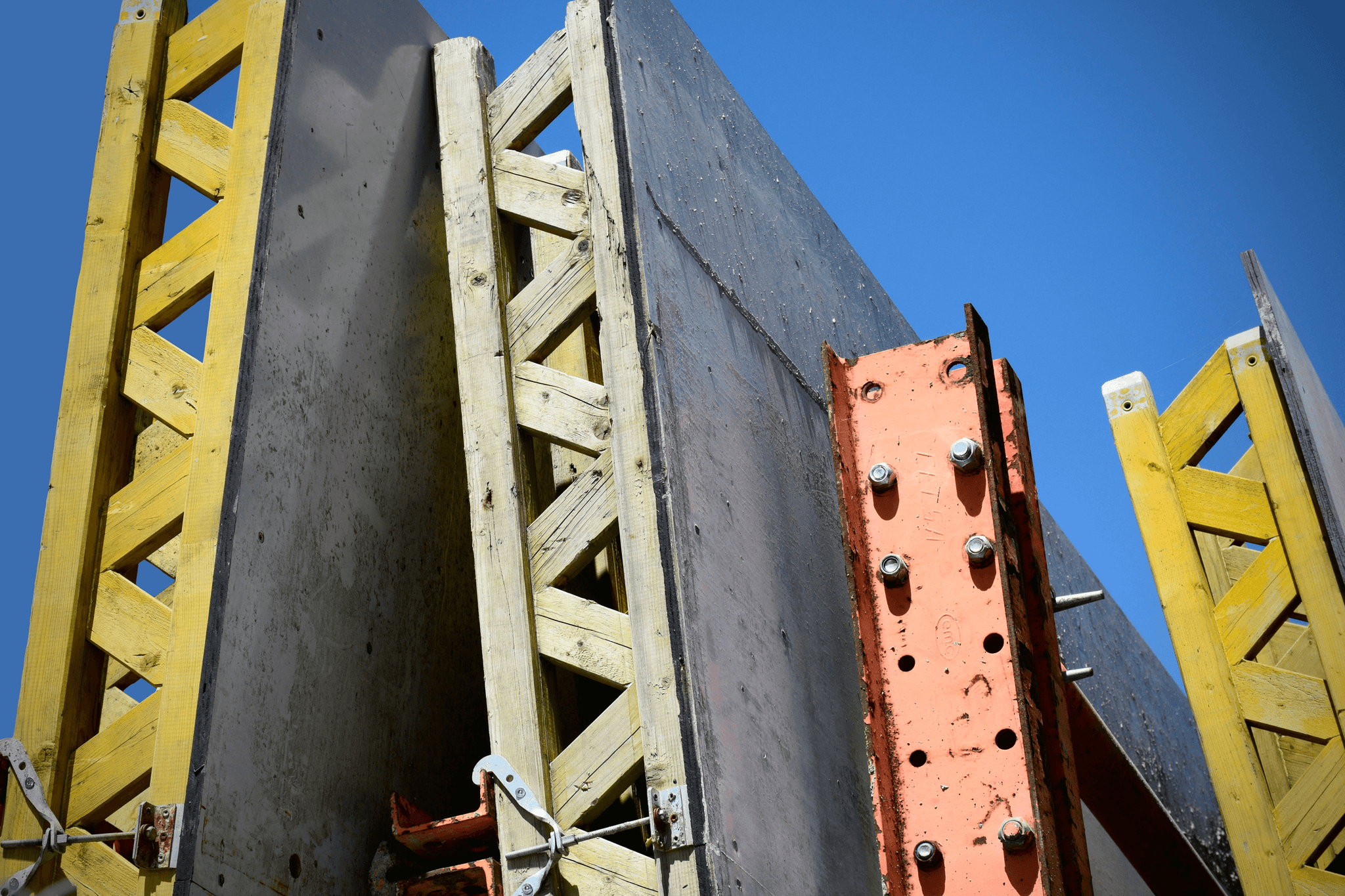
A rigorous third party Steel Structure Inspection process is the backbone of any successful construction project. It ensures that every component, from raw materials to final assembly, meets industry standards and safety regulations. Implementing a comprehensive Manufacture Quality Control Plan and adhering to a detailed inspection and test plan guarantees quality at every stage, reducing costly rework and delays.
By meticulously reviewing Material Test Reports and verifying Conformity Certificates for fastenings, third party inspectors help catch issues early before they escalate. This proactive approach not only safeguards structural integrity but also bolsters confidence among stakeholders. Proper Material Inspection throughout the project lifecycle is vital for maintaining consistency and compliance, ultimately leading to durable and reliable steel structures.
Partnering with China Inspection Pro means leveraging expertise in Steel Structure Inspection that elevates your project's quality assurance processes. Their thorough inspection protocols ensure adherence to all regulatory requirements while providing transparent documentation. With their support, you can confidently deliver steel structures that stand the test of time—because excellence is non-negotiable.