
Introduction

In the fast-paced world of fashion, ensuring the quality of ready-made garments is more than just a nice-to-have—it's a necessity. Consumers expect flawless products, free from defects in ready-made garments like holes, tears, and fabric damage that can tarnish a brand’s reputation before it even hits the rack. Apparel buyers and manufacturers face numerous challenges, including identifying skipped or missing stitches or spotting subtle stains like oil marks and dirt that can slip through the cracks during mass production.
Keeping quality in check requires vigilance because even minor issues such as incorrect measurements or misaligned prints and embroidery can lead to customer dissatisfaction and returns. Without proper inspection processes, these flaws—ranging from fabric damage to sewing errors—can go unnoticed until it’s too late. Effective inspection acts as a safety net, catching defects in ready-made garments early on to protect brands from costly recalls and negative reviews.
Visible Fabric Defects
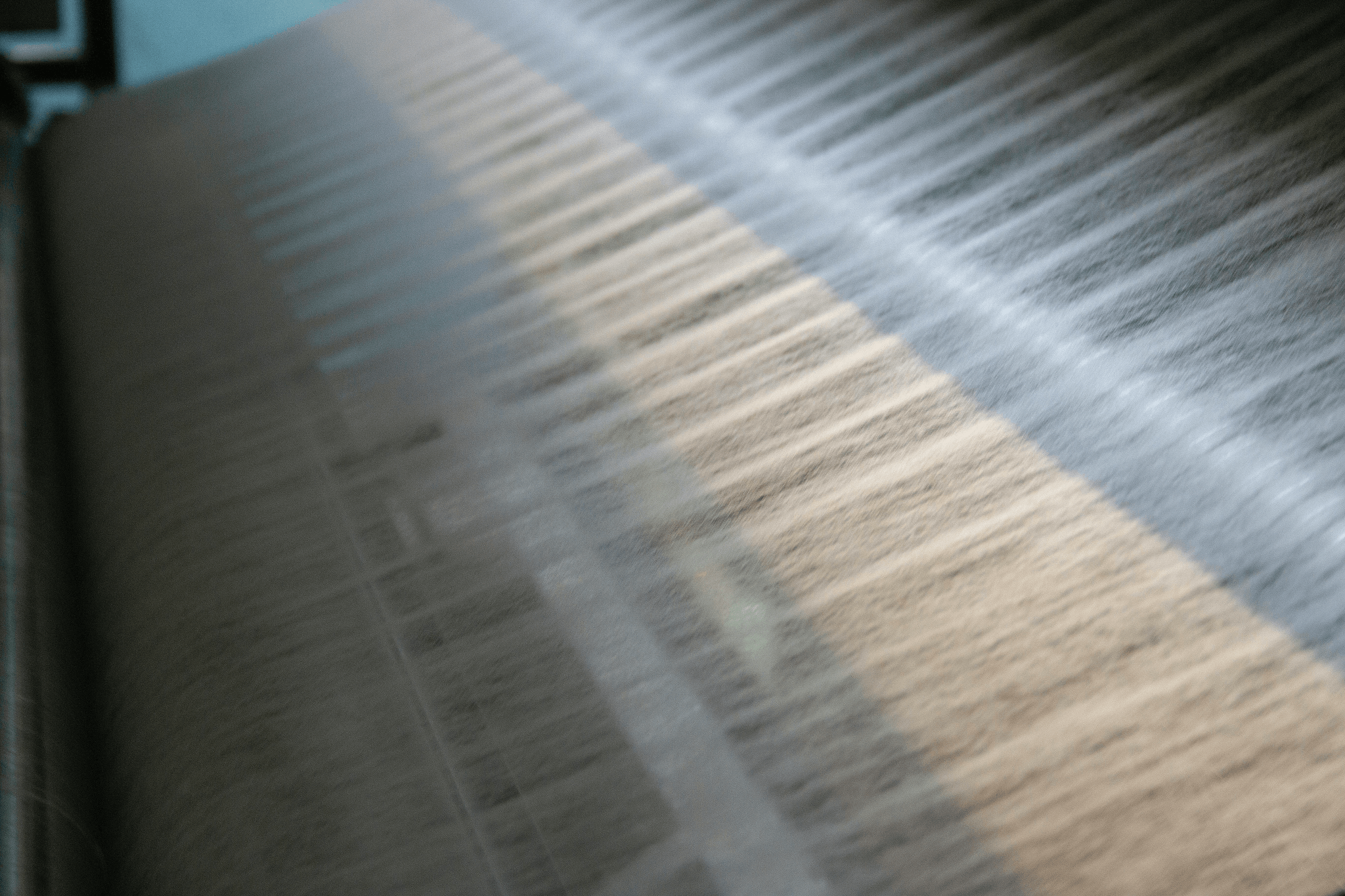
Spotting defects in ready-made garments requires a keen eye and a systematic approach. During mass production, holes, tears, and fabric damage can sneak in unnoticed, turning into costly quality issues later on. A thorough visual inspection helps identify these flaws early, preventing defective items from reaching consumers and damaging brand reputation.
Proper lighting and magnification are essential tools when hunting for defects in ready-made garments. Under bright, natural light or specialized inspection lamps, subtle fabric flaws like tiny tears or holes become more visible. Using magnifying glasses or handheld loupes allows inspectors to catch minute defects in fabric that could otherwise be missed by the naked eye.
Lay planning plays a pivotal role in identifying fabric flaws before garments are cut and sewn. By carefully examining fabric layups for irregularities such as misaligned prints or hidden tears, inspectors can flag potential issues early on. This proactive step ensures that defects like fabric damage or misaligned prints don’t propagate through the production process, reducing the risk of defectively stitched garments with skipped stitches or loose threads slipping through.
Stitching Flaws and Construction Errors
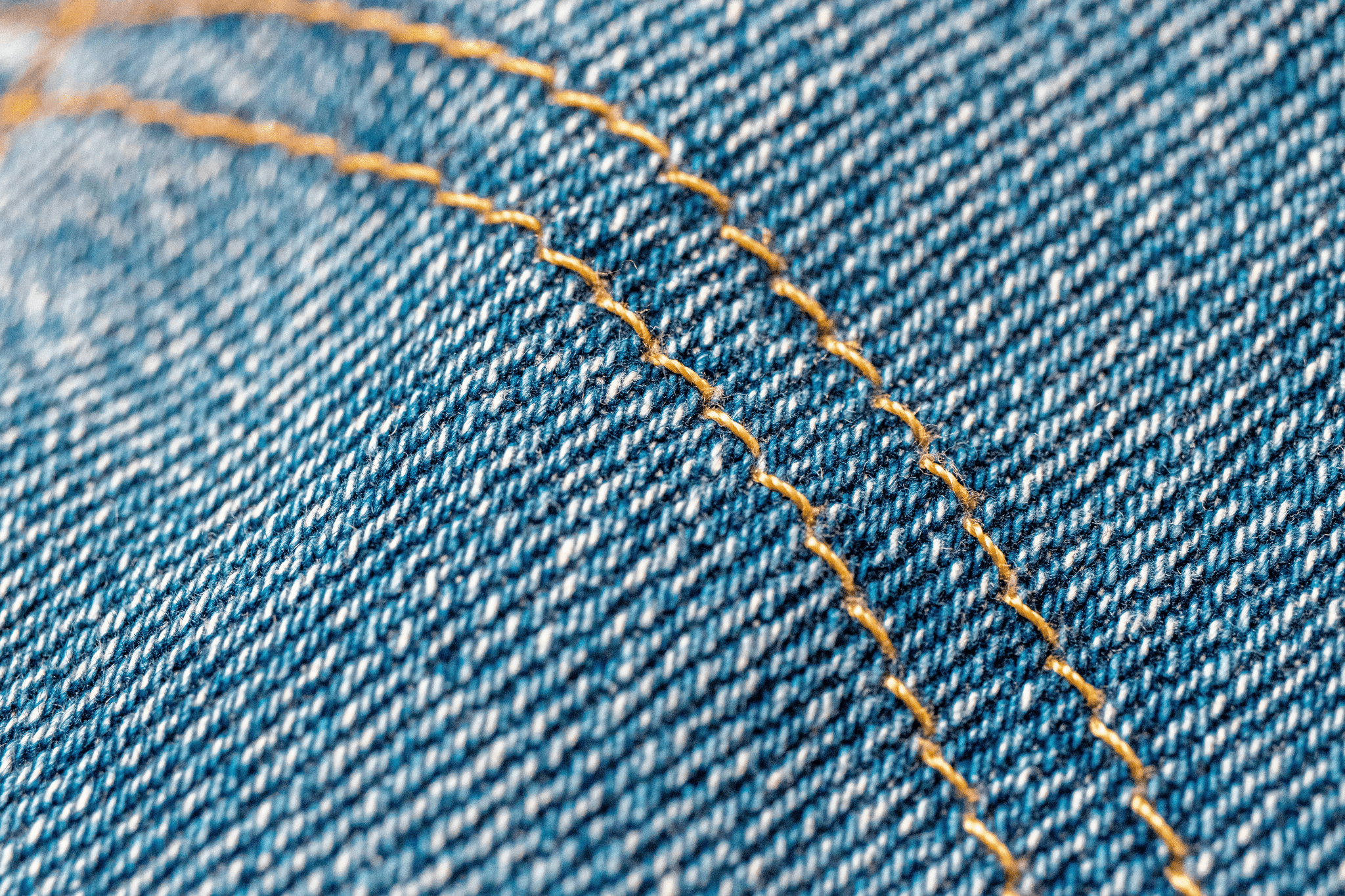
When it comes to Defects in Ready-Made Garments, stitching flaws are among the most common culprits that can tarnish a brand’s reputation. Skipped or missing stitches can be sneaky; they often hide between layers or inside seams, making them difficult to spot without a keen eye. These defects not only compromise the garment’s durability but also signal poor craftsmanship, which could lead to customer dissatisfaction.
Recognizing poor sewing quality involves more than just glancing at the outside of a garment. Loose threads and unraveling seams are telltale signs of construction errors that could escalate into holes, tears, and fabric damage if left unchecked. Faulty stitching may also cause misaligned prints or embroidery, making the final product look sloppy and unprofessional—a big no-no in quality control.
Conducting an effective stitch inspection requires a systematic approach. Start by examining seams under good lighting, using magnification if necessary, to detect skipped or missing stitches that might be invisible to the naked eye. Pay close attention to areas prone to stress—shoulders, cuffs, and side seams—since these are hotspots for defects in ready-made garments. Remember, catching these flaws early helps prevent bigger issues like tears or fabric damage down the line.
Incorrect Measurements and Fit Issues
Ensuring that each garment matches the specified size is crucial to prevent defects in ready-made garments from slipping through the cracks. Incorrect measurements can lead to fit issues that frustrate customers and tarnish brand reputation. Sometimes, these discrepancies are subtle but can cause significant dissatisfaction when the final product hits the shelves.
One common cause of measurement errors is inconsistent measuring techniques, which might result in overlooked defects in ready-made garments. It’s essential to use standardized methods for measuring shoulder width, sleeve length, and garment length to catch any irregularities early. Skipped or missing stitches can also distort measurements, making it vital to inspect seams thoroughly during the quality check process.
Using precise tools and devices designed for measurement inspection helps identify defects in ready-made garments before they reach consumers. Digital calipers, measuring tapes with clear graduations, and laser measurement systems are popular choices for ensuring accuracy. These tools help detect even slight variances that could lead to fit issues or misaligned prints and embroidery.
Common measurement discrepancies often include inconsistent sizing across similar batches or deviations from pattern specifications. These flaws may not be immediately visible but become apparent during detailed inspection when comparing actual measurements against standards. Catching these errors requires a keen eye for detail and a systematic approach to measuring each garment carefully.
Misaligned Prints and Embroidery
Misaligned prints and embroidery can be sneaky defects in ready-made garments, often slipping past the untrained eye. When patterns or logos are off-center or crooked, it instantly screams poor quality, damaging brand reputation. Ensuring that prints are aligned correctly and embroidery is precise not only boosts aesthetic appeal but also reduces the risk of customer complaints about defects in ready-made garments.
Identifying Pattern and Logo Misalignment
Spotting misaligned prints or logos requires a keen eye for detail—think of it as spotting a typo on a billboard. Look closely at patterns across seams, collars, and hems; if they don’t match up perfectly, you’ve got a defect in ready-made garments. Sometimes, the misalignment is subtle—like a slightly shifted logo—but these small flaws can snowball into bigger issues like holes or tears if left unchecked.
Checking the Consistency of Printed Designs
Consistent printed designs are crucial for maintaining quality standards in finished garments. Uneven ink distribution, blurry images, or mismatched repeats signal defects in ready-made garments that need correction before shipping out. Regularly inspecting multiple units helps catch irregularities early—remember, even tiny misalignments can turn into costly returns or unhappy customers down the line.
Quality Control Tips for Ensuring Embroidery Precision
To keep embroidery looking sharp and free from defects in ready-made garments, use proper measurement tools to verify alignment during production checks. Tighten control over thread tension and stitching speed—these factors directly impact embroidery accuracy—and always review finished pieces under good lighting conditions to catch errors like skipped or missing stitches immediately. Combining these practices ensures your apparel’s embroidery remains flawless, preventing costly rework caused by faulty stitches or uneven designs.
Stains and Dirt Marks on Finished Garments
Even the most meticulously crafted ready-made garments can fall prey to stubborn stains and dirt marks that sneak past quality control. Oil stains and dirt marks are common defects in ready-made garments, often resulting from mishandling during manufacturing or packaging. Detecting these flaws requires a keen eye, as some stains are hidden beneath layers of fabric or disguised by patterns, making visual inspection strategies essential to catch every defect in ready-made garments before they reach consumers.
Common Sources of Oil Stains and Dirt During Manufacturing
Oil stains and dirt marks frequently originate from machinery lubricants, worker handling, or contaminated storage environments. When garments pass through various production stages, accidental contact with oils or dirt can leave behind visible or invisible blemishes—classic defects in ready-made garments that tarnish their appearance. If not properly managed, these marks can become embedded in the fabric, turning into stubborn stains that compromise the garment's overall quality and customer satisfaction.
Visual Inspection Strategies to Detect Hidden Stains
To identify hidden oil stains and dirt marks effectively, inspectors should employ proper lighting combined with magnification tools. Bright LED lights help reveal subtle discolorations that might otherwise go unnoticed, especially on patterned fabrics where stains blend in seamlessly—another example of defects in ready-made garments slipping past cursory checks. A thorough visual scan across all areas ensures no stain remains undetected; paying particular attention to seams, hems, and underarm sections where dirt tends to accumulate is crucial for catching these flaws early.
Tips for Preventing Stains in the Final Product
Preventing oil stains and dirt marks starts with diligent handling practices during manufacturing—using clean tools and enforcing strict hygiene standards among workers reduces contamination risks. Incorporating regular cleaning schedules for machinery minimizes the chances of oil leaks contributing to defects in ready-made garments like stains or fabric damage. Additionally, implementing quality checkpoints focused on spotting misaligned prints or embroidery alongside stain detection helps maintain high standards throughout production—keeping your finished products free from unwanted blemishes that could lead to customer complaints.
Conclusion
In the world of ready-made garments, catching defects in ready-made garments early can save brands from costly recalls and damaged reputations. Regular inspections act as the frontline defense against issues like holes, tears, fabric damage, or misaligned prints that could otherwise slip past production lines unnoticed. When you prioritize quality assurance through diligent inspection, you’re not just preventing defects in ready-made garments—you’re safeguarding your brand’s integrity and customer trust.
China Inspection Pro stands out by meticulously identifying common flaws such as skipped or missing stitches, oil stains, dirt marks, and incorrect measurements that often plague mass-produced apparel. Our experts know that even tiny holes or tears can ruin a garment’s appeal and lead to dissatisfied customers. By thoroughly checking for misaligned prints and embroidery as well, we ensure each piece meets your high standards before reaching the shelves.
Transforming inspection findings into actionable improvements is where real value lies. When issues like stains or fabric damage are detected early, manufacturers can implement corrective measures swiftly—saving time and money. Properly addressing defects in ready-made garments not only enhances product quality but also boosts customer satisfaction by delivering flawless fashion every time.