
Introduction
Fabric defects can be a major concern for both manufacturers and consumers, impacting the overall quality and durability of textiles. Understanding fabric defects is crucial for ensuring that the final products meet quality standards and satisfy customer expectations. By recognizing these issues early on, we can prevent problems that may lead to dissatisfaction or returns.
Understanding Fabric Defects Importance
The importance of identifying fabric defects cannot be overstated; they can affect everything from aesthetics to functionality. Fabric defects can manifest in various ways, leading to compromised durability, reduced lifespan, and ultimately financial loss for both producers and consumers. By understanding the significance of fabric defects, stakeholders can take proactive measures to address them effectively.
Common Types of Fabric Defects
There are several common types of fabric defects that one should be aware of when evaluating textiles. These include snags, color fading, pilling, shrinkage, and weaving flaws—each with its own set of causes and remedies. Familiarity with these fabric defects examples helps in recognizing issues quickly and taking appropriate action before they escalate.
Visual Recognition of Fabric Defects
Visual recognition plays a vital role in identifying fabric defects early in the production process or during inspection before purchase. Being able to spot these issues through images or firsthand observation allows for timely interventions that can save time and resources. Learning how to recognize different types of fabric defects will empower consumers and manufacturers alike to make informed decisions about their textile choices.
Snags and Pulls
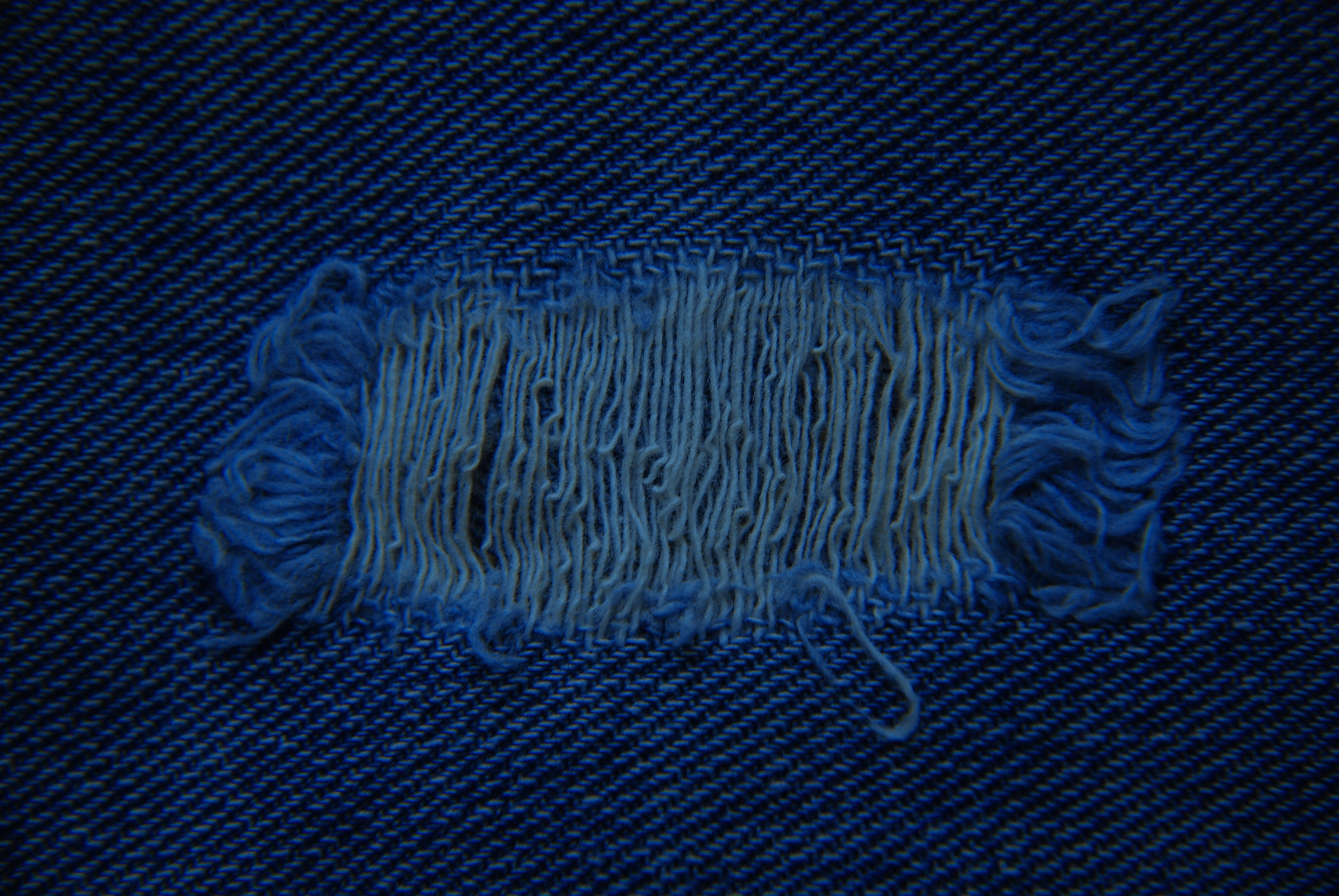
Snags and pulls are common fabric defects that can turn a perfectly good garment into a source of frustration. These types of fabric defects occur when threads are pulled out of their normal alignment, creating unsightly loops or gaps in the material. Identifying and addressing snags promptly is essential to maintaining the integrity and appearance of your fabrics.
Identifying Snags in Fabrics
Identifying snags in fabrics can often be as simple as running your hand over the surface of the material. Look for raised threads or loops that disrupt the smooth texture; these are clear indicators of snags. Additionally, examining garments in bright light can help reveal these fabric defects more easily, allowing you to spot even minor issues before they worsen.
Common Causes of Snags
Understanding the causes behind fabric defects like snags is crucial for prevention and care. Common causes include rough surfaces, such as zippers or jewelry, which can catch on delicate fibers during wear. Other culprits might be improper washing methods or friction against other materials, both of which can lead to these pesky pulls.
Remedies for Eliminating Snags
When it comes to remedies for eliminating snags, quick action is key to prevent further damage to your fabrics. Start by gently pulling the snagged thread back through to the inside using a needle or tweezers; this helps restore the fabric’s original look without creating larger holes. For ongoing prevention, consider using softer laundry bags when washing delicate items and be mindful of potential snagging hazards like sharp edges.
Color Fading
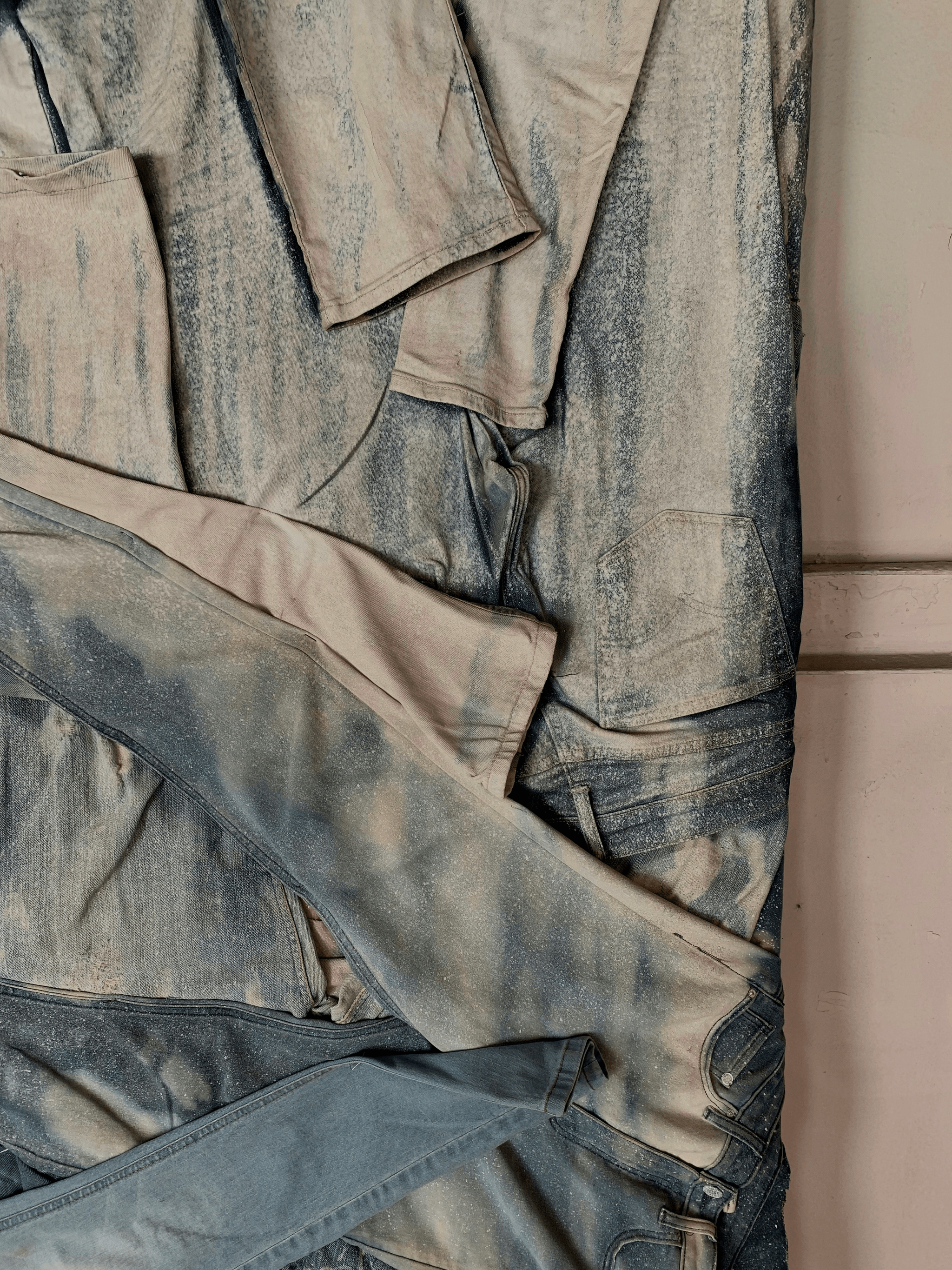
Color fading is a common fabric defect that can significantly affect the appearance and longevity of textiles. This issue occurs when the vibrant hues of fabrics lose their intensity over time, leading to dull and washed-out colors. Understanding how to recognize, address, and prevent color fading is essential for maintaining the quality of your fabrics.
Recognizing Color Fading Issues
Identifying color fading in fabrics is crucial for any textile enthusiast or professional. You might notice that your once-bright garments now appear lackluster, with patches of uneven coloration or a general sense of dullness. Common examples of color fading include faded jeans, washed-out t-shirts, and discolored upholstery—definite fabric defects that can ruin the overall aesthetic appeal.
Causes Behind Color Fading
The causes behind color fading are numerous and often interlinked with environmental factors. One primary culprit is exposure to sunlight; UV rays can break down dye molecules in fabrics, leading to significant color loss over time. Other fabric defects causes include washing with harsh detergents, improper drying methods, and even pollution—each contributing to the gradual decline in vibrancy.
Preventative Measures and Solutions
To combat color fading effectively, there are several preventative measures you can implement. First and foremost, always wash your garments inside out using cold water and mild detergents designed for colored fabrics—this helps preserve their integrity against harsh chemicals. Additionally, consider air drying your clothes away from direct sunlight; this simple step can make all the difference in prolonging the life of your favorite textiles while avoiding common fabric defects.
Pilling
Pilling is one of the more annoying fabric defects that can turn a pristine garment into a fuzzy mess. It occurs when tiny balls of fiber, known as pills, form on the surface of the fabric, making it look worn and shabby. Understanding pilling is essential for anyone who wants to maintain the appearance and longevity of their clothing.
What is Fabric Pilling?
Fabric pilling refers to the formation of small, tangled balls of fibers on the surface of textiles. These unsightly little fuzzballs are often made up of loose fibers that have become entangled due to friction or wear. While pilling may not compromise the structural integrity of a fabric, it certainly affects its aesthetic appeal and can be considered one of those common types of fabric defects that everyone dreads.
Causes of Pilling in Fabrics
Several factors contribute to the development of pilling in fabrics, making it a prevalent issue among various materials. One major cause is friction; when fabrics rub against each other or against skin during wear, loose fibers can become dislodged and form pills. Additionally, low-quality fibers or blends that are prone to shedding are more susceptible to this type of fabric defect, leading to those pesky little balls we all love to hate.
How to Fix and Prevent Pilling
Fixing pilling isn’t rocket science; there are several remedies available for tackling this annoying fabric defect head-on! A simple lint roller can work wonders for removing pills quickly and easily from your favorite garments. For prevention, choosing high-quality fabrics with tighter weaves or investing in specialized anti-pill treatments can help keep your wardrobe looking fresh and free from those pesky fuzzballs.
Shrinkage
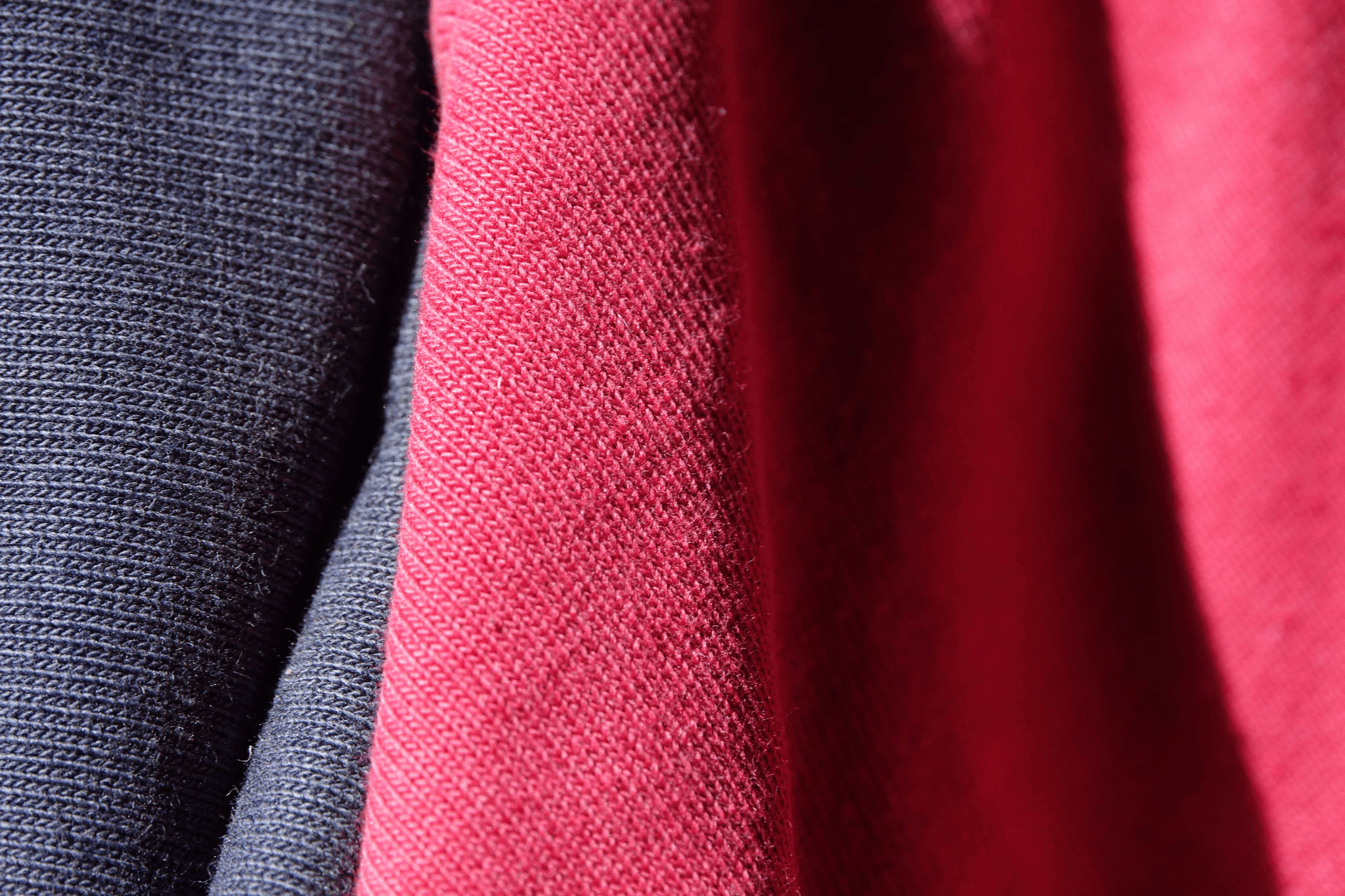
Shrinking is an all-too-common issue that can turn your favorite garment into a snug fit, or worse, a regrettable fashion decision. Understanding fabric shrinkage is essential for anyone who wants to maintain the quality and longevity of their clothes. This section will explore what causes shrinkage, how to recognize it, and remedies to tackle this pesky fabric defect.
Understanding Shrinkage in Fabrics
Shrinkage refers to the reduction in size of fabric after washing or exposure to heat. It’s one of the most prevalent types of fabric defects that can significantly impact the fit and appearance of clothing. When fibers contract due to moisture and heat, they can lead to unwanted alterations in garment dimensions, making it crucial for consumers to understand this phenomenon.
Factors Contributing to Shrinkage
Several factors contribute to shrinkage in fabrics, often leading to frustration for both manufacturers and consumers alike. One major cause is the type of fiber used; natural fibers like cotton are particularly prone to shrinking compared to synthetic ones like polyester. Additionally, improper washing techniques—such as using hot water or high dryer settings—can exacerbate these fabric defects, causing garments to shrink more than intended.
Remedies for Shrinkage in Clothing
Dealing with shrinkage doesn’t have to be a lost cause; there are effective remedies available! First off, always check care labels on garments for proper washing instructions—following these guidelines can help prevent further shrinkage from occurring. If you find yourself with a shrunken item already, consider soaking it in lukewarm water mixed with hair conditioner or baby shampoo; this may help relax the fibers and restore some size back into your clothing.
Weaving Defects
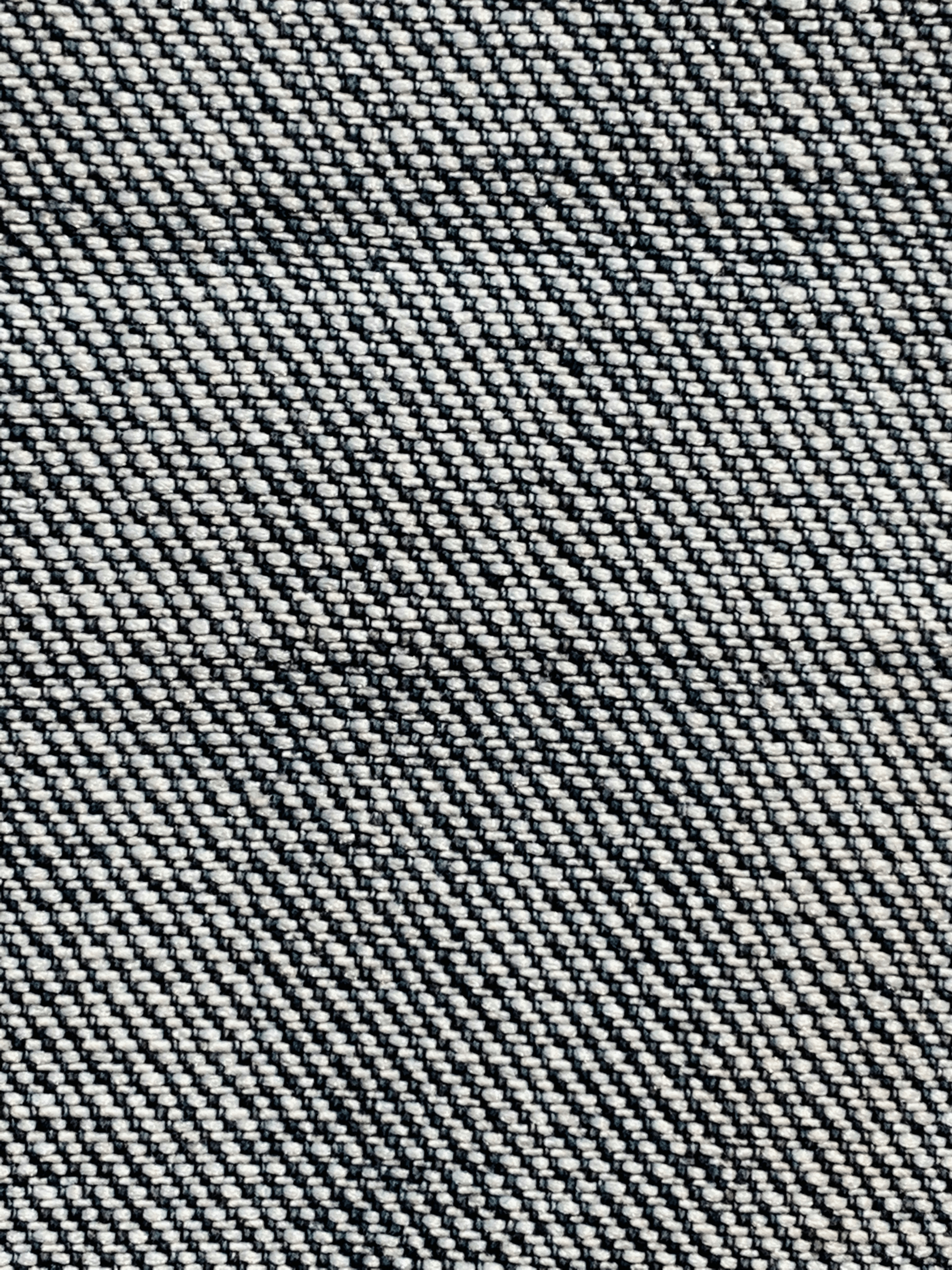
Weaving defects are a common issue in the textile industry, impacting both the aesthetic and functional quality of fabrics. These defects arise during the weaving process, where threads are interlaced to create fabric. Understanding these fabric defects is crucial for manufacturers and consumers alike, as they can significantly affect the overall performance and appearance of textiles.
An Overview of Weaving Defects
Weaving defects encompass a range of issues that can occur at any stage of the weaving process. They typically result from improper techniques, faulty machinery, or poor-quality raw materials. Recognizing these types of fabric defects early on can help prevent larger problems down the line, ensuring that high standards are maintained throughout production.
Examples of Weaving Defects
There are several notable examples of weaving defects that manufacturers should be aware of. Common fabric defects include skipped threads, which occur when a thread fails to weave properly into the fabric; misaligned patterns that disrupt design continuity; and uneven tension that leads to puckering or distortion in the final product. Each example highlights how critical it is to monitor quality control measures closely to avoid these pitfalls.
Solutions for Weaving Defects Issues
Addressing weaving defects requires a combination of preventive measures and effective remedies. Regular maintenance checks on weaving machines can minimize operational errors that lead to these fabric defects. Additionally, investing in high-quality materials and providing adequate training for operators can significantly reduce occurrences of common fabric defects—thus ensuring a smoother production process overall.
Conclusion
In the world of textiles, understanding and inspecting for fabric defects is crucial for maintaining quality and longevity. Fabric defects can significantly impact the appearance and durability of garments, making it essential to be aware of common types of fabric defects. By recognizing these issues early on, consumers can avoid disappointment and ensure they are investing in high-quality fabrics.
Importance of Inspecting for Fabric Defects
Inspecting for fabric defects is not just a matter of aesthetics; it also affects the overall performance of clothing items. Common types of fabric defects include snags, color fading, pilling, shrinkage, and weaving imperfections, all of which can diminish the value of your purchase. Taking the time to examine fabrics before buying can save you from future headaches related to fabric defects causes and remedies.
Tips for Buying Quality Fabrics
When shopping for fabrics, it's wise to keep a keen eye out for potential fabric defects examples that may signal poor quality. Always feel the texture; if it feels rough or uneven, there might be hidden issues lurking beneath the surface. Additionally, checking for consistent colors and patterns can help you avoid color fading problems down the line—after all, nobody wants their favorite shirt looking like it's been through a wash cycle with bleach!
Trusting Professionals Like China Inspection Pro
For those who want peace of mind when purchasing fabrics or finished garments, trusting professionals like China Inspection Pro is vital. They specialize in identifying various types of fabric defects with images that clearly illustrate each issue—making it easier than ever to recognize potential problems before they become costly mistakes. With their expertise in spotting fabric defects causes and remedies, you can shop confidently knowing you're making informed choices about your textile investments.