
Introduction
In the world of packaging, quality isn’t just a nice-to-have; it’s the secret sauce that keeps your brand shining and your customers coming back for more. During Packaging Inspection, catching even tiny flaws can make a huge difference—think leakage detection to prevent spoilage or optical inspection to spot color inconsistencies. When you skip proper inspection, you risk sending out products with defects that could damage your reputation and cost you dearly in returns or recalls.
Many brands fall into common pitfalls during packaging inspection, such as relying solely on automated inspection systems without manual checks or neglecting the importance of visual inspection. Overdependence on automatic inspection can miss subtle damage or contamination that only a trained eye might catch. Incorporating qc checked processes and thorough visual inspection ensures every detail is scrutinized, safeguarding your brand’s integrity.
Accurate inspection plays a pivotal role in boosting customer satisfaction because it guarantees that every package meets high standards before reaching consumers. Combining advanced leakage detection with comprehensive visual inspection creates a safety net against defective products slipping through. When customers receive perfectly inspected packaging—free from leaks or damage—they trust your brand and become loyal advocates for quality.
The Risks of Skipping Visual Inspection
Skipping visual inspection during packaging can be a costly mistake that leaves many defects hidden in plain sight. Without proper QC checked procedures, subtle issues like tiny tears, misalignments, or contamination can slip through the cracks. Relying solely on automated inspection might seem efficient, but it often misses the nuanced details that only a trained eye can catch, risking product integrity and brand reputation.
Overlooking Packaging Defects
When you skip visual inspection, you're essentially turning a blind eye to potential packaging defects that could compromise your product’s safety and appeal. Automated inspection systems are great for speed but often lack the finesse to detect minor scratches, incorrect labels, or misprinted graphics—defects that can tarnish your brand image. During packaging inspection, combining manual visual checks with optical inspection tools ensures no defect goes unnoticed, safeguarding your quality standards and customer trust.
Relying Solely on Automated Inspection
While automatic inspection offers consistency and quick results, it shouldn’t be your only line of defense during packaging quality control. Automated systems excel at leakage detection and surface defect identification but may falter when assessing subtle damage or contamination hidden beneath the surface. A comprehensive QC checked process involves manual visual inspection to verify automated findings and catch issues like foreign particles or slight deformities that machines might miss.
Missing Subtle Damage or Contamination
Subtle damage or contamination often evades automatic inspection because these flaws require a keen human eye for detection—something no machine has fully mastered yet. During packaging inspection, relying solely on technology risks overlooking these minor yet critical issues that could lead to product recalls or customer complaints later down the line. Incorporating thorough visual inspections helps identify these hidden problems early on before they escalate into bigger concerns for your brand.
Inadequate Use of Technology
When it comes to packaging, relying solely on manual checks can be a costly mistake. Human inspectors are prone to fatigue and oversight, especially when dealing with high volumes during packaging inspection. This overdependence on manual checks often leads to missed defects, contamination, or damage that could otherwise be caught with the right automated inspection tools.
Failing to integrate optical inspection systems is another common pitfall that hampers quality control efforts. Optical inspection technology offers precise visual analysis, making it easier to identify subtle packaging defects or inconsistencies during packaging inspection. Without these advanced systems in place, companies risk overlooking issues that could compromise product safety or brand reputation.
Moreover, not utilizing advanced leakage detection tools leaves a significant gap in ensuring product integrity. Leakage detection is crucial during packaging inspection to prevent spoilage and contamination; yet many organizations stick with basic methods that miss small but critical leaks. Incorporating automatic inspection solutions for leakage detection enhances accuracy and speeds up the process, ensuring every package meets QC checked standards before reaching consumers.
Poor Inspection Planning and Training
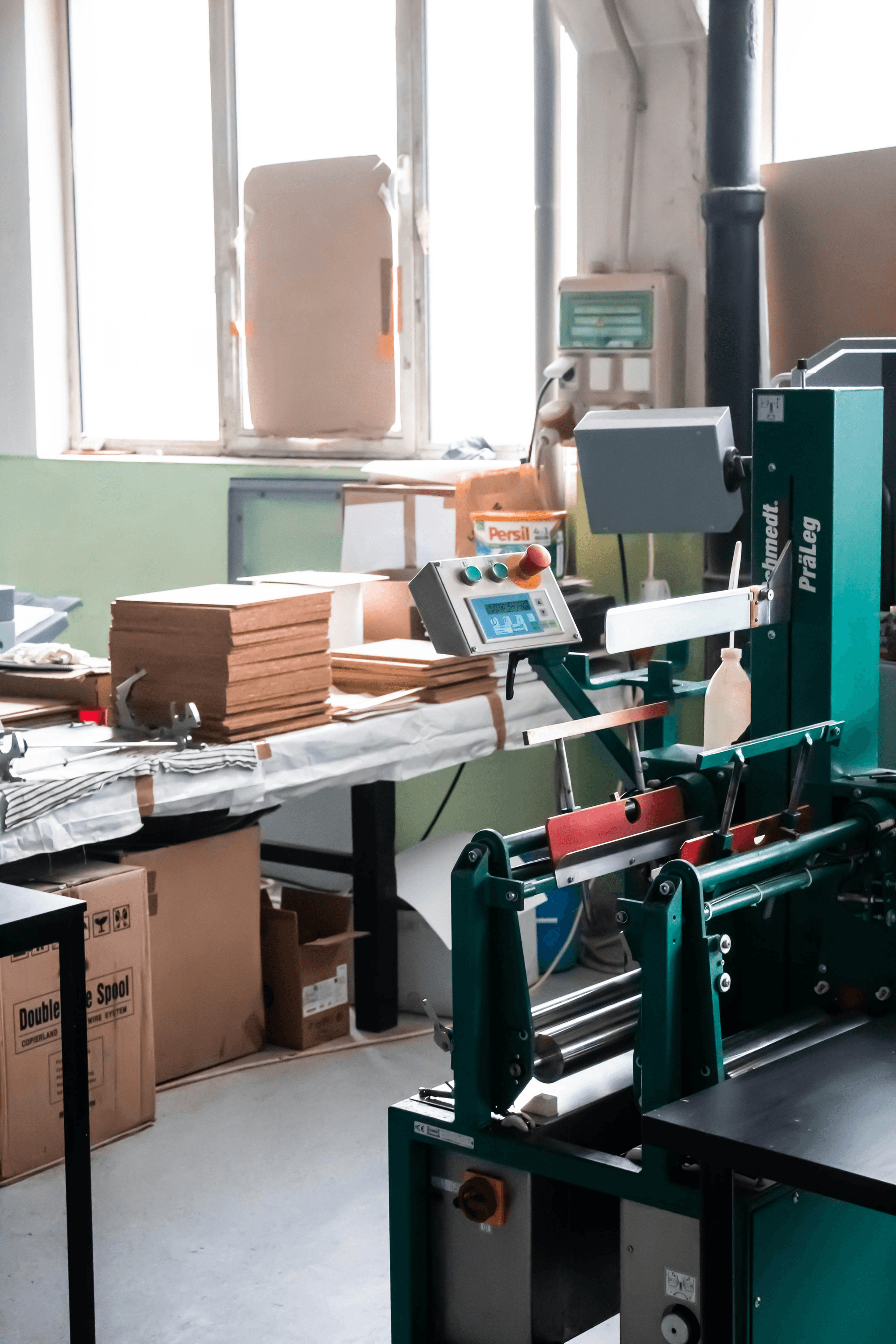
When it comes to packaging, poor inspection planning is like trying to find a needle in a haystack without a magnet. Without standardized procedures in place, teams often rely on guesswork rather than systematic checks, which can lead to missed defects or overlooked leakage detection issues. During packaging inspection, inconsistent methods undermine the effectiveness of visual inspection and automated inspection tools, making it harder to catch subtle damage or contamination.
Insufficient staff training in QC checked processes is another major pitfall that hampers quality assurance efforts. If your team isn’t well-versed in optical inspection techniques or the nuances of leakage detection, they might miss critical cues during visual inspection or rely too heavily on automatic inspection systems that aren’t fully calibrated. Proper training ensures that staff can interpret results accurately and perform thorough inspections every time, reducing errors and saving costs down the line.
Ignoring the importance of regular calibration is like trying to hit a moving target with a blurry sight—your automated inspection systems and optical devices need periodic calibration to stay precise. During packaging inspection, uncalibrated equipment can produce false positives or negatives, especially when performing leakage detection or detailed visual checks. Consistent calibration keeps your QC checked processes sharp and reliable, ensuring every package meets quality standards without unnecessary delays.
Neglecting Regulatory and International Standards
Overlooking industry compliance during packaging inspection can lead to serious repercussions, including legal penalties and damaged brand reputation. Many companies focus solely on the visual inspection of their packaging, neglecting the importance of adhering to international standards that ensure safety and quality. Failing to integrate these standards into your QC checked processes means risking non-compliance, which could invalidate certifications or prevent market entry altogether.
In addition, missed opportunities for certification can be costly in the long run. Certification often requires rigorous testing, including leakage detection and optical inspection, to verify that packaging meets specific regulatory requirements. Without a comprehensive approach combining automated inspection with visual checks, companies might overlook subtle damage or contamination that could compromise product integrity and delay certification approval.
Finally, underestimating the role of quality inspection in regulatory compliance can jeopardize your entire supply chain. Proper visual inspection combined with advanced leakage detection tools ensures that every package aligns with industry standards. Investing in robust inspection methods not only helps meet current regulations but also prepares your brand for future international market expansion where strict compliance is non-negotiable.
Ignoring the Value of Comprehensive Inspection
Focusing only on surface-level checks during packaging inspection is like judging a book by its cover—you're missing the story beneath. Visual inspection is crucial, but relying solely on what meets the eye can overlook subtle flaws that might compromise product integrity or safety. Incorporating both visual and automated inspection methods ensures no defect slips through, especially when it comes to leakage detection or identifying contamination that isn't immediately visible.
Neglecting to combine visual inspection with advanced optical inspection systems leaves a blind spot in your quality control process. Automated inspection offers precision and consistency, catching defects that might escape manual checks, such as tiny cracks or misalignments. When you fail to leverage these technologies together, you risk missing cumulative defects in packaging that could lead to recalls or unhappy customers down the line.
Many companies make the mistake of ignoring comprehensive inspection because they think a quick visual check suffices. But during packaging inspection, subtle damage—like micro-tears or minor contamination—can be easily overlooked without proper tools. To achieve true QC checked excellence, integrating optical inspection and automated systems for leakage detection is essential; otherwise, you're leaving your product's reputation vulnerable.
Collaborating with China Inspection Pro
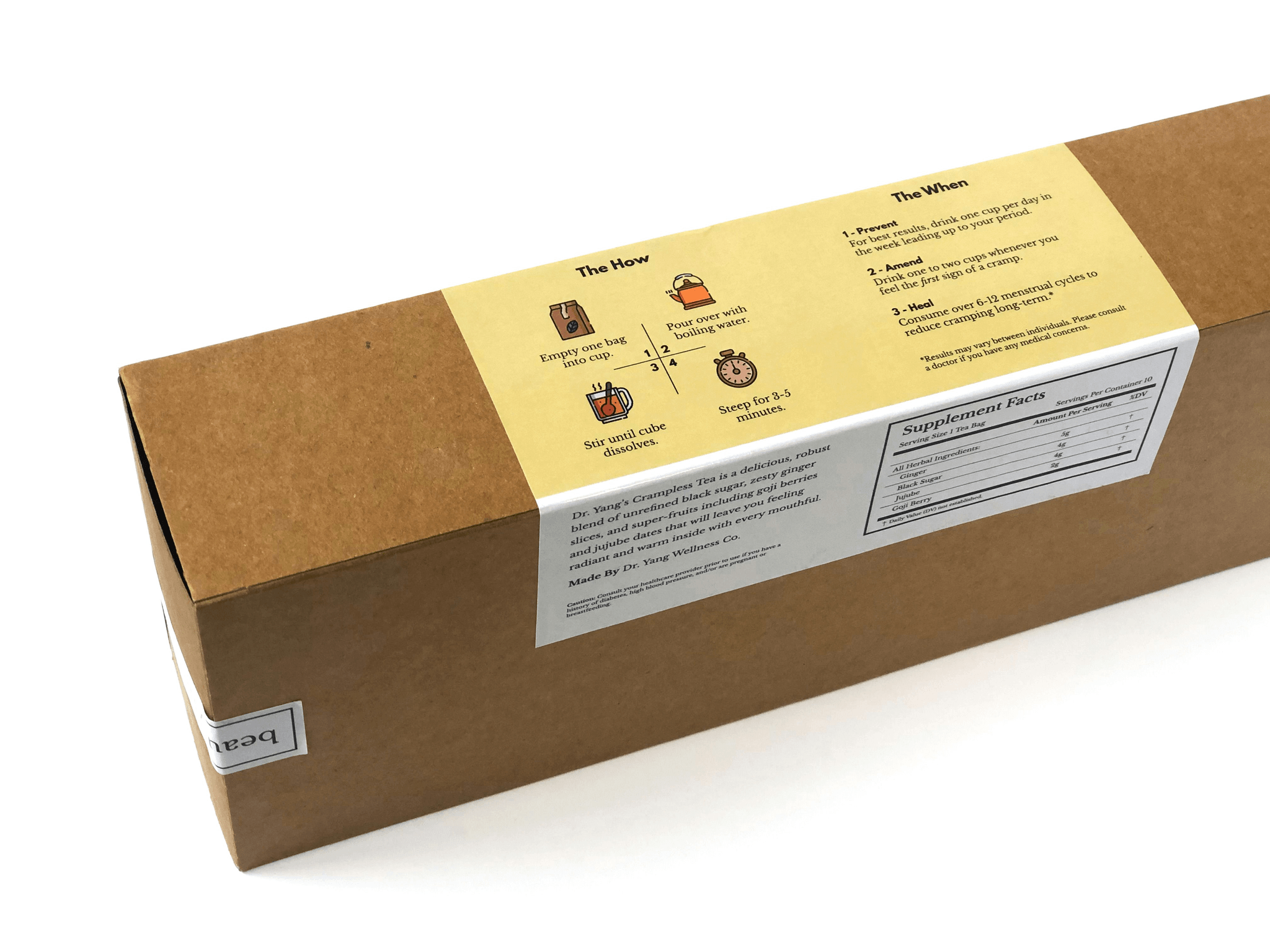
Partnering with China Inspection Pro transforms the often daunting task of packaging inspection into a streamlined, reliable process. Their team leverages years of experience to provide expert inspection services that significantly improve the quality of your packaging. By integrating their insights, you can catch leaks early, spot subtle defects, and ensure your products meet the highest standards during packaging inspection.
Leveraging Expert Inspection Services for Better Outcomes
When it comes to leakage detection and visual inspection, relying solely on in-house checks can leave gaps—especially if staff are overburdened or undertrained. China Inspection Pro offers specialized QC checked services that utilize advanced optical inspection systems and automated inspection tools to identify even the most elusive defects. Their expert team ensures every detail is scrutinized during packaging inspection, reducing risks associated with overlooked damage or contamination and boosting customer confidence in your brand.
Implementing Best Practices in Leakage Detection and Visual Inspection
To maximize quality during packaging inspection, adopting best practices is essential—particularly in leakage detection and visual checks. China Inspection Pro emphasizes combining automated inspection processes with thorough visual inspections to catch issues like micro-leaks or surface imperfections that might slip through manual checks alone. This comprehensive approach ensures that no defect goes unnoticed, leading to higher product integrity and fewer returns or complaints down the line.
Continuous Improvement through Feedback and Actionable Insights
One of the greatest benefits of working with China Inspection Pro is their focus on continuous improvement fueled by detailed feedback from each inspection cycle. They utilize data gathered during optical inspection and automatic inspection processes to identify recurring issues or trends needing attention. This proactive approach helps you refine your quality control procedures over time—whether it's enhancing leakage detection methods or updating QC checked protocols—keeping your packaging at peak performance while maintaining compliance with industry standards.
Conclusion

Ensuring quality inspection success with proper strategies is the cornerstone of maintaining your brand’s reputation and customer trust. During packaging inspection, implementing a comprehensive approach that combines visual inspection, optical inspection, and automated inspection methods can dramatically reduce errors and overlooked defects. Investing in robust leakage detection tools and regular calibration ensures your QC checked processes are reliable, making your packaging not only visually appealing but also functionally sound.
Moving beyond common mistakes involves recognizing that relying solely on manual checks or ignoring the importance of advanced technology can lead to costly oversights. During packaging inspection, integrating automatic inspection systems alongside visual checks allows for a more thorough evaluation—spotting subtle damage or contamination that might slip past the human eye. When you adopt a proactive stance on quality control, you’re better positioned to catch cumulative defects early, ensuring every package meets your high standards.
Why professional inspection services are a game changer cannot be overstated. They bring expertise in leakage detection and optical inspection techniques that go beyond basic surface-level checks. During packaging inspection, partnering with specialists guarantees a detailed assessment of every aspect—from surface finish to internal integrity—saving time and reducing costly recalls down the line. Their insights help refine your processes continuously, elevating your packaging game from good to exceptional.