
Introduction
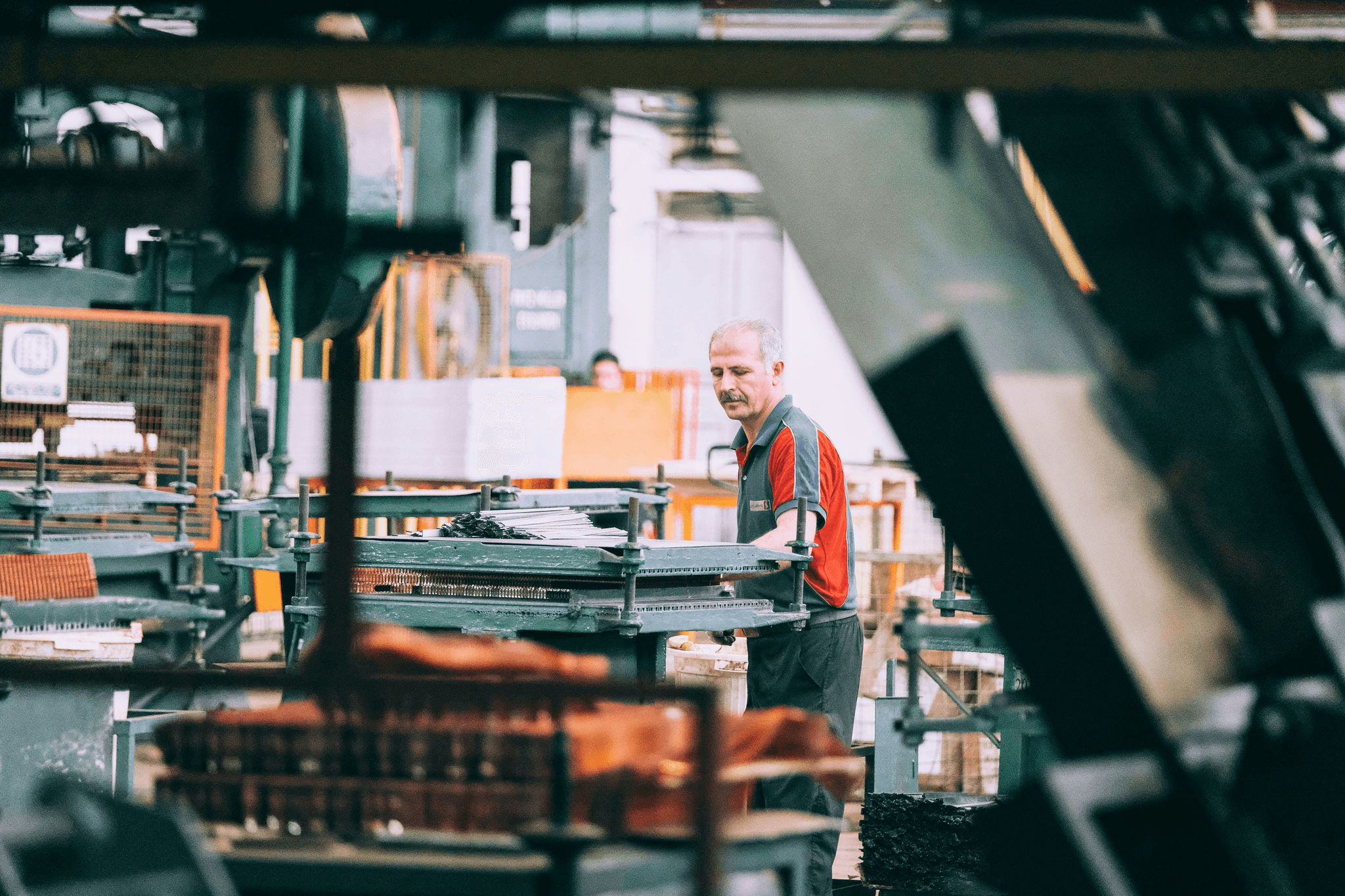
In today's competitive marketplace, ensuring that products meet the highest standards is crucial for success. A Factory Inspection serves as a vital checkpoint in this process, helping businesses maintain quality and compliance. Understanding the nuances of what a factory inspection entails can empower companies to make informed decisions about their manufacturing processes.
Understanding Factory Inspections
Factory inspections are systematic evaluations conducted to assess compliance with safety, quality, and operational standards within manufacturing facilities. These inspections can vary widely depending on industry requirements, but they generally focus on identifying potential issues before they escalate into costly problems or safety hazards. By grasping the fundamental aspects of what is a factory inspection, businesses can better appreciate its role in enhancing overall operational efficiency.
Key Reasons for Factory Inspections
The importance of factory inspections cannot be overstated; they serve multiple purposes that directly benefit manufacturers and consumers alike. Firstly, they ensure product quality and safety by identifying defects or non-compliance with industry regulations—an essential factor for maintaining customer trust. Additionally, understanding why a factory inspection is important leads companies to recognize its role in risk reduction and regulatory compliance, paving the way for smoother operations.
Overview of the Inspection Process
The inspection process typically unfolds in several key stages designed to ensure thorough evaluation and reporting of findings. Preparation for the inspection involves gathering necessary documentation and defining objectives clearly to streamline operations on-site. Once the actual inspection takes place, it encompasses various procedures aimed at identifying areas needing improvement while also fostering transparency through detailed reporting and follow-up actions.
What Is a Factory Inspection?
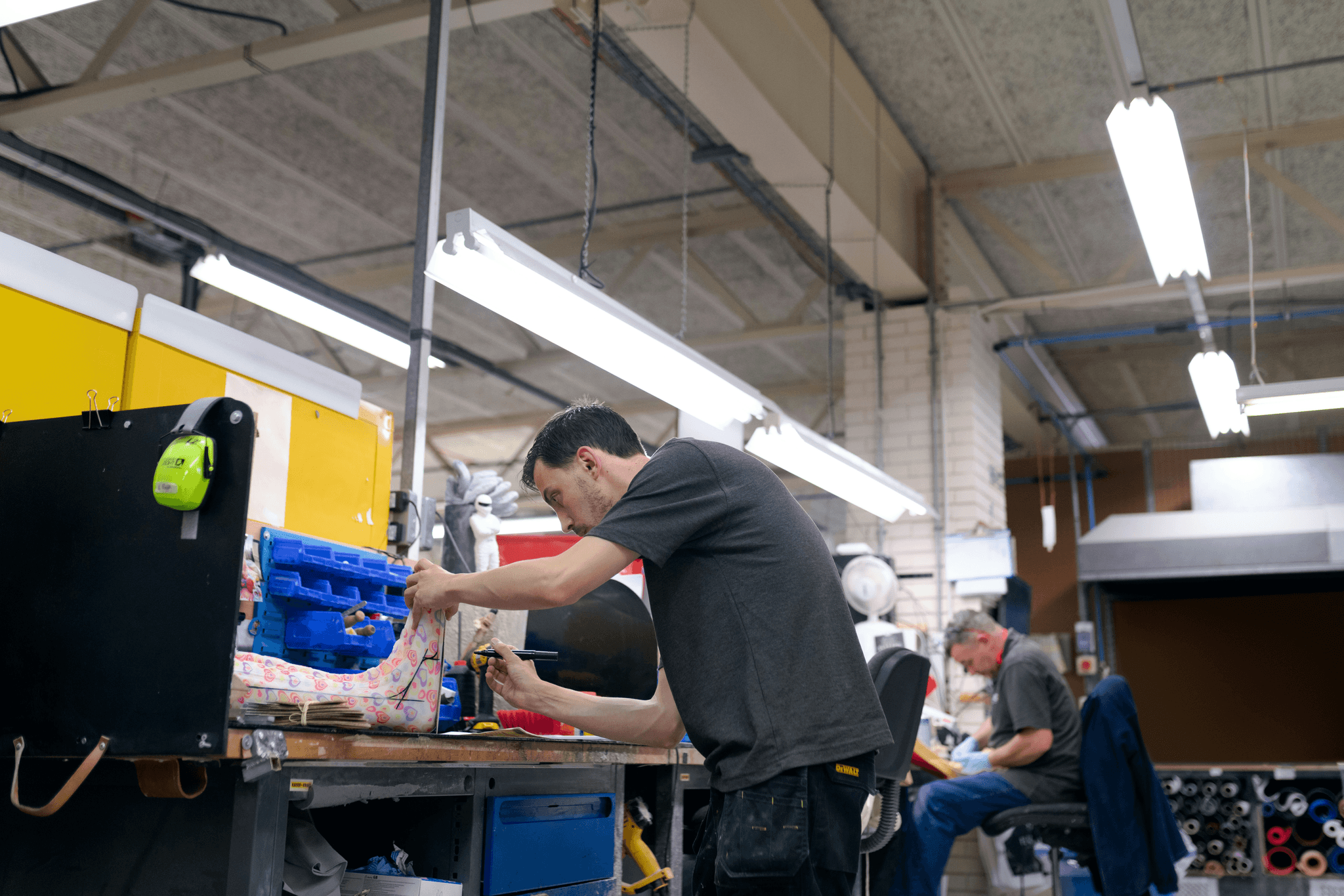
Factory inspections are a vital part of ensuring that manufacturing processes meet established standards and regulations. They involve a systematic examination of factory operations, equipment, and products to verify compliance with safety, quality, and environmental guidelines. Understanding what constitutes a factory inspection helps stakeholders appreciate its significance in maintaining industry integrity.
Defining Factory Inspections
A factory inspection is essentially an evaluation conducted to assess various aspects of a manufacturing facility. This includes checking production methods, employee safety practices, and adherence to regulatory requirements. By defining factory inspections clearly, businesses can better understand their necessity in promoting operational excellence.
Types of Inspections in Factories
There are several types of inspections that can occur within factories, each serving different purposes. For instance, pre-production inspections ensure that materials meet specifications before manufacturing begins, while during-production inspections monitor quality at various stages of the production process. Finally, post-production inspections confirm that finished goods comply with quality standards before they reach consumers.
Common Industries Requiring Inspections
Factory inspections are crucial across numerous industries but are particularly prevalent in sectors like textiles, electronics, food processing, and pharmaceuticals. These industries often face stringent regulations due to the potential risks associated with their products; thus regular inspections help mitigate these risks effectively. By understanding which industries require frequent factory inspections, businesses can align their compliance strategies accordingly.
Why Is a Factory Inspection Important?
They are not just a bureaucratic hurdle; they are essential for maintaining standards that protect consumers and businesses alike. Understanding why a Factory Inspection is important can help stakeholders recognize its value in the production process.
Ensuring Product Quality and Safety
One of the primary reasons for conducting a Factory Inspection is to ensure product quality and safety. This process helps identify any potential defects or issues before products reach the market, safeguarding consumers from faulty goods. Moreover, rigorous inspections contribute to maintaining compliance with industry standards, thereby reducing the likelihood of costly recalls or legal ramifications.
In industries where safety is paramount, such as food production or pharmaceuticals, ensuring product quality through inspections is non-negotiable. A thorough Factory Inspection not only protects end-users but also enhances the manufacturer's reputation by demonstrating commitment to high-quality standards. Consequently, investing in regular inspections can lead to significant long-term benefits for both manufacturers and their customers.
Reducing Risks and Improving Compliance
Factory Inspections serve as an effective means of risk management by identifying potential hazards before they escalate into serious problems. By evaluating processes, equipment, and working conditions during these inspections, companies can make informed decisions about necessary improvements or modifications. This proactive approach not only minimizes risks but also reinforces compliance with local regulations and international standards.
Furthermore, an efficient inspection process helps organizations avoid fines or penalties associated with non-compliance issues. The peace of mind gained from knowing that your factory meets all requirements allows you to focus on growing your business rather than worrying about regulatory surprises down the line. Ultimately, reducing risks through regular Factory Inspections is a smart investment that pays off in terms of operational efficiency and brand integrity.
Building Trust with Clients and Stakeholders
Trust is an invaluable currency in business relationships, particularly when it comes to manufacturing partnerships. Conducting regular Factory Inspections demonstrates transparency and accountability to clients and stakeholders alike. By showcasing adherence to quality standards during these inspections, companies build credibility that fosters long-lasting relationships.
Moreover, clients are more likely to choose suppliers who prioritize safety and quality assurance through consistent inspection practices. This competitive edge can lead to increased sales opportunities while also reinforcing brand loyalty among existing customers who appreciate your commitment to excellence in every aspect of production. In essence, prioritizing Factory Inspections cultivates trust that translates into tangible business growth over time.
What are the Main Steps of the Factory Inspection Process?
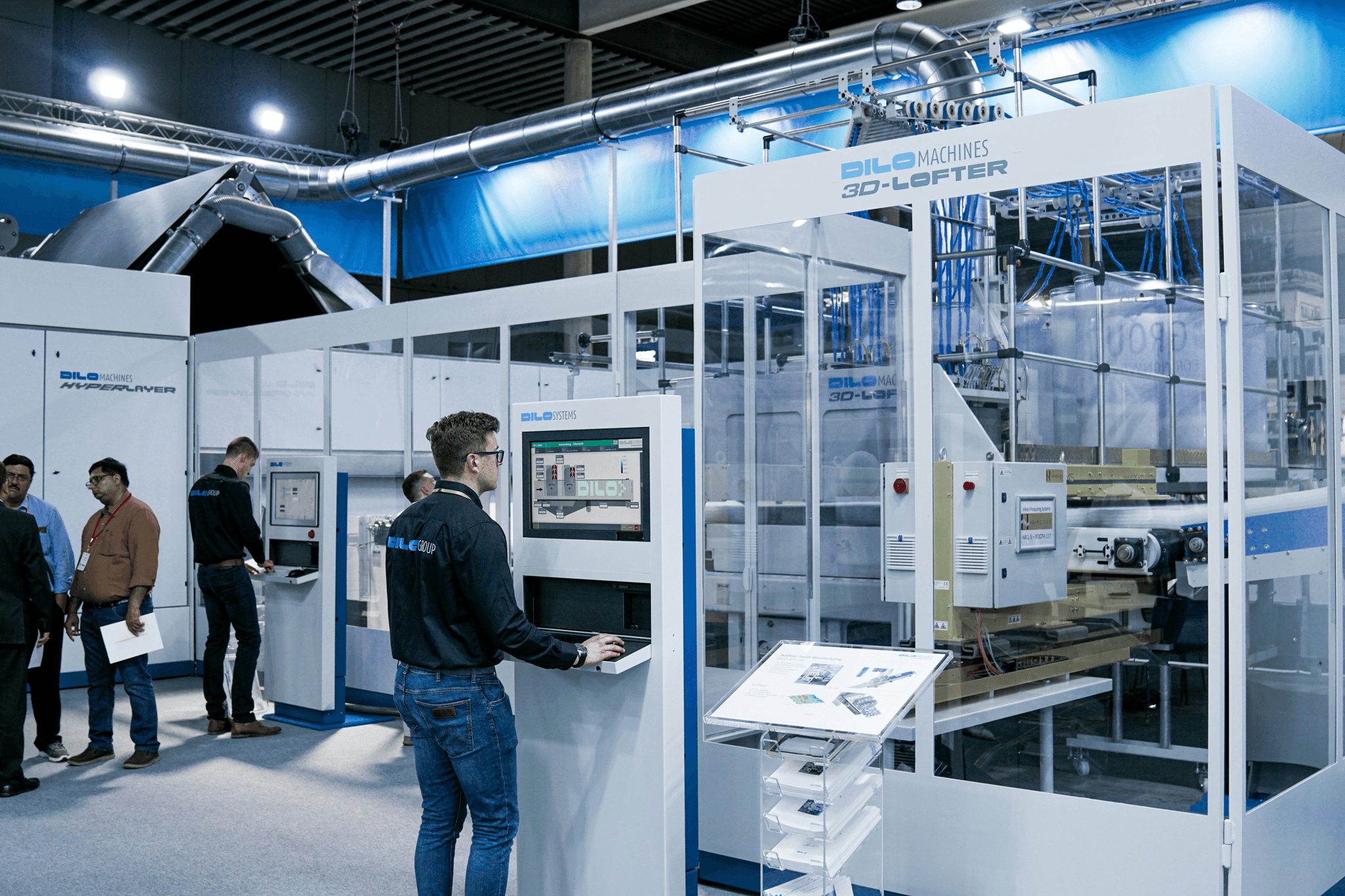
Factory inspections are critical to ensuring compliance, quality, and safety in production environments. Understanding what these inspections entail can help stakeholders navigate the complexities involved. The main steps of the factory inspection process include preparation for the inspection, on-site procedures, and reporting with follow-up actions.
Preparation for the Inspection
Preparation is a crucial step in any factory inspection process. This phase involves gathering necessary documentation, such as previous inspection reports, compliance certificates, and production records to ensure all relevant information is available. Additionally, it’s wise to communicate with factory management to set expectations and clarify any specific areas of concern that may need special attention during the inspection.
Before diving into a factory inspection, it's also essential to review industry standards and regulations applicable to that specific sector. This ensures inspectors know what benchmarks must be met during their evaluation. Proper preparation not only streamlines the process but also sets a positive tone for collaboration between inspectors and factory personnel.
On-Site Inspection Procedures
Once preparations are complete, it’s time for on-site inspection procedures to take center stage in this factory inspection journey. During this phase, inspectors will conduct thorough evaluations of various aspects of the facility—ranging from equipment functionality to employee safety practices and product quality checks. Observations are made through direct observation as well as interviews with workers about their processes and safety measures.
Inspectors typically follow a checklist tailored to specific industry requirements while also allowing room for flexibility based on unique circumstances encountered at each site. This ensures that nothing falls through the cracks during the assessment process—after all, every detail matters when discussing why a factory inspection is important! The outcome of these procedures lays the groundwork for accurate reporting later on.
Reporting and Follow-Up Actions
After completing on-site inspections, it's time for reporting—a pivotal step in clarifying findings from your factory inspection experience! Inspectors compile their observations into detailed reports outlining compliance levels, areas needing improvement, and recommendations tailored specifically for each facility's needs. These reports serve not only as documentation but also as valuable tools for ongoing quality assurance initiatives within factories.
Follow-up actions often involve scheduling additional visits or providing resources aimed at addressing identified issues promptly. Engaging with stakeholders post-inspection helps build trust while ensuring everyone is aligned on necessary improvements moving forward—further emphasizing why a factory inspection is vital in maintaining high standards across industries! By taking these steps seriously, businesses can enhance their operations significantly while fostering stronger relationships with clients.
Which Factors Should You Consider When Choosing a Factory Inspection Services Provider?

Choosing the right factory inspection services provider is crucial for ensuring that your products meet quality and safety standards. A well-chosen partner can make all the difference in maintaining compliance and building trust with clients. Here are some key factors to consider when making your selection.
Reputation and Experience
When it comes to factory inspections, reputation matters more than you might think. An established provider with a solid track record will likely have extensive experience in various industries, which is essential for understanding specific inspection needs. Look for companies that have been around the block, as their longevity often indicates reliability and expertise in conducting thorough factory inspections.
Experience also plays a vital role in the effectiveness of a factory inspection process. A seasoned inspector will know what to look for and how to spot potential issues before they become major problems. Ultimately, choosing a provider with both reputation and experience can save you time, money, and headaches down the line.
Service Offerings and Specializations
Not all factory inspection services are created equal; some specialize in particular industries or types of inspections while others offer a broader range of services. Understanding what is available can help you find a provider that aligns perfectly with your needs. For example, if you’re in electronics manufacturing, you might want someone who specializes specifically in electrical safety inspections.
Additionally, consider whether they offer supplementary services like pre-production checks or final random inspections—these can provide added layers of assurance during the production process. The more tailored their offerings are to your industry’s requirements, the better equipped they’ll be to handle any unique challenges that arise during factory inspections.
Feedback and Reviews from Clients
In this digital age, feedback is just a click away! Checking reviews from previous clients can give you invaluable insights into what it's really like working with different factory inspection providers. Positive testimonials often highlight effective communication, thoroughness during inspections, and overall satisfaction—qualities that are essential when choosing a partner for your quality assurance efforts.
Conversely, red flags such as repeated complaints about poor service or lack of follow-through should not be overlooked; these could indicate deeper issues within the company’s operational practices related to factory inspections. By thoroughly vetting client feedback and reviews, you'll be better positioned to make an informed decision about which provider meets your expectations for quality assurance.
Choosing China Inspection Pro for Your Needs

When it comes to selecting a factory inspection services provider, China Inspection Pro stands out as a top choice. Their extensive experience and expertise in diverse industries make them a reliable partner for ensuring quality and compliance. By choosing this provider, you can rest assured that your factory inspections will be handled with utmost professionalism and care.
Expertise in Diverse Industries
China Inspection Pro boasts expertise across various sectors, from textiles to electronics and beyond. This breadth of knowledge allows them to understand the unique challenges and standards associated with each industry, making their factory inspections tailored and effective. Whether you're asking “What Is a Factory Inspection?” or seeking specific insights into your sector, their team is equipped to deliver precise evaluations that meet industry standards.
Commitment to Quality and Detail
One of the key reasons why factory inspections are crucial is the assurance of product quality and safety, something that China Inspection Pro takes seriously. Their commitment to quality means that every inspection is thorough, focusing on minute details that can make all the difference in compliance and customer satisfaction. When you ask “Why Is a Factory Inspection Important?”, remember that with China Inspection Pro’s meticulous approach, you’re not just getting an inspection; you’re investing in peace of mind.
Customized Inspection Solutions
Understanding that no two factories are alike, China Inspection Pro offers customized inspection solutions tailored specifically to your needs. They recognize the importance of flexibility in the factory inspection process, adapting their methods based on your unique requirements and goals. If you're pondering “What are the Main Steps of the Factory Inspection Process?”, you'll find that their personalized approach ensures each step is aligned with your expectations for quality assurance.
Conclusion
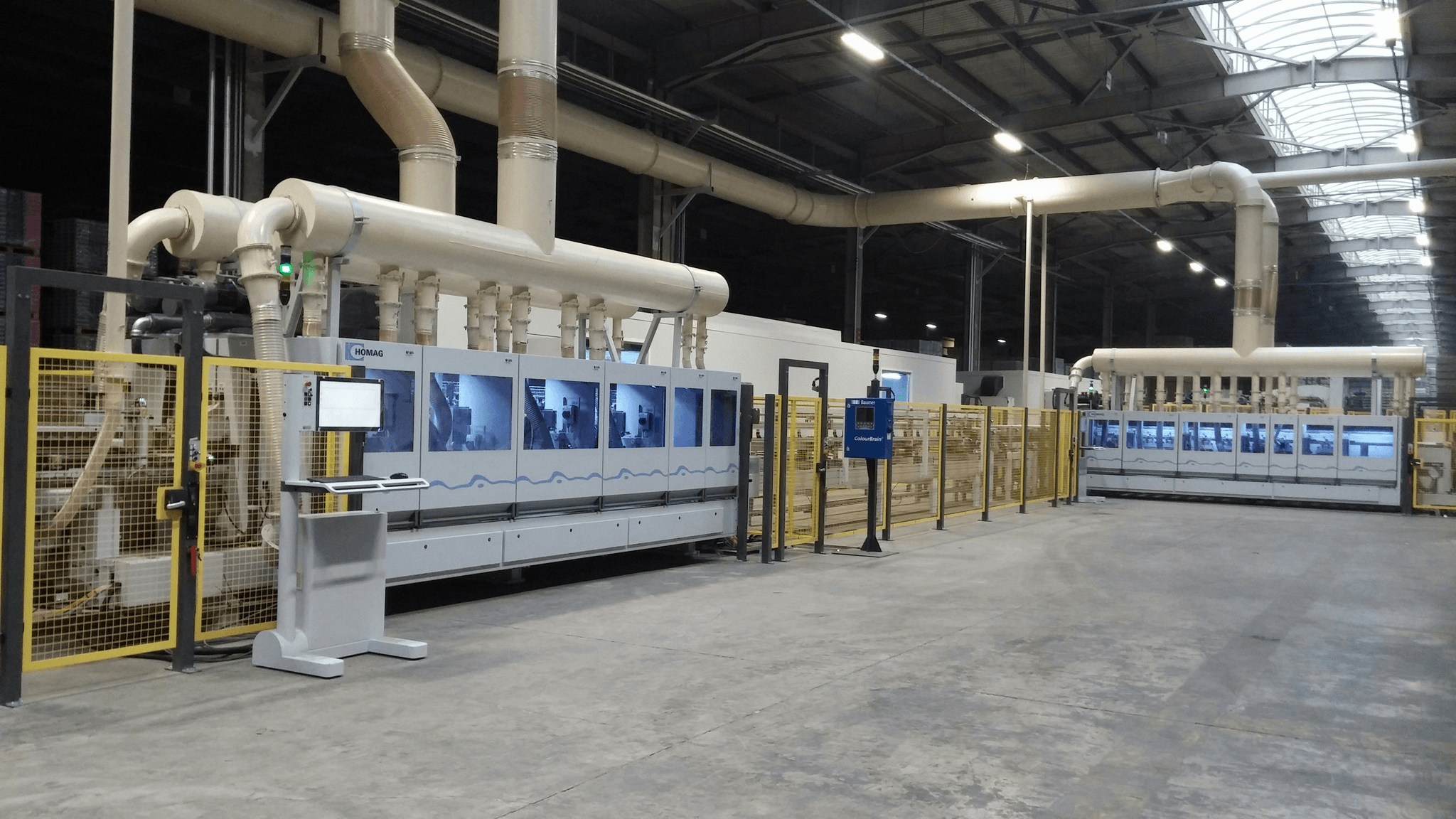
In wrapping up our exploration of factory inspections, it’s clear that these assessments play a pivotal role in maintaining industry standards and ensuring product integrity. A comprehensive understanding of what is a factory inspection reveals its significance not only in identifying potential issues but also in fostering trust with consumers and stakeholders alike. The importance of routine inspections cannot be overstated; they are essential for safeguarding quality and compliance across various sectors.
Summarizing the Importance of Inspections
When we ask, Why is a factory inspection important? the answers are manifold. First and foremost, these inspections serve as a critical checkpoint for product quality and safety, helping to mitigate risks before they escalate into larger problems. Additionally, regular inspections enhance compliance with industry regulations, which ultimately reinforces consumer confidence in the products being manufactured.
Making Informed Choices for Service Providers
Choosing the right factory inspection services provider can feel like navigating a maze, but it doesn’t have to be overwhelming if you know what to look for. When considering which factors should you consider when choosing a factory inspection services provider, prioritize their reputation and experience in the field—these indicators often correlate with reliable service delivery. Furthermore, seeking feedback and reviews from previous clients can provide invaluable insights into the effectiveness of their offerings.
Ensuring Long-Term Quality and Compliance
To ensure long-term quality and compliance, businesses must commit to ongoing factory inspections as part of their operational strategy. Understanding what are the main steps of the factory inspection process helps organizations integrate these evaluations seamlessly into their workflow. By prioritizing thorough inspections and selecting reputable providers, companies can maintain high standards that resonate throughout their supply chains.