
Introduction
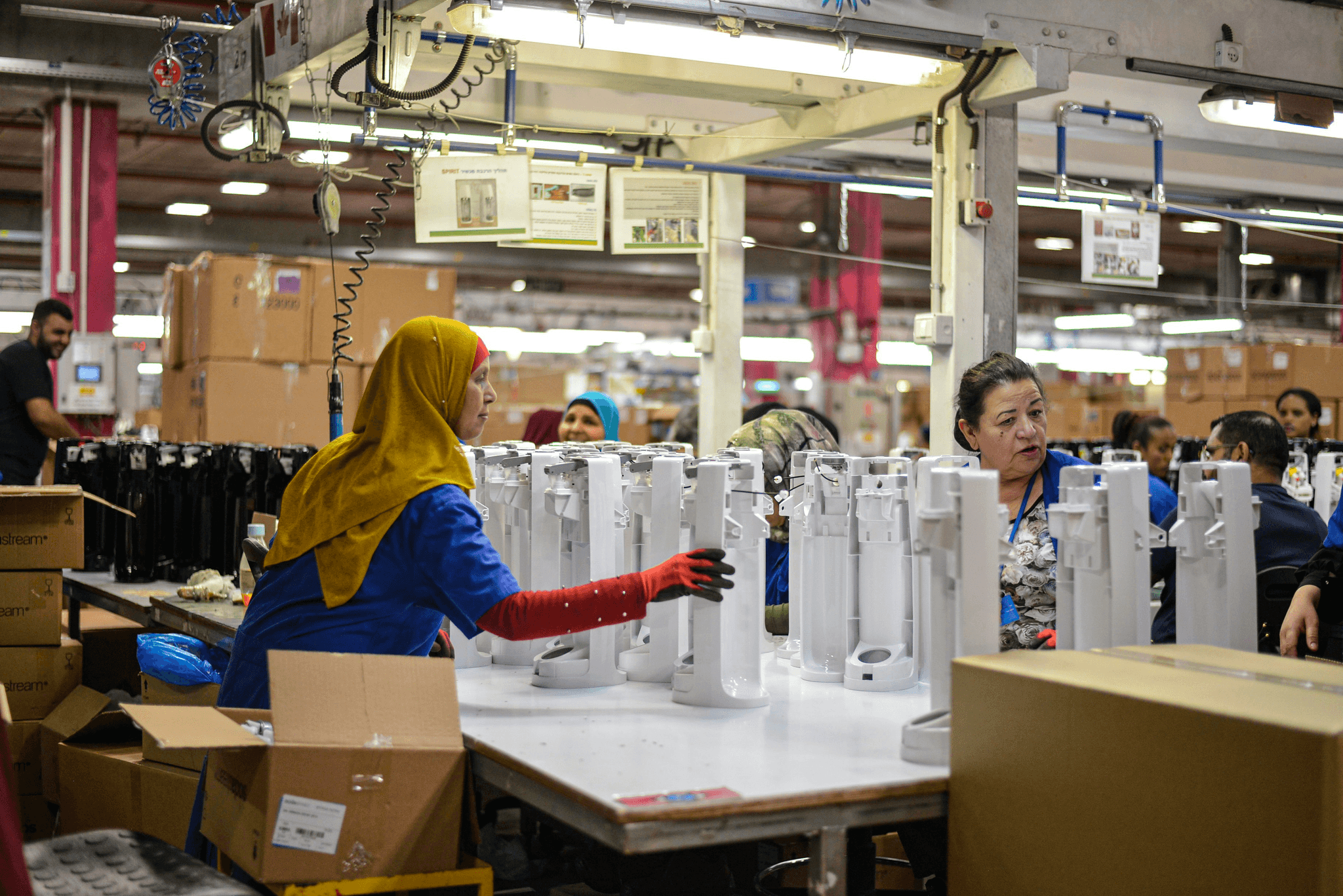
In the dynamic landscape of global trade, understanding product quality in China is crucial for businesses looking to thrive. The country's manufacturing prowess has made it a go-to source for countless products, but navigating the complexities of quality assurance can be daunting. As companies grapple with price competition and fluctuating costs of raw materials, they must also consider how these factors influence their overall strategy.
Understanding Product Quality in China
Product quality in China has become a double-edged sword; while the country is known for its vast production capabilities, issues related to consistency and standards often arise. Manufacturers vary widely in their adherence to quality benchmarks, leading to challenges for international buyers who expect reliable outcomes. Ensuring product quality in China necessitates a thorough understanding of local practices and standards, as well as effective communication and oversight.
The Impact of Price Competition
Price competition significantly shapes the landscape of manufacturing in China, often leading to compromises on product quality. Companies under pressure to lower prices may opt for cheaper materials or cut corners in production processes, ultimately affecting the final output. This relentless pursuit of cost reduction can create a vicious cycle where maintaining acceptable product quality becomes increasingly challenging amidst fierce competition.
Navigating Cost of Raw Materials
The cost of raw materials plays a pivotal role in determining both price and product quality in China’s manufacturing sector. As global demand fluctuates and supply chains face disruptions, manufacturers must adapt quickly to changing material costs while striving to maintain their competitive edge. Navigating these costs effectively requires strategic planning and an awareness of market trends that impact both pricing strategies and overall product integrity.
The Role of Quality Control
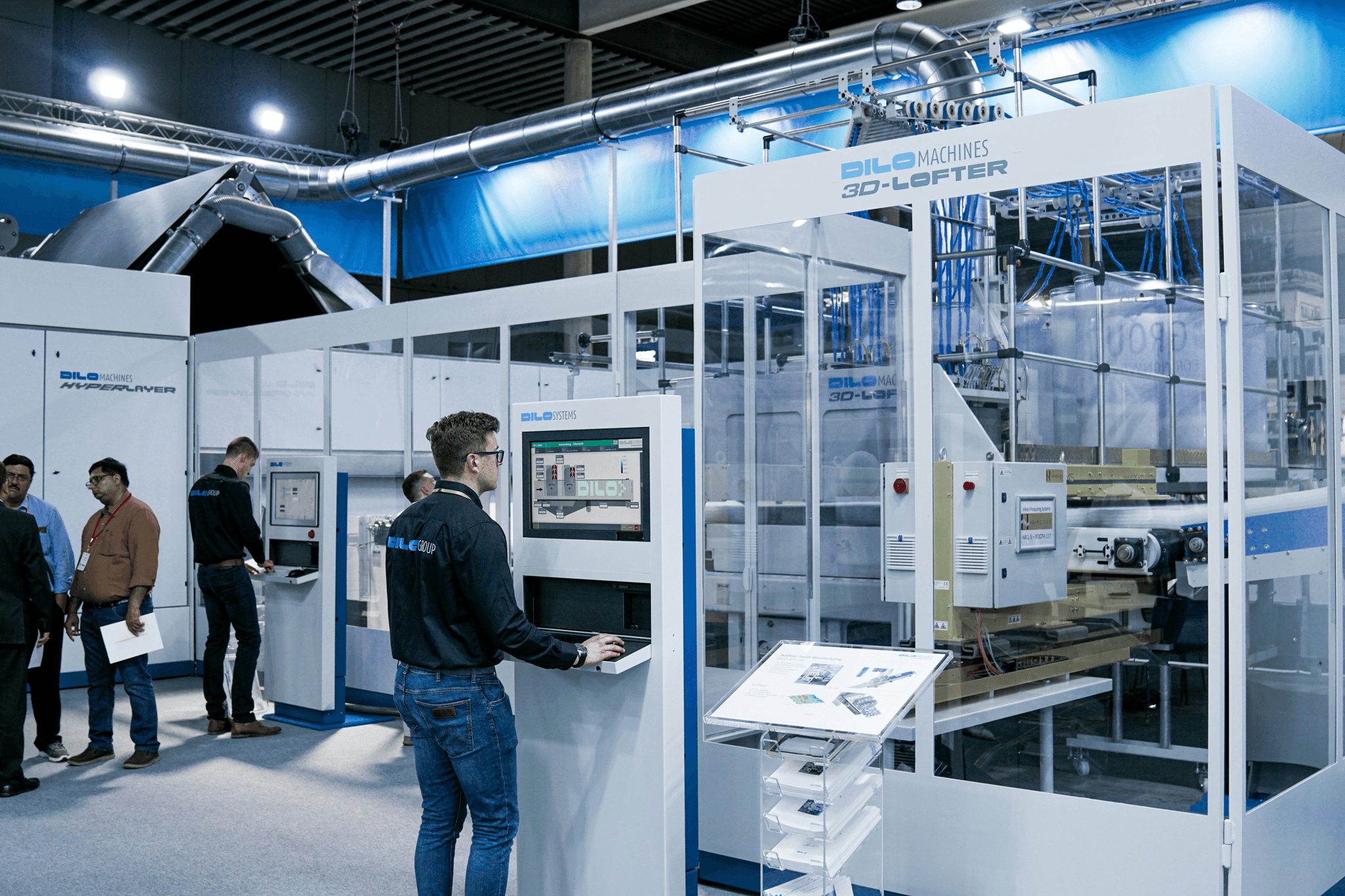
In the competitive landscape of manufacturing, particularly in China, maintaining high product quality is paramount. Quality control serves as a critical backbone for ensuring that products not only meet international standards but also satisfy consumer expectations. As companies navigate the complexities of price competition and fluctuating costs of raw materials, robust quality control processes become even more essential.
Importance of Inspections
Inspections play a vital role in safeguarding product quality in China. They help identify defects early in the production process, preventing costly recalls and enhancing customer satisfaction. Moreover, with increasing price competition, manufacturers must ensure that their products stand out through superior quality; otherwise, they risk losing market share to competitors who may prioritize lower prices over excellence.
How China Inspection Pro Enhances Quality
China Inspection Pro is at the forefront of elevating product quality in China's manufacturing sector. By offering comprehensive inspection services tailored to various industries, they help businesses adhere to stringent quality standards while navigating the challenges posed by fluctuating costs of raw materials. Their expertise not only enhances product reliability but also builds trust with international clients who are increasingly sensitive to issues surrounding RMB appreciation and its impact on pricing strategies.
Balancing Standards with Production Speed
In an era where speed often trumps all else, striking a balance between maintaining high-quality standards and achieving rapid production is crucial for manufacturers in China. While it’s tempting to cut corners during peak demand periods, compromising on inspections can lead to significant long-term repercussions for product quality and brand reputation. Companies must develop efficient workflows that integrate rigorous inspections without slowing down production lines—after all, navigating price competition effectively requires more than just speed; it demands consistency and reliability as well.
Price Competition and Its Effects

Price competition in the global marketplace is a double-edged sword, particularly in China, where businesses constantly strive to balance affordability with quality. As companies navigate the cost of raw materials and the pressures of price competition, they must also consider how these factors affect product quality in China. The interplay between pricing strategies and product excellence can ultimately determine a company's success or failure.
Strategies for Competing on Price
To thrive amid fierce price competition, companies often deploy several strategies aimed at optimizing their cost structures while maintaining product quality in China. One common approach is leveraging economies of scale; by increasing production volumes, businesses can reduce per-unit costs without sacrificing quality significantly. Additionally, establishing strong relationships with suppliers can lead to better prices for raw materials, allowing companies to pass savings onto consumers while still upholding standards.
Another effective strategy involves adopting lean manufacturing principles that minimize waste and enhance efficiency. This not only helps reduce costs but also ensures that resources are allocated effectively to maintain product quality in China. Finally, innovation plays a crucial role; by developing unique features or improving existing products without significantly raising prices, companies can differentiate themselves from competitors focused solely on cost-cutting.
Balancing Cost and Quality
Striking the right balance between cost and quality is essential for businesses operating within China's competitive landscape. While lower prices may attract customers initially, compromising on product quality can lead to long-term brand damage and customer dissatisfaction. Therefore, organizations must assess where they can cut costs—be it through sourcing cheaper raw materials or streamlining operations—without sacrificing the integrity of their offerings.
Moreover, investing in robust quality control processes is key to ensuring that even competitively priced products meet consumer expectations for durability and performance. Companies should regularly analyze feedback from customers regarding product performance to maintain high standards while navigating fluctuations in the cost of raw materials due to market trends or RMB appreciation. This proactive approach not only enhances customer satisfaction but also fosters loyalty amidst intense price competition.
Case Study: Xiaomi's Approach
Xiaomi stands out as a prime example of successfully navigating price competition while maintaining impressive product quality in China. The company has adopted an innovative business model that focuses on online sales and minimal marketing expenses, allowing it to offer high-quality smartphones at competitive prices without compromising features or performance. By prioritizing direct-to-consumer sales channels, Xiaomi has effectively reduced overhead costs associated with traditional retail.
Additionally, Xiaomi invests heavily in research and development (R&D), ensuring its products are continually improved based on user feedback—a strategy that reinforces both customer loyalty and brand reputation despite price pressures from competitors. Their ability to balance low-cost production with superior technology showcases how companies can thrive under intense price competition while still delivering exceptional product quality in China.
The Influence of RMB Appreciation
The appreciation of the Renminbi (RMB) significantly impacts pricing strategies for companies operating in China. As the currency strengthens, the cost of imported goods can decrease, but this also complicates the landscape for local manufacturers who rely on price competition. In this dynamic environment, understanding how RMB fluctuations affect product quality in China is crucial for businesses aiming to maintain their competitive edge.
How Currency Fluctuations Affect Pricing
Currency fluctuations play a pivotal role in determining pricing strategies across various sectors, especially in a manufacturing powerhouse like China. When the RMB appreciates, it can lead to lower costs for imported raw materials, which might enhance product quality in China by allowing manufacturers to use higher-grade inputs without significantly increasing prices. However, this also means that local manufacturers may find themselves squeezed between rising production costs and pressure from price competition, as consumers expect lower prices despite fluctuating currency values.
Impact on Importers vs. Local Manufacturers
The effects of RMB appreciation vary greatly between importers and local manufacturers. Importers benefit from a stronger RMB as it reduces their costs when sourcing products from abroad, potentially allowing them to offer better prices while maintaining or even improving product quality in China. Conversely, local manufacturers may struggle with increased operational costs if they rely on imported components or raw materials while facing intense price competition that limits their ability to pass those costs onto consumers.
Example: Huawei's International Pricing Strategy
Huawei serves as an excellent case study illustrating how a company navigates the complexities of RMB appreciation within its international pricing strategy. By strategically leveraging its strong domestic market position and managing its production costs effectively, Huawei has been able to maintain competitive pricing despite fluctuations in currency value. This approach not only helps sustain product quality in China but also allows Huawei to compete successfully on a global scale while adapting to ongoing challenges related to price competition and cost management.
Conclusion

In the ever-evolving landscape of manufacturing, Product Quality in China remains a critical focal point for businesses aiming to thrive. Companies must adopt comprehensive strategies that enhance quality while navigating the complexities of price competition and fluctuating costs of raw materials. As we move forward, a balanced approach will be essential for success in this competitive market.
Strategies to Improve Product Quality in China
Improving Product Quality in China requires a multifaceted approach that includes rigorous quality control measures and continuous employee training. Implementing regular inspections throughout the production process can catch defects early and reduce waste, ultimately enhancing overall product standards. Moreover, fostering a culture of quality within organizations empowers employees to take ownership of their work, leading to better outcomes.
Collaboration with reliable suppliers is also crucial; sourcing high-quality raw materials can significantly impact the final product's quality. By investing in long-term relationships with suppliers who prioritize quality over cost, companies can ensure consistency and reliability in their products. Additionally, leveraging technology such as automation and AI can streamline processes while maintaining high standards—proving that innovation is key to elevating Product Quality in China.
Managing Price Competition Effectively
Price competition is an unavoidable reality for manufacturers operating in China's dynamic market landscape. To manage this effectively, businesses must develop pricing strategies that do not compromise on quality while remaining competitive. This often involves analyzing competitors’ pricing structures and understanding consumer expectations to find a sweet spot where value meets affordability.
Moreover, companies should consider adopting lean manufacturing techniques to minimize waste and reduce costs without sacrificing product integrity. By focusing on efficiency throughout the supply chain—from procurement of raw materials to distribution—businesses can navigate price competition more adeptly while still delivering high-quality products. Ultimately, balancing cost with value will enable brands to stand out amidst fierce competition.
Adapting to Currency Changes for Success
The influence of RMB appreciation on international trade cannot be underestimated; it significantly affects pricing strategies for both local manufacturers and importers alike. Companies must remain agile and responsive to currency fluctuations by adjusting their pricing models accordingly—a practice that can safeguard profit margins during times of volatility. Understanding these dynamics will empower businesses to make informed decisions about pricing and sourcing strategies.
For instance, firms like Huawei have successfully navigated this challenge by strategically positioning themselves within various markets while considering currency impacts on their pricing strategy. By employing hedging techniques or diversifying supply chains across different countries, companies can mitigate risks associated with RMB appreciation or depreciation effectively. Ultimately, adapting swiftly to currency changes will be paramount for sustained success in an increasingly globalized economy.