
Introduction
In the fast-paced world of clothing manufacturing, quality is not just a buzzword; it’s the backbone of a brand's reputation and success. With consumers becoming increasingly discerning about what they wear, maintaining high standards in quality production is essential. To avoid quality fade, manufacturers must implement rigorous quality control measures throughout the production process.
The Importance of Quality in Clothing Manufacturing
Quality determines not only customer satisfaction but also brand loyalty and market competitiveness. When brands prioritize quality control, they set themselves apart from competitors who may compromise on materials or craftsmanship for cost savings. Ultimately, investing in quality means investing in long-term success, as customers are more likely to return for products that meet their expectations.
Understanding Quality Fade in Apparel
Quality fade refers to the gradual decline in product standards over time, often unnoticed until it impacts consumer perception and sales. This phenomenon can stem from various factors such as inconsistent manufacturing practices or inadequate oversight during production runs. Recognizing these issues early on is crucial to implementing effective solutions that ensure high-quality output remains consistent.
Key Factors in Quality Control with Chinese Manufacturers
When working with Chinese manufacturers, understanding their approach to quality control is vital for ensuring your products meet international standards. Engaging reputable quality control companies can help bridge any gaps that may exist between your expectations and their capabilities. Additionally, establishing regular quality checks and audits can significantly reduce the risk of experiencing quality fade throughout the manufacturing process.
Understanding Quality Fade

Quality fade is an issue that can undermine the integrity of clothing manufacturing, especially when working with overseas suppliers. As production continues, the quality of materials and workmanship may decline, leading to products that do not meet initial standards or expectations. To avoid quality fade, it’s crucial to understand its nature and address it proactively through effective quality control measures.
What Is Quality Fade?
Quality fade refers to the gradual deterioration in the quality of a product over time or across production batches. This phenomenon can occur due to various factors such as inconsistent manufacturing processes, subpar materials, or lack of stringent quality checks. Recognizing and addressing quality fade is essential for brands aiming to maintain their reputation for high-quality apparel and avoid costly returns or customer dissatisfaction.
Common Causes of Quality Fade
Several factors contribute to quality fade in clothing manufacturing. One major cause is the inconsistency in raw materials; if suppliers change their sources without notifying manufacturers, this can lead to variations that impact overall product quality. Additionally, inadequate training for factory workers on maintaining standards during production can result in lapses in workmanship that compromise the final product's integrity.
Another common culprit is insufficient oversight from quality control companies during the manufacturing process. If regular quality checks are overlooked or inadequately performed, issues may go unnoticed until it's too late—when products reach consumers' hands instead of being caught before shipment. Lastly, pressure on manufacturers to reduce costs often leads them to cut corners on materials or labor practices that ultimately affect product durability and performance.
Examples from the Industry
The apparel industry has seen numerous cases where neglecting quality control led to significant brand damage due to quality fade. For instance, a popular sportswear brand faced backlash after a series of shoes developed defects shortly after purchase—issues traced back to poor material selection and inadequate testing protocols by their overseas manufacturer. Similarly, a high-end fashion label discovered discrepancies in fabric dye lots after launching a new collection; this inconsistency stemmed from insufficient communication between designers and factory teams regarding material specifications.
These examples highlight why implementing robust quality audits and ongoing assessments are vital for avoiding pitfalls associated with quality fade in clothing production. Brands must prioritize establishing strong partnerships with reliable manufacturers who understand the importance of maintaining high standards throughout every stage of production.
The Role of Quality Control in Manufacturing
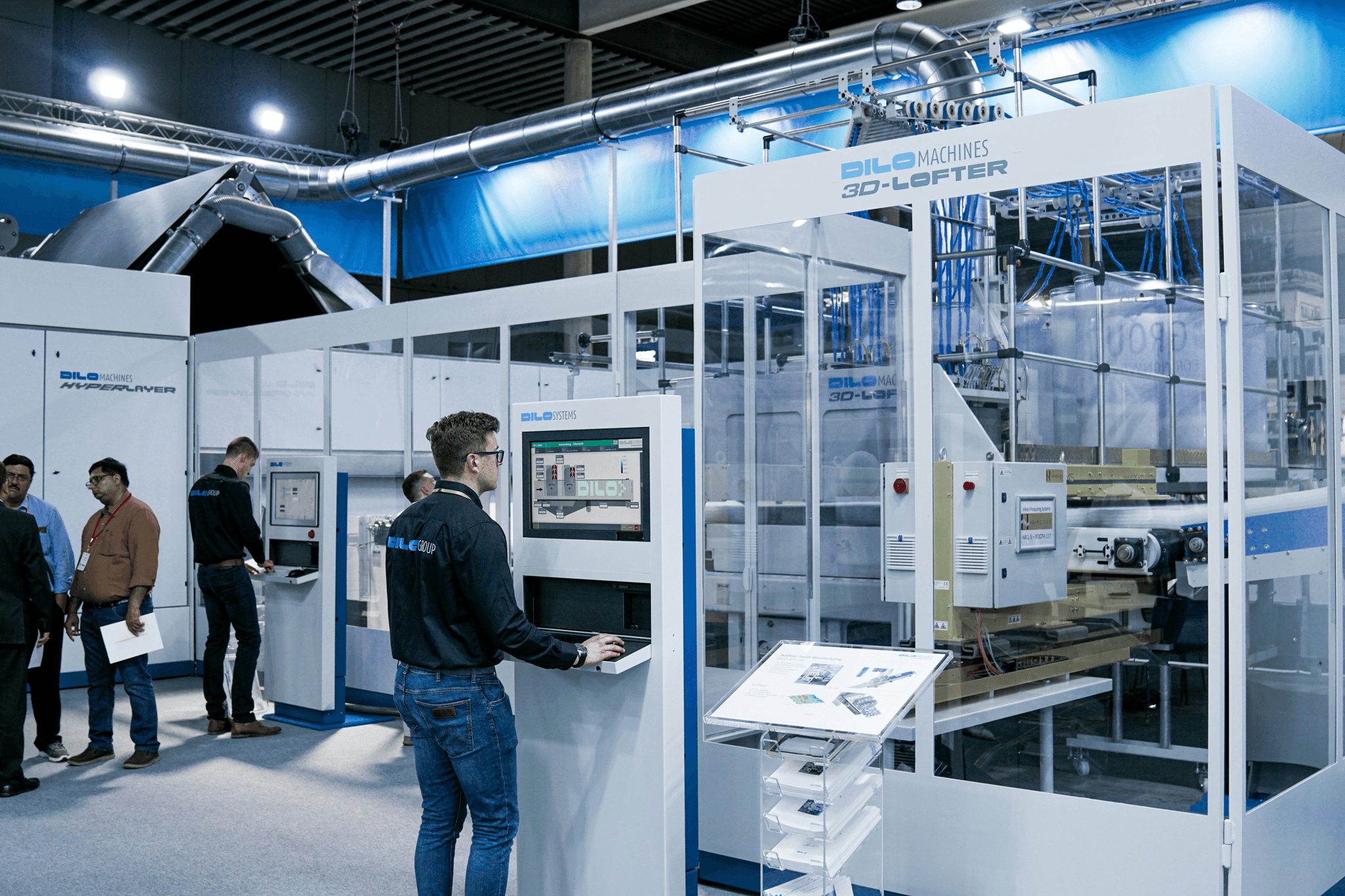
Quality control in manufacturing is not just a checkbox on a to-do list; it’s the backbone of any successful production process. As brands strive to avoid quality fade, the importance of having dedicated quality control companies cannot be overstated. These companies ensure that every piece produced meets standards, thus safeguarding your brand's reputation and customer satisfaction.
Importance of Quality Control Companies
Quality control companies play a crucial role in maintaining high standards throughout the manufacturing process. They specialize in implementing robust quality checks that identify defects before they reach consumers, effectively preventing costly returns and damage to your brand image. By partnering with these experts, businesses can focus on design and marketing while leaving the nitty-gritty details of quality production to those who know it best.
Implementing Quality Checks
Implementing effective quality checks is essential for any manufacturing operation aiming to avoid quality fade. This involves establishing standardized procedures at various stages of production, from raw material inspection to final product evaluation. Regularly scheduled checks help catch issues early, ensuring that each item not only meets but exceeds expectations—because nobody wants a surprise when they open their shipment!
Best Practices for Quality Audits
Quality audits are vital for assessing the effectiveness of your quality control processes and identifying areas for improvement. Best practices include conducting regular audits by third-party inspectors who can provide an unbiased view of your operations and adherence to standards. Additionally, documenting audit results allows manufacturers to track progress over time and implement necessary changes swiftly—making continuous improvement a reality rather than just a goal.
Selecting the Right Manufacturer
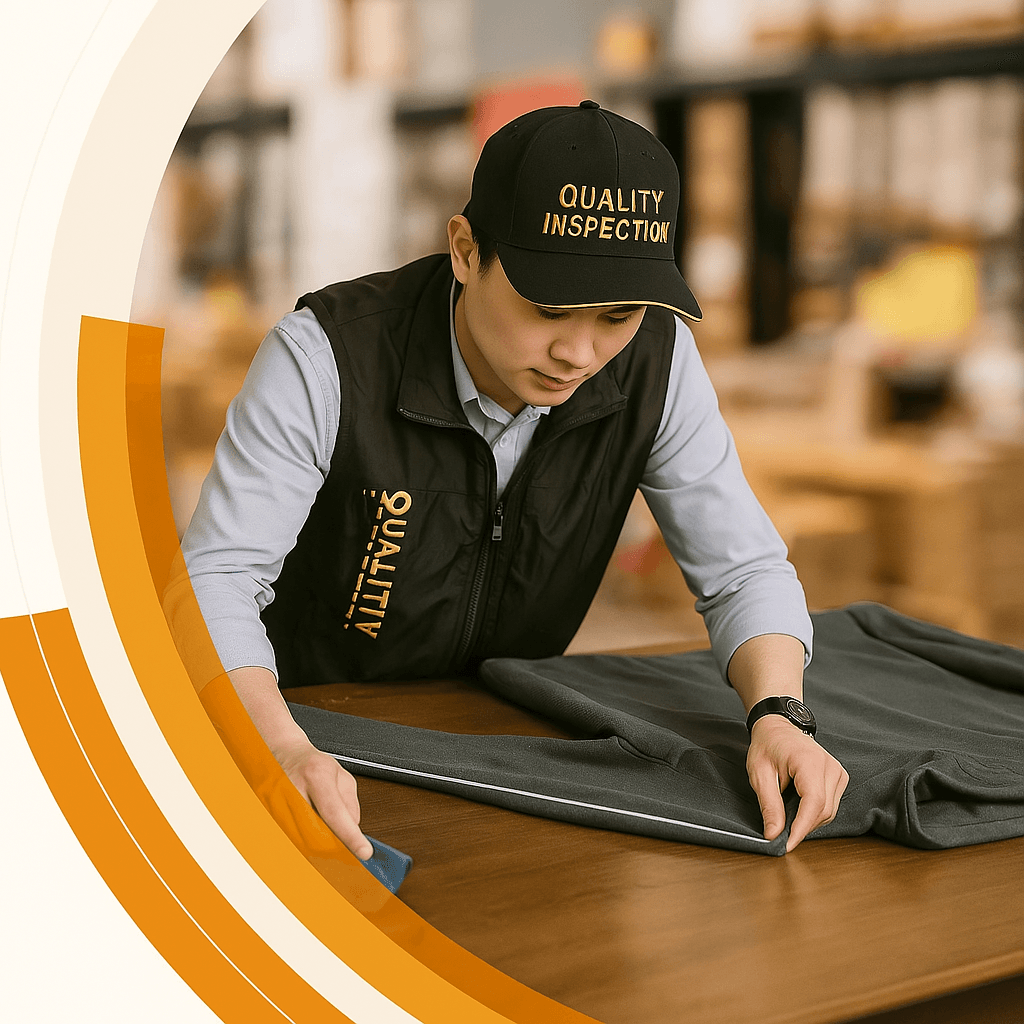
Choosing the right manufacturer is a pivotal step in ensuring quality production and avoiding quality fade in your apparel line. With numerous options available, it’s essential to conduct thorough research and evaluate potential partners carefully. This process not only helps you find manufacturers who prioritize quality control but also sets the foundation for a successful long-term partnership.
Researching Potential Partners
When researching potential manufacturing partners, start by gathering information on their reputation within the industry. Look for reviews, testimonials, and case studies that highlight their track record in maintaining high-quality standards. Additionally, consider reaching out to other businesses that have worked with these manufacturers to gain insights into their experiences regarding quality control practices.
Utilizing online platforms such as trade shows and industry forums can also provide valuable leads on reputable manufacturers. Make sure to compile a shortlist of candidates who demonstrate a commitment to quality production and have robust quality control measures in place. Ultimately, this initial research phase is crucial for avoiding quality fade down the line.
Evaluating Manufacturers’ Quality Control Processes
Once you’ve narrowed down your list of potential partners, it's time to dive deeper into evaluating their quality control processes. Ask about their internal protocols for conducting quality checks throughout the manufacturing process; this will give you insight into how seriously they take quality assurance. A reliable manufacturer should be transparent about their methodology for implementing quality audits at various stages of production.
Look for certifications or standards that indicate adherence to international best practices in quality control in manufacturing—these can serve as reassuring indicators of a manufacturer's commitment to excellence. Pay attention to how they handle defects or issues; effective communication regarding problem resolution can be an excellent sign of a company's dedication to maintaining high-quality products.
Red Flags to Watch For
While evaluating potential manufacturers, it's essential to keep an eye out for red flags that may indicate future issues related to quality fade. One significant warning sign is inconsistent communication; if a manufacturer is difficult to reach or slow in responding, it might reflect poor management practices that could affect product quality over time.
Another red flag is an absence of documented procedures regarding their quality control processes—this lack of transparency may suggest that they do not prioritize systematic checks or audits in their operations. Additionally, if a manufacturer has frequent complaints about product defects or delays from other clients, it's wise to reconsider partnering with them as these issues could directly impact your own brand's reputation.
Effective Communication Strategies

Effective communication is the backbone of successful manufacturing partnerships, especially when navigating the complexities of quality control in manufacturing. To avoid quality fade, it’s essential to establish a solid foundation built on transparency and mutual understanding. This section will explore key strategies for ensuring that both parties are aligned on expectations and processes.
Setting Clear Expectations
Setting clear expectations is vital in any manufacturing relationship to avoid quality fade and ensure consistent product quality. From the onset, it’s crucial to articulate your requirements regarding materials, production timelines, and quality standards. By doing so, you create a framework for your manufacturer to follow, which aids in their quality control processes and minimizes misunderstandings that could lead to costly errors.
Moreover, providing detailed specifications can help manufacturers implement effective quality checks throughout the production cycle. When everyone knows what “quality” looks like from the start, it becomes much easier to maintain standards during each phase of production. This clarity not only streamlines operations but also fosters a culture of accountability among all parties involved.
Consistent Follow-Ups and Updates
Consistent follow-ups and updates are essential elements of maintaining effective communication with your manufacturer. Regular check-ins allow you to monitor progress while reinforcing the importance of adhering to agreed-upon quality control measures. By establishing a rhythm of communication—whether through emails or scheduled calls—you can quickly address any potential issues before they escalate into significant problems.
Additionally, these interactions provide opportunities for you to implement timely quality audits that assess how well the manufacturer is meeting your expectations. If discrepancies arise during these audits, immediate engagement can help rectify them before they result in material losses or delays in delivery schedules. Ultimately, staying connected fosters a proactive approach that significantly reduces the risk of experiencing quality fade.
Building Long-Term Relationships
Building long-term relationships with manufacturers can be one of your best strategies for ensuring ongoing quality production while avoiding potential pitfalls like quality fade. When both parties invest time in developing trust and rapport, it becomes easier to navigate challenges together as partners rather than adversaries. This collaborative spirit encourages open dialogue about improvements in production processes or adjustments needed for better alignment with your brand's standards.
Furthermore, long-term partnerships often lead manufacturers to prioritize your orders since they recognize the value of retaining a committed client over time—this translates into better attention paid towards maintaining high-quality output consistently. As you work together more closely over time, you'll find that both sides become adept at anticipating each other’s needs regarding product specifications and adjustments necessary for optimal performance.
In conclusion, effective communication strategies play an integral role in avoiding quality fade through diligent management of expectations and fostering strong relationships with manufacturers.
Partnering with Quality Inspection Services
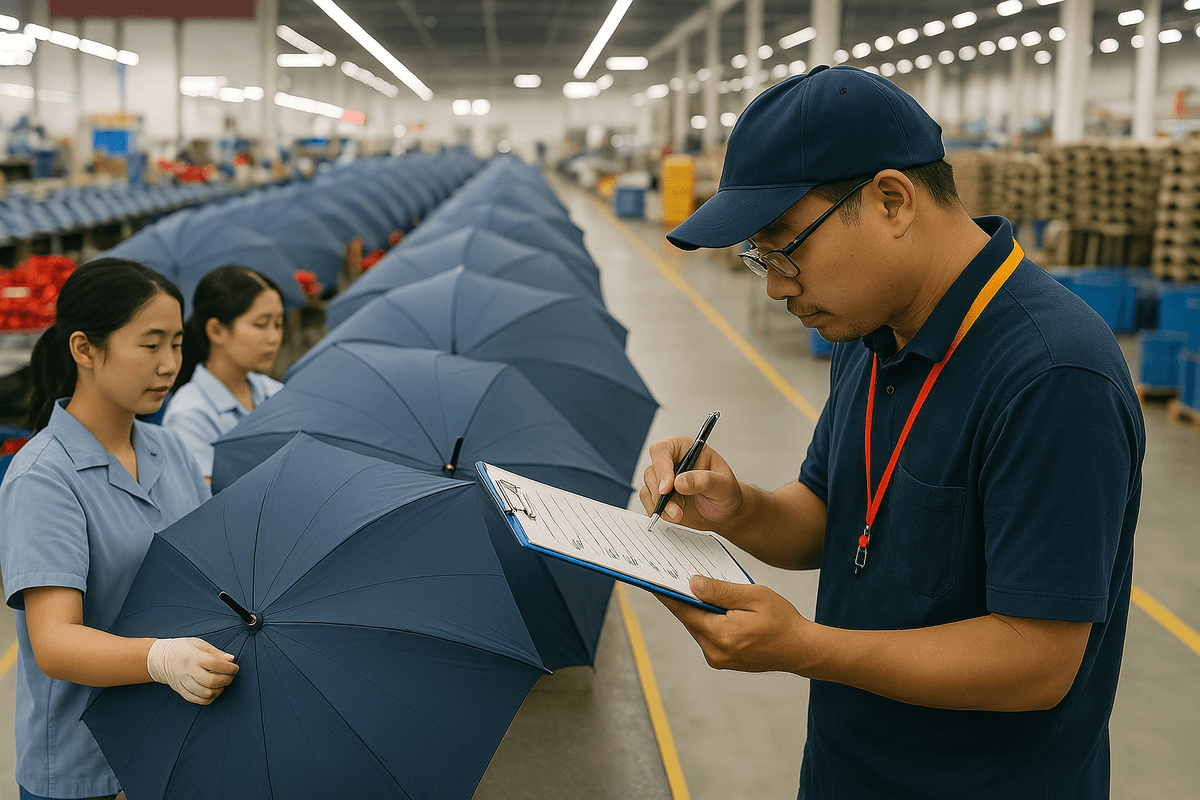
In the world of clothing manufacturing, partnering with quality inspection services is a game changer. These services act as a safety net, helping brands maintain high standards and avoid quality fade in their products. By integrating quality control into your production process, you can ensure that every item meets your specifications before it reaches the market.
Benefits of Using China Inspection Pro
One of the standout benefits of using China Inspection Pro is their expertise in navigating the complexities of quality control in manufacturing. They specialize in conducting thorough quality checks that identify potential issues before they escalate into costly problems. With their help, businesses can significantly reduce the risk of defects and ensure consistent quality production.
Moreover, China Inspection Pro provides detailed reports that give you insights into your manufacturers’ processes and adherence to quality standards. This transparency allows for informed decision-making and helps establish trust between you and your manufacturing partners. Ultimately, this partnership empowers brands to avoid quality fade by ensuring that every batch meets rigorous criteria.
How Quality Inspection Improves Production
Quality inspection plays a critical role in improving overall production efficiency. When manufacturers implement regular quality audits, they can pinpoint inefficiencies and areas for improvement within their processes. This not only enhances product consistency but also minimizes waste and reduces costs associated with rework or returns due to subpar items.
Furthermore, timely interventions during production can lead to faster turnaround times, as issues are addressed before they become significant setbacks. By prioritizing quality checks at various stages of production, businesses can streamline operations while maintaining high-quality standards—ultimately leading to happier customers who receive products that meet or exceed expectations.
Integrating Quality Control into Your Workflow
Integrating quality control into your workflow doesn’t have to be daunting; it simply requires thoughtful planning and execution. Start by establishing clear benchmarks for what constitutes acceptable quality levels for each product line—these should be communicated effectively to all stakeholders involved in the manufacturing process. Regular training sessions on these standards will help ensure everyone is on the same page regarding expectations.
Next, schedule consistent follow-ups with your chosen quality control companies to review progress and tackle any emerging issues head-on. This ongoing communication fosters a culture of accountability where everyone understands their role in upholding product standards—making it easier to avoid any potential dips in quality over time. Finally, consider leveraging technology solutions that automate parts of the inspection process; this can enhance accuracy while freeing up valuable time for more strategic tasks.
Conclusion
In the fast-paced world of clothing manufacturing, ensuring quality is paramount to avoid quality fade. By implementing robust quality control measures, partnering with reputable quality control companies, and maintaining open lines of communication, manufacturers can uphold high standards throughout the production process. The strategies discussed in this guide serve as a roadmap for brands aiming to achieve consistent and reliable quality production.
Recap of Key Strategies to Avoid Quality Fade
To avoid quality fade, it's essential to establish rigorous quality control protocols from the outset. This includes conducting regular quality checks and engaging in thorough quality audits that assess every stage of production. Additionally, selecting manufacturers with proven track records in quality control and fostering strong relationships will significantly enhance your ability to maintain high-quality standards.
Importance of Ongoing Quality Assessment
Ongoing quality assessment is crucial for sustaining excellence in manufacturing processes. Regular evaluations not only help identify potential issues before they escalate but also reinforce a culture of accountability among all stakeholders involved in the production line. By prioritizing continuous improvement through proactive assessments, brands can effectively mitigate risks associated with fluctuations in product quality.
Final Tips for Successful Manufacturing in China
When navigating the complexities of manufacturing in China, remember that effective communication is key to success. Clearly articulate your expectations and remain engaged through consistent follow-ups; this will help ensure that your vision aligns with your manufacturer’s capabilities. Finally, don’t hesitate to leverage the expertise of quality inspection services—these partnerships are invaluable for helping you avoid quality fade and achieve exceptional results.