
Introduction
In the world of consumer goods, toothpaste might seem like a mundane product, but its inspection is anything but ordinary. Toothpaste inspection plays a crucial role in ensuring that what we squeeze onto our brushes is not only effective but also safe for daily use. With various packing requirements and labeling requirements to adhere to, manufacturers must navigate a complex landscape to meet consumer expectations and regulatory standards.
Understanding Toothpaste Inspection
Toothpaste inspection involves a thorough evaluation of both the product and its packaging before reaching the shelves. This process ensures that every tube meets quality standards, from texture and flavor to safety and efficacy. By understanding the nuances of toothpaste inspection, manufacturers can better align their products with consumer needs while minimizing risks associated with defects or contamination.
The Importance of Quality Control
Quality control is the backbone of any successful manufacturing process, especially in industries like oral care where consumer health is at stake. Effective quality control measures during toothpaste inspection help identify issues early on, preventing potentially harmful products from reaching consumers. By prioritizing quality at every stage—from production to packaging—companies can foster trust and loyalty among their customers.
An Overview of Packing and Labeling
Packing requirements for toothpaste are designed not only to protect the product but also to enhance its marketability through appealing design and informative labeling. Proper labeling requirements ensure that consumers receive clear information about ingredients, usage instructions, and safety warnings—essential elements for informed purchasing decisions. Together, effective packing and labeling strategies contribute significantly to a product's success in an increasingly competitive marketplace.
The Toothpaste Manufacturing Process
Toothpaste manufacturing is a fascinating blend of science and art, where the goal is to create a product that not only cleans teeth but also delights consumers with its flavor and texture. Understanding this process is crucial for ensuring effective Toothpaste Inspection, which ultimately leads to high-quality products on store shelves. In this section, we will explore the key stages of production, common ingredients and their roles, and the vital role quality control plays throughout.
Key Stages in Production
The toothpaste manufacturing process typically begins with ingredient preparation, where raw materials are meticulously measured and mixed. Following this initial stage is the blending phase, where these ingredients come together in large mixers to form a homogenous paste. Once blended, the paste undergoes further processing—such as grinding and emulsifying—before being packaged according to specific Packing Requirements that ensure product integrity.
After blending, the next stage involves filling tubes or containers with the toothpaste mixture. This step requires precision machinery designed to prevent contamination while adhering to strict hygiene standards. Finally, once filled, each tube must be sealed and labeled according to Labeling Requirements that provide essential information about the product's contents.
Common Ingredients and Their Roles
Toothpaste formulations typically include a variety of ingredients that serve specific purposes; each plays a crucial role in ensuring effectiveness and consumer satisfaction. Abrasives like calcium carbonate help remove plaque while fluoride strengthens tooth enamel against decay—a key component for dental health advocates everywhere! Humectants such as glycerin keep toothpaste moist and prevent it from drying out during storage.
Additionally, flavoring agents contribute to the sensory experience of brushing—after all, who wants bland mint? Other components like surfactants help create foam during brushing for better coverage on teeth surfaces. By understanding these ingredients' roles within toothpaste formulations, manufacturers can tailor their products more effectively while maintaining compliance with necessary Toothpaste Inspection standards.
The Role of Quality Control in Manufacturing
Quality control (QC) is an indispensable part of toothpaste manufacturing; it ensures that every batch meets established safety and efficacy standards before reaching consumers' hands. This involves rigorous testing at various stages—from raw material inspection to final product evaluation—to identify any deviations from established norms or potential contaminants that could affect quality or safety.
Adhering strictly to Packing Requirements also falls under QC’s purview; ensuring packaging protects against external factors like moisture or light is critical for maintaining product integrity during transit. Moreover, compliance with Labeling Requirements not only fulfills legal obligations but also enhances consumer trust by providing accurate information about what they’re using on their teeth.
Effective quality control processes not only reduce waste but also foster innovation by encouraging manufacturers to continuously improve formulations based on feedback from inspections and testing outcomes. Ultimately, robust QC practices lead directly to superior products that consumers can rely upon for their dental care needs!
Toothpaste Inspection Techniques
In the world of toothpaste production, inspection techniques play a pivotal role in ensuring that the final product meets high standards of quality and safety. Toothpaste inspection encompasses various methods, from visual checks to rigorous laboratory testing, each designed to catch potential issues before they reach consumers. Understanding these techniques is essential not only for manufacturers but also for consumers who rely on effective and safe oral care products.
Visual Inspection Methods
Visual inspection is often the first line of defense in toothpaste inspection. This method involves trained personnel examining the packaging and product for defects such as discoloration, inconsistencies in texture, or improper sealing—all critical aspects of packing requirements. The human eye can detect many problems that machines might overlook, making this technique invaluable for maintaining quality control.
During visual inspections, inspectors also check for labeling requirements to ensure that all necessary information is present and accurately displayed. Labels must be free from smudges or misprints since they communicate essential details about ingredients and usage instructions to consumers. A simple glance can save a company from costly recalls or consumer complaints.
Moreover, visual inspections can help identify issues related to packaging integrity during shipment. If a tube appears damaged or compromised before it even hits store shelves, it’s a red flag that could lead to product contamination or spoilage. Thus, consistent visual checks are integral not just for compliance but also for upholding brand reputation.
Laboratory Testing Standards
While visual inspections are vital, they are often complemented by laboratory testing standards that delve deeper into toothpaste’s composition and efficacy. These tests analyze key ingredients to ensure they meet safety regulations and perform as intended—essentially verifying what’s promised on the label against actual performance. With increasing consumer awareness about ingredient safety, rigorous lab testing has become non-negotiable in toothpaste inspection.
Laboratory tests typically assess pH levels, fluoride concentration, abrasive properties, and microbial contamination among others—each playing a crucial role in determining how effective and safe a toothpaste is for everyday use. For instance, an imbalance in pH could lead to enamel erosion over time if left unchecked; hence it falls under both quality control measures and compliance with health regulations.
Furthermore, these tests confirm adherence to packing requirements by evaluating how well products withstand various conditions during storage and transportation. If toothpaste doesn’t hold up under stress tests simulating real-world scenarios like temperature fluctuations or pressure changes during shipping, adjustments must be made before reaching consumers’ hands.
The Importance of Compliance
Compliance isn’t just a buzzword; it’s the backbone of any successful toothpaste inspection process that safeguards public health while ensuring product quality meets industry standards. Regulations set forth by organizations such as the FDA dictate strict guidelines regarding formulation safety as well as labeling requirements—failure to comply can result in severe penalties including recalls or legal action against manufacturers.
Moreover, maintaining compliance fosters consumer trust—a vital currency in today’s market where buyers are increasingly discerning about what goes into their bodies (and mouths). Transparency through accurate labeling coupled with adherence to established packing requirements reassures customers that they’re choosing safe products backed by thorough inspections.
Lastly, embracing compliance isn’t merely about avoiding pitfalls; it empowers companies with data-driven insights gleaned from inspection processes which can inform future product development strategies or improvements within existing formulations. In essence: good practices lead not only towards regulatory adherence but also towards innovation within the industry—ultimately benefiting everyone involved from manufacturers down through satisfied customers!
Packing Requirements for Toothpaste

When it comes to toothpaste, packing requirements are not just a box to check; they are essential for maintaining product quality and safety. The right packaging ensures that the toothpaste remains effective and appealing from the moment it leaves the factory until it arrives in your bathroom cabinet. Understanding these packing requirements is crucial for manufacturers looking to uphold high standards in toothpaste inspection.
Packaging Materials and Their Significance
The choice of packaging materials plays a pivotal role in preserving the integrity of toothpaste. Common materials include tubes made from plastic or aluminum, which protect against contamination and moisture while keeping the product fresh. Additionally, secondary packaging, such as boxes or cartons, serves not only for branding but also to provide an extra layer of protection during transport—making them vital components in any toothpaste inspection process.
Moreover, selecting eco-friendly packaging materials is becoming increasingly important as consumers demand sustainable options. Manufacturers must balance functionality with environmental responsibility when considering their packing requirements. Ultimately, well-chosen packaging materials can enhance shelf life and customer satisfaction while reducing waste.
Ensuring Product Integrity During Shipment
Ensuring product integrity during shipment is a critical aspect of toothpaste inspection that cannot be overlooked. Proper packing techniques minimize the risk of damage due to external factors such as temperature fluctuations or physical impacts during transit. For instance, using cushioning materials like bubble wrap or foam inserts can help prevent leaks or breakage—issues that could tarnish a brand’s reputation if they occur frequently.
Additionally, securing packages with tamper-proof seals can reassure consumers about product safety before they even open it. This attention to detail reflects commitment to quality control within packing requirements and enhances consumer trust in the brand's products. After all, nobody wants a surprise when they finally crack open that tube of minty freshness!
Regulatory Guidelines for Packaging
Regulatory guidelines play an indispensable role in shaping packing requirements for toothpaste products worldwide. These guidelines ensure that all necessary information—such as ingredients, usage instructions, and expiration dates—is clearly visible on packaging before it hits store shelves. Adhering to these regulations not only protects consumers but also safeguards manufacturers from legal repercussions related to mislabeling or inadequate safety measures.
Moreover, compliance with international standards helps facilitate smoother trade across borders by ensuring that products meet specific criteria regardless of where they are sold. This is particularly important for companies operating globally who must navigate various regulatory landscapes while maintaining consistent quality control through effective toothpaste inspection practices. In essence, understanding these guidelines empowers manufacturers to deliver safe and reliable products consistently.
Labeling Requirements for Toothpaste

When it comes to toothpaste, labeling is not just a matter of aesthetics; it's a vital component that ensures consumers know exactly what they're using. Proper labeling requirements must be strictly followed to provide essential information about the product, including ingredients, usage instructions, and any warnings. This transparency fosters trust between manufacturers and consumers, which is crucial in the realm of oral health.
What to Include on Labels
Toothpaste labels should include several key elements to comply with industry standards and consumer expectations. The list of ingredients is paramount; consumers have the right to know what they are putting in their mouths. Additionally, instructions for use should be clear and concise, along with any necessary warnings about potential allergens or side effects—after all, nobody wants an unpleasant surprise during their brushing routine.
Moreover, manufacturers must provide information regarding the product's purpose—whether it's for whitening, sensitivity relief, or cavity prevention—so that customers can make informed choices based on their individual needs. Including details like net contents and the manufacturer's contact information also contributes to transparency in toothpaste inspection processes.
The Role of Clear Communication
Clear communication through labeling goes beyond mere compliance; it enhances user experience and satisfaction as well. When consumers can easily understand what a product does and how to use it effectively, they are more likely to feel confident in their purchase decisions. This clarity reduces confusion and helps prevent misuse or overuse of products that could lead to adverse effects.
Furthermore, effective labeling plays a critical role in reinforcing brand identity and positioning within a competitive market landscape. A well-designed label not only conveys information but also communicates the brand's values and commitment to quality—a significant factor when considering packing requirements as part of overall product presentation.
Legal Implications of Mislabeling
Mislabeling toothpaste can lead to serious legal repercussions for manufacturers who fail to meet established guidelines. Regulatory bodies impose strict penalties for inaccurate information on labels that could mislead consumers or pose health risks due to undisclosed ingredients or incorrect usage instructions. Such legal implications highlight the importance of thorough toothpaste inspection processes before products hit store shelves.
Additionally, mislabeling can result in costly recalls that tarnish brand reputation while eroding consumer trust—an outcome no business desires in today’s competitive market environment. Therefore, adhering strictly to labeling requirements is not just good practice; it's essential for maintaining compliance with laws governing consumer safety.
The Role of China Inspection Pro

When it comes to maintaining the highest standards in toothpaste production, China Inspection Pro stands out as a leader in professional quality inspection services. They specialize in ensuring that every tube of toothpaste meets stringent quality benchmarks throughout its manufacturing journey. By focusing on Toothpaste Inspection, they help brands uphold their reputation and ensure consumer safety.
Professional Quality Inspection Services
China Inspection Pro offers a comprehensive suite of professional quality inspection services tailored specifically for the toothpaste industry. Their team is adept at assessing not just the product itself but also the packing requirements and labeling requirements that are critical to compliance and market readiness. With their expertise, manufacturers can rest easy knowing that every aspect of their product is thoroughly vetted before reaching consumers.
Detailed Examination Processes
The detailed examination processes employed by China Inspection Pro cover various stages of production, from raw material sourcing to final packaging. They utilize advanced techniques for Toothpaste Inspection, including visual checks for consistency and laboratory tests to confirm ingredient efficacy and safety. This rigorous approach ensures that all packing requirements are met, keeping products intact during shipment while adhering to regulatory guidelines.
Turning Findings into Actionable Recommendations
Once inspections are complete, China Inspection Pro doesn’t just hand over a report; they turn findings into actionable recommendations that manufacturers can implement immediately. This proactive approach helps companies address any issues related to Toothpaste Inspection before they escalate into larger problems down the line. By focusing on continuous improvement in packing requirements and labeling requirements, businesses can enhance product integrity and maintain compliance with industry standards.
Conclusion
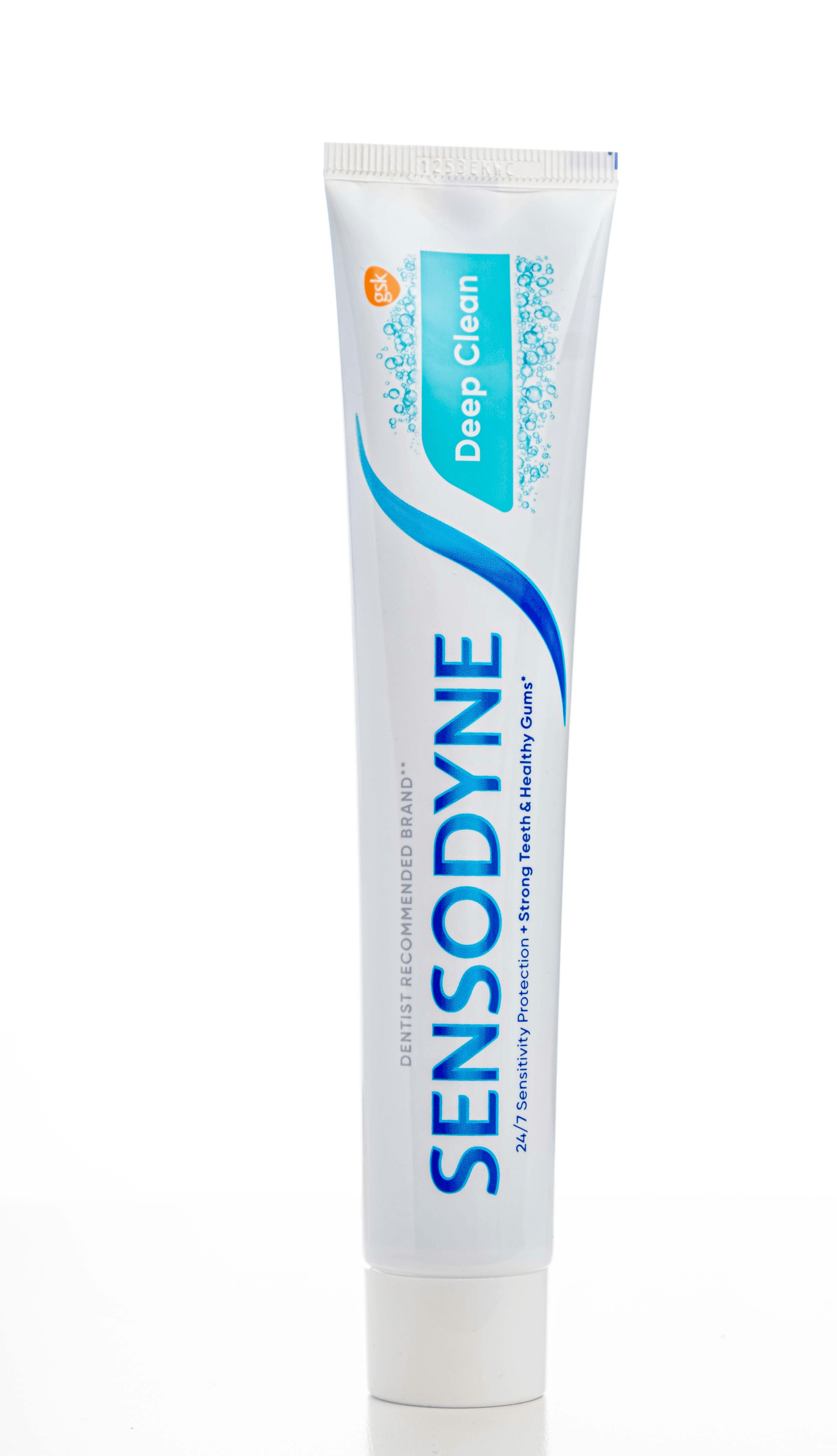
In conclusion, the process of Toothpaste Inspection is a vital component of ensuring that consumers receive safe and effective products. From the manufacturing stages to packing requirements and labeling requirements, every aspect must be meticulously examined to uphold quality standards. By prioritizing thorough inspection techniques, companies can deliver top-notch toothpaste that meets both consumer expectations and regulatory guidelines.
Key Takeaways on Toothpaste Inspection
Toothpaste Inspection encompasses various facets, including visual checks and laboratory testing to ensure product safety and efficacy. Understanding packing requirements is essential, as improper packaging can compromise product integrity during transportation. Additionally, adhering to labeling requirements not only informs consumers but also protects brands from legal ramifications associated with mislabeling.
The Role of Compliance in Quality Control
Compliance plays a crucial role in the realm of quality control for toothpaste manufacturers. It ensures that all processes—from ingredient selection to final packaging—meet established industry standards and regulations. By maintaining compliance throughout production and inspection phases, companies can mitigate risks associated with non-compliance while fostering consumer trust.
Ensuring Top-Notch Products through Quality Standards
Ensuring top-notch products hinges on rigorous adherence to quality standards across all stages of production and inspection processes. This includes understanding the significance of packing requirements that safeguard toothpaste during shipment as well as following strict labeling requirements for clear communication with consumers. Ultimately, a commitment to these practices not only enhances product quality but also reinforces brand reputation in a competitive market.