
Introduction

In the fast-paced world of international trade, unlocking success often hinges on one crucial factor: quality. Third-Party Inspection acts as your trusted gatekeeper, ensuring that every product meets your standards before it reaches the market. By leveraging professional inspection services, you can confidently address issues with your supplier and prevent costly mistakes down the line.
Ensuring quality control starts with conducting product inspection early and often. Clearly stating expectations and product requirements lays the foundation for a smooth inspection process, making it easier to identify areas for improvement. Re-inspect to verify rework becomes essential in confirming that corrections are up to standard, helping you maintain consistent quality across batches.
When you choose to work with experts like China Inspection Pro, you elevate your product standards significantly. Their team helps you implement a comprehensive third-party inspection strategy that not only catches defects but also fosters stronger relationships with suppliers through transparent communication. Ultimately, strategic third-party inspection is your secret weapon for staying ahead in competitive markets and ensuring long-term success.
Understand the Power of Third-Party Inspection
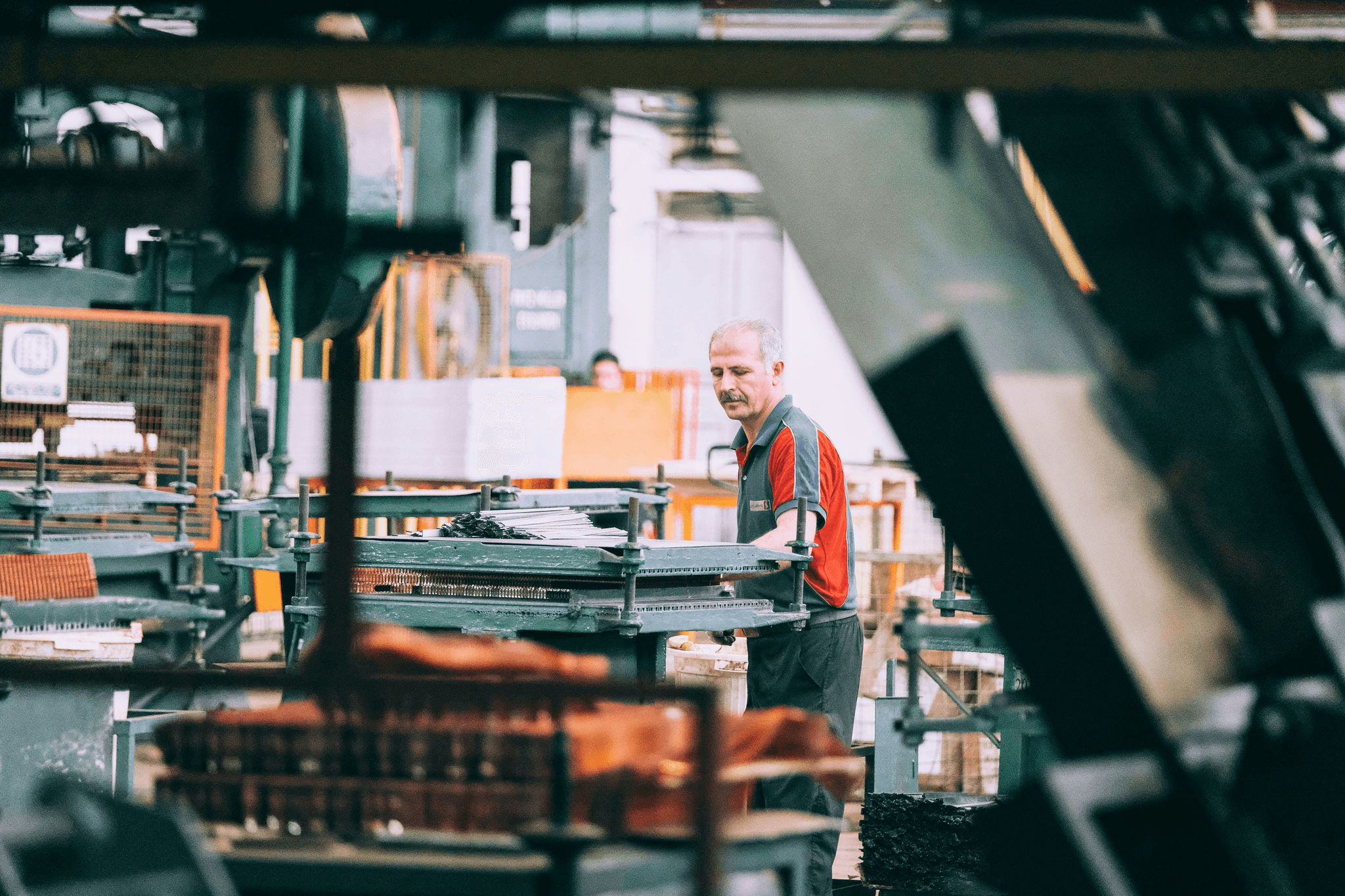
In today's global marketplace, relying solely on your supplier's word can be risky business. That's where third-party inspection steps in as your trusted sidekick, providing an unbiased eye to ensure quality. It’s not just about catching defects; it’s about safeguarding your brand and making sure every product meets your expectations before it hits the shelves.
Third-party inspection is a process where an independent organization evaluates your products against established standards and specifications. This process helps you address issues with your supplier early on, preventing costly recalls or customer complaints down the line. By clearly stating expectations and product requirements upfront, third-party inspectors can identify deviations and ensure quality control remains tight throughout production.
Using expert services like China Inspection Pro adds an extra layer of confidence to this process. These professionals conduct product inspections with precision, ensuring that every detail aligns with your standards. They also re-inspect to verify rework, confirming that any issues addressed with your supplier are truly resolved before shipment leaves the factory.
Failing to implement proper inspection processes often leads to common pitfalls such as overlooked defects or miscommunications with suppliers. Without a structured third-party inspection plan, you risk shipping subpar products or facing disputes over quality discrepancies. Remember: conduct product inspections diligently and re-inspect to verify rework—skipping these steps can jeopardize your reputation.
Preparation: Laying the Groundwork for Inspection Success

Getting ready for a successful third-party inspection isn’t just about ticking boxes; it’s about setting the stage for flawless product quality. When you clearly state expectations and product requirements upfront, you minimize surprises and streamline the entire process. Remember, a well-prepared plan helps you address issues with your supplier swiftly, saving time and avoiding costly re-inspections later down the line.
Clearly State Expectations and Product Requirements
The foundation of any effective third-party inspection begins with clearly stating expectations and product requirements. If your standards are fuzzy or vague, even the best inspector can’t deliver accurate results. Be specific about quality benchmarks, packaging details, dimensions, and any other critical factors—this clarity ensures that everyone is on the same page before conducting product inspection. When expectations are crystal clear from the start, it becomes easier to identify deviations early and address issues with your supplier promptly.
Establish Clear Communication with Your Supplier
Open lines of communication with your supplier are essential to facilitate smooth third-party inspections. Regular dialogue helps clarify expectations, answer questions proactively, and prevent misunderstandings that could compromise product quality. Establishing a reliable communication channel means you can quickly address issues with your supplier if discrepancies arise during inspection or re-inspect to verify rework has been completed correctly. This ongoing transparency builds trust and makes subsequent inspections more efficient because everyone knows what’s expected at each step.
Develop a Comprehensive Inspection Checklist
A detailed inspection checklist acts as your roadmap during third-party inspections—covering every critical aspect from raw materials to final packaging. Developing this checklist requires thorough understanding of product specifications and potential trouble spots where defects might occur. Use it during conduct product inspection to ensure consistency across inspections; it also serves as documentation if you need to address issues with your supplier or re-inspect to verify rework has been properly done. A comprehensive checklist minimizes oversight risks and keeps quality control tight throughout the process.
Implementing the Inspection Process
Executing a successful third-party inspection requires meticulous planning and attention to detail. Conducting product inspection with precision ensures that every aspect of your product meets the desired standards. Remember, clearly stating expectations and product requirements upfront sets the foundation for a smooth inspection process, making it easier to identify deviations early on.
Conduct Product Inspection with Precision
When it’s time to conduct product inspection, don’t leave anything to chance. Use well-defined criteria based on your clearly stated expectations and product requirements to guide the process. This approach helps third-party inspectors focus on critical quality points, reducing errors and ensuring consistency across batches.
Address Issues with Your Supplier Promptly
If issues are uncovered during the third-party inspection, addressing them with your supplier promptly is crucial. Effective communication allows for quick resolution, minimizing delays and preventing subpar products from reaching your customers. Remember, a proactive approach in addressing issues with your supplier demonstrates your commitment to quality control and keeps the production process on track.
Re-inspect to Verify Rework and Confirm Quality
After issues are addressed, re-inspecting to verify rework is essential in maintaining high standards. Re-inspect to verify rework ensures that corrections meet your original expectations and that no new problems have arisen during reprocessing. This step confirms quality before shipment, giving you peace of mind that only products meeting your standards leave the factory.
Ensuring Continuous Improvement
Analyzing inspection findings is the cornerstone of turning quality checks into strategic advantages. When you conduct product inspection, take a deep dive into the data to identify recurring issues or patterns that could signal systemic problems. This ongoing analysis helps you address issues with your supplier more effectively, ensuring that future batches meet your expectations and reducing costly rework.
Adjustments to supplier agreements based on inspection results are essential for fostering a culture of quality. Clearly state expectations and product requirements upfront, so your supplier understands the standards they need to meet. When discrepancies arise, use insights from third-party inspections to renegotiate terms or implement corrective measures, making sure everyone’s on the same page.
Building stronger relationships with suppliers through transparency can significantly elevate your quality control process. Regularly share inspection reports and insights gathered from third-party inspections, demonstrating your commitment to continuous improvement. Address issues with your supplier openly and promptly, which encourages a collaborative approach—re-inspect to verify rework and confirm that adjustments have been effective.
Conclusion
In the competitive world of manufacturing and import-export, staying ahead means embracing strategic third-party inspection practices. By consistently addressing issues with your supplier through professional inspections, you reduce the risk of costly errors slipping through the cracks. Remember, conducting product inspection early and often helps you identify potential problems before they escalate, ensuring your products meet all expectations and requirements.
Leveraging China Inspection Pro for unmatched quality assurance is a game-changer in this process. Their expertise allows you to clearly state expectations and product requirements upfront, which streamlines inspections and reduces misunderstandings. Re-inspect to verify rework is completed correctly not only confirms quality but also builds trust between you and your supplier, ultimately strengthening your supply chain.
Keeping product quality front and center for market success requires a commitment to continuous improvement. Regularly conduct product inspection to monitor ongoing standards, analyze inspection findings to refine processes, and adjust supplier agreements accordingly. When you make third-party inspection an integral part of your strategy, you position yourself as a proactive leader who prioritizes excellence at every step.