
Introduction

Ensuring the quality of structural steel is no small feat; it’s the backbone of safe and durable construction projects. Structural Steel Inspection plays a crucial role in identifying potential flaws early on, saving time, money, and lives in the long run. When it comes to safeguarding buildings and infrastructure, comprehensive inspection methods—such as Dimensions Inspection, Acoustic Inspection, and Mechanical Inspection—are essential tools for engineers and inspectors alike.
Why Quality Matters in Structural Steel Inspection
Quality in structural steel inspection isn’t just about ticking boxes; it’s about guaranteeing that every beam and girder can withstand the test of time and load. Proper inspection techniques help detect hidden flaws that could compromise safety down the line, making sure that Dimensions Inspection catches dimensional inaccuracies early. Acoustic Inspection adds another layer by listening for internal cracks or corrosion that might not be visible on the surface, while Mechanical Inspection assesses material strength to ensure everything meets strict standards.
The Role of Industry Leaders Like China Inspection Pro
Industry leaders such as China Inspection Pro set the gold standard for thoroughness and accuracy in structural steel inspection. Their expertise ensures that all aspects—from Dimensions Inspection to Acoustic Testing—are performed with precision, adhering to international standards like ASTM or ISO. By leveraging advanced technologies and experienced personnel, they help clients achieve certification readiness while minimizing risks associated with subpar steel quality.
How Comprehensive Inspection Ensures Construction Safety
A comprehensive approach to steel inspection combines multiple methods—Dimensions Inspection, Acoustic Inspection, and Mechanical Testing—to provide a full picture of structural integrity. This layered strategy helps identify potential weaknesses before they become catastrophic failures during or after construction. Ultimately, rigorous inspection from industry leaders ensures safety remains at the forefront of every project, protecting both workers and future occupants.
The Foundation of Structural Steel Inspection
Understanding the fundamental aspects of Structural Steel Inspection is crucial for ensuring safety and durability in construction projects. This process involves various inspection types, each targeting specific vulnerabilities or quality markers within steel components. When combined effectively, these inspections provide a comprehensive picture of a steel structure’s integrity.
Understanding Key Inspection Types
Structural Steel Inspection encompasses several essential methods, including Dimensions Inspection, Acoustic Inspection, and Mechanical Inspection. Each type serves a unique purpose—Dimensions Inspection ensures parts meet precise measurements, Acoustic Inspection detects internal flaws using sound waves, and Mechanical Inspection assesses strength and resilience through testing. Recognizing the role of each inspection type helps engineers develop a robust quality assurance plan.
The Importance of Dimensions Inspection in Steel Quality
Dimensions Inspection is often the backbone of Structural Steel Inspection because accurate measurements directly impact the fit and function of steel components in construction. Small deviations can lead to significant issues during assembly or compromise structural integrity later on. Employing precise Dimensions Inspection techniques guarantees that every beam and plate aligns perfectly with design specifications, reducing costly rework.
Leveraging Acoustic Inspection for Hidden Flaws
Acoustic Inspection offers a clever way to uncover hidden flaws within steel that might escape visual checks—think cracks, corrosion pockets, or voids lurking beneath the surface. By analyzing sound waves emitted by steel under stress or during emission testing, inspectors can identify weaknesses before they manifest as catastrophic failures. Incorporating Acoustic Inspection into your routine ensures that no flaw remains silent in your Structural Steel Investigation.
Mechanical Inspection to Detect Structural Weaknesses
Mechanical Inspection plays a vital role in assessing how well steel can withstand real-world forces—whether through load testing or non-destructive methods like ultrasonic testing or magnetic particle inspection. These evaluations reveal whether the steel maintains its designed strength and resilience after fabrication or exposure to environmental factors. Regular Mechanical Inspections are key to preemptively catching potential failures before they jeopardize safety.
Combining Inspection Methods for Best Results
No single inspection method holds all the answers; instead, integrating Dimensions, Acoustic, and Mechanical Inspections creates a layered defense against structural failure. For instance, while Dimensions Inspection confirms size accuracy, Acoustic Testing uncovers hidden flaws that could compromise integrity later on; Mechanical Testing then validates overall strength performance. This holistic approach ensures your Structural Steel Investigation leaves no stone unturned—and no flaw undetected.
Standards and Certifications in Steel Inspection
In the realm of Structural Steel Inspection, adhering to recognized standards is the backbone of quality assurance. These standards—such as ASTM, EN, and ISO—provide a universal language for ensuring steel components meet rigorous safety and performance benchmarks. Whether it's Dimensions Inspection or Acoustic Inspection, compliance with these guidelines guarantees that every element aligns with global best practices.
Standards from ASTM (American Society for Testing and Materials) emphasize precise Mechanical Inspection techniques to detect potential weaknesses before they become safety hazards. Meanwhile, EN (European Norms) focus heavily on Dimensions Inspection accuracy, ensuring components fit perfectly within complex structures. ISO standards serve as a comprehensive framework that integrates both Acoustic Inspection and Mechanical Inspection processes to promote consistency across international projects.
Ensuring compliance with local building codes is crucial for project approval and long-term safety. Local regulations often specify specific requirements for Dimensions Inspection accuracy or Acoustic Inspection methods tailored to regional environmental factors. By aligning with these codes through thorough Structural Steel Inspection procedures, companies can avoid costly delays or rework while maintaining high safety standards.
Leading industry players like China Inspection Pro excel at ensuring certification readiness by meticulously preparing documentation and conducting comprehensive inspections aligned with ASTM, EN, and ISO standards. Their expertise in Mechanical and Acoustic Inspections helps identify potential issues early on, making certification processes smoother and more predictable. This proactive approach ensures your steel components not only meet international benchmarks but also pass local inspections without a hitch.
Best Practices for Effective Dimensions Inspection
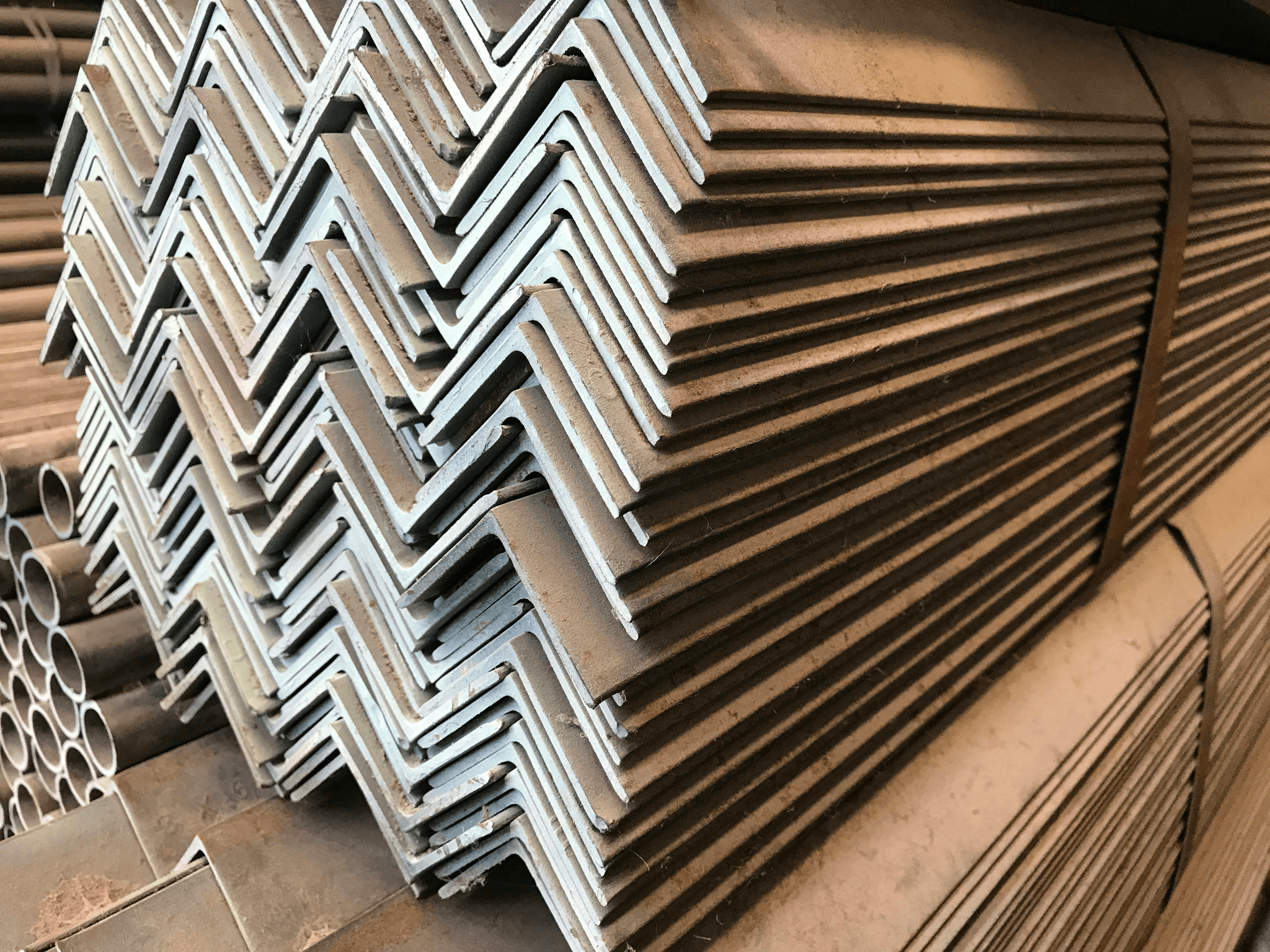
Achieving precision in Dimensions Inspection is the backbone of reliable Structural Steel Inspection. When measurements are off, even slightly, it can compromise entire projects, leading to costly delays or safety hazards. Adopting best practices ensures that every steel component meets the exact specifications and maintains the integrity required for safe construction.
Accurate Measurement Techniques and Tools
Precision in dimensions begins with selecting the right tools—calipers, micrometers, laser distance meters, or 3D scanning devices—each suited for specific steel components. Proper calibration of these instruments is crucial; a misaligned tool can introduce errors that ripple through your entire Structural Steel Inspection process. Additionally, consistent measurement procedures—such as measuring at multiple points and verifying readings—help catch discrepancies early and uphold high standards in Dimensions Inspection.
Common Measuring Errors and How to Avoid Them
Even seasoned inspectors can fall prey to common pitfalls like misreading scales, improper tool handling, or environmental influences such as temperature fluctuations affecting metal expansion or contraction. To dodge these errors, always ensure tools are calibrated correctly before use and handle them with steady hands to prevent parallax mistakes. Regular training on measurement techniques also sharpens skills and reduces inaccuracies during Structural Steel Inspection tasks.
Using 3D Scanning Technology for Precision
Enter 3D scanning technology—a game-changer in achieving flawless Dimensions Inspection within Structural Steel Inspection protocols. This non-contact method captures highly detailed geometries rapidly, allowing inspectors to compare actual steel components against digital models with pinpoint accuracy. Leveraging 3D scanning not only speeds up the inspection process but also enhances detection of subtle deviations that traditional methods might miss, ensuring every piece fits perfectly and passes muster.
Acoustic Inspection Techniques for Steel Quality
Acoustic inspection has become a game-changer in the realm of structural steel inspection, providing a non-invasive way to detect hidden flaws that might otherwise go unnoticed. By listening to the sound waves emitted by steel components, inspectors can identify anomalies such as cracks or corrosion without damaging the material. This technique is especially valuable in large-scale projects where traditional dimensions inspection might fall short in revealing internal defects, making acoustic inspection an essential part of comprehensive steel quality assurance.
Principles of Acoustic Emission Testing
At its core, acoustic emission testing relies on capturing high-frequency sound waves generated by stress-induced movements within steel structures. When steel experiences stress beyond its elastic limit—perhaps from load testing or everyday service—the resulting microcracks produce acoustic signals that can be detected and analyzed. Incorporating acoustic inspection into a broader mechanical inspection process ensures that structural steel inspection covers both surface and subsurface flaws, providing a fuller picture of the material’s integrity.
Detecting Cracks and Corrosion Through Soundwaves
Using specialized sensors, inspectors can pick up soundwaves generated by crack propagation or corrosion activity inside steel components during acoustic inspection. These sound signals are then interpreted to pinpoint the location and severity of defects—cracks may emit distinct high-energy signals while corrosion-related emissions tend to be more subtle but still detectable with precise equipment. Integrating this method with dimensions inspection helps ensure that measurements align with safety standards; otherwise, hidden flaws may compromise structural integrity if left unchecked.
Case Study: Acoustic Inspection in Major Bridge Projects
In one notable bridge construction project, engineers employed acoustic inspection alongside traditional mechanical and dimensions inspections to monitor ongoing structural health. During routine testing, acoustic emission sensors detected early crack formations within critical load-bearing elements—flaws that standard dimensions inspections had missed due to their surface-level focus. Thanks to this combined approach for structural steel inspection, timely repairs prevented potential failures and upheld safety standards throughout the project lifecycle.
Mechanical Inspection for Structural Integrity
Mechanical inspection plays a pivotal role in ensuring the safety and durability of structural steel components. It involves rigorous testing methods that go beyond surface-level assessments, diving deep into the material's internal qualities. When it comes to Structural Steel Inspection, mechanical checks are often the final line of defense against potential failures, making them indispensable for construction projects.
Load Testing and Material Testing Basics
Load testing is a cornerstone of mechanical inspection, simulating real-world forces to verify whether steel structures can withstand operational stresses. During this process, engineers apply controlled loads to evaluate the structural response, ensuring that dimensions inspection aligns with safety standards. Material testing complements this by analyzing properties such as tensile strength and ductility, which are critical indicators of steel quality in Structural Steel Inspection.
Non-Destructive Testing Methods in Steel Inspection
Non-destructive testing (NDT) techniques are the unsung heroes of mechanical inspection because they allow thorough evaluation without damaging the steel components. Methods like ultrasonic testing and magnetic particle inspection are frequently used to detect hidden flaws such as cracks or corrosion that might escape traditional dimensions inspection or acoustic inspection. Incorporating NDT into your Structural Steel Inspection arsenal ensures that every inch of steel is scrutinized for integrity without sacrificing its usability.
Why Mechanical Inspection Is Critical for Safety
Mechanical inspection provides an essential safety net by verifying that all aspects of the steel meet stringent quality standards before installation. It bridges the gap between dimensions inspection and acoustic inspection by confirming internal strength and resilience—key factors often overlooked by visual assessments alone. In essence, comprehensive mechanical inspections safeguard against unforeseen failures, emphasizing why they are a non-negotiable element in any reliable Structural Steel Inspection plan.
Working with Leading Inspection Service Providers
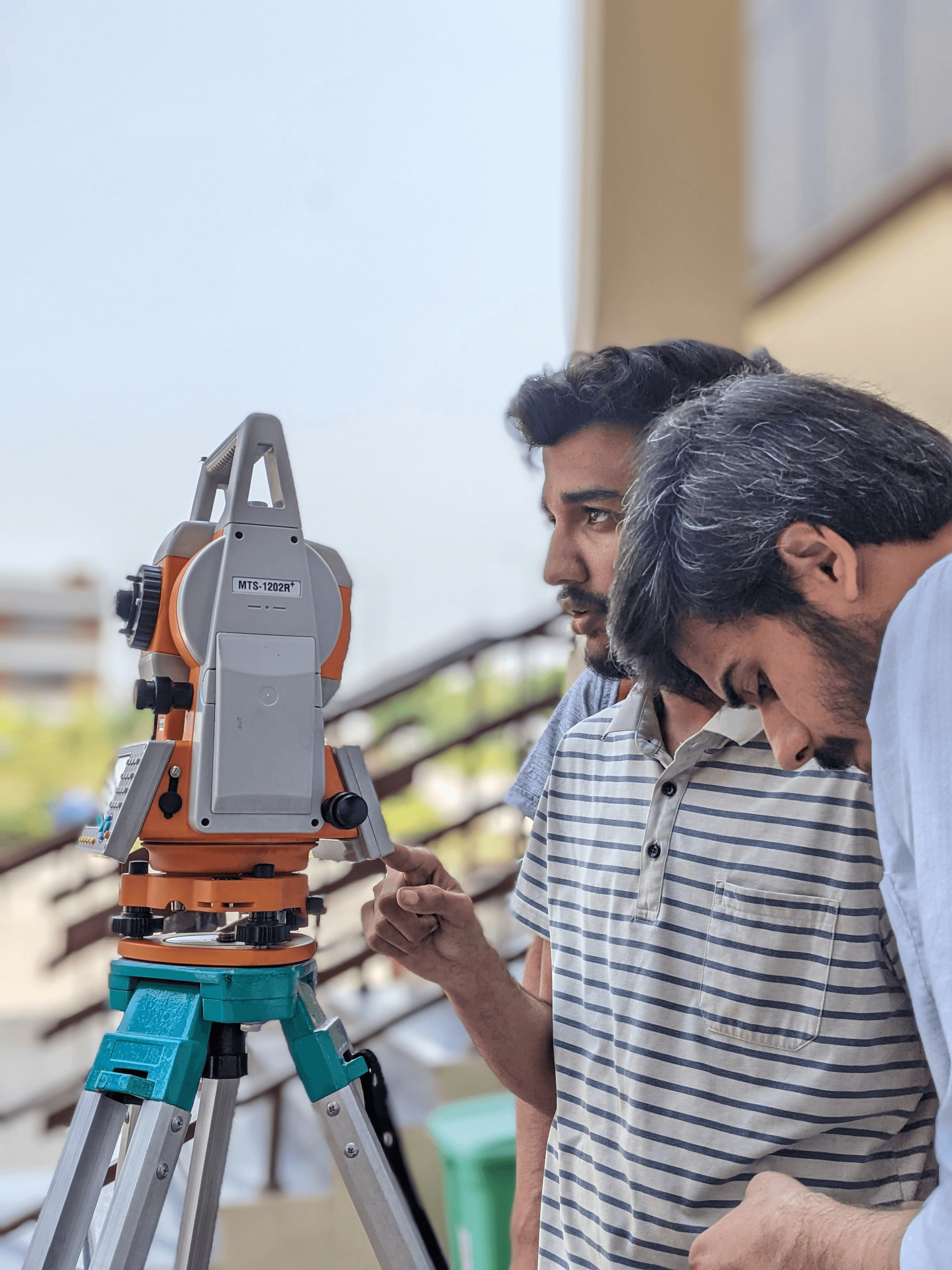
Partnering with a top-tier inspection service provider can make all the difference in ensuring your construction project’s safety and durability. When it comes to Structural Steel Inspection, choosing a firm that offers comprehensive services—including Dimensions Inspection, Acoustic Inspection, and Mechanical Inspection—is crucial for avoiding costly errors down the line. A reliable inspection partner not only catches flaws early but also helps streamline compliance with industry standards, giving you peace of mind from foundation to finish.
Choosing the Right Inspection Partner
Selecting the perfect partner for Structural Steel Inspection involves more than just price; it’s about expertise, technology, and trustworthiness. Look for providers who excel in Dimensions Inspection to guarantee precise measurements that meet project specifications. Additionally, an experienced team skilled in Acoustic Inspection can detect hidden flaws like cracks or corrosion through sound waves—an invaluable asset in maintaining structural integrity.
A great inspection partner will also incorporate Mechanical Inspection into their process to assess material strength and load capacity accurately. Don’t forget to verify their familiarity with industry standards such as ASTM or ISO—these certifications ensure your inspections are up to par. Ultimately, a provider that combines all these facets demonstrates a commitment to quality assurance that aligns perfectly with your project's needs.
How China Inspection Pro Sharpens Quality Assurance
China Inspection Pro stands out as a leader because they integrate cutting-edge techniques like advanced Dimensions Inspection tools and Acoustic Inspection technologies into their workflow. Their expertise ensures every steel component is measured precisely, reducing errors that could compromise structural safety later on. Moreover, their Mechanical Inspection methods are designed to detect weaknesses before they escalate into costly failures—saving time and resources.
What truly sets China Inspection Pro apart is their ability to customize inspection plans tailored specifically for each project’s unique requirements. Whether inspecting steel beams for a bridge or high-rise building components, they leverage comprehensive testing methods combined with industry standards compliance—ensuring your project meets all safety regulations while maintaining top-tier quality control.
Tailoring Inspection Plans to Project Needs
Every construction project has its quirks—and so should its inspection plan. Effective Structural Steel Inspection demands flexibility: integrating Dimensions Inspection for precise measurements, AcousticInspection for flaw detection, and MechanicalInspection for material strength—all calibrated according to specific project parameters. By customizing these plans, inspection providers can focus on critical areas most vulnerable during construction phases.
A tailored approach not only improves accuracy but also optimizes resource allocation by avoiding unnecessary tests or procedures. Leading providers like ChinaInspectionPro excel at designing such bespoke plans—ensuring thorough coverage without wasting time or budget while guaranteeing the highest safety standards through rigorous Structural Steel Inspections.
Conclusion
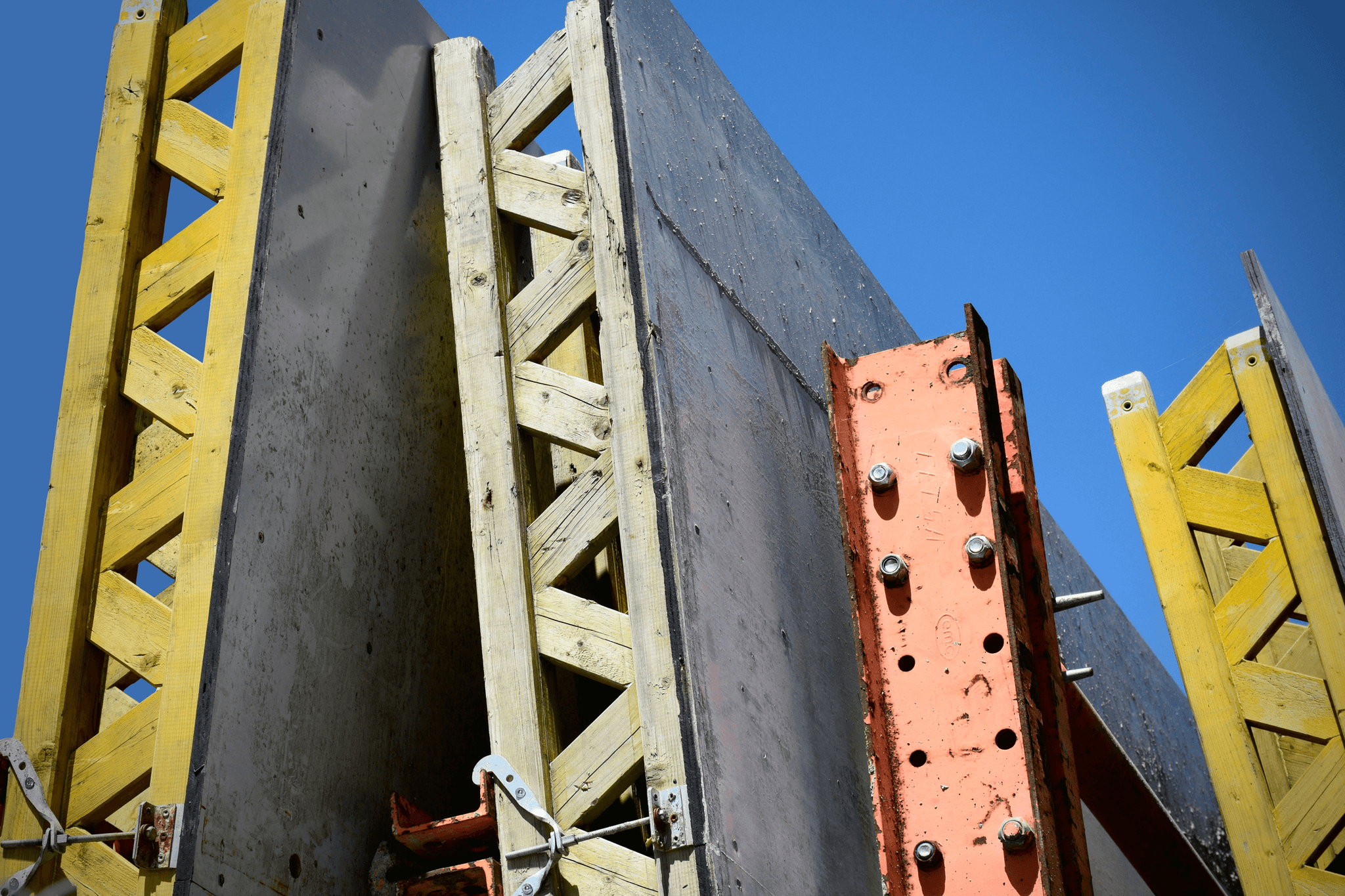
Ensuring the quality of structural steel is the backbone of safe and durable construction projects. Rigorous structural steel inspection, including dimensions inspection, acoustic inspection, and mechanical inspection, acts as the safety net that catches potential flaws before they turn into costly disasters. When these inspections are thorough and precise, they help maintain high standards and prevent structural failures down the line.
The benefits of engaging industry experts in structural steel inspection cannot be overstated. Their expertise ensures that every dimension inspection is accurate, acoustic inspection detects hidden flaws, and mechanical inspection confirms overall integrity. Relying on seasoned professionals like China Inspection Pro guarantees that your project adheres to strict quality benchmarks and complies with international standards.
Advancing with the latest in inspection technologies elevates safety standards across the board. Incorporating tools such as 3D scanning for dimensions inspection or non-destructive testing methods enhances accuracy and efficiency in identifying issues early on. By embracing these innovations, companies can set new industry standards for quality assurance in structural steel projects.