
Introduction
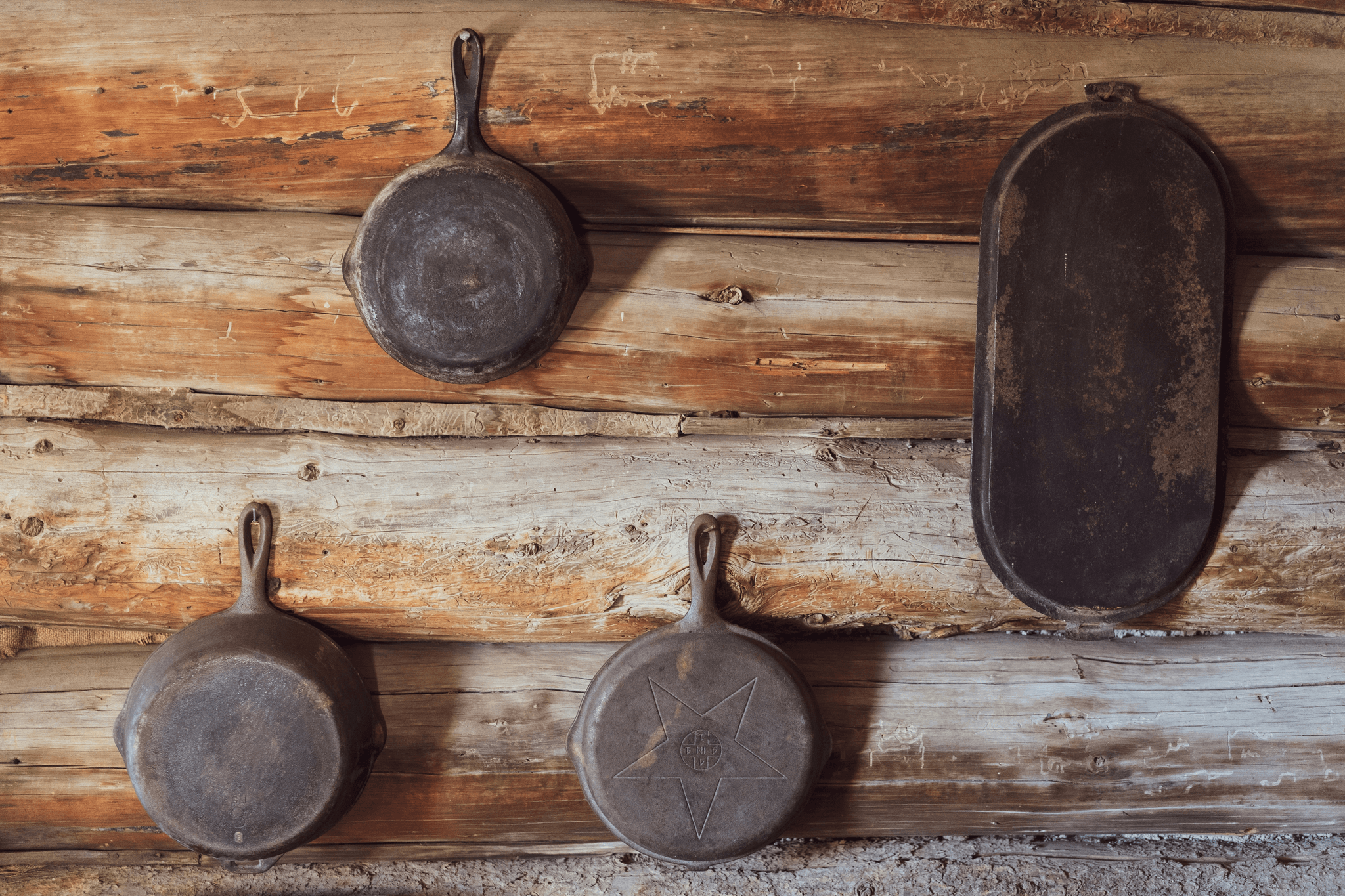
Cast iron cookware has long been a beloved staple in kitchens around the world, celebrated for its durability and exceptional heat retention. However, like any product, it is not immune to defects that can affect cooking performance and safety. Understanding common cast iron cookware defects—such as pinholes, sharp flashes, rust, sand inclusion, chips, cracks, and issues with wobbling or warping—can help you make informed choices when purchasing these kitchen essentials.
Understanding Common Cast Iron Cookware Defects
When exploring cast iron cookware defects, it's essential to recognize that even the smallest flaw can impact your culinary experience. For instance, pinholes can lead to uneven seasoning and increased risk of rust over time. Similarly, sharp flashes and sand inclusions may not only affect aesthetic appeal but also compromise the integrity of your cookware during use.
Importance of Choosing the Right Manufacturer
Selecting a reputable manufacturer is crucial in ensuring you receive high-quality cast iron products free from defects. A reliable manufacturer will prioritize quality control throughout their production process to minimize issues like chips and cracks that could arise from poor craftsmanship or inferior materials. By choosing wisely, you can avoid common pitfalls associated with wobbling or warping that often stem from subpar manufacturing practices.
How Quality Inspection Can Help
Quality inspection plays a vital role in maintaining standards for cast iron cookware by catching defects before they reach consumers' hands. Inspections help identify flaws such as rust spots or structural weaknesses that could lead to safety hazards during cooking sessions. Investing in quality inspection services not only ensures you receive a reliable product but also enhances your overall cooking experience by reducing the likelihood of encountering cast iron cookware defects.
Inconsistent Heat Distribution

When it comes to cooking with cast iron, inconsistent heat distribution can be a real culinary buzzkill. Imagine slaving over a hot stove only to discover that one side of your skillet is searing your steak while the other side is barely warming it up. This uneven heating not only affects the quality of your meals but can also lead to frustration and wasted ingredients.
Why Even Heating Matters
Even heating in cast iron cookware is crucial for achieving perfectly cooked dishes. When heat is distributed uniformly, you can expect consistent browning, better flavor development, and improved overall cooking results. Without this balance, you're likely to encounter issues such as burnt spots or undercooked areas—classic signs of cast iron cookware defects that no home chef wants to deal with.
Identifying Temperature Hotspots
Identifying temperature hotspots in your cast iron cookware can be a bit like playing detective in the kitchen. You might notice that certain areas cook faster than others; for instance, if you see a pinhole effect where bubbles form unevenly or if there’s a “sharp flash” of heat that burns food on one side while leaving it raw on the other. To pinpoint these trouble spots, consider using an infrared thermometer or even simple visual cues like sizzling sounds or color changes during cooking.
Recommended Solutions for Even Cooking
If you're struggling with uneven cooking due to these pesky hotspots, there are several solutions worth trying out. First off, make sure your cookware is properly seasoned; poor seasoning can exacerbate heat distribution problems and lead to rust or even chips in the surface over time. Additionally, investing in high-quality cast iron from reputable manufacturers will minimize issues like sand inclusion or warping—two common culprits behind wobbly pans that don't sit flat on your stovetop.
Poor Seasoning and Non-Stick Issues
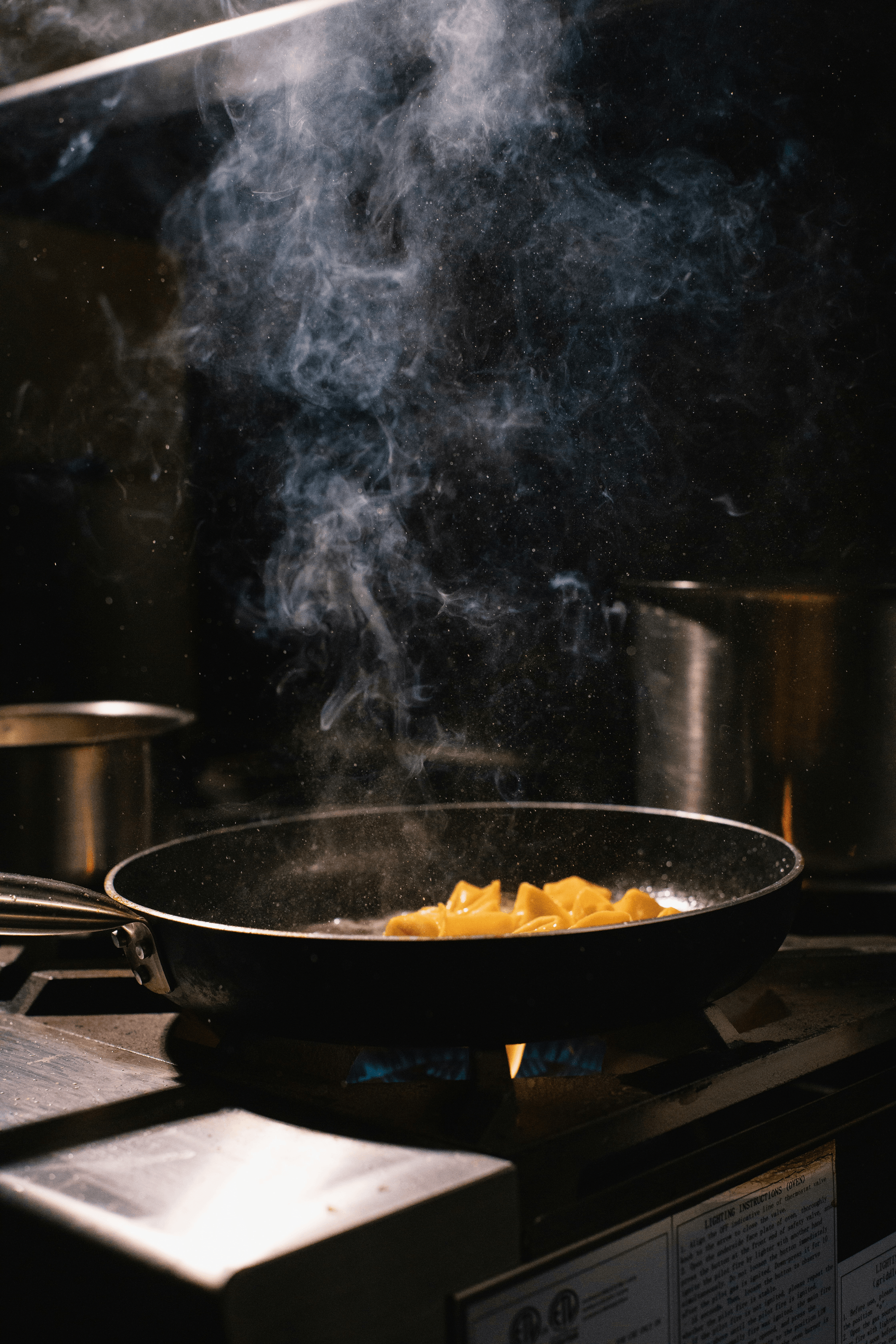
When it comes to cast iron cookware, proper seasoning is the secret sauce that transforms a rough piece of metal into a culinary superstar. Seasoning creates a natural non-stick surface, enhancing the cooking experience while preventing food from sticking and making cleanup a breeze. Without this essential step, you may find yourself battling against rust, chips, or even cracks in your beloved pans—definitely not the kind of Cast Iron Cookware Defects anyone wants to deal with.
The Significance of Proper Seasoning
Proper seasoning not only protects your cast iron cookware from moisture but also builds up layers that improve its non-stick properties over time. A well-seasoned pan can withstand high temperatures while evenly distributing heat—essential for achieving that perfect sear on meats or delicate sautéing of vegetables. On the flip side, neglecting this crucial step can lead to surface issues like pinholes or sand inclusion that compromise both functionality and aesthetics.
Recognizing Signs of Poor Seasoning
So how do you know if your cast iron has been poorly seasoned? Look out for signs like rust spots or discoloration; these are red flags indicating moisture has penetrated your cookware's protective layer. Additionally, if food consistently sticks to the surface despite using oil or fat, it’s likely due to improper seasoning—a classic indicator among Cast Iron Cookware Defects.
How to Re-Season Your Cookware
Re-seasoning is simpler than you might think! Start by giving your pan a good scrub with hot water and mild soap (yes, soap!) to remove any old residue, rust, or sharp flash imperfections lingering on the surface. Once cleaned and dried thoroughly (to avoid more rust), apply a thin layer of vegetable oil all over—inside and out—and bake it upside down in an oven at 450°F for an hour. This process will create a durable layer that combats wobbling/warping while ensuring your pan is ready for action without any pesky sticking problems.
Surface Imperfections

Surface imperfections in cast iron cookware can be more than just an eyesore; they can impact both the cooking experience and the longevity of your beloved pans. Common issues such as pinholes, sharp flashes, rust, sand inclusions, chips, cracks, and even wobbling or warping can arise during the manufacturing process. Identifying these cast iron cookware defects early on is crucial for ensuring that your culinary adventures are as enjoyable as possible.
Identifying Common Surface Defects
When inspecting your cast iron cookware, keep an eye out for pinholes—tiny holes that can form during casting and may lead to rust if moisture gets trapped inside. Sharp flashes are another defect where excess metal from the molding process creates jagged edges that could potentially cause cuts or damage to other kitchenware. Additionally, sand inclusions occur when grains of sand become trapped in the metal during casting; these defects not only affect appearance but also weaken the structural integrity of your cookware.
Chips and cracks are perhaps some of the most concerning surface imperfections to look for; chips can create rough spots that disrupt seasoning while cracks pose a risk of further breaking under heat stress. Wobbling or warping is another issue that can arise from poor quality control during manufacturing; it affects how evenly a pan sits on a burner and can lead to uneven cooking results. By recognizing these common surface defects early on, you can take action before they spoil your cooking endeavors.
Impact on Cooking and Maintenance
The impact of surface imperfections on cooking cannot be overstated—after all, nobody wants their perfectly seared steak to slide off a warped pan! When there are chips or cracks in your cast iron cookware, they become breeding grounds for rust and make it difficult to maintain a proper seasoning layer. Moreover, uneven surfaces caused by defects like sand inclusions or sharp flashes create hot spots that lead to inconsistent heating; this means some parts of your food may burn while others remain undercooked.
Maintenance also takes a hit with these surface flaws; chipped pans require extra care when cleaning to avoid further damage while cracked surfaces might necessitate replacement altogether. Rust formation is particularly concerning since it compromises not just aesthetics but also safety—nobody wants rust flakes in their delicious meals! Overall, addressing surface imperfections promptly ensures both better cooking outcomes and easier upkeep.
Seeking Quality Control from Manufacturers
To avoid dealing with pesky cast iron cookware defects like those mentioned above, it's essential to prioritize quality control when choosing manufacturers. Look for companies with a solid reputation for rigorous inspection processes designed specifically to catch issues such as pinholes and sand inclusions before products hit store shelves. A reliable manufacturer will invest in high-quality materials and precise casting techniques aimed at minimizing flaws like sharp flashes or cracking.
Additionally, consider asking about their warranty policies; reputable manufacturers often offer guarantees against defects which serve as an added layer of security for consumers wary of potential problems down the line. Remember that investing in quality upfront saves you time—and money—in the long run by reducing maintenance needs associated with inferior products riddled with issues like wobbling or warping surfaces. Ultimately, seeking manufacturers committed to quality control ensures you’ll enjoy many years of delicious meals without worrying about hidden flaws ruining your culinary creations.
Handle Design Flaws
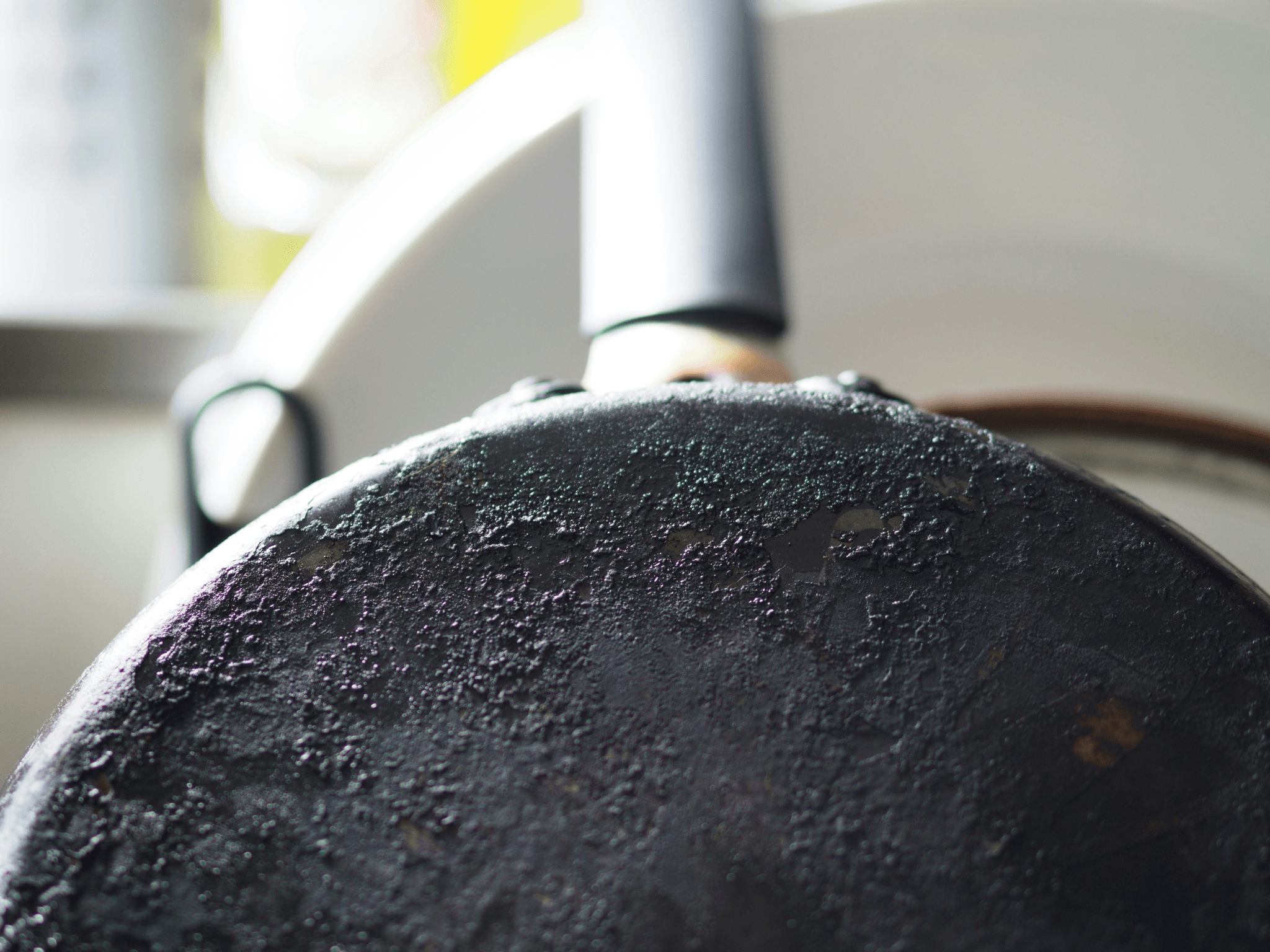
When it comes to cast iron cookware, the handle is often an overlooked aspect that can make or break your cooking experience. A poorly designed handle not only affects comfort but can also lead to accidents in the kitchen. Understanding the importance of ergonomic handles is crucial for both safety and performance when dealing with cast iron cookware defects.
Importance of Ergonomic Handles
Ergonomic handles are essential for providing a secure grip while maneuvering hot cookware, especially when lifting or pouring. Without proper design, you may find yourself struggling with heavy pots, risking burns or spills due to inadequate control. Moreover, an ergonomic handle reduces strain on your wrist and hand, allowing you to enjoy cooking without discomfort or fatigue.
Recognizing Handle Defects
Identifying handle defects is key to ensuring a safe cooking experience with your cast iron cookware. Look for issues like sharp flash from mold seams that can cause cuts or pinholes that may trap food particles and bacteria. Additionally, be wary of any wobbling or warping in the handle; this could indicate poor construction quality which might lead to cracks over time.
How Quality Inspection Can Aid in Design
Quality inspection plays a pivotal role in addressing handle design flaws by ensuring that each piece meets rigorous safety standards before it reaches consumers. Manufacturers who prioritize quality control can detect issues such as sand inclusion and chips early on in production, preventing potential hazards down the line. By choosing a manufacturer known for their attention to detail during inspections, you can significantly reduce the chances of encountering cast iron cookware defects related to handles.
Weight and Balance Problems
Cast iron cookware is known for its heft, which allows for excellent heat retention and distribution. However, if the weight is uneven or the cookware is imbalanced, it can lead to frustrating cooking experiences, such as wobbling or warping while on the stovetop.
Why Weight Matters in Cooking
Weight plays a crucial role in how cast iron cookware performs during cooking. Heavier pieces typically provide better stability on the stove and retain heat more effectively, ensuring that your food cooks evenly without hot spots. If your cookware feels too light or unbalanced, you might encounter issues like uneven cooking or even annoying wobbling that could lead to spills.
Identifying Imbalance in Cookware
Identifying imbalance in cast iron cookware isn't rocket science; it's often about paying attention to how it behaves during use. Look out for any wobbling or warping when placed on a flat surface—this could indicate underlying issues like sand inclusion or poor manufacturing practices. Additionally, inspect for defects such as pinholes or sharp flashes that could compromise both safety and performance.
Choosing the Right Manufacturer for Quality
Selecting a reputable manufacturer is key to avoiding common cast iron cookware defects related to weight and balance problems. Look for brands that prioritize quality control and use superior materials; this ensures you won’t end up with products prone to issues like chips or cracks over time. Remember: investing in well-made cookware means fewer headaches down the line—no one wants a heavy skillet that's more of an anchor than an asset!
Material Quality Concerns
High-quality cast iron is essential for achieving optimal heat retention and distribution, while inferior materials can lead to a host of issues, including cracks, chips, and even rust. Understanding the importance of raw materials helps you appreciate why investing in quality cookware is crucial for both safety and performance.
Understanding the Importance of Raw Materials
The foundation of any durable cast iron cookware lies in the quality of its raw materials. Cast iron that’s made from high-grade iron will not only resist warping but also improve its longevity against wear and tear from regular use. On the other hand, using subpar materials can lead to common Cast Iron Cookware Defects such as sand inclusion or sharp flash, which affect both functionality and aesthetics.
Moreover, proper material selection ensures that your cookware is free from impurities that could compromise its integrity over time. For instance, if inferior iron is used in manufacturing, it may be more susceptible to pinholes or rust—defects that can ruin your culinary creations before they even hit the table! Thus, understanding raw material quality isn’t just about durability; it's about ensuring a delightful cooking experience every time.
Identifying Inferior Materials in Cast Iron
Recognizing inferior materials in cast iron cookware requires a keen eye and some practical knowledge. One telltale sign is surface imperfections like chips or cracks—these often indicate poor-quality casting processes or cheap raw materials being used during production. Additionally, look out for wobbling or warping when placing your cookware on a flat surface; this could signal that substandard material was utilized.
Another red flag includes visible rust spots or pinholes on the surface; these defects not only detract from the appearance but also compromise food safety by harboring bacteria. If you notice sharp flash along seams or edges where two pieces are joined together, that's another indicator of shoddy craftsmanship linked to inferior material choices. Being aware of these signs will empower you to make informed decisions when purchasing cast iron cookware.
How China Inspection Pro Ensures Material Excellence
Quality control plays an indispensable role in ensuring that only top-notch raw materials are used in manufacturing cast iron cookware—and that's where China Inspection Pro comes into play! They specialize in conducting thorough inspections at various stages of production to identify potential issues like sand inclusion or pinhole defects before they reach consumers' hands. Their rigorous standards help ensure that every piece meets high-quality benchmarks so you can cook with confidence.
Additionally, China Inspection Pro evaluates suppliers thoroughly to confirm they utilize premium-grade iron without compromising on quality during manufacturing processes. This proactive approach helps eliminate worries about common Cast Iron Cookware Defects such as cracks and chips before they become a problem for end-users like yourself! With their expertise at work behind the scenes, you can rest assured knowing your investment in cast iron cookware is backed by stringent quality assurance protocols.
Conclusion
In the world of cooking, particularly with cast iron cookware, understanding common defects can save you from culinary disasters and frustration. Whether it's issues like pinholes, sharp flashes, rust, sand inclusion, or even chips and cracks that compromise your pots and pans, recognizing these problems is crucial. Additionally, wobbling or warping can lead to uneven cooking and safety hazards in the kitchen.
Key Takeaways on Cookware Defects
Pinhole imperfections may seem minor but can lead to rust over time if not addressed; sharp flashes can be a danger when handling your pans; and sand inclusions are telltale signs of poor manufacturing practices. Always inspect for chips or cracks before purchase—these flaws not only affect the aesthetics but also the functionality and longevity of your cookware.
Finding a Reliable Cast Iron Manufacturer
Choosing the right manufacturer is essential for acquiring quality cast iron cookware free from defects like wobbling or warping. Look for companies that prioritize craftsmanship and use high-quality materials; this will help ensure you receive products that stand up to heat without deforming over time. Don’t hesitate to ask about their quality control processes—reputable manufacturers should be proud to share how they prevent common issues such as pinholes or rust.
The Role of Quality Inspection in Your Choices
Quality inspection plays a pivotal role in ensuring that your cast iron cookware meets high standards before it reaches your kitchen counter. Inspections catch defects like sharp flashes or sand inclusions early on, preventing potential disappointments later during cooking adventures. By prioritizing manufacturers who invest in thorough quality checks, you’ll enjoy peace of mind knowing your cookware will perform beautifully without any hidden surprises.