
Introduction
In the world of furniture manufacturing, quality control isn’t just a nice-to-have—it’s the backbone of a thriving business. Implementing effective Furniture Quality Control ensures that products meet your standards and delight your customers, turning them into loyal brand advocates. Skimping on this crucial step can lead to costly rework, damaged reputation, and missed opportunities for growth.
Many manufacturers fall into common pitfalls during their production process, such as skipping critical inspection points or neglecting to communicate the cost of quality effectively. These oversights often result in inconsistent product quality, customer complaints, and increased expenses down the line. To avoid these traps, it’s essential to detail your process discipline and establish clear checkpoints that keep every stage aligned with your standards.
Proper inspection isn’t just about catching defects; it’s about proactively boosting customer satisfaction by determining quality based on your customer’s preference and perspective. When you TALK WITH YOUR TEAM openly about quality expectations and emphasize the importance of continuous improvement, everyone becomes invested in delivering top-notch furniture. Remember: solving quality issues completely is key—half measures only lead to recurring problems that tarnish your brand.
Establish a Clear Quality Control Framework
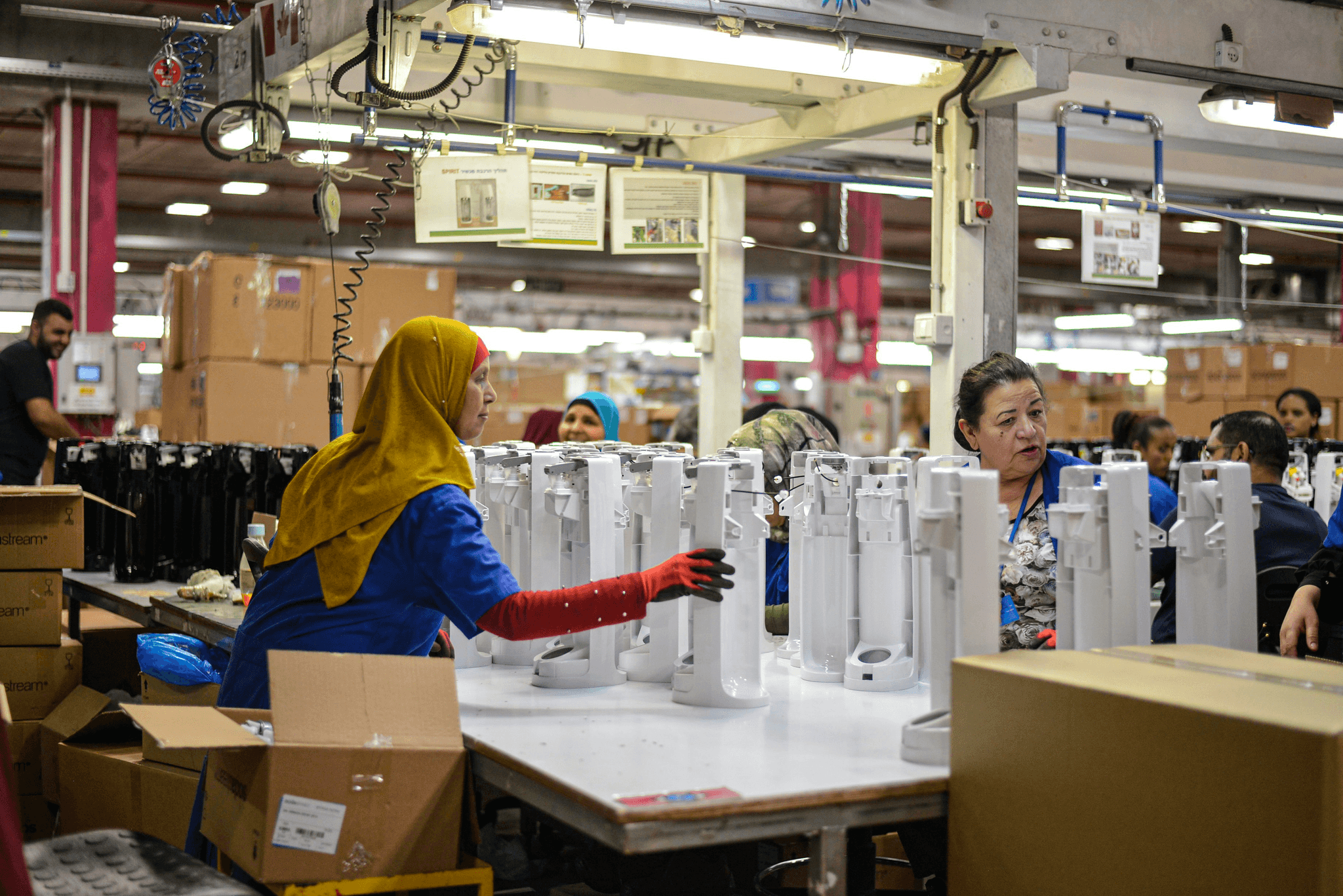
Creating a solid foundation for your furniture manufacturing process begins with establishing a clear quality control framework. This involves defining precise standards that align with Furniture Quality Control principles, ensuring every piece meets your brand's expectations and customer needs. TALK WITH YOUR TEAM regularly to communicate these standards effectively, so everyone understands what quality looks like at each stage of production.
Once your standards are in place, it’s crucial to set up quality benchmarks that are aligned with customer expectations. Determining quality based on your customer’s preference and perspective helps you tailor your processes to deliver products they love. Communicating the cost of quality throughout this process ensures everyone recognizes the value of investing in thorough inspections and proactive measures—completely solving quality issues before they reach the customer.
Implementing consistent inspection checkpoints throughout production is the backbone of a reliable Furniture Quality Control system. These checkpoints serve as opportunities to catch defects early, reducing rework and waste while maintaining process discipline. When you detail your process discipline clearly, it becomes easier to identify areas for continuous improvement and keep your furniture consistently high in quality.
This structured approach not only safeguards product excellence but also demonstrates to clients that you prioritize their satisfaction through meticulous Furniture Quality Control practices. Remember, talking with your team about these benchmarks fosters accountability and keeps everyone aligned with the goal of delivering top-tier furniture every time.
Engage Your Team Effectively

Getting your team on board is the cornerstone of successful Furniture Quality Control. When everyone understands their role in maintaining quality standards, the entire manufacturing process becomes smoother and more reliable. TALK WITH YOUR TEAM openly about expectations, because clear communication helps prevent costly mistakes and keeps everyone aligned with your quality goals.
Talk With Your Team About Quality Expectations
The first step in engaging your team is to have honest conversations about what quality means for your furniture business. Discuss how each stage of production impacts overall furniture quality control, emphasizing that every worker’s contribution matters. By talking with your team regularly about quality expectations, you foster a shared sense of responsibility and ensure that everyone is working toward the same high standards.
Assign Clear Roles for Quality Monitoring at Every Stage
To truly excel in Furniture Quality Control, assign specific roles for quality monitoring at each step of the manufacturing process. When team members know who is responsible for inspecting finishes, joints, or materials, it reduces confusion and enhances accountability. Clearly defining these roles ensures that issues are caught early and completely solved, preventing defects from slipping through the cracks.
Foster a Culture of Continuous Improvement and Accountability
Creating a culture where continuous improvement thrives depends on empowering your team to identify problems proactively and take ownership of solutions. Regular training sessions and feedback loops help reinforce the importance of detail your process discipline—documenting every step so improvements can be tracked effectively. When accountability becomes part of your company DNA, you’ll find that Furniture Quality Control naturally elevates over time as everyone strives for excellence.
Remember: communicating the cost of quality—both in terms of customer satisfaction and brand reputation—is vital when engaging your team. When they understand how poor furniture quality control impacts costs down the line, they’re more motivated to uphold high standards from start to finish.
By maintaining open dialogue with your team about expectations and responsibilities—and emphasizing continuous improvement—you set a solid foundation for long-term success in Furniture Quality Control.
Incorporate Customer Perspectives

Understanding your customer’s perspective is the cornerstone of effective Furniture Quality Control. When you determine quality based on what your customers truly value, you create products that resonate and satisfy. TALK WITH YOUR TEAM regularly about customer preferences so everyone is aligned on what constitutes high-quality furniture from the end-user's viewpoint, ensuring your entire process reflects their expectations.
Gathering feedback consistently is essential to refine your quality parameters. By actively listening to customer insights, you can identify gaps in your current standards and adjust accordingly. This ongoing dialogue helps you completely solve quality issues before they escalate, making sure every piece meets or exceeds customer satisfaction levels.
Using customer insights to drive product enhancements is a strategic move that elevates your Furniture Quality Control efforts. When feedback points to specific improvements, communicate the cost of quality associated with these changes clearly to your team and stakeholders. This transparency fosters a culture where everyone understands that investing in quality ultimately saves costs and boosts brand reputation over time.
Remember, incorporating customer perspectives isn't a one-time task; it’s an ongoing process that keeps your furniture consistently aligned with market demands. TALK WITH YOUR TEAM about how each piece can better serve customer needs through continuous improvement and detail your process discipline to ensure these insights are systematically integrated into production standards.
Communicate the Cost of Quality
Understanding the true cost of quality is essential for any furniture manufacturer aiming for excellence. When you effectively communicate the cost of quality, your team recognizes how investing in Furniture Quality Control directly impacts your bottom line and brand reputation. TALK WITH YOUR TEAM regularly to highlight how quality issues can lead to costly rework, returns, and damaged customer trust, emphasizing that proactive measures save money in the long run.
Balancing investment in quality inspection with cost efficiency is a delicate dance that requires careful planning. Over-investing can strain resources, but under-investing risks poor product standards and customer dissatisfaction. By clearly communicating the cost of quality, you help your team see where resources should go—such as thorough inspections and process discipline—to prevent costly defects before they reach customers.
Advocating for the necessary resources for effective Furniture Quality Control is crucial to maintaining high standards. It's vital to DETERMINE QUALITY BASED ON YOUR CUSTOMER’S PREFERENCE AND PERSPECTIVE because their expectations drive your investment priorities. When you consistently communicate these needs and allocate proper tools and training, you empower your team to completely solve quality issues—ensuring every piece meets or exceeds customer expectations while safeguarding your brand’s integrity.
Solve Quality Issues Completely and Proactively
When it comes to Furniture Quality Control, completely solving quality issues isn’t just a one-and-done task; it’s about adopting a proactive mindset that prevents problems before they escalate. Collaborating with trusted partners like China Inspection Pro can elevate your quality assurance game, providing professional inspection services that catch defects early. Remember, TALK WITH YOUR TEAM regularly to ensure everyone understands the importance of maintaining high standards and recognizing potential issues before they become costly mistakes.
Identifying the root causes of quality defects is the cornerstone of effective Furniture Quality Control. When you pinpoint whether a flaw stems from raw materials, manufacturing processes, or human error, you can develop targeted solutions instead of applying temporary fixes. This approach helps you determine quality based on your customer’s preference and perspective—what matters most is delivering furniture that delights your clients rather than just ticking boxes on an inspection checklist.
Developing and implementing corrective action plans is essential for maintaining consistent furniture quality over time. These plans should be detailed and include steps to address specific issues while emphasizing process discipline—document every step so improvements are measurable and repeatable. Communicating the cost of quality throughout this process ensures everyone understands that investing in thorough inspections and root cause analysis saves money in the long run by reducing rework and returns.
By fully addressing each defect with strategic solutions rooted in furniture quality control principles, you build trust with your customers and strengthen your brand reputation. Remember, proactively solving quality issues requires teamwork—TALK WITH YOUR TEAM openly about challenges—and commitment to process discipline so improvements are sustainable. When everyone understands their role in maintaining high standards, your furniture manufacturing operation will not only meet but exceed customer expectations.
Detail Your Process Discipline

In the world of furniture manufacturing, *Furniture Quality Control* isn’t just a step—it's the backbone of long-term success. To keep that backbone strong, you need to meticulously *document every step of your manufacturing and inspection processes*. When you clearly outline each stage, from raw material selection to final finishing, you create a roadmap that everyone on your team can follow. Remember, TALK WITH YOUR TEAM regularly about these procedures to ensure everyone understands their role in maintaining top-tier Furniture Quality Control.
Using data to monitor and improve process consistency is a game-changer. Collecting real-time feedback and inspection results allows you to identify patterns or recurring issues early on. This proactive approach helps *completely solve quality issues* before they reach the customer, reinforcing your commitment to excellence. When you communicate the cost of quality—both in terms of resources and brand reputation—you motivate your team to prioritize precision at every checkpoint.
Emphasizing *process discipline* is essential for sustainable success in furniture manufacturing. A disciplined process means fewer errors, less waste, and happier clients who trust your brand’s promise of quality. By consistently reviewing and refining your procedures based on data insights, you create a culture where quality is embedded into every action—making it easier to *determine quality based on your customer’s preference and perspective*. This approach ensures that furniture not only meets standards but exceeds expectations, building loyalty over time.
Conclusion
Prioritizing customer-driven standards in Furniture Quality Control is essential for long-term success. When you focus on what your customers truly value, your furniture manufacturing process naturally aligns with their expectations, leading to higher satisfaction and repeat business. Remember, TALK WITH YOUR TEAM regularly to reinforce these standards and ensure everyone understands the importance of maintaining high-quality furniture.
Effective communication is the backbone of consistent Furniture Quality Control. Clearly articulating quality expectations and the costs associated with quality issues helps everyone see the bigger picture. By effectively communicating the cost of quality, you empower your team to take ownership of their roles and make informed decisions that uphold your brand’s reputation.
Committing to continuous improvement and detail your process discipline is what separates good furniture makers from great ones. Regularly reviewing and refining each step in your manufacturing process ensures you completely solve quality issues before they escalate. When you detail your process discipline thoroughly, it becomes easier to identify gaps, reduce defects, and maintain a high standard of Furniture Quality Control over time.