
Introduction
When it comes to producing top-tier eyewear, a thorough eyewear inspection is your best friend. This process ensures every pair meets quality standards before reaching customers, safeguarding your reputation and reducing costly returns. From material inspection processes to lens and frame inspection, paying attention to detail keeps your brand ahead in the game.
Skipping or rushing through an eyewear inspection can lead to overlooked flaws that tarnish your product’s credibility. Common mistakes such as neglecting proper lens inspection or ignoring subtle frame flaws can result in dissatisfied customers and costly recalls. Mastering the art of assembled eyewear inspection helps catch these issues early, saving time and money while boosting customer trust.
Quality inspection isn’t just about finding defects; it’s about ensuring customer satisfaction at every step. A comprehensive approach—covering material inspection processes, lens inspection, and frame inspection—guarantees that each piece is flawless before it hits the shelves. When you prioritize rigorous inspections, you turn happy customers into loyal brand ambassadors who appreciate your commitment to excellence.
Preparing for Material Inspection Processes
Getting ready for the Material Inspection Processes is a crucial step in ensuring your eyewear meets the highest standards. This stage sets the foundation for a smooth Eyewear Inspection, whether you're checking lenses, frames, or assembled units. Proper preparation helps catch defects early and keeps production on track, saving time and money in the long run.
Before diving into Lens Inspection or Frame Inspection, selecting the right tools is essential. Using calibrated magnifiers, UV lights, and digital measurement devices ensures accuracy during Eyewear Inspection. Investing in quality inspection tools also minimizes human error and guarantees consistent results across all material inspections.
Understanding Material Specifications in Eyewear is another vital aspect of preparing for Material Inspection Processes. Different lens coatings or frame materials have unique properties that require specific inspection criteria. Familiarity with these specifications allows inspectors to identify subtle flaws that could compromise product performance or durability during any Eyewear Inspection.
Organizing your inspection documentation should never be an afterthought; it’s part of a comprehensive approach to quality control. Keeping detailed records of Lens Inspection results, Frame Inspection findings, and assembled eyewear assessments helps trace issues back to their source quickly. Well-organized documentation also facilitates better communication with manufacturers like Luxottica or Essilor and streamlines future inspections.
Conducting Lens Inspection
When it comes to eyewear inspection, the lens is often the star of the show—and sometimes the culprit. During lens inspection, carefully scrutinize each piece for scratches, blemishes, or any surface imperfections that could compromise visual clarity. Remember, even tiny flaws can turn into customer complaints later on, so thoroughness is key in your material inspection processes.
Verifying optical clarity and distortion is a critical step in lens inspection. Use appropriate tools to check if the lenses deliver crisp images without warping or blurring. A misstep here can lead to unhappy customers and returns—so make sure your eyewear inspection process leaves no room for optical surprises.
Ensuring proper coatings and treatments during lens inspection is essential for durability and performance. Whether it’s anti-reflective coatings or UV protection layers, confirm they are evenly applied and free of defects. Properly inspecting coatings helps maintain high standards in your material inspection processes and guarantees that every pair meets industry expectations.
Performing Frame Inspection
When it comes to Eyewear Inspection, the frame is just as critical as the lenses. A thorough inspection of the frame ensures that it can withstand daily wear and tear without breaking or losing its shape. This step in Material Inspection Processes helps catch flaws early, saving you from costly returns and unhappy customers.
Examining Frame Durability and Flexibility
During Frame Inspection, assessing durability and flexibility is key to guaranteeing quality eyewear. Bend and twist the frames gently to see if they hold up without cracking or deforming—these are signs of a robust material inspection process. If the frames lack resilience, they won’t perform well in real-world use, making this an essential part of any comprehensive Eyewear Inspection.
Inspecting Fit and Finish for Flaws
A meticulous eye for detail during Frame Inspection reveals imperfections like rough edges, uneven paint or plating, and surface scratches that could compromise aesthetic appeal or comfort. These flaws often slip past casual checks but are glaring issues during a detailed Material Inspection Processes. Remember, flawless fit and finish elevate your product’s reputation; don’t overlook this crucial step in Eyewear Inspection.
Ensuring Proper Alignment and Symmetry
Aligning the hinges, temples, and nose pads correctly is vital for both function and style—this is where Assembled Eyewear Inspection shines brightest. Misaligned frames can cause discomfort or even damage over time; hence, verifying symmetry during Frame Inspection guarantees customer satisfaction. A precise check here not only improves quality but also reinforces your commitment to excellence in every pair you deliver.
Assembled Eyewear Inspection Step
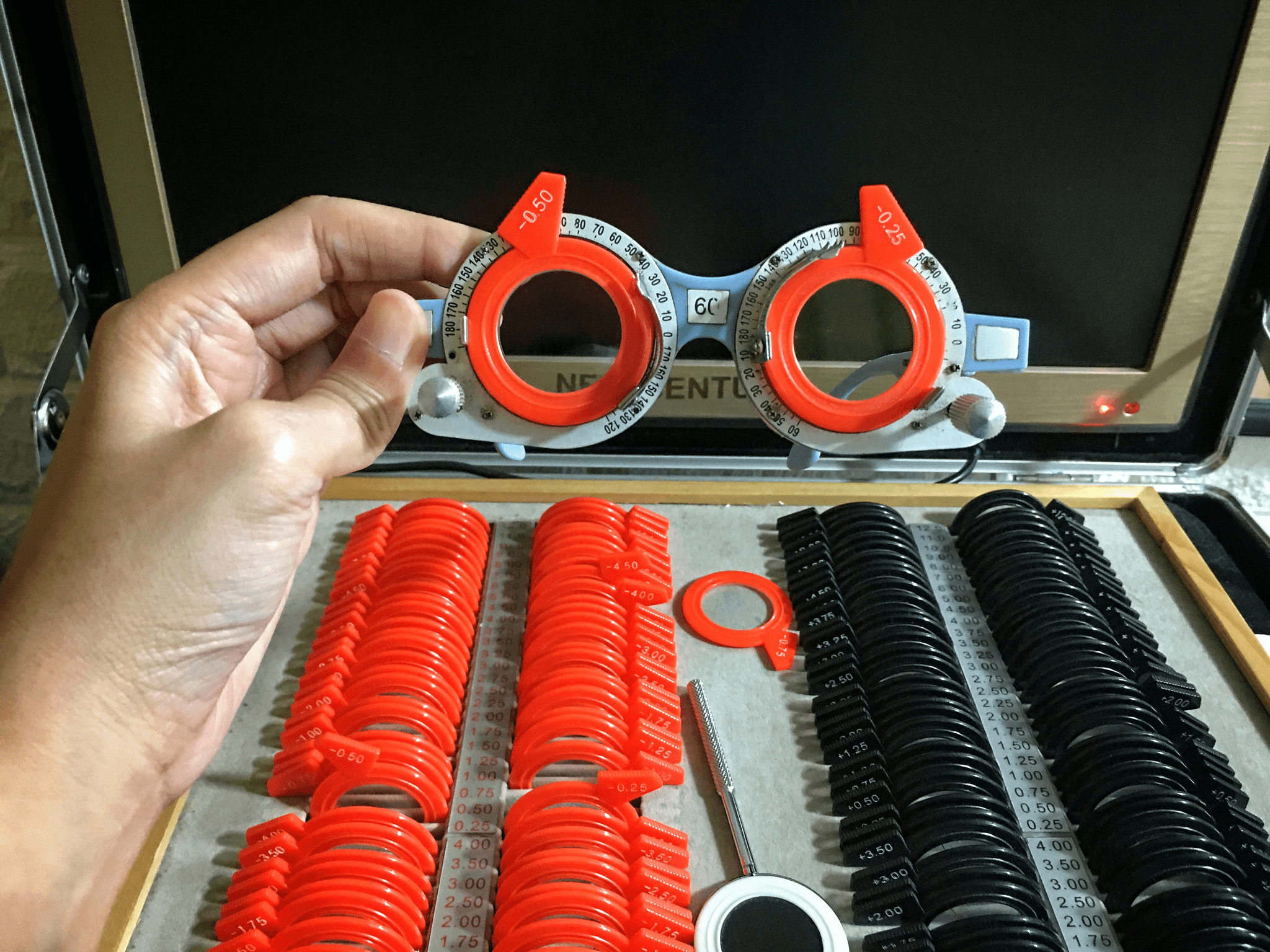
Once the material inspection processes are complete and the lenses and frames have passed their respective checks, it's time to focus on the assembled eyewear. This stage is crucial because even minor issues can compromise comfort, durability, or aesthetic appeal. An effective assembled eyewear inspection ensures that every component works harmoniously, delivering a product that meets industry standards and customer expectations.
Confirming Tightness of Screws and Hinges
During the assembled eyewear inspection, verifying the tightness of screws and hinges is paramount. Loose screws can lead to parts falling apart or misalignments, which frustrate customers and damage your brand reputation. Use precision tools to gently tighten each screw without over-tightening, as this could cause stress fractures or damage to delicate materials. Regularly checking these components during material inspection processes helps catch potential issues early before products reach consumers.
Testing for Comfort and Fit
Comfort and fit are often overlooked but are vital aspects of eyewear inspection that directly influence customer satisfaction. During this phase, assess how well the eyewear conforms to different face shapes by testing for pressure points or pinching areas. If an item fails in this area during your lens or frame inspection stages, it’s worth addressing before final assembly—since poor fit can lead to returns or negative reviews later on.
Validating Overall Functionality
The final step in assembled eyewear inspection involves validating overall functionality—making sure everything operates smoothly from hinges opening easily to adjustable nose pads functioning correctly. This process often combines manual testing with automated systems in high-end facilities using advanced inspection techniques like digital inspections or UV light checks. By thoroughly validating functionality at this stage, you ensure your product stands up to rigorous use while maintaining flawless quality throughout the material inspection processes.
Utilizing Advanced Inspection Techniques
In the fast-paced world of eyewear manufacturing and retail, relying solely on basic visual checks isn't enough. Advanced inspection techniques elevate your material inspection processes, ensuring every lens and frame meets strict quality standards. These cutting-edge methods help identify subtle flaws that could compromise the integrity of your assembled eyewear, ultimately safeguarding customer satisfaction.
Using Magnification and UV Light
Magnification tools are indispensable for detailed eyewear inspection, allowing inspectors to scrutinize lenses for tiny scratches or blemishes that might be invisible to the naked eye. When combined with UV light, these tools reveal coating imperfections or material inconsistencies that could affect optical clarity or durability. Incorporating magnification and UV light into your material inspection processes ensures defects are caught early, reducing returns and enhancing overall product quality.
Implementing Digital and Automated Inspections
Digital imaging systems and automated inspection devices are transforming traditional eyewear inspection into a precise science. These technologies can quickly analyze large batches of lenses and frames for defects like distortions or misalignments during the lens inspection phase or frame flaws during assembly checks. By integrating digital solutions into your material inspection processes, you streamline quality control, minimize human error, and ensure consistent standards across all products.
Recognizing Material Defects Early
Early detection of material defects is vital in preventing costly rework or recalls down the line. Advanced techniques such as infrared scanning or laser measurement can identify issues like internal cracks within frames or inconsistencies in coatings before they become visible during assembled eyewear inspections. Recognizing these problems early allows manufacturers to address them promptly, maintaining high standards in all stages—from raw materials to finished products—and reinforcing a reputation for reliable eyewear inspection practices.
Documenting and Reporting Findings

Thorough documentation is the backbone of effective eyewear inspection, whether you're scrutinizing lenses or frames. Recording defects and discrepancies meticulously ensures that no issue slips through the cracks, providing a clear trail for quality control teams and manufacturers alike. This detailed record-keeping is essential for improving material inspection processes and maintaining high standards in assembled eyewear inspection.
Recording Defects and Discrepancies
During the eyewear inspection process, capturing every flaw—be it scratches on lenses or misaligned frames—is crucial. Using standardized forms or digital tools helps streamline this process, making it easier to track recurring issues over time. When you document defects accurately, you enable your team to identify patterns that could indicate deeper problems in material inspection processes or manufacturing procedures.
Providing Clear, Actionable Recommendations
Once defects are logged, it's vital to translate those findings into practical steps for improvement. Clear recommendations might include re-inspecting specific batches or adjusting manufacturing parameters for better frame durability during the frame inspection phase. Effective reporting ensures that everyone involved understands what needs fixing, making subsequent lens inspections and assembled eyewear inspections more efficient and effective.
Collaborating with Manufacturers Like Luxottica or Essilor
Partnering with renowned manufacturers such as Luxottica or Essilor demands precise communication of your eyewear inspection results. Sharing detailed reports about material flaws or assembly issues fosters trust and collaboration, ultimately elevating product quality. When your reports highlight critical points from your lens inspection, frame inspection, and assembled eyewear inspection stages, it helps these industry leaders uphold their reputation for excellence.
Partnering with China Inspection Pro
When it comes to maintaining top-tier quality in eyewear, partnering with a professional inspection service like China Inspection Pro can be a game-changer. Their expertise in Eyewear Inspection ensures every piece meets rigorous standards, from Material Inspection Processes to Lens and Frame Inspection. By leveraging their services, brands can streamline their quality control workflows and focus on what they do best—creating stylish, durable eyewear that customers love.
Benefits of Professional Quality Inspection Services
Engaging with China Inspection Pro offers numerous advantages for eyewear manufacturers and retailers. Their comprehensive approach covers Material Inspection Processes, ensuring raw materials meet specifications before production even begins. This proactive step helps prevent costly errors during Lens and Frame Inspection stages, saving time and reducing waste while boosting overall product quality.
How China Inspection Pro Ensures Compliance and Excellence
China Inspection Pro specializes in delivering meticulous Assembled Eyewear Inspections that catch flaws early—be it scratches on lenses or misaligned frames. Their team employs advanced tools for Lens Inspection, verifying optical clarity and coating integrity, while also assessing Frame Durability and Finish during Frame Inspections. This thorough process guarantees your eyewear complies with industry standards and exceeds customer expectations.
Turning Inspection Results Into Business Advantages
The insights gained from detailed inspections empower brands to refine their manufacturing processes continually. By collaborating with China Inspection Pro, companies can quickly identify recurring issues in Material or Frame Inspections, enabling targeted improvements that elevate product consistency. Ultimately, this leads to increased customer satisfaction and a stronger reputation—making your brand stand out through reliable Eyewear Inspections.
Conclusion
In the world of eyewear manufacturing and retail, ensuring your product passes rigorous Eyewear Inspection is crucial for maintaining quality and customer trust. Proper Material Inspection Processes serve as the foundation for flawless lenses and sturdy frames, preventing costly returns and reputation damage. When you prioritize thorough inspections—covering everything from Lens Inspection to Assembled Eyewear Inspection—you set your brand apart as a leader in quality assurance.
Ensuring Your Eyewear Meets Industry Standards
Consistent Eyewear Inspection guarantees that every piece aligns with industry standards, safeguarding against defects that could compromise safety or performance. From initial Material Inspection Processes to final checks on assembled eyewear, each step ensures your products are up to par. Staying compliant not only boosts consumer confidence but also shields your business from legal pitfalls related to subpar eyewear.
The Value of Routine Material and Assembly Inspections
Routine Material Inspection Processes help catch potential issues early, saving time and money down the line. Regular Lens Inspection and Frame Inspection prevent defects like scratches or misalignments from slipping through, which could tarnish your brand’s reputation. Incorporating consistent Assembled Eyewear Inspections into your workflow creates a cycle of continuous improvement that benefits both manufacturer and customer.
Elevate Your Brand with Reliable Eyewear Inspection Services
Partnering with professional services dedicated to comprehensive Eyewear Inspection elevates your brand’s credibility in a competitive market. Expert inspection teams excel at identifying flaws during Lens, Frame, or Assembled Eyewear inspections—ensuring only top-quality products reach consumers. By investing in reliable inspection services, you turn quality assurance into a powerful marketing tool that builds loyalty and drives growth.