
Introduction
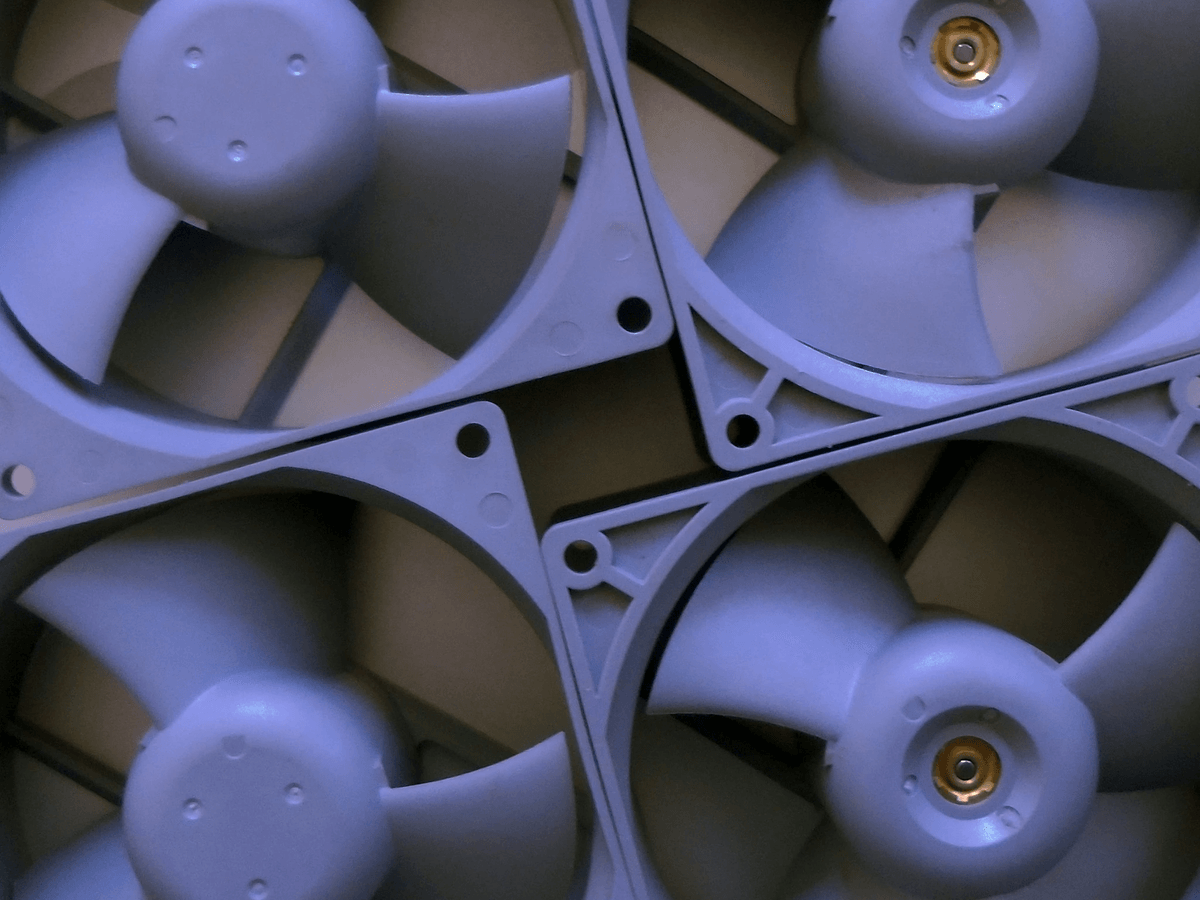
In the world of industrial equipment, Fan and Blower Inspection plays a pivotal role in ensuring these vital components perform at their peak. With complex manufacturing processes, thorough material inspection and fabrication inspection (welding) are essential to catch potential flaws early on, saving time and costs down the line. When it comes to maintaining quality standards, a detailed visual inspection for damage combined with dimensional check to drawing requirements guarantees that every fan and blower meets strict specifications before hitting the market.
Ensuring quality and compliance with industry standards is non-negotiable in today’s competitive landscape. Regular inspection of bought out parts helps verify that every component aligns with required standards, reducing risks associated with subpar materials or faulty manufacturing. By integrating comprehensive material inspection, fabrication inspection (welding), and rigorous visual inspections for damage, manufacturers can confidently deliver reliable fans and blowers that stand up to operational demands.
Ultimately, thorough inspection enhances reliability and performance by identifying potential issues early—whether through dimensional check to drawing requirements or inspecting bought out parts for conformity. This proactive approach minimizes downtime and maintenance costs while boosting customer satisfaction. Investing in consistent Fan and Blower Inspection ensures products are built to last, elevating brand reputation in a crowded marketplace.
Overview of Fan and Blower Inspection
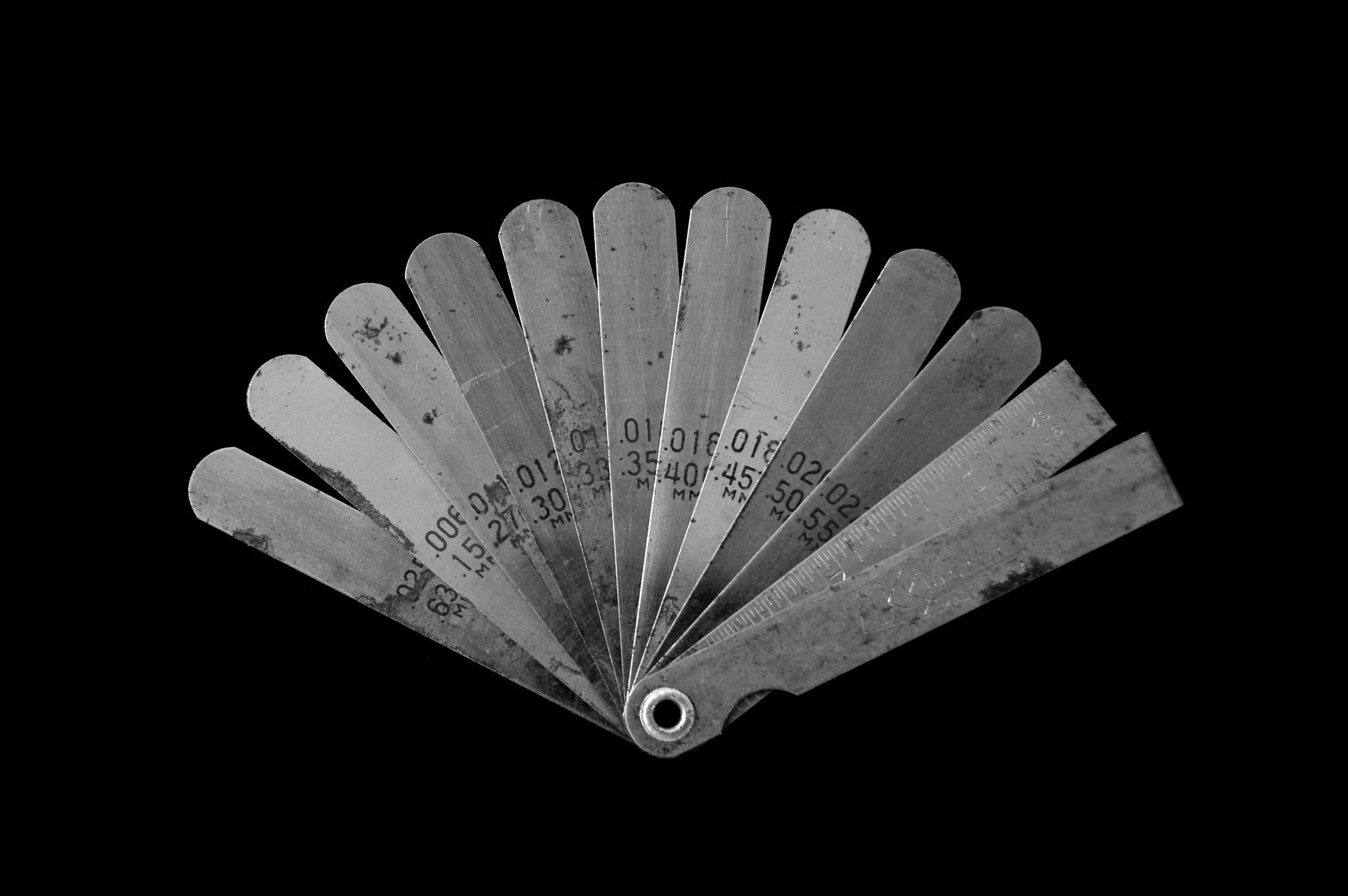
Fan and blower inspection is a comprehensive process that ensures these vital components meet quality standards and function reliably in their applications. This involves multiple layers of scrutiny, from raw material checks to final assembly assessments, all aimed at preventing failures in the field. Conducting thorough fan and blower inspection helps manufacturers deliver products that adhere to industry norms while boosting customer confidence.
A critical part of fan and blower inspection is material inspection, which verifies that raw materials used in manufacturing meet specified quality requirements. Material inspection ensures that only durable, corrosion-resistant, and high-performance materials are used, reducing the risk of premature failure. Alongside material inspection, fabrication inspection—especially welding—is essential for confirming structural integrity and adherence to safety standards during manufacturing.
Visual inspection for damage plays a pivotal role in fan and blower inspection by identifying surface defects such as dents, corrosion spots, or scratches that could compromise performance. This step also includes checking for manufacturing defects like misaligned parts or surface irregularities. Visual inspection for damage ensures that fans and blowers not only look good but are structurally sound before moving forward in the production process.
Dimensional check to drawing requirements is another cornerstone of fan and blower inspection. It guarantees that every component conforms precisely to engineering drawings with acceptable tolerances. By verifying dimensions during fan and blower inspection, manufacturers can prevent assembly issues or performance discrepancies caused by misaligned or incorrectly sized parts.
Inspection of bought out parts completes the quality assurance cycle by verifying supplier components meet strict standards before integration into the final product. This process involves scrutinizing critical bought out parts for compliance with specifications during fan and blower inspection. Proper management of bought out parts through rigorous inspections reduces supply chain risks and enhances overall product reliability.
Material Inspection and Fabrication Inspection
In the world of Fan and Blower Inspection, ensuring that raw materials meet stringent quality standards is the first step to delivering top-notch products. Material Inspection involves scrutinizing incoming raw materials for purity, strength, and consistency, preventing subpar components from entering the manufacturing process. This crucial phase helps identify any deviations early, saving time and costs down the line.
Fabrication Inspection, especially welding checks, plays a vital role in confirming that fabricated parts are built to exact specifications. Proper welding techniques ensure structural integrity and longevity of fans and blowers, making Fabrication Inspection an indispensable part of quality assurance. Visual inspection for damage during fabrication helps catch surface flaws or defects that could compromise performance or safety.
Beyond initial checks, inspecting bought out parts becomes essential to maintain overall product quality. Verification of supplier components ensures they meet industry standards and fit seamlessly into assembled fans and blowers. This comprehensive approach to Material Inspection and Fabrication Inspection guarantees that every component contributes to a reliable final product.
Visual Inspection for Damage and Defects
Visual inspection plays a crucial role in Fan and Blower Inspection to ensure that products are free from surface damage and manufacturing flaws before they reach the end user. During this process, inspectors meticulously examine each component for obvious signs of wear, corrosion, or surface irregularities. This step is vital because even minor imperfections can compromise the overall performance and longevity of fans and blowers, making thorough visual inspection indispensable in Material Inspection and fabrication inspection processes like welding.
Detecting Surface Damage and Corrosion
The first line of defense in Fan and Blower Inspection involves identifying surface damage such as dents, scratches, or corrosion that could weaken structural integrity. Surface damage often results from mishandling during manufacturing or transportation, while corrosion may develop over time due to environmental exposure. By conducting detailed visual inspections for damage, inspectors can flag potential issues early on, preventing costly failures down the line. Regular checks also help verify that the surface finish meets industry norms, maintaining product quality standards.
Checking for Manufacturing Defects
Manufacturing defects—like cracks, incomplete welds, or misaligned parts—are red flags in any Fan and Blower Inspection process. These flaws typically originate during fabrication inspections involving welding or assembly stages but can sometimes be overlooked without a keen eye. Visual inspection for damage extends beyond surface issues; it includes scrutinizing critical welds and joints to ensure they meet specified standards. Catching these defects early through diligent visual checks allows manufacturers to address problems before they escalate into larger performance issues.
Ensuring Surface Finish Meets Industry Norms
A smooth, defect-free surface finish isn't just about aesthetics—it directly impacts the efficiency of fans and blowers by reducing turbulence and wear points. During visual inspection for damage, inspectors assess whether surfaces meet industry norms regarding roughness levels or coating quality—a key aspect of material inspection standards. Consistent surface finishes also facilitate easier maintenance and prolong equipment lifespan; thus, verifying this aspect is integral to comprehensive fan and blower inspection routines.
Dimensional Check to Drawing Requirements
Ensuring that every component of your fan and blower passes the dimensional check to drawing requirements is crucial for maintaining quality standards. During Fan and Blower Inspection, precise measurements are taken to verify that each part aligns perfectly with the engineering drawings. This step helps prevent costly assembly issues and guarantees optimal performance in the final product.
Confirming Dimensions Meet Engineering Drawings
The first step in dimensional check to drawing requirements involves meticulous measurement of critical parts against detailed engineering drawings. During Fan and Blower Inspection, inspectors use advanced tools like calipers and coordinate measuring machines (CMM) to confirm dimensions are accurate. This process ensures that all components fit seamlessly during assembly, reducing the risk of malfunctions caused by dimension discrepancies.
Tolerance Verification for Critical Parts
Tolerance verification for critical parts is a vital aspect of fabrication inspection (welding) within fan and blower manufacturing. Even slight deviations from specified tolerances can lead to performance issues or premature failure, making inspection of bought out parts equally important. Regular visual inspection for damage combined with precise measurement guarantees that each part adheres strictly to industry standards, safeguarding overall product reliability.
Preventing Assembly and Performance Issues
By conducting a thorough dimensional check to drawing requirements, manufacturers can prevent assembly problems before they occur—saving time and costs down the line. Proper inspection of bought out parts ensures that all external components meet quality standards, avoiding potential delays or failures during operation. Ultimately, this proactive approach in material inspection and fabrication inspection (welding) enhances the durability and efficiency of fans and blowers in their respective applications.
Inspection of Bought Out Parts
Ensuring the quality of bought out parts is a critical step in the overall Fan and Blower Inspection process. These components often come from multiple suppliers, making it essential to verify their compliance with industry standards before integration. Proper inspection helps prevent costly failures and guarantees that every part meets the specified material and dimensional requirements.
When conducting a comprehensive Fan and Blower Inspection, inspection of bought out parts involves rigorous Material Inspection to confirm raw materials meet quality standards. This step ensures that only high-grade materials are used, reducing the risk of corrosion or mechanical failure down the line. Additionally, inspecting critical components for compliance checks guarantees they adhere to safety regulations and performance benchmarks.
Managing supply chain quality risks is vital in maintaining consistent product excellence. Through detailed inspection of bought out parts, companies can identify potential issues early—such as subpar fabrication or manufacturing defects—before assembly begins. This proactive approach minimizes delays and reinforces confidence in the entire production process, ultimately elevating the overall quality of fans and blowers.
The Inspection Process with China Inspection Pro
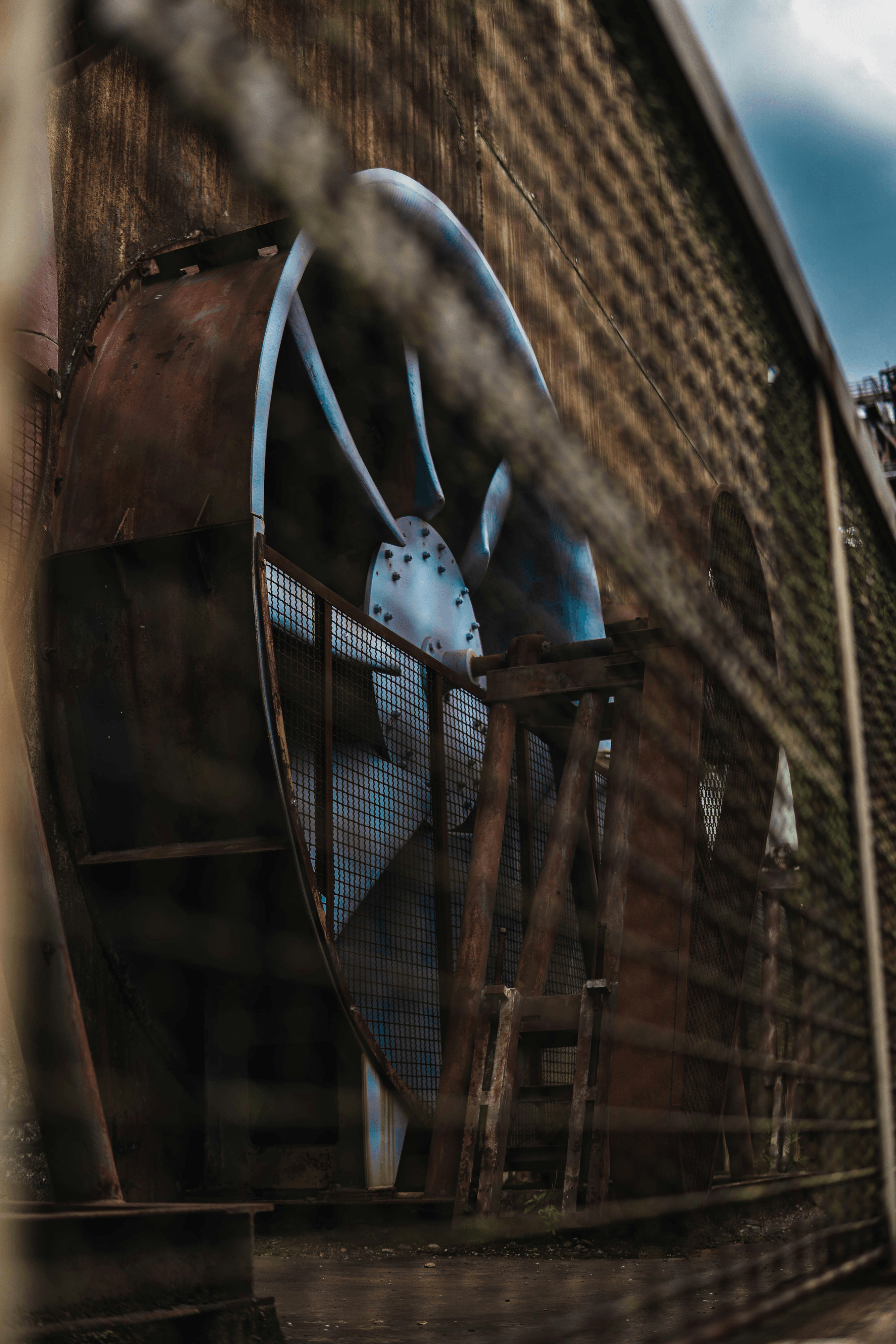
When it comes to Fan and Blower Inspection, a well-structured process ensures every component meets the highest standards. China Inspection Pro follows a meticulous workflow that covers everything from raw material checks to final product verification. Their goal is to catch non-conformities early, saving clients time and money while guaranteeing top-notch quality.
During Material Inspection, experts scrutinize raw materials used in fan and blower manufacturing to confirm they meet specified standards. This step is critical because subpar materials can compromise the entire product’s performance. Fabrication Inspection (Welding) then ensures that all welding processes are performed correctly, preventing potential failures down the line.
Visual inspection for damage is performed at multiple stages to identify surface defects like corrosion or surface scratches that could affect durability. This step involves detailed assessments of fans and blowers for any manufacturing defects or surface finish issues that might not be visible initially but could impact performance. Dimensional check to drawing requirements verifies that each part conforms precisely to engineering specifications, avoiding assembly issues or operational inefficiencies.
Inspection of bought out parts is also integral to the process, as third-party components must meet strict quality standards before integration into larger fan and blower assemblies. This ensures supply chain integrity and prevents future reliability problems caused by inferior parts. By combining these inspection steps—material inspection, fabrication inspection, visual inspection for damage, dimensional checks, and bought-out parts verification—China Inspection Pro offers a comprehensive approach tailored for fan and blower manufacturers.
Step-by-step Inspection Workflow
The process begins with Material Inspection where raw materials are tested for composition and quality compliance specific to fan and blower components. Next is Fabrication Inspection (Welding), where welds are examined visually and through non-destructive testing methods if necessary; this guarantees structural integrity in critical areas. Once materials are approved, visual inspection for damage takes place during various production stages to catch surface flaws early on.
Following these initial checks, a dimensional check to drawing requirements confirms that each part fits perfectly within design tolerances—crucial for ensuring optimal performance of fans and blowers in their final assembly. Simultaneously, the inspection of bought out parts verifies supplier compliance so only quality components make it into the finished product. The entire workflow culminates in a final review where all previous inspections are consolidated into one comprehensive report.
How Experts Identify Non-conformities
Experts conducting Fan and Blower Inspection employ both manual visual assessments and advanced testing techniques to identify non-conformities across every stage of production. During material inspection, deviations from specifications such as incorrect alloy composition or impurities are flagged immediately; this prevents substandard raw materials from progressing further in fabrication inspection (Welding). When inspecting welds visually or through ultrasonic testing during fabrication inspections, experts look for cracks or incomplete welds that could jeopardize structural integrity.
Visual inspection for damage involves meticulous examination of surfaces under proper lighting conditions—any corrosion spots or manufacturing defects like dents are documented thoroughly before proceeding with dimensional checks aligned with drawing requirements. These dimensional checks utilize precision tools such as calipers or coordinate measuring machines (CMM) which compare actual measurements against technical drawings—any tolerance breaches trigger corrective actions promptly.
In addition, during the inspection of bought out parts, specialists verify packaging labels, certifications, and physical condition against supplier documentation—all aimed at catching potential issues before assembly begins or products reach customers.
Reporting and Actionable Feedback
Once all inspections—material testing, fabrication evaluation (Welding), visual damage assessment, dimensional verification, and bought out parts review—are completed successfully or flagged otherwise; detailed reports are generated by China Inspection Pro’s team of specialists. These reports highlight non-conformities clearly along with photographic evidence when needed so clients understand exactly where issues lie within their fan and blower products.
Actionable feedback provided by these reports guides manufacturers on necessary corrective measures—from reworking welds during fabrication inspections to sourcing alternative components during bought out parts verification—to ensure final products meet industry standards consistently. The transparency offered through comprehensive reporting helps build trust between clients and inspectors while streamlining quality assurance processes across production cycles involving fans and blowers.
Conclusion
Ensuring product excellence in the fan and blower industry hinges on rigorous third party inspection processes. By implementing comprehensive material inspection, fabrication inspection (welding), and visual inspection for damage, manufacturers can catch flaws early and uphold high quality standards. These steps are vital to guarantee that every fan and blower meets safety, performance, and durability expectations before reaching the market.
Partnering with a trusted third party like China Inspection Pro offers numerous benefits for fan and blower manufacturers. Their expertise in inspecting bought out parts ensures that all components comply with industry standards, reducing supply chain risks. Additionally, their detailed dimensional check to drawing requirements guarantees precision assembly, leading to fewer performance issues down the line.
Elevating fan and blower quality for market success requires meticulous attention at every stage of inspection. From material inspection to fabrication (welding) checks, each process plays a critical role in delivering reliable products. With thorough visual inspection for damage and strict verification of bought out parts, brands can confidently stand out in competitive markets while building customer trust.