
Introduction

Ensuring safety and compliance in bus duct projects is crucial for the longevity and reliability of power systems. Proper Bus Duct Inspection not only helps identify potential issues early but also guarantees that all components meet stringent industry standards. When it comes to complex electrical infrastructure, relying solely on internal assessments isn't enough; that's where third party inspection services come into play, bringing an unbiased eye to your project’s quality assurance.
Ensuring Safety and Compliance in Bus Duct Projects
Safety and compliance are the backbone of any successful bus duct project. Conducting thorough Bus Duct Inspection ensures that materials used pass rigorous Material Inspection, preventing failures down the line. From verifying the integrity of Bus Duct painting and coating to ensuring proper packing for transport, these inspections uphold safety standards that protect both personnel and equipment.
The Role of Third Party Inspection for Bus Duct
Third party inspection acts as a critical checkpoint in the journey of your bus duct project, offering an impartial review of all required documents for third party inspector review. These professionals perform essential tests like the Bus Duct Insulation Resistance Test and the Bus Duct Withstand Voltage Test to confirm electrical performance and safety margins. Their detailed evaluations help prevent costly mistakes by catching issues such as inadequate insulation or improper packing early on.
How China Inspection Pro Adds Value to Your Inspection Needs
Partnering with China Inspection Pro elevates your bus duct inspection process through expertise, efficiency, and comprehensive services. They excel at conducting visual inspections of Bus Duct painting and coating while meticulously reviewing documentation to ensure compliance with industry standards. With their support, you gain peace of mind knowing that every aspect—from initial material inspection to final packing—is scrutinized thoroughly, ensuring your project’s success from start to finish.
Importance of Bus Duct Inspection in Power Systems

Ensuring the reliability and safety of power systems hinges on thorough Bus Duct Inspection. Regular inspection of bus ducts helps identify potential issues before they escalate into costly failures, keeping your project on track and compliant with safety standards. Properly conducted inspections also involve reviewing Required Documents for Third Party Inspector Review, ensuring all paperwork aligns with industry regulations.
Neglecting third party inspection can lead to overlooked defects that compromise system integrity. Without a comprehensive Bus Duct Inspection, problems such as material degradation or insulation failures might go unnoticed, increasing the risk of system outages or electrical hazards. Skipping critical tests like the Bus Duct Insulation Resistance Test or the Bus Duct Withstand Voltage Test can jeopardize safety and lead to expensive downtime.
Partnering with professional services like China Inspection Pro offers significant benefits, especially when it comes to detailed Material Inspection and assessing the quality of Bus Duct Painting and Coating. Their expertise ensures that every aspect—from packing during transportation to final inspection—is meticulously checked, safeguarding your investment. Engaging experienced inspectors guarantees compliance with industry standards and enhances long-term system reliability through diligent bus duct inspection practices.
Key Phases of Third Party Bus Duct Inspection
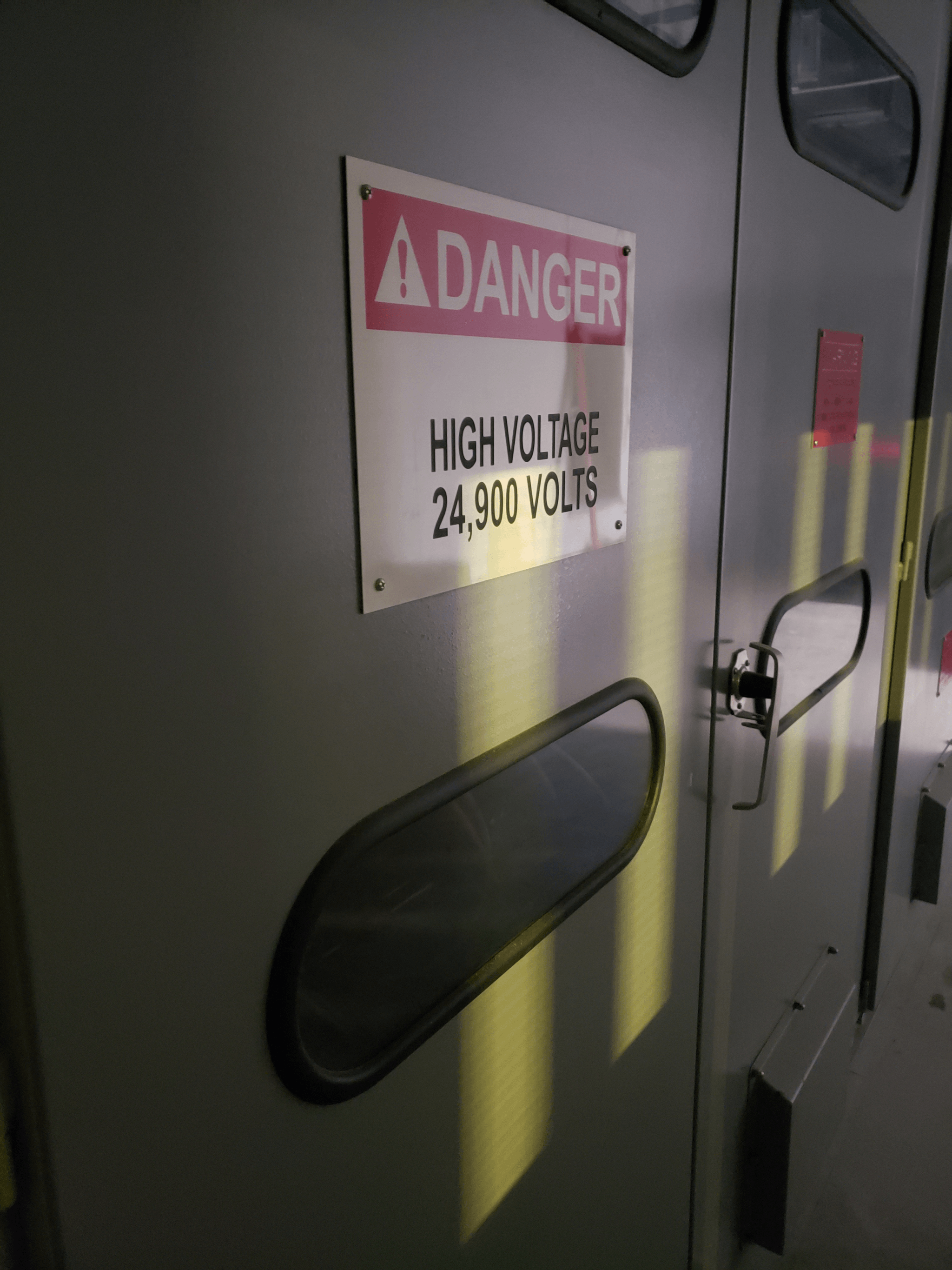
The process of Bus Duct Inspection involves meticulous steps to ensure safety, compliance, and longevity of the electrical infrastructure. Each phase is critical and requires attention to detail, especially when it comes to verifying material quality and performing electrical tests. Properly executing these phases helps prevent costly failures and guarantees that the bus duct system operates efficiently for years to come.
Material Inspection and Quality Verification
Material Inspection is the foundation of a successful Bus Duct Inspection. During this phase, inspectors review all required documents for third party inspector review, ensuring that materials meet specified standards before installation begins. Verifying the quality of components such as conductors, insulators, and protective coatings is crucial because subpar materials can lead to operational failures or safety hazards down the line.
In addition to reviewing documentation, inspectors physically examine the bus duct components for any signs of damage or manufacturing defects. This step often includes inspecting Bus Duct painting and coating to confirm corrosion resistance and aesthetic quality. Ensuring that packing methods are adequate for transport also falls under this phase—proper Bus Duct packing prevents damage during transit, which could compromise material integrity upon arrival.
Bus Duct Insulation Resistance Test Explained
The Bus Duct Insulation Resistance Test is a vital electrical check that measures how well insulation materials prevent current leakage. This test involves applying a high voltage between conductors and grounding points while measuring resistance levels; high resistance indicates good insulation quality. Conducting this test correctly requires adherence to safety protocols because high voltages are involved, making it essential for third-party inspectors to be precise.
This test not only verifies initial installation quality but also serves as a benchmark for future inspections—any decline in insulation resistance could signal deterioration or moisture ingress in the system. Regularly performing the Bus Duct Insulation Resistance Test helps maintain system reliability by catching issues early before they escalate into more significant problems requiring extensive repairs.
Conducting the Bus Duct Withstand Voltage Test Safely
The Withstand Voltage Test pushes the bus duct system beyond normal operating voltages to ensure it can handle electrical stresses safely—a critical step in comprehensive Bus Duct Inspection. Safety during this process cannot be overstated; proper procedures must be followed meticulously by qualified personnel conducting or overseeing third-party inspections.
This test involves applying a specified high voltage across conductors while monitoring for leaks or breakdowns; any failure indicates potential weaknesses in insulation or construction flaws that need addressing before commissioning. Ensuring correct setup—including checking connections, grounding, and protective measures—guarantees both accurate results and personnel safety throughout the testing process.
Required Documentation for Inspection Success
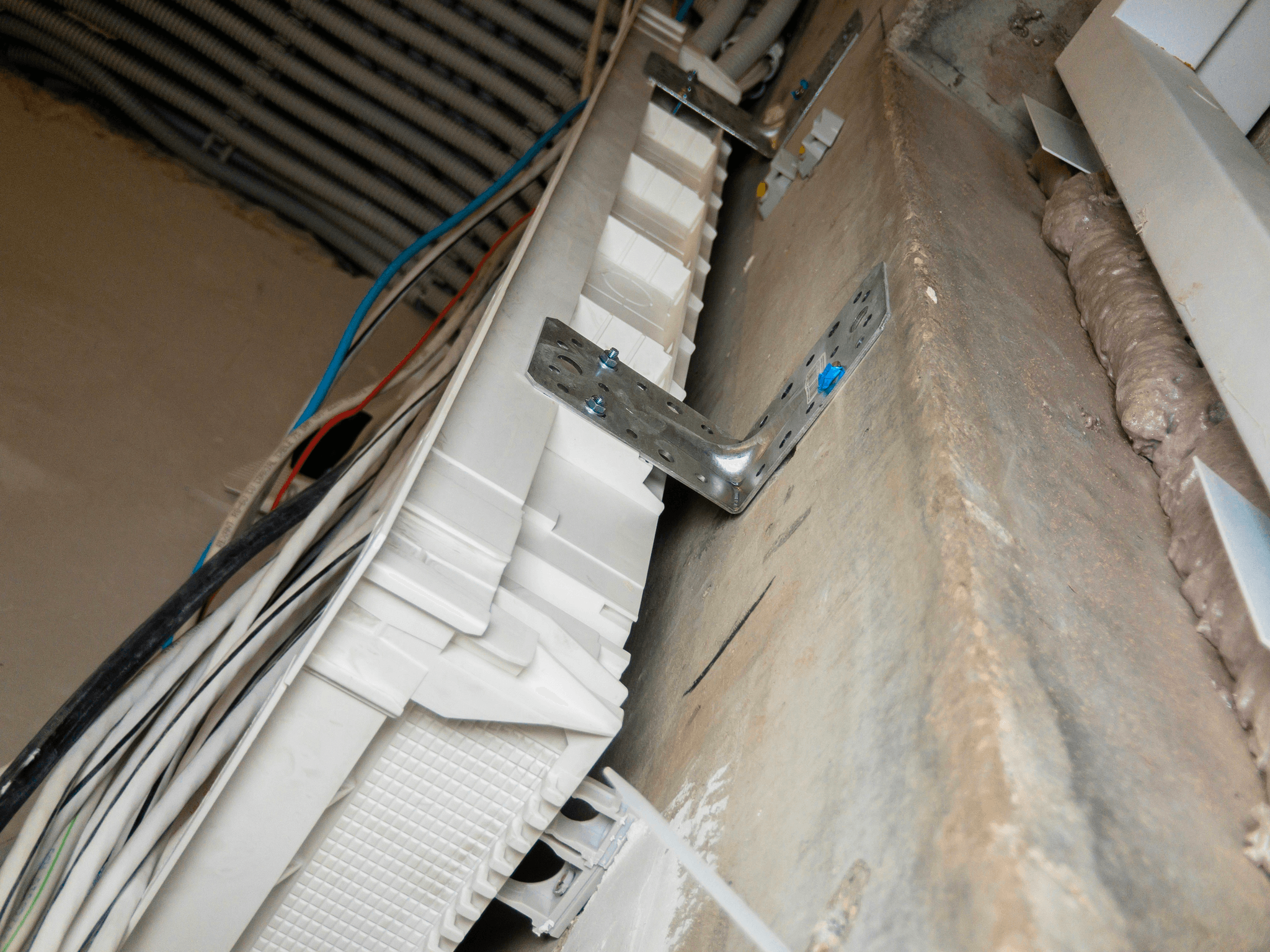
Navigating the world of Bus Duct Inspection requires a well-organized set of documents to ensure everything runs smoothly. The Required Documents for Third Party Inspector Review typically include detailed project plans, material certificates, and previous inspection records. Having these documents ready not only speeds up the process but also demonstrates your commitment to quality and safety standards.
Common Documents Needed for Third Party Inspector Review
When preparing for a Bus Duct Inspection, certain key documents are essential. These include material inspection certificates that verify the quality of components used in the bus duct system, along with detailed drawings and specifications. Additionally, records of the Bus Duct Insulation Resistance Test and Bus Duct Withstand Voltage Test results are crucial to confirm electrical integrity and safety compliance.
Preparing Detailed Inspection Reports
A comprehensive inspection report is your best friend during third-party evaluations. It should clearly document findings from visual inspections of Bus Duct Painting and Coating, ensuring coatings meet industry standards for corrosion resistance. The report must also detail any issues found during the Bus Duct Packing review—such as damages or improper packing—that could impact transportation or installation.
Importance of Accurate Record Keeping and Transparency
Maintaining accurate records throughout the entire process is vital for successful bus duct projects. Proper documentation of material inspection results, test outcomes like insulation resistance measurements, and packing details build trust with inspectors and clients alike. Transparency in your records ensures that all parties have confidence in the quality checks performed during each phase of Bus Duct Inspection—ultimately safeguarding long-term system reliability.
Detailed Inspection Processes
Conducting a thorough Bus Duct Inspection involves multiple critical steps to ensure safety, quality, and compliance. Each phase of the inspection process plays a vital role in identifying potential issues before they escalate into costly failures or safety hazards. From visual checks to detailed testing procedures, understanding these processes helps guarantee that your bus duct system performs reliably over time.
Visual Inspection of Bus Duct Painting and Coating
The first step in any comprehensive Bus Duct Inspection is a meticulous visual assessment of the painting and coating surfaces. Proper coating not only provides corrosion resistance but also contributes to the overall durability of the bus duct system. During this process, inspectors look for peeling paint, cracks, uneven coatings, or signs of corrosion that could compromise the integrity of the insulation or conductive parts.
This phase is crucial because deficiencies in painting and coating can lead to moisture ingress or electrical faults down the line. Ensuring that all surfaces meet specified standards can prevent future failures during operation. Regularly performing Bus Duct Painting and Coating Inspection as part of your inspection routine helps maintain long-term reliability and safety.
Verifying Proper Bus Duct Packing for Transport
Once visual inspections are complete, verifying proper packing for transport becomes essential—especially if your bus ducts are being shipped to site after manufacturing. Adequate packing protects sensitive components during handling and transit, reducing risks like physical damage or contamination that could affect subsequent tests like Material Inspection or Insulation Resistance Testing.
During this stage, inspectors check for appropriate cushioning materials, secure fastening methods, and correct labeling according to project requirements. Proper packing ensures that when it reaches its destination, the bus duct remains in pristine condition for further testing such as the Bus Duct Withstand Voltage Test or insulation assessments. Remember: a well-packed bus duct simplifies subsequent inspections by minimizing damage-related issues.
Identifying Common Issues through Comprehensive Inspections
A thorough inspection should always include identifying common issues that might not be immediately obvious but could impact performance later on. These include loose connections, improper grounding, unaligned components, or signs of overheating—all critical points during a detailed Bus Duct Inspection process.
Utilizing advanced techniques like non-destructive testing during Material Inspection allows inspectors to detect hidden flaws early on—saving time and money while ensuring compliance with required documents for third party inspector review. Regularly conducting comprehensive inspections helps catch problems before they escalate into serious faults requiring costly repairs or replacements.
Choosing a Reliable Inspection Partner
Selecting the right partner for Bus Duct Inspection is critical to ensure your project adheres to safety standards and regulatory requirements. A reputable third-party inspector brings expertise, experience, and an eye for detail that in-house teams might lack, especially when it comes to complex procedures like Material Inspection and conducting the Bus Duct Insulation Resistance Test. When choosing an inspection partner, look for one that emphasizes thorough documentation review—including Required Documents for Third Party Inspector Review—and has a proven track record of delivering comprehensive inspections that cover everything from visual checks of Bus Duct Painting and Coating to verifying proper Bus Duct Packing.
Why Select China Inspection Pro for Your Bus Duct Inspection
China Inspection Pro stands out as a top choice because of its extensive experience in conducting detailed Bus Duct Inspections across various projects. Our team is well-versed in all key phases, including performing the Bus Duct Withstand Voltage Test safely and accurately assessing insulation resistance levels. We understand the importance of meticulous Material Inspection and ensuring all Required Documents for Third Party Inspector Review are complete, which helps streamline your project timeline while maintaining high safety standards.
How a Professional Service Ensures Compliance and Safety
A professional inspection service like China Inspection Pro guarantees compliance with international standards through rigorous processes such as inspecting Bus Duct Painting and Coating quality, verifying proper packing during transportation, and conducting essential tests like the Insulation Resistance Test and Withstand Voltage Test. Our experts pay close attention to details that could compromise safety or performance later on—neglecting these steps can lead to costly failures or downtime. By partnering with us, you ensure every phase of your Bus Duct Inspection is handled with precision, reducing risks associated with subpar material quality or inadequate testing procedures.
Tips for Collaborating Effectively with Third Party Inspectors
Effective collaboration begins with transparent communication about what needs to be inspected—make sure all Required Documents for Third Party Inspector Review are prepared beforehand to avoid delays in your project timeline. During inspections such as checking Bus Duct Painting and Coating or verifying proper packing during transport, provide clear access and support so inspectors can perform their duties thoroughly without interruptions. Remember, fostering a cooperative relationship ensures that issues like inadequate Material Inspection or skipped tests such as the insulation resistance check are caught early—saving you time and money down the line.
Conclusion
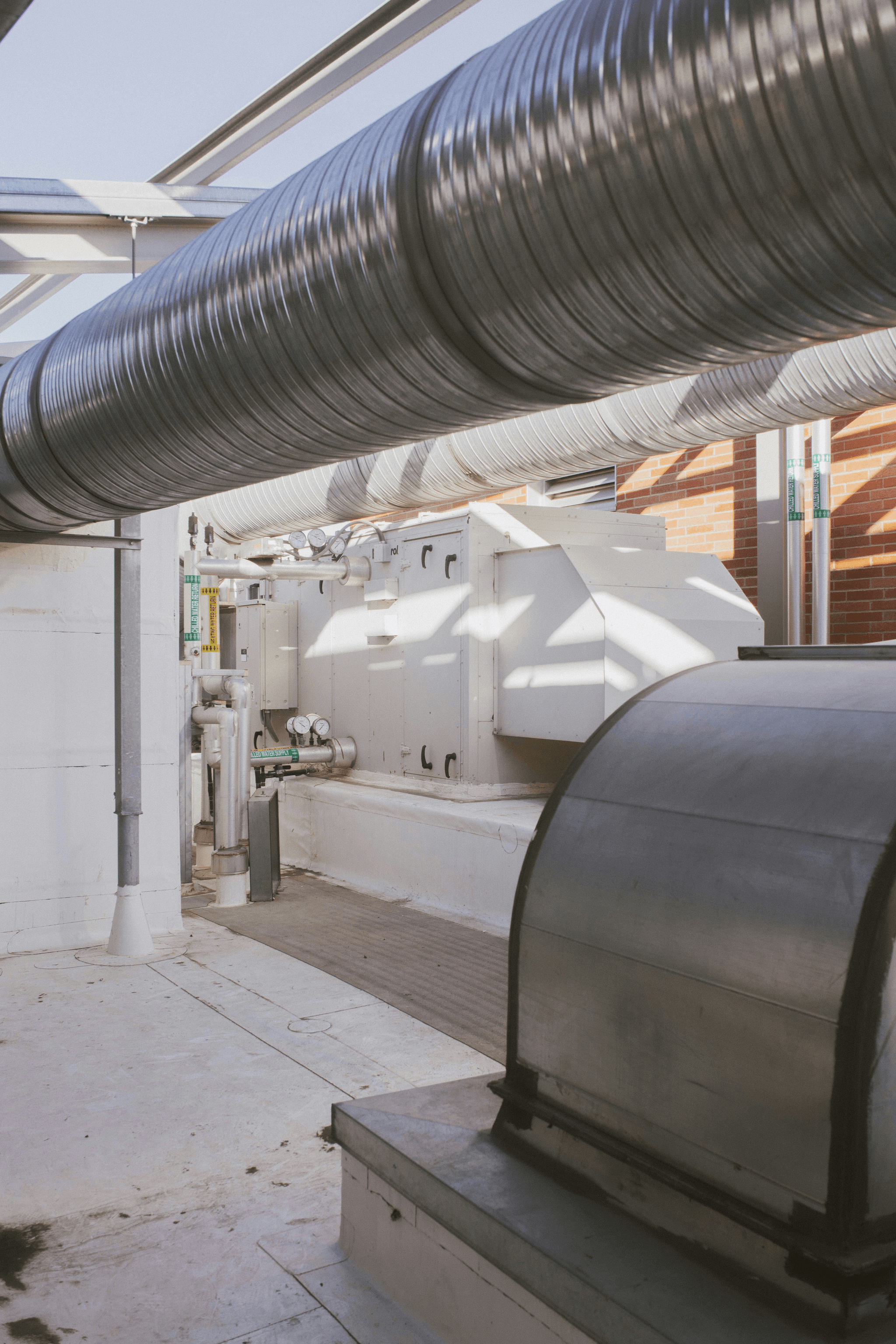
Proper Bus Duct Inspection is the cornerstone of ensuring long-term reliability in power systems. When you invest in thorough inspections, including Material Inspection and conducting critical tests like the Bus Duct Insulation Resistance Test and Bus Duct Withstand Voltage Test, you significantly reduce the risk of unexpected failures down the line. Keeping detailed records and required documents for third party inspector review not only streamlines compliance but also provides peace of mind that every aspect of your bus duct project has been scrutinized for safety and durability.
A comprehensive approach to quality checks directly impacts project success by preventing costly downtime and repairs. Regular Bus Duct Inspection, especially focusing on Bus Duct Painting and Coating Inspection as well as verifying proper Bus Duct Packing, ensures your system remains resilient against environmental factors and transportation damages. By partnering with experienced professionals who understand the importance of these inspections, you can confidently rely on their expertise to spot issues early, saving time and money while safeguarding your investment.
Partnering with seasoned experts for your Bus Duct Inspection needs means more than just ticking boxes; it’s about building a foundation of trust that your electrical infrastructure will perform reliably over its lifespan. Ensuring all required documents for third party inspector review are meticulously prepared enhances transparency and compliance, making audits smooth sailing. Ultimately, choosing a reliable inspection partner empowers you to focus on project execution while they handle the critical safety checks—giving you peace of mind from start to finish.