
Introduction
In the ever-evolving landscape of product compliance, the New 2026 RSL Version 11 marks a significant turning point for manufacturers and brands alike. This updated version introduces a range of regulatory changes that not only affect existing compliance frameworks but also highlight critical areas such as PFAS-Related Regulatory Developments and newly restricted substances. Understanding these updates is essential for industry professionals to navigate the complexities of compliance effectively.
Overview of New 2026 RSL Version 11
The New 2026 RSL Version 11 brings forth an array of changes designed to enhance product safety and environmental responsibility. Among its key features are tighter limits on heavy metals and new restrictions on substances like Acetophenone Azine, which pose potential risks to consumers and the environment. Additionally, this version emphasizes the importance of UV absorbers and stabilizers in ensuring product integrity while adhering to regulatory standards.
Importance of Understanding Regulatory Updates
Staying informed about regulatory updates is crucial for manufacturers aiming to maintain compliance and avoid penalties. The New 2026 RSL Version 11 not only outlines newly restricted substances but also provides clarity on existing regulations, making it imperative for businesses to adapt swiftly. Failing to understand these changes can lead to costly repercussions, emphasizing why proactive engagement with evolving regulations is necessary for sustainable business practices.
Key Changes in Compliance Requirements
The key changes in compliance requirements under the New 2026 RSL Version 11 include stricter limits on heavy metals such as lead, cadmium, and mercury, alongside new guidelines concerning PFAS-related substances. Manufacturers must also pay close attention to updated restrictions surrounding UV absorbers and stabilizers that impact product safety profiles. Overall, these alterations necessitate an immediate reassessment of compliance strategies across various sectors within the industry.
What’s New in the 2026 RSL Version 11

The New 2026 RSL Version 11 brings a host of significant updates that are crucial for manufacturers and brands to grasp. With an ever-evolving regulatory landscape, understanding these changes is not just beneficial but essential for compliance and market competitiveness. This section will delve into the newly restricted substances, the tighter limits imposed on existing regulations, and the critical PFAS-related regulatory developments.
Introduction of Newly Restricted Substances
One of the most notable aspects of the New 2026 RSL Version 11 is the introduction of several newly restricted substances. These substances have been identified due to their potential health risks or environmental impact, prompting regulators to take action. Manufacturers must familiarize themselves with this expanded list to ensure their products meet compliance standards and avoid penalties.
Newly restricted substances often include chemicals previously deemed acceptable but now recognized for their harmful effects. This shift underscores the importance of continuous vigilance in product formulation as new data emerges about chemical safety. As brands adapt to these changes, they should prioritize transparency in sourcing materials that adhere to the New 2026 RSL Version 11 guidelines.
Updates on Tighter Limits for Existing Regulations
In addition to introducing new restrictions, the New 2026 RSL Version 11 also enforces tighter limits on existing regulations concerning hazardous materials like heavy metals and certain additives. The tightening of these limits signifies a more stringent approach toward ensuring consumer safety and environmental protection. Brands must reassess their current formulations and supply chains to align with these updated thresholds effectively.
For instance, heavy metals such as lead, cadmium, and mercury are now subject to stricter concentration limits in various products. This change requires manufacturers to conduct thorough testing and quality assurance processes to confirm compliance with these new requirements under the New 2026 RSL Version 11 framework. Failure to adhere could not only result in financial penalties but also damage brand reputation among increasingly eco-conscious consumers.
Focus on PFAS-Related Regulatory Developments
The focus on PFAS-related regulatory developments remains a critical aspect of the New 2026 RSL Version 11 updates, reflecting growing concerns over per- and polyfluoroalkyl substances (PFAS) in consumer goods. These chemicals have garnered attention due to their persistence in the environment and potential health risks associated with exposure. As a result, regulators are ramping up efforts to restrict PFAS usage across various industries.
Manufacturers need to stay informed about specific restrictions or bans related to PFAS compounds within their product categories under this new version of regulations. Understanding how PFAS-related regulatory developments impact product design is vital for compliance as well as consumer trust-building initiatives. Companies should consider investing in research aimed at identifying safer alternatives while ensuring that they remain compliant with both existing laws and those outlined in the New 2026 RSL Version 11.
Heavy Metals: The Updated Restrictions

The New 2026 RSL Version 11 brings significant updates to the regulations surrounding heavy metals, an area of growing concern for manufacturers and brands alike. With an increasing focus on consumer safety and environmental impact, these new guidelines aim to tighten restrictions on substances like lead, cadmium, and mercury. Understanding these changes is crucial for compliance and maintaining a competitive edge in the market.
New Guidelines on Lead, Cadmium, and Mercury
Under the New 2026 RSL Version 11, stricter limits have been established for heavy metals such as lead, cadmium, and mercury. These newly restricted substances are now subject to lower thresholds than ever before, reflecting heightened awareness about their harmful effects on human health and the environment. Manufacturers must familiarize themselves with these updated guidelines to ensure that their products meet compliance requirements or face potential penalties.
Moreover, the emphasis on PFAS-related regulatory developments has also influenced how heavy metals are regulated in various industries. As consumers demand safer products free from toxic materials, companies will need to adapt quickly to avoid falling behind in this evolving landscape. The implications of non-compliance can be severe—not only financially but also reputationally—making it imperative for brands to prioritize adherence to these new standards.
Implications for Manufacturers and Brands
The implications of the updated restrictions on heavy metals are profound for manufacturers and brands operating across multiple sectors. Companies must now invest in testing protocols that accurately measure levels of lead, cadmium, and mercury in their products—an essential step towards compliance with the New 2026 RSL Version 11 regulations. Failing to do so could result in costly recalls or damage control efforts that may not effectively mitigate consumer backlash.
Additionally, as more regions adopt similar stringent measures regarding heavy metals due to growing health concerns linked with exposure—especially among vulnerable populations—brands will face increased scrutiny from both regulators and consumers alike. This shift underscores the importance of transparency in sourcing materials and production processes; consumers are increasingly inclined toward brands that prioritize safety over cost-cutting measures involving hazardous substances like heavy metals.
In this context of heightened awareness around UV absorbers and stabilizers used within product formulations further complicates matters; these additives may interact negatively with regulated substances if not carefully managed during production cycles. Consequently, manufacturers must stay informed about any potential overlaps between different regulatory frameworks while ensuring they remain compliant with all applicable guidelines.
Compliance Strategies to Avoid Penalties
To navigate the complexities introduced by the New 2026 RSL Version 11's updated restrictions on heavy metals effectively requires a proactive approach from manufacturers seeking compliance assurance without incurring penalties down the line. First off is establishing a robust testing regime that includes regular audits of raw materials sourced from suppliers known for adhering strictly to safety standards regarding lead contamination or other hazardous elements.
Investing in training programs designed specifically around understanding newly restricted substances—including those related directly back into PFAS-related regulatory developments—can empower employees at all levels within an organization when it comes time address compliance challenges head-on rather than reactively scrambling after issues arise unexpectedly later down roadways paved by negligence!
Finally—and perhaps most importantly—fostering open communication channels between departments involved throughout product development cycles ensures everyone stays aligned concerning best practices surrounding both existing regulations as well as anticipated future changes such as those surrounding Acetophenone Azine which could pose risks if overlooked during design phases leading up final launches onto marketplace shelves!
The Role of UV Absorbers and Stabilizers

In the ever-evolving landscape of product safety, UV absorbers and stabilizers play a pivotal role in maintaining the integrity and longevity of various materials. These compounds protect products from degradation caused by ultraviolet light, which can lead to a host of issues including color fading and structural damage. However, with the release of the New 2026 RSL Version 11, understanding their impact on product safety has never been more crucial.
Understanding Their Impact on Product Safety
UV absorbers and stabilizers are essential in many industries, particularly in plastics, coatings, and textiles. They help extend the lifespan of products by preventing photodegradation, which is especially important for consumer goods exposed to sunlight. As manufacturers navigate through Newly Restricted Substances under the New 2026 RSL Version 11, recognizing how these additives contribute to overall product safety is vital for compliance.
The use of these substances can also have implications concerning Heavy Metals; some UV stabilizers may contain metals that are now under tighter scrutiny due to recent regulatory updates. This means that while they serve a protective function, manufacturers must be vigilant about their composition to avoid running afoul of compliance requirements set forth in the latest regulations. Ultimately, understanding this balance ensures that products remain safe without compromising regulatory adherence.
Regulatory Changes Affecting Usage
The New 2026 RSL Version 11 introduces significant changes regarding UV absorbers and stabilizers as part of its broader initiative targeting PFAS-Related Regulatory Developments and other hazardous substances. Manufacturers will need to stay informed about specific restrictions on particular UV stabilizers that may now fall under newly restricted categories or face stricter usage limits than before. This shift underscores the importance of regularly reviewing ingredient lists against updated regulations.
Furthermore, with growing concerns over environmental impacts associated with certain chemicals used in UV stabilization processes, companies are encouraged to explore alternatives that align better with sustainability goals while still meeting compliance standards outlined in the New 2026 RSL Version 11. As regulations tighten around Heavy Metals and other harmful substances, adapting formulations will be key for brands aiming not just for compliance but also for enhanced consumer trust.
Best Practices for Compliance
To navigate this complex regulatory environment effectively, manufacturers should adopt several best practices concerning UV absorbers and stabilizers as part of their overall compliance strategy with the New 2026 RSL Version 11. First and foremost is conducting thorough ingredient audits—ensuring all components meet current standards while identifying any Newly Restricted Substances or those subject to tighter limits is essential for avoiding penalties down the line.
In addition to audits, investing time in supplier relationships can provide valuable insights into which materials meet both performance needs and regulatory requirements related to PFAS-Related Regulatory Developments or Heavy Metals restrictions within their formulations. Furthermore, staying ahead requires continuous education on emerging research regarding substances like Acetophenone Azine—keeping abreast not only protects your products but also positions you as a responsible player within your industry.
Finally, engaging with consultants or industry groups focused on compliance can offer additional resources tailored specifically toward navigating challenges presented by new regulations like those found in the New 2026 RSL Version 11—ensuring your strategies remain proactive rather than reactive amid shifting landscapes.
Acetophenone Azine: New Findings
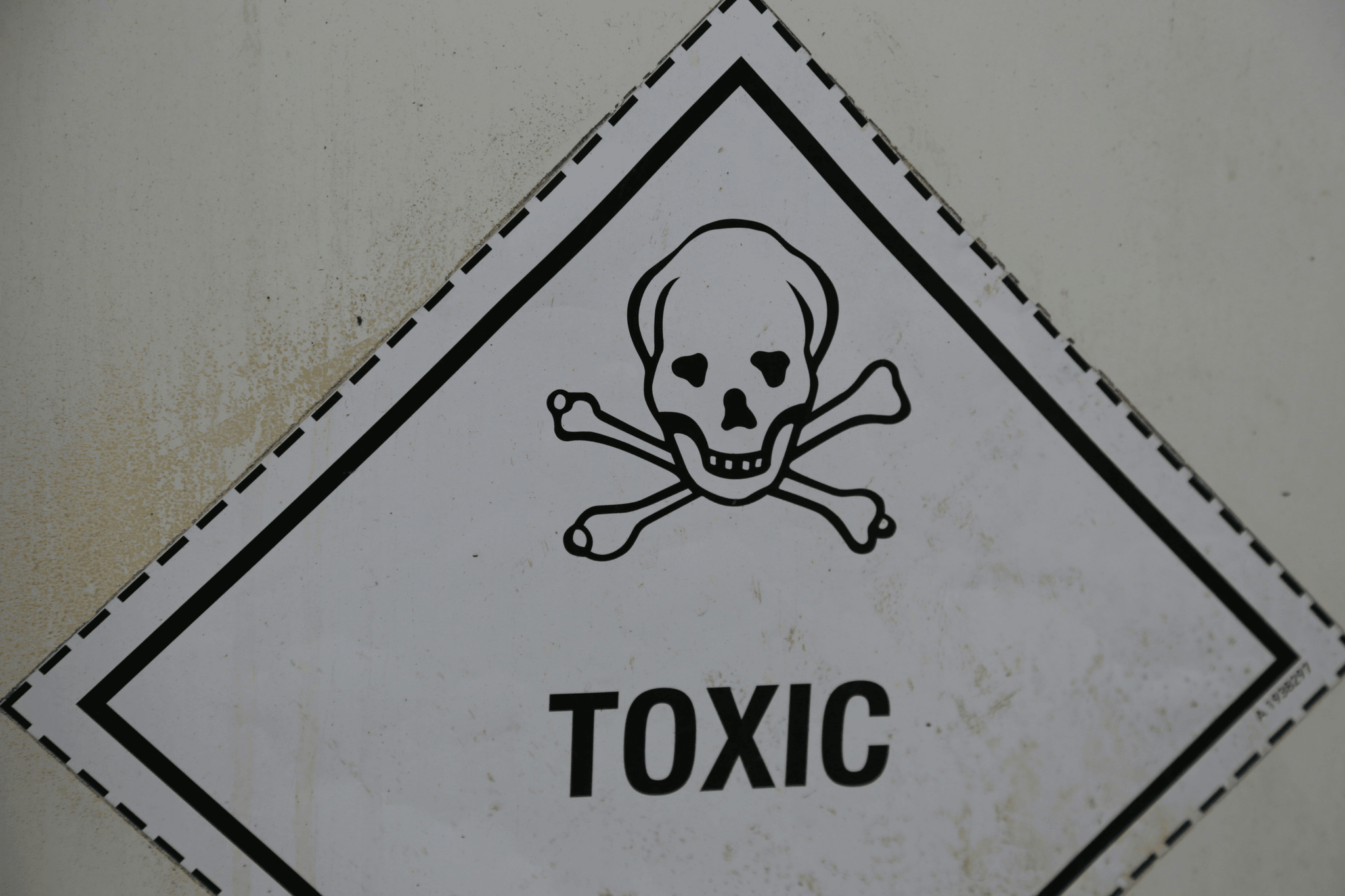
Acetophenone Azine has recently emerged as a focal point in the ongoing discussion about regulatory compliance, particularly concerning the New 2026 RSL Version 11. This compound, often used in various industrial applications, has raised significant health and safety concerns due to its potential effects on human health and the environment. As regulations tighten around Newly Restricted Substances, including Acetophenone Azine, manufacturers must stay informed to ensure compliance and safeguard their products.
Risks Associated with Acetophenone Azine
The risks associated with Acetophenone Azine are becoming increasingly apparent as research highlights its potential toxicity. Exposure to this chemical can lead to adverse health effects, including skin irritation and respiratory issues, raising alarms among regulatory bodies. With the New 2026 RSL Version 11 emphasizing stricter guidelines around hazardous substances, manufacturers must be vigilant about the presence of Acetophenone Azine in their products.
In addition to direct health impacts, there are environmental concerns linked to Acetophenone Azine that cannot be overlooked. The compound's persistence in ecosystems poses a risk not only to wildlife but also raises questions about bioaccumulation in food chains. As PFAS-related regulatory developments continue to evolve, it’s clear that oversight on substances like Acetophenone Azine will only increase.
For brands operating within industries where this substance is prevalent, understanding these risks is crucial for maintaining consumer trust and avoiding legal repercussions. Ignoring the implications of using Acetophenone Azine could lead not just to penalties but also damage brand reputation in an increasingly eco-conscious market.
Regulatory Response and Industry Adaptation
In response to the emerging data on Acetophenone Azine's risks, regulatory agencies have begun implementing tighter limits under frameworks like the New 2026 RSL Version 11. These updates reflect a growing consensus that substances posing significant health risks require immediate attention and regulation. As part of these changes, many jurisdictions are now mandating comprehensive testing for products containing or potentially contaminated with this compound.
Industries reliant on UV absorbers and stabilizers must adapt quickly to comply with these new regulations surrounding Acetophenone Azine. Companies need to reassess their formulations and supply chains while considering alternatives that align better with safe practices outlined by regulatory bodies. This adaptation process may involve investing in research for safer substitutes or reformulating existing products entirely.
Moreover, transparency will play a critical role as consumers become more aware of product safety issues tied to chemicals like Acetophenone Azine. Brands must communicate their compliance efforts effectively while demonstrating commitment toward sustainable practices that prioritize consumer health over profit margins.
Recommendations for Product Development
To navigate the complexities introduced by the New 2026 RSL Version 11 regarding Acetophenone Azine, manufacturers should take proactive steps during product development phases. First and foremost is conducting thorough risk assessments of all ingredients used within formulations—especially those classified under Newly Restricted Substances or subject to tighter limits due to recent findings.
Integrating alternative materials known for their safety profile can mitigate risks associated with hazardous compounds such as heavy metals or PFAS-related chemicals while ensuring compliance with evolving regulations on UV absorbers and stabilizers too! Collaborating closely with suppliers who prioritize sustainability can enhance product integrity while reducing reliance on harmful substances like Acetophenone Azine.
Finally, fostering a culture of continuous improvement through training programs centered around regulatory updates will empower teams across departments—from R&D through marketing—to make informed decisions aligned with current best practices concerning compliance strategies moving forward into an ever-changing landscape!
Navigating Compliance with China Inspection Pro
In the wake of the New 2026 RSL Version 11, compliance has never been more critical for manufacturers aiming to stay ahead of regulatory changes. With the introduction of Newly Restricted Substances and Tighter Limits, quality inspections become a vital aspect of ensuring that products meet stringent standards. Without proper oversight, companies risk not only penalties but also damage to their reputation in an increasingly competitive market.
Importance of Quality Inspection for Compliance
Quality inspection is essential for compliance with regulations like the New 2026 RSL Version 11, especially in light of PFAS-Related Regulatory Developments that are reshaping industry standards. Inspections help identify potential issues early on, particularly concerning Heavy Metals and UV Absorbers and Stabilizers, which can pose significant risks if not monitored closely. By prioritizing quality inspections, businesses can avoid costly recalls and ensure their products align with evolving regulations.
How China Inspection Pro Can Assist
China Inspection Pro provides valuable services tailored to help manufacturers navigate the complex landscape introduced by the New 2026 RSL Version 11. Their expertise in assessing compliance related to Newly Restricted Substances and Tighter Limits ensures that your products meet all necessary safety standards before hitting the market. Moreover, they offer guidance on specific concerns such as Acetophenone Azine and its implications for product safety.
Actionable Recommendations for Manufacturers
Manufacturers should take proactive steps to ensure compliance with the New 2026 RSL Version 11 by implementing robust quality control measures from production through to final inspection. Engaging services like China Inspection Pro can streamline this process by providing insights into PFAS-Related Regulatory Developments and how they affect your product lineup. Additionally, staying informed about Heavy Metals restrictions and best practices regarding UV Absorbers and Stabilizers will further bolster your compliance strategy.
Conclusion
As we wrap up our exploration of the New 2026 RSL Version 11, it's clear that the landscape of regulatory compliance is evolving rapidly. Key updates include newly restricted substances and tighter limits on existing regulations, particularly concerning heavy metals and PFAS-related regulatory developments. Manufacturers must stay informed about these changes to ensure their products meet compliance standards and maintain consumer trust.
Summary of Key Regulatory Updates
The New 2026 RSL Version 11 introduces significant shifts in compliance requirements, notably with the introduction of newly restricted substances that pose risks to consumer safety. Heavy metals like lead, cadmium, and mercury now have stricter guidelines that manufacturers must adhere to, reflecting a growing concern for environmental health. Additionally, developments surrounding PFAS are pushing the industry towards safer alternatives, emphasizing the need for proactive measures in product formulation.
The Way Forward for Industry Professionals
For industry professionals navigating the complexities introduced by the New 2026 RSL Version 11, staying ahead means embracing change rather than resisting it. This involves understanding the implications of heavy metals restrictions and adapting to new guidelines on UV absorbers and stabilizers that impact product safety. By fostering a culture of compliance within organizations, professionals can not only avoid penalties but also position themselves as leaders in sustainability.
Encouraging Proactive Compliance Strategies
Encouraging proactive compliance strategies is essential for manufacturers looking to thrive under the New 2026 RSL Version 11 framework. This includes investing in research on substances like Acetophenone Azine to understand their risks better while developing safer alternatives in product lines. Ultimately, a commitment to continuous education about regulatory changes will empower companies to innovate responsibly while meeting consumer demands effectively.