
Introduction
In today's global marketplace, ensuring the quality of dry fruits is not just a matter of preference but a necessity. With consumers becoming increasingly health-conscious, understanding the significance of Dry Fruits Quality Testing has never been more critical. Quality testing serves as a safeguard against contamination and ensures that products meet stringent standards set by various regulatory bodies.
Understanding the Importance of Quality Testing
Quality testing for dry fruits plays an essential role in maintaining high standards for food safety and consumer satisfaction. It helps identify potential hazards, ensuring compliance with International Food Safety Standards such as Codex Alimentarius and FSSAI requirements. Furthermore, accurate Dry Fruits Quality Testing can enhance brand reputation and consumer trust by confirming that products are safe and nutritious.
Key Regulations Impacting Dry Fruits
The landscape of dry fruit regulation is influenced by several key frameworks designed to protect public health. Compliance with International Food Safety Standards, including EU food safety regulations and US FDA guidelines, is paramount for producers aiming to access global markets. These regulations outline specific requirements for quality testing, labeling, and traceability that must be adhered to in order to meet consumer expectations.
Role of Testing Services in Consumer Safety
Testing services are the unsung heroes in the quest for consumer safety regarding dry fruits. By providing thorough assessments based on established protocols like those from Codex Alimentarius and FSSAI requirements, these services help ensure that products are free from harmful contaminants. Ultimately, reliable Dry Fruits Quality Testing through professional services not only protects consumers but also empowers businesses to thrive in a competitive market.
Overview of Dry Fruits Quality Testing

When it comes to ensuring that dry fruits meet safety and quality standards, Dry Fruits Quality Testing plays a pivotal role. This process involves evaluating the nutritional content, microbial safety, and chemical residues in dry fruits to ensure compliance with international food safety standards. By adhering to rigorous testing protocols, producers can guarantee that their products not only meet regulatory requirements but also satisfy consumer expectations.
What is Dry Fruits Quality Testing?
Dry Fruits Quality Testing refers to the systematic examination of dried fruits for various quality parameters, including moisture content, flavor profile, and potential contaminants. This testing is essential for maintaining high standards in food production and ensuring that products are safe for consumption. Compliance with International Food Safety Standards such as Codex Alimentarius and FSSAI requirements is crucial in this context, as it establishes a benchmark for quality assurance.
Common Testing Methods Used
Several testing methods are commonly employed in Dry Fruits Quality Testing to assess product integrity effectively. These methods include microbiological analysis to detect pathogens, chemical testing for pesticide residues, and sensory evaluation to gauge taste and texture. Each method provides valuable insights into the quality of dry fruits while ensuring compliance with EU food safety regulations and US FDA guidelines.
Importance of Accurate Testing Procedures
Accurate testing procedures are the backbone of effective Dry Fruits Quality Testing; without them, results can be misleading or unreliable. Implementing precise methodologies ensures that producers can confidently market their products while adhering to stringent compliance measures set forth by international authorities like Codex Alimentarius or FSSAI requirements. Moreover, accurate tests help build consumer trust by providing transparent information about product safety and quality.
Compliance with International Food Safety Standards

In the world of Dry Fruits Quality Testing, compliance with international food safety standards is not just a regulatory formality; it’s a crucial framework that ensures consumer safety and product integrity. These standards serve as guidelines for producers and testing laboratories alike, establishing a baseline for quality and safety that must be adhered to in order to access global markets. Understanding these regulations is essential for anyone involved in the production or distribution of dry fruits.
Overview of Codex Alimentarius
The Codex Alimentarius, often referred to as the Food Code, is an internationally recognized set of guidelines established by the Food and Agriculture Organization (FAO) and the World Health Organization (WHO). This comprehensive framework outlines standards for food safety, including specific protocols related to Dry Fruits Quality Testing. By adhering to Codex recommendations, producers can ensure their products meet global safety benchmarks, thereby facilitating international trade and enhancing consumer trust.
Codex's influence extends beyond mere guidelines; it actively shapes national regulations across various countries, including those governing dry fruits. The standards address critical aspects such as pesticide residues, contaminants, and nutritional labeling—all vital components in ensuring that dry fruits are safe for consumption. For businesses aiming at global markets, understanding and implementing Codex Alimentarius provisions is a significant step toward compliance with international food safety standards.
Understanding FSSAI Requirements
In India, the Food Safety and Standards Authority of India (FSSAI) plays a pivotal role in regulating food quality through stringent requirements tailored specifically for dry fruits among other food items. FSSAI requirements encompass everything from sourcing raw materials to processing methods—ensuring that every stage meets rigorous health standards aimed at safeguarding public health. Compliance with these regulations not only enhances product quality but also instills confidence among consumers regarding the safety of their food choices.
For those engaged in Dry Fruits Quality Testing within India, familiarity with FSSAI's norms is essential. These guidelines dictate permissible limits on contaminants like aflatoxins and heavy metals while also emphasizing proper labeling practices that inform consumers about nutritional content and potential allergens. Navigating these requirements effectively can significantly impact marketability and consumer acceptance.
Navigating EU Food Safety Regulations
When it comes to exporting dry fruits to Europe, understanding EU food safety regulations becomes paramount for compliance with international food safety standards. The European Union has established rigorous laws governing all aspects of food production—from farm to fork—ensuring that products entering its markets meet strict health criteria. For businesses involved in Dry Fruits Quality Testing aiming at this lucrative market, knowledge of these regulations will help ensure adherence while maintaining high-quality outputs.
EU regulations cover various factors such as maximum residue levels (MRLs) for pesticides used during cultivation as well as microbiological criteria necessary for ensuring product safety post-harvest. Furthermore, compliance involves regular testing protocols which align closely with both Codex Alimentarius recommendations and US FDA guidelines—creating a cohesive structure across different regulatory environments. Successfully navigating these complex rules not only facilitates smoother trade but also elevates brand reputation among discerning European consumers who prioritize quality assurance.
US FDA Guidelines for Dry Fruits

Navigating the landscape of food safety in the United States can be a daunting task, especially when it comes to dry fruits quality testing. The US FDA plays a pivotal role in ensuring that food products meet stringent safety standards before they reach consumers. Understanding these regulations is essential for producers and importers aiming to comply with international food safety standards.
Key FDA Regulations to Know
The FDA has established several key regulations pertinent to dry fruits quality testing, primarily under the Federal Food, Drug, and Cosmetic Act (FFDCA). One critical aspect is the requirement that all food products must be safe, sanitary, and labeled truthfully. Additionally, there are specific guidelines regarding pesticide residues and contaminants that must be adhered to in order to maintain compliance with international food safety standards.
Another important regulation is the Hazard Analysis Critical Control Point (HACCP) system, which mandates that producers identify potential hazards in their production processes and implement controls to mitigate those risks. This system not only enhances product safety but also aligns with global standards such as Codex Alimentarius. Producers of dry fruits must ensure they are familiar with these regulations to avoid costly penalties or product recalls.
Impact of FDA on Quality Testing
The influence of the FDA on dry fruits quality testing cannot be overstated; their guidelines serve as a benchmark for both domestic and international markets. By adhering to FDA regulations, companies can enhance their credibility and consumer trust while ensuring their products meet rigorous safety standards. Furthermore, compliance with FSSAI requirements and EU food safety regulations often mirrors or builds upon these FDA guidelines.
FDA inspections can lead to significant insights into operational practices, enabling companies to refine their quality testing procedures continuously. When producers actively engage with FDA recommendations during dry fruits quality testing processes, they not only safeguard public health but also bolster their market presence. This proactive approach ensures that businesses remain competitive while meeting consumer demand for safe and high-quality products.
How to Ensure Compliance with FDA
Ensuring compliance with FDA guidelines involves a multi-faceted approach centered around education and rigorous testing protocols during the dry fruits quality testing process. First and foremost, businesses should invest in training programs for staff about relevant regulations like those outlined by the US FDA concerning labeling and hygiene practices. Regular audits of production facilities against these standards will help identify any gaps needing attention before an official inspection occurs.
Additionally, partnering with accredited laboratories for comprehensive quality assessments can streamline this process significantly—these labs will understand how best to align test results with both FSSAI requirements and EU food safety regulations while adhering strictly to US guidelines as well. Finally, maintaining detailed records of all compliance efforts will provide transparency should questions arise during inspections or consumer inquiries regarding product safety.
By focusing on these strategies within your operations related to dry fruits quality testing, you’ll not only ensure adherence but also foster greater consumer confidence in your brand’s commitment towards producing safe foods.
Benefits of Professional Testing Services
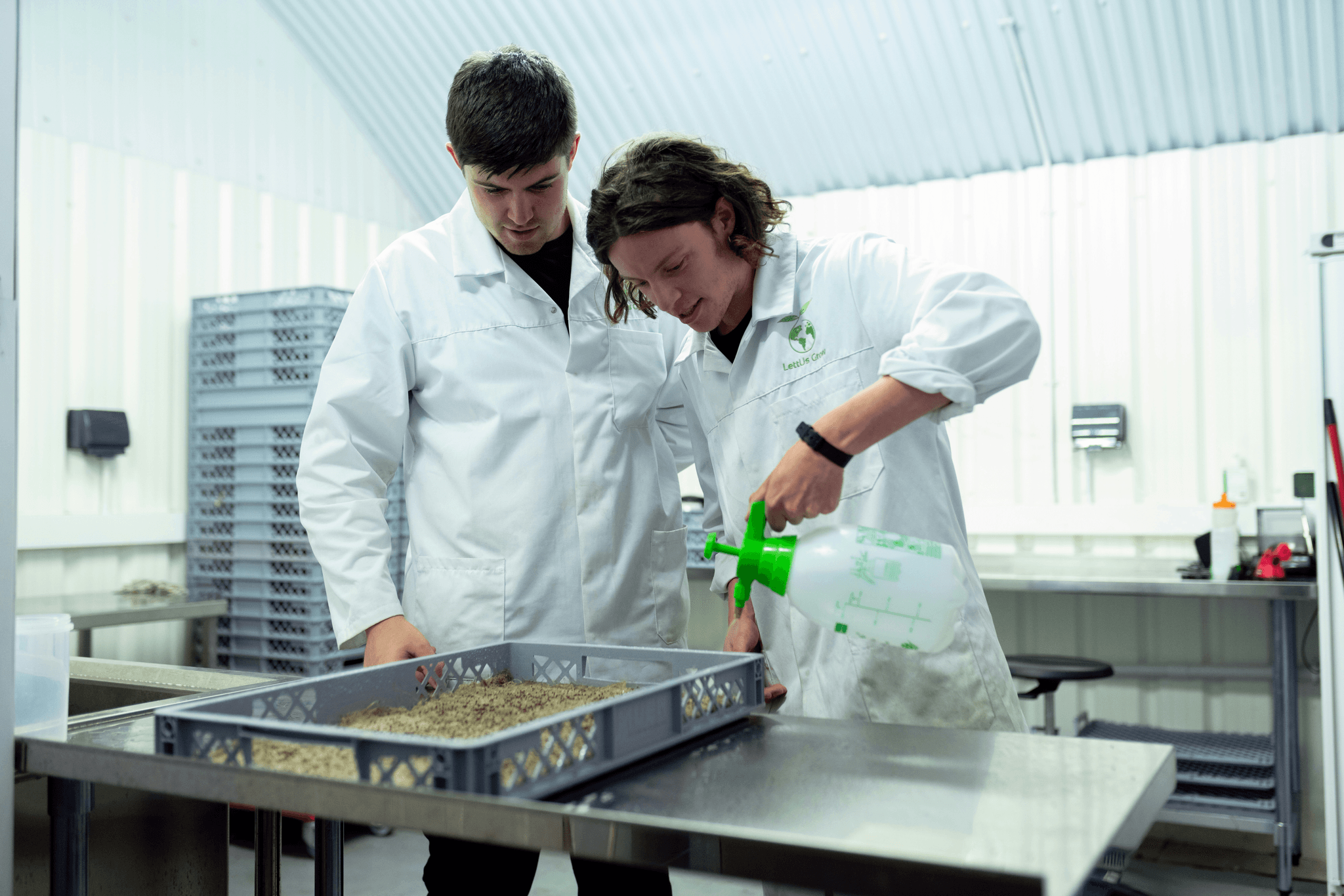
In the competitive landscape of food products, particularly dry fruits, ensuring quality through professional testing services is paramount. These services not only help businesses comply with international food safety standards but also build a reputation for reliability among consumers. By leveraging expert assessments, companies can avoid costly recalls and enhance their market position.
Why Choose China Inspection Pro?
Their comprehensive testing methods ensure that all products adhere to both local and international standards, thus safeguarding consumer health. With a focus on transparency and accuracy, choosing China Inspection Pro means investing in peace of mind for your brand.
Advantages of Expert Quality Assessments
Engaging with professional testing services offers multiple advantages that go beyond mere compliance with EU food safety regulations or US FDA guidelines. Expert quality assessments provide actionable insights into product integrity and safety, enabling companies to make informed decisions about production processes. Additionally, these assessments help identify potential issues before they escalate into serious problems, thereby protecting both the brand’s reputation and consumer trust.
Enhancing Market Competitiveness through Testing
In today's market, where consumers are increasingly discerning about the quality of dry fruits they purchase, rigorous Dry Fruits Quality Testing can be a game changer for businesses. By demonstrating compliance with international food safety standards such as those set by the Codex Alimentarius or FSSAI requirements, brands can differentiate themselves from competitors who may cut corners on quality assurance. Ultimately, investing in professional testing services not only enhances product safety but also boosts market competitiveness by fostering consumer confidence in your offerings.
Interpreting Quality Test Results
Understanding the results of Dry Fruits Quality Testing is crucial for producers, distributors, and consumers alike. These reports provide a snapshot of the quality and safety of dry fruits, ensuring compliance with international food safety standards like Codex Alimentarius and FSSAI requirements. By grasping the nuances of these testing reports, stakeholders can make informed decisions that impact product quality and consumer trust.
Understanding Testing Reports
Testing reports are comprehensive documents that detail the findings from Dry Fruits Quality Testing, outlining everything from moisture content to microbial contamination levels. Each report typically includes specific metrics aligned with compliance with international food safety standards, such as EU food safety regulations or US FDA guidelines. Familiarity with these reports not only helps in understanding product quality but also aids in identifying areas needing improvement.
Actionable Insights for Quality Improvement
Once the testing results are in hand, they offer actionable insights that can significantly enhance product quality. For instance, if a report indicates high levels of contaminants or deviations from FSSAI requirements, producers can implement targeted interventions to rectify these issues promptly. Continuous monitoring through regular Dry Fruits Quality Testing ensures that improvements lead to consistent product excellence and compliance with global standards.
Communicating Results to Stakeholders
Effectively communicating the outcomes of Dry Fruits Quality Testing to stakeholders is essential for transparency and trust-building within the supply chain. Whether it’s sharing results with suppliers or informing consumers about compliance with Codex Alimentarius or EU food safety regulations, clarity is key. A well-structured communication strategy not only highlights adherence to US FDA guidelines but also reinforces a brand's commitment to quality and safety.
Conclusion
In the ever-evolving landscape of food safety, understanding the nuances of Dry Fruits Quality Testing is essential for ensuring both compliance and consumer satisfaction. As regulations tighten globally, from the Codex Alimentarius to FSSAI requirements and EU food safety regulations, businesses must stay informed and proactive. Navigating these standards not only protects consumers but also enhances the credibility of suppliers in a competitive market.
Navigating the Landscape of Food Safety
Compliance with International Food Safety Standards is no longer optional; it's a necessity for any business involved in dry fruits. The Codex Alimentarius provides a comprehensive framework that outlines best practices for food safety, while FSSAI requirements ensure that products meet local health standards in India. Additionally, understanding EU food safety regulations can open doors to lucrative markets while safeguarding public health.
Building Consumer Trust through Testing
Consumer trust hinges on transparency and quality assurance, making Dry Fruits Quality Testing an integral part of any business strategy. By adhering to US FDA guidelines and demonstrating compliance with international standards, companies can build a reputation for reliability and quality. This trust translates into customer loyalty and can significantly impact sales in an increasingly health-conscious market.
Future Trends in Quality Testing Services
Looking ahead, the future of Dry Fruits Quality Testing will likely be shaped by technological advancements and an increased focus on sustainability. Innovations such as blockchain technology may enhance traceability in supply chains while ensuring compliance with international regulations like those set forth by the Codex Alimentarius or FSSAI requirements. Furthermore, as consumer awareness grows regarding food safety issues, testing services will need to adapt quickly to meet evolving expectations around quality assurance.