
Introduction

In today's competitive marketplace, maintaining a high level of product quality is paramount for businesses aiming to satisfy customer expectations and uphold their reputations. One of the key frameworks guiding this endeavor is the AQL Standard, which provides a systematic approach to assessing product quality through defect classification. By understanding the nuances of Minor Defects, Major Defects, and Critical Defects, companies can better navigate the complexities of quality control and enhance their overall production processes.
Understanding the AQL Standard
The AQL Standard, or Acceptable Quality Level, serves as a benchmark for determining acceptable levels of defects in manufactured products. This standard helps organizations establish criteria for what constitutes Minor Defects, Major Defects, and Critical Defects within their production lines. By adhering to the AQL Standard, manufacturers can implement consistent quality checks that not only streamline operations but also foster trust with consumers.
The Importance of Classifying Defects
Classifying defects into categories—Minor Defects, Major Defects, and Critical Defects—allows businesses to prioritize their responses based on severity and potential impact on safety or functionality. Understanding these classifications is crucial because it enables teams to allocate resources effectively when addressing issues that arise during production or inspection stages. Furthermore, clear defect categorization helps in communicating with stakeholders about product quality concerns and necessary corrective actions.
How Defects Impact Product Quality
Defective products can have far-reaching consequences for both manufacturers and consumers alike; they can lead to financial losses, tarnished brand reputation, and decreased customer satisfaction. The presence of Minor Defects may seem trivial at first glance but can accumulate over time to affect overall product perception negatively. In contrast, Major Defects pose significant risks that could endanger users or result in costly recalls if not addressed promptly; meanwhile, Critical Defects are non-negotiable issues that demand immediate action to prevent catastrophic outcomes.
Minor Defects

When it comes to the AQL Standard, understanding minor defects is crucial for maintaining product quality. These are imperfections that, while noticeable, do not significantly impact the overall functionality or safety of a product. Recognizing and managing these defects effectively can help ensure that products meet consumer expectations without incurring excessive costs or delays.
Characteristics of Minor Defects
Minor defects are typically defined by their limited impact on the product's performance and usability. They often include cosmetic issues, such as slight scratches, color mismatches, or small dents that do not affect how the item operates. While these flaws may be visible to consumers, they usually do not compromise the integrity or safety of the product, allowing companies to address them without major disruptions in production processes.
Examples of Minor Defects in Products
Examples of minor defects can be found across various industries and products. In electronics, a minor defect might manifest as a small scratch on a device's screen that doesn't hinder its functionality. In textiles, loose threads or uneven stitching could be classified as minor defects since they don't affect wearability but may detract from aesthetic appeal—an important consideration when adhering to AQL standards.
Handling Minor Defects Effectively
To handle minor defects effectively, companies should adopt a proactive approach in their quality control processes aligned with the AQL Standard. This involves regular inspections during production to identify and rectify these flaws before they reach consumers. Additionally, training employees on recognizing and reporting minor defects can foster a culture of quality awareness—ultimately leading to improved customer satisfaction while keeping major and critical defects at bay.
Major Defects

When it comes to the AQL Standard, identifying major defects in production is crucial for maintaining product integrity and customer satisfaction. Major defects are those that significantly affect the usability or safety of a product, often leading to customer complaints or returns. Understanding how to spot these defects early in the manufacturing process can save companies from costly repercussions down the line.
Identifying Major Defects in Production
Identifying major defects requires a keen eye and systematic inspection techniques that align with the AQL Standard. These defects can manifest as severe functional issues, such as a broken component in an electronic device or a significant deviation from design specifications. Regular audits and quality checks can help spot these major defects before products reach consumers, ensuring that minor defects don’t escalate into larger problems.
Implications of Major Defects
The implications of major defects extend far beyond immediate financial losses; they can tarnish a brand's reputation and erode consumer trust. When customers encounter products with major flaws, they may choose to switch brands altogether, leading to long-term impacts on market share. Additionally, addressing recalls or warranty claims due to these major defects can strain resources and divert attention from innovation and growth.
Strategies for Mitigating Major Defects
To effectively mitigate major defects, companies should implement robust quality control measures that adhere to the AQL Standard while also focusing on continuous improvement practices. This includes investing in employee training programs that emphasize defect identification and resolution techniques tailored for various production stages. Moreover, fostering a culture of open communication will encourage team members to report potential issues early on, transforming minor defects into learning opportunities before they escalate into critical concerns.
Critical Defects
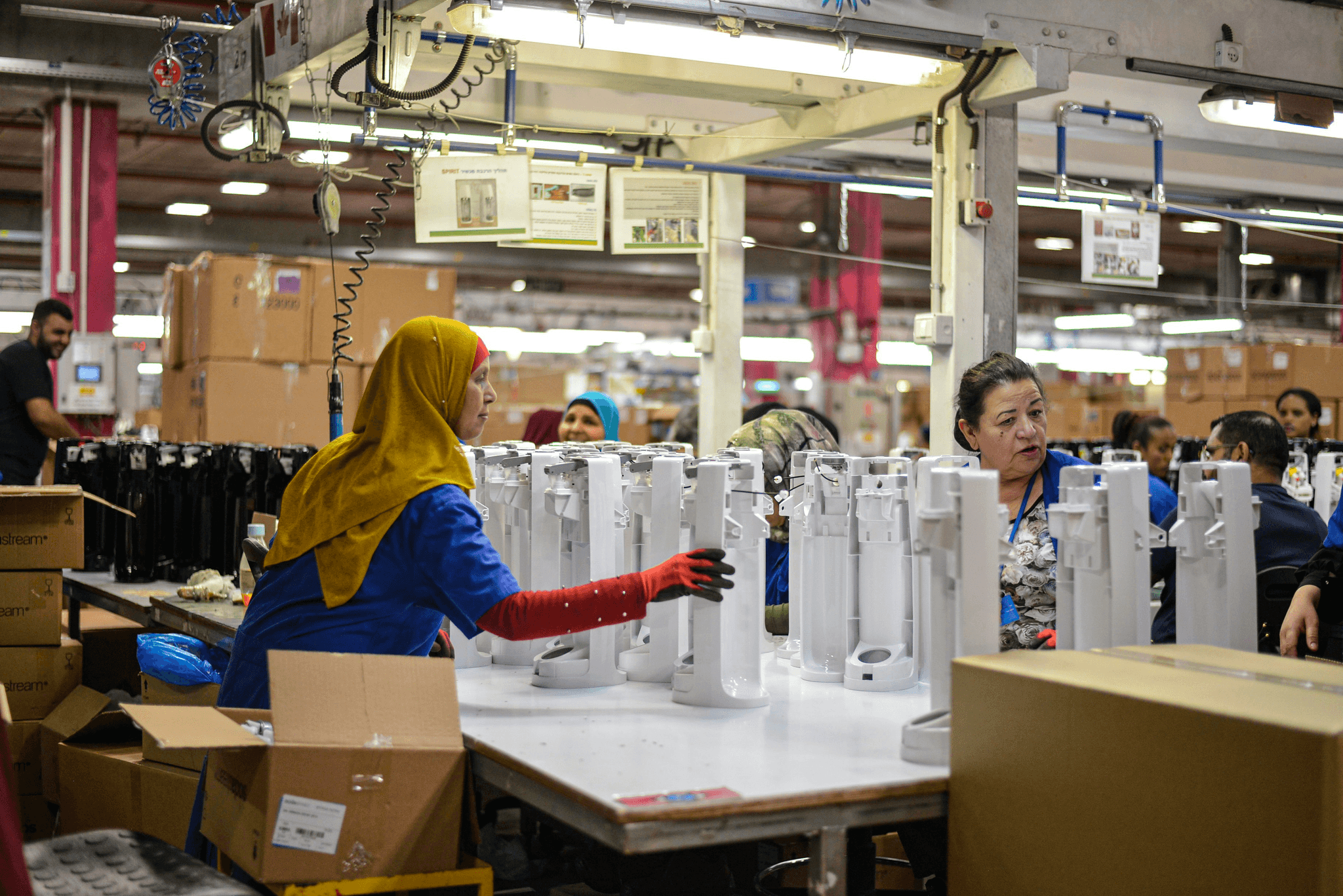
In the realm of quality control, critical defects represent the most severe category of issues that can arise in a product. These defects can compromise safety, functionality, or compliance with regulatory standards, making them a top priority for manufacturers and inspectors alike. Understanding what constitutes a critical defect is essential for maintaining product integrity and ensuring customer satisfaction.
What Constitutes a Critical Defect
A critical defect is defined as any flaw that poses an immediate risk to health or safety or significantly impairs the product's intended use. For example, electrical appliances with exposed wiring or toys containing hazardous materials are clear instances of critical defects that cannot be overlooked. The AQL Standard categorizes these defects distinctly because their potential impact on consumers is so profound; thus, identifying them early in production is crucial.
Consequences of Ignoring Critical Defects
Ignoring critical defects can have dire consequences for both manufacturers and consumers alike. From serious injuries to costly recalls, the fallout from overlooking these flaws can be catastrophic. Moreover, brands may suffer irreparable damage to their reputation if customers associate their products with negligence regarding quality control standards like the AQL Standard.
Preventative Measures for Critical Defects
To mitigate the risk of critical defects slipping through the cracks, manufacturers must implement robust quality assurance processes at every stage of production. This includes rigorous inspections guided by the AQL Standard to ensure that all products meet safety guidelines before reaching consumers. Investing in training for staff on identifying not just minor and major defects but also critical ones will help cultivate a culture of quality that prioritizes consumer safety above all else.
Conclusion

In the realm of quality control, the AQL Standard serves as a guiding beacon, helping businesses navigate the murky waters of product defects. By categorizing defects into Minor, Major, and Critical Defects, companies can implement targeted strategies to enhance their quality management processes. This structured approach not only minimizes wastage but also bolsters customer satisfaction and trust.
The Role of AQL Standard in Quality Control
The AQL Standard is pivotal in establishing benchmarks for acceptable quality levels in products across various industries. It provides a systematic framework to classify defects—Minor Defects may be tolerable, while Major and Critical Defects demand immediate attention. By adhering to this standard, manufacturers can ensure that they consistently meet customer expectations and regulatory requirements.
Effective Solutions for Defect Categories
Addressing defect categories effectively requires tailored solutions that resonate with their specific characteristics. For Minor Defects, simple corrective actions can often suffice; however, Major Defects necessitate more rigorous investigation and remediation efforts to prevent recurrence. Meanwhile, Critical Defects require an urgent response strategy that includes thorough inspections and possibly redesigns to avert serious consequences.
Improving Product Quality with China Inspection Pro
Utilizing services like China Inspection Pro can significantly enhance adherence to the AQL Standard by providing expert inspections focused on identifying Minor, Major, and Critical Defects before products reach consumers. Their comprehensive assessments help manufacturers pinpoint issues early in the production process, ensuring that only high-quality products make it to market. Ultimately, leveraging such inspection services leads to improved product quality and fosters long-term business success.