
Introduction
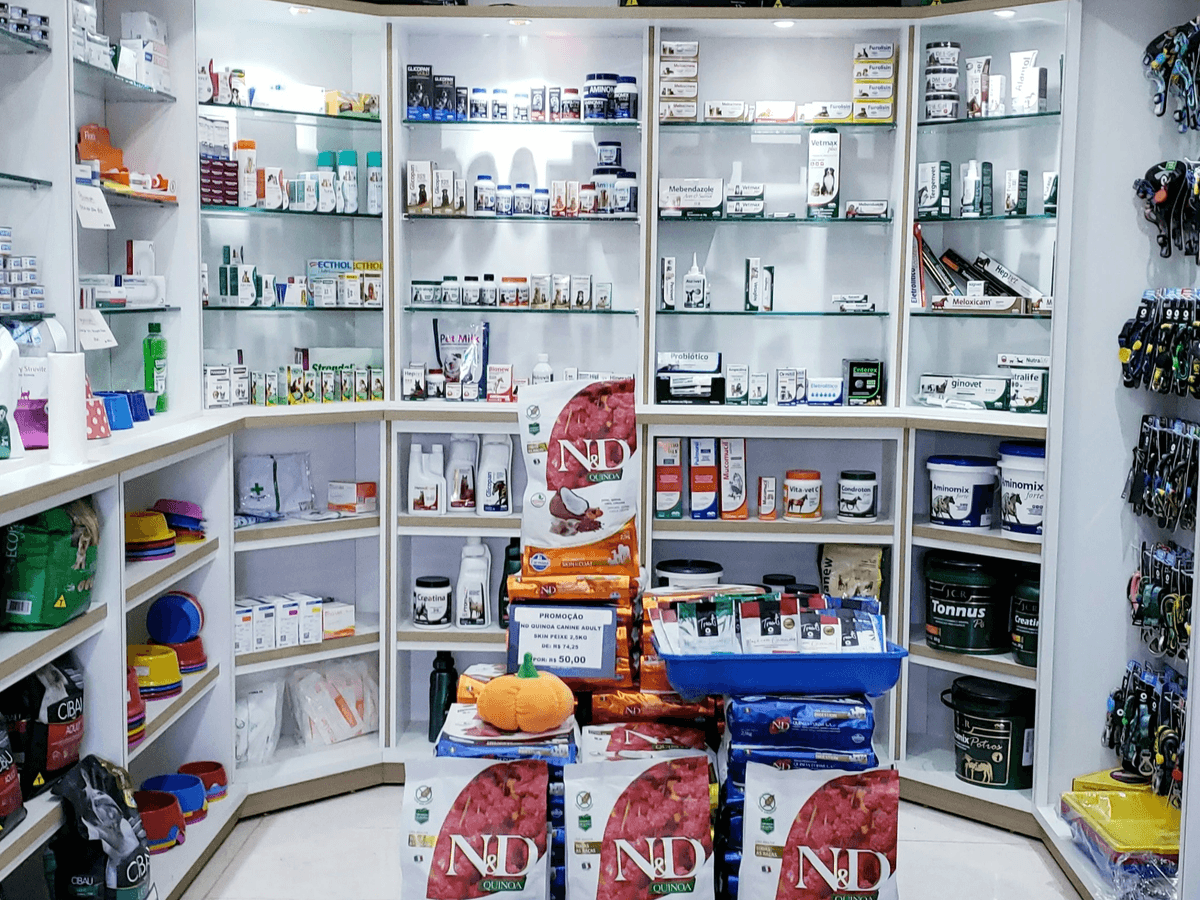
In the bustling world of pet products, ensuring quality control has become a paramount concern for manufacturers and consumers alike. Pet Product Quality Control is not just a regulatory hurdle; it’s a commitment to the health and safety of our furry companions. With the increasing variety of pet products available on the market, understanding why quality control on pet products is becoming essential is crucial for both producers and pet owners.
Understanding Pet Product Quality Control
Pet Product Quality Control involves systematic processes aimed at maintaining high standards throughout the production cycle of pet items. This includes rigorous testing and evaluation to ensure that every product meets safety, nutritional, and material specifications. As consumers become more discerning about what they purchase for their pets, manufacturers must prioritize quality to stay competitive.
Importance of Quality Control for Pet Products
The importance of quality control for pet products cannot be overstated; it directly correlates with consumer trust and brand loyalty. When pet owners are confident in the safety and efficacy of their purchases, they are more likely to return to those brands time and again. Moreover, effective quality control can help mitigate common quality issues in pet products that could otherwise harm pets or damage a brand's reputation.
Overview of Key Quality Standards
Navigating through key quality standards is essential for anyone involved in the manufacturing or purchasing of pet products. Regulatory bodies set these standards to ensure that all items meet specific safety requirements before reaching consumers’ hands (and paws). By adhering to these guidelines, businesses can develop their Pet Product Quality Control Plan effectively while also addressing rising consumer demand for transparency and high-quality offerings.
The Essentials of Pet Product Quality Control
Quality control is the backbone of any successful pet product business. It ensures that every item meets established standards for safety, effectiveness, and overall quality. In the realm of pet products, where our furry friends’ health and happiness are at stake, understanding Pet Product Quality Control is not just important—it's essential.
Definition and Purpose of Quality Control
Pet Product Quality Control refers to the systematic processes implemented to ensure that pet products meet specific quality standards before reaching consumers. The primary purpose is to prevent defects, guarantee safety, and maintain consistency across product batches. By establishing robust quality control measures, businesses can protect their reputation while ensuring that pets receive only the best.
Regulatory Bodies Governing Quality Standards
Several regulatory bodies oversee the quality standards for pet products, ensuring compliance with safety regulations and industry norms. Organizations such as the Association of American Feed Control Officials (AAFCO) set nutritional guidelines for pet food, while groups like the Consumer Product Safety Commission (CPSC) monitor toy safety regulations. Understanding these governing bodies is crucial in developing your pet product quality control plan to align with established requirements.
How Quality Control Impacts Consumer Trust
The impact of quality control on consumer trust cannot be overstated; it serves as a foundation for building lasting relationships with customers. When consumers know that a brand prioritizes Pet Product Quality Control, they are more likely to choose those products over competitors'. Furthermore, transparency about quality practices fosters loyalty and encourages repeat purchases among discerning pet owners who prioritize their pets' well-being.
Why Quality Control on Pet Products is Becoming Essential
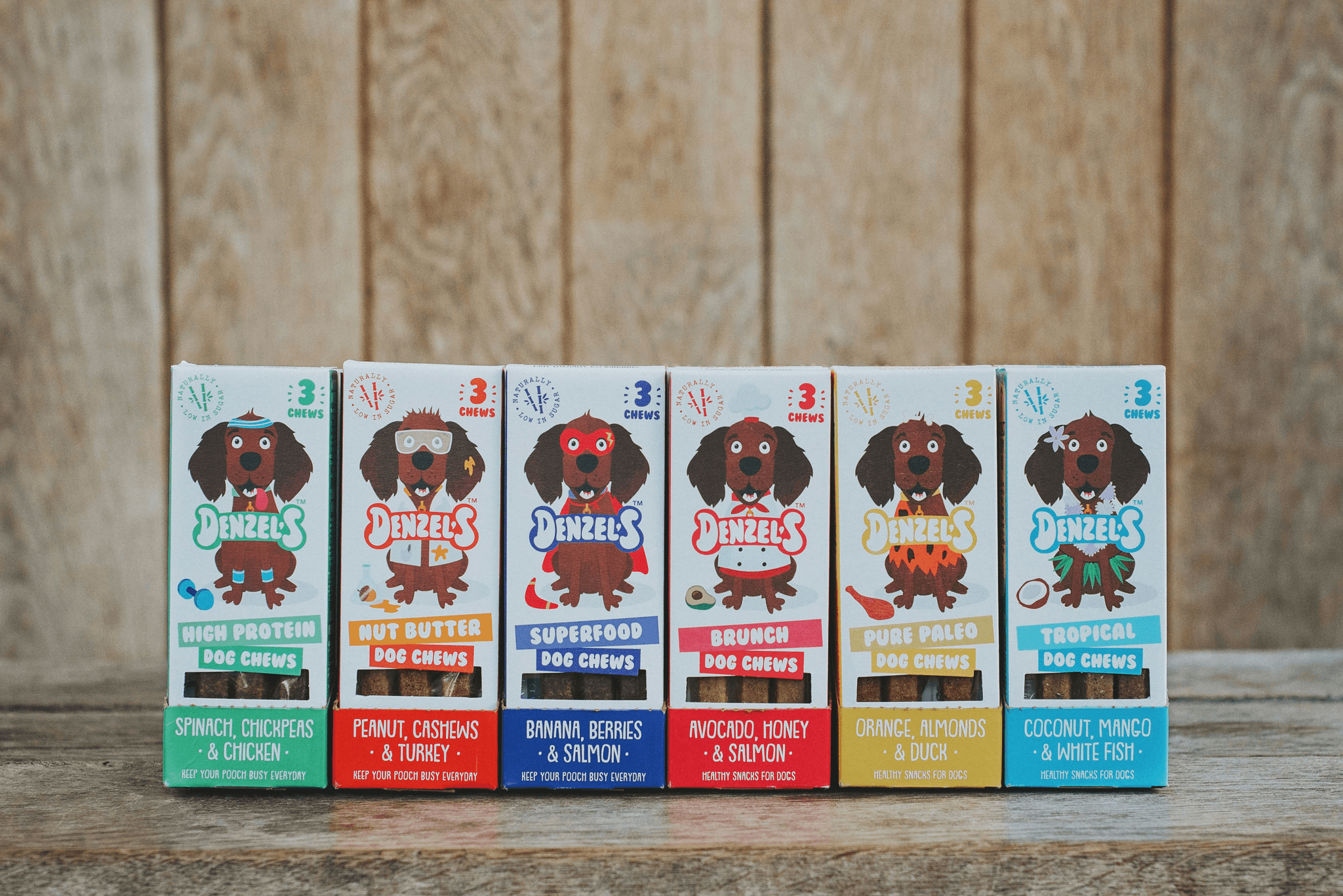
In today’s pet-loving society, the stakes for ensuring top-notch Pet Product Quality Control have never been higher. With a growing number of pet owners treating their furry companions like family members, the demand for safe and reliable products has skyrocketed. This shift in consumer perception is driving businesses to prioritize Why Quality Control on Pet Products is Becoming Essential more than ever.
Rising Safety Concerns for Pets
The alarming rise in reports of harmful ingredients and unsafe materials in pet products has raised serious safety concerns among pet owners. From contaminated food leading to health issues to toxic materials lurking in toys, the risks are real and pressing. Consequently, robust Pet Product Quality Control measures are necessary to safeguard our beloved pets from potential harm.
As awareness grows, consumers are increasingly scrutinizing the products they purchase for their pets. They want assurances that what they buy meets stringent safety standards and does not compromise their pets' well-being. This rising tide of safety concerns necessitates a proactive approach to quality control in all aspects of pet product manufacturing.
The Role of Transparency in Consumer Choices
In an age where information is at our fingertips, transparency has become a key element influencing consumer choices regarding pet products. Shoppers are no longer satisfied with vague claims; they demand detailed information about ingredients, sourcing practices, and manufacturing processes. Companies that embrace transparency as part of their Pet Product Quality Control strategies will not only build trust but also attract discerning customers who value ethical practices.
Transparency fosters a culture of accountability within the industry, compelling brands to maintain high-quality standards consistently. When consumers understand how their chosen products meet established quality benchmarks, they feel more confident making purchases that align with their values. This shift towards transparency underscores why quality control on pet products is becoming essential for businesses aiming to thrive.
Market Demand for High-Quality Pet Products
As more people consider pets as integral family members, there’s an undeniable market demand for high-quality pet products that reflect this status. Consumers are willing to invest more in premium items that ensure their pets’ health and happiness—be it gourmet food or eco-friendly toys—highlighting the importance of rigorous quality control practices across various categories. The emphasis on Key Pet Products That Require Quality Control extends beyond mere compliance; it’s about meeting evolving consumer expectations.
This burgeoning market provides an opportunity for brands that prioritize quality over quantity while developing their product lines through meticulous quality control measures. In turn, this commitment can enhance brand loyalty as customers gravitate toward companies known for delivering safe and effective solutions tailored specifically for pets' needs. Thus, developing your Pet Product Quality Control Plan becomes crucial not just from a compliance standpoint but also as a strategic business advantage.
Key Pet Products That Require Quality Control
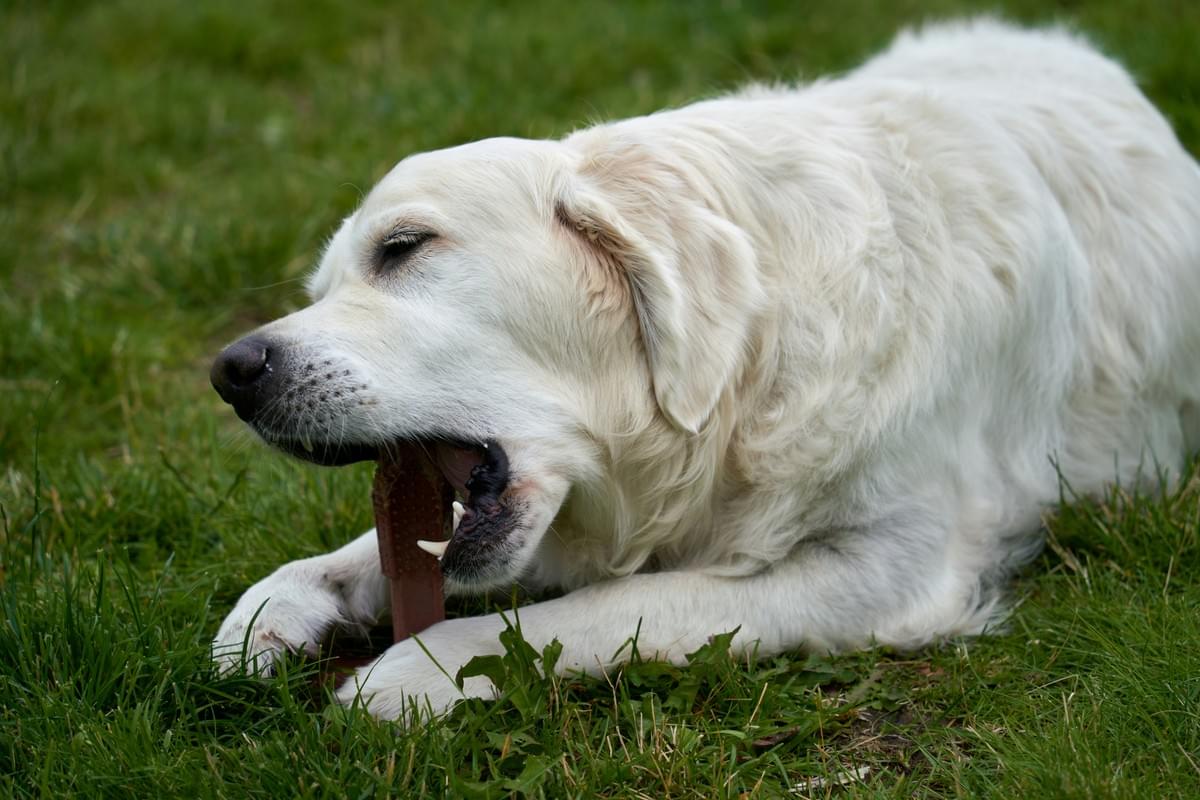
In the world of pet products, quality control is not just a checkbox; it's a necessity. Ensuring that key pet products meet rigorous quality standards is vital for pet health and consumer trust. This section delves into the essential categories of pet products that demand stringent quality control measures.
Food and Treats: Nutritional Standards
When it comes to pet food and treats, nutritional standards are paramount for maintaining the health and well-being of our furry friends. Quality control in this category ensures that ingredients are safe, nutritious, and free from harmful additives or contaminants. With rising safety concerns for pets, it's critical for manufacturers to adhere to established nutritional guidelines to foster consumer confidence in their offerings.
Inadequate quality control can lead to serious health issues in pets, such as allergies or gastrointestinal problems caused by contaminated food. Moreover, transparency about ingredient sourcing can enhance trust between brands and consumers—an essential aspect in today's market where pet owners are more discerning than ever about what they feed their animals. Thus, focusing on robust quality control measures is crucial for any business aiming to thrive in the competitive landscape of pet food.
Toys and Accessories: Material Safety
Toys and accessories represent another vital area where effective Pet Product Quality Control must be implemented. These items should be made from non-toxic materials that are safe for pets to chew on or play with, as even seemingly harmless toys can pose significant risks if they contain harmful substances like lead or phthalates. The importance of material safety cannot be overstated; after all, our pets often explore the world with their mouths!
Quality control processes need to include thorough testing of materials used in toys and accessories before they reach store shelves. Regular audits can help ensure compliance with safety regulations while also identifying any potential hazards early on—this proactive approach is essential given the increasing scrutiny from both consumers and regulatory bodies alike regarding product safety standards. By prioritizing material safety through effective quality control measures, brands can build a loyal customer base that trusts their commitment to providing safe products.
Grooming Products: Skin Sensitivity Testing
Grooming products are yet another category requiring diligent Pet Product Quality Control due to varying skin sensitivities among different breeds of pets. Ingredients found in shampoos, conditioners, and other grooming aids must be carefully selected to avoid causing irritation or allergic reactions in pets' skin or coats. Conducting rigorous skin sensitivity testing during product development helps ensure that these grooming solutions cater safely to all types of animals.
The significance of this testing extends beyond mere compliance; it directly impacts customer satisfaction as well as brand reputation within an increasingly competitive marketplace focused on high-quality offerings. As consumers become more aware of potential adverse effects from poorly formulated grooming products, businesses must take proactive steps toward ensuring their items meet strict quality standards through comprehensive testing protocols. Ultimately, investing time and resources into developing a robust Pet Product Quality Control plan will pay dividends by fostering consumer loyalty based on trustworthiness.
Common Quality Issues in Pet Products
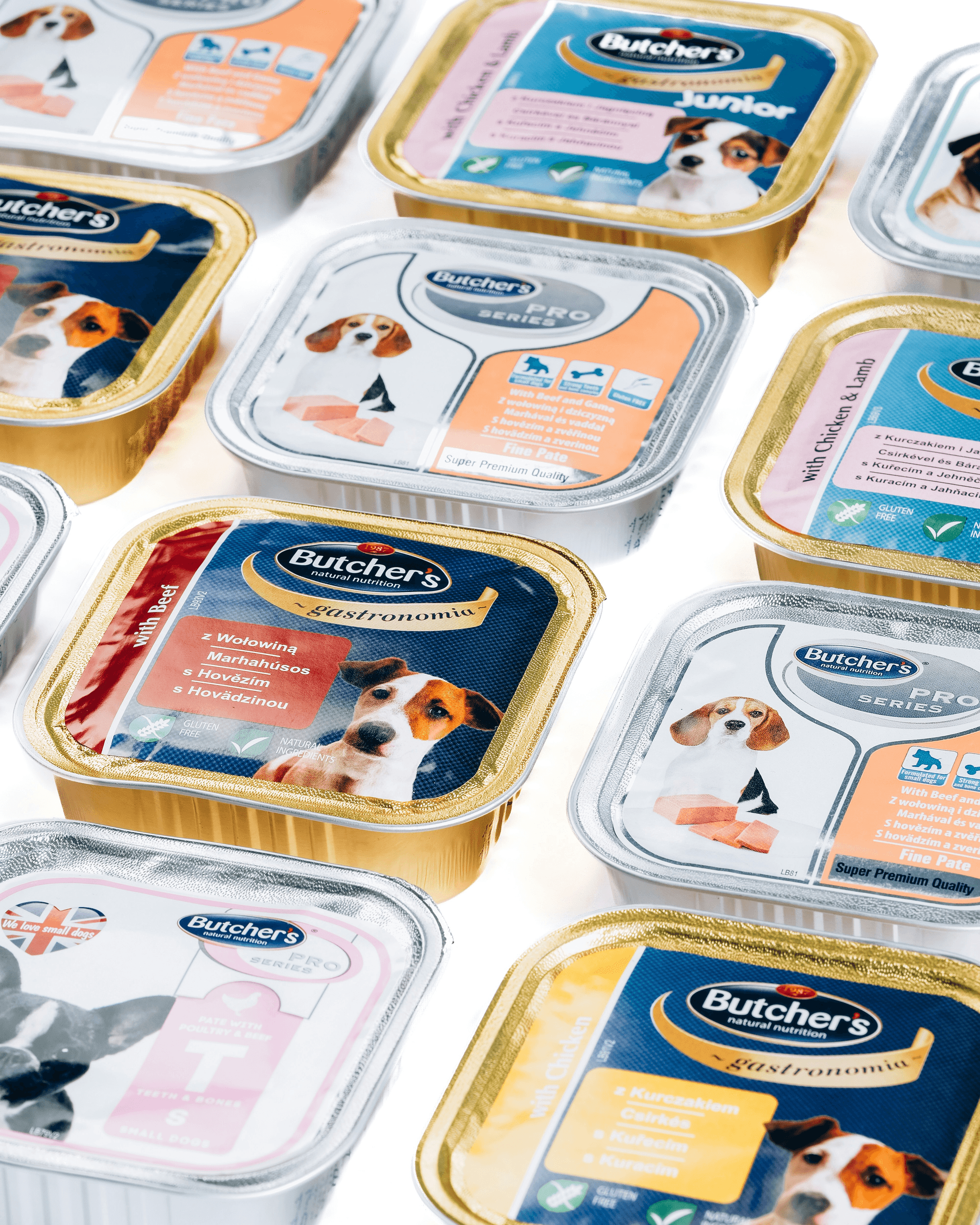
Quality control is paramount in the pet product industry, as it directly affects the health and safety of our furry companions. However, despite best efforts, several common quality issues can arise that pose significant risks to pets and their owners alike. Understanding these issues is essential for anyone involved in pet product quality control.
Contamination Risks in Pet Food
Contamination risks in pet food are a pressing concern that every manufacturer must address through rigorous quality control measures. Bacteria such as Salmonella and E. coli can find their way into pet food products during production, leading to serious health issues for pets and potential legal ramifications for companies. Implementing strict quality control protocols helps ensure that all ingredients are properly sourced, handled, and tested before reaching the consumer.
Moreover, contamination can also stem from improper storage or transportation methods that compromise the integrity of the food. Regular audits and testing are vital components of a robust pet product quality control plan aimed at minimizing these risks. As awareness grows around why quality control on pet products is becoming essential, manufacturers must prioritize safe practices to build trust with consumers.
Toxic Materials in Pet Toys
Toxic materials lurking in pet toys represent another significant issue within the realm of common quality issues in pet products. Many toys are made from plastics or other materials that may contain harmful chemicals like phthalates or lead, which can be detrimental to a pet's health if ingested or absorbed through the skin. Quality control processes should include rigorous testing for toxic substances to ensure compliance with safety regulations.
In addition to protecting pets from harm, ensuring toy safety fosters consumer confidence in brands committed to high-quality standards. The demand for transparency regarding material sourcing has risen sharply among consumers who want assurance about what their pets are playing with. Thus, effective development of your pet product quality control plan must incorporate comprehensive evaluations of all materials used.
Inconsistent Quality Across Product Batches
Inconsistent quality across product batches can lead to frustrated customers and potentially harm pets who rely on dependable products for their well-being. Variations may arise due to differences in raw material sourcing or manufacturing processes that aren't adequately monitored under a stringent quality control system. This inconsistency not only impacts customer satisfaction but also poses challenges when trying to maintain brand loyalty amid increasing competition.
To combat this issue effectively, manufacturers need a solid strategy focused on continuous monitoring throughout production cycles—ensuring each batch meets established standards consistently over time is crucial for success in the market today. By addressing these common quality issues head-on within your overall approach to pet product quality control, you reinforce your commitment toward delivering safe and reliable products tailored for beloved companions.
Develop Your Pet Product Quality Control Plan
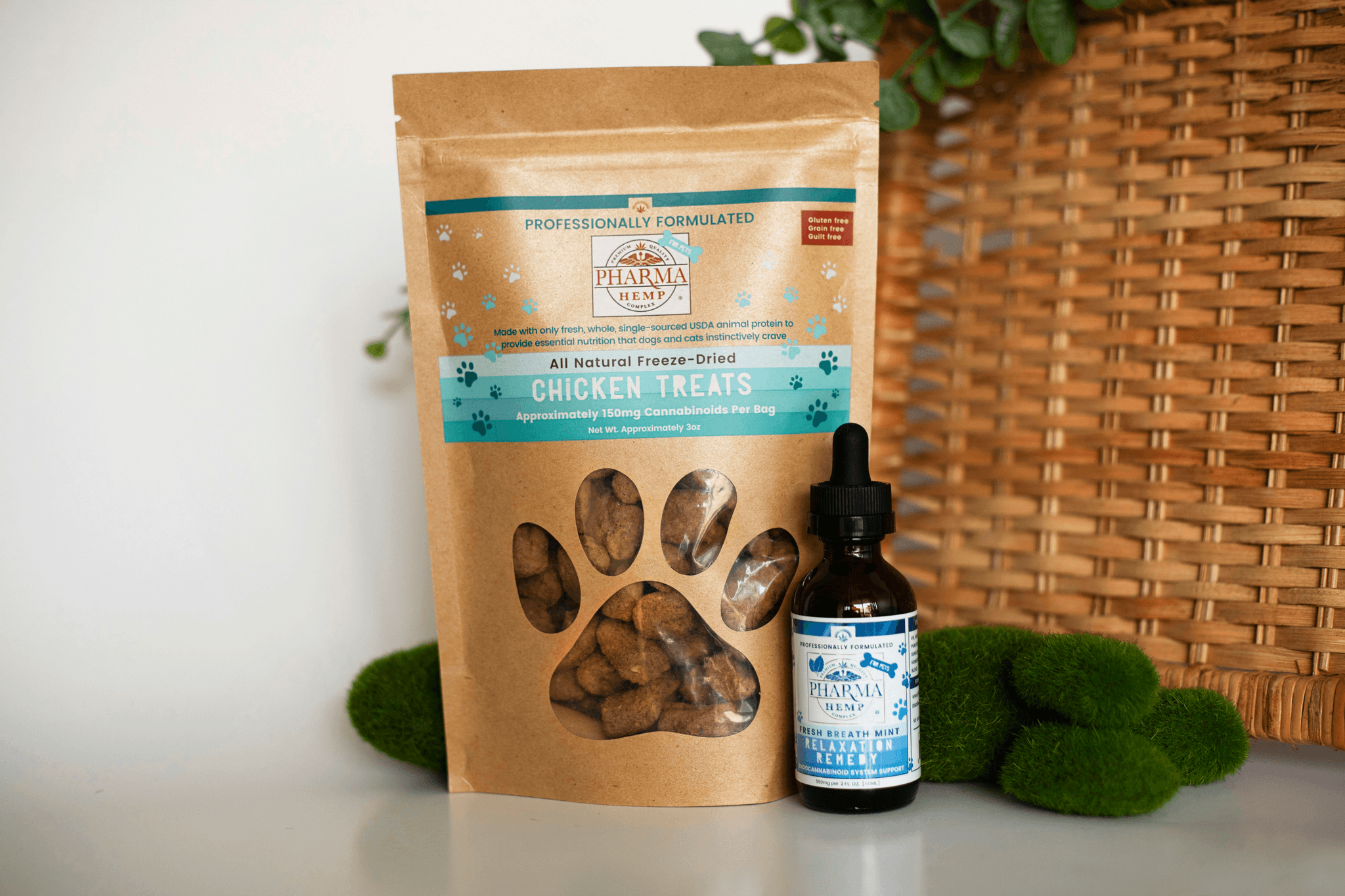
Creating a robust Pet Product Quality Control plan is essential for ensuring that your products meet safety and quality standards. This plan not only helps in maintaining compliance with regulatory bodies but also builds consumer trust, especially as discussions around Why Quality Control on Pet Products is Becoming Essential continue to gain traction. By following a structured approach, you can significantly reduce the risk of common quality issues in pet products while enhancing your brand's reputation.
Steps to Creating an Effective Plan
The first step in developing your Pet Product Quality Control plan is to clearly define your quality objectives based on the Key Pet Products That Require Quality Control, such as food, toys, and grooming supplies. Next, outline processes for sourcing materials, manufacturing practices, and testing protocols that align with industry regulations and standards. Finally, implement a system for documenting all quality checks and corrective actions taken when Common Quality Issues in Pet Products arise; this documentation will serve as evidence of compliance during inspections.
Importance of Continuous Monitoring
Continuous monitoring is vital for any effective Pet Product Quality Control plan because it allows you to identify potential issues before they escalate into major problems. By regularly reviewing production processes and conducting random product tests, you can ensure that safety standards are consistently met over time—this proactive approach directly addresses Why Quality Control on Pet Products is Becoming Essential. Moreover, continuous monitoring fosters a culture of accountability within your team, reinforcing the importance of maintaining high-quality standards across all product lines.
Tools and Resources for Quality Control
To streamline your Pet Product Quality Control efforts, consider utilizing various tools and resources designed specifically for quality management. Software solutions can help track inventory levels, manage supplier relationships, and automate testing schedules to mitigate Common Quality Issues in Pet Products before they reach consumers' hands. Additionally, partnering with third-party organizations or consultants who specialize in pet product safety can provide valuable insights into best practices while keeping you updated on evolving regulations surrounding Key Pet Products That Require Quality Control.
Conclusion
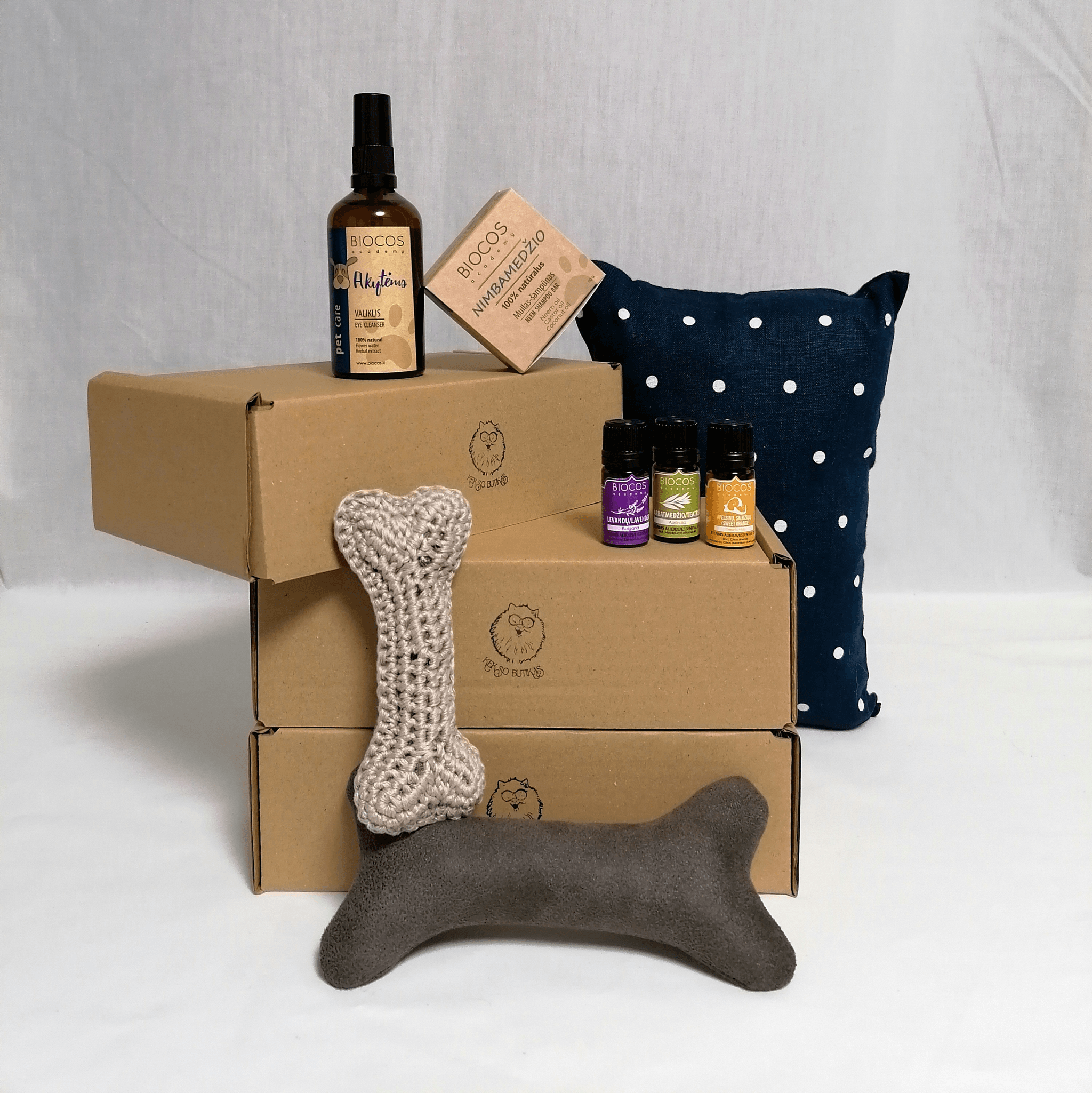
In a world where our furry friends are cherished family members, elevating pet product standards is not just a trend—it's a necessity. Pet Product Quality Control is essential to ensure that every item on the market meets rigorous safety and quality benchmarks. By prioritizing quality control, manufacturers can significantly reduce risks associated with common quality issues in pet products, ultimately leading to safer options for pets and peace of mind for their owners.
Elevating Pet Product Standards
Raising the bar for pet product standards requires a commitment from all stakeholders involved—from manufacturers to retailers. Implementing robust Pet Product Quality Control measures ensures that key pet products that require quality control, such as food and toys, are safe and reliable. This elevation not only protects pets but also promotes industry-wide accountability and trust.
Building Brand Loyalty Through Quality
Consumers today are more informed than ever about what goes into their pets' products; thus, building brand loyalty through quality is paramount. When companies consistently deliver high-quality items while addressing common quality issues in pet products, they foster trust with customers who seek transparency in their purchasing decisions. By developing your pet product quality control plan effectively, businesses can create lasting relationships with consumers who prioritize their pets' well-being.
Partnering with Experts Like China Inspection Pro
Navigating the complexities of Pet Product Quality Control can be daunting; however, partnering with experts like China Inspection Pro can streamline the process significantly. Their specialized knowledge helps businesses identify potential risks and implement solutions tailored to meet specific regulatory requirements for key pet products that require quality control. With expert guidance, companies can confidently tackle the challenges of maintaining high standards while keeping an eye on emerging trends in safety and consumer preferences.