
Introduction
In the world of manufacturing and production, understanding the nuances of quality control is paramount. One essential concept that frequently arises in this arena is First Article Inspection (FAI), a process that ensures products meet specified requirements right from the get-go. Grasping the fai meaning in context not only enhances product quality but also streamlines operations within quality management software.
Understanding FAI Meaning in Context
First Article Inspection serves as a critical checkpoint in the manufacturing process, verifying whether initial samples align with design specifications and standards. This practice is not just about ticking boxes; it’s about fostering an environment where quality management thrives from day one. By delving into the fai meaning, organizations can better appreciate its significance within broader quality control frameworks.
Importance of FAI in Quality Management
FAI plays a pivotal role in ensuring that products are manufactured correctly before full-scale production begins, thereby reducing waste and costly rework down the line. Its integration into quality management practices promotes consistency and reliability, making it an indispensable tool for any organization committed to excellence. With effective use of quality management software, companies can track FAI data efficiently, enhancing their overall approach to managing product quality.
FAI's Role in Quality Control
Incorporating FAI into your quality control strategy helps identify potential issues early on, allowing teams to address them proactively rather than reactively. This foresight not only saves time but also bolsters customer satisfaction by delivering products that meet or exceed expectations consistently. Ultimately, understanding how FAI fits into the larger picture of management and quality helps organizations cultivate a culture focused on continuous improvement.
What is FAI?

First Article Inspection (FAI) is a critical process in quality management that ensures products meet specified requirements before mass production begins. It acts as a safeguard, verifying that the initial samples of a product are manufactured according to design specifications and established standards. Understanding the fai meaning within this context is essential for organizations aiming to enhance their quality control measures.
Defining First Article Inspection
First Article Inspection refers to the comprehensive evaluation of the first piece produced in a manufacturing run, ensuring it adheres to predetermined specifications and quality standards. This inspection is vital in quality control because it helps identify any discrepancies early on, preventing costly errors later in production. The fai meaning extends beyond just checking dimensions; it encompasses various aspects such as material properties, functionality, and overall compliance with design criteria.
The Process of FAI
The process of FAI typically begins with the selection of a sample part from a production run, which is then subjected to rigorous testing and measurement against established benchmarks. Quality management software often plays a pivotal role here, streamlining data collection and analysis to ensure thorough documentation of results. Each step must be meticulously recorded to facilitate future audits and continuous improvement efforts within quality management practices.
Real-World Applications
FAI finds its application across diverse industries such as aerospace, automotive, and electronics, where precision is paramount for safety and performance. For instance, an aerospace manufacturer might conduct an FAI on components like turbine blades or fuselage parts to guarantee they meet stringent regulatory standards before assembly begins. By integrating FAI into their quality control processes, companies can significantly reduce risks associated with defective products while enhancing overall customer satisfaction through reliable quality inspection methods.
The Importance of FAI in Quality Control

First Article Inspection (FAI) plays a pivotal role in ensuring that products meet stringent quality standards right from the outset. By implementing FAI, organizations can catch potential defects before they escalate into costly production issues. This proactive approach not only enhances product quality but also fosters trust in the manufacturing process, making it a cornerstone of effective quality management.
Ensuring Product Quality from the Start
Ensuring product quality from the start is crucial for any manufacturing operation, and this is where FAI shines. By conducting thorough inspections at the initial stages of production, companies can identify deviations from specifications early on, thus preventing defective products from reaching customers. This focus on early detection not only reduces waste but also minimizes rework costs, ultimately contributing to better overall quality control.
Moreover, implementing FAI helps establish a culture of quality within an organization. When employees understand the importance of adhering to specifications and maintaining high-quality standards right from the beginning, it leads to improved morale and productivity across all levels of management and quality assurance teams. The result? A more reliable end product that meets customer expectations consistently.
FAI's Impact on Quality Management Software
The integration of FAI into quality management software has revolutionized how businesses handle their quality control processes. By leveraging technology, organizations can automate data collection during inspections, making it easier to track compliance with predefined standards over time. This seamless connection between FAI and software solutions enhances reporting capabilities and provides valuable insights into trends affecting product quality.
Additionally, advanced quality management software allows for real-time monitoring of inspection results linked directly to FAI processes. With this capability at their fingertips, managers can make informed decisions quickly—addressing issues before they snowball into larger problems down the line. Not only does this improve efficiency within teams responsible for quality inspection, but it also strengthens overall operational performance.
Finally, having robust data analytics integrated with your FAI processes enables continuous improvement initiatives within your organization’s approach to quality management practices. Organizations can pinpoint recurring defects or areas needing enhancement through thorough analysis—ultimately refining their production processes for superior outcomes in both efficiency and effectiveness.
FAI vs. Other Quality Control Methods
In the realm of quality management, First Article Inspection (FAI) stands out as a critical method for ensuring product excellence from the get-go. While other quality control techniques like Statistical Process Control (SPC) offer valuable insights, FAI provides a hands-on approach that focuses on the first production piece to verify compliance with specifications. Understanding the differences between these methodologies is essential for organizations looking to enhance their quality control efforts and maximize efficiency.
Comparing FAI and Statistical Process Control
FAI meaning revolves around a meticulous examination of the first article produced in a manufacturing process, ensuring it meets all specified requirements before mass production begins. On the other hand, Statistical Process Control utilizes statistical methods to monitor and control processes over time, focusing on variability and trends rather than individual pieces. While SPC can identify deviations during production runs, FAI provides an upfront verification that prevents defects from entering the production line—making it an invaluable tool in quality management.
Both methods serve distinct purposes within quality control frameworks; however, they can complement each other effectively. Organizations often integrate FAI with SPC to create a robust quality management software environment where initial inspections lead into ongoing monitoring of processes. This synergy not only enhances overall product quality but also fosters a culture of continuous improvement within teams dedicated to quality inspection.
Advantages of Implementing FAI
Implementing First Article Inspection offers several advantages that make it an attractive option for companies committed to maintaining high standards in their products. Firstly, by verifying product specifications at the outset, organizations can significantly reduce costly rework and scrap associated with defects that may arise later in the manufacturing process. This proactive approach not only saves money but also boosts customer confidence in product reliability—a crucial aspect of effective quality management.
Moreover, integrating FAI into existing quality control software allows for streamlined documentation and reporting processes, making it easier for teams to track compliance over time. With real-time data collection linked directly to management systems, businesses can respond swiftly to any issues that arise during production runs while maintaining adherence to regulatory standards—an essential component of effective management and quality assurance practices.
Lastly, implementing FAI encourages collaboration among team members as they work together towards common goals related to product excellence and customer satisfaction. By fostering open communication channels around initial inspections and findings, organizations create an environment where everyone feels invested in achieving high-quality outcomes.
How FAI Enhances Quality Inspection
FAI enhances traditional quality inspection methods by shifting focus from reactive measures after defects are found to proactive measures before mass production begins—essentially catching potential issues at their source. This early detection mechanism ensures that any discrepancies are addressed immediately rather than compounding throughout subsequent stages of manufacturing or assembly processes—a significant advantage in today’s fast-paced markets where time is money.
Furthermore, incorporating FAI into your overall strategy helps establish clear benchmarks against which future production runs can be measured through various forms of quality management software tools available today. These tools facilitate consistent documentation practices while allowing teams easy access to historical data related specifically back-to-first articles inspected previously—creating a comprehensive repository for ongoing reference during future projects or audits.
Ultimately, by bolstering traditional inspection protocols with First Article Inspection techniques tailored specifically toward identifying potential problems early on—not only does this improve overall efficiency but also strengthens relationships between manufacturers and customers alike through enhanced accountability around product integrity throughout every stage leading up until delivery!
How to Implement FAI Successfully
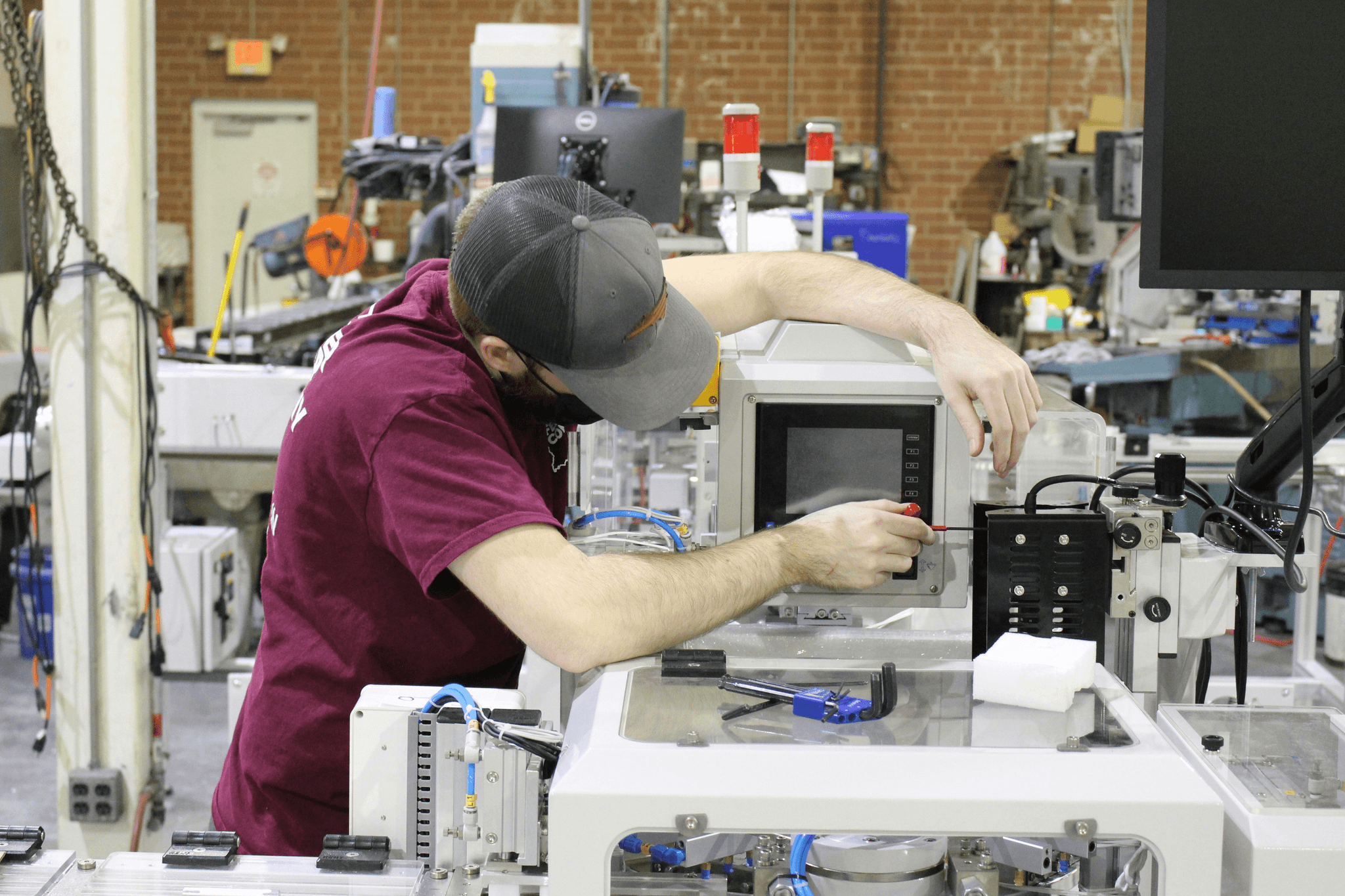
Implementing First Article Inspection (FAI) effectively is crucial for ensuring that quality management practices are upheld from the very beginning of the production process. By following a structured approach, organizations can integrate FAI into their quality control systems seamlessly. This not only enhances product quality but also fosters a culture of continuous improvement within teams.
Key Steps for Effective FAI
To kick off an effective FAI process, it's essential to establish clear objectives and guidelines that align with your overall quality management goals. Start by defining what fai meaning entails in your specific context—this could involve identifying critical characteristics of the product that need inspection. Next, develop a robust checklist that captures all necessary measurements and specifications while ensuring compliance with relevant industry standards.
Once you have your checklist, train your team on how to conduct inspections consistently and accurately. This includes understanding the importance of documentation in quality control processes, as well as how to use any associated quality management software effectively. Regularly review and refine these steps based on feedback and results from previous inspections to continually enhance the effectiveness of your FAI efforts.
Best Practices in Quality Control Software
When it comes to integrating FAI into your workflow, leveraging quality control software can be a game-changer. Choosing software that supports real-time data collection and analysis allows teams to monitor compliance with specifications instantly, which is essential for maintaining high-quality standards throughout production. Additionally, look for solutions that offer customizable features tailored specifically for first article inspection processes.
Another best practice involves utilizing automated alerts within your quality management software to notify team members about upcoming inspections or potential issues detected during previous FAIs. This proactive approach helps maintain momentum in the inspection process while minimizing disruptions caused by unexpected problems later on in production runs. Don't forget about incorporating comprehensive reporting tools; these will help track performance metrics over time and provide valuable insights into areas needing improvement.
Training Your Team in FAI Methods
Training is an indispensable component when implementing successful FAI methods within any organization focused on enhancing its quality management practices. Begin by providing foundational knowledge about what fai meaning encompasses and why it’s vital for effective quality control measures—this sets the stage for deeper learning down the line. Incorporate hands-on workshops where team members can practice conducting inspections using actual products they’ll encounter on the job.
Moreover, consider establishing mentorship programs where experienced staff share their insights with newer employees about best practices in both FAI procedures and utilizing relevant technology like quality control software effectively. Continuous education should be encouraged; regular refresher courses ensure everyone stays updated on evolving industry standards or new technologies impacting their roles in quality inspection processes.
In summary, successfully implementing First Article Inspection requires strategic planning around key steps, leveraging advanced technology through tailored software solutions, and investing time into comprehensive training programs for all involved personnel.
Challenges and Solutions in FAI

First Article Inspection (FAI) is a crucial process in quality management, but it’s not without its challenges. Understanding the common pitfalls can help organizations navigate these issues effectively. By addressing these challenges head-on, businesses can leverage FAI to enhance their quality control processes and maintain high standards.
Common Pitfalls in First Article Inspection
One of the most significant pitfalls in First Article Inspection is inadequate documentation. When teams fail to properly document the inspection process, it can lead to confusion and inconsistencies that undermine quality management efforts. Additionally, a lack of clear communication between departments often results in misunderstandings about FAI requirements, which can compromise product quality from the outset.
Another common issue is insufficient training for personnel involved in the FAI process. Without proper training on both FAI meaning and its implementation, team members may overlook critical inspection steps or misinterpret data collected during inspections. This gap can lead to defective products making their way through production lines, ultimately affecting customer satisfaction and brand reputation.
Lastly, reliance on outdated quality control software can hinder effective FAI execution. Many organizations still utilize legacy systems that are ill-equipped for modern manufacturing demands. This not only slows down the inspection process but also increases the likelihood of errors, further complicating quality management initiatives.
Strategies for Overcoming FAI Challenges
To tackle documentation issues head-on, companies should implement standardized templates for recording inspection data during FAIs. These templates ensure that all necessary information is captured consistently across different projects and teams. Moreover, integrating this documentation into a robust quality management software system allows for easier tracking and retrieval of records when needed.
Training programs tailored to First Article Inspection are essential for overcoming personnel-related challenges. Organizations should invest time in educating their teams about FAI meaning and its significance within the larger context of quality control processes. Regular workshops or e-learning modules focused on best practices can empower employees with the knowledge they need to execute inspections effectively.
Updating or upgrading existing quality control software is also vital for enhancing FAI processes. By adopting modern solutions equipped with advanced analytics capabilities, businesses can streamline inspections while minimizing human error risks associated with manual processes. These tools not only facilitate better data collection but also enable real-time monitoring of compliance with established standards.
The Future of FAI in Quality Management
As industries continue to evolve towards automation and digitalization, First Article Inspection will undoubtedly play a pivotal role in shaping future quality management practices. With advancements such as artificial intelligence and machine learning integrated into quality control software solutions, organizations will be able to conduct more accurate inspections faster than ever before while reducing human error rates significantly.
Moreover, as companies increasingly focus on sustainability and ethical production methods, understanding fai meaning will become even more critical within supply chains worldwide. The emphasis will shift toward ensuring that every component meets stringent environmental regulations right from the initial stages through effective FAIs—ultimately leading to higher-quality products that resonate with eco-conscious consumers.
In conclusion, while challenges exist within First Article Inspection practices today—ranging from documentation issues to training gaps—the future looks bright as innovative solutions emerge within the field of quality management software development. By embracing these changes proactively now rather than later will position organizations favorably against competitors who may lag behind on adapting their approaches toward effective FAI implementation.
Conclusion
In wrapping up our exploration of First Article Inspection (FAI), it’s essential to reiterate its meaning and significance in the realm of quality control. FAI serves as a critical checkpoint in the production process, ensuring that products meet specified requirements right from the start. By integrating FAI into quality management practices, organizations can enhance their overall product quality and minimize costly errors.
Recap of FAI Meaning and Importance
FAI meaning revolves around verifying that a newly produced item aligns with design specifications before mass production begins. This initial inspection is vital for maintaining high standards in quality management, as it helps catch potential defects early on. The importance of FAI cannot be overstated; it lays the groundwork for effective quality control by establishing benchmarks for subsequent inspections.
The Future of Quality Control Methods
Looking ahead, the landscape of quality control methods is evolving rapidly, driven by advancements in technology and data analytics. Quality management software is increasingly incorporating features that support FAI processes, making them more efficient and user-friendly. As industries embrace digital transformation, we can expect to see an even greater emphasis on integrated solutions that combine traditional methods with innovative approaches to enhance overall quality management.
How FAI Enhances Quality Management Practices
By implementing FAI effectively, organizations can significantly improve their quality inspection processes and reduce waste throughout the production cycle. The systematic approach offered by FAI not only ensures compliance with industry standards but also fosters a culture of continuous improvement within teams. Ultimately, embracing the principles behind FAI enhances both management and quality practices, leading to superior products and satisfied customers.