
Introduction
In today's fast-paced global marketplace, the significance of a Factory Quality Audit cannot be overstated. As companies strive to maintain high standards while managing costs, these audits serve as a critical tool for ensuring that products meet the desired quality benchmarks. They help identify potential issues before they escalate, ultimately safeguarding both brand reputation and customer satisfaction.
Importance of a Factory Quality Audit
A Factory Quality Audit is essential not only for compliance but also for fostering trust between manufacturers and importers. By systematically evaluating processes and practices, audits ensure that zero tolerance requirements for severe violations are adhered to, which protects consumers from potential hazards. Moreover, these audits help in identifying areas where basic facilities, environment and equipment maintenance may fall short, allowing companies to address deficiencies proactively.
Key Components of a Quality Audit
The key components of a quality audit encompass various aspects such as incoming quality controls for materials and components, production monitoring techniques, and overall quality management system organization. Each element plays an integral role in creating a comprehensive framework that supports consistent product excellence. Without attention to these components, businesses risk overlooking critical factors that could lead to significant quality issues down the line.
Role of Importers in Quality Assurance
Importers play an indispensable role in the quality assurance process by ensuring that their suppliers adhere to established standards throughout production cycles. They must actively engage in during production controls to identify quality issues early on—before products reach consumers or shelves. By collaborating with manufacturers on audits and inspections, importers can help enforce best practices related to equipment maintenance and environmental compliance, thereby enhancing overall product integrity.
[Image description=Factory setting with workers conducting inspections, audit checklists visible on tables, machinery maintained properly; Image name=factory_quality_audit_scene; Alt tag=Factory Quality Audit process being conducted in manufacturing facility]
Understanding Factory Quality Audit
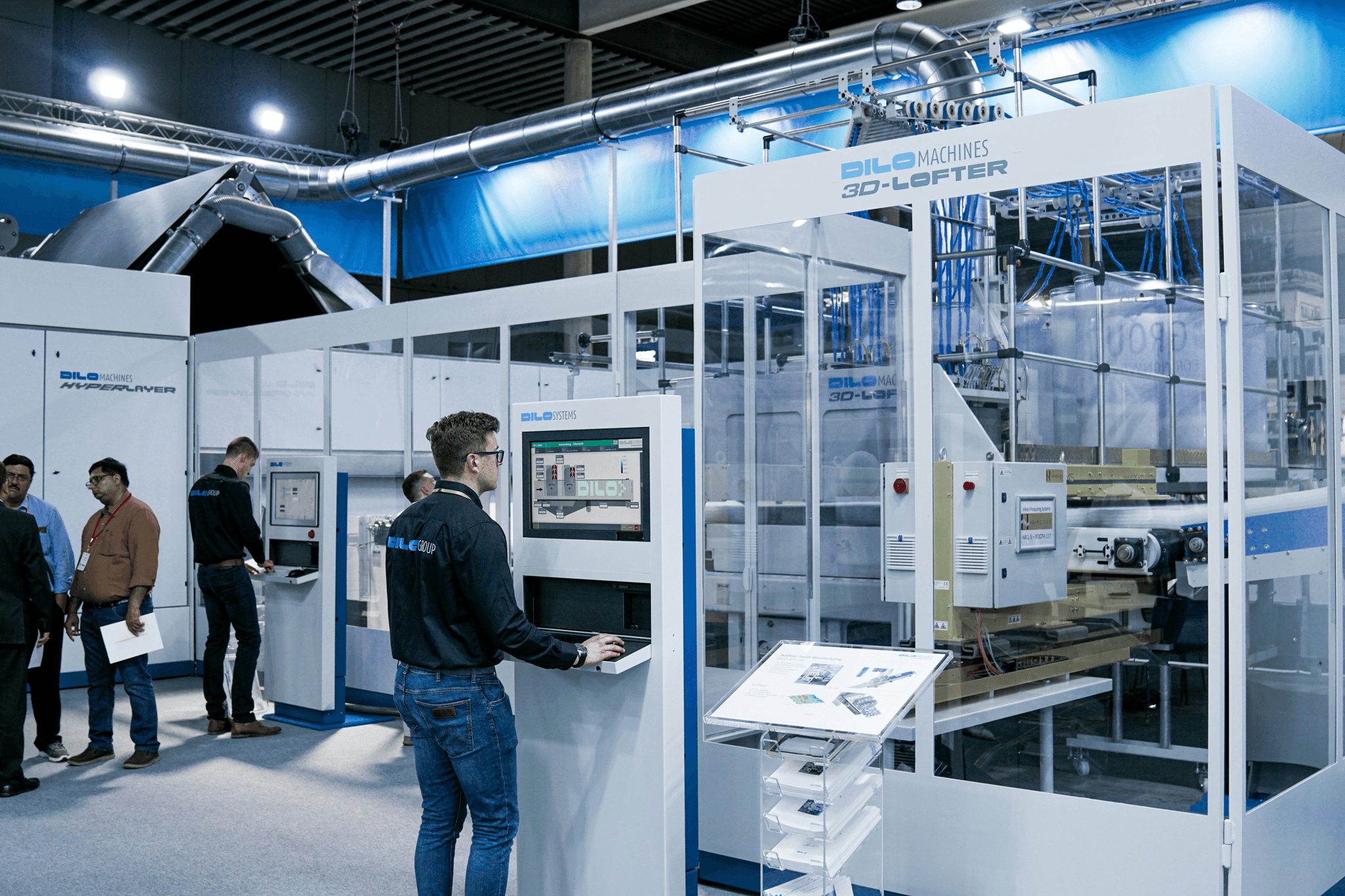
In the world of manufacturing, a Factory Quality Audit serves as a critical assessment tool designed to evaluate compliance with quality standards and operational efficiency. The primary purpose of these audits is to ensure that the production processes align with established guidelines, thereby safeguarding product quality and enhancing customer satisfaction. By conducting regular audits, companies can identify areas for improvement, ensuring that they meet both regulatory and market demands.
Definition and Purpose
A Factory Quality Audit is an organized examination of a manufacturing facility's operations, focusing on adherence to quality management system organization principles. The purpose extends beyond mere compliance; it aims to foster continuous improvement by identifying weaknesses and strengths within the existing framework. By understanding these dynamics, importers can make informed decisions about their supply chains while ensuring that their products meet the highest standards.
Benefits for Importers
Importers stand to gain significantly from implementing thorough Factory Quality Audits as they provide insights into potential risks associated with suppliers. One major benefit is the assurance that incoming quality controls for materials and components are robust enough to prevent defects before products reach consumers. Additionally, these audits help establish a foundation for zero tolerance requirements for severe violations, reinforcing expectations around product safety and reliability.
Moreover, consistent auditing can lead to stronger supplier relationships as it fosters transparency and accountability in production processes. Importers who actively engage in this practice often experience improved communication with suppliers, which can lead to enhanced collaboration on quality issues during production controls. Ultimately, this proactive approach not only protects brand integrity but also promotes long-term partnerships built on trust.
How Audits Influence Supplier Relationships
The influence of Factory Quality Audits on supplier relationships cannot be overstated; they serve as a catalyst for constructive dialogue between importers and manufacturers. When audits reveal discrepancies or areas needing improvement—such as basic facilities or equipment maintenance—it opens up opportunities for collaborative problem-solving rather than punitive measures. This approach encourages suppliers to view audits not just as checks but as valuable feedback mechanisms aimed at fostering mutual growth.
Furthermore, establishing clear expectations through zero tolerance requirements for severe violations creates a shared understanding of quality priorities among all stakeholders involved in the supply chain process. This clarity helps streamline operations by aligning objectives between importers and suppliers while minimizing misunderstandings related to product specifications or compliance standards during production controls to identify quality issues effectively.
Ultimately, maintaining strong supplier relationships hinges on open communication facilitated by regular Factory Quality Audits that prioritize both parties' interests in delivering high-quality products consistently.
Zero Tolerance Requirements for Severe Violations

In the realm of Factory Quality Audits, establishing zero tolerance requirements for severe violations is critical to maintaining product integrity and consumer trust. A robust framework not only outlines what constitutes a serious violation but also underscores the importance of compliance within the manufacturing process. This section delves into defining serious violations, understanding the consequences of non-compliance, and outlining how to effectively establish a zero tolerance policy.
Defining Serious Violations
Serious violations in a Factory Quality Audit can encompass a range of issues, including safety hazards, non-compliance with regulatory standards, and significant lapses in quality management system organization. These violations often lead to defective products that could harm consumers or damage a brand’s reputation. By clearly defining what constitutes a serious violation, importers can better communicate expectations to suppliers and ensure adherence to quality standards.
Consequences of Non-Compliance
The consequences of non-compliance with zero tolerance requirements can be severe and far-reaching. Importers may face financial losses due to recalls or legal liabilities stemming from defective products that result from serious violations during production controls to identify quality issues. Furthermore, persistent non-compliance can damage supplier relationships, leading importers to seek new partnerships while also jeopardizing their market position.
Establishing a Zero Tolerance Policy
Establishing a zero tolerance policy requires careful planning and clear communication throughout the supply chain. Importers should collaborate with suppliers to develop guidelines that outline expectations regarding basic facilities, environment and equipment maintenance as well as compliance with incoming quality controls for materials and components. By fostering an environment where quality is paramount and deviations are not tolerated, companies can enhance their overall product quality while building stronger relationships with compliant suppliers.
Basic Facilities, Environment and Equipment Maintenance
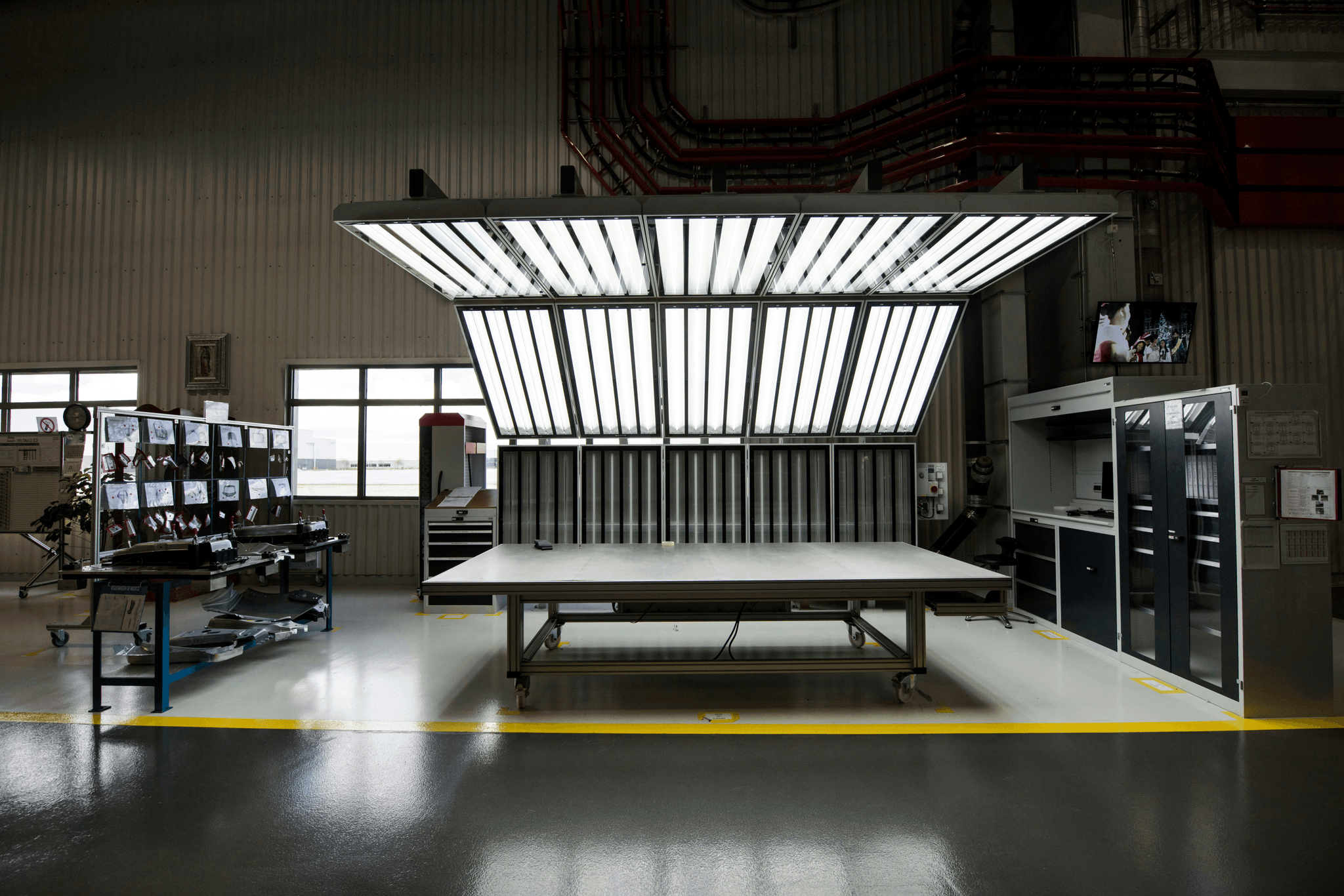
In the realm of a Factory Quality Audit, maintaining basic facilities, a conducive environment, and proper equipment upkeep is paramount. These elements form the backbone of any effective quality management system organization. Ensuring that facilities meet essential standards not only enhances production quality but also helps in adhering to zero tolerance requirements for severe violations.
Essential Facility Standards
To achieve optimal production outcomes, facilities must comply with established standards that promote safety and efficiency. This includes adequate lighting, ventilation, and cleanliness—factors that directly influence worker productivity and product quality during production controls to identify quality issues. A well-maintained facility also signals to suppliers and importers that a commitment to quality is at the forefront of operations.
Moreover, implementing essential facility standards can help mitigate risks associated with non-compliance; after all, neglecting these basics can lead to serious violations during audits. Importers should prioritize partnerships with factories that uphold these standards as part of their overall strategy for incoming quality controls for materials and components. By doing so, they create an environment where high-quality products can thrive.
Environment Impact on Production Quality
The environment in which products are manufactured plays a crucial role in determining their final quality. Factors such as temperature, humidity, and cleanliness can significantly affect material properties and production processes; therefore, understanding their impact is vital for any Factory Quality Audit. An unfavorable environment could lead to defects or inconsistencies in products—issues that could easily fall under zero tolerance requirements for severe violations.
Additionally, fostering an optimal environment encourages a culture of excellence among workers who are more likely to take pride in their craft when surrounded by well-maintained facilities. This positive atmosphere not only boosts morale but also enhances collaboration during production controls aimed at identifying potential quality issues early on. Importers should ensure that factories maintain environmental conditions conducive to high-quality output.
Equipment Maintenance Best Practices
Regular equipment maintenance is another critical aspect of ensuring consistent product quality during the manufacturing process. Implementing best practices such as scheduled inspections and timely repairs can prevent machinery breakdowns that may disrupt production schedules or compromise product integrity—a scenario no importer wants to face when conducting a Factory Quality Audit. Furthermore, well-maintained equipment contributes significantly to achieving compliance with zero tolerance requirements for severe violations.
Establishing clear protocols around equipment maintenance helps streamline operations within the overall framework of a quality management system organization while reducing downtime caused by unexpected failures or malfunctions. Importers should collaborate closely with factory management to ensure adherence to these best practices because equipment reliability directly correlates with successful incoming quality controls for materials and components being processed on-site.
Finally, it's essential for factories to document all maintenance activities diligently; this not only aids transparency but also supports ongoing efforts towards continuous improvement through data-driven decision-making—an invaluable asset during audits focused on identifying areas needing enhancement or correction.
Quality Management System Organization

A robust Quality Management System (QMS) is the backbone of effective factory operations, ensuring that products meet established standards and customer expectations. By implementing a comprehensive QMS, companies can streamline their processes, reduce waste, and ultimately enhance overall product quality. This system plays a crucial role in facilitating Factory Quality Audits, allowing for continuous improvement in production methods.
Components of an Effective Quality System
An effective quality system comprises several key components that work in harmony to uphold product integrity. These include clear quality policies, defined objectives, and specific procedures for managing quality throughout the production process. Additionally, it involves training employees on quality standards and integrating Zero Tolerance Requirements for Severe Violations into daily operations to ensure compliance.
Moreover, communication is vital; stakeholders must be informed about their roles within the QMS framework to promote accountability and collective responsibility. Regular reviews and updates to the quality system are necessary to adapt to evolving industry standards or regulatory changes. By focusing on these components, organizations can establish a resilient foundation for maintaining high-quality outputs.
Integrating Quality Management into Operations
Integrating quality management into everyday operations requires a strategic approach that aligns with business objectives while fostering a culture of excellence. It starts with embedding quality assurance practices within each department—from incoming quality controls for materials and components to during production controls to identify quality issues. Every employee should understand how their role impacts overall product quality and compliance with established standards.
Training sessions can help instill this mindset by emphasizing the importance of proactive measures in preventing defects rather than merely reacting after issues arise. Furthermore, collaboration across departments enhances transparency and allows teams to share insights on potential risks or improvements related to basic facilities, environment, and equipment maintenance that could affect product outcomes.
Documentation and Record-Keeping
Effective documentation is essential for any QMS as it provides evidence of compliance with regulations and internal policies while serving as a reference point for future audits or inspections. Maintaining thorough records ensures that all aspects of the Factory Quality Audit process are transparent and traceable from incoming materials through production stages right up until final delivery.
Documentation should include detailed reports on inspections conducted during production controls as well as logs reflecting adherence to Zero Tolerance Requirements for Severe Violations whenever they occur. This meticulous record-keeping not only helps organizations track performance over time but also supports continuous improvement initiatives by identifying trends or recurring issues related to basic facilities or equipment maintenance practices.
Incoming Quality Controls for Materials and Components
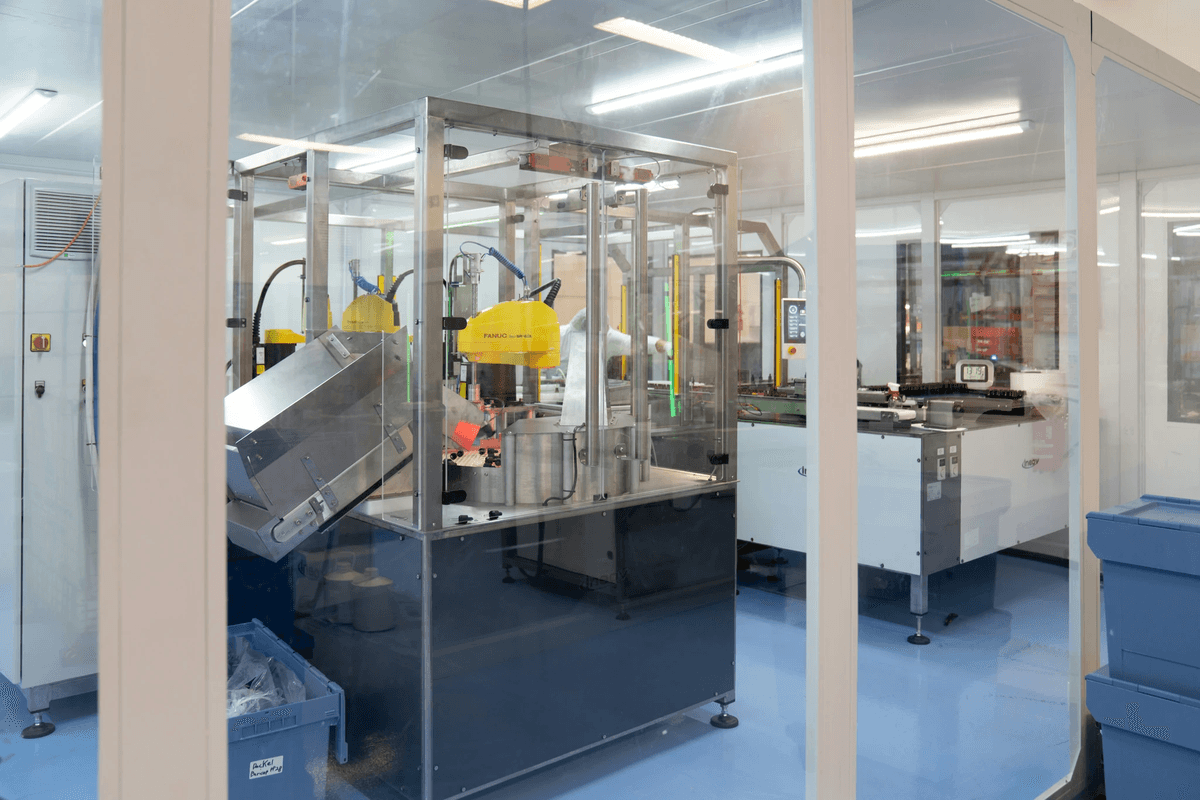
Incoming quality controls for materials and components are critical to ensuring that products meet the required standards before production begins. A robust Factory Quality Audit process emphasizes the importance of these controls, as they serve as the first line of defense against defects. By implementing stringent incoming quality controls, importers can significantly reduce risks associated with poor-quality materials, ultimately enhancing product integrity.
Importance of Pre-Production Inspections
Pre-production inspections are essential in the Factory Quality Audit framework because they help identify potential issues before manufacturing starts. These inspections not only verify that materials meet specified quality standards but also ensure compliance with zero tolerance requirements for severe violations. By catching problems early, importers can avoid costly delays and maintain a smooth production timeline.
Moreover, pre-production inspections foster better communication between suppliers and importers, leading to stronger supplier relationships. When both parties understand expectations upfront, it minimizes misunderstandings that could lead to serious violations later on. In essence, these inspections lay the groundwork for a successful quality management system organization.
Testing Materials and Components
Testing materials and components is a vital step in maintaining high standards within incoming quality controls for materials and components. Rigorous testing ensures that all inputs conform to specifications set forth during the Factory Quality Audit process. This proactive approach helps identify any deviations from required standards before they escalate into larger issues during production.
Furthermore, testing provides valuable data that can inform future sourcing decisions and improve supplier selection processes. Importers who prioritize material testing not only comply with zero tolerance requirements for severe violations but also enhance their overall product reliability. Ultimately, this commitment to quality reinforces trust between manufacturers and consumers alike.
Guidelines for Quality Control Sampling
Establishing guidelines for quality control sampling is crucial in managing incoming materials effectively within a Factory Quality Audit framework. These guidelines should specify acceptable sampling methods based on industry standards while considering factors such as batch size and material type. By adhering to these protocols, importers can ensure consistent evaluation of incoming goods without compromising efficiency or accuracy.
Additionally, implementing systematic sampling reduces variability in inspection results while aligning with zero tolerance requirements for severe violations across all suppliers involved in production processes. This consistency not only streamlines operations but also strengthens the overall quality management system organization by fostering accountability among suppliers regarding their material outputs.
To sum up, effective incoming quality controls for materials and components serve as a cornerstone of any successful manufacturing operation by ensuring high-quality inputs lead to exceptional end products.
During Production Controls to Identify Quality Issues
In the realm of manufacturing, identifying quality issues during production is crucial for maintaining standards and ensuring customer satisfaction. Effective controls are not merely a checklist but a proactive approach to quality assurance that integrates seamlessly with the Factory Quality Audit process. By implementing rigorous monitoring systems and techniques, businesses can catch defects early, thereby reducing waste and enhancing overall product quality.
Monitoring Production Processes
Monitoring production processes involves closely observing various stages of manufacturing to ensure compliance with established standards. This includes regular inspections and real-time data collection to assess whether operations align with the predefined criteria set forth in the Quality Management System Organization. By establishing clear protocols for monitoring, companies can swiftly address any deviations from expected performance, thus reinforcing their commitment to Zero Tolerance Requirements for Severe Violations.
One effective method of monitoring is through the use of technology, such as automated systems that track key performance indicators (KPIs) in real time. These systems not only provide immediate feedback but also allow for historical data analysis, enabling teams to identify trends over time. This proactive monitoring helps ensure that basic facilities, environment and equipment maintenance are up to par while also supporting compliance with incoming quality controls for materials and components.
Techniques for Early Issue Detection
Detecting issues early in the production process can save manufacturers significant resources and protect their reputation in the marketplace. Techniques such as statistical process control (SPC) enable teams to monitor variations in production processes actively; this allows them to identify problems before they escalate into costly defects or rework scenarios. Incorporating regular audits within these controls ensures adherence to quality standards established during the Factory Quality Audit.
Another technique involves employing visual inspection methods combined with automated technologies like machine learning algorithms that flag anomalies based on historical data patterns. These methods enhance accuracy while minimizing human error, providing a robust defense against potential violations of zero tolerance requirements for severe violations. Furthermore, training staff on recognizing early signs of quality issues fosters a culture committed to excellence throughout all levels of production.
Case Studies of Effective Quality Control
Several companies have successfully implemented comprehensive controls during production that serve as benchmarks in effective quality management practices. For instance, a leading electronics manufacturer adopted an integrated system combining real-time monitoring with rigorous employee training programs focused on basic facilities, environment and equipment maintenance best practices. This approach not only enhanced their product reliability but also significantly reduced defect rates by 30% over two years.
Another notable example comes from a textile manufacturer that embraced incoming quality controls for materials and components before they even entered production lines. By conducting thorough inspections at multiple stages—pre-production through post-production—they managed to streamline operations while adhering strictly to zero tolerance requirements for severe violations related to fabric defects or inconsistencies in dye lots. Their success story illustrates how integrating robust during-production controls can lead directly back into improved supplier relationships and overall product integrity.
By learning from these case studies, other businesses can adapt similar strategies tailored specifically toward their operational needs while ensuring continuous improvement throughout their manufacturing processes.
Conclusion

In the ever-evolving landscape of manufacturing, a robust Factory Quality Audit is essential for maintaining high standards and ensuring product excellence. By implementing effective quality management practices, companies can significantly enhance overall product quality while fostering trust with their clients. This conclusion underscores the necessity of incorporating various components such as zero tolerance requirements for severe violations and maintaining basic facilities, environment, and equipment to achieve optimal results.
Enhancing Overall Product Quality
Enhancing overall product quality begins with a comprehensive understanding of the Factory Quality Audit process. By rigorously evaluating incoming quality controls for materials and components, manufacturers can prevent defects from entering the production line. Moreover, establishing clear standards for basic facilities and environment maintenance ensures that every aspect of production contributes positively to the final product.
Incorporating during production controls to identify quality issues is another vital step in this journey. By monitoring processes in real-time, potential problems can be addressed before they escalate into larger concerns that compromise product integrity. Ultimately, a commitment to continuous improvement through regular audits leads to superior products that meet or exceed consumer expectations.
Leveraging Expertise of Quality Inspectors
Quality inspectors bring invaluable expertise to the table when it comes to executing effective Factory Quality Audits. Their keen eye for detail allows them to identify areas where zero tolerance requirements for severe violations may not be met, ensuring compliance with industry regulations and standards. Furthermore, their experience aids in assessing whether basic facilities are up to par and if equipment maintenance practices are being followed diligently.
By leveraging these professionals' insights during audits, companies can develop more effective quality management system organizations tailored specifically to their needs. These experts not only help streamline processes but also provide training opportunities that elevate the entire workforce's understanding of quality assurance principles. Ultimately, investing in skilled inspectors pays dividends in enhanced product reliability and customer satisfaction.
Steps to Implement Audits Successfully
To implement Factory Quality Audits successfully, organizations must take a systematic approach encompassing several key steps. First and foremost is defining clear objectives related to incoming quality controls for materials and components; this sets the foundation for what needs assessment during audits will focus on moving forward. Next is establishing protocols around zero tolerance requirements for severe violations—these should be communicated clearly throughout all levels of production staff.
Additionally, it’s crucial to integrate findings from previous audits into ongoing training programs focused on basic facilities maintenance and equipment upkeep best practices while also addressing any during production controls needed for identifying potential issues early on in manufacturing processes. Regularly reviewing results not only fosters accountability but also encourages a culture of continuous improvement where everyone feels invested in achieving higher-quality outcomes.