
Introduction
In the fast-paced world of ecommerce garment sales, the importance of choosing the right sampling methods cannot be overstated. Whether you're inspecting a small batch or a large shipment, understanding how to effectively implement sampling plans is crucial for maintaining quality standards. From simple single-sampling plans to more sophisticated sequential-sampling plans, selecting the appropriate method can make all the difference in ensuring your products meet customer expectations and pass quality checks seamlessly.
Effective garment inspection relies heavily on various sampling methods that balance accuracy with efficiency. Double and multiple-sampling plans often provide better accuracy for complex products, while alternative garment inspection sampling methods can offer tailored solutions for unique challenges. By mastering these different approaches, you can streamline your quality assurance process and reduce costly errors across your supply chain.
Ultimately, using well-chosen sampling methods not only safeguards product quality but also enhances your brand’s reputation in a competitive market. Professional inspection services like China Inspection Pro leverage these sampling techniques to deliver consistent results that help brands grow and thrive. Investing in smarter inspection strategies ensures satisfied customers and positions your business for long-term success.
Understanding Sampling Plans in Garment Inspection
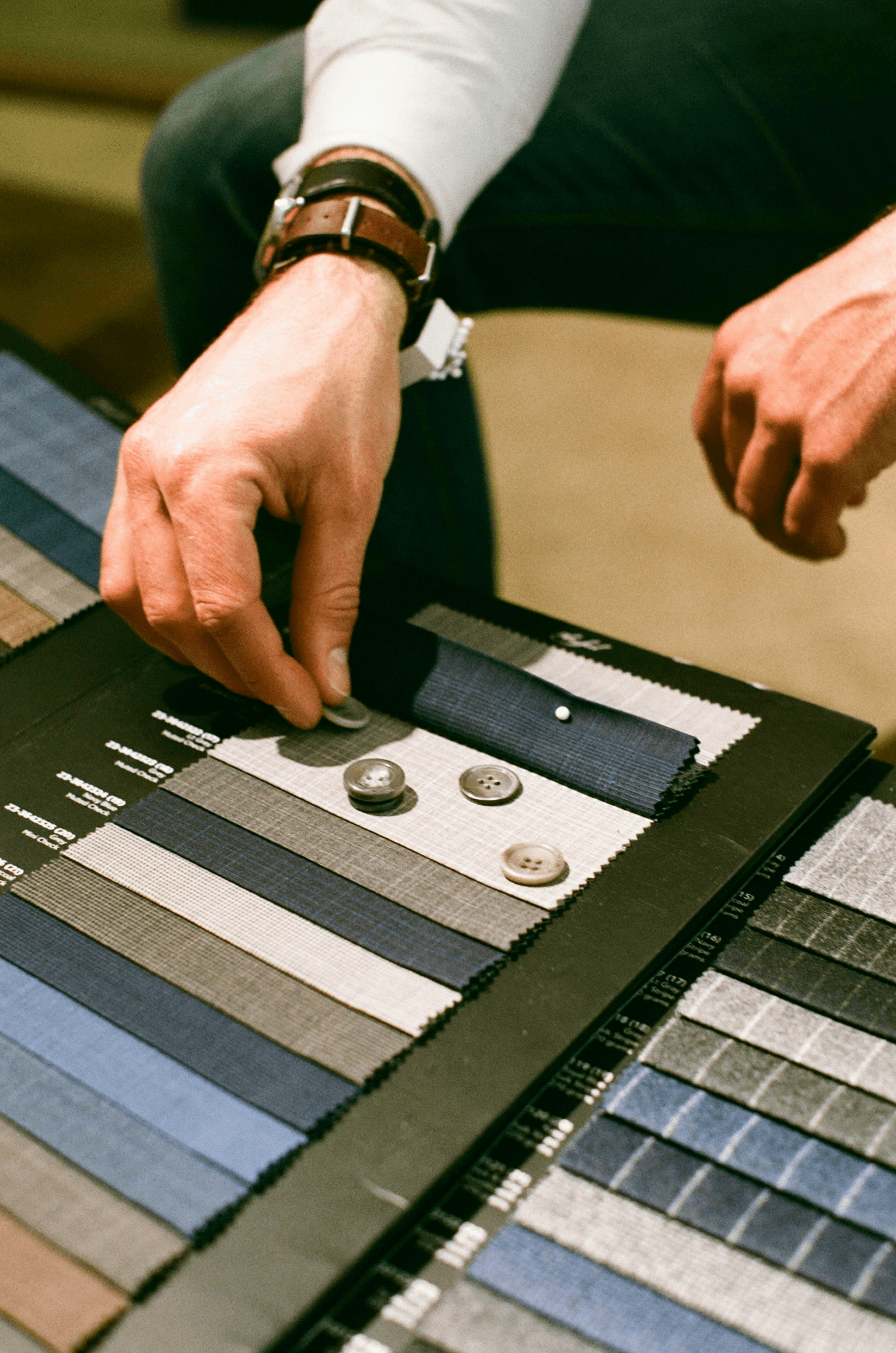
Sampling Methods are the backbone of efficient garment inspection processes, allowing brands to balance quality assurance with cost and time constraints. Different sampling plans serve various needs, from quick decision-making to detailed defect analysis. Choosing the right sampling method can make all the difference in maintaining product quality without overwhelming your resources.
What Are Single-sampling Plans and When to Use Them
Single-sampling plans are straightforward; you inspect a single batch and decide whether it passes or fails based on a predetermined acceptance number. They are ideal for situations where quick decisions are necessary, such as large shipments with tight deadlines. When accuracy is less critical, and speed matters more, single-sampling plans provide an efficient way to implement Sampling Methods without complicating the process.
Double and Multiple-sampling Plans for Better Accuracy
Double and multiple-sampling plans take inspection accuracy up a notch by allowing you to sample multiple times before making a final decision. These Sampling Methods help reduce errors caused by random variation, making them perfect for high-stakes orders or when quality standards are strict. Implementing double or multiple-sampling plans ensures your garment inspection process is thorough while still being manageable within your overall quality assurance strategy.
Sequential-Sampling Plans for Efficient Inspection
Sequential-sampling plans introduce a dynamic approach—inspect one item at a time until enough evidence is gathered to accept or reject the batch. This method optimizes Sampling Methods by potentially reducing the number of items inspected, saving both time and resources. Sequential plans are especially useful when you need rapid feedback during ongoing production runs without compromising on inspection accuracy.
Exploring Alternative Garment Inspection Sampling Methods
Beyond traditional approaches, Alternative Garment Inspection Sampling Methods include attribute sampling and variable sampling techniques that cater to different defect detection needs. Attribute sampling focuses on counting defective versus non-defective items, while variable sampling measures specific defect dimensions for detailed quality checks. Combining these methods can create a robust inspection process that adapts seamlessly to diverse garment types and production standards.
The Role of China Inspection Pro in Quality Assurance
China Inspection Pro plays a pivotal role in implementing effective Sampling Methods tailored specifically for ecommerce garments, ensuring consistent quality across batches. Their professional services leverage various sampling plans—single, double, sequential—to optimize inspection outcomes based on client needs. By turning inspection findings into actionable insights, China Inspection Pro helps brands elevate their quality assurance game and build customer trust through reliable garment inspections.
Advantages of Single-sampling Plans in Ecommerce
Single-sampling plans are a game-changer for ecommerce garment inspection, especially when speed is of the essence. These sampling methods allow inspectors to make quick decisions on large shipments without sacrificing too much accuracy. By streamlining the process, single-sampling plans help brands maintain agility and meet tight delivery deadlines, making them ideal for high-volume orders.
When it comes to simplicity and cost-effectiveness, single-sampling plans shine brightly. They require fewer resources and less time compared to double and multiple-sampling plans or sequential-sampling plans, reducing overall inspection costs. This straightforward approach is perfect for businesses that need reliable quality checks without complicating their supply chain or inflating expenses.
Implementing single-sampling plans effectively involves following best practices that leverage the strengths of sampling methods. Clear defect criteria, proper sample sizes, and consistent application are essential for accurate results. While alternative garment inspection sampling methods can be useful in specific scenarios, single-sampling plans remain a top choice for their efficiency and ease of use in ecommerce environments.
Double and Multiple-sampling Plans for Precision
When it comes to garment inspection, relying solely on single-sampling plans might be like using a magnifying glass in a hurricane—ineffective and prone to errors. Double and multiple-sampling plans step in as the superheroes of Sampling Methods, dramatically reducing inspection errors by providing more data points before making decisions. These approaches allow inspectors to cross-verify findings, ensuring that defect rates are accurately assessed without jumping to conclusions based on limited samples.
Deciding when to employ double or multiple-sampling plans depends largely on the criticality of quality control and the acceptable risk level for your business. For high-stakes shipments or luxury garments, these sampling methods offer an extra layer of precision, minimizing the chance of overlooking defects. Conversely, for less critical batches or budget-conscious operations, understanding the nuances of sampling methods helps strike a balance between thoroughness and efficiency.
Real-world success stories highlight how garment brands have leveraged double and multiple-sampling plans to elevate their quality assurance game. For instance, one apparel company reduced customer complaints by adopting these sampling methods during production audits, catching defects early without slowing down delivery times. Such stories underscore that choosing the right sampling plan can make all the difference in maintaining brand reputation and customer satisfaction.
Sequential-Sampling Plans for Streamlined Inspection
Sequential-sampling plans are revolutionizing the way ecommerce businesses approach garment inspection by offering a smarter, faster alternative to traditional sampling methods. Instead of committing to a fixed sample size upfront, these plans allow inspectors to evaluate garments one at a time, making decisions after each inspection based on the results. This dynamic approach reduces unnecessary testing and helps identify quality issues early, saving both time and resources.
The Efficiency of Sequential-Testing Techniques
Sequential-Testing Techniques shine when it comes to optimizing sampling methods for garment inspection. By continuously assessing each item, these plans can quickly determine whether a batch meets quality standards or needs further review. This flexibility makes sequential-sampling plans ideal for fast-paced ecommerce environments where speed and accuracy are paramount.
How Sequential Plans Save Time and Resources
Implementing sequential-sampling plans can significantly cut down on inspection time compared to single-sampling plans or double and multiple-sampling plans. Instead of inspecting large samples blindly, inspectors can stop testing as soon as enough evidence is gathered—either confirming quality or flagging defects—thus conserving resources. This targeted approach not only accelerates decision-making but also minimizes costs associated with excessive sampling.
Practical Tips for Applying Sequential-Sampling
To make the most of sequential-sampling plans in your garment inspection process, start by clearly defining acceptable quality levels and decision thresholds upfront. Incorporate attribute sampling methods when checking for specific defects, but don’t shy away from exploring alternative garment inspection sampling methods that suit your product range. Remember, combining different sampling strategies with sequential techniques can often yield the most robust results—think of it as giving your quality assurance process a Swiss Army knife.
Alternative Garment Inspection Sampling Methods

When traditional sampling plans don’t quite fit the bill, exploring alternative garment inspection sampling methods can be a game changer. These methods often involve more nuanced approaches to defect detection and quality control, providing flexibility beyond standard single-sampling plans or double and multiple-sampling plans. Incorporating these innovative sampling methods into your inspection process ensures a more comprehensive view of your garment quality, especially when dealing with complex or high-volume shipments.
Using Attribute Sampling for Defect Detection
Attribute sampling is a straightforward yet powerful method for defect detection in garments, focusing on specific attributes such as stitching quality, fabric flaws, or color consistency. This approach simplifies the inspection process by classifying items as either conforming or non-conforming based on predefined attribute criteria. When employing attribute sampling within your overall sampling methods strategy, it offers quick decision-making capabilities that are especially useful for large batches where speed is essential.
This method aligns well with single-sampling plans because it allows inspectors to make rapid judgments without the need for extensive testing. However, attribute sampling can also be integrated into double and multiple-sampling plans when higher accuracy is needed in critical areas. By combining attribute sampling with other methods, you enhance your quality assurance process while maintaining efficiency and reducing inspection errors.
Variable Sampling Methods for Detailed Quality Checks
Variable sampling methods take a different approach by measuring the degree of defectiveness rather than just its presence or absence. This technique provides detailed insights into aspects like fabric strength, color shade variations, and seam durability—offering a granular view that is invaluable for high-end garments. Variable sampling is particularly beneficial when you want to go beyond simple pass/fail criteria and delve into the specifics of garment quality.
Incorporating variable sampling into your arsenal of inspection tools complements traditional single-sampling plans by providing more detailed data points without significantly increasing costs or complexity. It’s also compatible with sequential-sampling plans since measurements can be taken progressively until sufficient confidence is achieved in the results. Using variable sampling alongside other alternative methods allows brands to fine-tune their quality standards while ensuring consistent product excellence.
Combining Methods for a Robust Inspection Process
The real power of alternative garment inspection sampling methods lies in their ability to be combined seamlessly—creating a robust and flexible inspection system tailored to your needs. For instance, pairing attribute sampling with variable techniques enables you to detect both surface defects and deeper material inconsistencies efficiently. Similarly, integrating these approaches within sequential-sampling plans can optimize resource use while maintaining high-quality standards.
By blending different sample methods—such as attribute detection with variable measurements—you leverage the strengths of each while mitigating their individual limitations. This hybrid approach enhances accuracy compared to relying solely on single-sampling plans or double and multiple-sampling plans alone; it’s like having a Swiss Army knife for garment inspections! Ultimately, adopting combined alternative garment inspection sampling methods ensures comprehensive coverage across all quality facets—making them indispensable in today’s competitive ecommerce environment.
Leveraging China Inspection Pro for Superior Results
Partnering with China Inspection Pro elevates your garment inspection process by harnessing the power of diverse Sampling Methods tailored to your needs. Whether you’re employing Single-sampling plans for quick decisions or double and multiple-sampling plans for enhanced accuracy, their professional services ensure each method is executed flawlessly. Their expertise in Sequential-sampling plans adds an extra layer of efficiency, helping you streamline inspections without sacrificing quality.
Professional Inspection Services for Ecommerce Garments
China Inspection Pro offers comprehensive inspection services that encompass a variety of Sampling Methods suitable for ecommerce garments. From simple attribute sampling to more complex variable sampling methods, their team adapts to your specific quality standards. This flexibility allows businesses to choose the most appropriate sampling plan—be it single-sampling plans for straightforward checks or alternative Garment Inspection Sampling Methods when dealing with unique defect detection challenges.
How China Inspection Pro Ensures Consistent Quality
Ensuring consistent quality across large shipments requires mastery over different Sampling Methods, and China Inspection Pro excels here. They meticulously apply double and multiple-sampling plans to reduce inspection errors and improve accuracy, especially when dealing with high-volume orders. Their use of sequential-sampling plans further guarantees that inspections are both thorough and resource-efficient, providing peace of mind that every garment meets your brand’s standards.
Turning Inspection Findings into Actionable Insights
The real magic happens after the inspection—China Inspection Pro transforms raw data from various Sampling Methods into actionable insights that drive continuous improvement. By analyzing defect patterns detected through attribute sampling or variable sampling methods, they help you identify root causes and optimize production processes accordingly. Integrating these findings enables smarter decision-making, ensuring your brand maintains top-tier quality while minimizing costs associated with ineffective sampling strategies.
Conclusion
Choosing the right Sampling Methods is crucial for aligning your garment inspection process with your business needs. Whether you opt for single-sampling plans for quick decisions or double and multiple-sampling plans for enhanced accuracy, understanding the strengths of each method ensures quality control is both efficient and reliable. Don't forget to explore alternative Garment Inspection Sampling Methods when your products demand a more tailored approach; flexibility can be a game-changer in maintaining high standards.
Choosing the Right Sampling Method for Your Business Needs
Selecting the appropriate sampling methods hinges on factors like shipment size, defect tolerance, and time constraints. Single-sampling plans offer simplicity and speed, making them ideal for large orders where rapid decisions are necessary. On the other hand, double and multiple-sampling plans provide greater accuracy, especially when inspecting complex garments or high-value batches, ensuring you catch defects without sacrificing efficiency.
The Impact of Professional Inspection on Brand Growth
Professional inspection services that utilize advanced sampling methods—be it sequential-sampling plans or alternative Garment Inspection Sampling Methods—can significantly boost brand reputation by consistently delivering quality products. Proper application of these sampling techniques reduces defective shipments reaching customers, which translates into higher satisfaction and loyalty. Investing in expert inspections demonstrates your commitment to quality, fostering trust and driving sustainable growth.
Moving Forward with Smarter Garment Inspection Strategies
To stay ahead in the competitive ecommerce landscape, integrating smarter garment inspection strategies is essential. This involves combining different sampling methods—such as attribute sampling with variable sampling—to tailor inspections to specific product requirements. Embracing innovative approaches like sequential-sampling plans can streamline processes while maintaining rigorous quality standards; it's all about working smarter, not harder.