
Introduction

In the fast-paced world of mass production, ensuring every product meets quality standards is more critical than ever. First Article Inspection acts as a gatekeeper, catching defects early and saving companies from costly rework down the line. Knowing what should a first article inspection procedure include? It’s the first step to a flawless manufacturing process and long-term success.
Without a doubt, common defects that First Article Inspection detects range from dimensional inaccuracies to surface blemishes, misalignments, and material inconsistencies. These issues can slip past initial checks if not properly scrutinized, leading to serious quality lapses later in production. That’s why understanding what information should you include in your first article inspection checklist? It’s vital for pinpointing potential flaws before mass production begins.
China Inspection Pro plays a pivotal role in ensuring product quality by meticulously executing First Article Inspections. Their expertise helps manufacturers identify defect patterns early on and refine processes accordingly. When it comes to outlining inspection equipment requirements in your first article inspection checklist, partnering with professionals guarantees that all tools are precise and industry compliant—making defect detection both reliable and efficient.
Understanding First Article Inspection
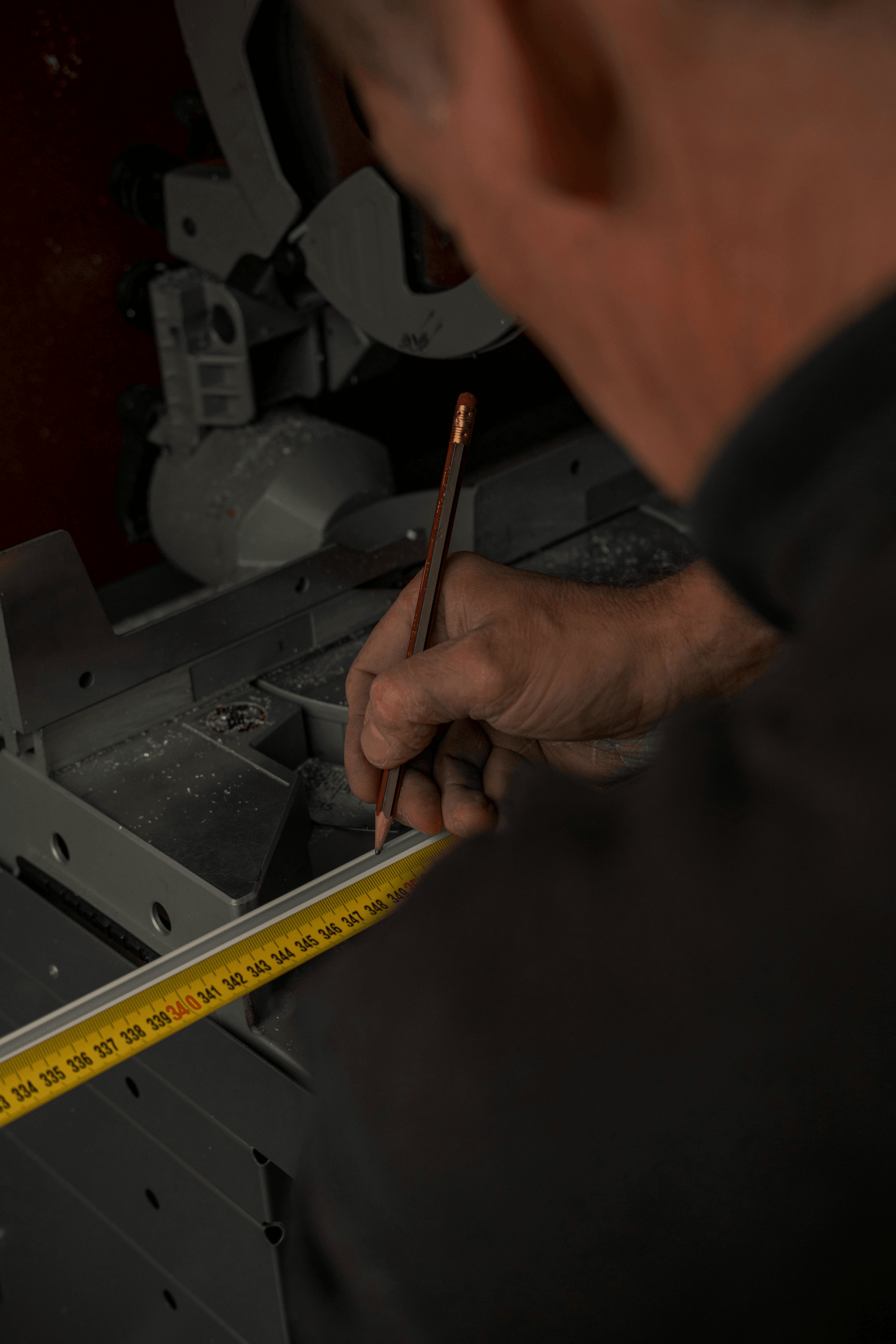
First Article Inspection (FAI) is the critical first step in ensuring that a new product or component meets all specified requirements before full-scale production begins. It acts as a quality gatekeeper, catching potential issues early to prevent costly rework or delays down the line. Essentially, FAI helps manufacturers verify that their manufacturing process can produce parts that align perfectly with design standards and customer expectations.
The Basics of First Article Inspection Please
At its core, First Article Inspection involves a thorough examination of the initial batch of products to confirm they meet all design specifications and quality standards. What should a first article inspection procedure include? Well, it should encompass detailed measurements, visual inspections, and functional testing to verify compliance with engineering drawings and industry standards. Conducting an effective FAI also requires documenting findings meticulously—this is where your first article inspection checklist comes into play—to ensure nothing slips through the cracks.
Remember, what information should you include in your first article inspection checklist? Everything from material specifications and dimensions to surface finish details and assembly instructions needs to be covered. Outlining inspection equipment requirements in your first article inspection checklist is equally vital; it ensures you use the right tools—calipers, CMMs, gauges—to achieve accurate results consistently.
Key Benefits for Manufacturers Like Boeing and Tesla
Big players like Boeing and Tesla swear by First Article Inspection because it minimizes risks early on—saving millions in rework costs later—and boosts overall product quality. When they perform a FAI, what should a first article inspection procedure include? It must incorporate precise measurement data, defect identification protocols, and verification against industry standards such as ISO or ASQ guidelines. By doing so, these manufacturers can confidently move into mass production knowing their processes are validated.
The key benefits extend beyond just defect detection; conducting a comprehensive FAI provides valuable insights into process capabilities and potential improvements. What information should you include in your first article inspection checklist? Critical data points like tolerances met, material certifications obtained, and assembly accuracy are essential for continuous improvement efforts—especially when scaling up production or introducing new suppliers.
When to Conduct a First Article Inspection
Timing is everything with First Article Inspection—it's not something you do after mass production starts! Typically, an FAI is performed once initial prototypes or pre-production samples are available but before full-scale manufacturing kicks off. This ensures any issues related to design or process are addressed upfront.
So when exactly should you conduct an FAI? Ideally, after completing tooling setup but prior to large runs; this guarantees that what’s being produced aligns perfectly with design intent from day one. Remember: outlining inspection equipment requirements in your first article inspection checklist beforehand helps streamline this process by ensuring everyone uses appropriate tools at each stage of the review.
Crafting an Effective First Article Inspection Procedure
Creating a robust First Article Inspection (FAI) procedure is essential for ensuring product quality and catching defects early in the manufacturing process. A well-designed procedure acts as a blueprint, guiding your team through each step to guarantee consistency, compliance, and thoroughness. When you ask yourself, What should a first article inspection procedure include?, you'll want to cover all critical aspects that ensure every detail is scrutinized before mass production kicks off.
A comprehensive First Article Inspection procedure should include detailed documentation of product specifications, inspection methods, and acceptance criteria. It must also specify the roles and responsibilities of inspectors, along with timelines for completing each phase. Remember, what information should you include in your first article inspection checklist? This checklist needs to encompass dimensions, material verification, surface finish checks, and functional testing—basically everything that could go wrong if overlooked.
Outlining inspection equipment requirements in your first article inspection checklist is equally important; it ensures that the right tools are used for accurate measurement and defect detection. Your checklist should specify calibrated gauges, microscopes, CMM machines, or other industry-standard equipment necessary for precise evaluation. By doing so, you not only streamline the process but also minimize errors caused by inappropriate or outdated tools.
What Should a First Article Inspection Procedure Include?
A proper First Article Inspection procedure must clearly define inspection objectives aligned with customer specifications and industry standards like ISO or ASQ. It should detail step-by-step activities—from initial visual checks to dimensional analysis—ensuring no aspect of quality is left unexamined. Additionally, including criteria for pass/fail results helps maintain transparency and accountability throughout the process.
The procedure must also incorporate documentation protocols—recording findings meticulously enables traceability and continuous improvement efforts later on. Incorporating feedback loops within your FAI process encourages ongoing refinement based on inspection outcomes; this ensures your procedures evolve with changing standards or production complexities.
Finally, what information should you include in your first article inspection checklist? Beyond measurements and material verification details mentioned earlier, it’s vital to note any deviations from design intent or tolerances observed during inspections. Including such data makes it easier to identify recurring issues early on—saving time and money down the line.
Step-by-Step Guide from Industry Leaders
Leading companies like Boeing or Tesla have perfected their approach by following clear steps when conducting a First Article Inspection. Start with thoroughly reviewing design documents to understand all critical parameters before inspecting the sample part—this sets the foundation for an effective FAI process.
Next up: perform initial visual inspections followed by detailed measurements using outlined inspection equipment requirements in your first article inspection checklist—accuracy here is key! Record all findings systematically so that discrepancies can be addressed promptly; this practice aligns with industry standards ensuring compliance while fostering continuous improvement.
Finally: analyze collected data against specified criteria; if everything checks out according to what should be a first article inspection standard, proceed confidently into mass production stages—or revisit problematic areas until they meet quality expectations fully.
Ensuring Compliance with ISO and ASQ Standards
To guarantee that your First Article Inspection adheres strictly to international benchmarks like ISO 9001 or ASQ standards requires diligent planning and documentation control. Your procedures must incorporate specific guidelines from these standards regarding measurement accuracy and defect reporting—what should a first article inspection include? Precise calibration records of tools used during inspections are non-negotiable here!
Regular audits against these standards help identify gaps within your FAI process—are you outlining inspection equipment requirements in your first article inspection checklist comprehensively enough? If not, consider updating it periodically based on latest industry best practices to stay compliant while maintaining high-quality outputs.
By integrating these elements into your FAI procedures—and consistently referencing what information should you include in your first article inspection checklist—you’ll build a resilient system capable of catching defects early while aligning with global quality norm
Creating a Comprehensive First Article Inspection Checklist
Developing an effective First Article Inspection checklist is crucial for catching potential defects early and ensuring the product meets all specifications before mass production begins. A well-crafted checklist acts as a roadmap, guiding inspectors through every critical aspect of the process and helping teams stay organized and thorough. Remember, what should a first article inspection procedure include? It should encompass detailed parameters, acceptable tolerances, and specific inspection points tailored to your product's unique requirements.
A comprehensive First Article Inspection checklist should include both general information and industry-specific data points. This means clearly stating the product model, batch number, inspection date, and responsible personnel. Additionally, it should specify the critical dimensions, material properties, finish quality, and functional tests relevant to your industry—whether automotive or electronics—so that nothing slips through the cracks during inspection.
Using checklists to minimize errors and rework is where many manufacturers find their biggest wins. Outlining inspection equipment requirements in your first article inspection checklist ensures that inspectors use the right tools for accurate measurements—think calipers, micrometers, or specialized gauges—and helps prevent discrepancies caused by improper equipment. When you know what should a first article inspection procedure include? It involves defining precise measurement criteria alongside equipment standards to guarantee consistency across inspections.
Outlining Inspection Equipment Requirements
When it comes to First Article Inspection, knowing what equipment to use is just as critical as the inspection itself. Outlining inspection equipment requirements in your first article inspection checklist ensures you have the right tools at every stage of the process. Without proper equipment, even the most meticulous inspection can miss flaws, leading to costly rework or product failures down the line.
Outlining Inspection Equipment Requirements in Your First Article Inspection Checklist
In your first article inspection checklist, clearly defining outlining inspection equipment requirements is essential. This section should specify all necessary tools and devices needed to evaluate dimensions, surface quality, and functional performance accurately. Remember, what should a first article inspection procedure include? It must incorporate precise measuring instruments like calipers, micrometers, and coordinate measuring machines (CMMs) to guarantee comprehensive coverage.
Must-Have Tools for Accurate Quality Assessment
Every successful First Article Inspection depends on using must-have tools designed for accuracy and reliability. Essential items include digital height gauges for thickness measurements, optical comparators for visual inspections, and specialized gauges tailored to your product specifications. These tools help answer what information should you include in your first article inspection checklist? They provide concrete data points that validate product compliance with design standards.
Selecting Equipment That Meets Industry Standards
Selecting equipment that meets industry standards is non-negotiable when conducting a First Article Inspection. Ensure your tools are calibrated regularly according to ISO or ASQ standards because what should a first article inspection procedure include? It should always specify calibration procedures and traceability of measurement devices used during inspections. High-quality equipment not only improves accuracy but also reinforces confidence in your quality control process.
Implementing First Article Inspection in Mass Production

Implementing First Article Inspection (FAI) effectively in mass production is crucial for maintaining quality and reducing costly rework down the line. Leading companies like Apple and Samsung have mastered the art of integrating FAI into their workflows, ensuring that every batch meets strict standards before full-scale manufacturing begins. By adopting their best practices, manufacturers can identify potential issues early, saving time and resources while boosting overall product reliability.
One of the key aspects of successful implementation is understanding what a first article inspection procedure should include. A comprehensive procedure must cover everything from initial design verification to final dimensional checks, ensuring that every aspect aligns with specifications. Knowing what information should you include in your first article inspection checklist is vital — details like material certifications, critical dimensions, surface finishes, and functional tests are non-negotiable. Additionally, outlining inspection equipment requirements in your first article inspection checklist guarantees you select the right tools for accurate assessments, minimizing errors and rework.
Using findings from First Article Inspection as a foundation for continuous improvement can elevate your production process to new heights. When you analyze inspection data systematically, you identify recurring issues or process bottlenecks that need attention. This feedback loop allows teams to refine procedures—what should a first article inspection include? It should always incorporate corrective actions based on the data collected during inspections and updates to checklists to address emerging challenges.
Overcoming common challenges during inspection requires strategic planning and clear protocols. For example, inconsistent measurements often stem from outdated or improperly calibrated equipment—so outlining inspection equipment requirements in your first article inspection checklist becomes essential. Training staff thoroughly on how to perform inspections according to established procedures ensures consistency across batches; remember, what information should you include in your first article inspection checklist? Everything from measurement techniques to defect documentation must be standardized for optimal results.
The Role of China Inspection Pro in Quality Assurance
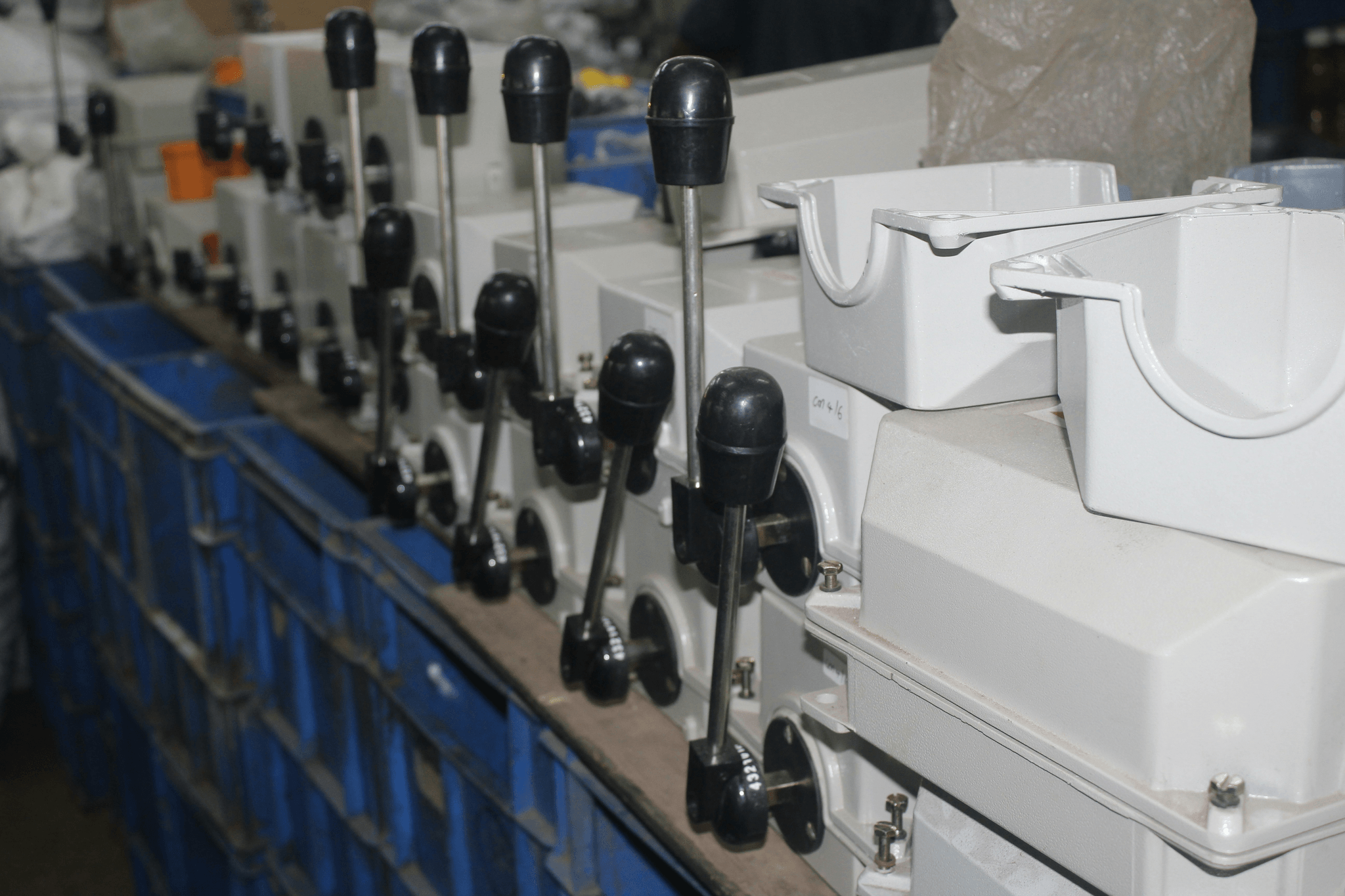
At China Inspection Pro, we understand that First Article Inspection is the backbone of reliable mass production. Our professional inspection services are designed to scrutinize every detail, ensuring that what should be a flawless first run turns into a benchmark for the entire production cycle. When it comes to what should a first article inspection procedure include, our team meticulously evaluates dimensions, materials, and workmanship, making sure no defect slips through the cracks.
Leveraging our expertise means we know exactly what information should you include in your first article inspection checklist to guarantee comprehensive coverage. We help clients craft checklists that highlight critical data points like tolerances, surface finish, and assembly accuracy—because missing key details can lead to costly rework down the line. Our inspectors also emphasize outlining inspection equipment requirements in your first article inspection checklist so you can match tools with specific quality standards.
By turning inspection insights into actionable improvements, China Inspection Pro ensures continuous quality enhancement for manufacturers worldwide. We don’t just identify defects; we provide clear recommendations on what should a first article inspection include and how to implement corrective measures effectively. This approach helps clients refine their processes and avoid recurring issues—making defects less likely and production smoother.
How China Inspection Pro Delivers Professional Inspection Services
Our team delivers top-tier First Article Inspection by combining industry-leading expertise with state-of-the-art equipment tailored for your specific needs. We understand what should a first article inspection procedure include—covering everything from dimensional checks to material verification—so you get comprehensive results every time. With our detailed reports highlighting what information should you include in your first article inspection checklist, clients gain clarity on critical quality parameters before full-scale production begins.
Leveraging Our Expertise to Detect and Limit Defects
Detecting defects early is our forte; we know exactly what should a first article inspection include to catch potential issues before they escalate into costly problems later on. By leveraging our knowledge of outlining inspection equipment requirements in your first article inspection checklist, we ensure the right tools are used for precise measurements and defect detection. This proactive approach allows manufacturers like Boeing and Tesla to limit defects from the outset and maintain high-quality standards throughout their supply chain.
Turning Inspection Insights into Actionable Improvements
Inspection insights are only valuable if they lead to tangible improvements—something China Inspection Pro excels at delivering. We guide clients on how to incorporate findings into their manufacturing processes by emphasizing what information should you include in your first article inspection checklist for maximum effectiveness. Additionally, we advise on outlining inspection equipment requirements in your first article inspection checklist so teams can implement corrective actions swiftly and accurately.
Conclusion
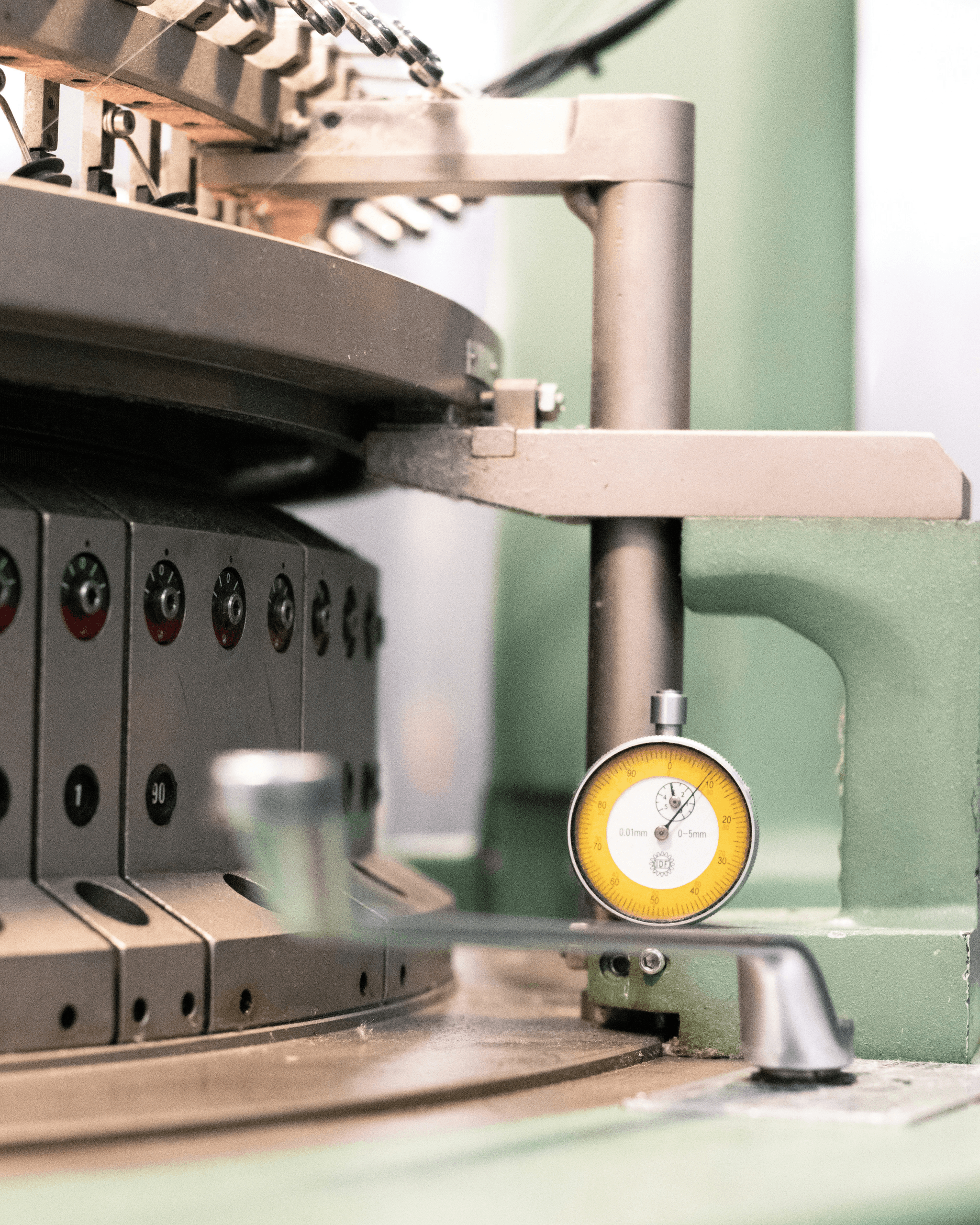
Achieving defect-free mass production might sound like chasing unicorns, but with a well-executed First Article Inspection, it's entirely within reach. This process acts as the gatekeeper, catching issues early and ensuring that what rolls off the line meets all quality standards. Remember, what should a first article inspection procedure include? It should encompass detailed inspection steps, precise measurement criteria, and clear documentation practices to keep everything transparent and traceable.
Investing in robust quality control yields long-term benefits that go beyond just avoiding rework. When you know what information should you include in your first article inspection checklist, you're better equipped to identify potential flaws before they escalate into costly problems down the line. Outlining inspection equipment requirements in your first article inspection checklist ensures you use the right tools for the job—precision instruments that deliver reliable results and uphold industry standards.
Partnering with China Inspection Pro means leveraging expertise that understands exactly what should a first article inspection procedure include to optimize your manufacturing process. Their professional services help detect defects early, turning insights into actionable improvements that elevate your product quality. Over time, this proactive approach fosters continuous improvement, saving money and boosting customer satisfaction—making defect-free mass production not just a goal but an achievable reality.