
Introduction
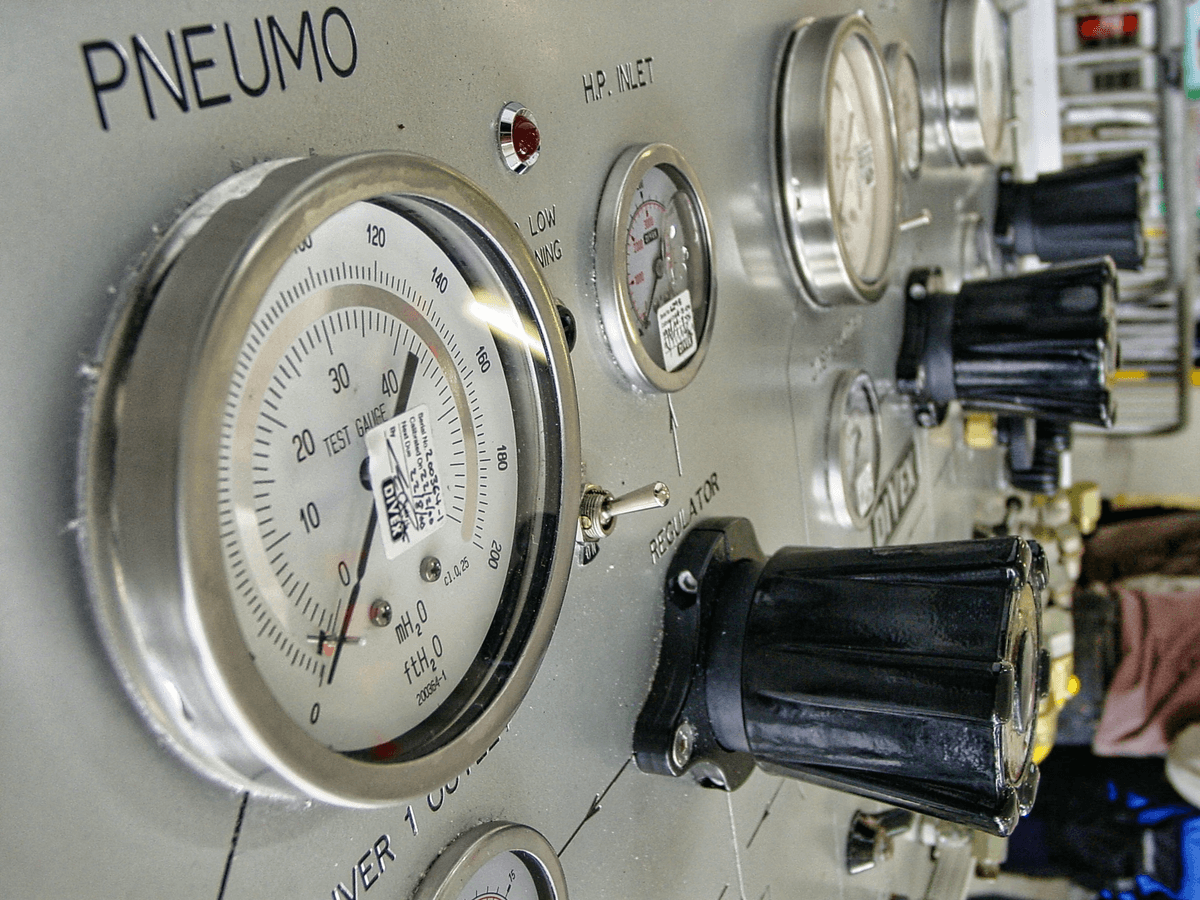
Reciprocating Compressor Testing is a critical aspect of maintaining the health and efficiency of industrial machinery. Mastering the reciprocating compressor inspection procedure ensures that every component functions optimally, reducing downtime and costly repairs. When performed correctly, this testing not only boosts performance but also aligns with applicable standards to ensure safety and compliance.
Understanding why accurate inspection procedures matter is essential for any operator or technician. Properly monitoring parameters such as Lube Oil Pressure, Lube Oil Temperature, and Bearing Temperature provides valuable insights into the compressor’s condition. These measurements, along with assessing Lube Oil Viscosity, help detect early signs of wear and tear before they escalate into major issues.
Ensuring longevity and peak performance in compressors hinges on diligent testing routines that adhere to applicable standards. Regular reciprocating compressor testing helps maintain proper lubrication, temperature control, and overall system integrity. By following a comprehensive reciprocating compressor inspection procedure, industries can extend equipment lifespan while optimizing operational efficiency.
Fundamentals of Reciprocating Compressor Inspection Procedure
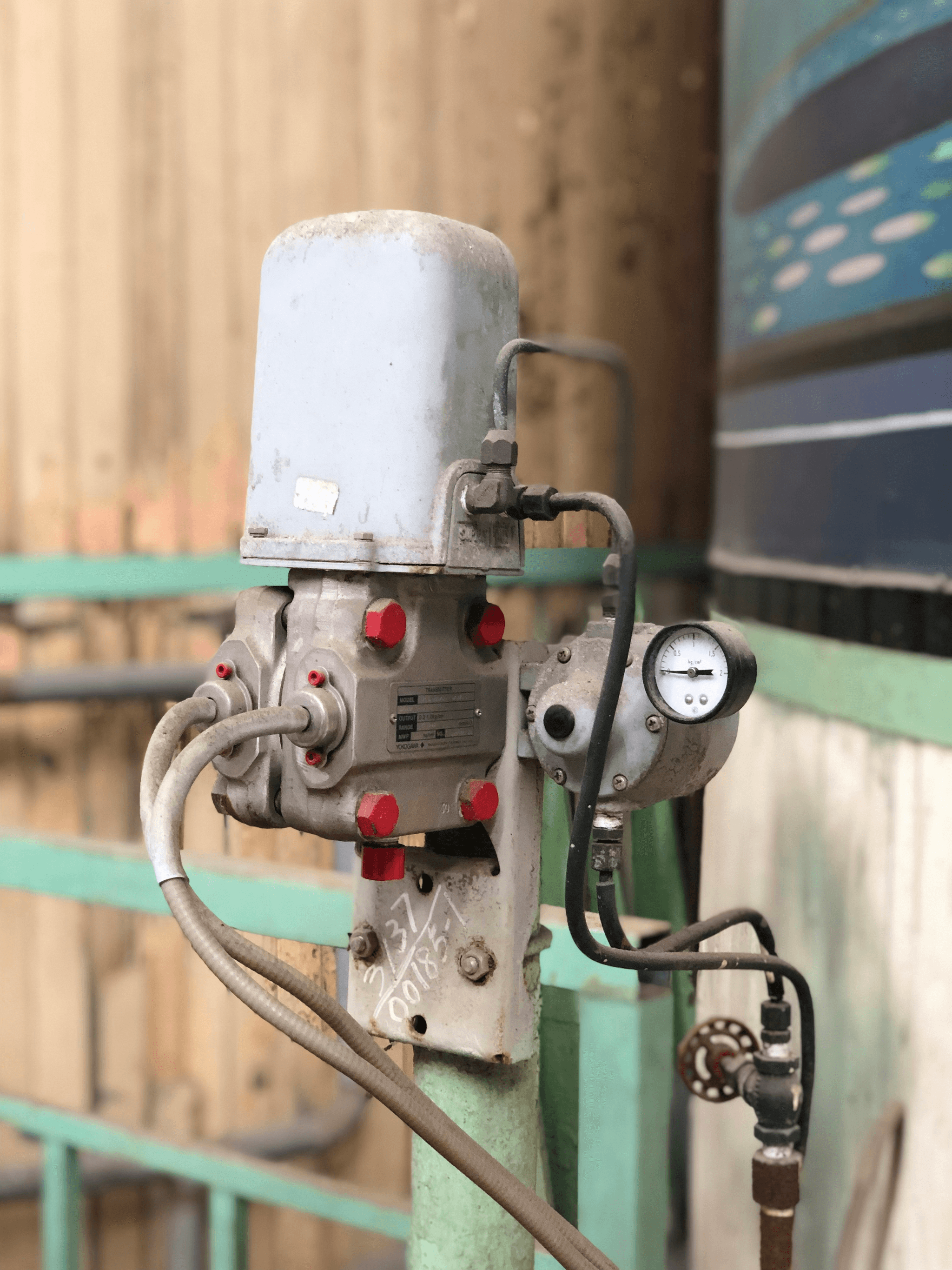
Understanding the fundamentals of reciprocating compressor inspection procedure is essential for maintaining peak performance and preventing costly downtime. Proper testing involves a systematic approach to evaluating key components, ensuring that each part functions within optimal parameters. When conducting reciprocating compressor testing, attention to detail in measuring Lube Oil Pressure, Lube Oil Temperature, and Bearing Temperature is crucial for accurate results and long-term reliability.
Regularly checking key components such as pistons, valves, cylinders, and connecting rods forms the backbone of a thorough reciprocating compressor inspection procedure. These components are subject to wear and tear over time, making their assessment vital during routine testing. Incorporating standardized procedures aligned with Applicable Standards guarantees that inspections are consistent, reliable, and compliant with industry best practices.
Accurate measurement of Lube Oil Pressure is fundamental during reciprocating compressor testing because it directly impacts lubrication effectiveness. Ensuring correct pressure levels helps prevent excessive wear or potential failure of moving parts. Similarly, monitoring Lube Oil Temperature and Viscosity provides insight into oil condition; deviations can indicate issues like overheating or contamination that require immediate attention.
Assessing Bearing Temperature is another critical aspect of the reciprocating compressor inspection procedure. Elevated bearing temperatures often signal lubrication problems or impending mechanical failure; early detection can save significant repair costs. Maintaining proper oil viscosity by regular checks ensures smooth operation and reduces friction-related damage throughout the compressor’s lifespan.
Adhering to Applicable Standards during reciprocating compressor testing not only ensures safety but also guarantees that measurements are accurate and comparable across different equipment or facilities. Standards set benchmarks for acceptable ranges of Lube Oil Pressure, Temperature, Viscosity, and Bearing Temperatures—guidelines essential for consistent assessment and quality assurance in the industry.
Step-by-Step Testing Procedures
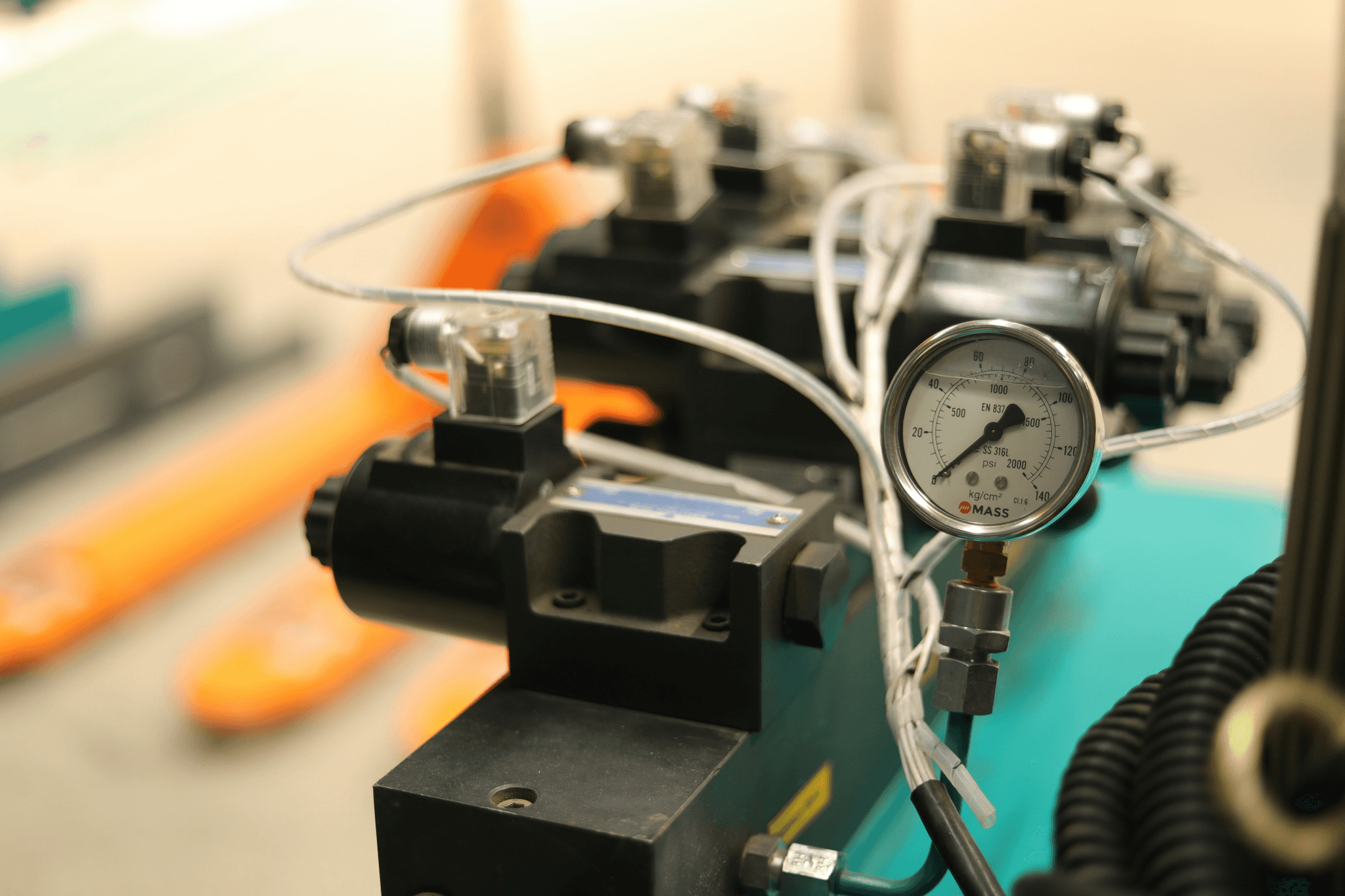
Embarking on reciprocating compressor testing requires a methodical approach to ensure every component is scrutinized thoroughly. The reciprocating compressor inspection procedure begins with preparing the necessary tools and safety measures, ensuring all testing equipment aligns with applicable standards. Proper preparation lays the foundation for accurate results, especially when checking critical parameters like Lube Oil Pressure and Lube Oil Temperature, which are vital indicators of compressor health.
Once the setup is complete, conducting a comprehensive inspection routine involves systematically examining key components such as valves, pistons, and cylinders. During this phase, measuring Lube Oil Pressure accurately helps assess lubrication adequacy, while monitoring Lube Oil Temperature ensures optimal operating conditions. Additionally, inspecting Bearing Temperature provides early warning signs of potential failures; maintaining proper Lube Oil Viscosity is essential for efficient operation and longevity.
Interpreting test results accurately is crucial for diagnosing issues or confirming normal operation. Comparing measured parameters against applicable standards allows technicians to identify deviations that could indicate wear or impending failure. For example, abnormal fluctuations in Lube Oil Pressure or elevated Bearing Temperatures may signal the need for maintenance or further investigation under the reciprocating compressor inspection procedure.
Common pitfalls during reciprocating compressor testing often include neglecting calibration of measurement instruments or overlooking minor temperature anomalies. To avoid these mistakes, always verify instrument accuracy and adhere strictly to applicable standards throughout the process. Documenting findings meticulously ensures that future inspections can track trends over time and facilitate proactive maintenance strategies.
Finally, thorough documentation of test results—covering all measurements such as Lube Oil Viscosity levels and temperature readings—serves as a valuable reference for ongoing performance evaluation. Clear records help in benchmarking compressor health against industry standards and support decision-making regarding repairs or upgrades. A disciplined approach to reciprocating compressor testing not only extends equipment lifespan but also optimizes operational efficiency.
Role of Quality Inspection in Industry
Quality inspection plays a pivotal role in ensuring the reliability and efficiency of reciprocating compressors across industries. By adhering to a rigorous reciprocating compressor inspection procedure, companies can identify potential issues early, reducing downtime and costly repairs. Implementing thorough testing methods that focus on parameters like Lube Oil Pressure, Lube Oil Temperature, and Bearing Temperature ensures that each component functions within the applicable standards, safeguarding operational integrity.
Effective reciprocating compressor testing not only helps maintain optimal performance but also aligns with industry standards designed to promote safety and longevity. When inspection data is accurately interpreted, it transforms into actionable insights that guide maintenance schedules and operational adjustments. This proactive approach minimizes unexpected failures and extends the lifespan of critical equipment by consistently monitoring Lube Oil Viscosity and other vital parameters during inspections.
Incorporating professional reciprocating compressor inspection procedures demonstrates a company's commitment to quality assurance. These inspections often involve detailed assessments of key components against applicable standards, ensuring compliance while optimizing performance. The benefits are clear: reduced operational costs, increased equipment reliability, and peace of mind knowing that every aspect of the compressor’s health is scrutinized according to industry best practices.
How China Inspection Pro Ensures Quality
China Inspection Pro employs a comprehensive reciprocating compressor testing methodology rooted in industry-leading standards to guarantee quality outcomes. Their team meticulously follows a proven reciprocating compressor inspection procedure that emphasizes precise measurement of Lube Oil Pressure, Lube Oil Temperature, and Bearing Temperature during each assessment. By adhering strictly to applicable standards, they ensure every test result reflects true operating conditions—helping clients make informed decisions for maintenance or upgrades.
The company leverages advanced tools for measuring Lube Oil Viscosity alongside temperature readings to detect early signs of wear or contamination—crucial indicators within their reciprocating compressor testing protocol. Their inspectors are trained to interpret these data points accurately within the framework of applicable standards, ensuring compliance while preventing potential failures caused by overlooked issues. This dedication to detail guarantees that each reciprocating compressor inspection procedure not only meets but exceeds industry expectations for quality assurance.
Turning Inspection Data into Actionable Insights
Inspection data gathered through meticulous reciprocating compressor testing serves as a goldmine for actionable insights when properly analyzed against applicable standards. For instance, fluctuations in Lube Oil Pressure or abnormal increases in Lube Oil Temperature can signal impending problems requiring preventive maintenance—saving time and money down the line. By tracking trends in key parameters like Bearing Temperature or changes in Lube Oil Viscosity over time, operators can proactively address issues before they escalate.
Transforming raw data into meaningful insights involves comparing measurements with established benchmarks dictated by relevant applicable standards; this ensures consistency across inspections. Companies utilizing this approach can optimize their reciprocating compressor inspection procedures by focusing on critical areas highlighted through test results—such as verifying oil pressure stability or temperature thresholds—thus enhancing overall equipment longevity and performance reliability.
Aligning Testing Methods with Industry Standards
Ensuring that all aspects of reciprocating compressor testing align with applicable standards is essential for consistent quality assurance across industries. These standards define acceptable ranges for parameters like Lube Oil Pressure, Lube Oil Temperature, and Bearing Temperature—guidelines which form the backbone of any robust reciprocating compressor inspection procedure. When testing methods are aligned with these standards, organizations can confidently validate their equipment's condition against recognized benchmarks.
Adhering strictly to industry-specific applicable standards during each step—from measuring oil viscosity accurately to assessing bearing temperatures—reduces variability between inspections and enhances credibility among stakeholders. It also facilitates regulatory compliance while providing a clear framework for troubleshooting deviations identified during tests. Ultimately, aligning your testing methods with these standards ensures your reciprocity compressors operate efficiently within safe limits defined by industry best practices.
Benefits of Professional Reciprocating Compressor Inspection
Engaging professionals for reciprocating compressor testing offers numerous advantages over DIY approaches; chief among them is precision measurement aligned with applicable standards such as those governing Lube Oil Pressure or Viscosity levels—and accurate interpretation thereof. Skilled inspectors know how to identify subtle deviations in parameters like Lube Oil Temperature or Bearing Temperature that could spell trouble if left unchecked—a crucial aspect when following an established reciprocating compressor inspection procedure.
Professional inspections also incorporate advanced diagnostic techniques designed specifically around industry-recognized applicable standards; this guarantees comprehensive coverage beyond simple visual checks alone—and provides confidence that all vital components meet safety criteria before operation resumes or continues uninterrupted service life extension efforts are undertaken. The end result? Enhanced equipment reliability through meticulous adherence to proven protocols combined with expert analysis tailored specifically toward maximizing efficiency while minimizing downtime costs.
Case Studies Showing Inspection Impact
Numerous case studies highlight how rigorous reciprocating compressor testing directly impacts operational success stories worldwide—from reducing unplanned outages via early detection based on abnormal changes in Lube Oil Viscosity—to extending service life through precise monitoring of bearing temperatures aligned with applicable standards set forth by regulatory bodies or internal policies alike.
For example, one industrial plant implemented regular reciprocal compressor inspections focusing on key parameters such as oil pressure stability and temperature control measures within prescribed limits per their applied standard guidelines; this approach resulted in 30% fewer breakdowns annually—and significant cost savings over five years due to proactive maintenance driven by accurate test results rather than reactive repairs after failure occurred.
Another case involved a manufacturing facility employing advanced sensors integrated into their reciprocal compressors’ lubrication systems—feeding real-time data back into an analytical platform aligned with relevant applicable standards—which enabled predictive maintenance planning based on trending behaviors detected during routine inspections; this strategy not only optimized uptime but also improved overall process efficiency dramatically—all thanks to diligent reciprocal compressor testing routines grounded firmly in established industry norms.
Troubleshooting and Preventive Maintenance
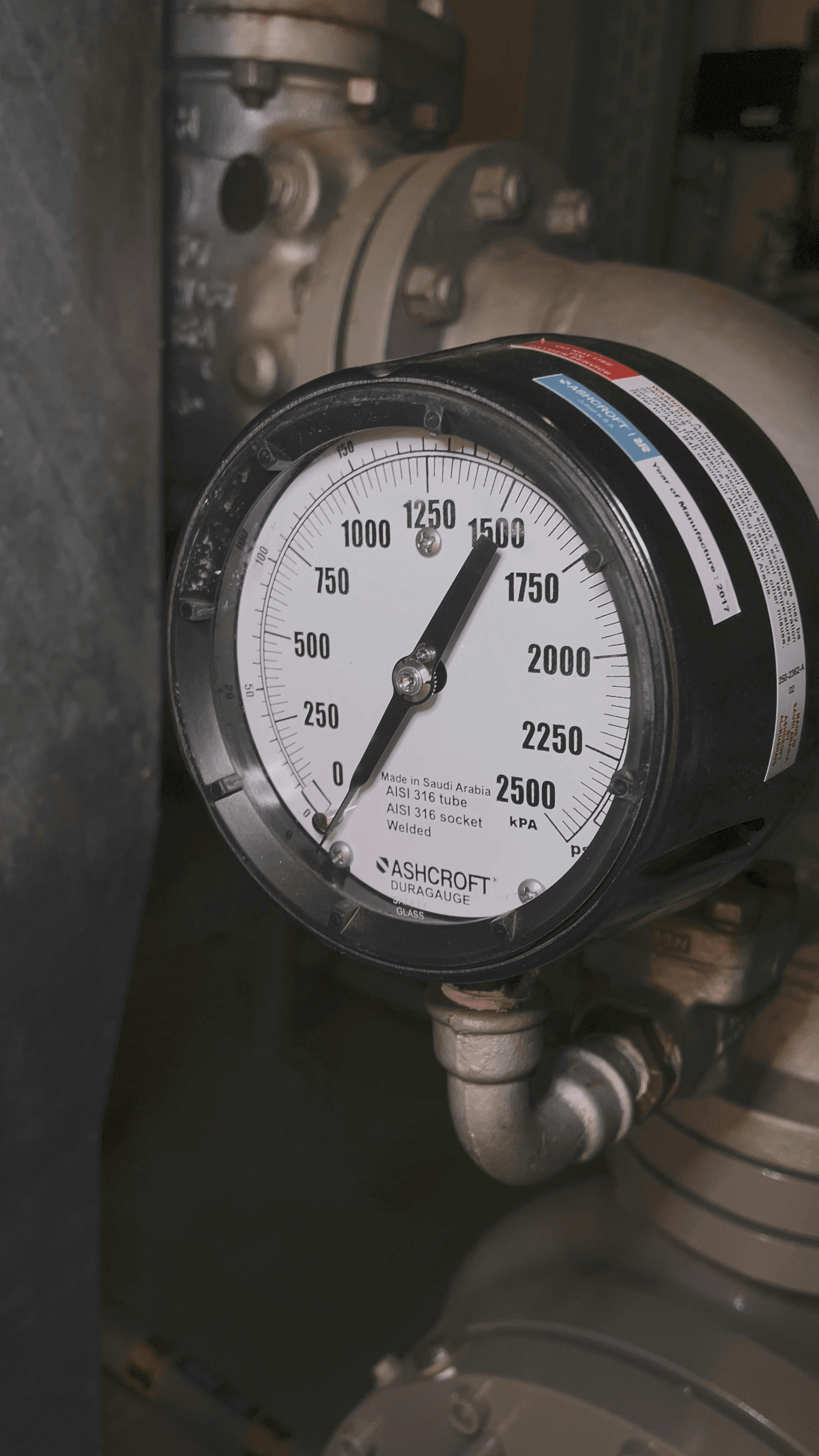
When it comes to reciprocating compressor testing, early detection of wear and tear is crucial for maintaining optimal performance. Recognizing signs such as unusual vibrations, knocking sounds, or inconsistent pressure readings can indicate that components are nearing failure. Following a thorough reciprocating compressor inspection procedure helps pinpoint issues before they escalate, saving time and costly repairs.
One of the key indicators during reciprocating compressor testing is monitoring Lube Oil Pressure; fluctuations often signal underlying problems like worn piston rings or faulty valves. Consistent Lube Oil Temperature readings are equally vital, as abnormal temperature spikes may suggest inadequate lubrication or cooling issues. Regularly assessing these parameters in line with applicable standards ensures the compressor operates smoothly and prevents unexpected breakdowns.
Addressing abnormal Bearing Temperatures should be a top priority in preventive maintenance routines. Elevated bearing heat can result from misalignment, insufficient lubrication, or excessive load—each detectable through diligent reciprocating compressor inspection procedures. By keeping an eye on temperature data and adhering to applicable standards, maintenance teams can implement timely interventions that extend equipment lifespan.
Maintaining proper Lube Oil Viscosity is essential for efficient reciprocating compressor operation. Low viscosity reduces lubricity, increasing wear on moving parts, while high viscosity can cause sluggish movement and overheating. Routine checks during reciprocating compressor testing help ensure oil properties stay within recommended ranges outlined by applicable standards, optimizing performance.
Implementing preventive strategies based on comprehensive troubleshooting insights is the best way to avoid costly downtimes. Regular inspections of Lube Oil Pressure, Temperature, and Viscosity allow for early detection of potential issues—such as leaks or contamination—that could compromise the entire system. By integrating these practices into your reciprocating compressor inspection procedure, you safeguard your investment and keep operations running smoothly.
Latest Trends and Standards in Compressor Testing
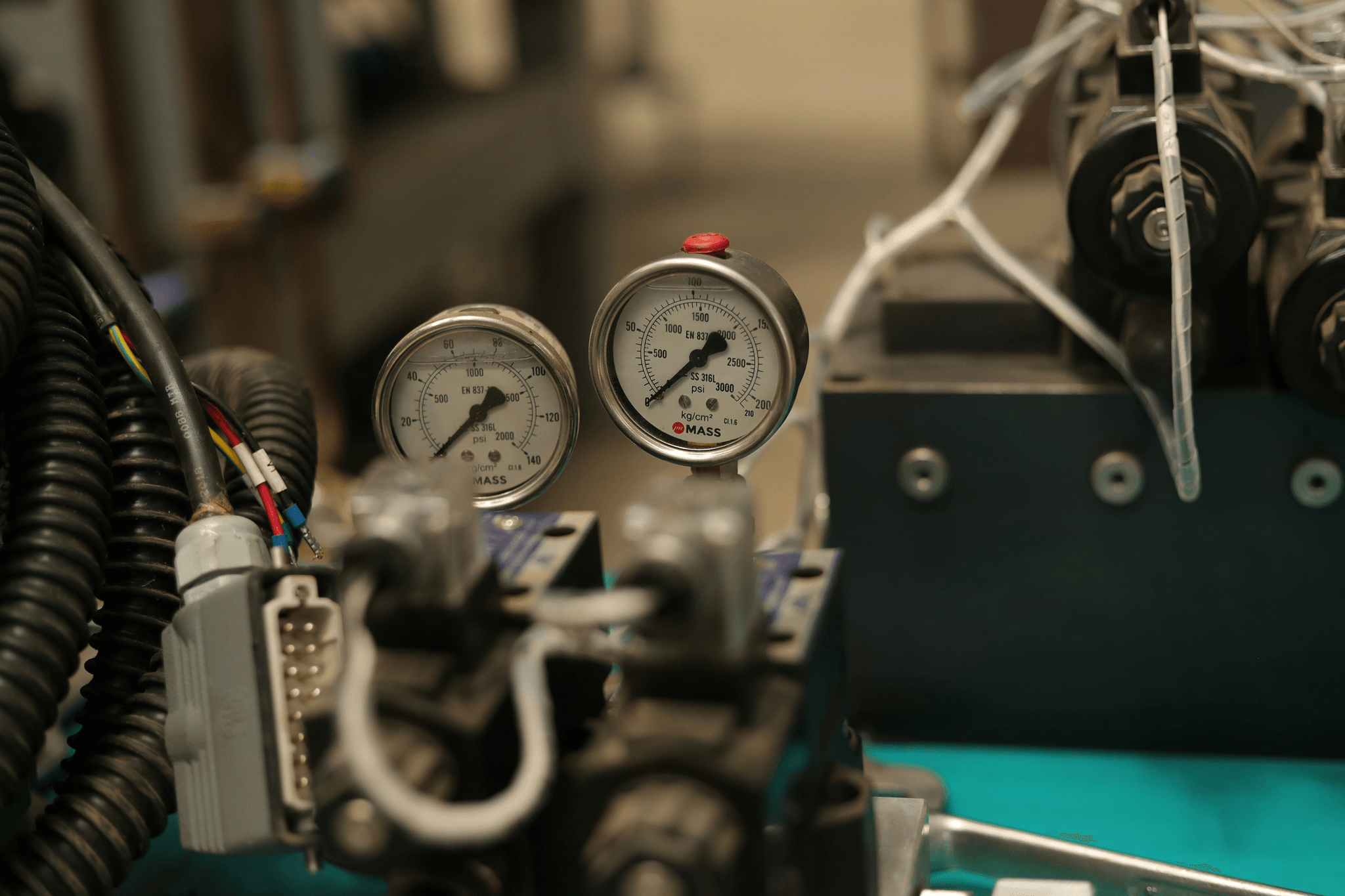
The landscape of Reciprocating Compressor Testing is evolving rapidly, driven by technological innovations that enhance accuracy and efficiency. Modern reciprocating compressor inspection procedures now incorporate advanced testing technologies that allow for more precise measurement of critical parameters like Lube Oil Pressure, Lube Oil Temperature, and Bearing Temperature. These innovations ensure that maintenance teams can detect potential issues early, adhering to the latest Applicable Standards to guarantee safety and performance.
Advances in Testing Technologies
Recent breakthroughs in testing technologies have revolutionized how we approach reciprocating compressor inspection procedures. Non-invasive sensors now enable real-time monitoring of Lube Oil Viscosity, Lube Oil Pressure, and Bearing Temperature without disrupting operations. These tools provide instant feedback, making it easier to identify deviations from standard parameters set by Applicable Standards and prevent costly failures.
Updated Applicable Standards for Compressors
Staying aligned with Updated Applicable Standards is crucial for ensuring the reliability of reciprocating compressor testing efforts. Industry standards now emphasize more rigorous criteria for measuring key indicators such as Lube Oil Pressure and Temperature during reciprocating compressor inspection procedures. Compliance with these standards not only boosts operational safety but also enhances the longevity of equipment by promoting best practices during testing routines.
Integrating Smart Sensors and Data Analysis
The integration of smart sensors into reciprocating compressor testing has opened new frontiers in data analysis capabilities. These sensors continuously monitor variables like Lube Oil Viscosity, Lube Oil Temperature, and Bearing Temperature, transmitting data to centralized systems for comprehensive analysis. This approach allows engineers to interpret test results more accurately within the framework of applicable standards while enabling predictive maintenance strategies that reduce downtime.
Future of Reciprocating Compressor Inspection
Looking ahead, the future of reciprocating compressor inspection procedures will likely revolve around automation and AI-driven analytics that leverage advancements in sensor technology. Automated systems will perform routine checks on critical parameters such as Lube Oil Pressure and Viscosity while flagging anomalies based on updated applicable standards before they escalate into major issues. Such innovations promise a safer, more efficient industry where proactive maintenance becomes the norm rather than reactive repairs.
Collaborating with Industry Leaders and Experts
To stay at the forefront of reciprocating compressor testing trends, collaborating with industry leaders who specialize in innovative inspection techniques is essential. These experts bring valuable insights into integrating smart sensors with existing reciprocating compressor inspection procedures while ensuring full compliance with applicable standards related to oil pressure measurements or bearing temperature assessments. Building partnerships fosters knowledge sharing that ultimately elevates overall quality assurance processes across industries relying on reliable reciprocating compressors.
Conclusion
A solid reciprocating compressor testing routine isn’t just a box to check—it’s the backbone of reliable, long-lasting equipment. When you follow a thorough reciprocating compressor inspection procedure, you ensure that vital parameters like Lube Oil Pressure, Lube Oil Temperature, and Bearing Temperature stay within optimal ranges. This proactive approach helps prevent costly breakdowns and keeps your machinery humming smoothly, all while adhering to applicable standards that guarantee safety and efficiency.
Investing in comprehensive inspection procedures pays dividends over time; it’s about catching issues early before they escalate into major failures. Regularly assessing Lube Oil Viscosity alongside other critical metrics during reciprocating compressor testing provides invaluable insights into the health of your system. Partnering with professionals who understand these nuances ensures your maintenance aligns perfectly with applicable standards and industry best practices.
When you team up with experts like China Inspection Pro, you gain more than just a service—you get peace of mind knowing your reciprocating compressor inspection procedure is handled meticulously. They utilize advanced testing methods to monitor parameters such as Lube Oil Pressure, Temperature, and Bearing Temperature accurately, ensuring everything complies with applicable standards. The right partnership transforms routine checks into strategic tools for longevity and peak performance.