
Introduction
Jewelry Quality Control is the backbone of a trusted brand, ensuring that every piece meets high standards and delights customers. When you understand What Is Jewelry Quality Control?, you’re better equipped to maintain consistency and uphold your reputation in a competitive market. Navigating industry standards with confidence not only safeguards your products but also elevates your brand’s credibility in the eyes of discerning buyers.
In today’s jewelry industry, knowing the Types of Jewelry Tetra Inspection Inspects can make all the difference between a flawless piece and one that falls short. Proper inspection reveals Common Defects Found During Jewelry Inspection, such as surface blemishes or setting issues, which could otherwise tarnish your brand’s image. By mastering jewelry quality control, you ensure each item aligns with Standards Applicable for Jewelry Quality Control, giving you peace of mind and satisfied customers.
Understanding Jewelry Quality Control
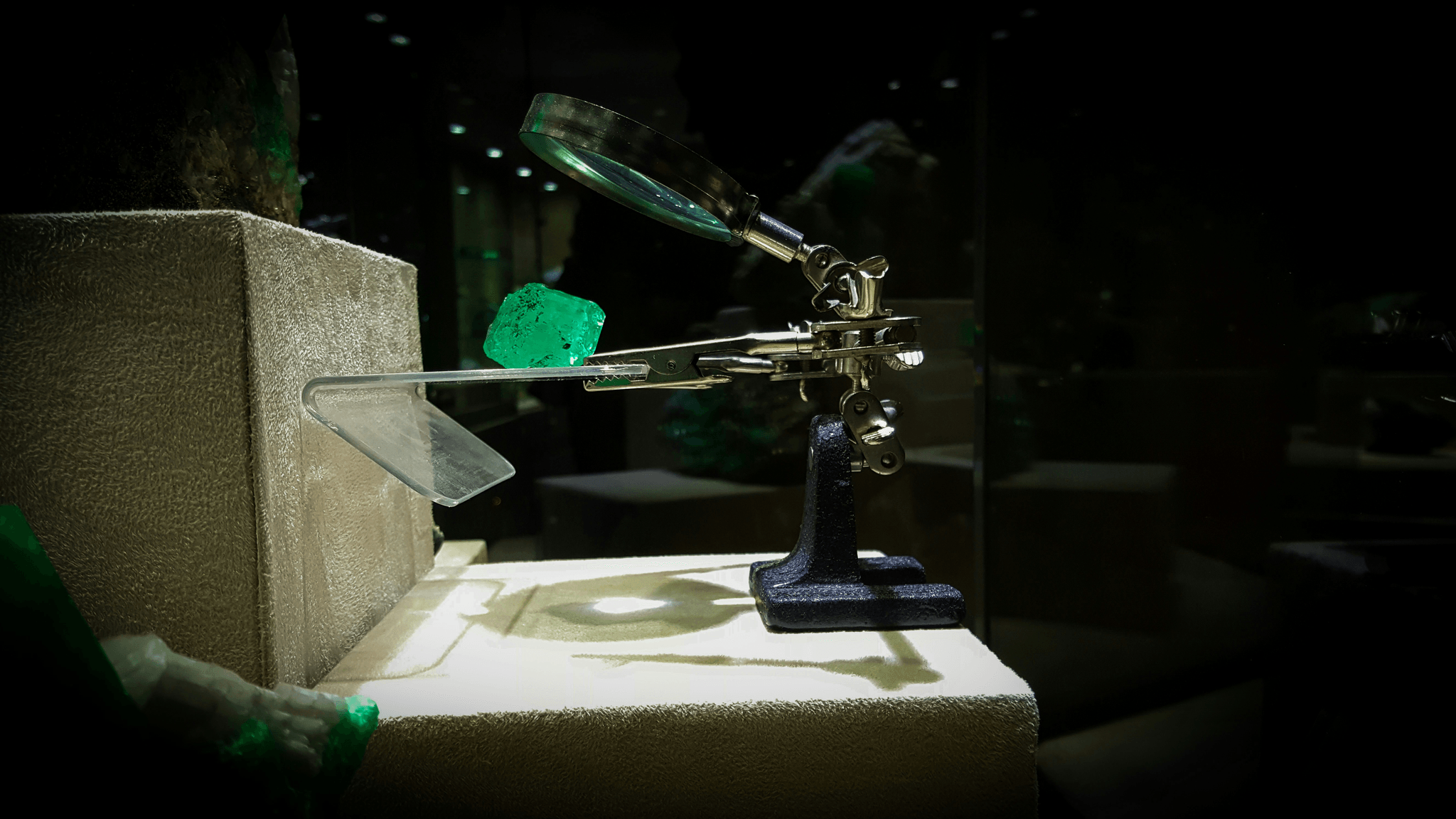
Jewelry Quality Control is the backbone of any successful jewelry brand, ensuring each piece meets high standards before reaching customers. It involves a meticulous process that detects flaws, verifies authenticity, and confirms adherence to industry benchmarks. By mastering what Jewelry Quality Control entails, brands can prevent costly mistakes and build trust with their clientele.
Understanding what is Jewelry Quality Control? It’s more than just a quick glance; it’s a comprehensive system that scrutinizes every detail—from metal purity to gemstone setting. This process helps identify common defects found during jewelry inspection, such as surface blemishes or loose stones, which could tarnish a brand's reputation if left unchecked. Knowing what Jewelry Quality Control involves empowers brands to deliver flawless products consistently.
Standards applicable for jewelry quality control are set by reputable organizations like GIA and IGI, which serve as industry benchmarks for grading and authenticity. These standards guide how jewelry Tetra inspection inspects each piece, ensuring uniformity across different batches and suppliers. When you understand the role of these standards, it becomes easier to navigate the types of jewelry Tetra inspection inspects and maintain quality consistency.
What Is Jewelry Quality Control?
Jewelry Quality Control is the systematic process of inspecting and verifying each piece for defects or inconsistencies before sale or shipment. It’s where craftsmanship meets precision—spotting everything from tiny scratches to flawed stone settings—so that only perfect pieces make it to your customer’s hands. Essentially, it’s your safety net against returns, complaints, and damaged reputation.
In essence, what is Jewelry Quality Control? It’s an ongoing effort to uphold high standards throughout the manufacturing cycle by catching issues early on. This proactive approach minimizes costly rework and ensures your products align with industry expectations for excellence.
The Role of Standards Like GIA and IGI
Standards applicable for jewelry quality control are often defined by organizations such as GIA (Gemological Institute of America) and IGI (International Gemological Institute). These institutions provide grading scales and certification protocols that serve as benchmarks during inspections. When jewelry Tetra inspection checks against these standards, it guarantees your pieces meet global quality expectations—adding credibility to your brand.
The role of these standards in jewelry quality control cannot be overstated—they set the criteria for identifying common defects found during jewelry inspection like color inconsistencies or flawed gemstone cuts. Adhering to recognized standards not only elevates product value but also streamlines communication with suppliers about quality expectations.
How Jewelry Tetra Inspection Inspects
Jewelry Tetra inspection employs a mix of advanced technology and seasoned expertise to evaluate each piece thoroughly. Types of jewelry Tetra inspection inspects include gold chains with intricate links, gemstone rings with delicate settings, or bracelets prone to surface scratches—all checked meticulously using both visual techniques and machine-assisted tools like X-ray fluorescence analyzers.
During this process, inspectors look for common defects found during jewelry inspection such as metal flaws or setting issues that could compromise durability or aesthetics. Automated systems help detect invisible fakes or imitations that might slip past untrained eyes—ensuring every item aligns with the highest standards applicable for jewelry quality control.
Types of Jewelry Inspection Methods
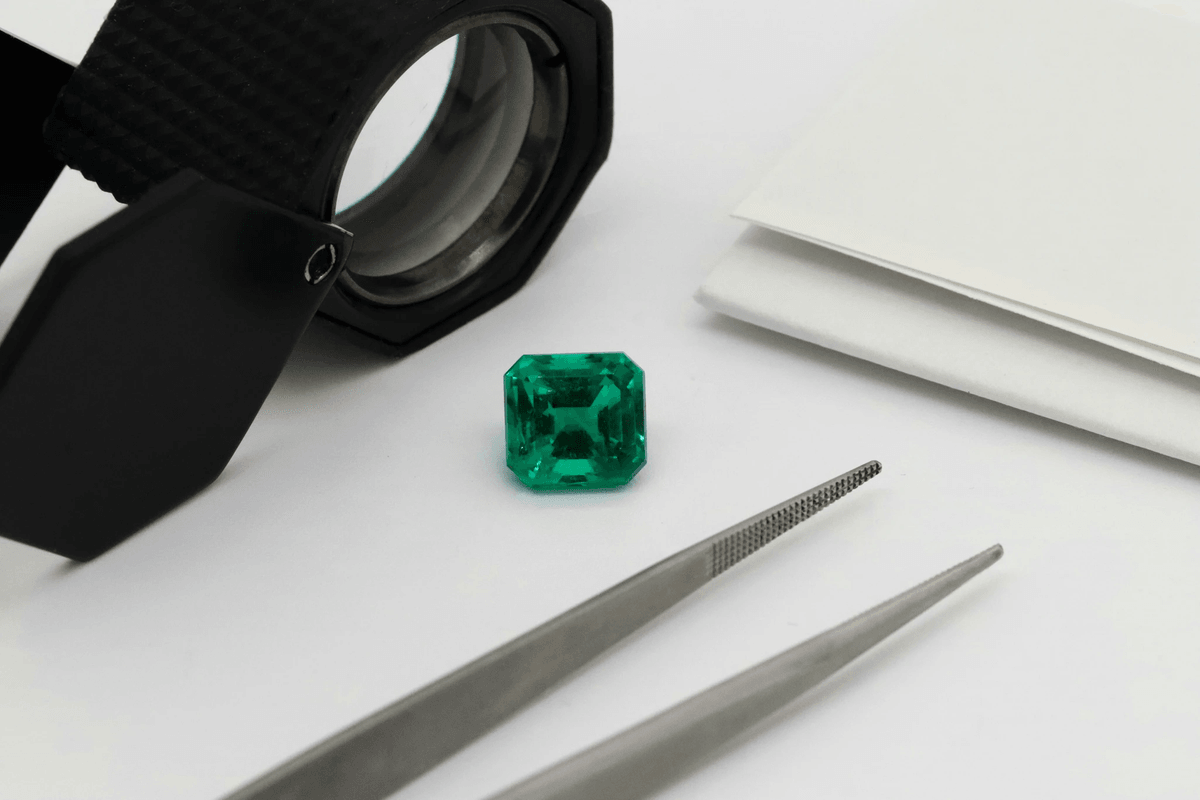
When it comes to Jewelry Quality Control, understanding the different inspection methods is essential for maintaining high standards and catching common defects early. The Types of Jewelry Tetra Inspection Inspects include a variety of techniques tailored to identify flaws that could compromise the integrity or value of your jewelry pieces. Whether you're inspecting a delicate diamond necklace or a sturdy gold bracelet, choosing the right method ensures your products meet industry standards applicable for jewelry quality control.
Visual Inspection Techniques
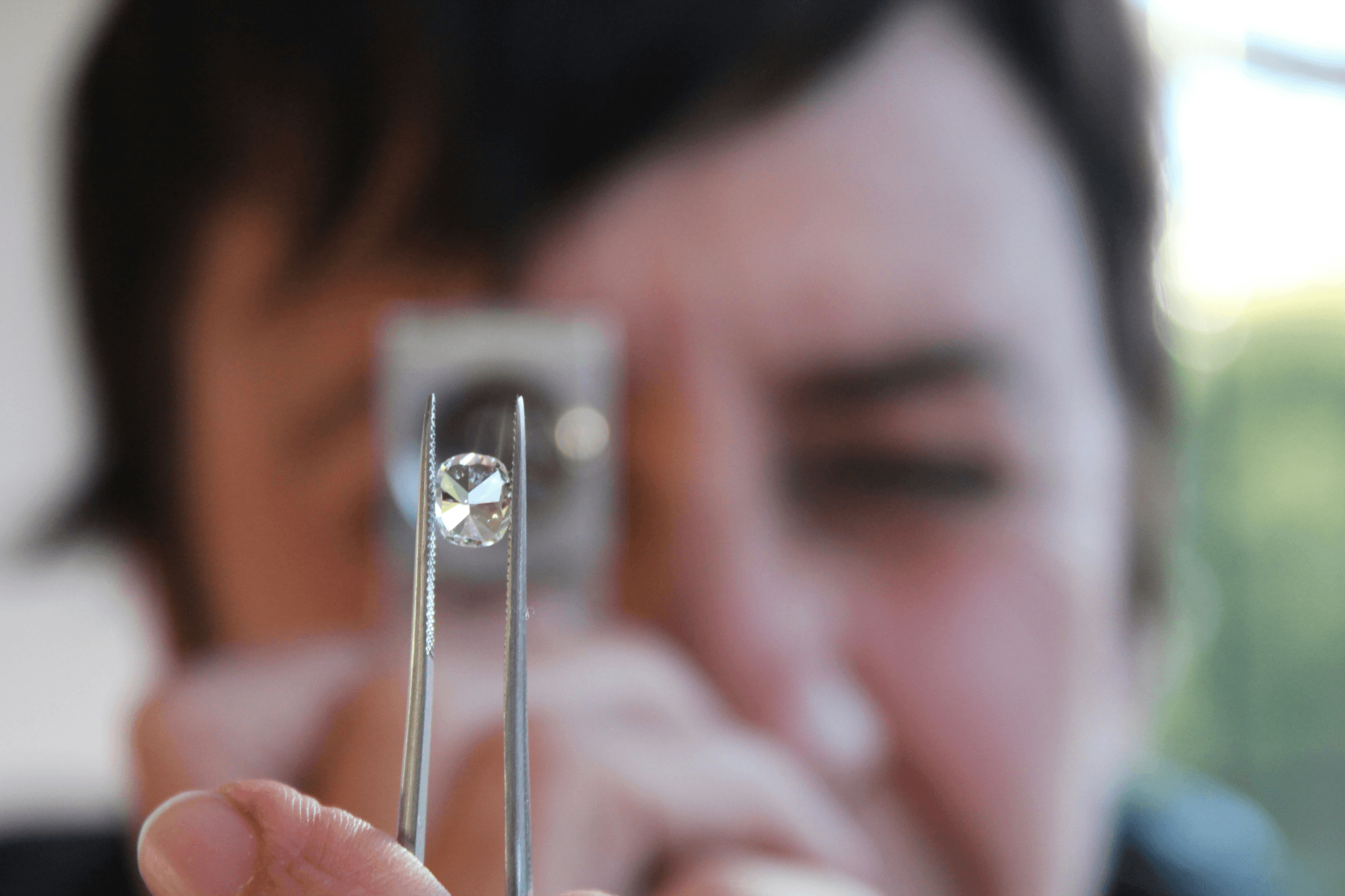
Visual inspection remains one of the most straightforward yet effective ways to assess jewelry quality. This method involves trained inspectors scrutinizing each piece under magnification to identify surface blemishes, scratches, or irregularities that might not be visible to the naked eye. Visual inspection techniques are crucial for detecting common defects found during jewelry inspection, such as flawed metal surfaces or poorly set stones, aligning with standards applicable for jewelry quality control. Regular visual checks help maintain consistency and ensure your products meet industry expectations before they reach customers.
X-Ray Fluorescence and Machine-Assisted Checks
For a more precise analysis, X-ray fluorescence (XRF) and other machine-assisted checks are invaluable tools in Jewelry Quality Control processes. These advanced methods allow inspectors to determine the composition of metals and verify authenticity without damaging the piece. Such technology is particularly useful when identifying invisible fakes and imitations—a common defect found during jewelry inspection—ensuring that only genuine items leave your workshop. Incorporating these checks helps uphold standards applicable for jewelry quality control while offering peace of mind about product authenticity.
Hand-Selected vs Automated Inspection Processes
The debate between hand-selected versus automated inspection processes continues in the realm of Jewelry Quality Control. Hand-selected inspections involve skilled professionals meticulously examining each item, ideal for catching nuanced defects like subtle stone setting issues or surface blemishes that automated systems might overlook. On the other hand, automated processes utilize sophisticated machinery capable of rapid screening, perfect for high-volume production runs where consistency is key. Combining both approaches often yields optimal results, ensuring comprehensive coverage aligned with standards applicable for jewelry quality control while minimizing errors and enhancing overall product reliability.
Common Defects Found During Jewelry Inspection
When it comes to Jewelry Quality Control, spotting the subtle flaws that can compromise a piece's integrity is crucial. During the inspection process, many defects can slip past untrained eyes, which is why understanding what Is Jewelry Quality Control? involves is so vital. The Types of Jewelry Tetra Inspection Inspects cover everything from surface imperfections to hidden internal issues—making thorough checks essential for maintaining high standards applicable for jewelry quality control.
Identifying Metal Flaws and Surface Blemishes
One of the most common defects encountered during jewelry inspection is metal flaws, such as cracks, scratches, or uneven surfaces that mar the piece's appearance and durability. These blemishes often occur during manufacturing or handling and can be difficult to detect without proper lighting or magnification tools used in jewelry quality control processes. Recognizing these issues early ensures that only flawless items reach customers and aligns with standards applicable for jewelry quality control.
Detecting Stone Setting Issues
Stone setting problems are another frequent concern in jewelry inspection routines. Loose prongs, misaligned stones, or improperly secured gems can lead to loss or damage over time—jeopardizing customer satisfaction and brand reputation. Understanding what Is Jewelry Quality Control? means knowing how to identify these issues promptly; this ensures that each piece meets the rigorous standards applicable for jewelry quality control before hitting the market.
Spotting Invisible Fakes and Imitations
Invisible fakes and imitations pose a sneaky threat that requires sharp eyes and specialized equipment during inspections. These counterfeit elements may look authentic but fail under close scrutiny—making it vital for professionals involved in Types of Jewelry Tetra Inspection Inspects to be adept at detecting such discrepancies. Incorporating comprehensive checks helps uphold standards applicable for jewelry quality control and protects your brand from counterfeit risks.
Implementing a Robust QC Program
Creating a strong Jewelry Quality Control (QC) program is essential for maintaining high standards and customer satisfaction. It starts with developing a comprehensive plan that clearly outlines what is being inspected and how, ensuring consistency across every batch. When you understand What Is Jewelry Quality Control? you can tailor your inspection process to catch the most common defects found during jewelry inspection, preventing costly mistakes down the line.
A well-crafted quality inspection checklist acts as your roadmap, guiding your team through each step of the process. This checklist should include key points from the Types of Jewelry Tetra Inspection Inspects, such as checking for surface flaws, stone setting issues, and metal integrity. Incorporating standards applicable for jewelry quality control helps ensure your inspections meet industry benchmarks like GIA or IGI, giving your brand an extra layer of credibility.
Partnering with experts like China Inspection Pro can elevate your jewelry quality control efforts by providing specialized knowledge and advanced tools. These professionals are familiar with the intricacies involved in inspecting jewelry according to industry standards applicable for jewelry quality control, which minimizes risks of overlooking defects. Their expertise ensures that every piece undergoes thorough scrutiny against common defects found during jewelry inspection—saving you from surprises later.
Training your team for consistency is crucial; even the best checklist won't help if personnel aren’t aligned on procedures. Regular training sessions focused on what Is Jewelry Quality Control? and how to identify types of jewelry tetra inspection inspects can sharpen their skills and reduce human error. When everyone understands the importance of adhering to standards applicable for jewelry quality control, it boosts overall efficiency and product reliability.
Benefits of Professional Jewelry Quality Control
Implementing a robust Jewelry Quality Control program offers numerous advantages that can significantly impact your business. When you understand What Is Jewelry Quality Control? and the standards applicable for jewelry, you’re better equipped to minimize costly errors and enhance customer satisfaction. Proper inspection ensures that each piece meets industry standards and your brand’s expectations, leading to a more trustworthy reputation.
One of the key benefits is reducing returns and complaints. When Types of Jewelry Tetra Inspection Inspects are thorough and consistent, common defects found during jewelry inspection—such as surface blemishes or setting issues—are caught early. This proactive approach prevents defective pieces from reaching customers, saving time and money while keeping your return rates low.
Protecting your brand’s reputation is another critical benefit of professional jewelry quality control. Customers expect high-quality products that meet recognized standards applicable for jewelry quality control, which builds confidence in your brand. By consistently delivering flawless pieces, you establish a strong market presence and differentiate yourself from competitors who overlook this vital step.
Furthermore, enhancing overall product value becomes achievable through meticulous jewelry quality control processes. When defects are identified using precise inspection methods like those in Types of Jewelry Tetra Inspection Inspects, the perceived value of each item increases. Customers recognize the difference when they receive beautifully inspected jewelry that aligns with industry standards applicable for jewelry quality control.
Conclusion
Staying ahead in the competitive jewelry market hinges on your commitment to Jewelry Quality Control. When you understand what is Jewelry Quality Control and how it applies to your products, you can proactively identify potential issues before they reach your customers. Implementing rigorous quality checks ensures that your jewelry meets industry standards applicable for jewelry quality control, giving your brand a competitive edge.
Understanding the types of jewelry tetra inspection inspects allows you to fine-tune your quality assurance processes. From visual inspections to advanced machine-assisted checks like X-ray fluorescence, knowing what is involved helps prevent common defects found during jewelry inspection from slipping through the cracks. This proactive approach not only safeguards your reputation but also boosts customer confidence and loyalty.
Making informed decisions with China Inspection Pro or similar partners ensures that every piece undergoes thorough examination aligned with industry standards applicable for jewelry quality control. Regularly reviewing inspection results related to common defects found during jewelry inspection helps refine manufacturing processes and reduces costly returns or complaints. Ultimately, a well-structured Jewelry Quality Control program elevates your business by delivering consistently high-quality products that meet or exceed customer expectations.