
Introduction
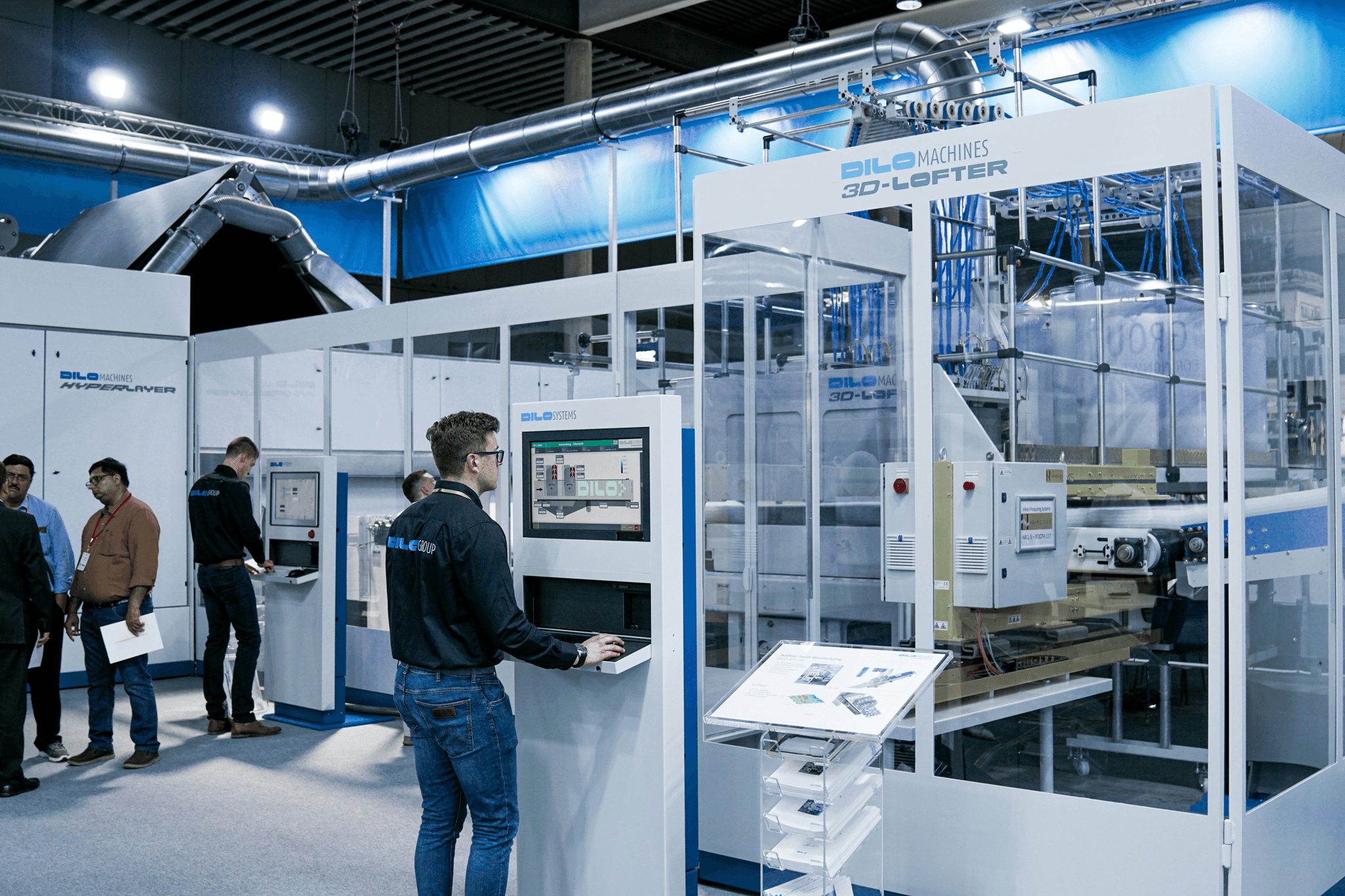
In today's competitive marketplace, the production of quality goods and services is not just a goal; it’s a necessity. Consumers are more informed than ever, and they demand excellence in every purchase. Therefore, businesses must prioritize quality to build trust and ensure customer satisfaction, which ultimately leads to brand loyalty and repeat sales.
Importance of Quality in Production
Quality plays a pivotal role in the production process, influencing everything from consumer perception to operational efficiency. When companies focus on producing quality goods and services, they not only meet customer expectations but also enhance their reputation in the market. Moreover, high-quality products often lead to reduced costs associated with returns or defects, proving that investing in quality is both beneficial and cost-effective.
Key Elements of Quality Goods
Understanding what constitutes quality goods involves several key elements: durability, reliability, performance, and aesthetics. Each of these factors contributes to the overall consumer experience and satisfaction level. For instance, durable products reduce replacement frequency while reliable performance ensures that customers can trust what they buy—essentially making them feel valued.
Role of Inspection and Testing
Inspection and testing are critical components in ensuring that products meet established standards before reaching consumers. This process includes various methods outlined in a quality control tests list designed to identify defects early on. Additionally, implementing an acceptance quality limit helps businesses determine acceptable levels of variability within their production processes—ensuring that customers receive only the best.
Understanding Quality Control
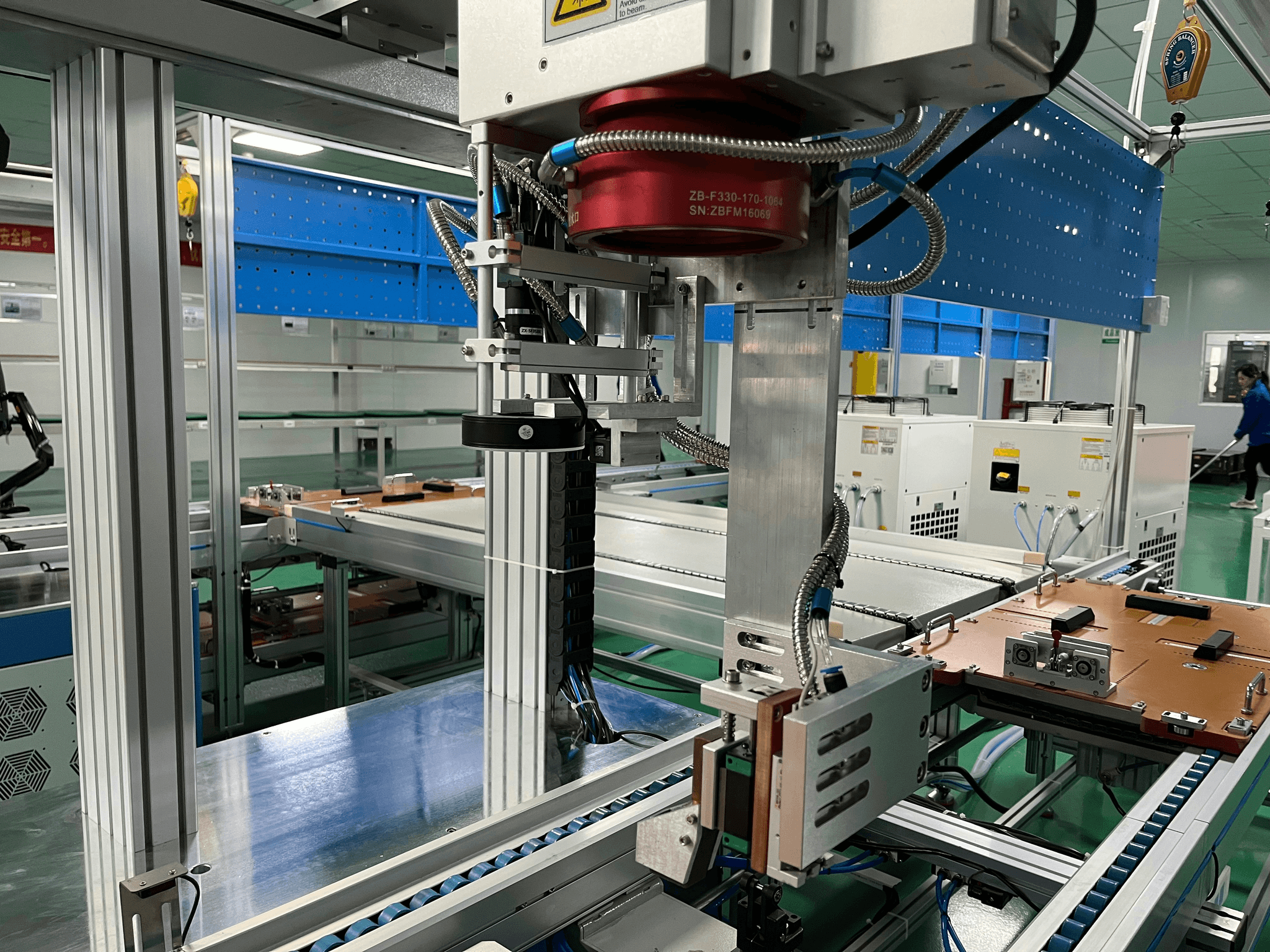
Quality control is a fundamental aspect of the production of quality goods and services. It involves systematic processes that ensure products meet specified standards before reaching consumers. By implementing effective quality checks, businesses can enhance their reputation and minimize costly recalls or defects.
What is a Quality Check
A quality check is a crucial step in the production process, designed to assess whether products meet predetermined criteria. This involves inspecting items for defects, ensuring they adhere to specifications, and verifying compliance with industry standards. In essence, when asking what is a quality check, think of it as a safeguard against subpar products slipping through the cracks during production.
Quality checks can take various forms, including visual inspections, measurements, and functional tests. These checks not only help identify issues early but also contribute to the overall efficiency of operations by reducing waste and rework. Ultimately, robust quality checks are integral to achieving an acceptable quality level in any production environment.
Acceptance Quality Limit Explained
The acceptance quality limit (AQL) serves as a benchmark for determining the maximum number of defective items allowed in a batch during the production of quality goods and services. It plays a pivotal role in maintaining consistency while balancing cost-effectiveness within manufacturing processes. Understanding AQL helps businesses set realistic expectations regarding product quality without sacrificing profitability.
Determining an appropriate AQL involves analyzing factors such as product type, market demands, and customer expectations. By establishing clear acceptance criteria based on this limit, companies can ensure that their products consistently meet consumer needs while minimizing wasteful expenditures on excessive inspections or rejections. Thus, AQL becomes an essential tool for manufacturers striving for excellence in their output.
Quality Control Tests List Overview
A comprehensive quality control tests list is vital for ensuring that every aspect of production meets established standards throughout the lifecycle of goods and services. This list typically includes various assessments such as dimensional checks, performance testing, material analysis, and durability evaluations—each tailored to specific product requirements. By utilizing this diverse array of tests effectively, organizations can uphold high-quality benchmarks consistently.
Moreover, engaging third party inspection agencies can add another layer of credibility to your testing processes by providing unbiased evaluations that reinforce trust among stakeholders. These external assessments often encompass specialized tests that may not be feasible in-house due to resource limitations or expertise gaps within your team. Ultimately, leveraging both internal checks and external inspections leads to enhanced confidence in your production capabilities while aligning with acceptable quality level formulas.
Setting an Acceptable Quality Level
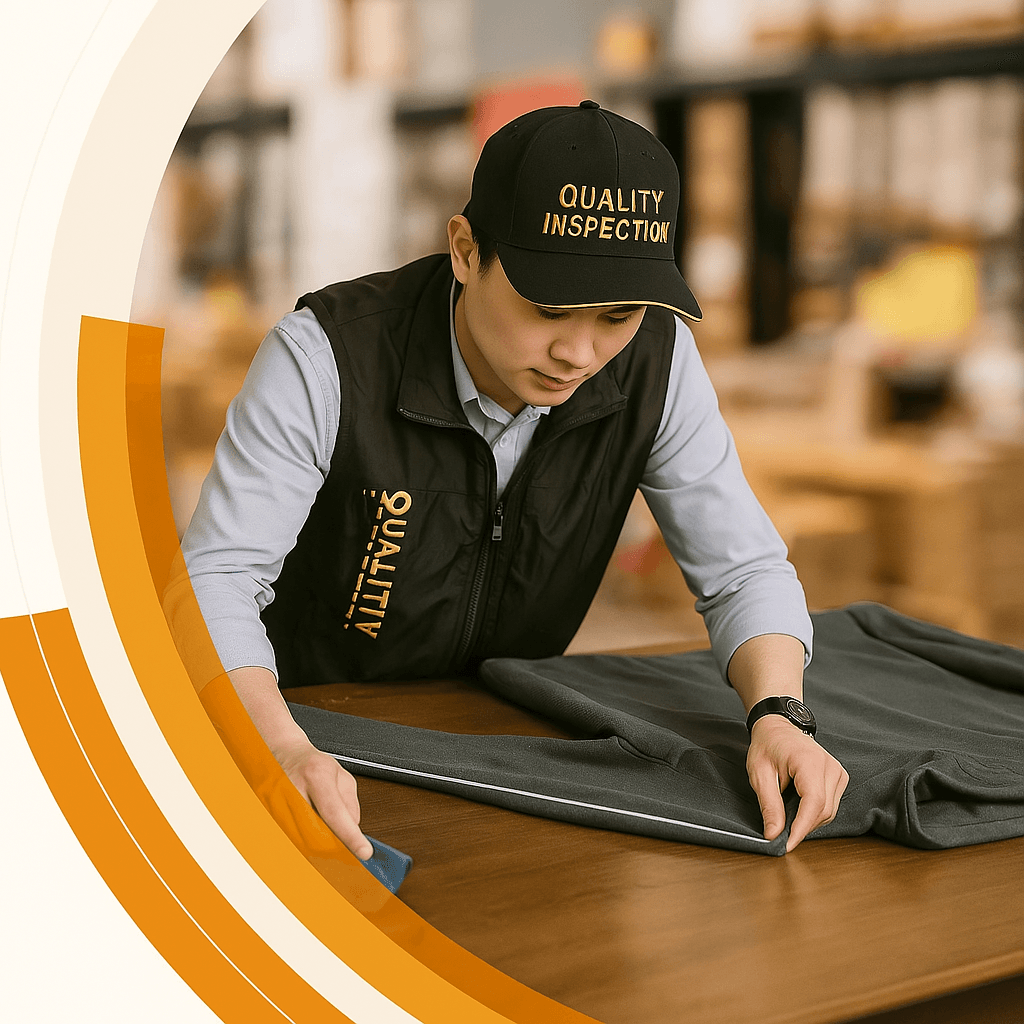
Establishing an acceptable quality level (AQL) is crucial for the production of quality goods and services. It involves defining what constitutes acceptable quality while balancing various factors, including cost and customer expectations. By setting a clear AQL, organizations can streamline their processes and enhance overall efficiency.
Acceptable Quality Level Formula
The acceptable quality level formula is a mathematical representation that helps determine the threshold of defects allowed in a batch of products. It typically reflects the maximum percentage of defective items considered acceptable during inspections, aligning with the acceptance quality limit standards. For example, if a company decides on an AQL of 2%, they will accept no more than 2 defective items in every 100 produced, ensuring that their production of quality goods and services remains consistent.
To calculate the AQL, one can use the formula: \( AQL = \frac{D}{N} \times 100 \), where \( D \) represents the number of defective items and \( N \) is the total number inspected. This formula not only aids in maintaining product standards but also acts as a foundation for what is a quality check during third party inspection agencies' evaluations. By consistently applying this formula, businesses can uphold their commitment to delivering high-quality products.
Determining Standards for Production
Determining standards for production involves identifying specific criteria that products must meet to be deemed acceptable within the defined AQL framework. These standards are influenced by industry benchmarks, customer requirements, and regulatory guidelines that dictate what constitutes satisfactory performance in the production of quality goods and services. Failing to establish clear standards may lead to inconsistencies and dissatisfaction among customers.
Quality control tests list plays a significant role here; it outlines various assessments designed to measure adherence to these established standards effectively. By utilizing these tests throughout different stages of production, companies can identify potential issues early on, thus preventing costly recalls or reputation damage later down the line. This proactive approach not only enhances product reliability but also fosters trust with consumers who expect nothing less than excellence.
Balancing Cost and Quality
Balancing cost and quality is often seen as walking a tightrope; too much emphasis on cutting costs can compromise product integrity while excessive focus on high-quality materials may inflate expenses beyond reasonable limits. In today's competitive market landscape, businesses must strike this balance carefully to ensure profitability without sacrificing their commitment to producing quality goods and services. The challenge lies in creating efficient processes that maintain high-quality outputs at manageable costs.
One effective strategy involves leveraging third party inspection agencies to provide unbiased evaluations during production runs; these agencies help ensure compliance with established standards without requiring extensive internal resources or increasing overhead costs significantly. Additionally, regular reviews of acceptance quality limits alongside ongoing market analysis allow companies to adjust their strategies dynamically based on consumer feedback or emerging trends in manufacturing practices. Ultimately, finding this equilibrium fosters sustainable growth while reinforcing brand loyalty through consistent delivery of high-quality products.
The Role of Third Party Inspection
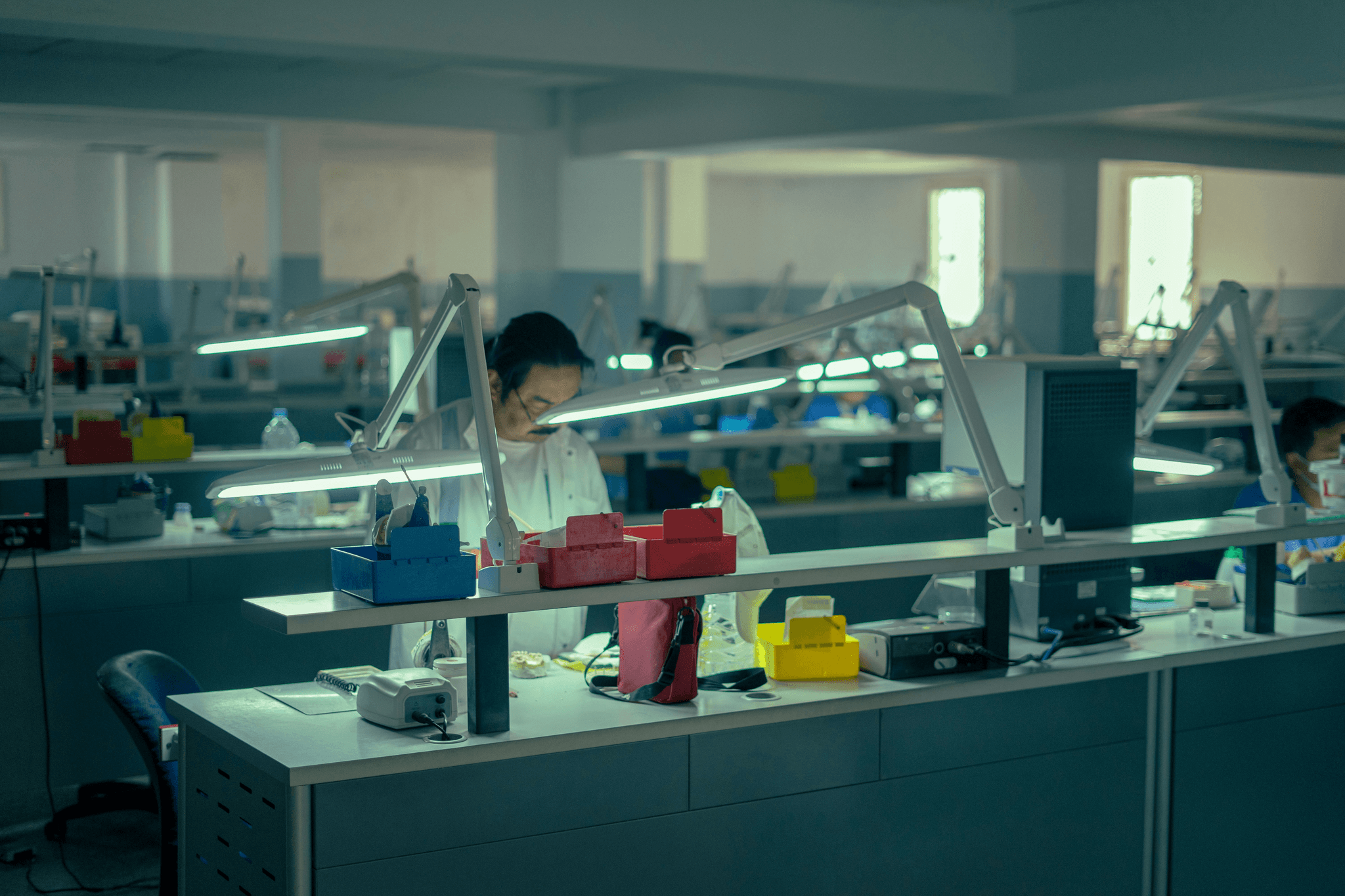
In the ever-evolving landscape of manufacturing and service delivery, ensuring the production of quality goods and services is paramount. This is where third party inspection agencies step in, acting as impartial overseers to verify that standards are met throughout the production process. By employing these agencies, businesses can gain confidence that their products align with both industry regulations and customer expectations.
Why Use Third Party Inspection Agencies
Third party inspection agencies provide an objective perspective on the quality control processes employed by manufacturers. They perform what is a quality check through rigorous assessments, ensuring adherence to defined standards and specifications. This independent verification helps mitigate risks associated with subpar products, ultimately safeguarding a company's reputation in the market.
Moreover, utilizing third party inspection agencies allows companies to focus on their core competencies while experts handle quality assurance tasks. This not only streamlines operations but also ensures that resources are allocated efficiently without compromising on the production of quality goods and services. In an age where consumer trust hinges on product reliability, having an external agency validate your processes can be a game changer.
Benefits of External Quality Assessments
Engaging third party inspection agencies offers numerous benefits that extend beyond simple compliance checks. One significant advantage is gaining access to a comprehensive quality control tests list tailored to specific industry needs. These assessments often include evaluations against established acceptance quality limits (AQL), which serve as benchmarks for acceptable defect rates in production batches.
Additionally, external assessments provide valuable insights into potential areas for improvement within manufacturing processes. By identifying weaknesses early on, companies can implement corrective actions before issues escalate into costly recalls or reputational damage. Ultimately, this proactive approach fosters a culture of continuous improvement focused on achieving higher acceptable quality levels.
Furthermore, leveraging third party expertise means staying updated with industry trends and regulatory changes without dedicating internal resources exclusively for this purpose. This strategic partnership enables businesses to remain competitive while consistently delivering top-tier products and services in line with customer expectations.
China Inspection Pro: A Case Study
To illustrate the effectiveness of third party inspections in action, let’s consider China Inspection Pro—a leading agency specializing in quality assurance services across various industries including textiles and electronics. With a strong emphasis on maintaining high standards during production phases, they employ well-defined protocols based on acceptance quality limits (AQL) tailored specifically for each client’s needs.
Through rigorous inspections conducted at critical points during the production process, China Inspection Pro ensures compliance with both international standards and individual client specifications—providing peace of mind that products meet required criteria before they reach consumers' hands. Their comprehensive approach includes thorough documentation detailing what is a quality check along with actionable recommendations for enhancing overall product integrity.
The success stories from clients who have partnered with China Inspection Pro highlight significant reductions in defects and improved customer satisfaction ratings—demonstrating how effective external assessments can elevate the overall standard of production of quality goods and services across diverse sectors.
Implementing Quality Control Systems
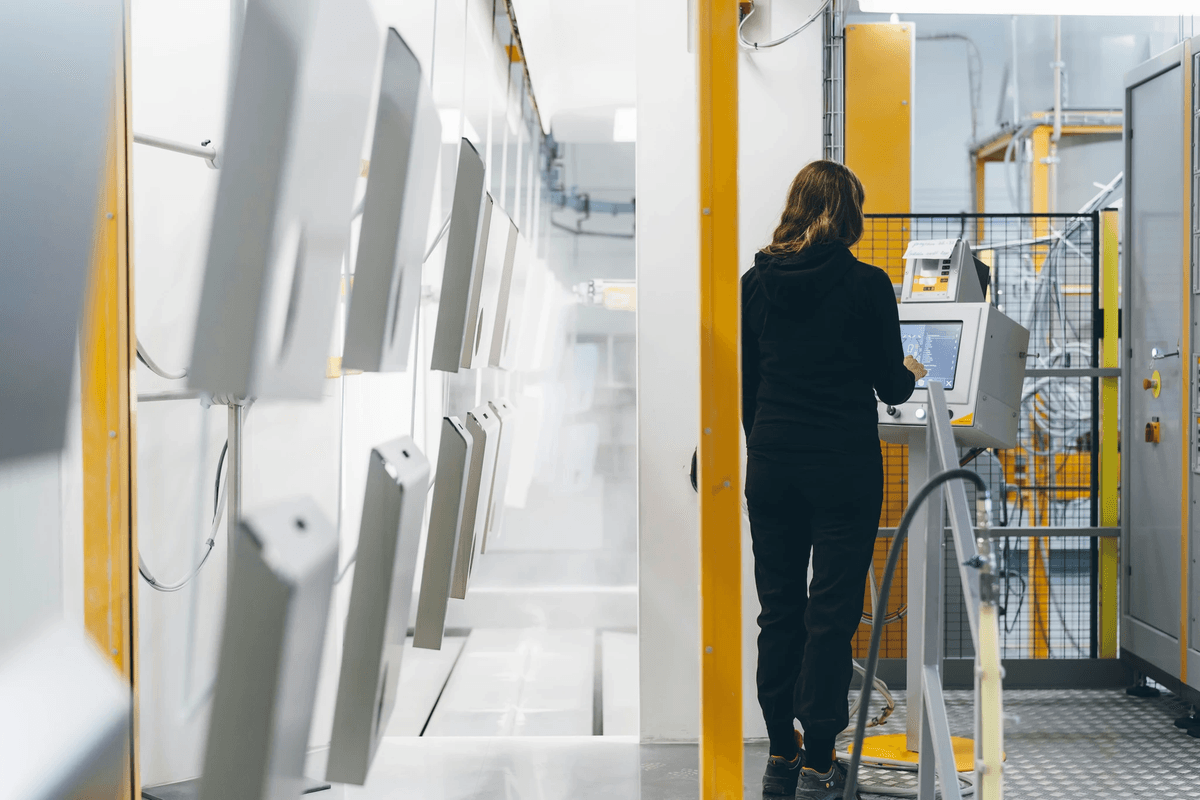
Implementing effective quality control systems is essential for the production of quality goods and services. These systems help organizations maintain high standards throughout their operations, ensuring that products meet customer expectations and regulatory requirements. By focusing on key elements like management processes, continuous improvement, and team training, companies can foster a culture of quality.
Establishing Quality Management Processes
Establishing robust quality management processes is the backbone of any successful production operation. This involves creating a structured approach to what is a quality check that encompasses all stages of production, from raw materials to finished goods. By integrating an acceptance quality limit into these processes, businesses can set measurable standards that guide their quality control tests list.
Incorporating third party inspection agencies into the process adds an additional layer of credibility and objectivity. These agencies provide unbiased assessments that ensure compliance with industry standards and customer specifications. Ultimately, well-defined management processes lead to improved efficiency and a consistent output of high-quality products.
Continuous Improvement Strategies
Continuous improvement strategies are vital for maintaining competitiveness in today’s fast-paced market environment. Organizations should regularly evaluate their current practices against the acceptable quality level formula to identify areas for enhancement. This iterative process not only helps in refining production methods but also aligns with evolving consumer demands for higher standards.
Employing tools such as Six Sigma or Lean methodologies can significantly boost efforts toward continuous improvement in the production of quality goods and services. These approaches encourage teams to analyze data meticulously and implement changes based on empirical evidence rather than guesswork or tradition. As a result, businesses not only enhance product quality but also optimize operational costs.
Moreover, fostering an organizational culture where feedback is welcomed creates opportunities for innovation and growth. Employees at all levels should feel empowered to suggest improvements based on their daily experiences in the field or on the factory floor. By embracing this mindset, companies can achieve sustainable success while consistently meeting or exceeding their acceptance quality limit.
Training Teams for Quality Awareness
Training teams for quality awareness is crucial in ensuring everyone understands their role in maintaining high standards during production operations. Comprehensive training programs should cover what is a quality check as well as specific techniques employed during inspections and testing phases outlined in the quality control tests list. When employees grasp these concepts fully, they become more engaged stakeholders in the quest for excellence.
Regular workshops and seminars led by industry experts can significantly enhance employee understanding of best practices related to third party inspection agencies' guidelines as well as internal protocols for maintaining product integrity. Additionally, encouraging cross-departmental collaboration fosters knowledge sharing about different aspects of production that affect overall quality outcomes.
Ultimately, investing time and resources into training cultivates a workforce committed to delivering top-notch products consistently while adhering to established acceptance quality limits throughout every phase of production activities.
Real-World Quality Challenges
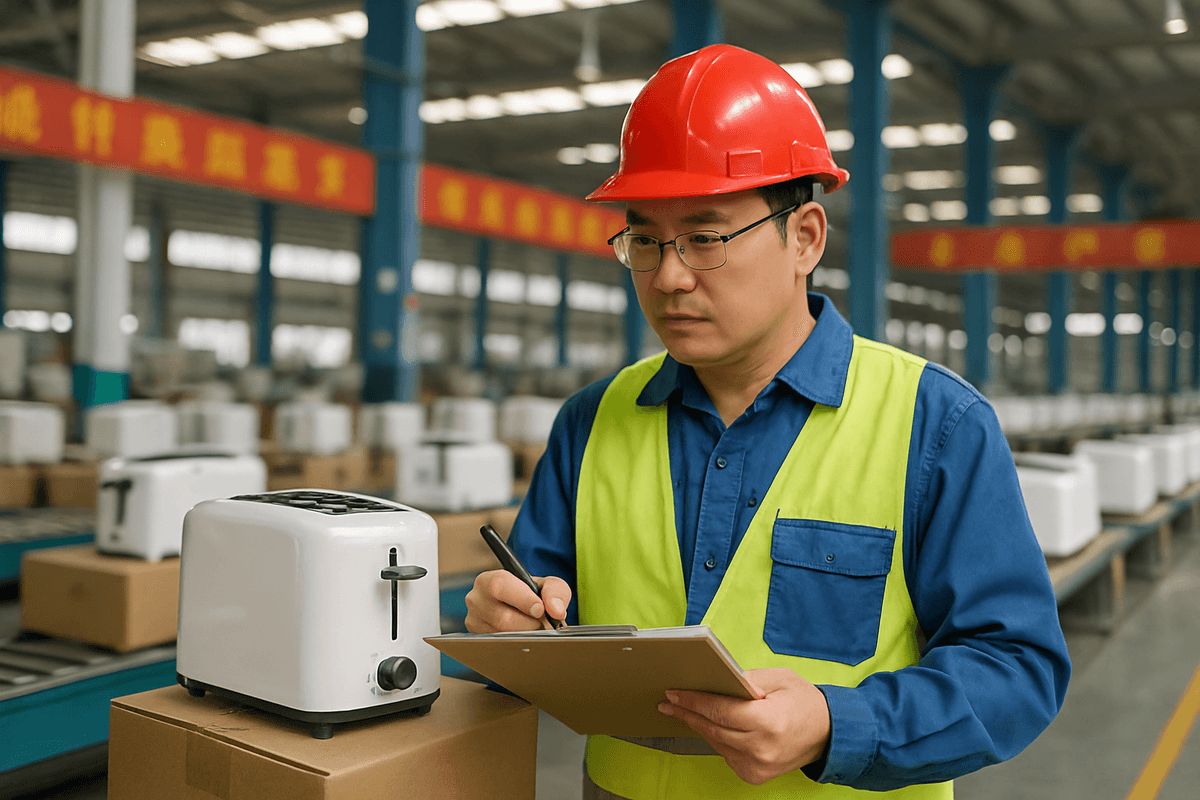
In the pursuit of producing quality goods and services, manufacturers often face various challenges that can hinder their efforts. These challenges can stem from inadequate processes, miscommunication, or a lack of understanding of quality standards. Recognizing and addressing these common pitfalls is essential for maintaining high-quality production.
Common Pitfalls in Production
One of the most prevalent pitfalls in the production of quality goods and services is neglecting the importance of thorough quality checks. Many companies overlook what is a quality check, leading to defects slipping through the cracks and impacting overall product integrity. Additionally, insufficient training on acceptance quality limits can result in teams failing to meet established benchmarks, ultimately compromising product excellence.
Another common issue arises when organizations do not utilize a comprehensive quality control tests list during their production processes. Without this critical tool, teams may miss vital testing phases that ensure products adhere to safety and performance standards. Furthermore, relying solely on internal inspections without engaging third party inspection agencies can lead to biased assessments and missed defects that could otherwise be caught by an external perspective.
Lastly, many businesses struggle with balancing cost and quality effectively. In an effort to reduce expenses, they might cut corners on raw materials or skip necessary inspections altogether. This shortsighted approach often results in increased long-term costs due to returns, repairs, or damaged reputations stemming from poor-quality goods.
Case Studies of Quality Failures
Several high-profile case studies illustrate the consequences of failing to prioritize quality during production processes. One notable example involves a major automotive manufacturer that faced massive recalls due to faulty components not identified through their internal checks or acceptance quality limit assessments. The fallout was significant—not only did it lead to financial losses but also eroded customer trust in their brand's commitment to producing reliable vehicles.
Another case highlights a consumer electronics company that disregarded its own established quality control tests list while rushing a new product launch. The result? A series of devices plagued by malfunctions shortly after release led to widespread consumer dissatisfaction and costly repairs under warranty claims. This situation serves as a cautionary tale for any organization contemplating cutting corners on what is a quality check.
Additionally, there are instances where companies failed because they did not engage third party inspection agencies for unbiased evaluations before launching products into markets rife with competition. By overlooking this crucial step in ensuring adherence to industry standards, they faced fierce backlash from consumers who expected better from reputable brands committed to delivering top-notch products.
Lessons Learned from Industry Leaders
Industry leaders have learned valuable lessons about maintaining high standards throughout the production process—lessons that can benefit other organizations striving for excellence in producing quality goods and services. One key takeaway is the importance of establishing robust protocols around acceptable quality level formulas tailored specifically for each type of product being manufactured; this ensures consistency across all stages of production while minimizing errors.
Moreover, successful companies prioritize continuous improvement strategies by regularly revisiting their existing practices regarding what is a quality check within their operations framework—this adaptability allows them not only to identify areas needing enhancement but also empowers them with insights gained from past mistakes made by others within their field.
Finally, embracing collaboration with third party inspection agencies has proven essential for many industry giants looking for impartial evaluations during critical phases such as pre-production reviews or final inspections prior shipment delivery timelines; leveraging these external resources helps maintain objectivity while fostering accountability among teams responsible for ensuring product integrity at every level—from design conception through final assembly line checks before reaching consumers' hands.
Conclusion
In the ever-evolving landscape of production, ensuring quality is not merely an option; it's a necessity. The production of quality goods and services hinges on effective strategies that encompass everything from rigorous quality checks to the implementation of third-party inspection agencies. By adopting a holistic approach to quality management, businesses can not only meet but exceed customer expectations.
Strategies for Quality Excellence
To achieve excellence in the production of quality goods and services, organizations must first establish clear standards based on the acceptable quality level formula. This involves defining what constitutes a pass or fail through a robust acceptance quality limit that guides every stage of production. Additionally, incorporating a comprehensive quality control tests list ensures that every product undergoes stringent assessments before reaching consumers, minimizing risks associated with subpar outputs.
Moreover, fostering a culture of continuous improvement is essential for maintaining high standards over time. Training teams on what is a quality check and how it relates to their roles can empower employees to take ownership of their contributions to overall product integrity. By promoting this mindset across all levels, businesses can create an environment where everyone is invested in delivering excellence.
The Future of Quality in Production
Looking ahead, the future of production will be heavily influenced by advancements in technology and data analytics. Companies are increasingly leveraging these tools to refine their processes and enhance the accuracy of their acceptance quality limits. As we see more integration between real-time monitoring systems and traditional methods, organizations will be better equipped to respond swiftly to any deviations from established quality standards.
Additionally, there's likely to be an increased reliance on third-party inspection agencies as businesses seek unbiased assessments that bolster consumer trust. These external evaluations not only provide transparency but also offer insights into areas needing improvement within existing frameworks for producing high-quality goods and services. Thus, embracing these partnerships will become integral in navigating future challenges while maintaining competitive advantage.
Embracing Technology for Quality Control
The role of technology in enhancing quality control cannot be overstated; it transforms how we approach inspections and testing methodologies today. Implementing automated systems for what is a quality check allows companies to conduct thorough evaluations without human error interfering with results—making it easier than ever to adhere to predetermined acceptance quality limits. Furthermore, utilizing AI-driven analytics can help identify patterns that inform adjustments needed in both processes and products.
As industries continue adapting to technological innovations, it's essential for organizations to remain agile by integrating new tools into their existing frameworks effectively. This means staying informed about emerging technologies while ensuring teams are trained adequately on how these advancements impact their roles within the larger context of producing high-quality goods and services. Ultimately, embracing technology will not only streamline operations but also elevate overall product integrity in an increasingly competitive marketplace.