
Introduction
In the world of manufacturing and construction, steel is a fundamental material that serves as the backbone for countless structures and products. However, the integrity of this material hinges on rigorous testing processes to ensure quality metal standards are met. This introduction delves into the critical aspects of steel quality check, highlighting its significance in various industries steel serves.
Understanding Steel Quality Testing
Steel quality testing is a systematic approach to evaluating the properties and performance characteristics of steel products. It encompasses a range of methods designed to detect flaws, measure strength, and ensure compliance with industry standards. By implementing robust testing protocols, a steel company can guarantee that their offerings meet or exceed expectations for quality steel.
The Importance of Quality in Steel
Quality in steel is paramount; it directly impacts structural safety, durability, and overall performance in practical applications. Industries that rely on high-quality materials—such as construction, automotive, and aerospace—understand that any compromise in steel quality can lead to catastrophic failures or costly repairs. Therefore, maintaining rigorous standards through effective testing ensures that only the best quality metal reaches consumers.
Overview of Modern Testing Methods
Modern testing methods have evolved significantly over the years, integrating advanced technologies to enhance accuracy and efficiency in assessing steel quality. Techniques such as non-destructive testing (NDT) allow for thorough evaluations without compromising the material's integrity. Additionally, destructive testing remains essential for understanding how materials behave under stress—each method plays a vital role in ensuring that industries steel can trust delivers reliable performance.
Visual Inspection Techniques
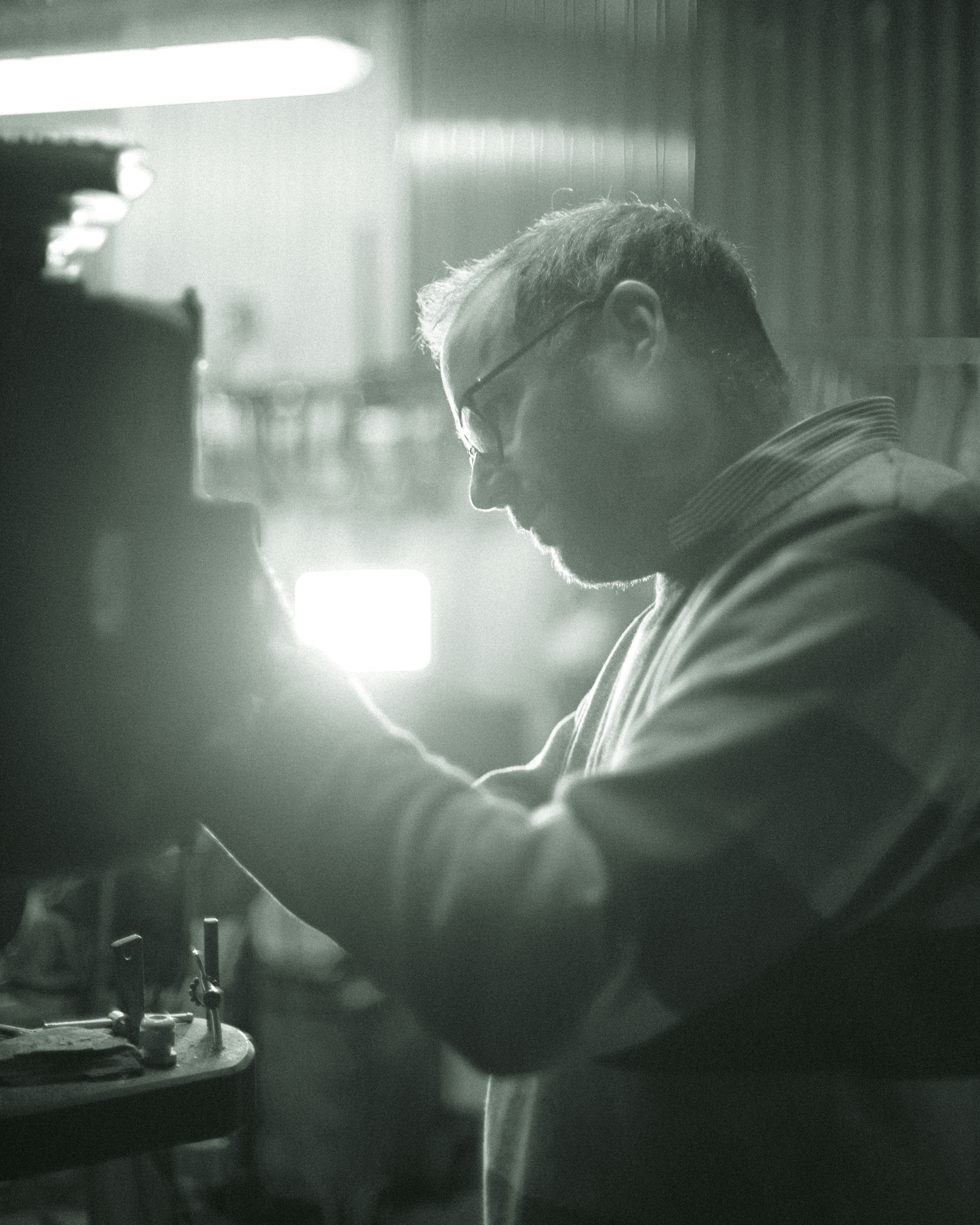
Visual inspection is a foundational element in the steel quality check process, serving as the first line of defense against defects. It allows inspectors to quickly evaluate the integrity of steel products before they undergo more rigorous testing methods. By employing trained personnel who can spot potential issues, steel companies can ensure that only high-quality metal moves through their production lines.
Role of Visual Inspections in Steel Quality
The role of visual inspections in maintaining steel quality cannot be overstated. These inspections help identify surface defects such as cracks, corrosion, or improper welds that may compromise the strength and durability of the final product. In industries where safety is paramount, a thorough visual assessment acts as a critical safeguard against potential failures that could lead to catastrophic results.
Common Indicators of Flaws
Several common indicators signal flaws during visual inspections that every quality metal inspector should be aware of. Look for signs like uneven surfaces, discoloration, or signs of rust; these are telltale markers that something might be amiss with the steel's composition or treatment process. Additionally, irregularities at weld joints can indicate inadequate bonding—an essential aspect for industries steel companies must monitor closely to maintain structural integrity.
Benefits for Steel Companies
Implementing robust visual inspection techniques provides numerous benefits for steel companies aiming to uphold stringent quality standards. First and foremost, early detection of flaws reduces waste and rework costs significantly by catching issues before they escalate into major problems down the line. Furthermore, consistent visual checks enhance customer trust; when clients know their suppliers prioritize a thorough steel quality check, they are more likely to return for future business.
Non-Destructive Testing Methods
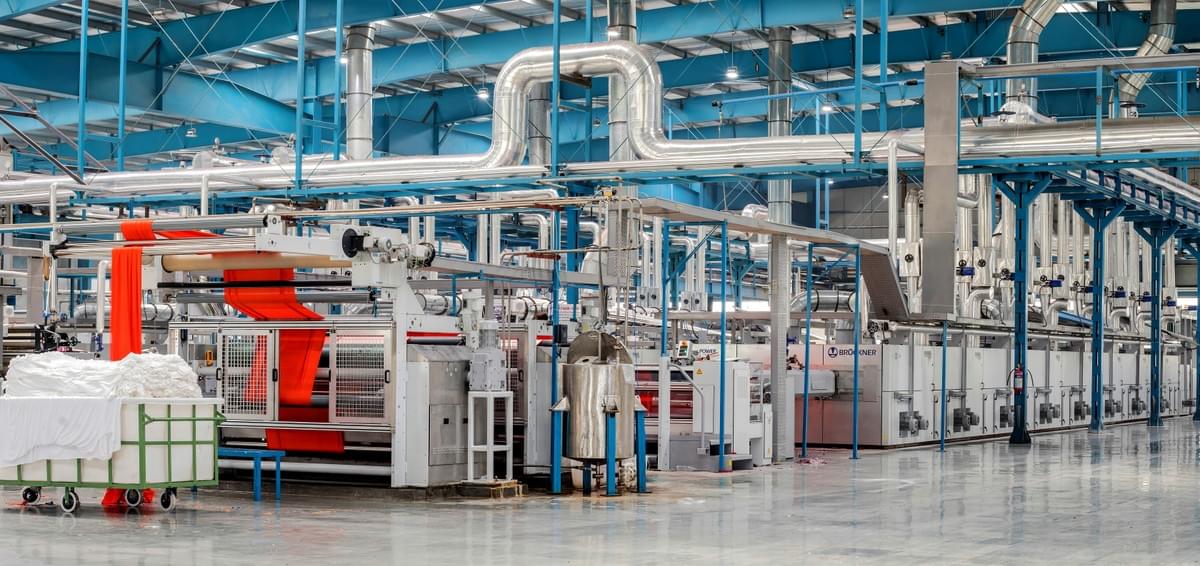
In the realm of steel quality assessment, non-destructive testing (NDT) stands out as a vital approach that ensures the integrity of materials without causing any damage. This method allows for thorough inspections while maintaining the usability of the steel, making it an invaluable tool for any steel company committed to delivering quality metal products. By utilizing NDT techniques, industries steel can confidently verify that their materials meet stringent standards and specifications.
What is Non-Destructive Testing?
Non-destructive testing refers to a range of evaluation methods used to assess the properties and integrity of materials without altering their physical state or functionality. This approach is particularly crucial in sectors where safety and reliability are paramount, such as construction and manufacturing within various industries steel. By employing NDT techniques, companies can perform a comprehensive steel quality check that identifies flaws or weaknesses before they become problematic.
The beauty of non-destructive testing lies in its ability to uncover hidden issues while preserving the material's structure. From detecting surface cracks to assessing internal defects, NDT provides a wealth of information critical for ensuring quality steel production. As industries continue to prioritize safety and efficiency, NDT has become an essential part of modern quality assurance processes.
Key Techniques: Ultrasonic and Radiographic Testing
Among the various non-destructive testing methods available, ultrasonic testing (UT) and radiographic testing (RT) are two key techniques widely utilized in assessing steel quality. Ultrasonic testing employs high-frequency sound waves to detect internal flaws within metal structures, making it particularly effective for identifying issues like inclusions or voids that may compromise strength. On the other hand, radiographic testing uses X-rays or gamma rays to create images revealing structural integrity by highlighting discrepancies within the material.
Both techniques offer distinct advantages when it comes to conducting thorough evaluations during a steel quality check. While UT is known for its precision in locating subsurface defects with minimal equipment requirements, RT provides detailed images that can be invaluable for visualizing complex structures within large components common in various industries steel applications. Together, these methods form a robust toolkit for any quality-focused steel company aiming to uphold rigorous standards.
Applications in Quality Metal Assessment
The applications of non-destructive testing extend far beyond mere inspections; they play a crucial role in ensuring compliance with industry regulations and enhancing overall product reliability. In sectors such as aerospace, automotive, and construction—where high-quality metal is paramount—NDT serves as an essential component in maintaining rigorous safety standards throughout production processes. By integrating these techniques into their workflows, companies can effectively minimize risk while maximizing customer confidence in their products.
Moreover, utilizing non-destructive methods helps streamline operations by reducing downtime associated with destructive tests while still providing accurate assessments necessary for informed decision-making about material use and performance expectations. As industries strive towards innovation and efficiency alongside safety considerations, embracing advanced NDT technologies becomes increasingly important for ensuring consistent quality metal outputs across all levels of production.
In conclusion, non-destructive testing represents an indispensable aspect of modern steel quality assurance practices that not only enhances product integrity but also supports compliance with industry standards vital for success across multiple sectors reliant on high-quality materials.
Destructive Testing and Its Relevance
Destructive testing is a crucial component in the steel quality check process, providing insights that non-destructive methods simply can't offer. This approach involves subjecting samples of steel to extreme conditions until they fail, allowing engineers to measure their strength, ductility, and toughness. While it may seem counterintuitive to destroy a sample to assess quality metal, the data gathered is invaluable for ensuring that the final product meets stringent industry standards.
Overview of Destructive Testing Procedures
Destructive testing procedures typically include tensile tests, impact tests, and fatigue tests among others. In a tensile test, a steel sample is pulled apart until it fractures; this helps determine its yield strength and ultimate tensile strength. Impact tests evaluate how materials behave under sudden forces, while fatigue tests assess how repeated stress affects the integrity of quality steel over time.
How This Method Ensures Quality Steel
By utilizing destructive testing methods, steel companies can guarantee that their products will withstand real-world applications without failure. The data obtained from these rigorous assessments not only verifies compliance with safety standards but also fosters trust among clients who demand high-quality metal for critical applications. Ultimately, this method plays an essential role in minimizing risks associated with structural failures in various industries.
Industries Steel Uses for Accurate Strength Testing
Many industries rely on accurate strength testing through destructive methods to ensure their projects are safe and effective. For instance, construction companies require quality steel that can support heavy loads without risk of collapse; thus they depend on thorough evaluations before using any material in their structures. Similarly, automotive manufacturers need reliable components that can endure harsh conditions; therefore they turn to these rigorous testing procedures as part of their quality assurance protocols.
Advanced Technological Methods

In the rapidly evolving landscape of steel production, advancements in technology are reshaping how companies conduct their steel quality checks. Innovations such as automated systems, real-time monitoring tools, and advanced sensors are enhancing the precision and efficiency of quality assessments. These technological breakthroughs not only streamline processes but also significantly improve the overall quality of metal produced.
Innovations in Steel Quality Check
The latest innovations in steel quality checks include sophisticated imaging techniques that can detect minute defects invisible to the naked eye. For instance, laser scanning and 3D imaging allow for comprehensive inspections that reveal inconsistencies in steel composition and structure. This level of detail ensures that industries steel can maintain high standards for quality metal products while minimizing waste and rework.
Moreover, portable testing devices have emerged as game-changers for on-site evaluations, enabling quick assessments without compromising accuracy. These innovations empower steel companies to conduct thorough inspections at various stages of production, from raw materials to finished products. By integrating these cutting-edge technologies into their operations, companies can enhance their reputation for delivering quality steel.
Role of Artificial Intelligence in Testing
Artificial intelligence (AI) is making waves in the realm of steel quality checks by analyzing vast amounts of data much faster than human inspectors ever could. AI algorithms can identify patterns and anomalies that might indicate potential flaws or weaknesses in the material before they become critical issues. This proactive approach not only saves time but also reduces costs associated with defective products reaching customers.
Additionally, machine learning models continuously improve their accuracy by learning from past inspection data, making them invaluable assets for industries steel looking to enhance their quality assurance processes. By implementing AI-driven solutions, steel companies can achieve unprecedented levels of consistency and reliability in their product offerings—qualities essential for standing out in a competitive market focused on delivering top-notch quality metal.
Impact of Automation on Quality Assurance
Automation plays a pivotal role in revolutionizing how steel companies manage their quality assurance practices by minimizing human error and increasing throughput rates during inspections. Automated systems equipped with sensors can perform continuous monitoring throughout production lines, ensuring any deviations from established standards are promptly addressed. This level of vigilance guarantees that only high-quality materials make it through to final processing stages.
Furthermore, automation allows for better traceability across the supply chain; each batch can be tracked meticulously from production through delivery to customers—a significant advantage when maintaining compliance with industry standards is crucial for success among industries steel stakeholders. As automation becomes more prevalent within the sector, it will undoubtedly lead to enhanced confidence among clients regarding the integrity and reliability of the products they receive.
Certification and Standards in Steel Quality
In the world of steel production, certification and adherence to industry standards are paramount for ensuring quality metal. Compliance not only guarantees that products meet specific criteria but also fosters trust between steel companies and their clients. As industries steel evolve, maintaining high-quality standards becomes crucial for competitiveness and reliability.
Importance of Compliance with Industry Standards
Compliance with industry standards is essential for any steel company aiming to provide quality steel that meets customer expectations. These standards serve as benchmarks for performance, safety, and durability, ensuring that the products can withstand rigorous applications across various sectors. Moreover, adherence to these standards promotes confidence among consumers, who rely on consistent quality metal to fulfill their needs.
Key Certifications for Steel Companies
Several key certifications play a vital role in establishing a steel company's credibility in the market. Notable certifications include ISO 9001 for quality management systems, ASTM International standards for material specifications, and EN 10025 for structural steels. Achieving these certifications not only enhances a company's reputation but also signifies a commitment to continuous improvement in their steel quality check processes.
How Standards Influence Quality Metal Production
Standards significantly influence the production of quality metal by providing guidelines that manufacturers must follow throughout the production process. By adhering to these guidelines, industries steel can ensure uniformity and reliability in their products while minimizing defects and enhancing performance characteristics. Ultimately, compliance with established standards leads to higher customer satisfaction and fosters long-term relationships between clients and suppliers.
Conclusion

In the dynamic world of manufacturing, ensuring quality steel is non-negotiable. The techniques we've explored—from visual inspections to advanced technological methods—are all crucial components of a comprehensive steel quality check. Each method plays a vital role in guaranteeing that the materials used in various industries meet stringent standards for safety and performance.
Summary of Steel Testing Techniques
Throughout this discussion, we highlighted several key testing techniques that are essential for maintaining high standards in steel production. Visual inspections provide immediate insights into potential flaws, while non-destructive testing methods like ultrasonic and radiographic testing offer deeper evaluations without compromising the integrity of the material. Destructive testing remains relevant for accurate strength assessments, especially in industries steel serves, ensuring that only quality metal reaches end-users.
The Future of Steel Quality Assurance
Looking ahead, advancements in technology will undoubtedly reshape how we approach steel quality checks. Innovations such as artificial intelligence and automation are set to enhance precision and efficiency in testing processes, reducing human error and increasing throughput. As these technologies evolve, they will help companies not only meet but exceed current industry standards for quality steel production.
Choosing the Right Steel Company for Quality Products
When it comes to selecting a steel company, understanding their commitment to rigorous quality assurance practices is paramount. A reputable company will prioritize comprehensive testing methods across all stages of production to ensure their products consistently meet high-quality benchmarks. Ultimately, investing time in research about their certifications and adherence to industry standards can lead you to a supplier that guarantees top-notch quality metal tailored to your specific needs.