
Introduction
In the fast-paced world of shipping, understanding QC Inspection Results is crucial for maintaining product integrity and customer satisfaction. These results serve as a snapshot of quality, revealing whether products meet specified standards before they hit the market. However, many stakeholders remain unclear about what information is used to arrive at a QC inspection result and how to effectively interpret these findings.
Understanding QC Inspection Results
QC Inspection Results provide essential insights into product quality, helping businesses make informed decisions about their shipments. By analyzing various metrics and methodologies employed during inspections, companies can identify potential issues early on. This understanding not only enhances operational efficiency but also fosters trust between suppliers and customers.
Importance of QC Inspection in Shipping
The importance of QC inspection in shipping cannot be overstated; it acts as a safety net that ensures only quality products reach consumers. A well-executed inspection process minimizes the risk of returns and enhances the overall supply chain efficiency by streamlining operations. By prioritizing QC inspections, businesses can significantly boost their reputation and customer loyalty.
Common Misconceptions About QC Inspections
Despite their significance, there are several common misconceptions about QC inspections that can lead to misunderstandings among stakeholders. Many believe that passing an inspection guarantees perfect quality, while others think inspections are merely bureaucratic hurdles with little value added. In reality, knowing how to use product inspection reports to your benefit can unlock valuable insights for continuous improvement and better supplier relations.
The Role of QC Inspections

Quality Control (QC) inspections play a pivotal role in ensuring that products shipped meet the required standards and specifications. They serve as a critical checkpoint in the supply chain, where potential issues can be identified and rectified before reaching customers. By understanding the significance of QC inspection results, businesses can enhance their operational efficiency and customer satisfaction.
Ensuring Quality Assurance in Shipments
Ensuring quality assurance in shipments begins with thorough QC inspections that examine product specifications against established benchmarks. The information used to arrive at a QC inspection result often includes visual checks, measurements, and performance tests, all aimed at verifying product integrity. By implementing robust inspection protocols, companies can significantly reduce the risk of defective items entering the market.
Moreover, effective quality assurance not only protects consumers but also safeguards a company’s reputation. Customers expect consistency and reliability; therefore, when they receive high-quality products consistently, their trust deepens. This trust translates into repeat purchases and positive word-of-mouth recommendations—essential elements for any successful business.
Impact on Supply Chain Efficiency
The impact of QC inspections on supply chain efficiency cannot be overstated; they streamline processes by identifying issues early in production or shipping phases. When teams know what information is used to arrive at a QC inspection result, they can make informed decisions about inventory management and resource allocation. This proactive approach minimizes delays caused by returns or replacements due to quality failures.
Furthermore, timely inspections ensure that goods are shipped on schedule without compromising quality standards. By reducing bottlenecks related to defective products or non-compliance with regulations, companies can enhance overall productivity within their supply chains. Ultimately, this leads to lower operational costs and improved profit margins.
Relationship between QC Inspections and Customer Satisfaction
There is an undeniable relationship between QC inspections and customer satisfaction; high-quality products foster loyalty among consumers who value reliability over anything else. Understanding how to interpret your product inspection results enables businesses to pinpoint areas needing improvement while celebrating successes that resonate with customers' expectations. When customers receive what they ordered—without defects—the likelihood of repeat business increases substantially.
Additionally, leveraging insights from product inspection reports allows companies to refine their offerings continuously based on real-time feedback from inspectors’ evaluations. These actionable insights are invaluable for maintaining competitive advantages in crowded markets where customer loyalty is hard-won yet easily lost due to lapses in quality control practices. Thus, consistent attention to QC inspections not only enhances product integrity but also fortifies relationships with customers over time.
What Information is Used for QC Inspection Results
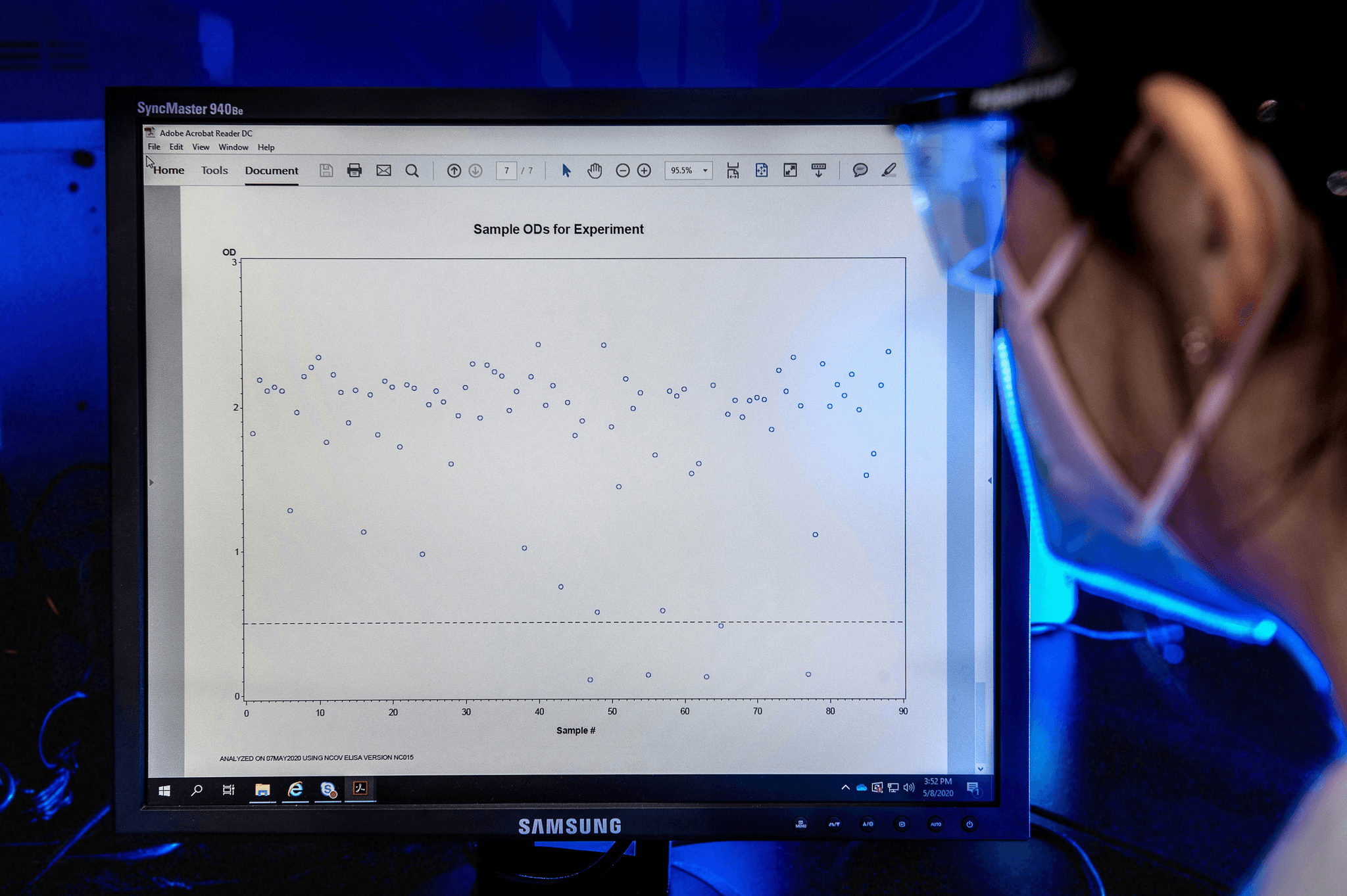
When it comes to QC Inspection Results, understanding the information that informs these findings is crucial. Various data points and metrics are analyzed to ensure that products meet quality standards before they reach customers. This section delves into the key metrics, methods employed by inspectors, and data analysis techniques that contribute to reliable QC inspection outcomes.
Key Metrics Assessing Product Quality
Key metrics assessing product quality play a pivotal role in determining the reliability of QC Inspection Results. Commonly used metrics include defect rates, compliance with specifications, and overall product performance indicators. By quantifying these elements, inspectors can provide a comprehensive overview of what information is used to arrive at a QC inspection result.
For example, a low defect rate indicates high-quality production processes, while adherence to specifications assures customers that their needs are met. These metrics not only help in evaluating current shipments but also serve as benchmarks for future improvements. Understanding these key indicators allows stakeholders to interpret their product inspection results more effectively.
Methods Employed by Inspectors
Inspectors utilize various methods to gather information necessary for generating accurate QC Inspection Results. Common techniques include visual inspections, sampling methodologies, and functional testing of products. Each method provides unique insights into different aspects of product quality and helps answer the question: What information is used to arrive at a QC inspection result?
For instance, visual inspections focus on identifying visible defects or inconsistencies in products while sampling methodologies allow inspectors to evaluate larger batches without examining every single item. Functional testing ensures that products perform as expected under specified conditions. By employing diverse methods, inspectors can create a well-rounded picture of quality assurance.
Data Analysis Techniques in Quality Control
Data analysis techniques are essential for interpreting the vast amount of information collected during inspections and turning it into actionable insights regarding QC Inspection Results. Techniques such as statistical process control (SPC), root cause analysis (RCA), and trend analysis help identify patterns or recurring issues within production processes. These analyses provide clarity on how to interpret your product inspection results effectively.
By utilizing SPC, companies can monitor processes over time and make adjustments based on real-time data rather than guesswork or assumptions. RCA digs deeper into problems when defects arise, helping teams understand their origins and implement corrective actions accordingly. Ultimately, leveraging data analysis techniques empowers organizations not just to react but also proactively improve their practices based on solid evidence from inspection reports.
How to Interpret Your Product Inspection Results
Understanding how to interpret your product inspection results is crucial for making informed decisions that can elevate your business. QC Inspection Results provide insights into the quality of products before they reach customers, ensuring that only the best make it through. By knowing how to read these reports, you can turn potential pitfalls into opportunities for improvement.
Reading Between the Lines of Reports
When you receive QC Inspection Results, it’s essential to look beyond just the numbers and checkmarks. Inspectors often include qualitative observations alongside quantitative data, which can reveal underlying issues not immediately apparent in the metrics alone. For instance, a report may show that a product meets dimensional specifications but could also highlight aesthetic flaws or packaging concerns that might affect customer perception.
Additionally, pay attention to any comments or notes from inspectors; these are often gold mines of information about what was observed during the inspection process. If a report indicates minor defects, it’s worth digging deeper—what constitutes a minor defect? Understanding this context helps you gauge whether it's something easily fixable or a more significant concern requiring immediate action.
Ultimately, interpreting these reports effectively means balancing hard data with qualitative insights to get a holistic view of your product's readiness for market launch.
Common Terminology Explained
Navigating QC Inspection Results can sometimes feel like deciphering a foreign language filled with jargon and acronyms. Terms like AQL (Acceptable Quality Level) and defect rate are common but understanding them is key to grasping what information is used to arrive at a QC inspection result. AQL refers to the maximum number of defective items considered acceptable in a sample batch, while defect rate gives you an idea of how many products failed quality checks compared to those inspected.
Moreover, you'll encounter phrases like “critical defects,” “major defects,” and “minor defects.” Each category has specific implications: critical defects may render an item unsafe; major defects might affect functionality; while minor defects are usually cosmetic issues that don’t impact usability significantly. Familiarizing yourself with this terminology not only aids in interpreting your product inspection results but also empowers you during discussions with suppliers and stakeholders.
By breaking down these terms into clear definitions, you'll be better prepared to leverage the insights gained from inspection reports effectively.
Actionable Insights from Inspection Findings
Once you've interpreted your product inspection results and understood their terminology, it’s time to extract actionable insights that can drive improvements in your processes and products. Start by identifying recurring issues highlighted in multiple reports; if certain defects keep popping up across different batches or suppliers, it might signal deeper systemic problems needing resolution at their source.
Next, use these findings as leverage when negotiating with suppliers about improving quality standards or renegotiating contracts based on performance metrics derived from QC inspections. When you present hard evidence from inspection reports showing consistent quality issues on their end, you're more likely to secure favorable terms for future shipments or even demand corrective actions.
Finally, consider implementing continuous improvement strategies based on trends observed in your QC Inspection Results over time—this proactive approach not only enhances product quality but also strengthens relationships with customers who appreciate transparency and reliability in their supply chain partners.
How to Use Product Inspection Reports to Your Benefit

Product inspection reports are not just bureaucratic paperwork; they can be powerful tools for enhancing your business operations. Understanding how to use these reports effectively can lead to better negotiations, continuous improvements, and stronger relationships with suppliers. By leveraging the insights from QC Inspection Results, you can turn potential challenges into opportunities for growth.
Leveraging Reports for Better Negotiations
When it comes to negotiating with suppliers or buyers, having solid data from your QC inspection results gives you a significant edge. These reports provide concrete evidence of product quality issues or compliance that can be used as leverage in discussions about pricing, delivery terms, or even future orders. By presenting factual findings from the inspections—such as defect rates or compliance failures—you position yourself as a knowledgeable partner who values quality over mere cost-cutting.
Moreover, understanding what information is used to arrive at a QC inspection result allows you to pinpoint specific areas where negotiations can be strengthened. For instance, if an inspection report highlights consistent issues in a certain product line, it opens up conversations about improving manufacturing processes or renegotiating terms based on those findings. In short, using QC inspection results strategically not only enhances your negotiation power but also fosters trust and transparency between parties.
Using Findings for Continuous Improvement
Continuous improvement is key in today’s fast-paced market environment, and product inspection reports serve as invaluable resources in this journey. The insights gleaned from these reports help identify recurring issues that may require immediate attention or long-term solutions. By analyzing trends within the QC Inspection Results over time—such as frequent defects during specific production runs—you can implement targeted strategies that enhance overall quality and efficiency.
Incorporating feedback from these inspections into your operational practices ensures that you’re not just reacting to problems but proactively preventing them in the future. This might involve retraining staff on quality standards or investing in better materials based on what the data reveals about product performance. Ultimately, using findings from your inspections fosters a culture of continuous improvement that benefits both your bottom line and customer satisfaction.
Enhancing Supplier Relations Through Insights
Strong supplier relationships are vital for any successful business operation, and utilizing product inspection reports effectively can significantly enhance these connections. When you share relevant insights derived from QC Inspection Results with your suppliers—be it through collaborative meetings or formal presentations—it demonstrates commitment to mutual success rather than just transactional interactions. Suppliers appreciate partners who engage constructively with feedback rather than merely pointing out faults.
Additionally, understanding how to interpret your product inspection results enables more meaningful discussions about quality control measures moving forward. If an issue arises during inspections but is addressed collaboratively with suppliers based on factual data and actionable insights, it builds credibility and trust over time. This partnership approach encourages suppliers to prioritize quality improvements which ultimately leads to better products for everyone involved.
Real-World Examples of QC Inspection Outcomes
In the world of shipping and logistics, real-world examples often provide the most compelling evidence of the value of QC inspection results. These case studies illustrate not just successes, but also challenges that have led to significant learning opportunities. By examining these outcomes, we can gain insights into what information is used to arrive at a QC inspection result and how to interpret your product inspection results effectively.
Successful Case Studies from China Inspection Pro
One standout case involved a major electronics manufacturer that engaged China Inspection Pro for routine QC inspections before shipping their products overseas. The thorough assessments revealed minor defects in a batch of smartphones that could have resulted in costly recalls had they gone unnoticed. Thanks to the detailed reports, which highlighted key metrics assessing product quality, the company was able to rectify issues before shipment, leading to increased customer satisfaction and reduced return rates.
Another success story came from a furniture manufacturer who utilized QC inspections to ensure compliance with safety standards. The inspections uncovered discrepancies in material quality that could have jeopardized user safety. By leveraging these findings—especially how to use product inspection reports to your benefit—the company made necessary adjustments and ultimately enhanced its reputation in the market.
Lessons Learned from QC Failures
Not all stories are success tales; some serve as cautionary lessons about the importance of effective QC inspections. One notable failure occurred when a popular toy brand skipped thorough inspections due to tight deadlines, resulting in a massive recall after several complaints about safety hazards emerged post-shipment. This situation highlights what information is used to arrive at a QC inspection result: without rigorous checks, companies risk damaging their brand's integrity and customer trust.
In another instance, an apparel company faced backlash after delivering defective clothing items because they overlooked critical metrics during their quality assessments. The fallout from this incident taught them invaluable lessons on how to interpret your product inspection results correctly—specifically understanding that even minor flaws can lead to significant consumer dissatisfaction.
Transformative Changes Implemented Due to Inspections
The impact of effective QC inspections can be transformative for businesses willing to act on their findings. For example, one food distributor implemented stricter guidelines based on previous inspection outcomes that revealed inconsistencies in packaging integrity and labeling accuracy. This proactive approach not only improved compliance with regulations but also enhanced overall shipment integrity through better quality control measures.
Another company revamped its supplier relationships following insights gained from multiple QC reports showing recurring issues with certain vendors' products. By addressing these problems head-on and negotiating improvements based on solid data—essentially knowing how to use product inspection reports—they were able to foster stronger partnerships while ensuring higher standards across their supply chain.
In summary, whether through successful case studies or critical lessons learned from failures, real-world examples underscore the undeniable significance of QC inspection results in driving continuous improvement within shipping operations.
Conclusion
As we wrap up our exploration of QC inspection results, it's crucial to recognize their true value in the shipping industry. These results are not just numbers or reports; they are insights that drive decisions and enhance product quality. Understanding what information is used to arrive at a QC inspection result helps businesses identify areas for improvement and fosters a culture of accountability.
The True Value of QC Inspection Results
QC inspection results serve as a vital feedback mechanism, offering an objective assessment of product quality before it reaches customers. By analyzing these results, companies can pinpoint defects and inefficiencies, ultimately saving time and money in the long run. When businesses leverage these insights effectively, they can turn potential pitfalls into opportunities for growth.
Improving Shipment Integrity Through Quality Control
Quality control is the backbone of maintaining shipment integrity, ensuring that products meet the expected standards throughout the supply chain. By understanding how to interpret your product inspection results, companies can implement corrective actions promptly and effectively address any issues that arise during inspections. This proactive approach not only protects brand reputation but also enhances customer trust and satisfaction.
Future Trends in QC Inspections and Shipping
The landscape of QC inspections is evolving rapidly with advancements in technology and data analytics. Future trends indicate a shift towards more automated processes, utilizing AI-driven tools to analyze large datasets for quicker decision-making regarding QC inspection results. As businesses continue to embrace these innovations, knowing how to use product inspection reports to your benefit will be essential for staying competitive in an increasingly demanding market.