
Introduction
In today's fast-paced business landscape, the importance of quality management cannot be overstated. Inspections serve as a foundational element in ensuring that products and services meet established standards, ultimately leading to customer satisfaction and trust. Understanding inspections in quality management is crucial for any organization aiming to thrive in competitive markets.
Understanding Inspections in Quality Management
Inspections are systematic evaluations of products or processes aimed at identifying defects and ensuring compliance with specified standards. Various types of inspectors, including visual inspectors and quality assurance compliance specialists, play pivotal roles in this process. By employing diverse inspection methods such as the visual inspection procedure or testing of electronic components, businesses can effectively mitigate risks associated with product failures.
Importance of Quality Assurance in Business
Quality assurance is not just a checkbox on a compliance list; it's a vital aspect of business strategy that contributes to operational excellence. A robust quality assurance framework ensures that the production of quality goods and services aligns with both customer expectations and regulatory requirements. Companies that prioritize quality assurance are more likely to see improved efficiency, reduced costs, and enhanced reputation in their respective industries.
The Role of Inspectors in Quality Control
Inspectors are the unsung heroes behind the scenes who ensure that every product leaving the production line meets stringent quality standards. What is a QC inspector? Simply put, these professionals conduct thorough assessments using various techniques—from visual inspections to non-destructive testing—to identify potential issues before they escalate into costly problems for businesses. Their expertise not only safeguards product integrity but also reinforces consumer confidence, making them indispensable for any successful operation.
Types of Inspection Methods

In the realm of quality management, various inspection methods play a crucial role in ensuring that products meet established standards. By employing different types of inspectors, businesses can maintain high-quality outputs while adhering to regulatory requirements. This section will delve into three major inspection methods: visual inspections, testing of electronic components, and non-destructive testing.
Visual Inspection Procedure Explained
Visual inspection is often the first line of defense in quality assurance processes, where trained eyes scrutinize products for defects or inconsistencies. The visual inspection procedure involves systematic checks that can range from basic assessments to detailed examinations using tools like magnifying glasses or digital cameras. This method is particularly effective because it allows quality assurance compliance specialists to quickly identify apparent issues without damaging the product.
What is QC inspector's role here? They are pivotal in conducting these visual inspections by evaluating products against predefined criteria and documenting findings meticulously. Their expertise helps ensure that any deviations are noted promptly, contributing to the overall production of quality goods and services. Ultimately, visual inspections not only enhance product reliability but also foster trust with consumers regarding quality standards.
Testing of Electronic Components Techniques
When it comes to electronic components, rigorous testing techniques are essential for ensuring functionality and safety. The testing of electronic components typically involves various methods such as functional testing, stress testing, and thermal analysis to evaluate performance under different conditions. Each technique aims to uncover potential failures before products reach the market—an essential step for any quality assurance compliance specialist.
Moreover, what is QC inspector's involvement in this process? They oversee these tests and analyze results to ensure compliance with industry standards and regulations. By identifying issues early on through effective testing techniques, companies can significantly reduce recalls and enhance their reputation for producing high-quality goods.
Non-Destructive Testing Overview
Non-destructive testing (NDT) represents a sophisticated method used primarily in industries where material integrity is paramount—think aerospace or nuclear power sectors. NDT allows inspectors to evaluate materials’ properties without causing harm or altering their future usability; this makes it invaluable for maintaining safety standards while ensuring compliance with regulations. Various techniques such as ultrasonic testing or radiographic inspections fall under this category.
The role of NDT extends beyond mere compliance; it also assists what QC inspectors do best—ensuring that every product meets stringent quality benchmarks before reaching consumers' hands. By implementing non-destructive methods effectively, businesses can not only uphold safety but also contribute positively towards social compliance auditing efforts within production processes. In essence, NDT serves as a cornerstone in safeguarding both product integrity and consumer trust.
The Role of Quality Assurance Compliance Specialists

Quality assurance compliance specialists play a vital role in ensuring that businesses adhere to established quality standards and regulations. They bridge the gap between production processes and quality expectations, making sure that products meet the necessary criteria before they reach consumers. This involves a thorough understanding of various inspection methods, including the visual inspection procedure and testing of electronic components.
Responsibilities of a Quality Assurance Compliance Specialist
The responsibilities of a quality assurance compliance specialist are multifaceted and crucial for maintaining high standards in production. They conduct regular audits to assess compliance with internal policies and external regulations, often focusing on social compliance auditing to ensure ethical practices are upheld. Additionally, they develop and implement training programs for staff on quality assurance principles, highlighting the importance of non-conformity reports in identifying areas for improvement.
What is QC Inspector and Their Importance
A QC inspector is a professional tasked with evaluating products at various stages of production to ensure they meet specified quality standards. Understanding what is a QC inspector goes beyond their title; these inspectors are essential for minimizing defects and ensuring the production of quality goods and services. Their role includes performing detailed inspections using techniques like visual inspection procedures, which help identify potential issues before products reach the market.
Ensuring Regulatory Compliance in Industries
Ensuring regulatory compliance in industries is paramount for maintaining consumer trust and safety standards. Quality assurance compliance specialists work diligently to keep companies informed about relevant regulations, helping them navigate complex legal frameworks effectively. By implementing robust inspection protocols—including those performed by QC inspectors—businesses can proactively address potential non-conformities before they escalate into larger issues.
Social Compliance Auditing in Production

Social compliance auditing plays a pivotal role in ensuring that production processes align with ethical standards and regulatory requirements. The primary goal is to assess whether companies adhere to social responsibility practices, which directly impacts the quality of goods and services produced. This type of inspection not only fosters a fair working environment but also enhances the overall reputation of businesses within their industries.
Key Aspects of Social Compliance Auditing
Key aspects of social compliance auditing include evaluating labor practices, workplace safety, and environmental impact. Inspectors focus on various dimensions, such as employee treatment, wage fairness, and adherence to health regulations during the visual inspection procedure. Understanding what is a QC inspector's role in this context is crucial; they ensure that all standards are met and that companies are held accountable for their actions.
Moreover, social compliance auditors often review documentation related to employee rights and safety protocols. These inspectors assess whether organizations follow ethical guidelines in their production processes while also examining how these practices affect the production of quality goods and services. By highlighting areas for improvement, these audits contribute significantly to enhancing corporate responsibility.
Impact on Production of Quality Goods and Services
The impact of social compliance auditing on the production of quality goods and services cannot be overstated. When organizations prioritize ethical practices through regular audits, they tend to produce higher-quality products that meet both consumer expectations and regulatory standards. This commitment not only boosts customer satisfaction but also strengthens brand loyalty, making it clear why businesses should invest in thorough inspections.
Furthermore, effective social compliance auditing can lead to significant operational improvements by identifying inefficiencies or areas where workers' rights may be compromised. This proactive approach ensures that any potential issues are addressed before they escalate into larger problems—ultimately supporting a more sustainable business model. Companies that embrace this type of oversight often find themselves at a competitive advantage in their respective markets.
Best Practices for Effective Auditing
To ensure effective social compliance auditing, organizations should adopt several best practices tailored to their specific needs. First and foremost is establishing clear criteria for what constitutes success during inspections; this includes defining what is non-conformity report-worthy behavior or conditions within the workplace environment. By having well-defined metrics in place, quality assurance compliance specialists can provide more accurate assessments.
Additionally, fostering open communication between employees and auditors encourages transparency throughout the process—allowing workers to voice concerns without fear of retaliation or repercussions. Regular training sessions for both inspectors and employees about current regulations can further enhance understanding around critical areas like testing of electronic components or labor laws relevant to production lines.
Lastly, companies should implement continuous feedback loops following audits so that lessons learned can inform future practices effectively—ensuring ongoing improvement rather than just one-off fixes after findings are reported via non-conformity reports. This holistic approach helps maintain high standards across all operations while demonstrating an organization’s commitment to ethical production practices.
Understanding Non-Conformity Reports
Non-conformity reports (NCRs) play a vital role in quality assurance and compliance management across various industries. These documents highlight instances where products, processes, or services deviate from established standards or specifications. By identifying non-conformities, organizations can address issues promptly, ensuring the production of quality goods and services while maintaining compliance with regulatory requirements.
What is a Non-Conformity Report and Its Purpose
A non-conformity report is essentially a formal document that outlines specific deviations from expected performance or quality standards. It serves as a key tool for quality assurance compliance specialists and QC inspectors to communicate findings effectively within an organization. The primary purpose of an NCR is to facilitate corrective actions, prevent recurrence of issues, and promote continuous improvement in processes—essentially ensuring that the testing of electronic components meets stringent criteria.
In the realm of social compliance auditing, non-conformity reports are crucial for identifying areas where organizations may fall short of ethical or legal standards. They not only help maintain product integrity but also support the overall mission of producing high-quality goods and services that meet customer expectations. Ultimately, NCRs contribute to fostering a culture of accountability within organizations by highlighting areas needing attention.
Process of Creating a Non-Conformity Report
Creating an effective non-conformity report involves several systematic steps that ensure clarity and thoroughness. Initially, inspectors must document the specifics surrounding the non-conformance—this includes what was observed during the visual inspection procedure, when it occurred, and under what circumstances it was identified. This detailed documentation allows for better analysis later on by quality assurance compliance specialists.
Once documented, it's important to categorize the type of non-conformance based on its severity and impact on production processes or product quality. Following this classification, teams must develop corrective action plans aimed at addressing these findings efficiently while adhering to industry regulations related to testing electronic components or other relevant standards. Finally, after implementing corrective actions, it’s essential to monitor their effectiveness over time to ensure they are yielding desired results.
How to Address Findings in Non-Conformity
Addressing findings outlined in a non-conformity report requires collaboration among various stakeholders within an organization—especially between QC inspectors and quality assurance compliance specialists. The first step is prioritizing which findings need immediate attention based on their potential impact on production quality or safety concerns related to social compliance auditing requirements.
Next comes developing targeted action plans tailored specifically for each identified issue; these plans should include timelines for resolution as well as designated responsibilities among team members involved in executing solutions based on inspection results from visual inspection procedures or other assessment methods used during audits.
Finally—and perhaps most importantly—organizations must foster an environment conducive to continuous improvement by regularly reviewing how effectively they address NCRs over time through feedback loops involving all types of inspectors involved in the process. By doing so, companies can adapt their practices proactively rather than reactively—a game-changer when striving for excellence in producing high-quality goods and services.
Integrating Inspection Findings for Improvement
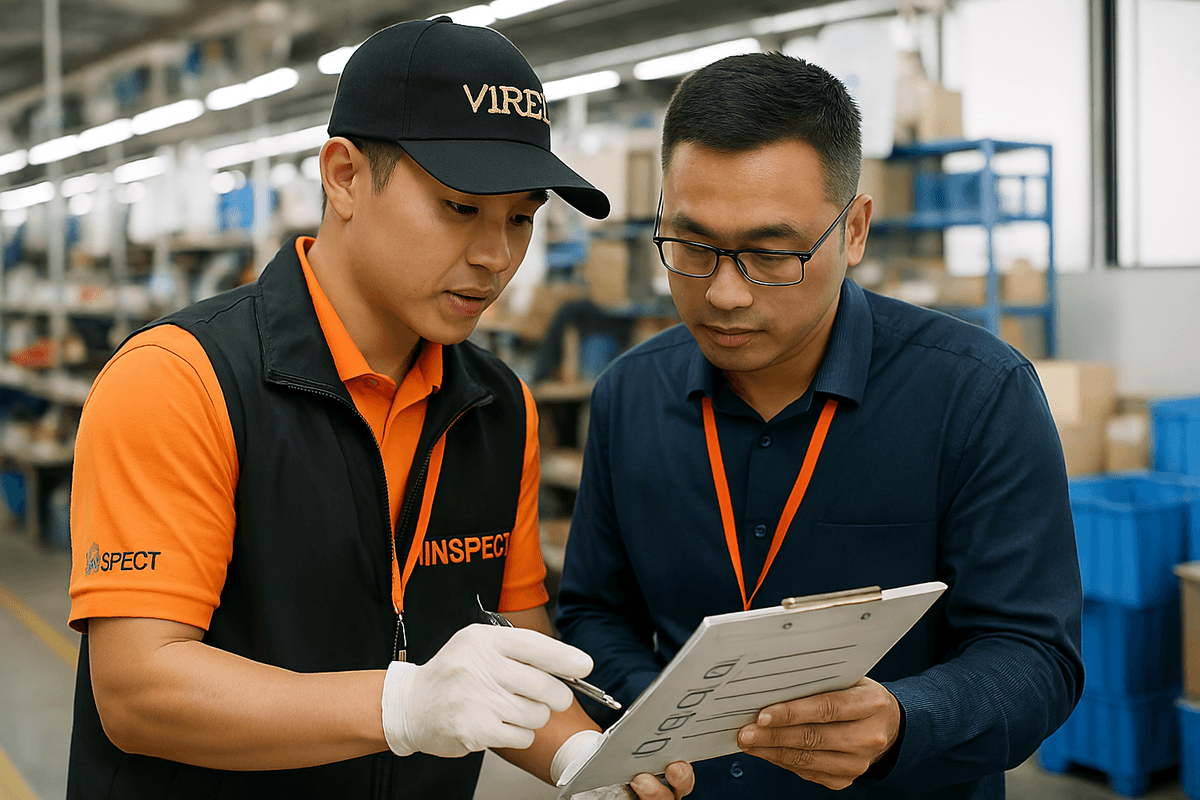
In the world of quality management, integrating inspection findings is crucial for driving improvements in processes and products. The insights garnered from various types of inspectors can illuminate areas that require attention, ultimately leading to enhanced quality assurance practices. By effectively utilizing these findings, organizations can foster a culture of continuous improvement and operational excellence.
Turning Inspection Results into Actionable Insights
Turning inspection results into actionable insights requires a systematic approach to data analysis and interpretation. Quality assurance compliance specialists play a pivotal role here, as they sift through the findings from visual inspection procedures and other testing methods, such as the testing of electronic components. By identifying trends and recurring issues in non-conformity reports, businesses can prioritize corrective actions that align with their goals for the production of quality goods and services.
To make these insights truly actionable, companies should establish a feedback loop that engages all stakeholders involved in the process. This could involve regular meetings where teams discuss inspection outcomes and brainstorm solutions collectively. When everyone is on board with addressing findings from inspections, it paves the way for more effective implementation of changes that enhance overall quality.
Strategies for Continuous Quality Improvement
Continuous quality improvement is not just a buzzword; it's an essential strategy for maintaining competitiveness in any industry. One effective method involves adopting social compliance auditing practices to evaluate both internal processes and supplier relationships regularly. By doing so, organizations can ensure adherence to standards while also identifying opportunities for enhancement across various types of inspectors' assessments.
In addition to audits, implementing training programs focused on what is QC inspector roles can empower employees at all levels to take ownership of quality initiatives. These programs should emphasize the importance of proactive problem-solving related to non-conformity reports—encouraging staff to view challenges as opportunities rather than obstacles. Ultimately, fostering an organizational mindset geared toward continuous improvement will yield significant benefits in both product quality and customer satisfaction.
Case Studies: Success through Inspection
Examining case studies where companies successfully integrated inspection findings provides valuable lessons on best practices in quality management. For instance, one electronics manufacturer improved its production line after analyzing data from multiple inspections focusing on testing of electronic components; this led them to redesign certain aspects that were frequently flagged in non-conformity reports. As a result, they achieved a remarkable reduction in defects while enhancing customer trust through their commitment to producing high-quality goods.
Another example highlights how social compliance auditing helped a textile company identify gaps in its supply chain processes related to labor standards and material sourcing—both critical factors affecting product quality and brand reputation. By addressing these issues promptly through collaborative efforts among various types of inspectors within their organization, they not only improved compliance but also elevated their status within the market as leaders in ethical manufacturing practices.
These success stories underscore how integrating inspection findings into business strategies can lead to transformative outcomes across industries while reinforcing the vital role played by quality assurance compliance specialists.
Conclusion

In the world of quality management, inspections play a pivotal role in ensuring products and services meet established standards. From understanding various types of inspectors to grasping the nuances of social compliance auditing, this journey through quality assurance has highlighted the importance of rigorous evaluation processes. Ultimately, effective inspections not only enhance product quality but also foster trust and reliability in businesses.
Key Takeaways on Inspection Types
The landscape of inspection methods is diverse, featuring a range of approaches such as visual inspection procedures and non-destructive testing techniques. Each type of inspector brings unique skills to the table, whether it's assessing electronic components or ensuring adherence to safety regulations. By recognizing what is a QC inspector and their vital contributions, organizations can better implement strategies that enhance overall quality.
Enhancing Quality Through Compliance
Quality assurance compliance specialists are essential for navigating complex regulatory environments across industries. Their expertise ensures that businesses not only meet legal requirements but also commit to producing quality goods and services that satisfy consumer expectations. By integrating best practices from social compliance auditing into daily operations, companies can significantly boost their reputation while maintaining high standards.
Future of Quality Management in Industries
Looking ahead, the future of quality management will likely see an increased reliance on technology and data-driven insights to streamline inspection processes. As industries evolve, understanding what is a non-conformity report will become crucial for timely corrective actions and continuous improvement initiatives. Embracing these changes will empower organizations to adapt swiftly while maintaining exceptional quality across all facets of production.