
Introduction

Piping Inspection is the unsung hero of industrial safety and compliance, quietly ensuring that pipelines operate smoothly without causing disasters or costly downtime. When it comes to Piping Inspection Requirements at the Construction Site, understanding what needs to be checked and documented can make all the difference in preventing future issues. Proper inspection practices not only keep everything running safely but also extend the lifespan of equipment, saving companies from premature replacements and unexpected failures.
Knowing the scope of Piping Inspection in industry is crucial for maintaining high standards and avoiding regulatory pitfalls. Whether during construction or in-service, important items in the piping inspection process must be diligently monitored to catch defects early. The In-Service Inspection Requirement for Process Piping emphasizes routine checks that help identify corrosion, leaks, or stress fractures before they escalate into major problems.
Effective piping inspection isn’t just about following a checklist; it’s about understanding how each aspect—from construction site requirements to ongoing maintenance—fits into a comprehensive safety strategy. By focusing on important items in the piping inspection process, companies can ensure compliance while optimizing performance and durability over time.
Foundations of Piping Inspection
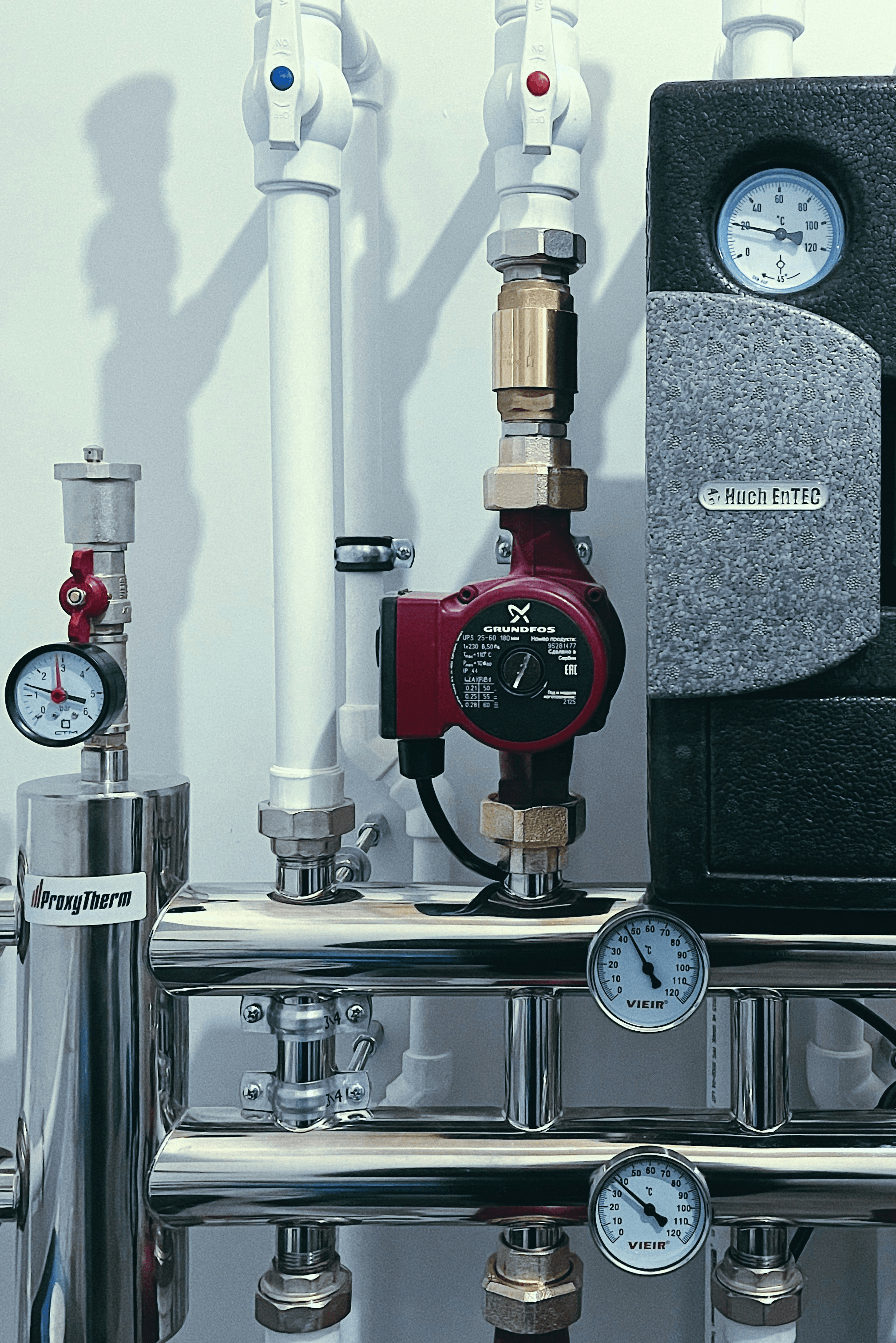
Piping inspection forms the backbone of ensuring safety, reliability, and compliance across various industries. It involves a series of systematic procedures designed to identify potential issues early, preventing costly failures down the line. Whether at the construction site or during in-service phases, understanding the core principles of piping inspection is essential for maintaining optimal operational standards.
Effective piping inspection begins with a clear grasp of the important items in the piping inspection process. During construction, inspectors focus on verifying that all components meet specified requirements at each stage—this aligns directly with piping inspection requirements at the construction site. Once installed, ongoing in-service inspections become crucial to detect deterioration or damage that could compromise system integrity over time.
Adhering to established international standards and guidelines is vital for consistent piping inspection practices worldwide. These standards specify detailed procedures and acceptance criteria, ensuring that every aspect of piping inspection meets global quality benchmarks. Incorporating these guidelines helps organizations stay compliant while addressing key aspects such as important items in the piping inspection process—like weld quality, corrosion levels, and material integrity—whether during initial installation or routine in-service checks.
Piping Inspection Requirements at the Construction Site
When it comes to piping inspection requirements at the construction site, attention to detail is everything. Ensuring all piping components meet safety standards and project specifications is crucial for a successful build. Proper piping inspection during construction not only prevents costly rework but also lays the groundwork for reliable in-service inspections later down the line.
During the construction phase, important items in the piping inspection include verifying weld quality, checking for proper alignment, and confirming that materials used match project documentation. These inspections serve as a first line of defense against potential failures once the piping system is operational. Remember, neglecting these essential items in the piping inspection can lead to delays and safety hazards that could have been easily avoided.
Common challenges faced during piping inspection at construction sites often involve inaccessible areas, inconsistent documentation, or unforeseen material defects. Addressing these issues requires a proactive approach—regular communication with contractors and meticulous record-keeping are key strategies. When proper piping inspection requirements are followed, these challenges become manageable rather than catastrophic.
Best practices for documenting construction phase inspections involve thorough record-keeping of all visual checks, nondestructive testing results, and compliance verifications. Using digital tools or checklists helps ensure nothing slips through the cracks and provides an auditable trail for future reference. Clear documentation not only supports ongoing quality assurance but also prepares your team for seamless in-service inspections when operations commence.
In summary, understanding and implementing comprehensive piping inspection requirements at the construction site is vital for ensuring safety and longevity of process piping systems. Paying close attention to important items in the piping inspection process helps catch issues early before they escalate into costly problems during in-service phases.
In-Service Inspection Requirement for Process Piping
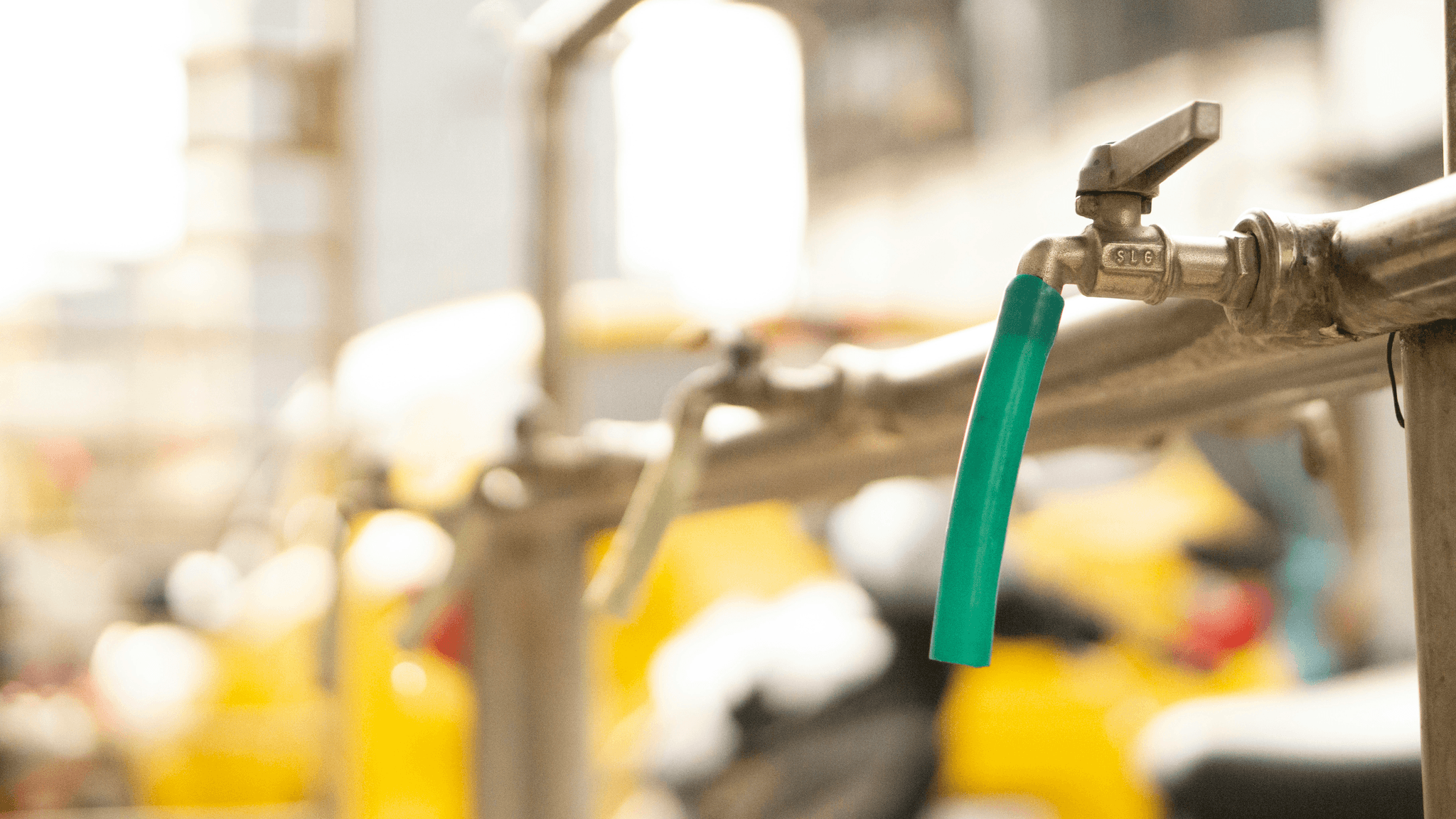
Routine in-service inspections are the backbone of maintaining piping integrity in industrial settings. These inspections help identify potential issues before they escalate into costly failures, ensuring safety and compliance are maintained over the lifespan of process piping. Adhering to the in-service inspection requirement for process piping is essential, especially since it directly impacts operational efficiency and regulatory adherence.
Understanding the importance of routine in-service inspections highlights why piping inspection requirements at the construction site extend beyond initial installation. Properly scheduled inspections allow operators to catch corrosion, leaks, or material degradation early on. This proactive approach aligns with important items in the piping inspection that focus on continuous monitoring rather than reactive fixes.
When it comes to typical inspection techniques and technologies, modern methods like ultrasonic testing, radiography, and magnetic particle inspection have revolutionized how we perform piping inspection. These advanced tools enable inspectors to detect hidden flaws without disrupting ongoing operations, fulfilling the in-service inspection requirement for process piping efficiently. Implementing these techniques ensures that all critical points are checked thoroughly while adhering to industry standards.
A case study exemplifies China Inspection Pro’s approach to in-service checks by emphasizing a comprehensive strategy that combines visual assessments with non-destructive testing methods. Their team prioritizes important items in the piping inspection process—such as weld integrity, corrosion levels, and material wear—to prevent failures during operation. This meticulous focus on in-service inspection requirements guarantees that process piping remains safe and reliable throughout its operational life.
Techniques and Tools for Effective Inspection
Effective piping inspection hinges on a blend of traditional methods and cutting-edge technology. When performing piping inspection requirements at the construction site or during in-service checks, selecting the right techniques ensures safety, compliance, and longevity of the piping system. By understanding both basic and advanced tools, inspectors can identify issues early and maintain the integrity of process piping systems effectively.
Visual Inspection and Its Limitations
Visual inspection remains the first line of defense in any piping inspection plan, especially during construction or routine in-service inspections. It allows inspectors to spot obvious defects such as corrosion, leaks, misalignments, or surface damage quickly. However, visual inspection alone has limitations; it cannot detect internal flaws like cracks or corrosion beneath surfaces, which are critical components of important items in the piping inspection process.
While visual checks are invaluable for initial assessments and documenting conditions during construction site inspections, they must be supplemented with other methods for comprehensive coverage. Relying solely on visual inspection may lead to missed defects that could compromise safety or cause costly failures later on during in-service inspections for process piping systems.
Non-Destructive Testing Methods
Non-destructive testing (NDT) methods are essential tools that enhance the effectiveness of any piping inspection program by revealing hidden flaws without damaging the pipe itself. Techniques such as ultrasonic testing (UT), magnetic particle testing (MT), dye penetrant testing (PT), and radiography provide detailed insights into internal conditions—cracks, weld quality, wall thickness—that visual inspections cannot uncover.
Incorporating NDT into your piping inspection requirements at the construction site ensures early detection of issues before they escalate into major problems during in-service inspections for process piping systems. These methods help maintain compliance with industry standards while reducing downtime and repair costs by catching defects early—making them indispensable tools in modern pipe integrity management.
Use of Advanced Technologies like Ultrasonics and Radiography
Advanced technologies such as ultrasonics and radiography have revolutionized how we conduct effective pipe inspections today. Ultrasonic testing offers precise measurements of wall thicknesses and detects subsurface flaws with high accuracy—perfect for assessing important items in the piping inspection process that demand rigorous scrutiny.
Radiography complements ultrasonic techniques by providing detailed images of welds and internal structures without dismantling entire sections—saving time during critical phases like construction site inspections or routine in-service evaluations for process pipes. These state-of-the-art tools ensure your inspection program stays ahead of emerging challenges while meeting all necessary Piping Inspection requirements at the Construction Site or In-Service Inspection Requirement for Process Piping.
Quality Assurance and Regulatory Compliance
Ensuring top-notch piping inspection is not just about catching leaks or corrosion; it’s about complying with strict industry standards and regulatory mandates that keep everyone safe. Meeting these piping inspection requirements at the construction site is crucial to prevent costly failures down the line. When you prioritize important items in the piping inspection, you set a solid foundation for ongoing safety and performance.
From initial construction to in-service checks, adhering to piping inspection requirements ensures that every weld, joint, and material meets the necessary quality benchmarks. Regularly updating your inspection protocols aligns with evolving regulations, making sure your process piping remains compliant. This proactive approach helps avoid penalties and enhances overall equipment longevity.
Detecting common defects early is a game-changer in maintaining high standards of quality assurance. Piping inspection plays a key role here—spotting issues like corrosion, misalignment, or welding flaws before they escalate saves time and money. The importance of conducting thorough in-service inspections for process piping cannot be overstated; it keeps systems running smoothly and prevents unexpected shutdowns.
The role of China Inspection Pro in quality inspection services is pivotal for organizations aiming to meet industry standards flawlessly. Their expertise ensures all important items in the piping inspection are meticulously checked during construction and throughout operation. With their support, companies can confidently navigate complex regulatory landscapes while maintaining impeccable pipeline integrity.
Developing a Robust Piping Inspection Program
Creating a solid piping inspection program is the backbone of ensuring safety, longevity, and regulatory compliance in any industrial setting. A well-structured plan helps identify potential issues early, saving costs and preventing catastrophic failures down the line. From establishing an inspection schedule to training your team and embracing continuous improvement, each step plays a crucial role in meeting piping inspection requirements at the construction site and for in-service process piping.
Steps to Establish an Inspection Schedule
The first step in developing a robust piping inspection program is to craft a comprehensive inspection schedule that aligns with project milestones and operational demands. Incorporate piping inspection requirements at the construction site by scheduling inspections during critical phases such as welding, fitting, and pressure testing—these are vital moments when important items in the piping inspection can be missed if not properly timed. Once the construction phase concludes, transition into routine in-service inspections for process piping to catch any emerging issues early; this proactive approach ensures ongoing integrity.
To make sure your plan doesn’t fall flat, consider factors like pipe material, operating conditions, and historical failure data when setting your inspection frequency. Remember that regular inspections are not just about ticking boxes—they’re about catching problems before they escalate into costly repairs or safety hazards. Balancing thoroughness with practicality will keep your piping systems compliant while avoiding unnecessary downtime.
Training and Qualification of Inspection Teams
No piping inspection program is complete without a highly trained team that understands both the technical nuances of pipe systems and the importance of adhering to standards. Proper training on important items in the piping inspection ensures inspectors recognize common defects such as corrosion or weld flaws during both construction site inspections and in-service checks for process piping; these are critical moments where quality assurance can make all the difference.
Certification programs should emphasize knowledge of relevant international standards and guidelines—think of it as giving your team a secret weapon against oversight errors. Ongoing qualification updates keep inspectors sharp on new technologies like ultrasonic testing or radiography used for non-destructive testing methods, which are essential tools for effective pipe assessments. An educated team will not only perform better but also instill confidence among stakeholders that every inch of pipework meets rigorous safety criteria.
Continuous Improvement Strategies
A pipelined approach to continuous improvement keeps your piping inspection program ahead of evolving industry standards and regulatory mandates. Regularly reviewing past inspections helps identify gaps—perhaps certain types of defects were overlooked or specific areas need more frequent checks—and adjusting schedules accordingly enhances overall effectiveness.
Leverage technological advancements like digital documentation or advanced nondestructive testing methods to streamline processes while maintaining high standards during both construction phase inspections and routine in-service evaluations for process piping. Incorporating feedback from inspectors on-site fosters a culture where improvements are ongoing rather than one-off fixes; it’s about building an adaptive system capable of responding swiftly to new challenges or emerging threats within your pipeline network.
Conclusion
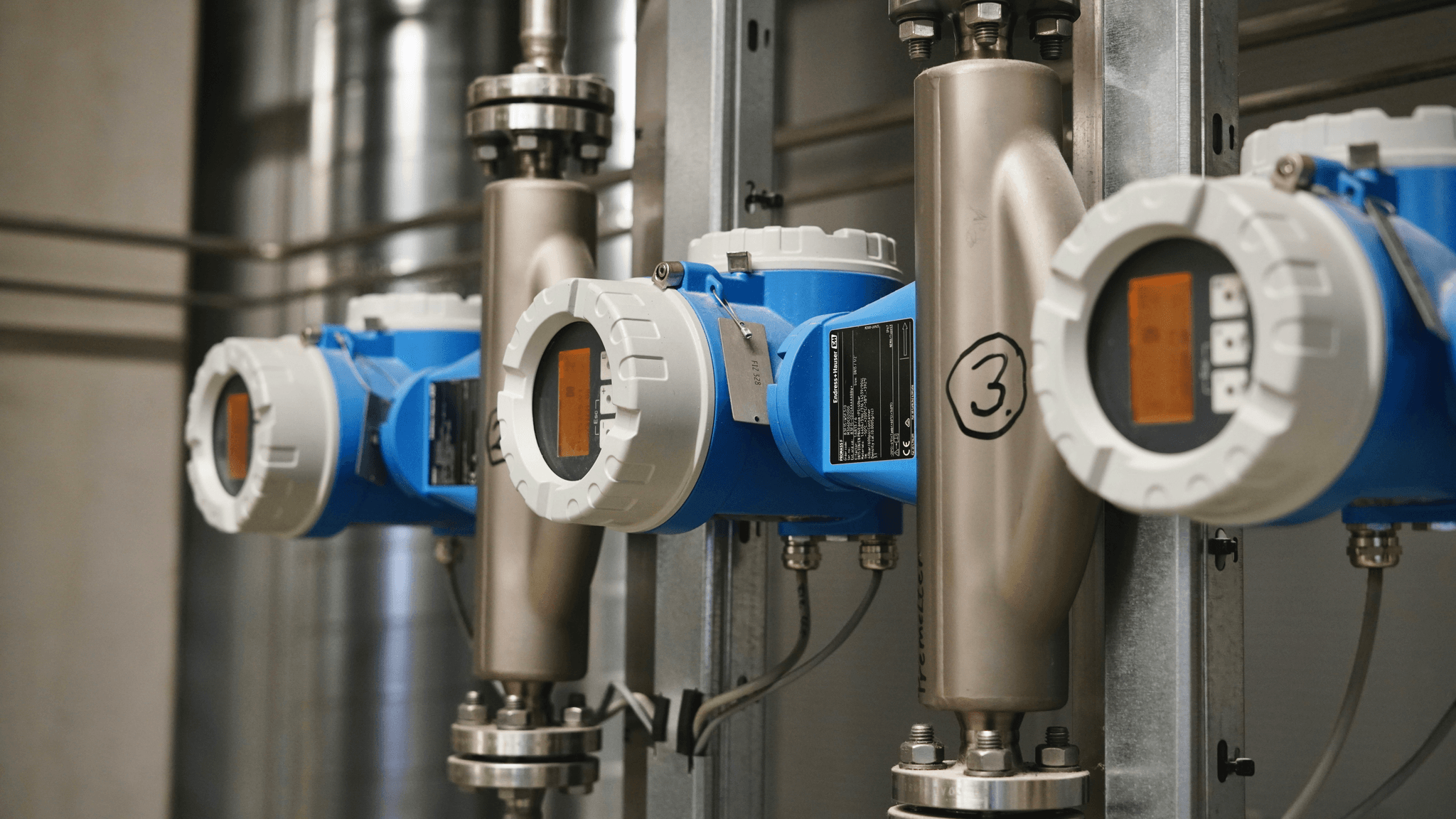
In the world of industrial safety and operational excellence, ensuring piping integrity through proper inspection cannot be overstated. By diligently adhering to Piping Inspection requirements at the construction site and conducting thorough in-service inspections for process piping, companies can preempt costly failures and environmental hazards. Remember, paying attention to important items in the piping inspection process is what transforms a routine check into a robust safeguard for your assets.
Proper piping inspection is more than just ticking boxes; it’s about safeguarding lives, protecting investments, and maintaining compliance with industry standards. When organizations prioritize in-service inspection requirements for process piping, they extend equipment longevity and optimize performance. Staying vigilant about these crucial aspects helps prevent unexpected downtimes and ensures that every inch of pipework remains fit for purpose.
Partnering with experienced professionals like China Inspection Pro can elevate your piping inspection standards significantly. Their expertise ensures that all important items in the piping inspection are meticulously examined according to current requirements, whether during construction or in-service phases. Embracing their services means you stay ahead of evolving regulations and technological advancements—keeping your operations safe, compliant, and efficient.
Keeping up-to-date with the latest piping inspection requirements is essential to maintain safety standards across your projects. As technology advances and new regulations emerge, continuous learning becomes part of the game plan. With China Inspection Pro by your side, you gain access to industry-leading insights that help you adapt swiftly—ensuring your piping systems are always inspected with precision.