
Introduction

Power cable inspection is the backbone of maintaining safe, reliable electrical infrastructure. Without a thorough Power Cable Inspection and Test Plan, potential faults can go unnoticed until they cause costly outages or safety hazards. Implementing a robust Quality Control Plan ensures every step of the inspection process is meticulous, reducing risks and boosting confidence in the results.
A well-designed Power Cable Inspection process incorporates clear testing procedures, such as the FAT Test Procedure (Electrical Test), which helps verify cable integrity before commissioning. Streamlining these inspections with defined protocols not only saves time but also minimizes errors, making third party inspectors invaluable for unbiased assessments. A comprehensive approach that includes Construction Check and AC Withstand Voltage Test guarantees that all installation aspects meet industry standards and client expectations.
Understanding Power Cable Inspection Essentials
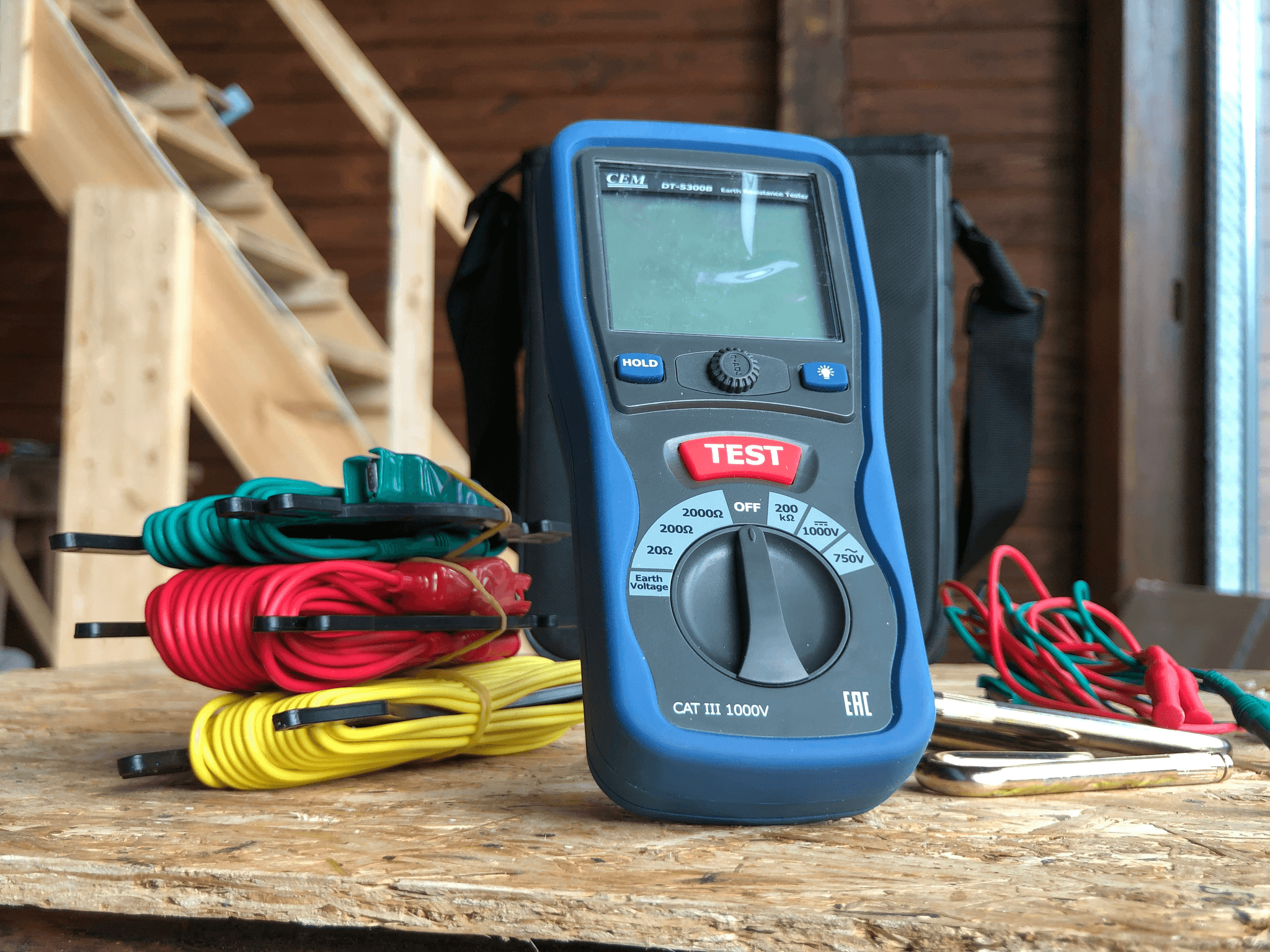
Power Cable Inspection is the backbone of ensuring the safety, functionality, and longevity of electrical infrastructure. It involves a thorough examination of cables to identify potential issues before they escalate into costly failures. A well-structured Power Cable Inspection and Test Plan guides this process, incorporating critical tests like the FAT Test Procedure (Electrical Test) to verify cable integrity and performance.
Developing an effective Quality Control Plan is essential for consistent Power Cable Inspection results. This plan outlines procedures, standards, and responsibilities to ensure every inspection meets industry benchmarks. Engaging a third party inspector adds an unbiased layer of verification, especially during crucial stages such as Construction Check, where proper installation is validated against specifications.
The AC Withstand Voltage Test is a vital component in the Power Cable Inspection process, confirming that cables can handle operational voltages without breakdowns. Incorporating this test into your Power Cable Inspection and Test Plan ensures reliability under real-world conditions. Regular testing not only aligns with key standards and industry regulations but also helps in maintaining high-quality infrastructure over time.
Developing a Comprehensive Power Cable Inspection and Test Plan
Creating an effective Power Cable Inspection and Test Plan is the backbone of ensuring safety, reliability, and compliance in electrical infrastructure projects. This plan acts as a roadmap for all inspection activities, detailing procedures, standards, and responsibilities to prevent costly mistakes down the line. A well-crafted Power Cable Inspection and Test Plan not only streamlines operations but also provides confidence that every cable meets industry standards before energization.
Crafting a Power Cable Inspection and Test Plan
Developing a thorough Power Cable Inspection and Test Plan begins with understanding the project scope, cable types, and installation environment. The plan should specify critical tests such as insulation resistance checks, continuity testing, and AC Withstand Voltage Tests to verify cable integrity. Including FAT Test Procedures (Electrical Test) within this plan ensures that factory acceptance testing is aligned with site requirements, reducing surprises during construction checks or commissioning phases.
Incorporating third party inspectors into the process adds an unbiased perspective to the Power Cable Inspection. These experts bring credibility to test results like the AC Withstand Voltage Test by confirming that cables are free from defects before installation. When designing your Quality Control Plan around these elements, clarity in roles—especially during Construction Checks—is vital for seamless execution.
Elements of a Quality Control Plan for Power Cables
A robust Quality Control Plan for power cables encompasses several key elements: detailed inspection checklists, defined acceptance criteria based on industry standards, and scheduled testing intervals—including critical FAT Tests (Electrical Tests). It should clearly outline procedures for Construction Checks—such as verifying proper cable routing, support placement, and material compliance—to ensure installation adheres to specifications before final testing.
Embedding FAT Test Procedures (Electrical Tests) into your Quality Control Plan guarantees that cables undergo rigorous evaluation at the manufacturer’s facility prior to shipment or onsite installation. This proactive approach minimizes on-site issues by catching potential defects early through third party inspections—ensuring every aspect of power cable quality is scrutinized thoroughly.
Incorporating FAT Test Procedures (Electrical Test)
Integrating FAT Test Procedures (Electrical Tests) into your overall inspection strategy provides an added layer of assurance that cables meet technical requirements before they arrive onsite. These tests typically include insulation resistance measurements and AC Withstand Voltage Tests designed to simulate operational stresses under controlled conditions—offering peace of mind during Construction Check stages.
Engaging a third party inspector during FAT ensures impartiality in evaluating test outcomes like the AC Withstand Voltage Test—highlighting any manufacturing flaws or inconsistencies early on. Including these FAT procedures within your comprehensive Power Cable Inspection and Test Plan strengthens quality control efforts by establishing clear benchmarks for acceptance prior to field deployment.
By meticulously developing your Power Cable Inspection and Test Plan with these elements at its core—including thorough construction checks—you lay the groundwork for reliable electrical infrastructure built on safety standards upheld by third party inspectors who ensure every step aligns with best practices.
Pre-Inspection Preparation and Construction Check
Before diving into the Power Cable Inspection process, a thorough Construction Check is essential to ensure everything is in tip-top shape for accurate testing. This initial step helps identify potential issues that could compromise the integrity of the Power Cable Inspection and Test Plan, saving time and resources later on. Without a solid foundation, even the best Quality Control Plan can fall flat, so proper preparation sets the stage for successful inspection outcomes.
During this phase, verifying that all installation procedures align with industry standards is crucial. Ensuring proper installation and material compliance not only facilitates a smoother Power Cable Inspection but also minimizes risks during critical tests like the AC Withstand Voltage Test. A comprehensive Construction Check should include reviewing cable routing, support structures, and protective measures to confirm they meet specifications outlined in your Power Cable Inspection and Test Plan.
Engaging a third party inspector at this stage can be a game-changer; their unbiased perspective ensures every aspect of construction adheres to safety standards before formal testing begins. The third party inspector will scrutinize installation details against regulatory requirements, making sure that all components are correctly positioned for an effective Power Cable Inspection. This proactive approach enhances confidence in subsequent tests such as the FAT Test Procedure (Electrical Test), ultimately safeguarding your infrastructure.
Performing the Power Cable Inspection and Testing
Executing a thorough Power Cable Inspection and Test Plan is essential to ensure safety, reliability, and compliance with industry standards. This process involves multiple steps, from initial construction checks to detailed electrical testing, all aimed at uncovering potential issues before energizing the system. Incorporating a well-structured Quality Control Plan helps streamline these activities, minimizing risks and maximizing inspection accuracy.
Step-by-Step Power Cable Inspection Process
The first step in Power Cable Inspection involves conducting a meticulous Construction Check before any testing begins. During this phase, inspectors verify proper installation practices, material compliance, cable routing, and support systems according to the specifications outlined in the Power Cable Inspection and Test Plan. Once construction checks are complete and issues addressed, technicians proceed with visual inspections for physical damage or anomalies that could compromise performance.
Following the construction check, detailed electrical tests such as the FAT Test Procedure (Electrical Test) are performed to validate insulation integrity and overall cable quality. These tests often include insulation resistance measurement and continuity checks to confirm that cables meet industry standards. Documenting each step ensures traceability for future reference while providing critical data for analysis during subsequent inspection phases.
Utilizing AC Withstand Voltage Test Effectively
The AC Withstand Voltage Test is a cornerstone of reliable Power Cable Inspection because it assesses whether cables can withstand operational voltages without breakdowns or flashovers. To maximize its effectiveness within your Quality Control Plan, ensure proper pre-test preparations—such as verifying grounding arrangements and test voltage levels—are completed beforehand during the Construction Check phase. Conducting this test with precision not only detects potential weak points but also confirms adherence to relevant standards like IEC or IEEE regulations.
Timing is everything: perform the AC Withstand Voltage Test after completing initial visual inspections but before energizing cables for service. When executed correctly by trained personnel or a third party inspector, this test provides unbiased results that highlight areas requiring corrective actions—saving costly failures down the line. Incorporating feedback from third party inspectors enhances objectivity while reinforcing confidence in your inspection outcomes.
Engaging a Third Party Inspector for Unbiased Results
Bringing in an independent third party inspector elevates your Power Cable Inspection process by providing an unbiased perspective on test results and inspection findings. These professionals bring specialized expertise aligned with your Quality Control Plan, ensuring that critical tests like the AC Withstand Voltage Test are executed flawlessly according to industry standards—and without any conflict of interest.
Third party inspectors also play a vital role during key stages such as Construction Check and post-test evaluations; their objective assessments help identify overlooked issues or discrepancies early on—before cables go into operation. Partnering with experienced external inspectors guarantees transparency throughout your Power Cable Inspection journey while bolstering confidence among stakeholders that all safety protocols are met
Analyzing Inspection Results and Ensuring Quality
Interpreting the results of Power Cable Inspection is crucial to confirm that all components meet industry standards and project specifications. When reviewing data from the Power Cable Inspection and Test Plan, attention should be paid to anomalies detected during the AC Withstand Voltage Test or other electrical tests outlined in the FAT Test Procedure (Electrical Test). A clear understanding of these findings helps determine whether the cables are fit for service or require further attention.
Once inspection data has been thoroughly analyzed, implementing corrective actions becomes essential. If issues arise during the Power Cable Inspection—such as insulation breakdowns or routing discrepancies—a well-documented Quality Control Plan guides necessary adjustments. Engaging a third party inspector can provide unbiased insights into whether remedial measures align with industry standards and ensure the integrity of the Power Cable Inspection process.
Documenting and reporting inspection outcomes serve as a vital reference for future projects and maintenance routines. Detailed records should include test results, observations from Construction Check, and any corrective steps taken following the Power Cable Inspection. Proper documentation not only supports compliance but also facilitates continuous improvement in quality control efforts across subsequent inspections.
Leveraging China Inspection Pro for Reliable Inspection Services
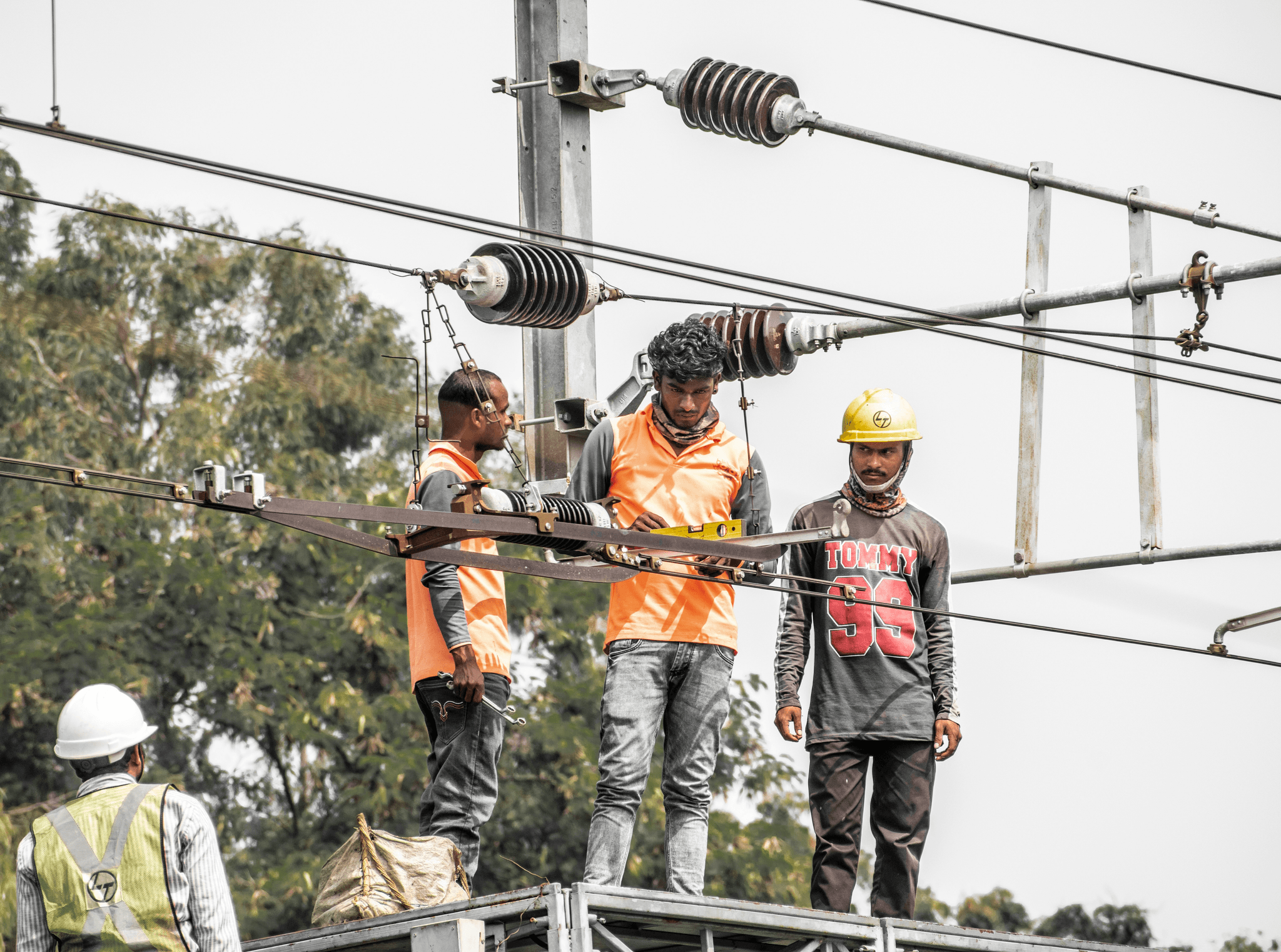
When it comes to Power Cable Inspection, partnering with a trusted third-party inspector like China Inspection Pro can be a game-changer. Their expertise ensures that every aspect of your Power Cable Inspection and Test Plan is meticulously executed, from initial Construction Check to final testing. By integrating their services, you gain an extra layer of confidence that your cables meet all industry standards and safety regulations.
China Inspection Pro excels at enhancing the entire Power Cable Inspection process through rigorous adherence to the Quality Control Plan and detailed FAT Test Procedures (Electrical Test). Their team conducts thorough inspections aligned with international standards, ensuring that every cable passes the AC Withstand Voltage Test without a hitch. This proactive approach minimizes risks and helps identify potential issues early in the process, saving time and costly rework later.
Engaging a third-party inspector like China Inspection Pro not only boosts credibility but also guarantees unbiased results. Their expertise in interpreting inspection data allows clients to make informed decisions based on accurate test results, especially during critical phases such as the Power Cable Inspection and Test Plan implementation. Ultimately, this partnership ensures industry standards are met consistently while elevating client satisfaction through transparent reporting and reliable service.
Conclusion
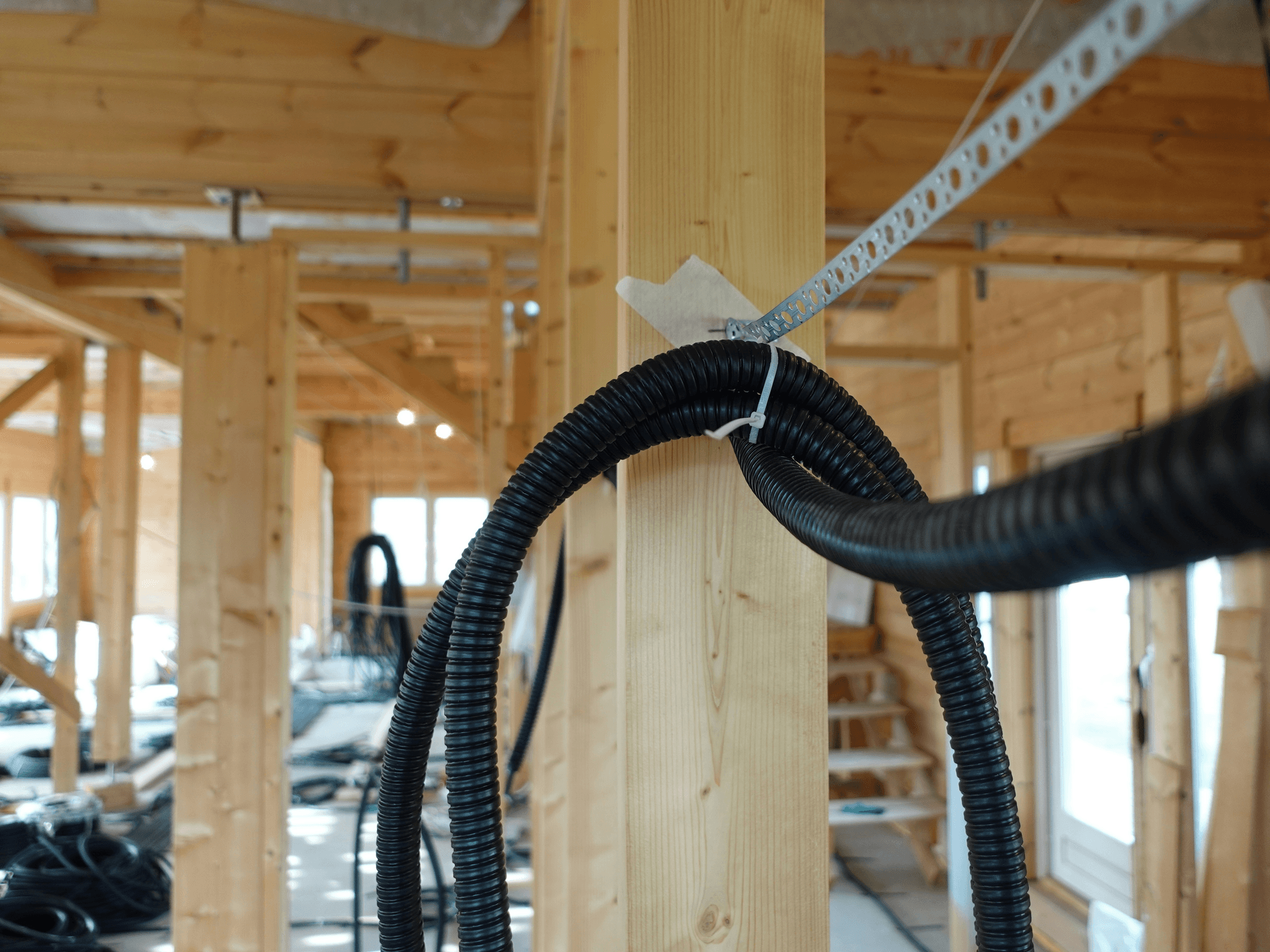
A thorough Power Cable Inspection combined with a solid Power Cable Inspection and Test Plan forms the backbone of reliable infrastructure. Properly executed inspections help identify potential issues before they escalate, ensuring the longevity and safety of electrical systems. Incorporating elements like a well-defined Quality Control Plan and FAT Test Procedures (Electrical Test) guarantees that every cable installation meets industry standards, reducing costly failures down the line.
Having a third party inspector oversee critical steps such as Construction Check and AC Withstand Voltage Tests adds an extra layer of confidence in the results. These unbiased professionals provide objective insights, helping to catch overlooked defects and validate test outcomes. A comprehensive approach to Power Cable Inspection not only safeguards assets but also streamlines project timelines by preventing rework caused by overlooked issues.
Partnering with experienced experts ensures your inspection process adheres to rigorous standards while leveraging advanced testing techniques. Their expertise in executing detailed Power Cable Inspection procedures, including specialized tests like the AC Withstand Voltage Test, elevates overall quality assurance efforts. When you combine diligent inspection practices with professional oversight, you're investing in durable infrastructure that withstands future challenges.