
Introduction

Ensuring reliable power supply is fundamental for modern industries, and that’s where induction motor inspection comes into play. Properly inspecting these motors ensures they operate efficiently and safely, preventing costly downtime or failures. Engaging a third party inspection agency adds an extra layer of trust and precision, making sure every aspect of the motor meets industry standards.
When it comes to induction motor inspection, defining the right inspection scope is crucial. A thorough assessment covers material inspection, performance tests like No Load Test, Locked Rotor Test, and Low Frequency Locked Rotor Test—key steps that reveal the motor’s health. Partnering with a reputable third party inspection agency guarantees that these tests are carried out accurately and comprehensively, elevating overall motor quality.
Understanding the key steps in induction motor inspection helps manufacturers and operators prevent issues before they escalate. From initial material verification to detailed performance testing, each phase plays a vital role in ensuring optimal operation. With proper attention to each step—especially the critical tests like No Load Test and Locked Rotor Test—you can boost confidence in your motors’ reliability.
Ensuring Reliable Power: The Importance of Induction Motor Inspection
Reliable power hinges on well-maintained induction motors that run smoothly without unexpected breakdowns. Conducting regular induction motor inspections helps identify potential problems early—saving money and downtime in the long run. Third party inspection agencies bring expertise and objectivity to this process, ensuring every aspect of the motor’s condition is thoroughly evaluated within the defined inspection scope.
How Third Party Inspection Agencies Elevate Motor Quality
A third party inspection agency provides unbiased assessments that elevate overall motor quality by verifying adherence to industry standards through meticulous material inspections and performance tests. Their expertise ensures that each component—from raw materials to assembled units—meets rigorous quality benchmarks before deployment. This independent validation reinforces confidence among stakeholders while minimizing risks associated with subpar equipment.
Key Steps in Induction Motor Inspection Explained
The process begins with defining an appropriate inspection scope tailored to your specific needs, encompassing material inspections and critical performance tests such as No Load Test, Locked Rotor Test, and Low Frequency Locked Rotor Test. These steps form a comprehensive approach that uncovers issues related to raw materials or manufacturing defects early on. By following these key steps diligently—and often engaging a third party inspection agency—you ensure your induction motors operate at peak efficiency for years to come.
---
Let me know if you'd like me to expand further or customize any part!
Planning the Inspection Process
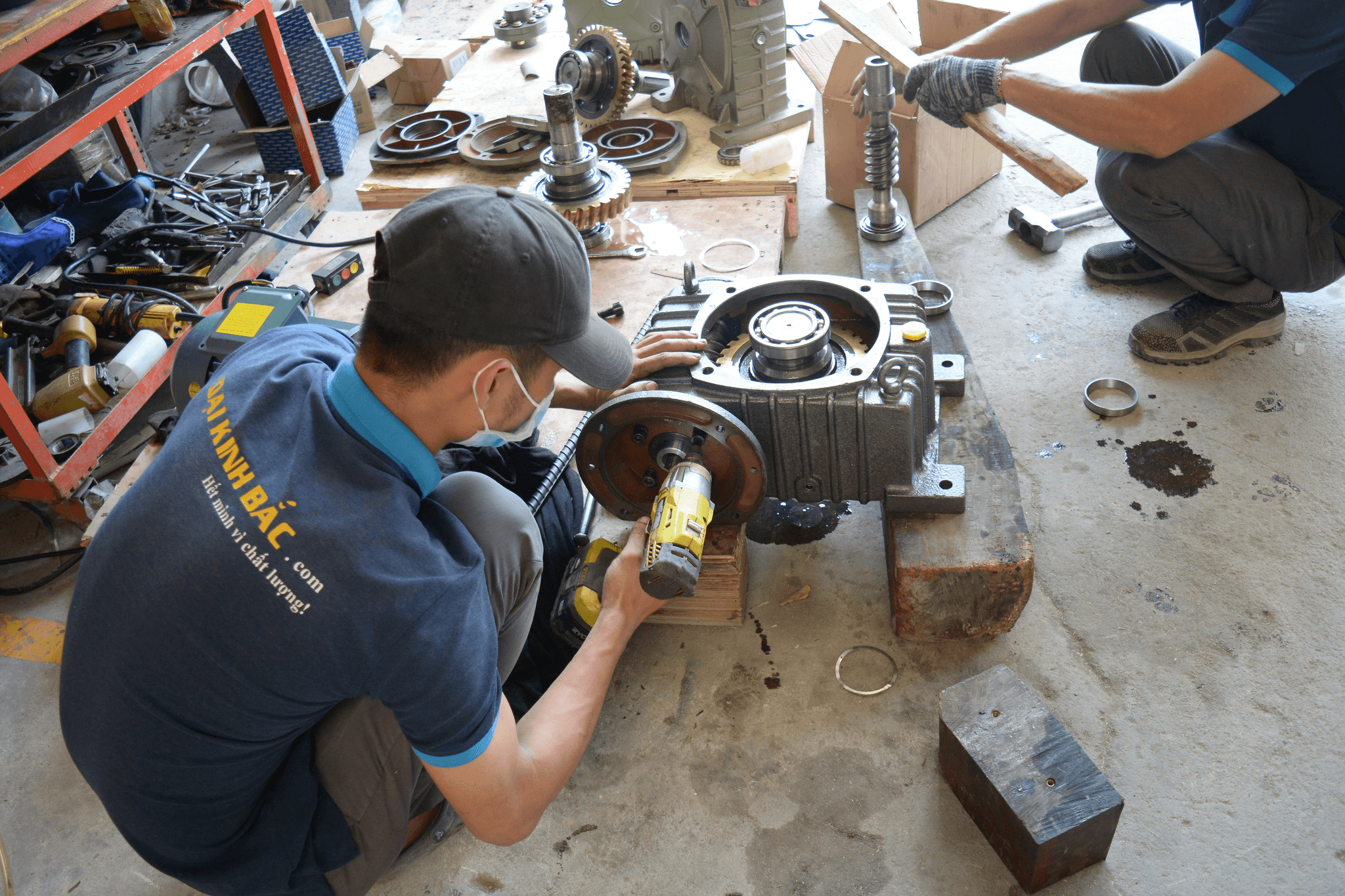
Getting the planning phase right is crucial for a successful Induction Motor Inspection. This stage sets the foundation for evaluating motor quality and ensuring compliance with industry standards, especially when involving a third party inspection agency. A well-structured plan helps identify potential issues early, saving time and resources down the line.
First, defining the inspection scope for induction motors is essential. It involves specifying which parts of the motor will undergo testing, such as material inspection, No Load Test, and Locked Rotor Test. Clarifying these parameters ensures that all stakeholders understand what to expect and helps focus efforts on critical areas that influence motor performance and durability.
Next, collecting material inspection data with China Inspection Pro streamlines the process significantly. Accurate documentation of raw materials and components allows inspectors to verify compliance with quality standards before proceeding to operational tests like No Load Test or Locked Rotor Test. This step acts as a quality checkpoint, ensuring only high-grade materials move forward in the induction motor inspection process.
Finally, preparing for No Load Test and Locked Rotor Test involves gathering all necessary equipment and establishing testing procedures aligned with industry standards. Proper preparation guarantees reliable results during these crucial performance assessments. Having a clear plan also facilitates communication between inspectors and clients, making sure everyone is on the same page about what each test entails during an induction motor inspection.
Material Inspection and Quality Verification
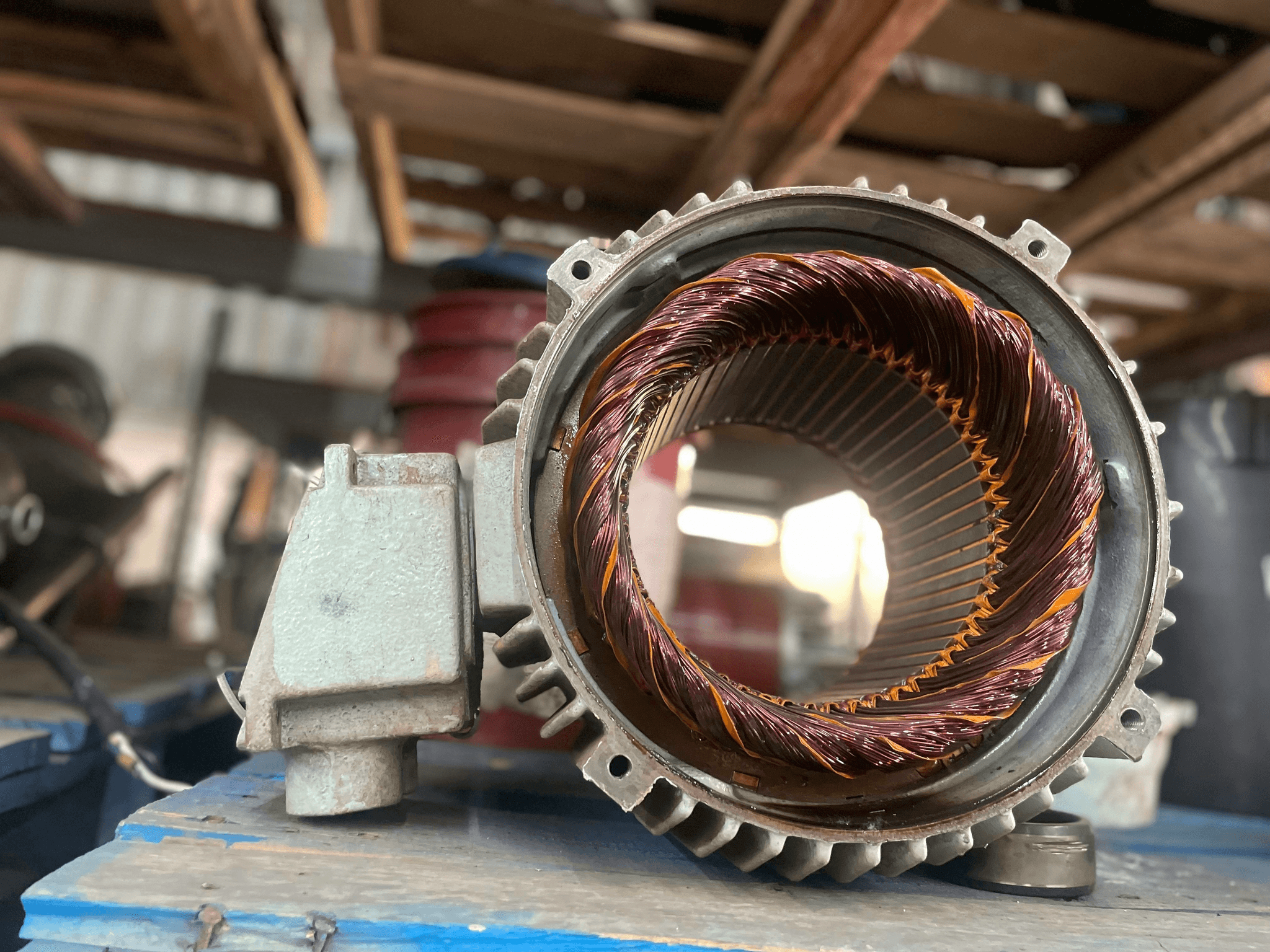
When it comes to Induction Motor Inspection, verifying raw materials and components is the cornerstone of ensuring long-lasting performance. A third party inspection agency meticulously examines every element, from copper windings to insulating materials, to confirm they meet the predetermined inspection scope. This thorough material inspection process helps prevent future failures and guarantees that only quality components make it into the final product.
Ensuring compliance with industry standards during material inspection is vital for maintaining credibility and safety in induction motors. The third party inspection agency cross-references specifications with international benchmarks, such as IEC or IEEE standards, during the inspection scope review. This step not only verifies raw material quality but also aligns manufacturing processes with global best practices, making subsequent tests like No Load Test and Locked Rotor Test more reliable.
Documenting material inspection results forms a critical part of the overall induction motor inspection process. Accurate records of each component's compliance status facilitate traceability and accountability for manufacturers and clients alike. These detailed reports serve as proof that all materials used have passed rigorous quality verification, supporting certification efforts like those issued by China Inspection Pro after successful tests such as Low Frequency Locked Rotor Test.
Performing No Load Test
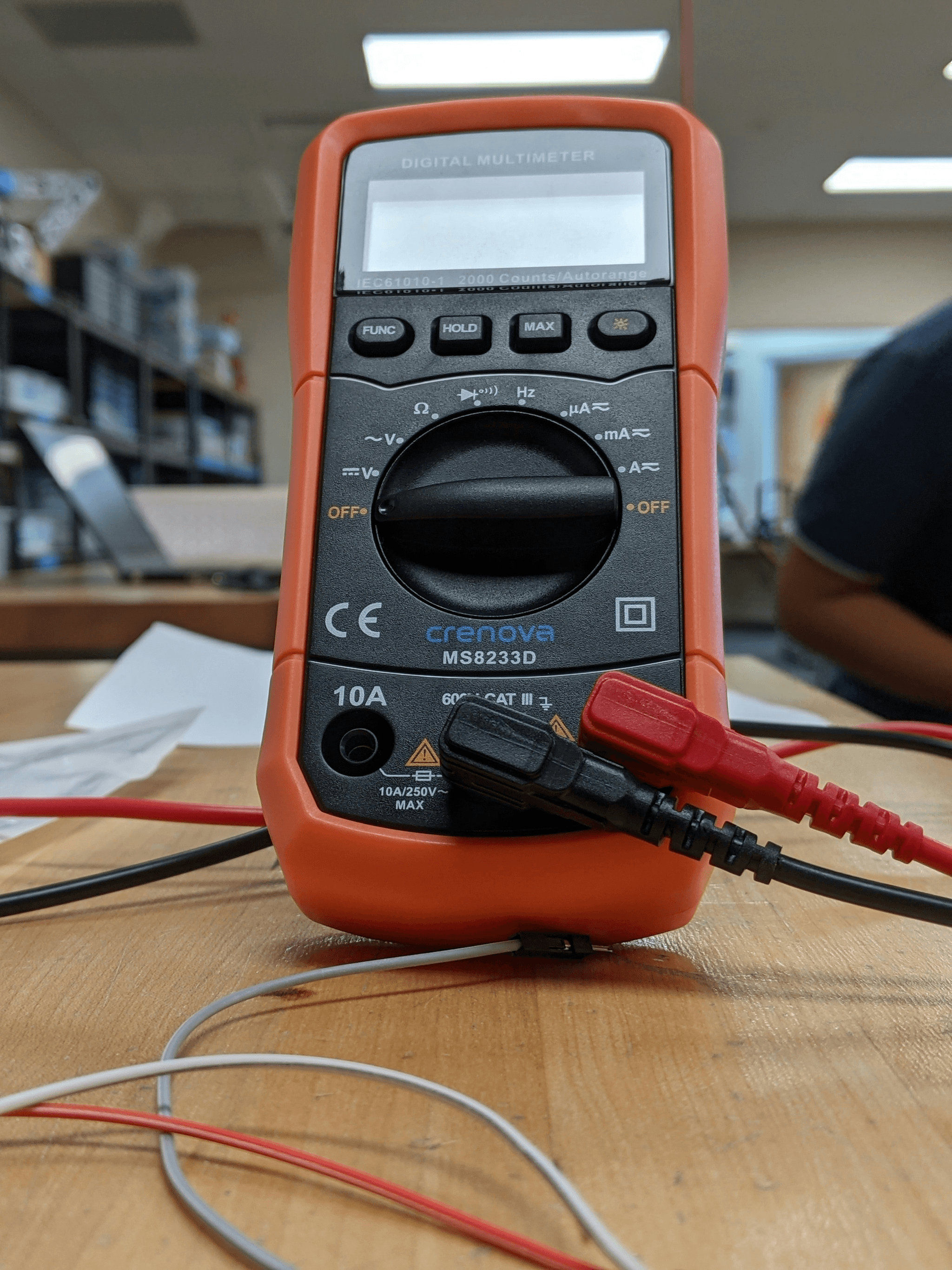
The No Load Test is a crucial step in the Induction Motor Inspection process, helping to evaluate the motor's efficiency and identify potential issues before it’s put into service. During this test, the motor runs without any mechanical load, allowing inspectors to observe its behavior under normal operating conditions without stress. A third party inspection agency carefully follows the defined inspection scope to ensure accurate results, making this step vital for confirming that the motor meets industry standards.
Purpose and Procedure of the No Load Test
The primary purpose of conducting a No Load Test is to measure parameters such as core losses, magnetizing current, and no-load power consumption, which are essential indicators of motor health. The procedure involves connecting the motor to a power supply within the inspection scope set by the third party inspection agency and gradually increasing voltage until rated conditions are achieved. During this process, inspectors monitor current and voltage readings closely while ensuring all material inspection standards are met prior to testing.
Interpreting No Load Test Results
Once completed, interpreting No Load Test results requires analyzing data like no-load current and power factor; deviations from standard values can highlight issues with winding insulation or core material quality during material inspection phases. If readings suggest excessive magnetizing current or abnormal power consumption, it may indicate problems such as lamination defects or improper manufacturing processes that need addressing through further material inspection or testing. A thorough review by a third party inspection agency helps confirm whether these results align with industry standards for induction motors.
Common Issues Identified During No Load Testing
Common issues uncovered during a No Load Test often include high no-load current due to poor insulation or defective laminations revealed during material inspection stages. Insufficiently prepared motors might also show abnormal vibrations or unusual noise levels—signs that warrant additional checks like Locked Rotor Tests or Low Frequency Locked Rotor Tests for comprehensive performance assessment. Identifying these problems early ensures corrective measures can be taken before progressing to more demanding tests involving the induction motor’s performance under load.
Conducting Locked Rotor Test and Low Frequency Locked Rotor Test
Performing the Locked Rotor Test and Low Frequency Locked Rotor Test is a crucial phase in the Induction Motor Inspection process. These tests help ensure that the motor meets the specified inspection scope and operates efficiently under load conditions. Engaging a third party inspection agency for these tests guarantees impartiality, accuracy, and adherence to industry standards, ultimately boosting confidence in the motor’s quality.
Steps for Locked Rotor Test Execution
The first step in executing an induction motor inspection involves preparing the motor and verifying that all safety measures are in place. The motor is then energized at its rated voltage while ensuring that the supply frequency is maintained, which is essential for accurate results within the defined inspection scope. During this process, measurements such as starting current, torque, and power factor are recorded; these are vital indicators of the motor’s locked rotor characteristics.
Next, it’s important to monitor temperature rise and vibration levels to identify any abnormalities early on. A third party inspection agency typically oversees this phase to ensure unbiased data collection aligned with industry standards. Proper documentation of all readings during this step forms a solid foundation for subsequent performance assessment.
Finally, after completing the test, analysis of parameters like locked rotor torque and current helps determine if any issues exist within the material components or design flaws that could compromise long-term reliability. This meticulous approach ensures that material inspection results align with expectations set during planning stages.
Significance of Low Frequency Locked Rotor Test
The Low Frequency Locked Rotor Test plays a pivotal role by simulating conditions similar to those experienced during startup but at reduced frequencies—crucial for comprehensive induction motor inspection. This test reveals how well the motor performs when subjected to low-frequency operations without risking damage or excessive wear on materials during actual use.
This test also provides insights into slip behavior and rotor impedance—key factors influencing overall efficiency—making it an indispensable part of thorough material inspection processes conducted by a third party inspection agency. The data gathered helps verify whether manufacturing tolerances meet industry standards within your defined inspection scope.
Furthermore, performing this test enhances predictive maintenance strategies by identifying potential issues before they escalate into costly failures. It’s a proactive approach that underscores why proper execution of both Locked Rotor Tests and Low Frequency Locked Rotor Tests should be integral components of any comprehensive induction motor inspection program.
Analyzing Data for Performance Assessment
Once all measurements from both tests are collected, detailed analysis begins by comparing actual data against baseline values established during initial material inspections or previous inspections using third party services. Deviations beyond acceptable limits may indicate problems such as winding faults or rotor bar defects—issues best caught early through rigorous evaluation.
The key is to interpret parameters like locked rotor torque, current draw at low frequencies, and slip values accurately; these serve as indicators of overall performance quality within your specified inspection scope. A professional third party inspector can provide expert insights into whether observed discrepancies stem from material flaws or operational inconsistencies.
Concluding this phase involves compiling findings into comprehensive reports that highlight areas needing improvement or further investigation—ensuring your induction motors meet industry standards while maintaining optimal performance throughout their lifecycle.
[Image description=close-up view of an engineer performing electrical testing on an induction motor with digital multimeter connected to stator terminals, background showing testing equipment setup], Image name=induction_motor_inspection_locked_rotor_test_setup , Alt tag=Induction Motor Inspection: Locked Rotor Testing Process
Final Evaluation and Certification

After completing the thorough Induction Motor Inspection process, the final step involves a comprehensive evaluation of all findings. This includes reviewing data collected during material inspection, No Load Test, Locked Rotor Test, and Low Frequency Locked Rotor Test to ensure everything aligns with industry standards. A detailed summary helps determine whether the motor meets quality benchmarks or needs further improvements before certification.
Summarizing Inspection Findings
The summarization phase consolidates all insights gathered through the inspection scope, emphasizing material inspection results and performance test outcomes. During this stage, any deviations identified in raw materials or components are highlighted alongside issues detected during No Load Test and Locked Rotor Test. Clear documentation of these findings ensures transparency and provides a solid foundation for certification decisions related to induction motor quality.
Issuing Certification with China Inspection Pro
Once the inspection scope has been thoroughly covered and findings validated, the third party inspection agency—such as China Inspection Pro—issues a formal certification confirming compliance with applicable standards. This certification signifies that the motor has passed all critical tests including Low Frequency Locked Rotor Test, validating its performance reliability. Such official recognition not only boosts confidence among buyers but also reinforces manufacturer accountability in delivering high-quality induction motors.
Recommendations for Improving Motor Quality
Based on the final evaluation, specific recommendations are provided to enhance future induction motor inspections and overall quality control processes. These suggestions often focus on refining material inspection procedures or optimizing testing protocols like No Load Test or Locked Rotor Test for better accuracy. Implementing these improvements ensures that subsequent inspections uphold even higher standards, ultimately elevating induction motor performance and durability.
---
Let me know if you'd like me to expand any section further!
Conclusion
Choosing the right third party inspection agency for induction motor inspection is more than just ticking boxes; it’s about safeguarding your investment and ensuring optimal performance. An experienced agency thoroughly understands the inspection scope, including critical tests like material inspection, No Load Test, Locked Rotor Test, and Low Frequency Locked Rotor Test. Their expertise guarantees that every aspect of the motor meets industry standards, reducing risks of failure and costly downtime down the line.
When it comes to ensuring compliance, a comprehensive induction motor inspection that covers all key tests is essential. Material inspection verifies raw materials and components meet quality benchmarks, while performance tests like the No Load Test and Locked Rotor Test confirm operational efficiency. Incorporating a Low Frequency Locked Rotor Test adds an extra layer of assurance, helping identify potential issues before they escalate into major failures.
Partnering with a professional third party inspection agency boosts confidence in your induction motors’ reliability. These experts meticulously evaluate every detail within the inspection scope, providing detailed reports that highlight strengths and pinpoint weaknesses. Their thorough approach ensures your motors not only pass current standards but are also optimized for longevity and peak performance.
[Image description=technicians performing various tests on induction motors in a modern laboratory, including material inspection equipment, No Load Test setup, Locked Rotor Test apparatus, detailed data analysis charts], Image name=induction_motor_inspection_lab , Alt tag=Induction Motor Inspection with third party testing and key performance assessments