
Introduction
In the world of manufacturing and production, understanding what is a quality check is essential for maintaining high standards. Quality checks serve as the backbone of any production process, ensuring that products meet specific standards before they reach consumers. By implementing rigorous quality control tests, businesses can avoid costly mistakes and enhance customer satisfaction.
Understanding Quality Checks in Depth
Quality checks are systematic evaluations conducted to assess whether a product meets predetermined criteria. These checks are crucial in identifying defects or inconsistencies early in the production process, ultimately saving time and resources. When we dive deeper into quality checks, we uncover various methods such as China FBA inspection and parts inspection that are instrumental in upholding product integrity.
Importance of Quality Control in Production
Quality control is not just a buzzword; it’s a critical aspect of successful manufacturing operations. Implementing effective quality control measures ensures compliance with industry regulations while also meeting customer expectations. Without robust quality control processes, companies risk producing subpar products that could harm their reputation and bottom line.
Overview of Common Inspection Methods
There are several common inspection methods employed across industries to ensure product quality. Techniques range from visual inspections to sophisticated automated systems that utilize advanced technology for precision measurement. Notably, third party inspection agencies play an essential role by providing unbiased evaluations and enhancing trust in the overall quality assurance process.
What Is a Quality Check?
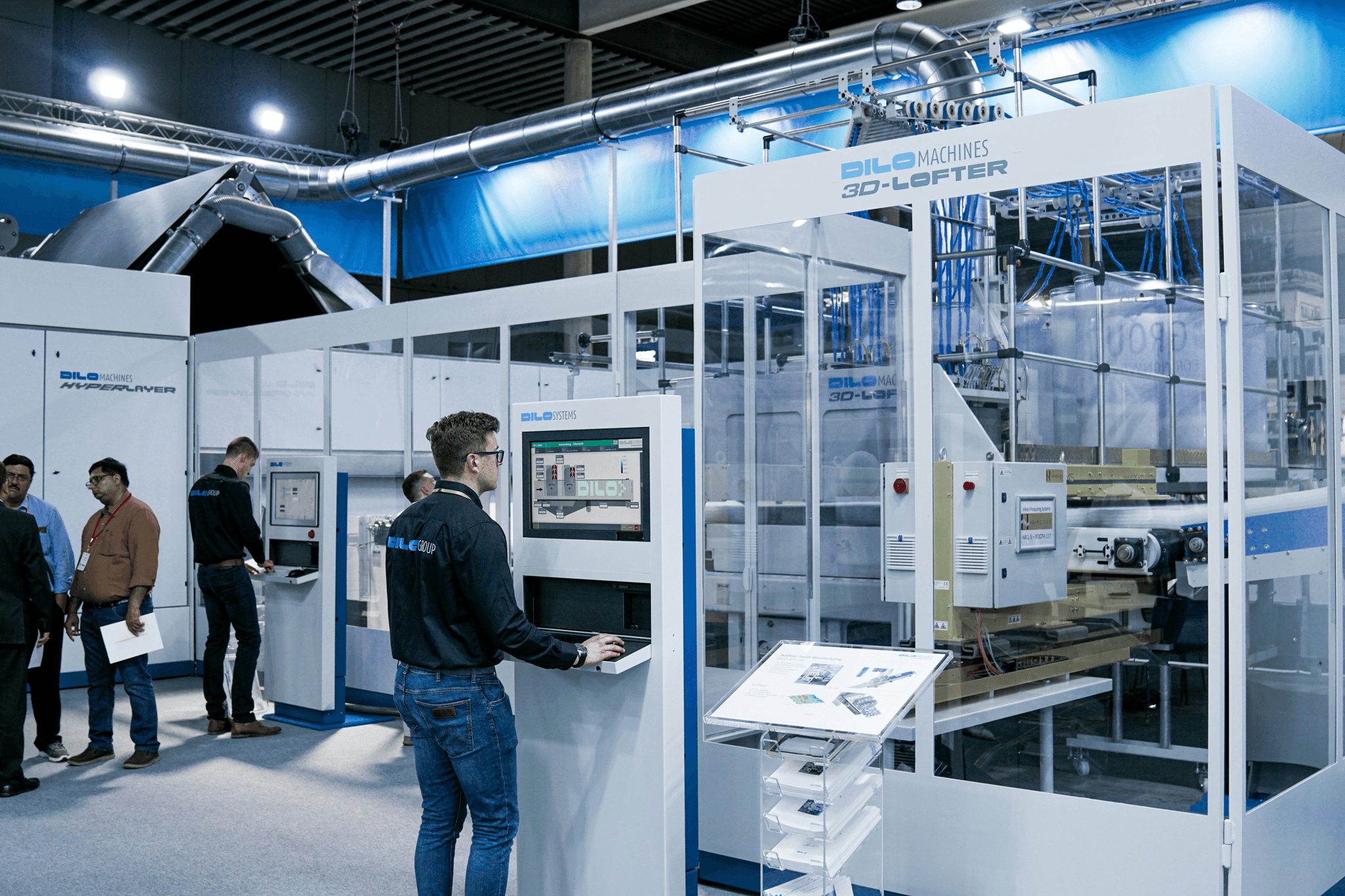
Quality checks are essential components of the manufacturing process, designed to ensure that products meet specified standards before reaching consumers. Essentially, a quality check is an evaluation performed at various stages of production to identify defects, inconsistencies, or areas for improvement. Understanding what a quality check entails can help businesses maintain high standards and enhance overall product quality.
Definition and Purpose of Quality Checks
A quality check can be defined as a systematic inspection process aimed at assessing the characteristics of a product against predetermined criteria. The primary purpose of these checks is to detect any deviations from expected standards, thereby ensuring that only compliant products are delivered to customers. In industries where precision is key—like in China FBA inspection—quality checks serve as critical safeguards against costly errors.
Importance of Quality Checks in Manufacturing
In manufacturing, the importance of quality checks cannot be overstated; they play a vital role in minimizing waste and reducing production costs by catching defects early on. Implementing robust quality control tests helps maintain an acceptable quality level (AQL) throughout the production line, ensuring that each item meets both consumer expectations and regulatory requirements. Furthermore, regular inspections reinforce brand reputation by fostering trust among customers who rely on consistent product quality.
Role of Quality Checks in Ensuring Compliance
Quality checks are also pivotal in ensuring compliance with industry regulations and standards, which often dictate specific requirements for safety and performance. By integrating rigorous inspection processes into their operations, companies can effectively mitigate risks associated with non-compliance, such as legal penalties or recalls. This proactive approach not only protects consumers but also enhances the credibility of businesses within their respective markets.
Exploring China FBA Inspection
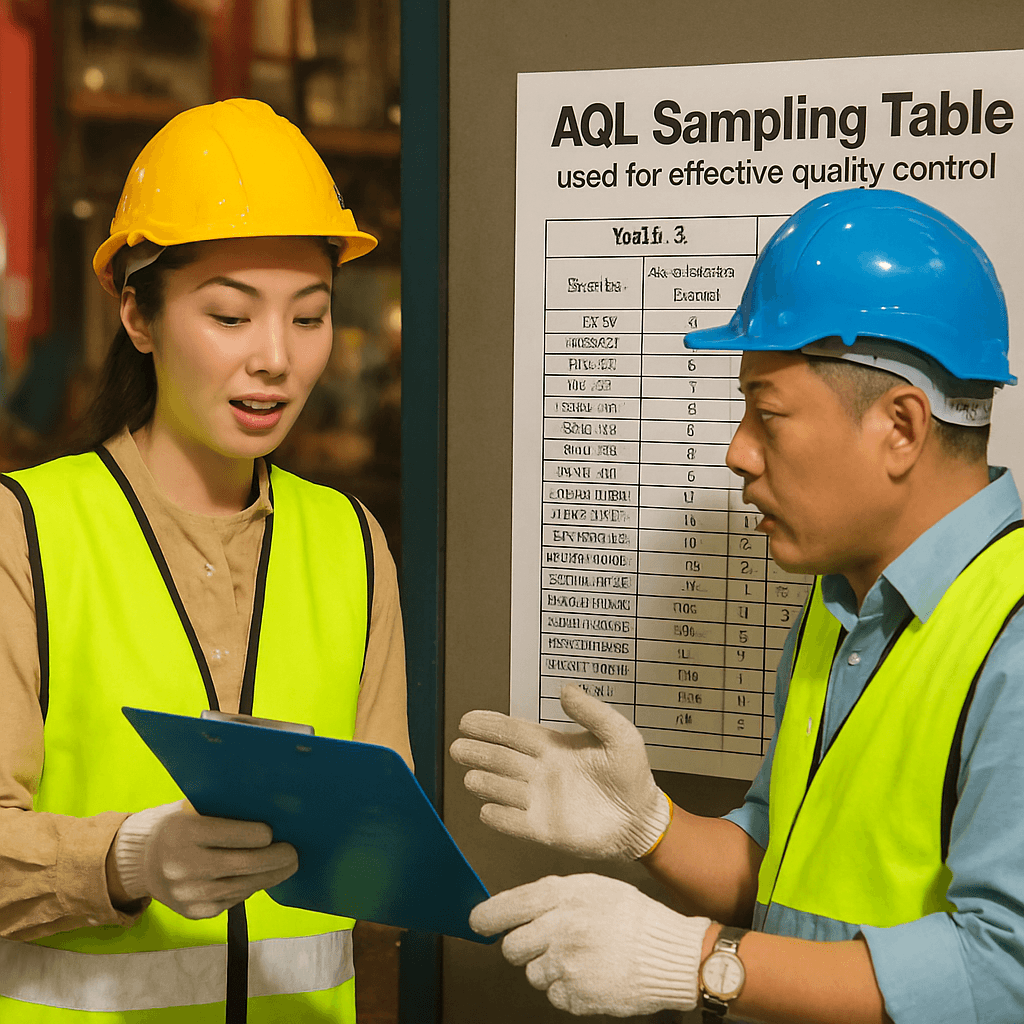
When it comes to e-commerce, particularly with Amazon's Fulfillment by Amazon (FBA) program, understanding the nuances of China FBA inspection is crucial. This process ensures that products meet specific quality standards before they reach consumers, safeguarding both sellers and buyers. By implementing effective quality checks, businesses can minimize returns and enhance customer satisfaction.
What is China FBA Inspection?
China FBA inspection refers to the thorough examination of goods produced in China before they are shipped to Amazon fulfillment centers. This inspection aims to ensure that products comply with both the seller’s specifications and applicable regulations, thus addressing what is a quality check in a practical context. The process often involves evaluating product dimensions, functionality, packaging integrity, and labeling accuracy.
Benefits of Utilizing China FBA Inspection
Utilizing China FBA inspection offers numerous benefits for sellers looking to maintain high-quality standards while navigating the complexities of international shipping. First and foremost, it helps identify defects early on—saving time and money by preventing costly returns or unsatisfied customers down the line. Additionally, leveraging third party inspection agencies can provide an unbiased perspective on product quality while ensuring compliance with AQL (acceptable quality level) standards.
Key Steps Involved in the FBA Inspection Process
The FBA inspection process typically involves several key steps designed to ensure comprehensive evaluation of products before shipment. Initially, an inspector will conduct a pre-shipment review based on a predefined quality control tests list that outlines critical parameters for assessment such as dimensions and functionality. Following this initial review, any identified issues will be documented; if necessary adjustments are made according to acceptance quality limits—ultimately ensuring that only top-notch products make their way to consumers.
AQL: Acceptable Quality Level Explained

In the realm of quality control, understanding the AQL, or Acceptable Quality Level, is crucial for manufacturers and inspectors alike. AQL serves as a benchmark that defines the maximum number of defective items considered acceptable during a random sampling of a batch. This concept is significant because it enables businesses to maintain product quality while optimizing production efficiency.
What is AQL and Its Significance?
AQL stands for Acceptable Quality Level, a statistical measurement used in quality control processes to determine the maximum allowable defects in a sample size. It plays an essential role in ensuring that products meet specified standards without requiring exhaustive inspections of every single item—this saves time and reduces costs. In contexts like China FBA inspection, understanding AQL can help sellers ensure their products are compliant with market standards before they reach consumers.
A well-defined AQL helps create consistency across production lines by establishing clear expectations regarding quality standards. This not only aids manufacturers in maintaining compliance but also enhances customer satisfaction by reducing the likelihood of receiving subpar products. Ultimately, knowing what is a quality check and how it relates to AQL empowers businesses to make informed decisions about their manufacturing processes.
How AQL Determines Quality Standards
AQL acts as a guiding principle that influences various aspects of production quality standards and inspection criteria. By defining acceptable limits for defects within specific product categories, it helps streamline operations while ensuring that products meet consumer expectations. For instance, if a manufacturer sets an AQL of 1%, this means that out of 100 items inspected, only one defect is permissible before action must be taken.
The determination of an appropriate AQL usually involves analyzing historical data on defect rates and considering industry benchmarks related to similar products. Additionally, factors such as customer expectations and regulatory requirements may also influence these decisions—especially when dealing with third party inspection agencies that evaluate compliance against established norms. Thus, understanding how to set an effective AQL can significantly impact overall product quality.
AQL vs. Acceptance Quality Limit
While often used interchangeably, there’s subtlety between Acceptable Quality Level (AQL) and Acceptance Quality Limit (AQL). The former refers specifically to the maximum percentage or number of defective items deemed acceptable during sampling inspections; it's more about setting benchmarks for quality checks in manufacturing processes like parts inspection or China FBA inspection procedures. Conversely, Acceptance Quality Limit refers more broadly to the threshold at which a lot or batch is rejected based on its defect levels.
Understanding this difference between inspection and quality control becomes crucial when designing effective procedures for evaluating product integrity over time—especially when utilizing third party inspection agencies for independent evaluations. By clearly distinguishing between these two concepts, manufacturers can better implement robust systems for maintaining high-quality outputs while minimizing risks associated with non-compliance or customer dissatisfaction.
Difference Between Inspection and Quality Control

Understanding the difference between inspection and quality control is crucial for any manufacturing operation. While both processes aim to ensure product quality, they serve different purposes within the production cycle. Inspection typically involves examining products at various stages, whereas quality control encompasses a broader strategy aimed at preventing defects throughout the manufacturing process.
Key Definitions of Inspection and Quality Control
Inspection is a systematic examination of products or processes to determine their conformity with specified requirements. It can involve visual checks, measurements, or tests to identify defects or deviations from standards—essentially answering the question: what is a quality check? On the other hand, quality control refers to all activities that ensure products meet certain standards before they reach customers; this includes not only inspections but also process management and improvement strategies.
Practical Examples of Each Process
For example, during a China FBA inspection, an inspector might assess product samples against predefined criteria using an AQL (Acceptable Quality Level) framework. This targeted inspection helps identify issues before shipping products to Amazon warehouses. In contrast, quality control might involve implementing regular training sessions for staff on best practices in parts inspection or establishing protocols that prevent defects from occurring in the first place.
Impact on Product Quality and Compliance
The impact of these two processes on product quality cannot be overstated. Effective inspections can catch problems early, ensuring compliance with industry standards and customer expectations—essentially acting as a safety net for what is a quality check in practice. Meanwhile, robust quality control systems create a culture of continuous improvement that minimizes errors and enhances overall production efficiency.
Parts Inspection for Enhanced Production Quality
In the manufacturing landscape, parts inspection plays a pivotal role in ensuring that components meet established standards and specifications. This process not only helps identify defects early but also minimizes the risk of costly rework or product recalls. By implementing effective parts inspection strategies, manufacturers can enhance production quality and maintain customer satisfaction.
Importance of Parts Inspection in Manufacturing
Parts inspection is crucial because it directly impacts the overall quality of the final product. When manufacturers understand what is a quality check, they can better appreciate how thorough inspections contribute to compliance with industry standards and regulations. Moreover, effective parts inspection helps identify any deviations from the AQL (Acceptable Quality Level), ensuring that only products meeting these criteria reach consumers.
In addition to compliance, parts inspection fosters trust between manufacturers and their clients. Clients are more likely to return when they know that rigorous quality control tests are in place, which ultimately leads to stronger business relationships. Furthermore, consistent inspections can lead to continuous improvement in manufacturing processes as issues are identified and addressed promptly.
Common Types of Parts Inspection Techniques
There are several techniques employed during parts inspection that cater to different manufacturing needs. Visual inspections allow for quick assessments of surface defects or irregularities without specialized equipment, while dimensional inspections measure critical dimensions against specified tolerances using tools like calipers or gauges. Non-destructive testing methods such as ultrasonic or magnetic particle testing help detect internal flaws without damaging the part itself.
Functional testing is another essential technique where components are subjected to real-world conditions to ensure they perform as intended; this is particularly relevant in industries like automotive and aerospace where safety is paramount. Additionally, statistical sampling methods often use AQL standards to determine acceptable levels of defectiveness within batches—a practical approach when dealing with large volumes of products.
By utilizing a combination of these techniques, manufacturers can create a comprehensive quality control tests list tailored specifically for their production processes. This multifaceted approach not only enhances efficiency but also ensures thorough coverage across various aspects of product quality.
How Parts Inspection Affects Overall Quality
The impact of parts inspection on overall product quality cannot be overstated; it serves as a foundational element in maintaining high standards throughout the production cycle. By identifying defects early through meticulous checks—whether through third-party inspection agencies or internal teams—manufacturers can address issues before they escalate into larger problems affecting production timelines and costs.
Moreover, understanding the difference between inspection and quality control allows companies to implement more effective strategies for managing both processes simultaneously. While inspections focus on evaluating individual components against set criteria, broader quality control encompasses ongoing monitoring and improvement initiatives throughout all stages of production.
Ultimately, robust parts inspection practices lead to reduced waste and increased efficiency—both vital for maintaining competitiveness in today’s market landscape. As businesses strive for excellence while navigating challenges like China FBA Inspection requirements or varying acceptance quality limits across regions, investing in reliable parts inspection becomes indispensable for long-term success.
Navigating Third Party Inspection Agencies

In the world of manufacturing and production, third-party inspection agencies play a crucial role in ensuring product quality and compliance with industry standards. With the rise of global trade, particularly with processes like China FBA inspection, businesses must choose the right partners to maintain high-quality outputs. Understanding what to look for in these agencies can significantly impact your overall quality control strategy.
What to Look for in Third Party Inspection Agencies
When searching for third-party inspection agencies, it's essential to consider their experience and reputation in the industry. Look for agencies that specialize in your specific market or product type; they should be familiar with AQL (Acceptable Quality Level) standards relevant to your sector. Additionally, check if they have a robust quality control tests list that outlines their procedures and methodologies—this transparency is key to establishing trust.
Another critical factor is the agency's accreditation and certifications. Ensure they are recognized by relevant authorities and adhere to international standards for quality inspections. Finally, consider their geographical presence; local expertise can be invaluable when dealing with specific regulations or cultural nuances during inspections, especially when conducting parts inspection on-site.
Benefits of Using Third Party Inspections
Utilizing third-party inspections offers numerous benefits that can enhance product quality while minimizing risks associated with manufacturing defects. One significant advantage is objectivity; an independent agency provides an unbiased assessment of whether your products meet established acceptance quality limits or fail them outright. This impartiality helps you avoid potential conflicts of interest when relying on internal teams for quality checks.
Moreover, third-party inspectors often bring specialized knowledge and experience that can lead to more thorough evaluations than an internal team might provide. They are well-versed in various inspection methods, ensuring that all aspects of production—from raw materials to final products—are scrutinized effectively through rigorous parts inspection techniques. This level of detail not only boosts compliance but also enhances customer satisfaction by delivering consistently high-quality items.
Lastly, engaging third-party inspectors can save time and resources for businesses focused on core operations rather than getting bogged down by extensive quality control processes themselves. By outsourcing this function, companies can streamline their workflow while still maintaining a commitment to excellence through regular assessments from trusted professionals.
China Inspection Pro: Your Partner in Quality Assurance
When it comes to navigating the complexities of inspections within China’s manufacturing landscape, China Inspection Pro stands out as a reliable partner committed to delivering top-notch services tailored specifically for your needs. They specialize in comprehensive China FBA inspections designed not only to identify defects but also ensure compliance with international standards like AQL acceptable quality levels throughout the entire production process.
China Inspection Pro employs highly trained inspectors who utilize advanced techniques aligned with industry best practices—ensuring every aspect of your product undergoes thorough scrutiny via effective parts inspection methods tailored just for you! Their dedication doesn’t stop at mere evaluation; they also provide actionable insights aimed at improving overall production efficiency while reducing costs associated with non-compliance issues.
By collaborating with China Inspection Pro, you gain access not just to their expertise but also peace of mind knowing that every shipment meets stringent criteria before reaching consumers’ hands—a crucial factor when considering the difference between inspection and quality control practices across various sectors!
Conclusion
In wrapping up our exploration of quality checks and inspections, it's clear that understanding what is a quality check is fundamental for any manufacturing process. Quality checks serve as the backbone of production, ensuring products meet established standards and comply with regulations. By implementing rigorous inspection methods, businesses can minimize defects and enhance overall product quality.
Key Takeaways on Quality Checks and Inspections
The essence of quality checks lies in their ability to identify issues before they escalate into costly problems. From the nuances of China FBA inspection to the precise measurements involved in parts inspection, each method plays a crucial role in maintaining product integrity. Additionally, grasping the difference between inspection and quality control can empower businesses to streamline processes and improve compliance with industry standards.
Future Trends in Quality Control Practices
Looking ahead, we anticipate significant advancements in how quality control tests are conducted, particularly with the integration of technology such as AI and automation. These innovations will likely enhance the accuracy of AQL (Acceptable Quality Level) assessments while simplifying third-party inspection agencies' roles. Furthermore, as global supply chains evolve, we may see an increased emphasis on real-time monitoring systems that provide instant feedback on production quality.
How to Implement Effective Quality Checks in Business
To implement effective quality checks in your business, start by developing a comprehensive quality control tests list tailored to your specific products or services. Ensure that all team members understand what is a quality check and its importance by providing training that covers both theoretical knowledge and practical applications like parts inspection techniques. Finally, consider partnering with reputable third-party inspection agencies to bolster your efforts; their expertise can help you navigate complex compliance landscapes while enhancing your overall production standards.