
Introduction
In the world of manufacturing and retail, rejected products are an inevitable reality that can have significant implications for businesses and consumers alike. These products, which fail to meet quality standards or customer expectations, often find themselves at a crossroads—whether to be repaired, resold, or ultimately destroyed. Understanding the lifecycle of a rejected product is crucial for stakeholders involved in the process, as it affects everything from supply chain management to environmental sustainability.
Understanding Rejected Products and Their Impact
Rejected products can disrupt operations and impact profitability in various ways. When goods are deemed unsatisfactory, they not only represent a financial loss but also affect brand reputation and customer trust. Companies must navigate the complexities of managing rejected products effectively to minimize their negative impact while exploring alternatives such as reworking/repairing defective products or even selling rejected goods to other customers.
The Lifecycle of a Rejected Product
The journey of a rejected product typically begins with quality control assessments that determine its fate—whether it will be fixed, sold off at a discount, or destroyed altogether. Each stage in this lifecycle presents unique challenges and opportunities; for instance, shipping rejected products together with acceptable goods can complicate logistics but may also reduce waste if handled correctly. Understanding these stages helps businesses develop strategies that optimize outcomes for their rejected inventory.
Key Players in the Rejected Product Process
Several key players are involved in managing rejected products effectively—from manufacturers who produce them to inspection agencies like China Inspection Pro that assess their quality. Suppliers play an essential role by determining immediate next steps for handling these items based on established protocols and regulations. Additionally, customers' perceptions of how companies handle rejected goods can significantly influence future purchasing decisions and brand loyalty.
What Happens to Rejected Products?

When products are rejected, they embark on a journey that can take several different paths, depending on the circumstances surrounding their rejection. The fate of these rejected products is often determined by quality control standards and the protocols established by suppliers and manufacturers. Understanding what happens next is crucial for optimizing outcomes and minimizing losses associated with these goods.
Assessing Quality Control Standards
The first step in dealing with rejected products is a thorough assessment of quality control standards. Companies need to determine whether the rejection was due to minor defects or major flaws that compromise safety and functionality. By evaluating these standards, businesses can decide if reworking or repairing defective products is feasible or if it’s better to consider alternatives like selling rejected goods to other customers or even destroying them.
Quality control plays a pivotal role in maintaining brand integrity, as repeated issues can tarnish reputations and lead to customer dissatisfaction. Suppliers must also ensure that their inspection processes are robust enough to catch potential problems before products reach the market. This proactive approach helps mitigate risks associated with shipping rejected products together with acceptable goods, which can complicate logistics and damage customer trust.
The Role of China Inspection Pro
China Inspection Pro serves as a vital ally for suppliers navigating the murky waters of rejected products. This organization specializes in quality inspections, ensuring that items meet international standards before they leave factories in China. Their expertise helps companies identify issues early on, reducing the likelihood of facing large volumes of rejected goods that require complex decision-making regarding their fate.
By partnering with China Inspection Pro, businesses can streamline their processes related to reworking or repairing defective products, making it easier to salvage value from what might otherwise be considered waste. Furthermore, they provide detailed reports that help manufacturers understand how many items were accepted versus rejected, paving the way for improvements in production methods over time. With accurate insights into product quality, companies are better equipped to handle scenarios involving shipping rejected products alongside acceptable ones without compromising overall shipment integrity.
Immediate Next Steps for Suppliers
Once a product has been deemed unacceptable after inspection, suppliers face immediate decisions about how best to proceed with those rejected items. The first course of action typically involves determining whether any reworking or repairing defective products is possible within an economically viable framework—after all, not every flaw warrants extensive resources for correction! If repairs aren’t feasible or cost-effective, suppliers may explore options such as selling rejected goods to other customers who might find value in them at discounted rates.
Communication becomes crucial at this stage; suppliers must inform stakeholders about the status of these rejected products while maintaining transparency about potential impacts on future shipments. If destruction becomes necessary due to safety concerns or regulatory requirements surrounding certain types of goods—especially hazardous items—suppliers must comply strictly with environmental regulations regarding disposal methods as well as document everything properly for accountability purposes. Ultimately, swift action ensures minimal disruption while maximizing recovery potential from those pesky rejected items!
Shipping Rejected Products Together with Acceptable Goods
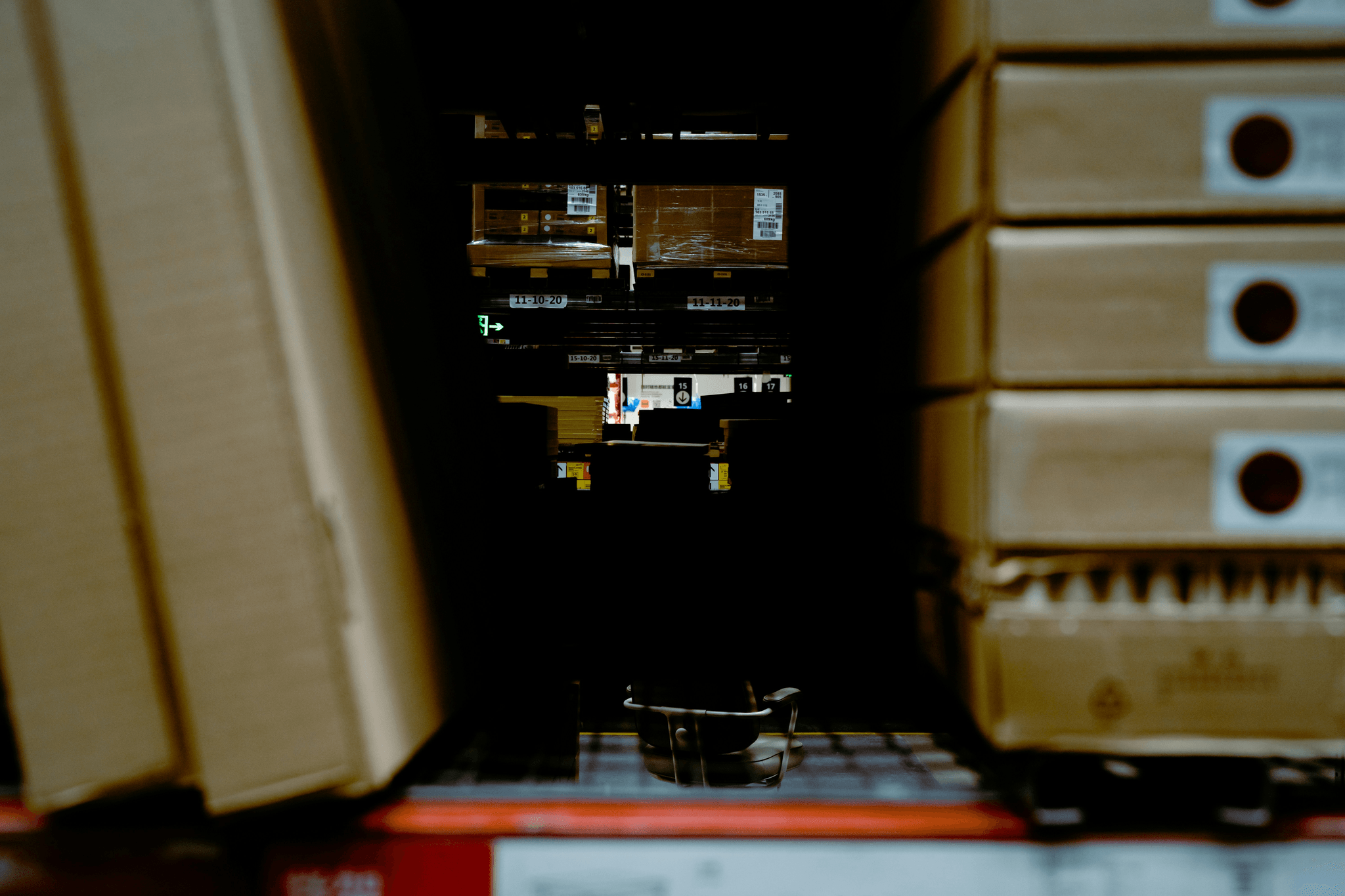
Shipping rejected products together with acceptable goods can be a tricky balancing act for suppliers and retailers alike. The logistics of managing these mixed shipments require careful planning to ensure that the acceptable items are not tainted by the presence of defective products. This involves meticulous sorting, proper documentation, and adherence to shipping regulations to minimize complications during transit.
The Logistics of Mixed Shipments
When it comes to shipping rejected products alongside acceptable goods, organization is key. Suppliers must establish a clear system for identifying and segregating rejected items from those that meet quality standards. This often includes using different packaging or labeling methods to prevent any mix-ups that could lead to customer dissatisfaction or returns down the line.
Moreover, efficient logistics management entails coordinating with carriers who understand the nuances of handling mixed shipments. Ensuring that the accepted goods are loaded first can help mitigate risks associated with contamination from rejected products during transport. Ultimately, a well-thought-out logistics strategy not only streamlines operations but also enhances overall customer satisfaction.
Risks Involved in Combining Shipments
While combining shipments may seem like a cost-effective solution, it comes with its fair share of risks. One major concern is the potential for accepted goods to be affected by rejected products, leading to quality issues upon arrival at their destination. If customers receive contaminated or damaged items due to poor handling during shipment, it can tarnish a brand's reputation and result in costly returns.
Additionally, there are regulatory risks associated with shipping defective items alongside acceptable ones—especially if those rejected products pose safety concerns or violate industry standards. If regulatory bodies catch wind of such practices, it could lead to fines or even legal action against suppliers and retailers involved in this risky game of mixed shipments. Therefore, businesses must tread carefully when considering this approach.
Customer Communication on Rejected Items
Transparent communication with customers about rejected products is essential when shipping them alongside acceptable goods. Customers appreciate honesty; informing them upfront about any potential issues helps build trust and mitigates dissatisfaction if problems arise later on. Providing clear documentation regarding which items were deemed unacceptable—and why—can also preemptively address any concerns they might have.
Furthermore, proactive communication allows businesses to engage customers in discussions about reworking or repairing defective products as alternatives instead of simply discarding them outright. By highlighting efforts made toward quality control and offering solutions like reselling rejected goods at discounted rates, companies can turn what could be seen as negative news into an opportunity for customer engagement and loyalty-building.
In conclusion, while shipping rejected products together with acceptable goods poses logistical challenges and risks, effective management strategies combined with open communication can help navigate this complex landscape successfully.
Reworking or Repairing Defective Products
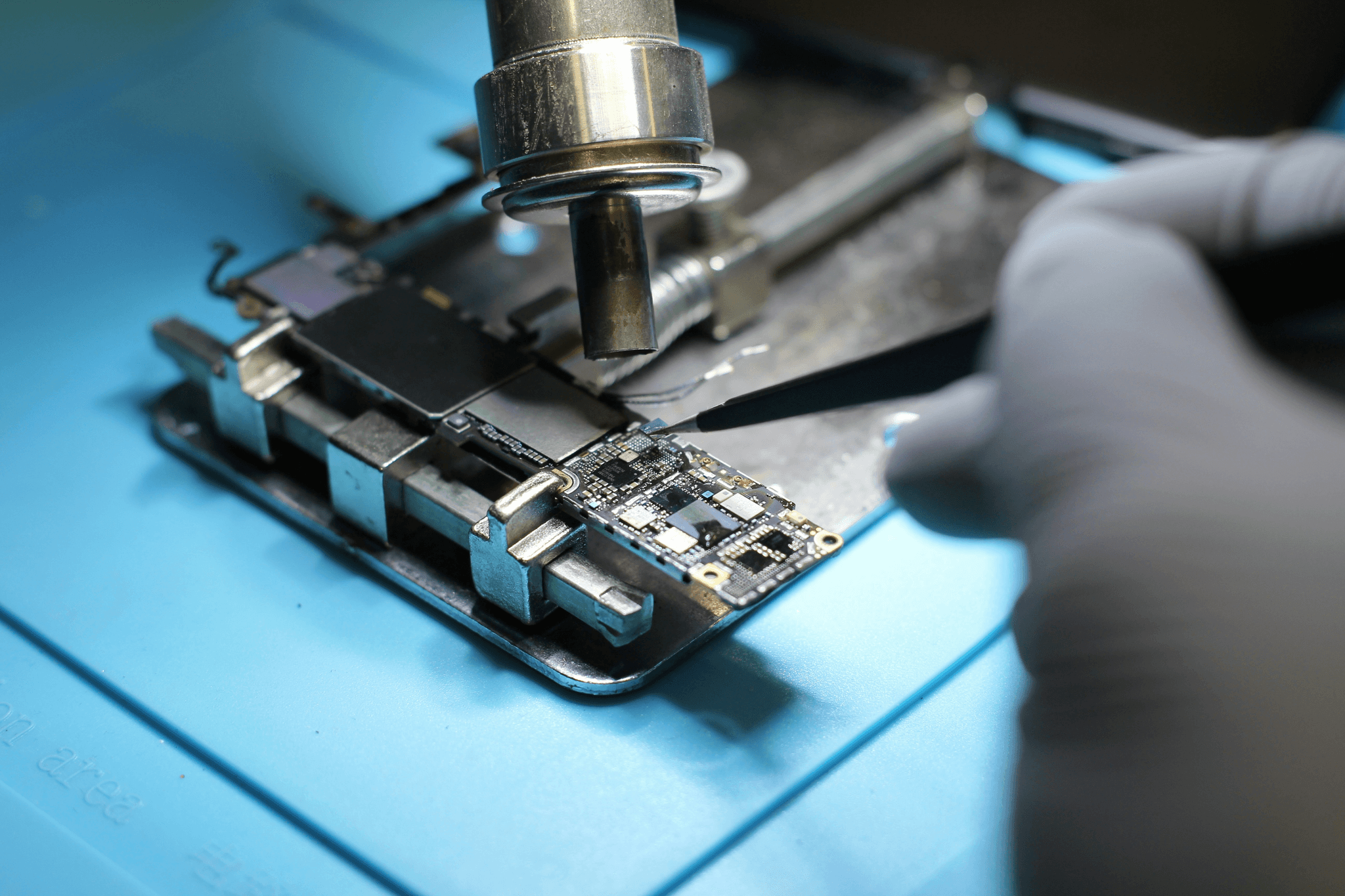
When faced with rejected products, businesses often find themselves at a crossroads: should they discard them or invest in reworking or repairing defective products? This decision can significantly impact the bottom line and sustainability efforts. By exploring effective repair techniques, evaluating cost-effectiveness, and highlighting success stories, companies can make informed choices about their rejected inventory.
Common Repair Techniques
Reworking defective products can take various forms depending on the nature of the defect. Common repair techniques include patching up physical damages, recalibrating malfunctioning electronics, and replacing faulty components to restore functionality. Additionally, some businesses employ aesthetic fixes like repainting or rebranding to enhance the appeal of previously rejected goods before they are sold again.
These repairs not only salvage value from rejected products but also reduce waste by extending product lifecycles. Moreover, skilled technicians often use innovative methods to ensure that repaired items meet quality standards before being shipped out again—sometimes even alongside acceptable goods in mixed shipments. This dual approach can help balance inventory levels while optimizing resource use.
Evaluating Cost-Effectiveness of Reworking
While reworking or repairing defective products may seem like a straightforward solution, evaluating its cost-effectiveness is crucial for any business decision-maker. Factors such as labor costs, materials needed for repairs, and potential delays must be weighed against the anticipated savings from salvaging these items. Companies should also consider whether investing in repairs will yield a higher return than simply reselling rejected goods to other customers.
Conducting a thorough analysis helps organizations determine if resources should be allocated toward fixing defects or if destroying rejected products is more financially viable in certain cases. Ultimately, understanding these dynamics allows businesses to strike a balance between quality assurance and cost management while ensuring customer satisfaction remains intact.
Success Stories of Repaired Products
There are numerous success stories that showcase how reworking defective products can lead to remarkable outcomes for companies willing to invest time and resources into repairs. For instance, several electronics manufacturers have implemented refurbishment programs that not only save costs but also promote sustainability by reducing e-waste associated with destroyed products.
Additionally, brands specializing in fashion have successfully repaired minor defects in clothing items—turning what were once considered rejected goods into sought-after limited editions through creative alterations or upcycling processes. These examples illustrate how effectively addressing defects through reworking can transform potential losses into profitable ventures while maintaining an environmentally conscious approach.
Selling Rejected Goods to Other Customers

When products fail to meet quality standards, companies often face the dilemma of what to do with rejected products. One viable option is selling these goods to other customers who may find value in them, albeit at a reduced price. This approach not only helps recover some costs but also minimizes waste and contributes to a more sustainable business model.
Secondary Markets for Rejected Products
Secondary markets for rejected products are thriving, offering an array of opportunities for businesses looking to offload their defective inventory. These markets include discount retailers, liquidation sales, and online platforms where consumers seek bargains on slightly imperfect items. By tapping into these channels, companies can efficiently manage their stock while providing budget-conscious shoppers with access to otherwise discarded goods.
However, the challenge lies in ensuring that the quality of sold rejected products is clearly communicated. Transparency about the condition of these items can help maintain brand integrity while satisfying consumer demand for lower-priced alternatives. Additionally, businesses must be strategic about which rejected products are suitable for resale; not every defect will appeal to a secondary market audience.
Ethical Considerations in Reselling
The decision to sell rejected goods raises several ethical considerations that companies must navigate carefully. First and foremost is the issue of consumer safety; businesses must ensure that any reworked or reconditioned product meets safety standards before it reaches new customers. Selling defective items without proper disclosure could lead to serious repercussions and damage brand reputation.
Moreover, ethical reselling involves being upfront about the nature of rejected products—consumers should know what they're getting into when purchasing discounted merchandise. Educating customers on potential flaws or limitations allows them to make informed decisions while fostering trust between buyers and sellers. Ultimately, aligning reselling practices with ethical standards can enhance customer loyalty and support long-term business success.
Understanding Consumer Perception
Consumer perception plays a crucial role in how rejected goods are received in the marketplace. Many shoppers view discounted items as opportunities for great deals; however, others may associate them with inferior quality or defects that deter purchase intent. Businesses need to understand this dichotomy and tailor their marketing strategies accordingly when selling rejected products.
Effective communication can help reshape negative perceptions surrounding these goods by emphasizing their value proposition—whether it's affordability or sustainability through recycling efforts like shipping rejected products together with acceptable goods instead of tossing them out entirely. Companies can leverage success stories from satisfied customers who have purchased previously rejected items as testimonials that highlight their functionality despite minor imperfections.
Ultimately, understanding consumer perception enables businesses not only to effectively market their rejected goods but also fosters a culture of acceptance around imperfections—a valuable lesson in today's fast-paced retail landscape where sustainability matters more than ever.
Destroying Rejected Products

When it comes to rejected products, destruction might seem like a last resort, but there are scenarios where it becomes necessary. For instance, if the products pose safety risks or fail to meet regulatory standards, they cannot simply sit on a shelf. In these cases, destroying rejected products ensures that they do not harm consumers or tarnish a brand's reputation.
When Destruction Becomes Necessary
There are several circumstances under which destroying rejected products is warranted. If the items are defective beyond repair or pose health hazards, immediate destruction is often the best course of action. Additionally, when shipping rejected products together with acceptable goods could lead to contamination or liability issues, destruction becomes a clear necessity to safeguard both customers and suppliers.
Environmental Impacts of Destruction
The environmental impacts of destroying rejected products cannot be overlooked. Many discarded items end up in landfills, contributing to pollution and waste management challenges. Moreover, incineration can release harmful emissions into the atmosphere; thus, companies must consider eco-friendly disposal methods that minimize their carbon footprint while addressing the issue of reworking/repairing defective products effectively.
Regulations Surrounding Product Destruction
Navigating the regulations surrounding product destruction can be as tricky as a game of chess—one wrong move and you could find yourself in hot water! Different regions have specific laws governing how rejected goods should be disposed of, particularly for hazardous materials. Companies must stay informed about these regulations to avoid hefty fines and ensure that their methods for disposing of rejected products comply with legal standards.
Conclusion
In the world of commerce, rejected products are often seen as a burden, but they can also present unique opportunities for businesses willing to think outside the box. By understanding the lifecycle of these products and embracing innovative strategies, companies can optimize outcomes that not only minimize losses but also enhance their reputation. The journey from rejection to resolution can be navigated successfully with the right approach.
Optimizing Outcomes for Rejected Products
Optimizing outcomes for rejected products requires a strategic assessment of quality control standards and an understanding of market dynamics. Companies must evaluate whether reworking or repairing defective products is feasible or if selling rejected goods to other customers could yield better returns. Additionally, effective communication regarding shipping rejected products together with acceptable goods can help maintain customer trust while minimizing waste.
Balancing Quality and Cost-Effectiveness
Finding the sweet spot between quality and cost-effectiveness is crucial when dealing with rejected products. Businesses must weigh the costs associated with reworking/repairing defective products against potential revenue from reselling these items in secondary markets. This balancing act often involves tough decisions; however, being transparent about issues—especially when shipping rejected products together with acceptable goods—can foster goodwill among customers.
Leveraging Expertise for Better Solutions
Leveraging expertise is essential in addressing the challenges posed by rejected products effectively. Collaborating with specialists in logistics can streamline processes related to shipping rejected products together with acceptable goods while ensuring compliance with industry standards. Moreover, engaging professionals experienced in destroying rejected products responsibly can mitigate environmental impacts and adhere to regulations, ultimately leading to more sustainable practices.