
Introduction
In the world of cooking, the tools we use can make or break our culinary creations. Cookware recalls are a stark reminder that even trusted brands can falter, highlighting the critical role of cookware quality control in ensuring safety and performance. As consumers, understanding these recalls not only helps us navigate our kitchen choices but also emphasizes the importance of stringent quality assurance practices.
Understanding Cookware Recalls
Cookware recalls often stem from safety concerns that arise during quality inspection processes. When a product fails to meet safety standards, companies must act swiftly to protect consumers, showcasing the necessity for effective company quality control systems. By examining past incidents, we gain insight into how these failures occur and what can be done to prevent them in the future.
Importance of Cookware Quality Control
Quality control is essential in manufacturing cookware that not only performs well but also keeps users safe from hazards like chemical exposure or physical injuries. The role of a quality assurance specialist is vital in this process, as they ensure every piece undergoes rigorous quality checks before reaching consumers' hands. Without robust quality control measures, even reputable brands risk tarnishing their reputation and compromising customer trust.
Lessons from Historical Failures
Historical failures in cookware manufacturing serve as cautionary tales for both producers and consumers alike. Each incident teaches valuable lessons about the need for enhanced quality assurance protocols and thorough quality control inspections throughout production stages. By learning from these mistakes, companies can implement proactive steps to enhance cookware safety and reliability moving forward.
Teflon Coatings and PFOA Concerns

The introduction of Teflon coatings revolutionized cookware, providing a non-stick surface that made cooking and cleanup a breeze. However, this innovation came with its own set of challenges, particularly surrounding the use of PFOA (perfluorooctanoic acid), a chemical linked to serious health risks. As consumers became more aware of these issues, the cookware industry faced increased scrutiny regarding its quality control practices.
The Great Teflon Scare
The Great Teflon Scare emerged in the early 2000s when reports began surfacing about the dangers associated with PFOA used in manufacturing Teflon-coated products. Investigations revealed that PFOA was not only present in cookware but also found in human blood and the environment, raising alarms about its potential health impacts. This led to a significant push for improved quality assurance measures within companies producing non-stick cookware.
Health Risks Associated with Teflon
Research indicated that exposure to PFOA could be linked to various health problems, including cancer, liver damage, and developmental issues in children. These alarming findings prompted consumers to question the safety of their beloved non-stick pans and pots, leading to heightened demand for transparency in product safety and quality control inspection processes. Cookware manufacturers were forced to reevaluate their materials and production methods to ensure they met evolving safety standards.
Moves Toward Safer Cookware
In response to growing concerns over health risks associated with Teflon coatings, many companies began phasing out PFOA from their manufacturing processes altogether. Innovations such as ceramic coatings emerged as safer alternatives that still provided excellent non-stick properties without compromising consumer safety. This shift not only improved cookware quality control but also reinforced the importance of rigorous quality checks throughout production—ensuring that customers could use their kitchen tools with confidence.
Pyrex Glass Bakeware Breakage

The story of Pyrex glass bakeware is a cautionary tale that underscores the critical importance of cookware quality control. Once a beloved staple in kitchens around the world, Pyrex faced significant backlash when reports emerged about its tendency to shatter unexpectedly. This crisis highlighted glaring deficiencies in quality assurance processes and raised questions about the effectiveness of company quality control measures.
The Pyrex Quality Control Crisis
In the early 2000s, consumers began experiencing alarming incidents where their Pyrex dishes shattered during normal use, often without any apparent cause. Investigations revealed that changes in manufacturing processes had compromised the integrity of the glass, leading to safety concerns that could not be ignored. The failure in quality control inspection practices not only damaged customer trust but also put many at risk, prompting an urgent need for a reevaluation of quality checks across production lines.
Customer Safety and Product Failures
The consequences of these product failures were severe; customers reported injuries from flying shards of glass, along with ruined meals and frustration over lost kitchen essentials. The public outcry forced both consumers and industry experts to scrutinize how such lapses in safety could occur within an established brand known for its durability and reliability. This situation served as a stark reminder that even trusted brands must maintain stringent quality assurance protocols to protect their customers.
Steps Taken to Restore Trust
In response to the crisis, Pyrex implemented several proactive measures aimed at restoring consumer confidence and ensuring future safety. They revamped their quality control processes by incorporating more rigorous quality checks at every stage of production, including enhanced testing protocols for thermal resistance and stress tolerance in their glassware. Additionally, they engaged with customers directly through transparent communication about product safety improvements and offered replacements for affected items—demonstrating their commitment to customer satisfaction and safety.
Le Creuset Enameled Cast Iron Risks
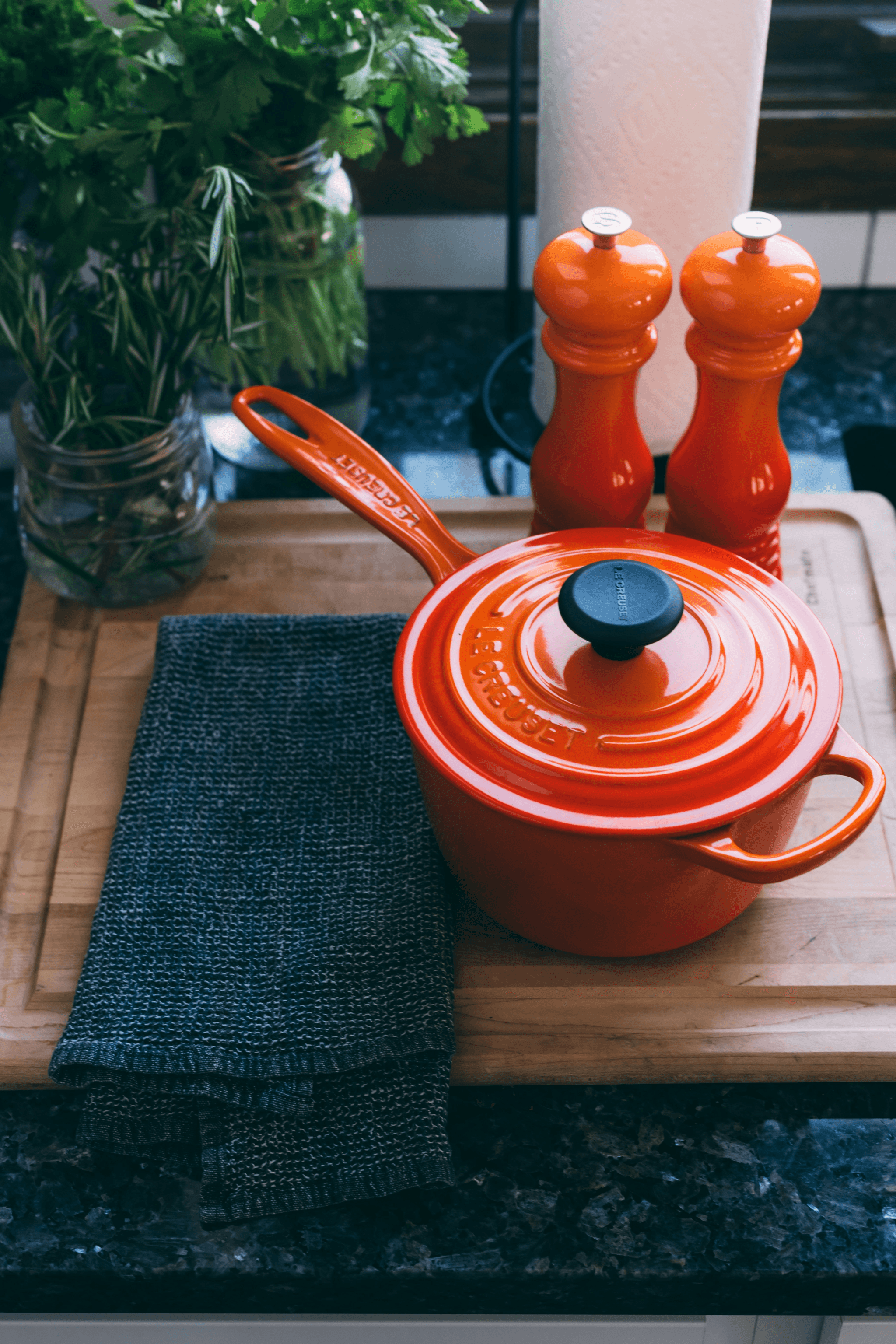
Le Creuset, the iconic brand known for its colorful enameled cast iron cookware, faced significant scrutiny when reports surfaced about potential safety issues. Some customers experienced chipping and cracking in their cookware, raising concerns about the quality control measures in place. This incident served as a wake-up call for both the company and consumers regarding the importance of rigorous quality assurance practices.
What Happened with Le Creuset?
The troubles began when several users reported that their beloved Le Creuset pots and pans were not living up to expectations due to unexpected breakage. These incidents prompted a closer look at the company's manufacturing processes and quality inspection protocols. It became clear that while Le Creuset has long been synonymous with durability, lapses in quality checks had led to these unfortunate product failures.
Impacts on Cookware Quality Control
The situation highlighted critical flaws in cookware quality control across the industry, not just within Le Creuset itself. Companies recognized that maintaining high standards of quality assurance is essential for consumer trust; any breach can lead to widespread reputational damage. The incident sparked conversations about how brands should implement more stringent quality control inspections to prevent future mishaps and ensure customer satisfaction.
Customer Safety Measures Implemented
In response to these challenges, Le Creuset took proactive steps to restore consumer confidence by enhancing their company quality control protocols. They introduced more comprehensive quality checks throughout the manufacturing process, ensuring that each piece of cookware underwent rigorous testing before reaching store shelves. Additionally, they improved communication with customers regarding product care and safety measures, reinforcing their commitment to delivering safe and reliable cookware.
Cuisinart Pressure Cooker Explosion
The Cuisinart pressure cooker explosion incident serves as a stark reminder of the critical importance of cookware quality control in consumer safety. In this case, numerous reports emerged of the pressure cookers malfunctioning, leading to explosions that caused injuries and property damage. The subsequent recall involved millions of units, highlighting significant lapses in quality assurance practices that should have identified these risks before they reached consumers.
The Story Behind the Recall
The story behind the Cuisinart pressure cooker recall began when users reported dangerous incidents involving exploding lids and scalding hot contents being ejected forcefully. Investigations revealed that faulty components were responsible for these malfunctions, raising serious questions about the company's quality control protocols during manufacturing and assembly. This situation prompted a massive recall affecting over 100,000 units and served as a wake-up call for both consumers and manufacturers regarding the necessity of rigorous quality inspections.
Lessons Learned on Quality Assurance
From this alarming episode, several key lessons emerged regarding quality assurance in cookware production. First and foremost, companies must implement strict quality checks at every stage of production to ensure safety standards are met consistently. Additionally, transparency in reporting issues can help build trust with consumers; addressing problems quickly can mitigate potential harm while reinforcing commitment to cookware quality control.
Impact on Brand Integrity
The fallout from the Cuisinart pressure cooker incidents had lasting effects on brand integrity and consumer perceptions. Once regarded as a trusted name in kitchen appliances, Cuisinart faced significant challenges in restoring its reputation after such safety failures came to light. This incident underscored how critical effective company quality control is for maintaining consumer confidence; brands must prioritize safety to avoid long-term damage to their image.
KitchenAid Stand Mixer Safety Issues

When it comes to iconic kitchen appliances, the KitchenAid stand mixer is a beloved staple. However, this culinary classic faced serious scrutiny due to safety issues that led to a significant recall. Understanding how quality control failures can impact even the most trusted brands is essential for consumers and manufacturers alike.
The KitchenAid Mixer Recall Saga
In 2018, KitchenAid announced a recall of approximately 40,000 stand mixers after reports surfaced of potential overheating and melting components. This alarming revelation raised questions about the company's quality assurance practices and prompted a thorough investigation into their manufacturing processes. The recall was not just about faulty products; it was also about rebuilding consumer trust in a brand synonymous with quality cookware.
Understanding Quality Control Failures
Quality control failures can stem from various factors, including inadequate quality inspections during production or insufficient testing before products hit the shelves. In the case of KitchenAid, lapses in their company quality control protocols may have contributed to the hazardous conditions reported by users. Such oversights highlight the importance of rigorous quality checks at every stage of product development to ensure that safety is never compromised.
Brand Response and Customer Communication
KitchenAid's response to the recall involved transparent communication with customers and a commitment to rectify the issues at hand. They provided clear instructions on how consumers could identify affected models and offered solutions for safe returns or repairs. Effective customer communication is crucial for maintaining brand integrity after quality control mishaps; it reassures consumers that their safety remains a top priority while reinforcing confidence in future products.
Conclusion

In the world of cookware, quality control isn't just a buzzword—it's a necessity. The various recalls we've examined serve as stark reminders that even the most reputable brands can falter without proper oversight and vigilance in their quality assurance processes. These incidents highlight the critical need for robust quality inspection protocols to ensure consumer safety and maintain brand integrity.
Recalls Highlighting Quality Control Necessities
The cookware industry has seen its fair share of mishaps that underscore the importance of stringent quality control measures. From Teflon's health concerns to Pyrex's breakage issues, these recalls have been eye-opening experiences for both consumers and manufacturers alike. They remind us that without diligent quality checks throughout production, even trusted brands can inadvertently compromise customer safety.
Proactive Steps for Safer Cookware
To prevent future crises, companies must take proactive steps in their quality assurance practices. This includes implementing comprehensive quality control inspections at every stage of manufacturing and ensuring that all materials used meet safety standards. By prioritizing these measures, manufacturers can significantly reduce risks associated with cookware and foster greater trust among consumers.
The Role of China Inspection Pro in Quality Excellence
Enter China Inspection Pro—a beacon of hope in the realm of cookware quality control! As a dedicated partner for companies seeking to enhance their product safety through meticulous quality checks, they ensure that every item meets rigorous standards before it reaches consumers' kitchens. Their expertise as a quality assurance specialist helps elevate industry standards, making safer cookware not just an aspiration but a reality.