
Introduction

In the ever-evolving world of oil extraction, the significance of Oil Rig QC Inspection cannot be overstated. These inspections serve as a crucial line of defense, ensuring not only the safety and reliability of operations but also compliance with stringent regulatory standards. As the global demand for energy continues to rise, maintaining high-quality control measures becomes paramount for both operational integrity and environmental protection.
Importance of Oil Rig QC Inspection
Oil Rig QC Inspection plays a vital role in safeguarding human lives, equipment, and the environment. By identifying potential hazards and ensuring that all components meet industry standards, these inspections help prevent costly accidents and downtime. The importance of this process is magnified in regions like China, where rapid industrial growth demands rigorous quality assurance protocols.
Overview of Inspection Procedures
The inspection procedures for oil rigs encompass a variety of methods designed to assess different aspects of rig operations effectively. Visual Inspections serve as the first step in identifying visible defects or irregularities, while Mechanical Inspections delve deeper into the functionality and reliability of critical components. Additionally, Packaging Inspections ensure that all materials are properly secured and compliant with regulations before they reach their destination.
Role of Quality Inspection in China
In China, the role of quality inspection in the oil industry has become increasingly significant due to heightened safety concerns and regulatory requirements. As domestic production ramps up to meet global energy needs, effective Oil Rig QC Inspection practices are essential for maintaining operational standards. This focus on quality not only enhances safety but also fosters international confidence in Chinese oil production capabilities.
Understanding Oil Rig QC Inspection
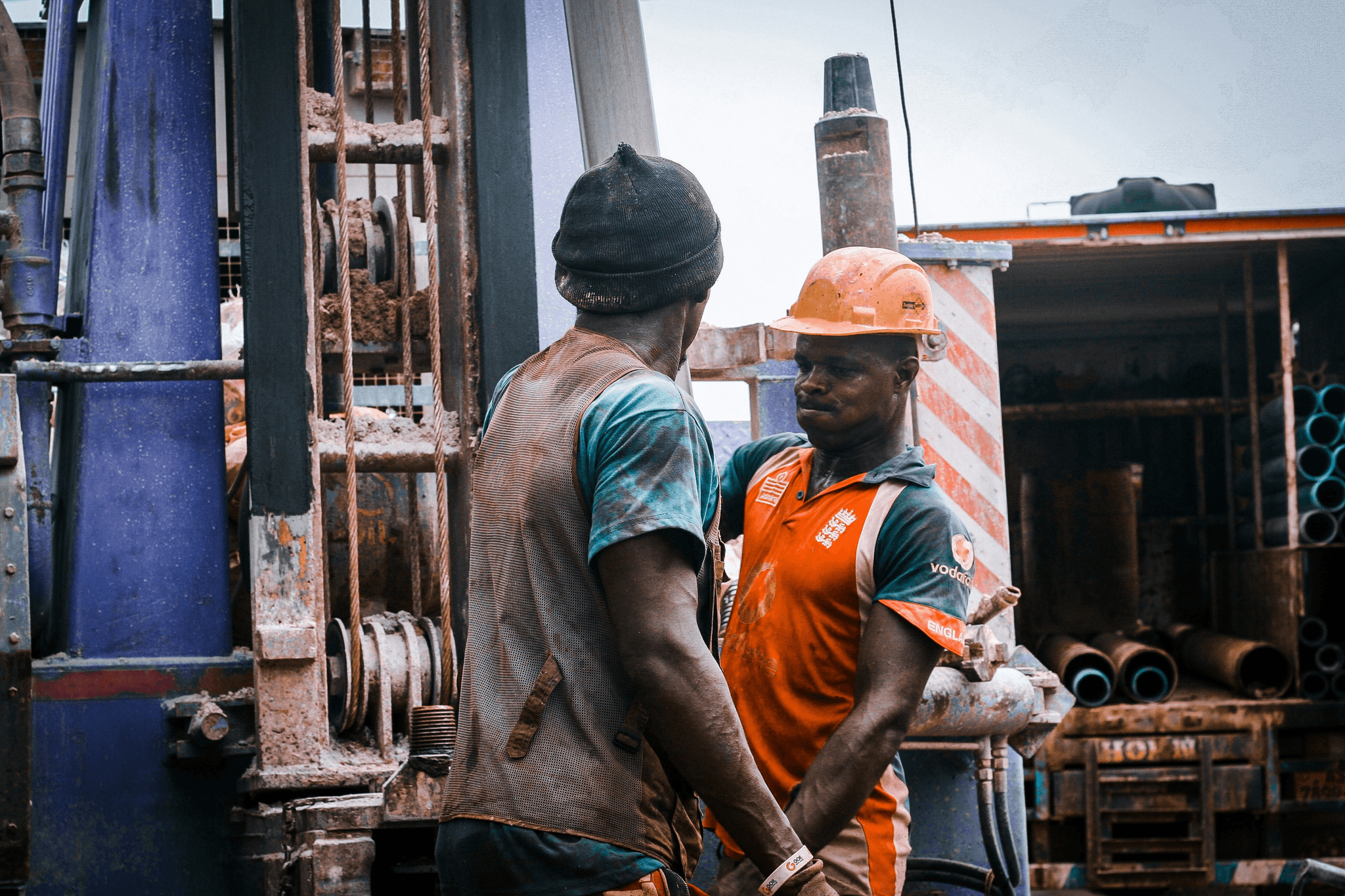
In the world of oil extraction, ensuring that every component functions flawlessly is paramount. This is where Oil Rig QC Inspection comes into play, serving as a systematic approach to maintaining safety and operational efficiency. By focusing on visual inspections, mechanical inspections, and packaging inspections, companies can uphold the highest standards of quality.
Definition and Key Principles
Oil Rig QC Inspection refers to the comprehensive evaluation processes designed to assess the quality and integrity of equipment used in oil rigs. The key principles revolve around prevention, detection, and correction; aiming to identify potential issues before they escalate into costly failures or safety hazards. By adhering to these principles, operators can ensure that their rigs operate smoothly and meet industry standards.
Importance of Quality Control in Oil Rigs
Quality control in oil rigs is not just a regulatory requirement; it’s a matter of life and death. Effective Oil Rig QC Inspection helps prevent accidents that could result from equipment failure or human error, safeguarding both personnel and assets. Moreover, implementing rigorous inspection protocols can significantly reduce downtime and repair costs, ultimately boosting profitability.
Regulatory Standards in China
In China, regulatory standards for Oil Rig QC Inspection are stringent and continuously evolving to keep pace with technological advancements and safety requirements. The government mandates compliance with international guidelines while also establishing local regulations tailored for the unique challenges faced by the industry within its borders. These regulations encompass all facets of inspections—visual inspections for immediate safety checks, mechanical inspections for long-term reliability assessment, and packaging inspections to ensure compliance with material transport norms.
Types of Inspections
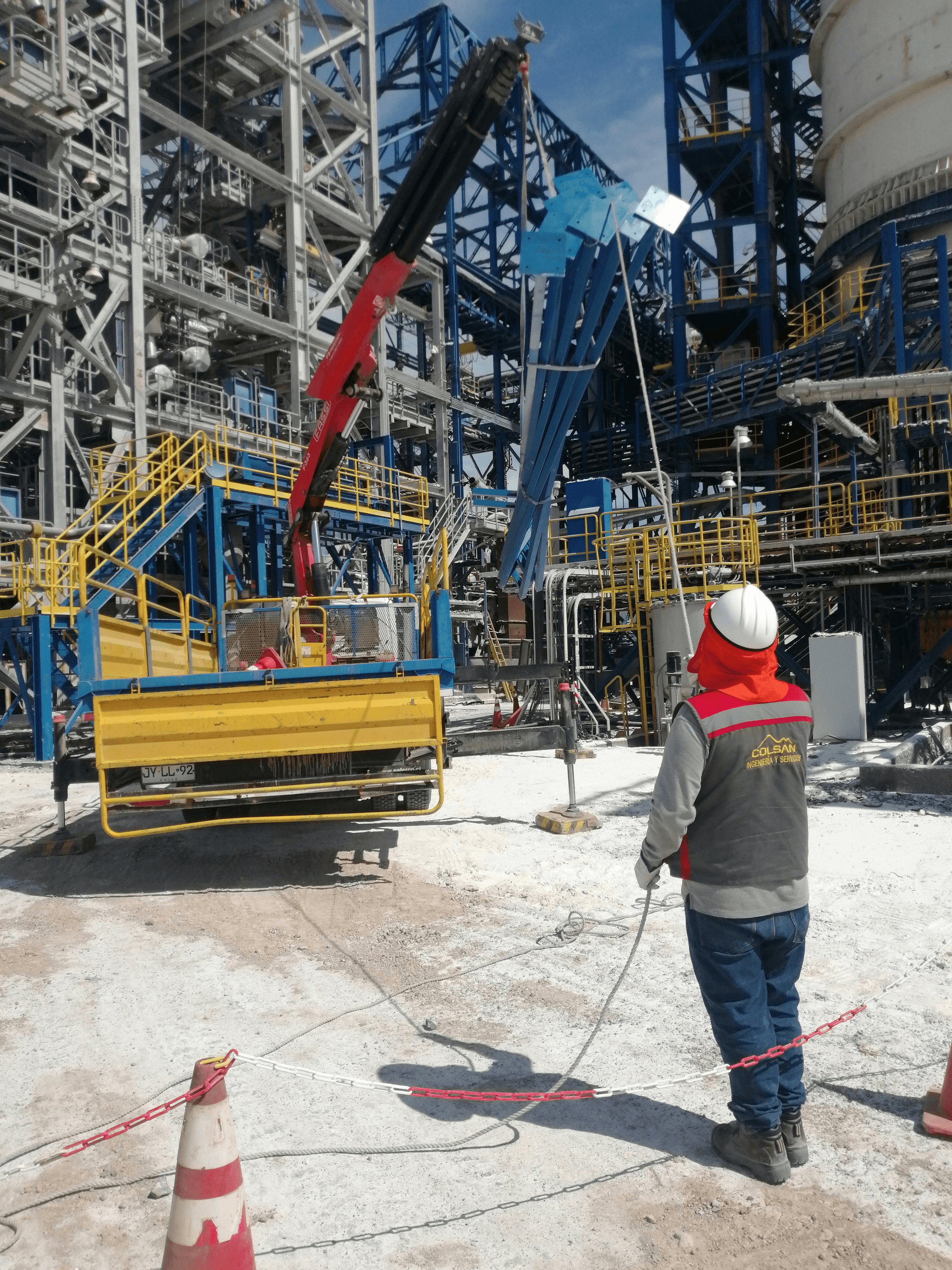
In the world of oil rig operations, inspections are essential to ensure safety, reliability, and compliance. Oil Rig QC Inspection encompasses various types of assessments, each tailored to address specific aspects of the rig's functionality and integrity. Understanding these inspection types allows operators to mitigate risks and enhance overall performance.
Visual Inspections for Safety
Visual inspections serve as the first line of defense in Oil Rig QC Inspection protocols. These inspections involve a thorough examination of visible components and systems on the rig, identifying potential hazards or defects before they escalate into serious issues. By employing trained inspectors who utilize keen observational skills, visual inspections can uncover common problems such as corrosion, leaks, or structural weaknesses that could compromise safety.
Effective visual inspections rely on a combination of techniques including systematic walkthroughs and targeted checks based on previous findings. Inspectors often use checklists to ensure no detail is overlooked during their evaluations. The tools at their disposal—such as magnifying glasses or borescopes—enhance their ability to spot defects that may not be immediately apparent.
Mechanical Inspections for Reliability
When it comes to ensuring operational integrity, mechanical inspections play a pivotal role in Oil Rig QC Inspection processes. These assessments focus on critical machinery and components that are fundamental to the rig's performance, such as pumps, turbines, and drilling equipment. Through rigorous testing and evaluation methods, mechanical inspections help identify wear and tear or malfunctioning parts before they lead to costly downtime.
Best practices in mechanical inspections include routine maintenance checks and comprehensive testing protocols designed to assess both functionality and safety standards. Case studies from leading operators reveal that proactive mechanical inspections significantly reduce incidents related to equipment failure while extending the lifespan of key assets. By prioritizing these inspections, companies can maintain reliability in their operations while safeguarding personnel.
Packaging Inspections for Compliance
Packaging inspections are an often-overlooked aspect of Oil Rig QC Inspection but are crucial for ensuring compliance with industry regulations and standards. Proper packaging not only protects equipment during transit but also ensures that all materials meet necessary specifications upon arrival at the site. Common packaging failures can lead to damage or contamination of essential components—issues that could derail operations before they even begin.
The importance of thorough packaging inspections cannot be overstated; they serve as a safeguard against potential mishaps that might occur during transportation or storage phases. Companies like China Inspection Pro specialize in providing comprehensive solutions focused on maintaining compliance through effective packaging assessments tailored specifically for oil rigs. By implementing stringent packaging inspection protocols, organizations can minimize risks associated with damaged goods while adhering to regulatory requirements.
Visual Inspections: The First Line of Defense
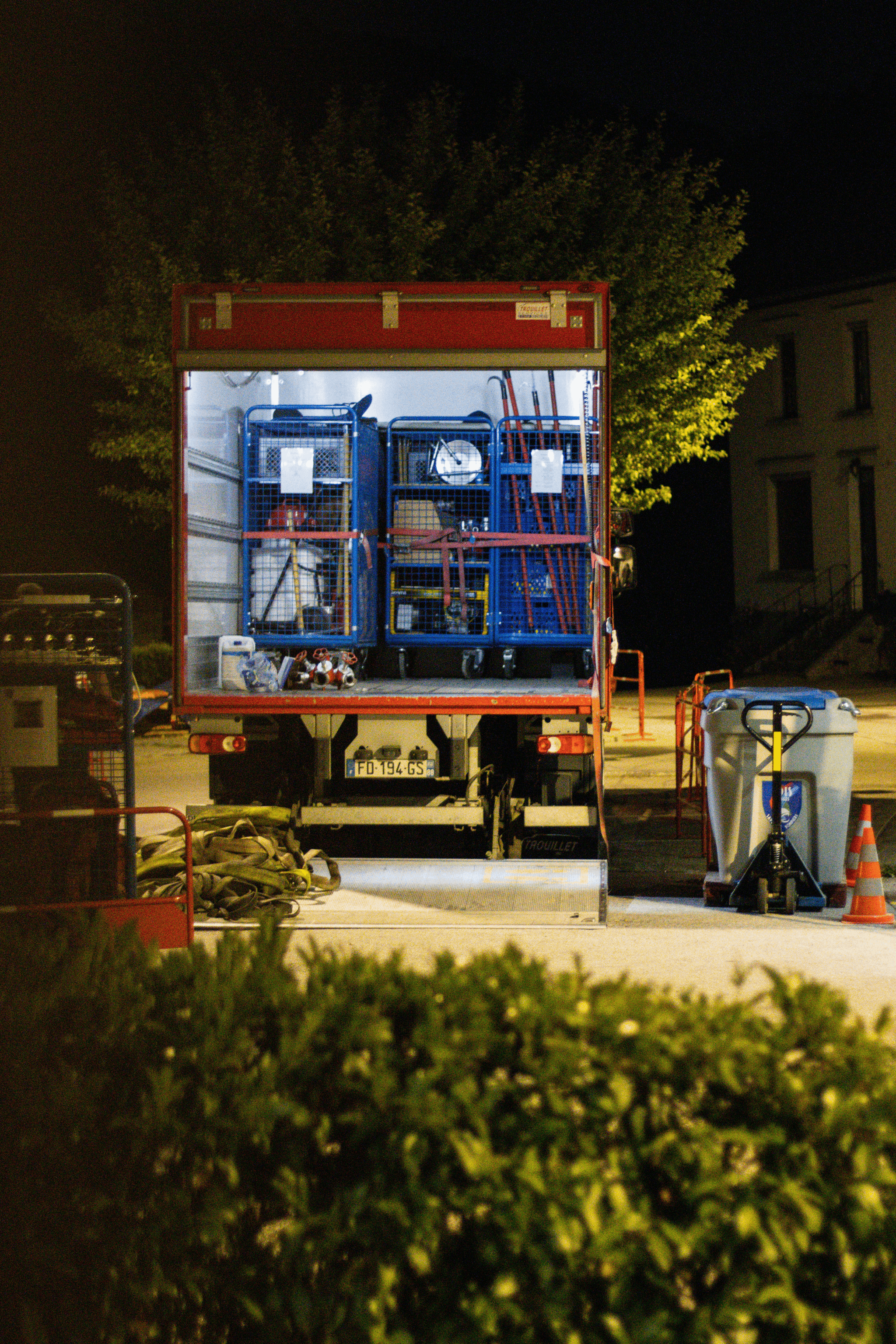
Visual inspections serve as the initial checkpoint in the Oil Rig QC Inspection process, ensuring that potential issues are identified before they escalate into major problems. This proactive approach not only safeguards equipment but also enhances overall operational safety and efficiency. By focusing on the visual aspects of oil rigs, inspectors can quickly assess conditions and pinpoint areas requiring further attention.
Techniques for Effective Visual Inspections
To conduct effective visual inspections in Oil Rig QC Inspection, inspectors employ a variety of techniques designed to maximize detection rates. One such technique is systematic walkthroughs, where inspectors follow a structured path to examine critical components methodically. Additionally, leveraging high-contrast lighting can help illuminate hidden defects, while using checklists ensures that no aspect is overlooked during the inspection process.
Another valuable technique involves employing digital tools like drones or cameras to capture images from hard-to-reach areas of the rig. These tools not only enhance visibility but also allow for detailed analysis later on. Ultimately, combining traditional methods with modern technology leads to more comprehensive inspections and improved outcomes.
Common Issues Identified
During visual inspections, several common issues frequently arise that can compromise the integrity of an oil rig. Corrosion is a prevalent concern; it can weaken structural components and lead to catastrophic failures if not addressed promptly. Other typical findings include loose fittings or connections that could result in leaks or operational inefficiencies.
Additionally, signs of wear and tear on safety equipment often come up during these checks; this includes frayed cables or damaged protective gear that must be replaced immediately to ensure worker safety. Identifying these issues early through diligent visual inspections allows operators to implement timely corrective actions and maintain compliance with regulatory standards.
Tools Used in Visual Inspections
A range of tools is employed during visual inspections in the context of Oil Rig QC Inspection, each serving a specific purpose to enhance accuracy and efficiency. Basic tools like flashlights and mirrors are essential for illuminating dark spaces and inspecting hard-to-see areas effectively. However, more advanced equipment such as thermal imaging cameras helps identify heat anomalies indicative of underlying problems.
Moreover, inspection software applications streamline data collection by allowing inspectors to document findings digitally in real-time—making it easier to track trends over time. By utilizing this combination of traditional tools alongside modern technology, inspectors can significantly improve their ability to detect potential issues during visual inspections.
Mechanical Inspections: Ensuring Operational Integrity
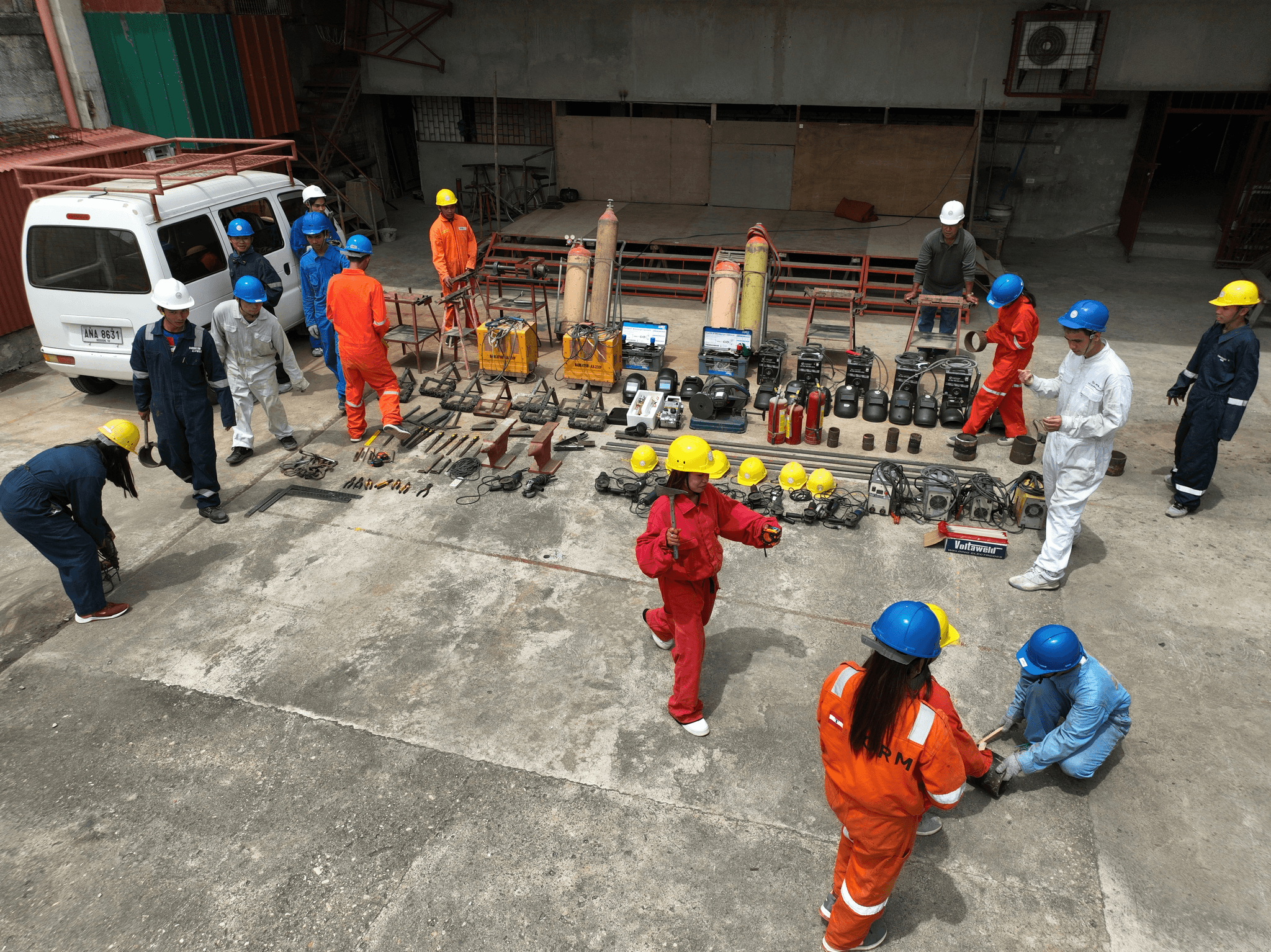
Mechanical inspections are a cornerstone of Oil Rig QC Inspection, ensuring that all components function optimally under the harsh conditions of offshore operations. These inspections focus on critical systems such as drilling equipment, pumps, and safety mechanisms, which must be in peak condition to prevent catastrophic failures. By maintaining rigorous mechanical inspection protocols, operators not only safeguard their investments but also protect the lives of personnel onboard.
Key Components Subject to Mechanical Inspections
In the realm of mechanical inspections, several key components demand particular attention to detail. For instance, drilling rigs require thorough checks on blowout preventers (BOPs), which are vital for controlling well pressure and preventing blowouts. Additionally, pumps and compressors must be inspected for leaks and wear to ensure they operate efficiently without risking operational integrity during drilling activities.
Another critical area involves structural components such as cranes and lifting equipment that are essential for moving heavy materials safely. The integrity of these systems directly impacts overall safety on the rig; hence, frequent mechanical inspections are crucial. Lastly, valves and piping systems also undergo rigorous scrutiny to avoid leaks that could lead to environmental disasters or operational downtime.
Methods and Best Practices
Employing effective methods during mechanical inspections is essential for achieving reliable results in Oil Rig QC Inspection processes. One widely used technique is non-destructive testing (NDT), which allows inspectors to assess material integrity without causing damage—think ultrasonic testing or magnetic particle inspection! Furthermore, adhering to industry best practices like regular calibration of inspection tools ensures accuracy in detecting potential issues before they escalate.
Documentation plays a pivotal role as well; maintaining detailed records of each inspection helps track trends over time and informs future maintenance schedules. Training inspectors on the latest technologies and methodologies can significantly enhance their ability to identify subtle signs of wear or malfunction during mechanical inspections. Finally, fostering a culture of safety where every crew member understands their role in maintaining equipment can lead to more proactive approaches in addressing potential risks.
Case Studies from Leading Operators
Several leading operators have set benchmarks in implementing effective mechanical inspections within their Oil Rig QC Inspection frameworks. For example, one major player adopted an advanced predictive maintenance system that utilizes real-time data analytics from sensors installed across various rig components—resulting in a 30% reduction in unplanned downtime! This approach not only optimized performance but also enhanced safety by identifying problems before they became critical.
Another case study highlights an operator who revamped its training program for mechanical inspectors using simulation technology that mimics real-world scenarios encountered on oil rigs. This innovative method improved inspector confidence significantly while reducing human error during actual inspections—a win-win situation if there ever was one! These examples underscore how leading operators leverage technology and best practices to elevate their mechanical inspection processes while ensuring operational integrity remains uncompromised.
Packaging Inspections: Meeting Compliance Standards
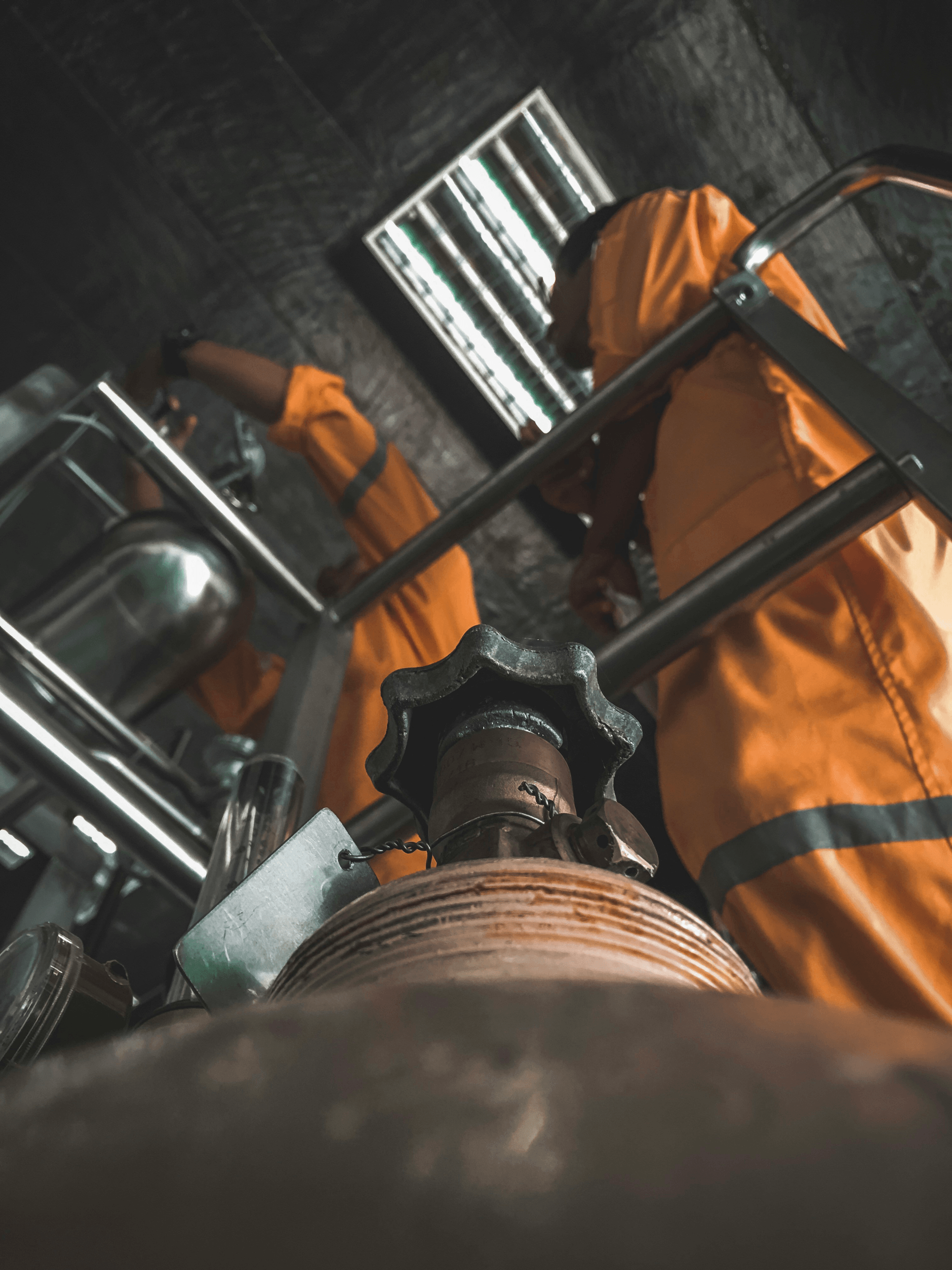
In the world of Oil Rig QC Inspection, packaging inspections play a pivotal role in ensuring that all components arrive safely and in compliance with industry regulations. Proper packaging not only protects the integrity of the equipment but also minimizes risks associated with transportation and storage. By adhering to stringent packaging inspection protocols, companies can prevent costly delays and safety hazards down the line.
Importance of Proper Packaging Inspections
Proper packaging inspections are vital for maintaining the quality and safety of oil rig components throughout their journey from manufacturer to installation site. These inspections ensure that materials are adequately protected against environmental factors, physical damage, and contamination during transit. Additionally, effective packaging inspections contribute to overall operational efficiency by reducing the likelihood of equipment failure due to improper handling or inadequate protection.
Moreover, with increasing regulatory scrutiny in China’s oil and gas sector, adherence to established standards is non-negotiable. Packaging that fails to meet compliance standards can lead to significant legal repercussions and financial losses for operators. Thus, implementing thorough packaging inspections is essential not only for quality assurance but also for maintaining a company's reputation in a competitive market.
Common Packaging Failures
Despite best efforts, common packaging failures can still occur during the transportation of oil rig components. One prevalent issue is inadequate cushioning or support within packages, which can lead to shifting or damage during transit. Additionally, poor sealing techniques may expose contents to moisture or dirt, compromising their quality before they even reach the inspection stage.
Another frequent failure involves using inappropriate materials that do not withstand environmental conditions such as extreme temperatures or humidity levels typical in oil rig operations. This oversight can result in damaged goods upon arrival at their destination—an outcome no operator wants on their hands! Lastly, insufficient labeling may cause confusion regarding handling instructions or product specifications, leading to further complications during installation.
Role of China Inspection Pro in Packaging
China Inspection Pro plays an instrumental role in enhancing the effectiveness of packaging inspections within the oil rig sector by providing specialized services tailored to meet local regulatory requirements. Their expertise enables companies to navigate complex compliance landscapes while ensuring that all aspects of Oil Rig QC Inspection are meticulously addressed—from initial design considerations through final delivery checks.
Furthermore, China Inspection Pro employs advanced technologies and methodologies for conducting comprehensive assessments on various types of packaging used across different oil rig components. Their trained professionals utilize visual inspections alongside mechanical evaluations when necessary—ensuring every package meets stringent industry standards before it ever leaves a facility.
In conclusion, investing time and resources into effective packaging inspections is crucial for any company operating within China's oil rig industry landscape; it safeguards both product integrity and operational efficiency while minimizing risks associated with non-compliance.
Conclusion
In summary, the significance of Oil Rig QC Inspection cannot be overstated. These inspections serve as the backbone of safety and reliability within the oil industry, ensuring that visual inspections, mechanical inspections, and packaging inspections are thoroughly conducted. By maintaining high standards in these areas, we protect not only equipment but also the workforce and the environment.
Recap of Oil Rig QC Inspection Importance
Oil Rig QC Inspection plays a critical role in safeguarding operations against failures that could lead to catastrophic consequences. Visual inspections help identify surface-level issues before they escalate, while mechanical inspections delve deeper into equipment integrity. Additionally, packaging inspections ensure compliance with regulations, highlighting how each aspect contributes to overall operational safety.
Moving Toward Enhanced Inspection Standards
As technology advances and industry needs evolve, there is a pressing need for enhanced inspection standards in oil rig operations. This includes adopting new techniques for visual inspections and refining methods for mechanical inspections to ensure they meet modern demands. Moreover, improving packaging inspections will be essential in maintaining compliance with increasingly stringent regulations.
The Future of Oil Rig Inspections in China
Looking ahead, the future of Oil Rig QC Inspection in China appears promising yet challenging. With a growing emphasis on innovation and sustainability within the oil sector, companies will need to adapt their inspection processes accordingly. By prioritizing advancements in visual inspections, mechanical inspections, and packaging inspections, China can lead the way toward safer and more efficient oil rig operations.