
Introduction
In today's fast-paced market, the role of a Product Inspector has never been more critical. With the potential for costly errors lurking around every corner, ensuring that your products meet quality and compliance standards is paramount. A skilled Product Inspector can be the difference between a successful launch and a public relations disaster.
Why a Product Inspector Matters
Having a reliable Product Inspector on your team can save you time, money, and headaches down the line. They not only assess product quality but also ensure compliance with industry standards and regulations. Without their expertise, businesses risk facing penalties, recalls, or worse—damaged reputations that could take years to rebuild.
The Risk of Skipping Inspections
Skipping inspections might seem like an easy way to cut costs initially, but it often leads to far greater expenses later on. Poorly inspected products can lead to customer dissatisfaction and returns, which ultimately affect your bottom line. Investing in a qualified Product Inspector is essential to mitigate these risks and safeguard your business's future.
Navigating the Inspection Process
Understanding how to navigate the inspection process is crucial for any business looking to maintain high standards. Questions like What's your man-day rate or cost for inspection? or How fast can you book an inspection and when can I expect the report? are fundamental when selecting a service provider. Moreover, knowing how many product inspectors they have and their employment status—whether full-time, part-time, or contracted—can give you insight into their capacity for thoroughness and reliability.
What Experience Do You Have?
Importance of Industry Experience
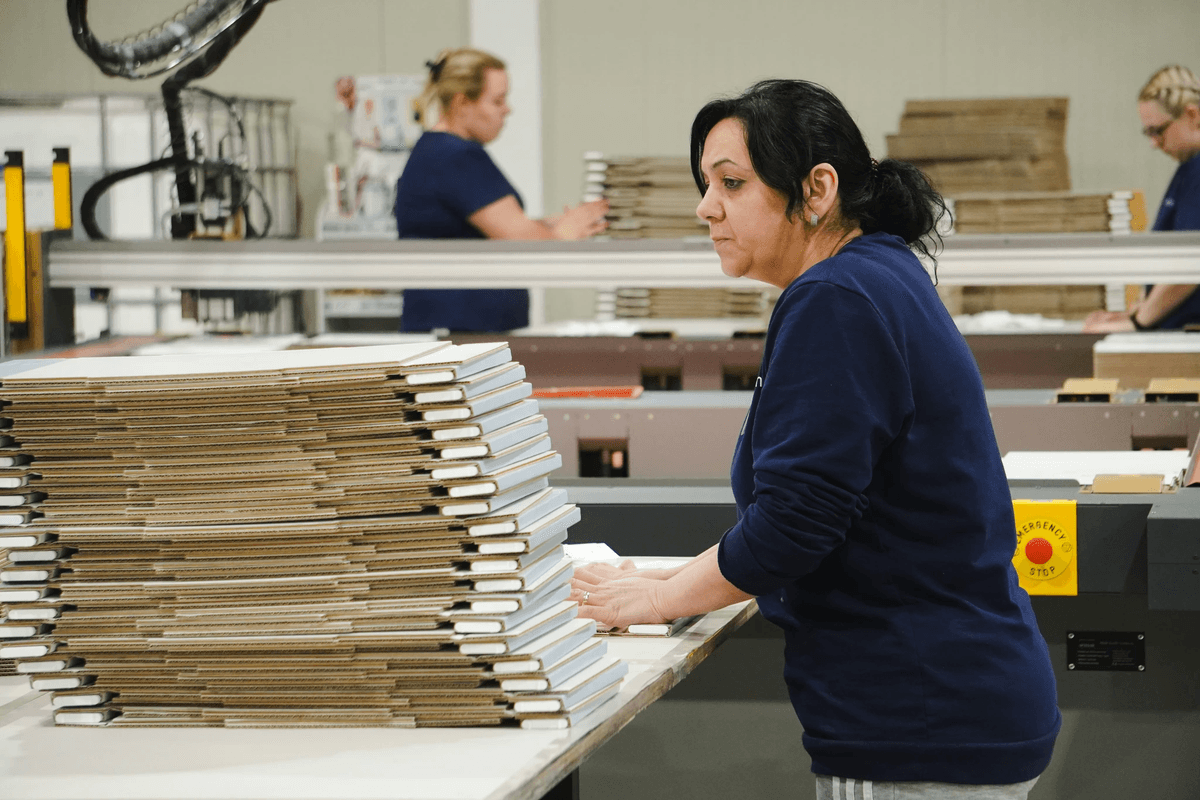
Industry experience is crucial for a Product Inspector because it directly impacts their ability to identify potential issues and ensure compliance with regulations. Inspectors who have worked across different sectors bring valuable insights that can enhance your product quality and safety standards. Imagine having someone on your team who knows exactly what to look for—this expertise can be a game-changer in preventing costly mistakes.
Notable Success Stories
A good Product Inspector will often have a treasure trove of success stories that showcase their capabilities. For instance, one inspector might recount how they identified critical flaws in a batch of electronics before they reached consumers, saving the company from a potential PR disaster. These stories not only demonstrate their skills but also build trust—after all, if they've succeeded in challenging situations before, they're likely to do so again.
Relevant Certifications and Qualifications
Certifications and qualifications are essential when evaluating a Product Inspector's expertise. Look for inspectors who hold recognized certifications relevant to your industry; this indicates their commitment to maintaining high standards in their work. Additionally, asking about their training background or any specialized courses they've completed can provide further assurance of their qualifications.
When considering questions like What's your man-day rate or cost for inspection? or How fast can you book an inspection and when can I expect the report?, it's essential to remember that experienced inspectors may command higher fees but often deliver greater value through thoroughness and efficiency. Similarly, knowing how many product inspectors are available and whether they are full-time, part-time, or contracted can help you gauge their capacity for handling your needs effectively.
Lastly, integrity is paramount during product inspections—ask how they prevent integrity issues during inspections to ensure you're partnering with someone committed to ethical practices.
What Inspection Methods Do You Use?
When it comes to ensuring product quality, the methods employed by a Product Inspector can be the difference between success and failure. A solid inspection process not only identifies potential issues but also helps in mitigating risks associated with product defects. Understanding these methods is crucial for businesses looking to maintain high standards of quality and compliance.
Techniques for Thorough Inspections
A thorough inspection involves a combination of visual assessments, functional testing, and systematic checks against established standards. For instance, a Product Inspector might utilize sampling techniques to evaluate a batch's overall quality while conducting detailed inspections on select items to catch any anomalies early on. This approach not only saves time but also ensures that any potential integrity issues are addressed before they escalate into larger problems.
Moreover, inspectors often incorporate risk-based assessment techniques that prioritize high-risk areas during their evaluations. This means that if you're wondering how fast you can book an inspection or when you can expect the report, rest assured that these targeted methods streamline the process without sacrificing thoroughness. Ultimately, employing such techniques allows businesses to confidently navigate their compliance landscape.
Tools and Technology Employed
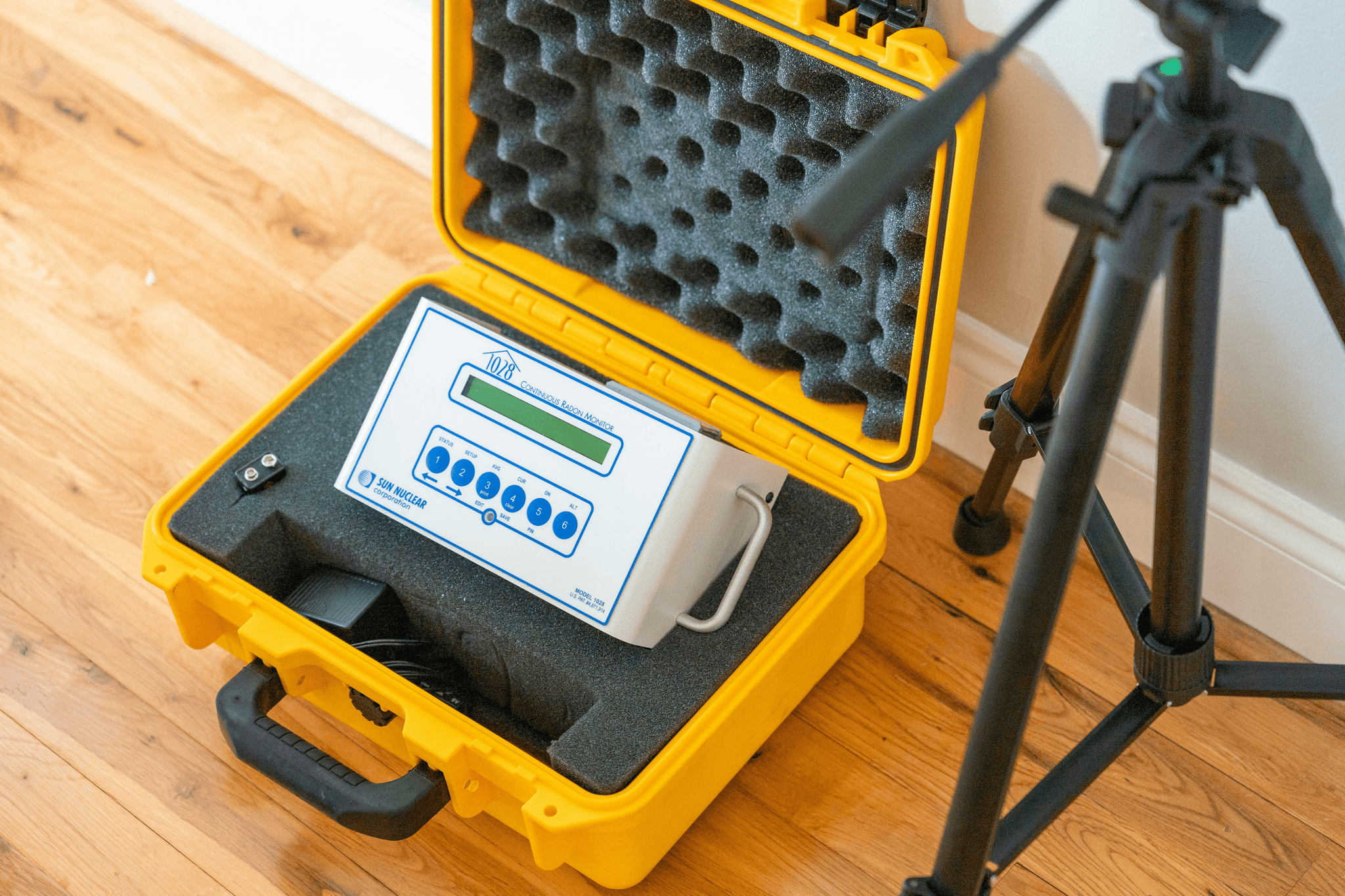
The toolbox of a modern Product Inspector is filled with advanced technology designed to enhance accuracy and efficiency during inspections. From digital calipers and moisture meters to sophisticated software for data analysis, these tools help in delivering precise results quickly. It's essential for companies considering inspections to ask about the specific tools used—after all, knowing what equipment your inspector employs can give you insights into their capabilities.
In addition to physical tools, many inspectors leverage technology like mobile apps for real-time reporting and tracking progress during inspections. If you're curious about costs associated with hiring a Product Inspector, remember that investing in technology often leads to more reliable outcomes—potentially saving money in the long run by avoiding costly recalls or rework due to undetected flaws.
Importance of a Customized Approach
Every industry has its unique challenges and requirements; thus, a one-size-fits-all approach simply won't cut it when it comes to inspections. The best Product Inspectors understand this necessity for customization and tailor their methods based on specific client needs or product types—whether it's textiles, electronics, or food products. By asking how many product inspectors are available and where they operate from, clients can gauge whether they have access to specialized expertise that aligns with their sector.
Moreover, customization extends beyond just inspection techniques; it also includes communication styles tailored for each client’s preferences regarding updates and reports throughout the inspection process. This level of personalization ensures not only transparency but also builds trust between clients and inspectors—a critical factor in preventing integrity issues during product inspection.
How Do You Communicate Findings?
Effective communication is the backbone of the inspection process. A skilled Product Inspector knows that delivering clear and concise reports is essential to ensuring clients understand the findings and recommendations. This clarity not only helps in decision-making but also builds trust between the inspector and the client.
Reports and Documentation Clarity
When it comes to documentation, a well-structured report from your Product Inspector can make all the difference. Each report should clearly outline inspection results, highlighting both compliance and non-compliance issues with detailed explanations. The use of visuals, such as charts or photos, can enhance understanding and provide a comprehensive view of the inspection outcomes.
Moreover, clarity in documentation ensures that any technical jargon is explained thoroughly so that clients from various backgrounds can grasp the information easily. A good Product Inspector will also provide actionable insights based on their findings, enabling clients to make informed decisions moving forward. After all, a report filled with ambiguity does no one any favors!
Frequency of Updates During Inspections
Timely updates during inspections are crucial for keeping all stakeholders informed about progress and preliminary findings. Your Product Inspector should establish a schedule for regular check-ins or updates throughout the inspection process, allowing you to stay in the loop without feeling overwhelmed by constant communication. This balance ensures you know what's happening without being bogged down by unnecessary details.
How fast can you book an inspection? Well, once scheduled, expect your Product Inspector to keep you updated on timelines for when you can expect reports based on their findings during inspections. This proactive approach not only enhances client confidence but also allows for quick adjustments if issues arise during the process.
Importance of Transparency in Communication
Transparency is key when working with a Product Inspector; it fosters trust and allows for open dialogue about any concerns or questions that may arise during an inspection. Clients should feel comfortable asking about how integrity issues are prevented during product inspections—after all, your investment deserves thorough scrutiny!
By maintaining open lines of communication regarding what’s being inspected and how findings are documented, inspectors help demystify their processes while ensuring compliance standards are met consistently. If you're wondering about costs like What's your man-day rate or cost for inspection? rest assured that transparency extends into pricing structures as well—no hidden fees here!
Can You Provide References or Case Studies?

When selecting a Product Inspector, one of the most effective ways to gauge their reliability is by examining references and case studies. Past clients can provide invaluable insights into how a Product Inspector operates, their attention to detail, and the overall satisfaction with their services. These testimonials often reveal not just the inspector's capabilities but also their commitment to quality and compliance.
Learning from Past Clients
Learning from past clients is crucial when evaluating a Product Inspector's track record. Clients often share experiences that highlight specific strengths or weaknesses, helping you understand what to expect in your inspection process. For instance, if a Product Inspector has consistently received praise for thoroughness and communication, it’s likely that they will meet your expectations as well.
Moreover, many inspectors maintain relationships with previous clients who can speak to the effectiveness of their processes. This feedback loop is essential for continuous improvement and gives you confidence in your choice of inspector.
Success Metrics from Previous Inspections
Success metrics are another vital aspect when assessing a Product Inspector's capabilities. These metrics can include the number of inspections completed on time, the percentage of issues identified before product release, and even client satisfaction ratings post-inspection. By reviewing these figures, you gain insight into how efficiently a Product Inspector operates and whether they deliver value for money.
For example, if an inspector boasts a high rate of first-time compliance among products inspected, it indicates that they have effective methods in place to catch potential pitfalls early on. Such statistics not only build trust but also provide tangible evidence that supports your decision-making process.
The Value of Third-Party Endorsements
The value of third-party endorsements cannot be overstated when considering which Product Inspector to hire. Certifications from recognized industry bodies or positive reviews on reputable platforms serve as powerful indicators of credibility and expertise. When an inspector comes highly recommended by others in the field or has received accolades for excellence in service delivery, it reinforces their reputation as a trusted partner.
Furthermore, endorsements often reflect an inspector’s dedication to maintaining high standards throughout their inspection processes—an essential factor for ensuring integrity during product inspections. With this backing behind them, you can feel more secure knowing you're making an informed decision based on solid recommendations.
What Are Your Pricing Structures?
Understanding the pricing structures of a Product Inspector is crucial for making informed decisions. Often, these structures can vary significantly based on factors such as location, inspector experience, and the complexity of the inspection itself. By grasping the different pricing models available, you can better align your budget with your inspection needs.
Understanding Different Pricing Models
When asking a Product Inspector, What's your man-day rate or cost for inspection?, you may encounter various pricing models. Some inspectors charge by the hour, while others may offer flat rates for specific services or projects. Knowing how many product inspectors they have and where they operate can also influence costs; local inspectors might be more affordable than those traveling long distances.
Additionally, it's essential to clarify whether their product inspectors are full-time, part-time, or contracted workers. This distinction can affect both availability and pricing flexibility. The more transparent an inspector is about their pricing model, the easier it will be for you to make an informed decision.
Hidden Costs to Be Aware Of
While evaluating a Product Inspector's pricing structure, it's vital to watch out for hidden costs that could inflate your budget unexpectedly. Charges related to travel expenses, equipment rental fees, or additional reporting requirements may not always be included in initial quotes. To avoid surprises down the line, ask directly about potential extra charges when discussing How fast can you book an inspection and when can I expect the report?
Moreover, understanding how these hidden costs could affect your overall investment in quality assurance is crucial for evaluating value for money. Always request a detailed breakdown of all potential costs associated with your inspection project before making any commitments. This proactive approach ensures you're not left in the dark regarding what you're actually paying for.
Evaluating Value for Money
Evaluating value for money involves looking beyond just price; it requires assessing what you're getting in return for your investment in a Product Inspector's services. While low-cost options might seem appealing initially, consider factors like inspector experience and integrity measures—How do you prevent integrity issues during product inspection?—to determine if they're worth it.
Check reviews and testimonials from previous clients to gauge satisfaction levels and success metrics from past inspections as part of this evaluation process. Remember that sometimes paying slightly more upfront can lead to significant savings down the line by preventing costly mistakes or compliance issues later on.
In conclusion, understanding various pricing structures helps ensure that you find a Product Inspector who meets both your budgetary constraints and quality requirements without unexpected financial pitfalls along the way.
Conclusion
In today’s competitive market, making an informed decision about your product inspections is crucial. With the right Product Inspector, you can mitigate risks and ensure that your products meet quality standards before they reach consumers. By asking the right questions and understanding the inspection process, you can confidently choose a partner who aligns with your business needs.
Making an Informed Decision
When considering a Product Inspector, it’s essential to evaluate their experience and methods. Questions like What's your man-day rate or cost for inspection? help clarify budget expectations while also revealing how they value their services. Additionally, inquire about how many product inspectors they have and where they are located to ensure adequate coverage for your inspection needs.
Partnering with Experts Like China Inspection Pro
Choosing a reputable inspection service like China Inspection Pro can make all the difference in ensuring quality control. Their team of skilled Product Inspectors is available full-time, part-time, or contracted based on your requirements. You might wonder how fast they can book an inspection and when you can expect the report; rest assured that timely communication is part of their commitment to transparency.
Ensuring Quality and Compliance in Products
Integrity during product inspections is paramount in maintaining trust with clients and suppliers alike. Ask potential partners how they prevent integrity issues during product inspections to gauge their commitment to ethical practices. Ultimately, working with experienced professionals ensures that your products comply with industry standards while delivering peace of mind throughout the process.