
Introduction
In the dynamic landscape of global manufacturing, Factory Audits in China have become a critical component for businesses aiming to maintain quality and compliance. As companies increasingly rely on overseas suppliers, understanding the intricacies of these audits is essential for safeguarding product integrity and ensuring regulatory adherence. This introduction sets the stage for exploring the significance and mechanics behind effective supplier reviews.
Understanding Factory Audits in China
Factory audits serve as a vital tool for assessing the operational standards of suppliers in China. These evaluations not only focus on production capabilities but also delve into facilities and factory production environments to ensure they meet international standards. By comprehensively examining various aspects of a factory, including safety protocols and equipment maintenance, businesses can mitigate risks associated with sourcing from overseas.
The Importance of Supplier Reviews
Conducting thorough supplier reviews is paramount for fostering strong partnerships and ensuring consistent product quality. Regular assessments help identify potential issues early, allowing companies to address concerns related to materials control or internal production inspection procedures before they escalate into costly problems. Ultimately, these reviews enhance transparency and trust between manufacturers and their suppliers, creating a more efficient supply chain.
Key Components of an Effective Audit
An effective audit comprises several key components that contribute to its overall success in evaluating supplier performance. Gathering the basic data is crucial; this includes essential documents that provide insight into operational practices and compliance levels. Furthermore, aspects such as facilities evaluation, auditing materials control processes, and scrutinizing internal production inspection procedures are fundamental to understanding how well a supplier can meet your business's demands.
What is a Supplier Review?
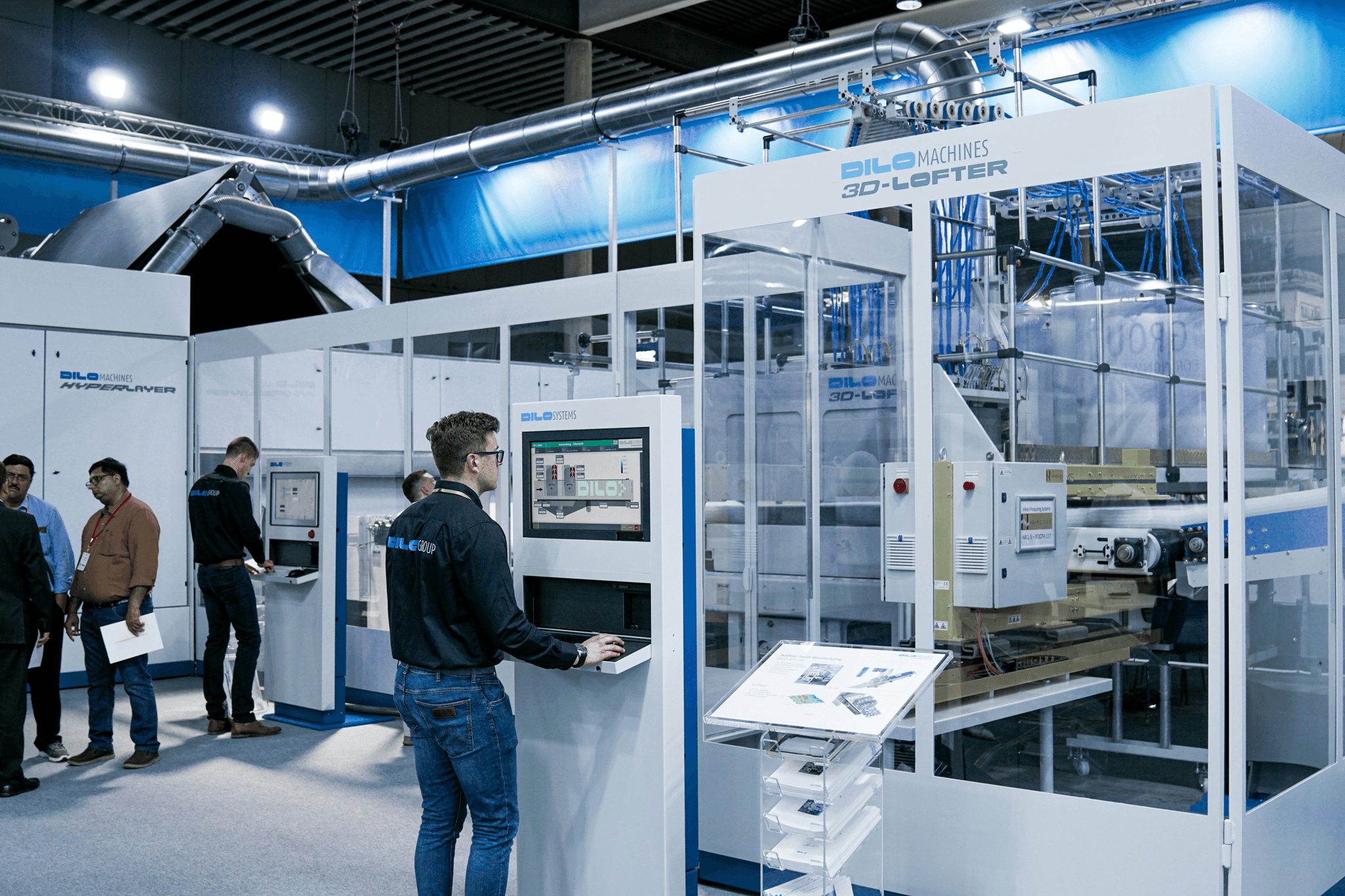
Supplier reviews are systematic evaluations of potential or existing suppliers, focusing on their capabilities, performance, and adherence to standards. These reviews are crucial in the context of factory audits as they provide insights into how well a supplier can meet specific requirements. By conducting thorough supplier reviews, companies can significantly mitigate risks associated with sourcing materials and manufacturing processes.
Defining Supplier Reviews
A supplier review encompasses a comprehensive assessment of various aspects of a supplier's operations, including their facilities and factory production environment. This evaluation often involves examining documentation, interviewing staff, and observing operations firsthand to gauge compliance with industry standards. Essentially, it’s about understanding the supplier’s strengths and weaknesses through detailed scrutiny.
Objectives of Conducting a Review
The primary objectives of conducting a review include ensuring quality assurance, verifying compliance with safety regulations, and assessing the overall reliability of the supplier. By evaluating factors such as auditing materials control and internal production inspection procedures, businesses can identify potential issues before they escalate into costly problems. Ultimately, these objectives aim to foster stronger partnerships while enhancing product quality.
The Role of China Inspection Pro
China Inspection Pro plays an instrumental role in facilitating effective supplier reviews by providing expert guidance throughout the process. They assist companies in getting the basic data needed for thorough evaluations while ensuring that all necessary documentation is accurate and complete. Additionally, their expertise in auditing materials control helps businesses understand how suppliers manage inventory and quality inputs effectively.
Getting the Basic Data
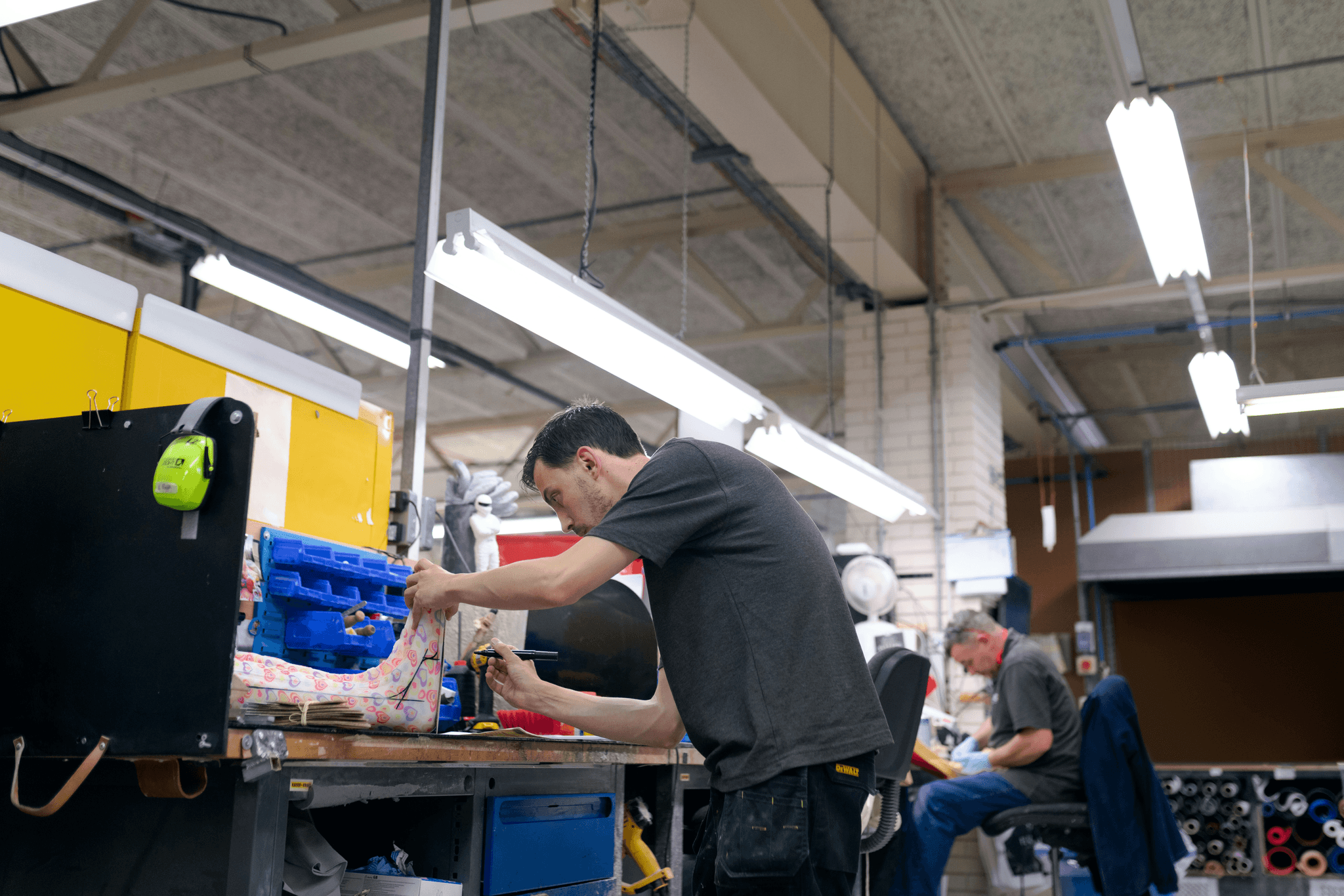
In the realm of Factory Audits, gathering the right data is crucial to ensuring a comprehensive evaluation of a supplier's capabilities. This process involves collecting essential documents, maintaining transparency, and efficiently compiling information that will inform decisions about supplier relationships. The accuracy and reliability of this data can significantly influence the outcomes of audits related to facilities, production environments, materials control, and internal inspection procedures.
Essential Documents for Audits
When embarking on Factory Audits, having access to essential documents is non-negotiable. Key documents typically include quality management system certifications, production schedules, and inventory records that provide insight into the operational processes at a facility. Without these crucial pieces of information, it becomes challenging to assess the effectiveness of auditing materials control or evaluate the factory production environment properly.
Moreover, these documents serve as a foundation for understanding how well suppliers adhere to industry standards and regulations. They also highlight any potential red flags in their operations that could impact product quality down the line. Therefore, ensuring that all necessary documentation is available before an audit can make or break your assessment process.
Importance of Transparency
Transparency plays a pivotal role in successful Factory Audits and supplier reviews alike. When suppliers are open about their processes and practices, it fosters trust and facilitates smoother communication during audits focused on facilities and factory production environments. This openness allows auditors to identify issues more readily while also providing an opportunity for suppliers to demonstrate their commitment to quality assurance.
Furthermore, transparency helps mitigate risks associated with hidden problems in auditing materials control or internal inspection procedures. Suppliers who embrace transparency are often more willing to collaborate on improvements identified during audits—ultimately leading to enhanced product quality and stronger partnerships in the long run. So remember: when it comes to audits, honesty truly is the best policy!
Gathering Information Efficiently
Efficiency is key when getting basic data for Factory Audits; nobody wants unnecessary delays when assessing suppliers! To streamline this process, consider utilizing digital tools that allow for real-time data collection from various sources—this can greatly enhance your ability to evaluate facilities effectively while keeping track of auditing materials control efforts simultaneously.
Additionally, establishing clear communication channels with suppliers can ensure timely responses regarding documentation requests or clarifications needed during audits focused on internal production inspection procedures. By prioritizing efficiency in gathering information upfront, you set yourself up for success in navigating complex supplier landscapes without losing sight of critical details along the way.
Facilities and Factory Production Environment

When conducting factory audits, the facilities and production environment play a critical role in determining a supplier's capability to deliver quality products consistently. The physical space where production occurs can reveal much about operational efficiency and adherence to industry standards. A thorough evaluation of these factors is essential for making informed decisions during supplier reviews.
Evaluating the Physical Space
In the realm of factory audits, assessing the physical space involves examining layout, cleanliness, and organization. An efficient production area should facilitate smooth workflows while minimizing potential hazards that could disrupt operations or compromise safety. By observing how equipment is arranged and maintained, auditors can gauge whether the facility promotes productivity or if it's a recipe for chaos.
Additionally, understanding how well the factory utilizes its space can indicate its capacity to scale operations up or down as needed. For instance, an overcrowded workspace may signal inefficiencies that could lead to delays in meeting order demands. Thus, evaluating the physical space not only aids in identifying current capabilities but also provides insight into future growth potential.
Safety Standards and Compliance
Safety standards are paramount in any factory setting; they ensure both employee well-being and compliance with local regulations during audits. Factories must adhere to specific guidelines regarding equipment safety, fire hazards, and emergency protocols to maintain operational integrity. During supplier reviews, auditors should scrutinize documentation related to safety training programs and incident reports as indicators of a culture committed to safety.
Compliance with international safety standards also reflects on a company's reputation within global markets; failing to meet these benchmarks can result in costly penalties or loss of business opportunities. Therefore, ensuring that suppliers prioritize safety not only protects workers but also safeguards your brand from potential liabilities associated with unsafe practices during production processes.
Impact on Product Quality
The facilities' environment directly influences product quality; factors such as air quality, temperature control, and overall cleanliness contribute significantly to manufacturing outcomes during factory audits. A well-maintained facility minimizes contamination risks while ensuring that products are produced under optimal conditions—critical for industries requiring stringent quality assurance measures like electronics or food production.
Moreover, an investment in modern equipment within clean facilities often correlates with higher-quality outputs due to reduced error rates during manufacturing processes. This means that when conducting audits focused on materials control or internal inspection procedures, it’s vital to consider how the state of the facilities impacts end-product quality—after all, poor environments yield poor results!
Auditing Materials Control
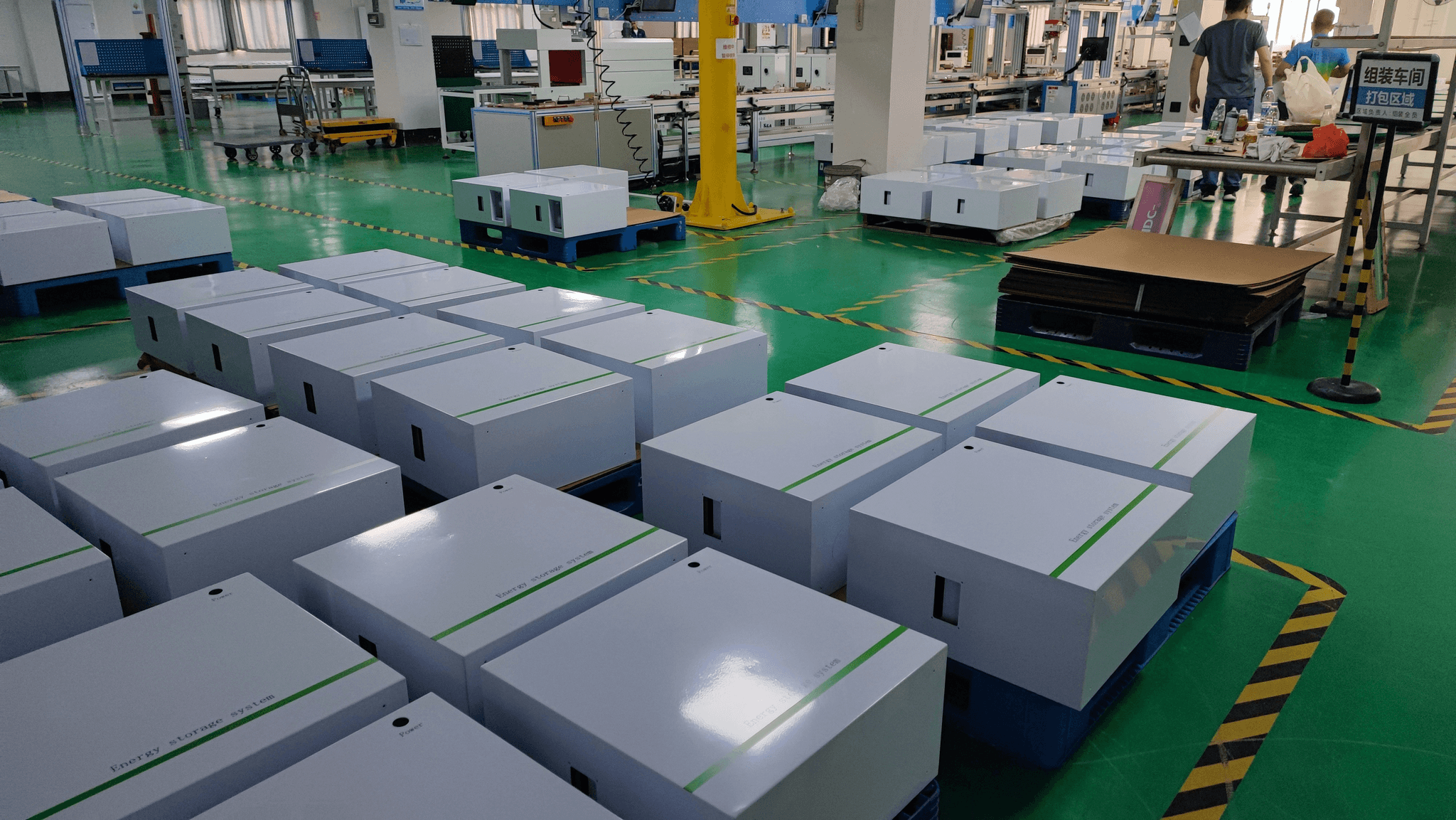
When conducting factory audits, one crucial aspect to assess is the control of materials used in production. The integrity of raw materials can significantly affect the quality of the final product, making it essential to evaluate how suppliers source and manage these inputs. By focusing on auditing materials control, businesses can ensure they are working with suppliers who prioritize quality and compliance.
Importance of Raw Material Sourcing
The sourcing of raw materials is a foundational element in any manufacturing process, particularly in China where diverse suppliers abound. During factory audits, it's vital to investigate where and how suppliers obtain their materials, as this can impact everything from cost-effectiveness to product safety. A thorough understanding of raw material sourcing helps companies mitigate risks associated with inferior products or unethical practices.
Moreover, auditing materials control involves examining certifications and standards that suppliers claim to meet regarding their raw materials. This not only ensures compliance with industry regulations but also reinforces a company's commitment to sustainability and ethical sourcing practices. By prioritizing responsible sourcing during supplier reviews, organizations can enhance their reputation while fostering trust with consumers.
Assessing Supplier Inventory Management
Effective inventory management is another critical component when auditing materials control within factories. An organized inventory system allows for better tracking of raw material usage and ensures that production schedules are met without delays due to shortages or excesses. During factory audits, assessing how well a supplier manages their inventory provides insights into their operational efficiency.
In addition to evaluating stock levels, it’s important to understand the processes behind inventory turnover rates and storage conditions during these audits. Poor inventory management can lead to waste or degradation of materials over time—issues that could compromise product quality significantly. Thus, by focusing on this aspect during supplier reviews, companies can identify potential red flags before they become costly problems.
Ensuring High-Quality Inputs
To maintain high standards in production processes, ensuring high-quality inputs is non-negotiable during factory audits in China or elsewhere. Suppliers must be held accountable for not just delivering quantity but also quality; thus regular checks on raw material specifications are essential for effective auditing procedures. Comprehensive assessments should include testing samples from batches received at various stages throughout the supply chain.
Furthermore, establishing clear criteria for what constitutes acceptable quality levels will facilitate smoother communication between manufacturers and suppliers during the audit process. This clarity helps prevent misunderstandings that could lead to subpar products reaching consumers—a risk no company wants to take lightly! Ultimately, prioritizing high-quality inputs through diligent auditing practices safeguards both brand integrity and customer satisfaction.
Auditing Internal Production Inspection Procedures
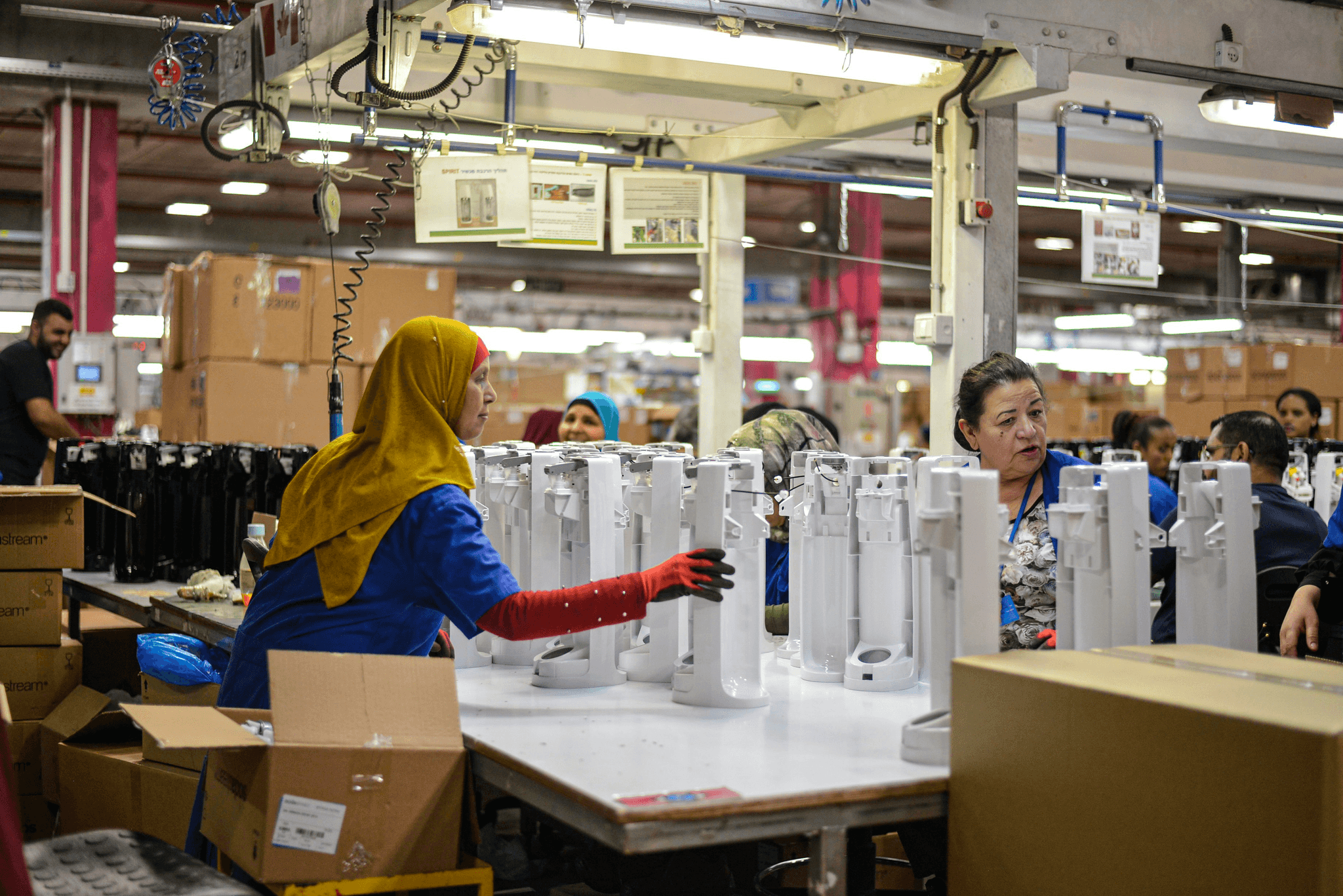
When it comes to factory audits, understanding internal production inspection procedures is crucial for ensuring that products meet quality standards before they reach the consumer. A thorough audit of these procedures can reveal potential inefficiencies and areas for improvement, which ultimately leads to better product quality and customer satisfaction. This section will explore the importance of quality control measures, review inspection protocols, and emphasize the need for staff training and competence.
Understanding Quality Control Measures
Quality control measures form the backbone of any effective production process within a factory environment. These measures encompass various practices aimed at ensuring that products are manufactured consistently and meet specified requirements. During factory audits, it's essential to evaluate how these quality control measures are implemented in real-time, assessing everything from raw material sourcing to final product inspections.
Incorporating rigorous quality control measures not only helps in maintaining product integrity but also aids in minimizing waste and reducing costs associated with defective goods. Auditing internal production inspection procedures allows companies to pinpoint weaknesses in their processes that could lead to subpar products. Ultimately, a solid grasp of these measures ensures that manufacturers can deliver high-quality outputs consistently.
Reviewing Inspection Protocols
Inspection protocols serve as a roadmap for how products are evaluated throughout the manufacturing process, making them a focal point during factory audits. These protocols should clearly outline what is inspected, when inspections occur, and who is responsible for conducting them. By reviewing these protocols thoroughly during an audit, you can identify gaps or inconsistencies that may compromise product quality.
An effective inspection protocol should be adaptable yet comprehensive enough to cover all aspects of production—from initial material checks through final product evaluations. Auditing materials control also plays a vital role here; if raw materials aren't up to standard, even the best inspection protocols won't save the day. Ensuring that inspection protocols are robust helps build trust with suppliers and customers alike.
Importance of Staff Training and Competence
No amount of well-drafted inspection protocols will yield results if the staff executing them lack proper training or competence. Investing in staff training is critical for fostering a culture of quality within manufacturing environments; employees need to understand not just what they are inspecting but why it matters in terms of overall product integrity during factory audits. Regular training sessions ensure that team members stay updated on best practices and new technologies related to quality assurance.
Moreover, competent personnel can make informed decisions during inspections—identifying issues before they escalate into larger problems down the line is invaluable for maintaining high standards in production processes. When auditing internal production inspection procedures, evaluating staff qualifications becomes essential; after all, people are often your greatest asset or your biggest liability when it comes to achieving consistent quality outcomes.
In summary, auditing internal production inspection procedures requires an understanding of quality control measures while closely reviewing existing protocols and emphasizing staff training's importance within factory environments. The synergy between these elements not only enhances efficiency but also elevates overall product standards—making your supplier relationships stronger than ever.
Conclusion

In the ever-evolving landscape of global commerce, comprehensive Factory Audits are not merely a checkbox on a to-do list; they are essential tools for ensuring quality and compliance. These audits provide invaluable insights into the operational integrity of suppliers, allowing businesses to make informed decisions. By focusing on critical aspects such as getting the basic data, evaluating facilities and factory production environments, auditing materials control, and scrutinizing internal production inspection procedures, companies can safeguard their interests and enhance product quality.
Benefits of Comprehensive Factory Audits
Comprehensive Factory Audits yield a treasure trove of benefits that go beyond mere compliance checks. They help identify potential risks in the supply chain early on by thoroughly assessing factors like the facilities and factory production environment. Additionally, these audits ensure that raw materials are sourced responsibly through effective auditing of materials control, ultimately leading to higher-quality products that meet customer expectations.
Moreover, regular audits foster a culture of transparency within supplier relationships. By getting the basic data needed to evaluate performance consistently, businesses can hold suppliers accountable for their practices while also encouraging continuous improvement. This proactive approach not only mitigates risks but also enhances brand reputation in an increasingly competitive market.
How Reviews Enhance Supplier Relationships
Supplier reviews are more than just evaluations; they serve as critical touchpoints in building strong relationships between businesses and their suppliers. Conducting thorough reviews allows companies to communicate expectations clearly while providing feedback based on factual data gathered during audits—such as findings from auditing internal production inspection procedures. This two-way communication creates an atmosphere of collaboration rather than confrontation.
When suppliers understand that their operations are being monitored through comprehensive Factory Audits and consistent reviews, they become motivated to improve their processes continuously. This shared commitment to quality fosters trust and loyalty between parties involved. Ultimately, enhanced supplier relationships lead to improved product delivery timelines and better overall service levels.
Choosing the Right Partner for Auditing
Selecting the right partner for conducting Factory Audits is crucial for maximizing benefits from this process. Companies should look for partners who possess expertise in getting the basic data necessary for effective assessments while demonstrating a deep understanding of facilities and factory production environments specific to their industry. Furthermore, a reputable auditing partner will have robust methodologies in place for auditing materials control that align with best practices globally.
A good auditing partner will not only conduct thorough inspections but also offer actionable insights derived from their findings—especially regarding internal production inspection procedures that ensure quality throughout manufacturing processes. Thus, choosing wisely means investing in a partnership that values transparency and collaboration as much as you do.
In conclusion, embracing comprehensive Factory Audits is imperative for any business seeking excellence in its supply chain management strategy. With diligent attention paid to every aspect—from gathering essential data to fostering strong supplier relationships—companies can navigate challenges effectively while delivering top-notch products consistently.