
Introduction

In a world where quality reigns supreme, Incoming Quality Control (IQC) stands as the first line of defense against defects and inconsistencies in products. This process ensures that every component and material entering the production line meets established standards, ultimately safeguarding the integrity of the final product. Understanding why Incoming Quality Control is important can help businesses maintain their reputation and minimize costly errors down the road.
The Basics of Incoming Quality Control
Incoming Quality Control refers to the systematic approach used by companies to assess materials and components before they enter the production phase. This process typically involves inspections, testing, and documentation to ensure that all incoming items align with specified quality criteria. By establishing robust IQC practices, organizations can catch potential issues early, preventing them from snowballing into larger problems later on.
Importance of Quality in Components and Materials
Quality in components and materials is not just a checkbox; it’s a cornerstone of successful manufacturing operations. High-quality inputs lead to better-performing products, which directly impact customer satisfaction and brand loyalty. Moreover, when businesses prioritize quality through effective Incoming Quality Control measures, they reduce waste and rework costs while enhancing overall efficiency.
Common Pitfalls in Quality Control
Despite its importance, many organizations stumble when it comes to implementing effective Incoming Quality Control processes. Common pitfalls include inadequate training for quality control teams, unclear inspection criteria, or an over-reliance on suppliers to conduct incoming inspections without oversight. These missteps can result in poor-quality products reaching consumers, ultimately damaging a company’s reputation and bottom line.
Understanding Incoming Quality Control
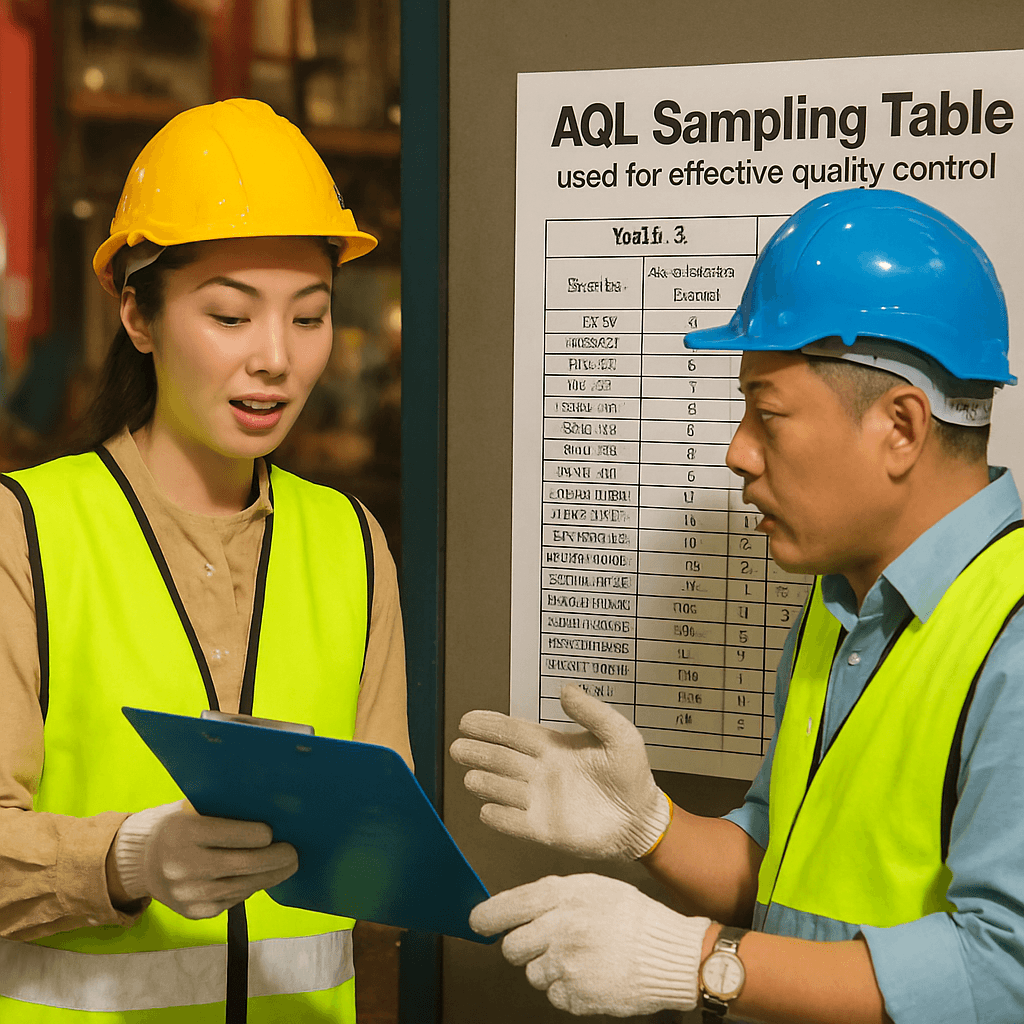
Incoming Quality Control (IQC) is a critical process that ensures the materials and components received from suppliers meet established quality standards before they enter the production line. By implementing IQC, organizations can catch defects early, minimizing potential disruptions in manufacturing and maintaining product integrity. This section will delve into the definition of IQC, the key processes involved, and its numerous benefits.
Definition of Incoming Quality Control
Incoming Quality Control refers to the systematic inspection and evaluation of materials or components as they arrive at a facility from suppliers. The primary goal is to verify that these inputs conform to predefined specifications, thus preventing substandard items from entering production. In essence, IQC acts as a gatekeeper, ensuring only high-quality components are utilized in manufacturing processes.
Key Processes Involved
Several key processes are integral to effective Incoming Quality Control. First and foremost is the establishment of clear quality criteria that define acceptable standards for incoming materials. Following this, inspections must be conducted using various methods such as visual checks, measurements, and testing procedures to assess quality accurately. Additionally, documentation plays a vital role; recording findings helps track supplier performance over time and informs future procurement decisions.
Benefits of Effective Quality Control
Implementing robust Incoming Quality Control offers numerous advantages for businesses looking to enhance their operational efficiency and product quality. One significant benefit is protecting your brand reputation by ensuring that only high-quality products reach customers—after all, nobody wants to be known for shoddy goods! Furthermore, effective IQC reduces costs associated with rework or waste due to defective materials; this not only saves money but also boosts overall productivity by streamlining operations.
In summary, understanding Incoming Quality Control is essential for any organization aiming for excellence in their products while avoiding pitfalls associated with poor quality management practices.
Why is Incoming Quality Control Important?
In the fast-paced world of manufacturing and supply chains, understanding why Incoming Quality Control (IQC) is crucial can make all the difference. It’s not just about checking boxes; it's about safeguarding your brand's reputation, optimizing costs, and ensuring customer satisfaction. So, why is incoming quality control important? Let’s dive into the details.
Protecting Your Brand Reputation
Your brand is your most valuable asset, and maintaining its integrity hinges on the quality of your products. Implementing robust Incoming Quality Control processes helps prevent defective materials from making their way into production, which can lead to costly recalls or damage to your reputation. When customers consistently receive high-quality products, they are more likely to trust your brand and recommend it to others.
Moreover, in today's digital age, negative reviews can spread like wildfire. A single instance of poor quality can tarnish a well-established reputation overnight. Effective IQC ensures that you deliver on your promises and keep that hard-earned trust intact.
Reducing Costs and Wastage
One of the most compelling reasons for implementing Incoming Quality Control is its potential to reduce costs significantly. By catching defects early in the supply chain through rigorous inspections, you minimize waste associated with rework or returns later down the line. This proactive approach not only saves money but also streamlines operations by reducing bottlenecks caused by poor-quality components.
Additionally, when you invest in effective IQC measures right from the start, you enhance overall efficiency within your organization. Fewer defective products mean less time spent on corrections and more resources allocated towards innovation and growth—a win-win scenario for any business aiming for success.
Meeting Customer Expectations
In an era where consumers have endless choices at their fingertips, meeting customer expectations has never been more critical. Customers expect high-quality products that perform as promised; anything less could drive them straight into the arms of competitors who prioritize quality assurance through methods like Incoming Quality Control. By ensuring that only top-notch components enter your production line, you're setting yourself up for success in fulfilling these expectations.
Furthermore, consistent quality builds loyalty among customers who appreciate reliability in their purchases—after all, no one wants to gamble on a product that may fall short of standards! Therefore, integrating IQC practices not only satisfies current demands but also positions your brand favorably for future growth opportunities.
How Can You Carry Out Incoming Quality Control?

Implementing effective Incoming Quality Control is essential for maintaining high standards in your production process. It requires a structured approach to ensure that the components and materials you receive meet established quality benchmarks. By focusing on clear criteria, training your team, and leveraging technology, you can create a robust incoming quality control system that minimizes risks and enhances overall product quality.
Establishing Clear Criteria
The first step in effective Incoming Quality Control is establishing clear criteria for what constitutes acceptable materials and components. These criteria should be based on industry standards, customer expectations, and specific product requirements. By defining these parameters upfront, you can streamline the inspection process and reduce confusion during evaluations.
Clear criteria also help set expectations with suppliers regarding what they need to deliver. This transparency fosters accountability and ensures that everyone involved understands the importance of quality in your supply chain. When suppliers know exactly what is required of them, it enhances the likelihood of meeting those standards consistently.
In summary, having well-defined criteria is crucial because it lays the groundwork for all subsequent inspections in your Incoming Quality Control processes. It not only protects your brand reputation but also aligns supplier activities with customer needs.
Training Your Quality Control Team
Equipping your quality control team with the right skills and knowledge is vital for successful Incoming Quality Control implementation. Regular training sessions should be conducted to keep the team updated on industry best practices and technological advancements related to inspection techniques. This investment in human capital ensures that your team can effectively identify defects or inconsistencies during inspections.
Moreover, a well-trained team will understand why Incoming Quality Control is important—not just for compliance but also for enhancing overall efficiency within production lines. They will be better prepared to communicate issues with suppliers clearly when discrepancies arise, fostering collaboration instead of conflict.
In essence, ongoing training creates a culture of quality within your organization where every team member recognizes their role in maintaining high standards through effective Incoming Quality Control measures.
Utilizing Technology for Inspections
In today's fast-paced manufacturing environment, leveraging technology is key to enhancing your Incoming Quality Control efforts. Tools such as automated inspection systems or software solutions can significantly speed up the evaluation process while improving accuracy compared to manual methods. These technologies allow you to analyze large volumes of data quickly, identifying trends or recurring issues that could affect product quality.
Additionally, utilizing technology provides real-time feedback during inspections which can lead to immediate corrective actions if needed—thus minimizing delays in production schedules due to material defects or inconsistencies. This proactive approach not only saves time but also reduces costs associated with rework or wastage stemming from poor-quality materials.
Ultimately, integrating advanced technology into your Incoming Quality Control processes empowers teams to make informed decisions swiftly while ensuring adherence to established criteria—making it easier than ever before to uphold high-quality standards throughout your supply chain.
Should Your Supplier Conduct Incoming Inspection?
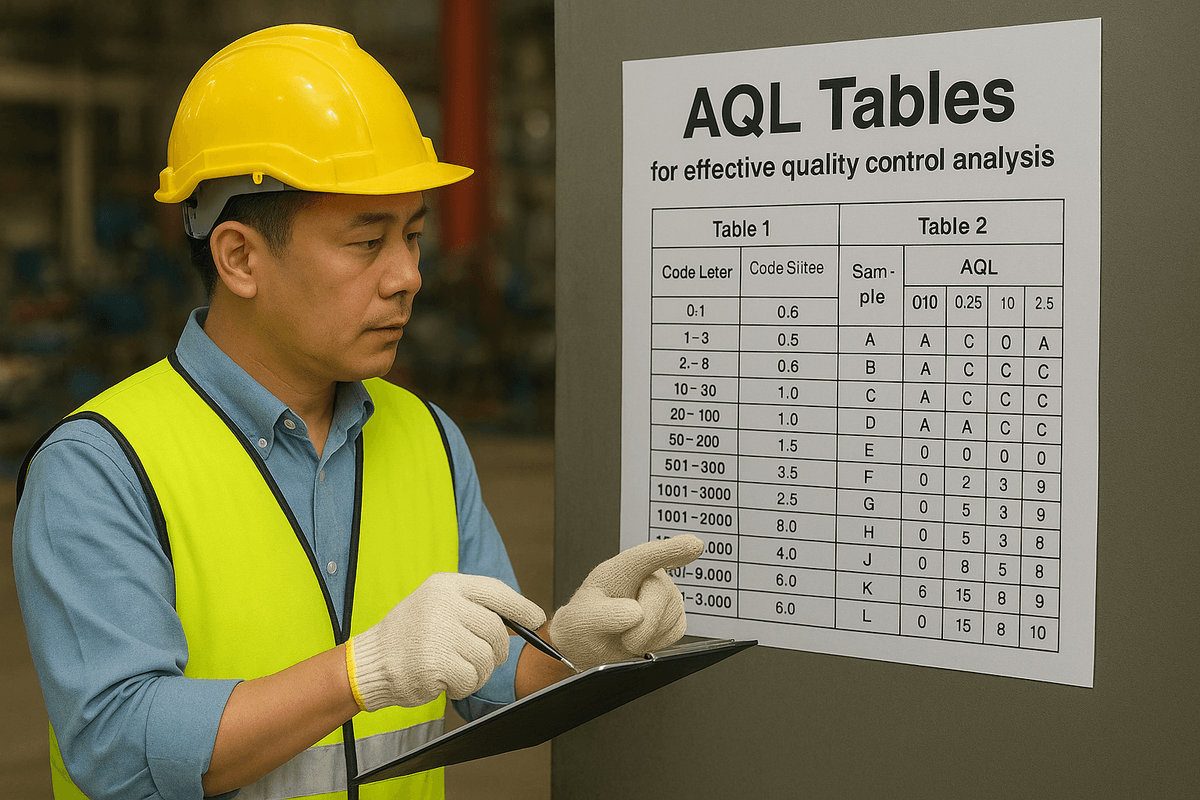
When it comes to maintaining quality in your supply chain, the question of whether your supplier should conduct incoming inspection is paramount. This aspect of Incoming Quality Control not only helps ensure that the materials and components meet specified standards but also places responsibility on suppliers to uphold their end of the bargain. By fostering a culture of quality assurance, both parties can benefit from reduced defects and enhanced product reliability.
Supplier Responsibility in Quality Assurance
Supplier responsibility in quality assurance cannot be overstated. They play a crucial role in ensuring that products meet your specifications before they even reach your facility, making incoming inspections a shared duty rather than an isolated task. By encouraging suppliers to adopt stringent quality control measures, you set the stage for fewer surprises down the line, which is essential for effective Incoming Quality Control.
Moreover, when suppliers understand their role in quality assurance, they become more invested in maintaining high standards throughout their production processes. This proactive approach not only minimizes risks but also streamlines operations by reducing the need for extensive rework or returns due to defective materials. Ultimately, establishing clear expectations regarding quality can lead to smoother collaborations and better outcomes for all involved.
Building Stronger Relationships with Suppliers
Building stronger relationships with suppliers hinges on mutual trust and accountability regarding Incoming Quality Control practices. When you engage suppliers in discussions about conducting incoming inspections, it opens up avenues for transparency and communication about quality expectations. This collaborative spirit fosters long-term partnerships where both parties are committed to achieving excellence.
Additionally, involving suppliers in your quality control process helps them understand your specific needs better while reinforcing their commitment to delivering high-quality products. As these relationships deepen over time, you may find that suppliers become more responsive and flexible—qualities that are invaluable when navigating challenges together. Ultimately, strong supplier relationships built on shared responsibility can lead to improved product consistency and reliability.
Leveraging China Inspection Pro for Quality Audits
When considering how you can carry out incoming quality control effectively, leveraging services like China Inspection Pro can be a game-changer for many businesses sourcing from overseas manufacturers. This specialized agency offers comprehensive solutions tailored specifically for inspecting goods at various stages of production or before shipment—ensuring alignment with your standards of Incoming Quality Control every step of the way.
By utilizing China Inspection Pro's expertise in conducting thorough audits and inspections, companies can mitigate risks associated with international sourcing while enhancing overall product integrity. Their professionals are trained to identify potential issues early on—saving time and costs associated with defective products reaching consumers' hands later down the line. In this way, not only do you protect your brand reputation but also ensure that customer expectations are consistently met through diligent oversight.
Real-World Examples of Effective Quality Control
When it comes to Incoming Quality Control, real-world applications can provide invaluable insights into its significance and efficacy. Companies across various sectors have successfully implemented quality control measures that not only enhance their product offerings but also strengthen their market position. Let’s explore some compelling examples that illustrate the importance of effective quality control practices.
Success Stories from the Automotive Industry
The automotive industry is a prime example of how Incoming Quality Control can make or break a brand's reputation. Major manufacturers like Toyota have long been known for their rigorous quality control processes, which include comprehensive inspections at every stage of production. By establishing clear criteria for incoming materials and components, they ensure that only the highest quality parts are used, ultimately reducing defects and boosting customer satisfaction.
Another notable success story comes from Ford, which has invested heavily in technology to enhance its quality control efforts. By utilizing advanced inspection systems and data analytics, Ford has significantly reduced its costs related to rework and warranty claims. This proactive approach not only protects the brand's reputation but also aligns with why incoming quality control is important—ensuring customers receive reliable vehicles.
In addition to these successes, many automotive suppliers are now adopting similar practices, demonstrating that effective Incoming Quality Control isn’t just limited to OEMs (Original Equipment Manufacturers). By working closely with suppliers and emphasizing the need for incoming inspections, companies can build stronger partnerships while ensuring consistent product quality throughout the supply chain.
Lessons Learned from Electronics Manufacturing
The electronics manufacturing sector offers valuable lessons in implementing effective Incoming Quality Control measures. Companies like Apple have set high standards by requiring stringent inspections on all components before assembly begins. This meticulous attention to detail helps them avoid costly recalls and maintain their status as a leader in innovation.
One key takeaway from this industry is the importance of collaboration between manufacturers and suppliers regarding incoming inspections. Many electronics firms now emphasize supplier responsibility in quality assurance, creating an environment where both parties share accountability for product integrity. This cooperative approach not only enhances trust but also streamlines operations by minimizing delays caused by defective materials.
Furthermore, utilizing technology for inspections has proven beneficial across electronics manufacturing as well. Automated inspection systems equipped with AI capabilities allow companies to detect flaws early in the production process—making it easier to address issues before they escalate into larger problems down the line. This highlights how vital it is to understand how one can carry out incoming quality control effectively.
Best Practices from the Food and Beverage Sector
In the food and beverage industry, maintaining high standards through Incoming Quality Control is paramount due to health regulations and consumer expectations alike. Brands such as Nestlé have implemented strict protocols for inspecting raw ingredients upon arrival at processing facilities—ensuring compliance with safety standards while safeguarding their reputation against potential foodborne illnesses.
A critical best practice observed here involves establishing clear criteria for what constitutes acceptable ingredients based on both regulatory requirements and company policies. By doing so, food manufacturers can effectively filter out subpar products before they enter production lines—a significant step toward minimizing waste while meeting customer expectations consistently.
Moreover, training your quality control team plays a crucial role in this sector as well; knowledgeable staff members are essential in identifying potential hazards during incoming inspections swiftly. Leveraging technology further supports these efforts by enabling real-time tracking of ingredient batches throughout production cycles—ultimately reinforcing why should your supplier conduct incoming inspection processes diligently.
Conclusion
In wrapping up our exploration of Incoming Quality Control, it’s clear that the effectiveness of this process can significantly influence a company's success. From understanding why incoming quality control is important to implementing practical steps, businesses must prioritize quality at every stage. Ultimately, a robust incoming quality control system not only protects your brand but also enhances customer satisfaction and operational efficiency.
Key Takeaways on Incoming Quality Control
One of the most important takeaways about Incoming Quality Control is its role in safeguarding product integrity before they reach the production line. Understanding why incoming quality control is important helps businesses recognize that early detection of defects can save time and resources down the road. Additionally, establishing clear criteria for inspections ensures that all team members are aligned on what constitutes acceptable quality.
Future Trends in Quality Control Practices
As we look to the future, technology will play an increasingly vital role in how we carry out incoming quality control. Innovations such as AI-driven inspection tools and data analytics will streamline processes and provide deeper insights into supplier performance. Moreover, there will be a growing emphasis on collaboration between manufacturers and suppliers regarding whether your supplier should conduct incoming inspection to enhance overall quality assurance.
Steps to Implement Effective Control Measures
To implement effective control measures for Incoming Quality Control, companies should begin by establishing clear criteria that align with their specific needs and industry standards. Training your quality control team effectively ensures they are equipped with the latest knowledge and tools necessary to perform thorough inspections consistently. Lastly, leveraging partnerships with experienced third-party services can provide additional support in conducting rigorous inspections—ultimately reinforcing why incoming quality control is so crucial.